

Is every scratch or sneeze from your pet an emergency, or are you worrying too much?
The truth is most mild signs can be watched at home, but some allergy symptoms can worsen fast and need a vet right away.
This post points out the critical warning signs, trouble breathing, sudden facial swelling, nonstop vomiting, or oozing sores, and gives a simple Calm Plan: what to do today, what to monitor and for how long, and clear thresholds for calling your veterinarian.
When to Take Your Pet to the Vet for Allergies: Key Warning Signs
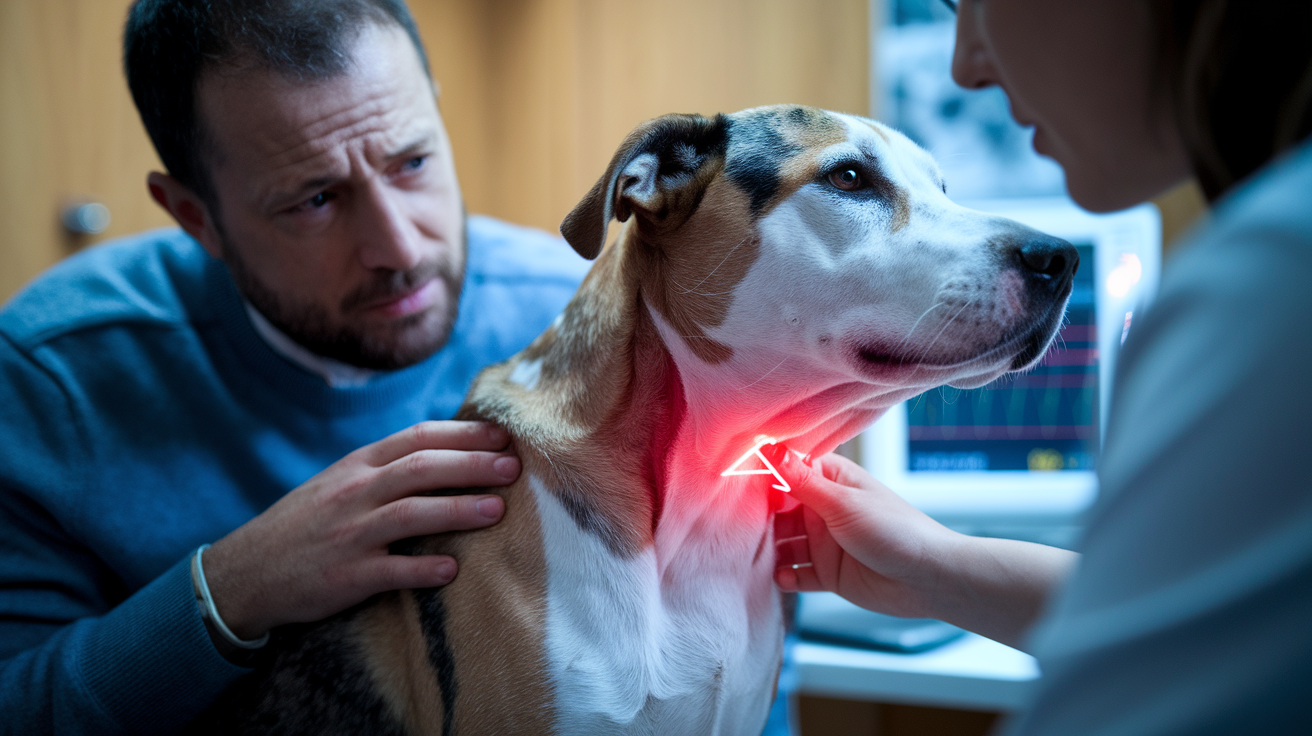
Not every sneeze or scratch needs an emergency trip. But certain allergy symptoms can worsen fast, cause lasting harm, or signal a serious reaction that needs quick action. Knowing which signs mean “watch and see” versus “call right now” can spare your pet days of discomfort and stop complications like secondary infections, severe skin damage, or even life-threatening reactions.
The gap between mild and urgent can be narrow. A patch of red skin might clear up with a bath. Repeated vomiting within a few hours? That can point to something needing medical care today. Here are the main red flags that should move you from monitoring at home to picking up the phone.
Major red flags requiring veterinary care:
- Breathing trouble, open-mouth breathing, wheezing, or coughing that doesn’t stop
- Sudden swelling of the face, muzzle, tongue, or throat
- Nonstop scratching or licking that goes on hour after hour, even through the night
- Bleeding skin, open sores, oozing wounds, or crusted lesions that look infected
- Vomiting or diarrhea lasting more than 24 hours, especially with blood or signs of dehydration (dry gums, lethargy)
- Collapse, weakness, stumbling, or sudden inability to stand
- Severe hives covering large areas of the body
- Signs of pain, agitation, or refusal to eat or drink for more than a day
Mild Allergy Symptoms You Can Monitor at Home

Some allergy signs show up gently and stay mild, especially if they match a known seasonal pattern or follow brief exposure to something new. A round of sneezing after a windy afternoon, light pawing at the ear for a few minutes, or a slightly pink belly can often settle down on their own within a couple of days. This is particularly true if you bathe your pet, wipe paws after walks, and keep bedding clean.
Monitoring at home works when symptoms stay minor and don’t spread. Watch for frequency and pattern. If your dog scratches twice in an hour but then naps peacefully the rest of the day, that’s not the same as scratching every ten minutes for six hours straight.
When mild monitoring is appropriate:
- Occasional itching that doesn’t interrupt sleep or play
- Light sneezing or watery eyes during high pollen days, with no breathing changes
- Slight redness on paws or belly that fades within 48 hours
- Single episode of soft stool with normal energy and appetite
- Symptoms that respond quickly to a gentle bath or paw wipe and don’t come back
If any of these mild signs last beyond two to three days, or if they start happening more often or spreading to new areas, schedule a veterinary appointment.
Emergency Allergy Symptoms Requiring Immediate Veterinary Attention

Anaphylaxis is a rapid, whole-body allergic reaction that can shut down airways, drop blood pressure, and cause organ failure within minutes. It’s rare. But when it happens, every second matters. Triggers can include vaccine reactions, insect stings, certain foods, or medications. Swelling that appears suddenly, especially around the face or throat, paired with breathing distress or collapse, is the clearest signal of a true emergency.
If you see sudden facial puffing, your pet struggling to breathe, widespread hives erupting in front of your eyes, vomiting multiple times in quick succession, or your pet going limp or unresponsive, do not wait. Call your vet or the nearest emergency clinic immediately and start driving.
On the way, keep your pet calm, positioned to breathe as easily as possible (head slightly elevated if safe), and avoid giving any medication unless a vet directs you by phone. Anaphylaxis can progress in minutes. Emergency treatment often includes injectable medications, oxygen, and IV fluids. The faster your pet reaches care, the better the outcome.
Symptom Progression Timelines: When Allergies Get Worse

Some allergic reactions hit hard and fast. A bee sting or new medication can cause swelling, hives, or breathing trouble within 15 to 30 minutes. You’ll notice rapid changes. Sudden distress, pacing, drooling, or pawing at the face. This kind of acute flare demands immediate action.
Other allergies build more slowly. Environmental triggers like pollen or dust mites may cause itching that starts mild on day one, intensifies by day two, and by day three your pet is scratching constantly, has red patches spreading across the belly, or develops small bumps and crusts. At 48 to 72 hours, if symptoms are climbing instead of fading, it’s time to call the vet. You’re past the “let’s see if a bath helps” window and into the zone where secondary infection or skin trauma becomes a real risk.
Chronic, low-grade allergy patterns develop over weeks or months. Recurrent ear infections every few months, a coat that never quite looks healthy, or paws that get licked raw seasonally can all point to an underlying allergy needing diagnosis and long-term management. Even if no single episode feels urgent, the pattern itself is a red flag. Two or three ear infections in a year, or itching that returns reliably every spring, warrants an allergy workup rather than just treating flare-ups as they come.
Allergy‑Specific Red Flags: Food, Environmental, and Flea Allergies

Different allergens leave different clues. Paying attention to where symptoms show up, when they happen, and how they behave over time can help you and your vet zero in on the cause faster and choose the right tests or treatments.
Food Allergy Red Flags
Food allergies often show up as a mix of skin and digestive trouble. Chronic ear infections that come back a few weeks after antibiotics finish, itching that doesn’t follow any seasonal pattern, red irritated paws or face, vomiting, diarrhea, or a dull coat that doesn’t improve with grooming can all point to something in the diet.
The itching tends to be year-round and may focus on the ears, face, feet, and belly. If you recently changed food or added new treats and symptoms started or worsened within days to weeks, suspect food. Diagnosis usually requires an elimination diet trial under veterinary supervision for eight to twelve weeks. This means feeding only a novel protein or hydrolyzed diet and cutting out all other food sources, including flavored medications and table scraps.
Environmental Allergy Red Flags
Pollen, mold spores, dust mites, and grasses cause seasonal or regional patterns. Symptoms may spike in spring or fall, worsen after outdoor play, or flare during high pollen counts. Look for intense paw licking, face rubbing on furniture or carpet, red inflamed skin in the armpits or groin, watery eyes, and sneezing.
Indoor allergens like dust or mold can cause year-round issues, especially in climates with long heating or cooling seasons that keep windows closed. Recurrent skin infections, two or three times a year, often signal an underlying environmental allergy weakening the skin barrier and letting bacteria or yeast take hold.
Flea Allergy Red Flags
Even a single flea bite can trigger severe itching in a sensitized pet. Flea allergy dermatitis usually shows up as intense scratching and biting focused on the rump, base of the tail, back legs, and belly. You may see hair loss in those areas, small red bumps, scabs, or raw patches from constant chewing.
Sometimes you’ll spot fleas or flea dirt (tiny black specks that turn red-brown when wet). But in highly allergic pets the itching can be extreme even when only one or two fleas are present. Sudden onset, localized pattern, and rapid worsening after outdoor exposure are classic clues. Year-round flea prevention for every pet in the household, plus treating the environment, is essential to break the cycle.
Preparing for a Vet Visit for Allergy Symptoms

Walking into the exam room with clear information helps your vet move faster toward the right diagnosis and treatment plan. Allergies can be tricky to pin down because symptoms overlap and triggers vary. The more specific you can be about what you’ve seen, when it started, and what you’ve tried, the better.
Write down a timeline before the appointment. Note the date you first noticed symptoms, how often they happen (times per day or per week), and whether they’re getting worse, staying the same, or coming and going. Record any patterns you’ve noticed tied to seasons, weather, new food, treats, walks in certain areas, or changes at home like new cleaning products or bedding.
If you’ve tried any home remedies, over-the-counter products, or leftover medications, list those too, including what happened after you used them. Bring photos or short videos showing the affected areas, ideally with dates so the vet can see progression. Stool samples, if diarrhea is part of the picture, should be fresh within 24 hours and kept cool.
What to bring and document for the vet:
- Symptom timeline with exact start dates, frequency, and any known triggers or exposures
- Complete current diet, including brand, protein source, amounts fed daily, and every treat or chew given in the past 8 to 12 weeks
- Photos or videos of skin issues, with dates, showing close-ups of lesions, hair loss, or redness
- List of all medications, supplements, flea/tick preventives, shampoos, and topical products with start dates and doses
- Records of previous infections, treatments, lab results, or allergy tests from the past year
Final Words
If your pet shows facial swelling, trouble breathing, nonstop scratching, vomiting, or collapse, get veterinary help right away.
This guide ran through the main red flags, milder signs you can safely watch at home, timelines for worsening, allergy-specific clues, and what to bring to the vet.
Use these checklists to decide when to see vet for pet allergies: act fast for rapid changes or symptoms lasting over 24 hours, and call if things get worse despite home care. Early action often keeps pets comfortable and out of danger. You’ve got this.
FAQ
Q: When to go to the vet for dog allergies?
A: You should go to the vet for dog allergies when you see severe or worsening signs like facial swelling, trouble breathing, nonstop scratching, open sores, vomiting or diarrhea, marked lethargy, or sudden collapse. Call immediately for breathing trouble or collapse.
Q: What is the 3 day rule for allergies?
A: The 3 day rule for allergies means if mild allergy signs don’t improve within three days of basic home care, such as cleaning or flea control, or an antihistamine your vet suggested, contact your vet sooner if symptoms worsen.
Q: Are cavaliers prone to allergies?
A: Cavalier King Charles Spaniels can be prone to allergies, often showing itchy skin, ear infections, or recurrent paw licking. Track patterns and see your vet if itching is persistent, severe, or causes open sores.
Q: Can an allergist help with autoimmune disease?
A: A veterinary allergist can sometimes help with immune-related issues that look like allergies, but true autoimmune diseases usually need a veterinary internal medicine specialist or dermatologist for diagnosis and immunosuppressive treatment.