

Could your cat’s nonstop scratching actually be a food allergy, not fleas?
Food allergies in cats often show up as intense itching around the face and ears, red sore skin, chronic vomiting, loose stool, recurring ear infections, or patches of missing fur.
This post will help you spot the common signs, explain simple, safe steps to try at home, tell you what to track over the next two weeks, and point out clear red flags for when to call your vet.
Key Symptoms Your Cat May Have a Food Allergy

Food allergies in cats show up through visible, repeating symptoms that can hit within hours or build over days. The most obvious signs usually appear on the skin and around the ears, but you’ll also see digestive problems and behavior shifts. When your cat’s immune system reacts to a specific ingredient, the body dumps chemicals that trigger inflammation, itching, and irritation.
These symptoms often cluster around the head and neck, though some cats develop issues across their whole body. Once the reaction starts, signs stick around or get worse until you completely remove the problem food.
Typical symptoms of food allergies in cats include:
- Intense itching around the face, ears, neck, and feet. Your cat will scratch constantly with their hind legs.
- Red, inflamed skin with visible irritation, scabs, crusts, or raw patches from all that scratching.
- Vomiting that happens chronically or comes and goes, sometimes with hairballs or gagging.
- Diarrhea or soft stool. Frequent bowel movements that are loose, watery, or just inconsistent.
- Hair loss or bald patches from overgrooming and self-trauma. Often symmetrical thinning or complete fur loss.
- Recurrent ear infections that don’t go away. Head shaking, dark discharge, or a yeasty smell. Sometimes just one ear.
- Excessive licking and grooming. Obsessive attention to paws, belly, legs, or flanks. You’ll see wet, matted fur or open sores.
Symptoms can show up fast after your cat eats something new. But more often they develop slowly over days or weeks as the immune response builds. Some cats tolerate an ingredient for months or even years before suddenly reacting to it. Once the allergy sets in, even a tiny amount of the trigger food (a single treat, a flavored medication) can restart the itching and inflammation within hours to days.
Understanding the Difference Between Food Allergies and Food Intolerances
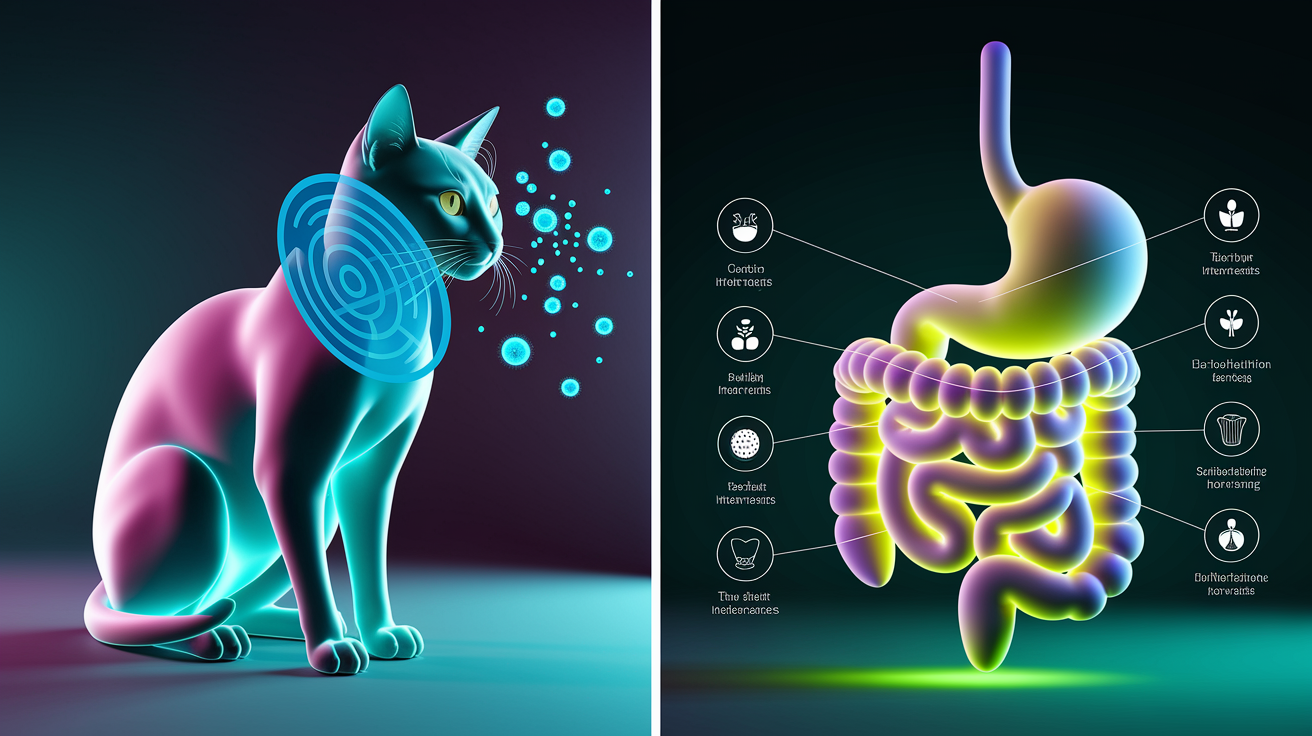
A food allergy involves the immune system. When your cat eats an ingredient their body’s decided is dangerous, the immune response kicks off inflammation, itching, and skin problems. A food intolerance doesn’t involve immunity. It’s a digestive issue where your cat’s gut can’t properly process a certain ingredient. Think of an allergy as the body fighting an invader. Intolerance is just the stomach struggling to handle what’s been fed.
Both can cause vomiting and diarrhea, which is why people confuse them. The real difference? Allergies almost always produce skin symptoms. Intense itching, redness, scabs, ear infections. Intolerances usually stay in the digestive tract. A cat with lactose intolerance might have diarrhea after drinking milk but won’t develop itchy ears or bald patches. A cat with a chicken allergy may scratch their neck raw and also vomit, mixing skin and digestive signs.
Getting this right matters because the treatment paths are different. Intolerances can often be managed by just avoiding the problem ingredient, with improvement in a few days. Allergies need a strict, vet-supervised elimination diet trial lasting 8 to 12 weeks, then careful reintroduction of foods to confirm the trigger. Misidentifying an allergy as intolerance can lead to partial dietary changes that don’t fix the itching, leaving your cat uncomfortable for months.
Common Foods That Trigger Allergic Reactions in Cats

Proteins are the main cause of food allergies in cats. Any protein your cat’s eaten repeatedly over time can eventually trigger an immune reaction, even if it was fine before. Cats don’t become allergic to new foods on the first exposure. The body needs time to recognize the ingredient and develop antibodies against it. That’s why the foods most often implicated are the ones in everyday commercial diets: chicken, beef, fish, dairy, and eggs.
Chicken tops the list because it’s a primary ingredient in most cat foods (kibble, wet food, and treats). Beef and fish follow closely. Both are frequent proteins in standard formulas. Dairy causes problems not just from lactose intolerance but also because milk proteins can trigger true allergic responses. Egg rounds out the top allergens, found in many processed foods and supplements.
The five most common food allergens for cats are:
- Chicken. The single most frequent trigger, present in the majority of commercial cat foods.
- Beef. A common protein in both wet and dry formulas, and often in treat ingredients.
- Fish. Especially tuna, salmon, and whitefish. Popular in many feline diets.
- Dairy. Milk, cheese, yogurt, and cream. All potential allergens beyond simple lactose issues.
- Eggs. Whole eggs or egg powder, used as binders and protein sources in processed foods.
Long-term, repeated exposure to the same protein increases the chance of sensitization. A cat fed chicken-based food every day for years has a higher risk of developing a chicken allergy than a cat rotated through varied proteins. This doesn’t mean you should constantly change diets (sudden switches can upset digestion), but it does explain why older cats often develop allergies to ingredients they’ve eaten their entire lives. Once sensitization occurs, even trace amounts in flavored medications, vitamin supplements, or a single treat can restart symptoms.
When Your Cat’s Symptoms Need Veterinary Attention

Contact a veterinarian immediately if your cat shows rapid breathing, facial swelling, sudden collapse, or signs of anaphylaxis. Severe reactions are rare, though. More commonly, you’ll need professional help when symptoms persist, worsen quickly, or point to secondary complications like infection.
Call within 24 hours if vomiting happens more than twice in a day, if diarrhea becomes bloody or extremely watery, or if your cat stops eating and drinking. Dehydration can set in fast. Check for sticky gums, sunken eyes, or reduced urination. Skin lesions that spread rapidly, develop oozing or crusting, or smell foul may mean bacterial or yeast infection on top of the allergy. These will need prescription treatment.
Schedule a non-urgent appointment if itching continues for more than a week, if ear infections keep coming back despite treatment, if you see steady weight loss, or if bald patches and scabs appear without improvement. Chronic symptoms (even mild ones) mean the trigger’s still in the diet and you need a structured elimination trial. Home observation is helpful for the first few days. But anything lasting beyond two weeks without improvement means it’s time for a vet exam and a formal diagnostic plan.
How to Observe and Track Your Cat’s Symptoms at Home

Detailed records help your vet identify patterns and speed up the diagnosis. Before starting any elimination diet, spend one to two weeks documenting your cat’s normal routine and current symptoms.
Follow these five steps to track symptoms effectively:
- Keep a daily food diary. Write down every meal, treat, supplement, flavored medication, and table scrap your cat consumes. Include exact brand names and ingredient lists.
- Photograph skin changes. Take close-up pictures of any red patches, scabs, bald spots, or sores every few days. Note the date and location on the body.
- Record digestive events. Note the time, frequency, and appearance of vomiting or diarrhea. Does it happen after specific meals or times of day?
- Monitor scratching and grooming. Count how many times per hour your cat scratches a specific area or grooms excessively. Is it worse at certain times (after eating, at night)?
- Track behavioral and physical changes. Document any shifts in appetite, water intake, energy level, litter box frequency, or new habits like head shaking or paw licking.
This data gives your vet a clear baseline to compare against once a diet trial begins. It also reveals hidden exposures: a housemate sneaking treats, a toddler sharing snacks, flavored heartworm medication. Things that can sabotage the elimination process. When you bring this information to the appointment, your vet can design a more targeted, effective plan and set realistic expectations for how quickly symptoms should improve.
Final Words
You’ve seen the most common signs of food allergies in cats, including itching, skin irritation, vomiting, diarrhea, hair loss, ear infections, and excessive licking.
We looked at how allergies differ from intolerances, common trigger foods like chicken and beef, when to contact the vet, and simple ways to track symptoms. If you can do one thing today, note what your cat eats and record episodes for two weeks.
Spotting signs of food allergies in cats early and sharing a short log with your vet often speeds relief. You’re on the right track.
FAQ
Q: What is the most allergenic food for cats?
A: The most allergenic food for cats is often chicken, a common protein trigger, though beef, dairy, fish, and eggs also frequently cause reactions.
Q: What are the five cat foods to avoid?
A: The five cat foods to avoid are chicken, beef, dairy, fish, and eggs, since these proteins commonly trigger allergic reactions, especially if your cat shows itching or digestive signs.
Q: How long does it take for a food allergy to show up in cats?
A: A food allergy in cats can show up within weeks to months after exposure, though timing varies; some signs appear sooner, and repeated exposure often makes symptoms clearer.
Q: Is it possible to cure cat food allergies?
A: Curing cat food allergies is rarely possible; they’re usually managed by finding the trigger with an elimination diet and permanently avoiding that ingredient under your vet’s guidance.