

Could a single bite or treat make your dog’s face swell so fast it blocks their airway?
Sudden facial swelling is often an allergic reaction that can go from mild puffiness to life-threatening airway tightness in 20 to 60 minutes.
This post shows the clear red flags—like noisy breathing, pale or blue gums, or swelling that spreads quickly—plus simple first steps you can do at home and exactly when to rush to the emergency vet.
If you only read one thing, learn the quick checks that tell you whether to monitor for a few hours or get immediate care.
Immediate Actions for Sudden Dog Facial Swelling from an Allergic Reaction
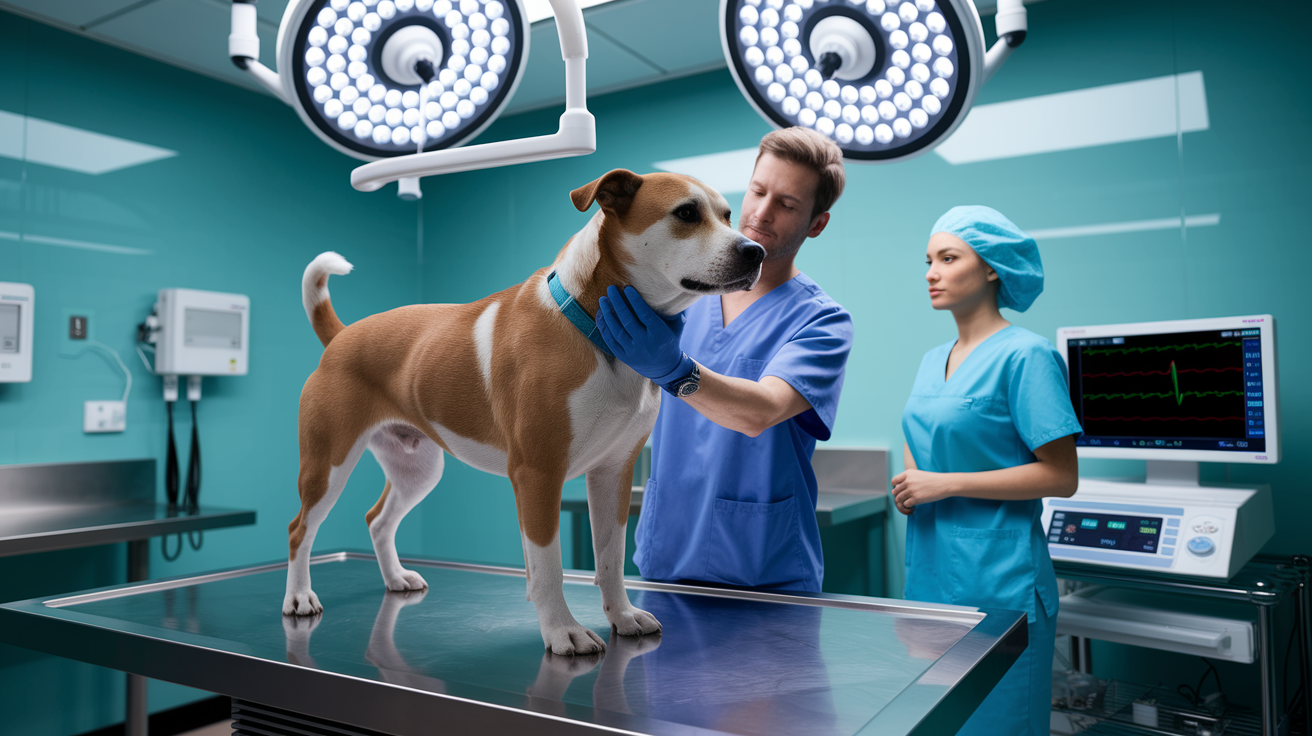
Sudden facial swelling happens when your dog’s immune system goes into overdrive and floods the face with fluid after hitting a trigger. The face puffs up first because the skin there is loose and loaded with blood vessels. In bad cases, a dog’s face can double in size within minutes. But here’s the thing—what you’re seeing on the outside isn’t always the biggest problem. It’s what might be happening inside the throat and airways. Reactions can go from mild puffiness to airway closure in 20 to 60 minutes.
Life-threatening symptoms include trouble breathing (loud wheezing, gasping, or hard work just to pull air in), gums that turn pale, white, or blue instead of healthy pink, weakness or stumbling, vomiting or diarrhea that comes on fast, collapse, seizures, or swelling that spreads quickly across the face and neck. Airway swelling is the scariest part because it can quietly tighten the throat from the inside while the face keeps puffing outward. If your dog shows any of these signs, you’re looking at a medical emergency.
When to call a vet is pretty straightforward. Call right away if breathing changes at all, if the swelling appeared suddenly and is spreading, if your dog seems weak or confused, or if gums lose their normal pink color. Waiting around during a severe allergic reaction can waste critical minutes. Emergency clinics are open 24/7 for exactly this reason. Early treatment with the right medications can reverse a dangerous reaction and save your dog’s life.
Immediate first aid steps include:
- Check your dog’s gums by gently lifting the lip. Healthy gums are pink and moist. White, gray, blue, or brick-red gums mean you need emergency care right now.
- Watch how your dog is breathing. Count breaths per minute if you can (normal resting rate is roughly 10 to 30 breaths per minute for most dogs). Listen for wheezing, gasping, or loud effort.
- Note how fast the swelling is spreading. If it grows visibly in minutes or moves toward the neck, that’s a red flag.
- Keep your dog calm and still. Stress and movement can speed up the reaction and increase oxygen demand.
- Remove any suspected allergen if you know what it is. Move the dog away from the area, wipe off topical exposures gently with a damp cloth, and stop further contact.
- Don’t give any medication, including over-the-counter antihistamines, without calling your vet first. Dosing errors or timing mistakes can make things worse.
- If you’ve got another person with you, have them drive while you monitor your dog’s breathing and gum color during transport.
- Offer only tiny sips of water if your dog is alert and not vomiting. Don’t force fluids if the dog is weak or having trouble swallowing.
- Prepare to describe the timeline to the vet. When did the swelling start? What was your dog doing right before? Did you see a bee, give a new treat, or apply a new product?
- If your dog collapses, loses consciousness, or stops breathing, get to the nearest emergency vet immediately and call ahead if possible so they can prepare.
Emergency thresholds aren’t negotiable. If breathing is compromised, if your dog is losing color in the gums, or if the swelling is racing across the face, you’re out of the monitoring window and into the emergency window. Acting fast during the first hour of a severe allergic reaction is often the difference between a full recovery and a tragedy.
Identifying Symptoms of Allergic Facial Swelling in Dogs

Mild allergic hives on the face often show up as small, raised bumps scattered across the muzzle, eyelids, or cheeks. The skin may look red or feel warm to the touch. Eye swelling from allergies can make the eyelids puffy and half-closed, sometimes with clear discharge or redness around the conjunctiva (the pink tissue inside the eyelid). Lip swelling can make the mouth look lopsided or cause the lips to droop and feel soft and squishy. You might notice your dog pawing at their face, rubbing against furniture, or acting restless and uncomfortable. These mild signs don’t always mean the reaction will stay mild, so keeping a close watch matters.
When swelling spreads or gets worse, the appearance changes. Swollen cheeks can make the whole face look round and tight, almost mask-like. The muzzle may balloon outward, and the eyes can swell shut. If the reaction is progressing, you may see drooling, hear noisy or labored breathing, or notice that your dog is panting hard even while sitting still. Mouth and throat swelling shows up as gagging, repeated swallowing, or a change in bark or whine. Any swelling that moves quickly or affects how your dog breathes or swallows has crossed into serious territory.
| Symptom Area | Common Allergic Indicators |
|---|---|
| Eyelids | Puffiness, partial closure, redness, watery or clear discharge, squinting |
| Muzzle | Swollen nose bridge, widened or rounded appearance, hives, red or warm skin |
| Lips | Drooping, asymmetric swelling, soft texture, drooling, difficulty closing mouth |
| Cheeks | Round, tight swelling on one or both sides, warm to touch, possible hives |
| Throat (inside) | Gagging, repeated swallowing, noisy breathing, voice change, visible effort to breathe |
Likely Causes of Allergy-Triggered Dog Facial Swelling
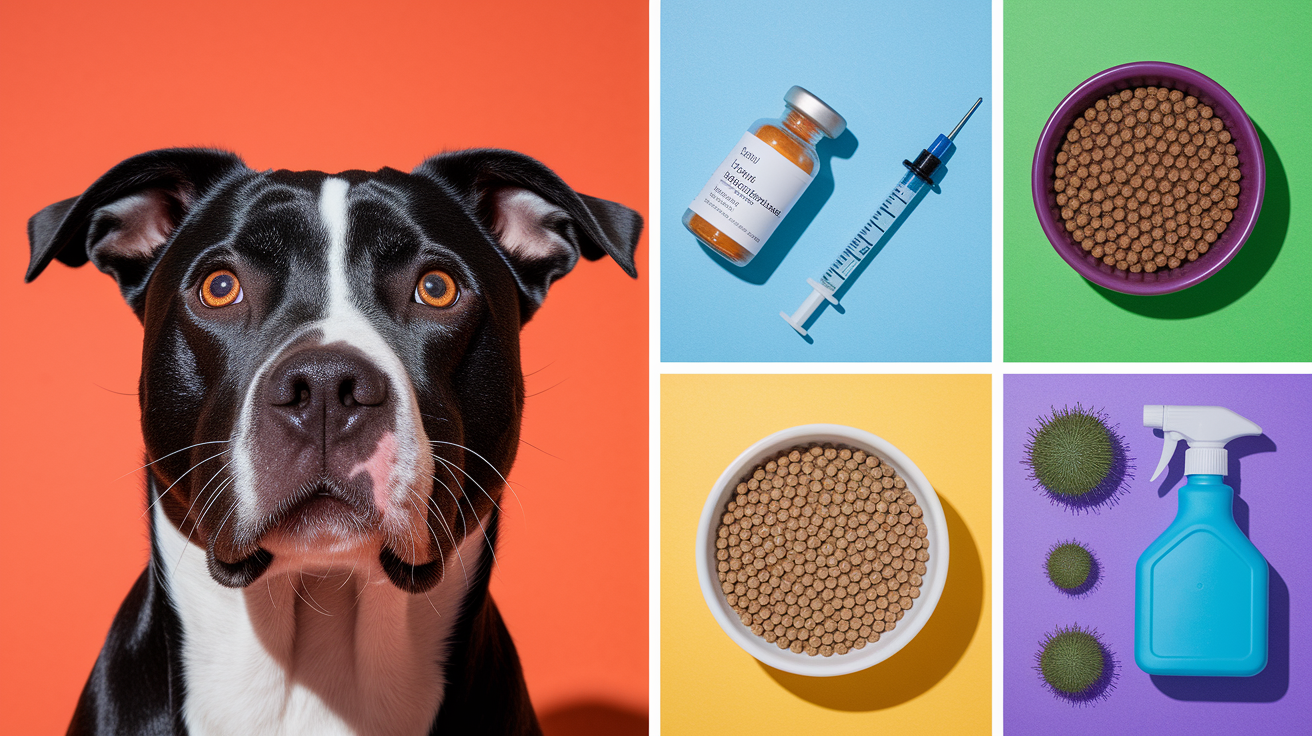
Allergic facial swelling happens because the immune system overreacts to a trigger and releases chemicals that make blood vessels leak fluid into the surrounding tissue. The loose, stretchy skin on a dog’s face fills up fast, which is why you see dramatic puffiness so quickly. This type of swelling, called angioedema, is the body’s alarm system misfiring. Instead of a measured response to a real threat, the immune system floods the area with inflammatory signals that cause rapid, visible swelling within minutes to an hour of exposure.
The most common rapid-onset triggers include insect bites and stings (especially bees, wasps, hornets, spiders, or fire ants), vaccinations (particularly in dogs with a history of vaccine reactions), medications (antibiotics, pain relievers, or new prescriptions), certain foods (proteins like chicken, beef, dairy, or novel ingredients introduced suddenly), and environmental exposures like pollen, mold spores, or contact with cleaning chemicals or lawn treatments. Bug bites are a leading cause because dogs explore the world with their noses and mouths, making the face the first point of contact. Medication reactions can appear within minutes of administration or up to a few hours later, depending on how the drug is absorbed.
Environmental allergens tend to cause slower, repeated exposure reactions, while ingestible or injected allergens (food, drugs, vaccines, venom) trigger faster, more dramatic swelling. A bee sting delivers venom directly into tissue, so the reaction is immediate and localized to the sting site but can spread across the face. A food allergen has to be digested and absorbed before the immune system responds, so swelling may build over 30 minutes to a few hours. Contact allergens, like walking through treated grass or lying on a new detergent-washed blanket, usually cause skin irritation and hives first, with facial swelling developing if the dog rubs or licks the area and transfers the allergen to the face.
Major allergen categories that cause dog facial swelling:
- Insect venom (bees, wasps, hornets, spiders, fire ants, biting flies)
- Medications and vaccinations (especially new drugs or vaccines with prior reaction history)
- Food proteins and additives (common culprits include chicken, beef, dairy, eggs, soy, corn, wheat, artificial colors or preservatives)
- Environmental pollens and molds (seasonal grasses, trees, weeds, indoor or outdoor mold spores)
- Topical or contact exposures (lawn chemicals, cleaning products, shampoos, flea treatments, grooming sprays)
- Household or outdoor toxins (certain plants, pesticides, fertilizers, stinging or irritating plant contact like nettles)
Distinguishing Allergic Reactions from Other Sources of Dog Facial Swelling
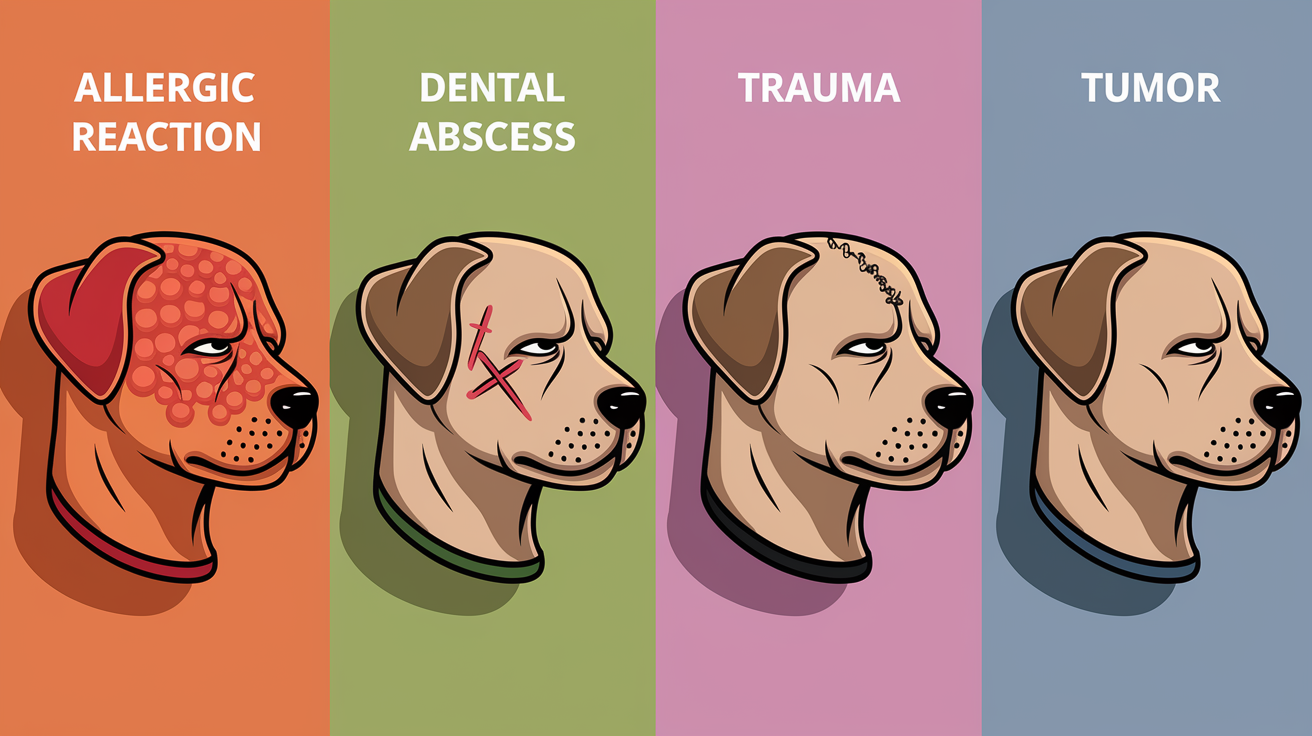
Allergic reactions typically cause rapid, soft, warm swelling that appears within minutes to a couple of hours after exposure. The swelling feels puffy and fluid-filled, and it often comes with itching, hives, or red skin. Dogs with allergic swelling may paw at their face, rub against furniture, or act restless. The key clue is speed. If the face wasn’t swollen an hour ago and now it is, and there’s no sign of injury, allergy is the most likely explanation. Dental disease causing facial swelling builds more slowly, usually over days or weeks, and is tied to pain when chewing, bad breath, drooling, or reluctance to eat hard food. You might see a firm, sometimes warm lump near the upper jaw or under the eye where a tooth root abscess is forming a pocket of pus beneath the gum line.
Trauma versus allergic facial swelling is usually easy to sort out by history. If your dog was in a scuffle, fell, or got hit by something, and swelling appears on one side of the face near the injury site, trauma is the cause. Traumatic swelling can be firm or bruised-looking, and the dog may be reluctant to let you touch the area. Tumors or cysts create gradual enlargement over weeks to months. A cyst feels like a smooth, movable lump under the skin and is usually not painful. A tumor can be firm or irregular, may grow steadily, and can cause discomfort or asymmetry in the face. Unlike allergic swelling, which comes and goes or responds quickly to treatment, tumor-related swelling is persistent and progressive.
| Cause Type | Typical Onset / Clues |
|---|---|
| Allergic Reaction | Rapid (minutes to 1 to 2 hours), soft and puffy, often itchy, may include hives or red skin, history of new exposure |
| Dental Abscess or Infection | Gradual (days to weeks), firm or warm lump near jaw or under eye, bad breath, drooling, pain when eating, reluctance to chew |
| Trauma (bite, fall, blunt injury) | Acute (minutes to hours after injury), localized to impact site, may be firm or bruised, pain on touch, known recent injury event |
| Tumor or Cyst | Very gradual (weeks to months), persistent and progressive, firm or smooth lump, not itchy, no recent trigger, may cause asymmetry or pressure signs |
Veterinary Treatment Options for Allergic Facial Swelling in Dogs
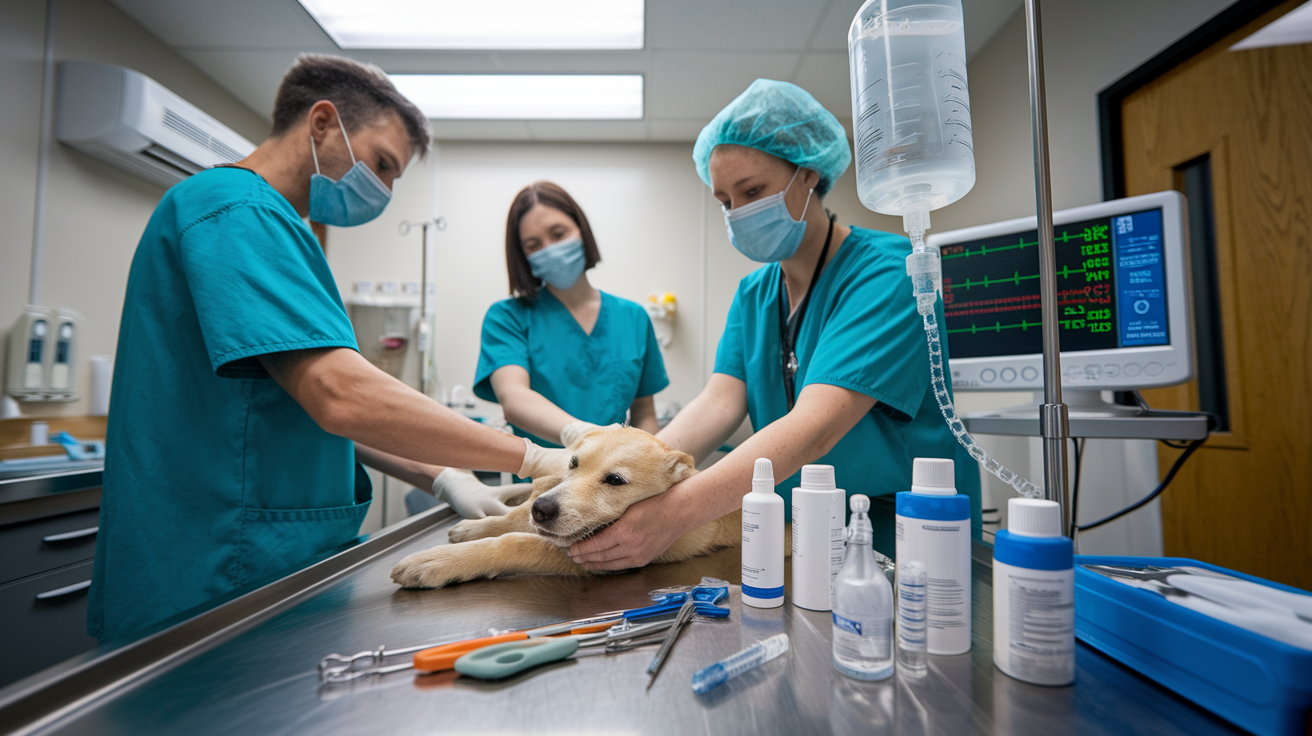
Veterinarians choose treatment based on how severe the reaction is and how fast it’s progressing. For mild to moderate allergic facial swelling, antihistamines are often the first step. Common options include diphenhydramine (Benadryl), cetirizine (Zyrtec), or hydroxyzine, given by mouth or as an injection. Antihistamines block histamine receptors and slow down the swelling and itching. They work best when given early in the reaction, before swelling becomes severe. Your vet will calculate the correct dose based on your dog’s weight and medical history. Never guess at home dosing because too much or too little can cause problems.
Corticosteroids are used when the reaction is more serious or when antihistamines alone aren’t enough. Oral prednisone or injectable dexamethasone or methylprednisolone reduce inflammation quickly and help prevent the reaction from bouncing back hours later. Steroids take a bit longer to work than antihistamines, but they have a stronger, longer-lasting effect on the immune response. For life-threatening anaphylaxis with airway swelling, collapse, or shock, epinephrine is the emergency drug of choice. Epinephrine works within seconds to minutes to open airways, raise blood pressure, and reverse the most dangerous symptoms. It’s given as an injection, and dogs receiving epinephrine are monitored closely because the effect is short-lived and may need to be repeated.
If facial swelling is caused by something other than allergy, like a dental abscess or mass, treatment shifts to addressing the underlying problem. A tooth abscess may require extraction, antibiotics, and pain control. A tumor or large cyst may need surgical removal and biopsy to determine if it’s benign or malignant. The key is accurate diagnosis, which is why veterinary evaluation is always necessary when facial swelling appears, no matter the suspected cause.
Common veterinary treatments for allergic facial swelling:
- Injectable or oral antihistamines to block histamine and reduce swelling and itching
- Corticosteroids (oral or injectable) to control inflammation and prevent rebound reactions
- Epinephrine injection for severe anaphylaxis with airway compromise or shock
- Intravenous fluids and oxygen support for dogs in respiratory distress or systemic shock
- Monitoring and repeat dosing if symptoms don’t improve or begin to return after initial treatment
Safe At-Home Support for Mild Allergic Facial Swelling in Dogs
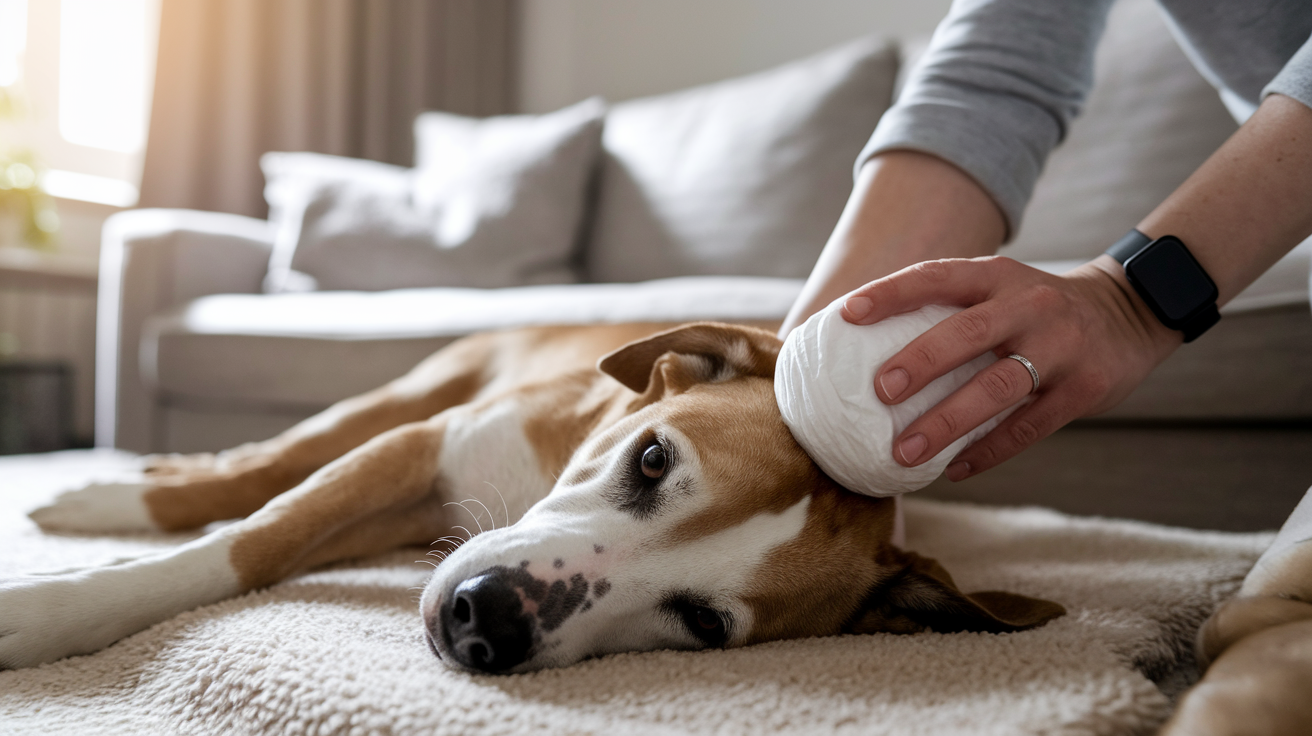
If your dog has mild, localized swelling with no breathing changes, no vomiting, and normal gum color, and your vet has given you the green light to monitor at home, there are a few safe supportive steps you can take. A cold compress applied gently to the swollen area for 5 to 10 minutes at a time can help reduce puffiness and soothe irritation. Use a clean, damp washcloth or a soft ice pack wrapped in a towel. Never apply ice directly to the skin. Keep sessions short and stop if your dog seems uncomfortable or tries to pull away. The goal is comfort, not forcing treatment.
Supportive care at home also means keeping your dog calm and limiting activity. Excitement, stress, and physical exertion can increase blood flow and potentially worsen swelling or speed up the reaction. Offer a quiet, cool space away from the suspected allergen. If your dog is scratching or pawing at the swollen area, try distracting with gentle petting or a favorite toy, but avoid putting anything on the face like creams, sprays, or home remedies unless your vet specifically recommends it. Managing facial swelling without a vet immediately is only appropriate for very mild cases, and even then, a phone call to your vet for guidance is the safest first step.
Safe home steps for mild allergic facial swelling:
- Apply a cold compress wrapped in a towel to the swollen area for 5 to 10 minutes, repeating every hour if helpful and tolerated.
- Minimize your dog’s activity and keep them in a calm, cool, quiet environment to reduce stress and blood flow to the face.
- Prevent scratching or rubbing by redirecting your dog’s attention, using gentle distraction, or asking your vet about a soft cone if needed.
- Contact your veterinarian before giving any medication, even if you have antihistamines at home, to confirm the correct drug, dose, and timing for your specific dog.
What Happens in Severe Allergic Reactions and How Vets Respond

Severe allergic reactions, called anaphylaxis, can cause the airway to swell shut from the inside. The throat, larynx, and windpipe tissues become so inflamed that air can’t pass through. At the same time, blood vessels throughout the body leak fluid into tissues, causing blood pressure to drop dangerously low. This combination of airway obstruction and circulatory collapse is what makes anaphylaxis life-threatening. Dogs in anaphylactic shock may also vomit, have diarrhea, lose control of their bladder or bowels, collapse, or have seizures. The reaction can spiral from mild facial puffiness to full systemic crisis in as little as 20 to 60 minutes, sometimes faster.
When facial swelling indicates airway obstruction, the signs include loud, effortful breathing, wheezing or high-pitched sounds when inhaling, gagging, drooling, pawing at the mouth, and visible panic or distress. The dog may extend the neck forward and refuse to lie down because it’s easier to breathe while standing or sitting upright. Gums may turn pale, white, or blue as oxygen levels drop. Recognizing a life-threatening allergic reaction means watching for any combination of respiratory distress, sudden weakness, gum color changes, vomiting or diarrhea that come on fast, or collapse. These aren’t wait-and-see symptoms. They require emergency veterinary intervention within minutes.
Vets respond to severe allergic reactions with a multi-step emergency protocol designed to restore breathing, circulation, and immune control as quickly as possible. Speed and precision are critical because every minute of oxygen deprivation or low blood pressure increases the risk of organ damage or death.
Veterinary interventions and critical care actions for severe allergic reactions:
- Immediate epinephrine injection to reverse airway swelling, raise blood pressure, and stabilize circulation
- Oxygen supplementation through a mask, nasal tube, or oxygen cage to support breathing and improve blood oxygen levels
- Intravenous catheter placement and aggressive fluid therapy to restore blood volume and blood pressure
- Injectable corticosteroids to reduce inflammation and prevent the reaction from rebounding hours later
- Injectable antihistamines to block ongoing histamine release and reduce swelling and hives
- Continuous monitoring of heart rate, respiratory rate, blood pressure, oxygen saturation, and gum color until the dog is stable and the reaction is controlled
Preventing Future Allergic Facial Swelling in Dogs
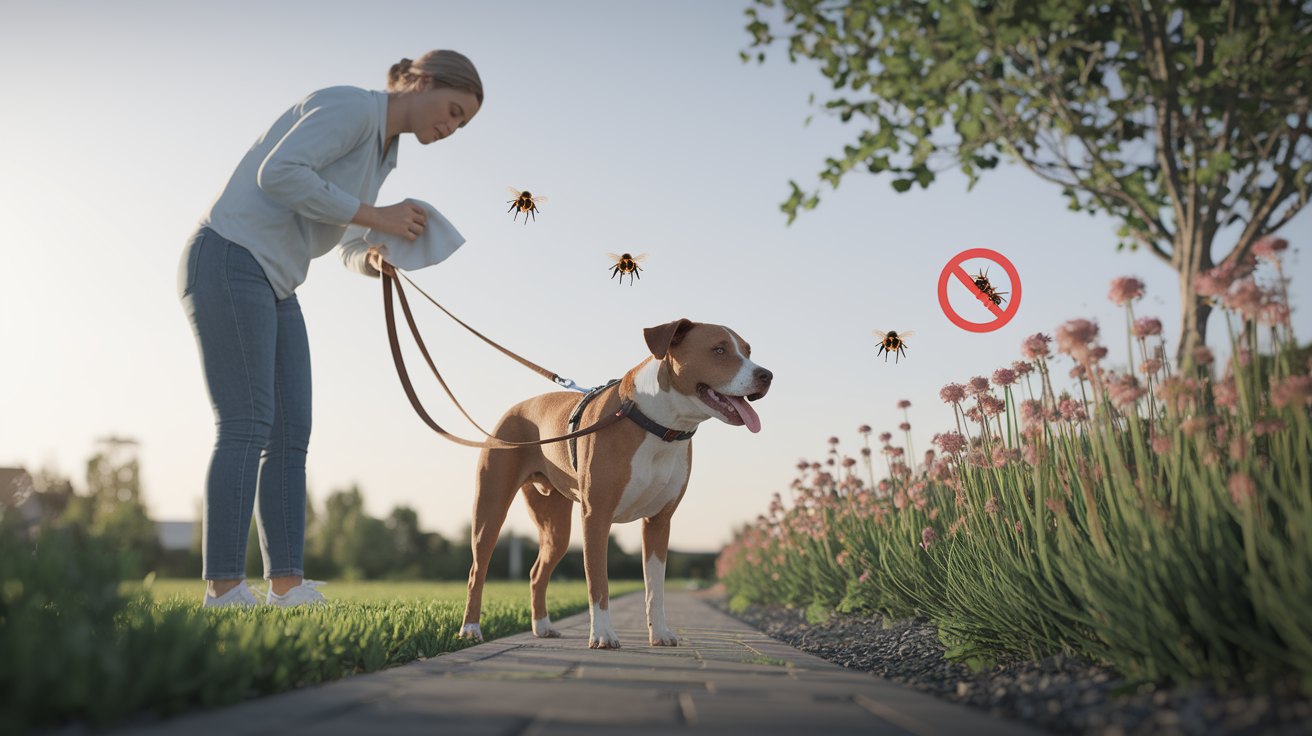
Once you know your dog has had an allergic reaction, the most effective prevention is avoiding the trigger. If you saw a bee sting or found a wasp near your dog, preventing insect bites means keeping your dog away from flowering plants during peak pollinator hours, checking yard areas before letting your dog explore, and avoiding walks near hives or nests. If the swelling happened after a vaccination, tell every veterinarian before any future vaccines so they can pre-treat with antihistamines or steroids and monitor your dog closely after the injection. If a new food was introduced, work with your vet to identify and eliminate the ingredient, and be cautious about treats, chews, or table scraps that contain common allergens.
Environmental allergens like pollen and mold are harder to avoid completely, but you can reduce exposure during high-pollen seasons by wiping your dog’s face and paws after outdoor time, keeping windows closed on high-pollen days, and using air filters indoors. Seasonal allergy facial swelling often follows a pattern. If you notice swelling that comes and goes with the seasons, track the timing and share that information with your vet so you can plan preventive medication before the allergy season begins. Avoiding foods that trigger facial swelling may require an elimination diet or prescription hypoallergenic food trial to identify safe ingredients.
Preventing trauma-related facial injuries, while not directly allergy-related, also reduces overall swelling risk. Keep your dog on a leash or in a securely fenced area to prevent fights, falls, or encounters with wildlife. Supervise interactions with other dogs and step in early if play becomes rough. A strong recall command can help you call your dog away from potential dangers like aggressive animals or areas where stinging insects are active.
Prevention techniques to reduce future allergic facial swelling:
- Avoid known allergens whenever possible, including foods, environmental exposures, and insect-heavy areas.
- Inform your veterinarian of any past allergic reactions before vaccinations, medications, or treatments so pre-treatment and monitoring can be arranged.
- Minimize pollen and mold exposure by wiping your dog down after walks, keeping indoor air clean, and limiting outdoor time during peak allergen seasons.
- Keep your dog leashed or in a fenced yard to reduce the chance of insect stings, wildlife encounters, and trauma that can mimic or complicate allergic reactions.
- Build a record of allergic events with dates, suspected triggers, symptoms, and treatments so your vet can identify patterns and create a tailored prevention plan.
Allergy Testing and Long-Term Management for Dogs with Recurrent Facial Swelling

If your dog has repeated episodes of facial swelling and you can’t pinpoint the cause, diagnostic tests for allergies can help. Veterinary allergy testing for facial reactions typically includes blood tests (serum allergy testing) that measure antibodies to specific allergens, and intradermal skin testing, where tiny amounts of common allergens are injected under the skin to see which ones cause a reaction. Both methods help identify environmental triggers like pollen, mold, dust mites, and some food proteins. Blood tests are less invasive and can be done during a regular vet visit. Skin testing is more sensitive and is usually performed by a veterinary dermatologist, but it requires sedation and takes a few hours.
For dogs with suspected food allergies, an elimination diet is often the most reliable diagnostic tool. Your vet will guide you through feeding a prescription hypoallergenic diet or a limited-ingredient diet made from proteins and carbohydrates your dog has never eaten before. You’ll feed only that diet for 8 to 12 weeks, with no treats, chews, flavored medications, or table scraps. If facial swelling and other allergy symptoms improve, you’ll reintroduce one ingredient at a time to identify which food triggers the reaction. Elimination diets for food allergy facial swelling require patience and strict compliance, but they’re the gold standard for diagnosing food allergies because they test real-world reactions instead of antibody levels.
Managing chronic facial swelling means building a long-term plan with your vet that may include allergen avoidance, regular preventive medications (antihistamines or low-dose steroids during allergy season), environmental controls (air purifiers, frequent cleaning, paw wipes), and emergency medication to keep at home in case of a breakthrough reaction. Some dogs benefit from immunotherapy (allergy shots or oral drops) that gradually desensitize the immune system to specific allergens. The goal is to reduce the frequency and severity of reactions so your dog can live comfortably without constant flare-ups.
Testing and management options for recurrent allergic facial swelling:
- Blood-based serum allergy testing to identify environmental and some food allergens through antibody measurement
- Intradermal skin testing performed by a veterinary dermatologist for precise environmental allergen identification
- Elimination diet trial using novel or hydrolyzed protein sources to diagnose food allergies through controlled reintroduction
- Immunotherapy (allergy shots or sublingual drops) to desensitize your dog to specific environmental allergens over time and reduce reaction severity
Final Words
When a dog’s face swells suddenly, act right away: check breathing, look at gum color, keep them calm, remove obvious allergens, and call your vet if swelling progresses or breathing sounds noisy.
We covered how to spot mild versus serious signs, common triggers, safe at‑home support, and what vets do in emergencies.
If you can do only one thing, call the veterinarian and have photos and timing ready. dog allergic reaction face swelling is scary, but quick action and a clear plan make a big difference.
FAQ
Q: How do you treat a dog’s swollen face from an allergic reaction or bring down swelling in a dog’s face?
A: Treating a dog’s swollen face from an allergic reaction and bringing down swelling involves stopping exposure, keeping your dog calm, applying a cool compress, preventing scratching, and contacting your vet for advice or urgent care if it worsens quickly.
Q: How long does swelling from an allergic reaction last in dogs?
A: Swelling from an allergic reaction in dogs often improves within 24 to 72 hours with care, but severe reactions or untreated swelling can last longer and need a vet exam to check for complications.
Q: Will Benadryl help my dog’s swollen face?
A: Benadryl may help reduce mild allergic facial swelling in dogs, but Benadryl should be used only after your vet okays it; it won’t treat severe reactions, airway problems, or anaphylaxis.