

What if you could keep your cat and stop sneezing at home?
True HEPA air purifiers can cut airborne cat allergens, tiny proteins from dander and saliva, and often reduce symptoms.
They work best when the filter is genuine True HEPA, the unit matches the room size, and you run it consistently.
Pair a purifier with vacuuming, washing bedding, and regular grooming to lower allergens in fabrics and get noticeable relief.
If symptoms get worse or feel severe, call your vet.
How Air Purifiers Reduce Cat Allergies Indoors
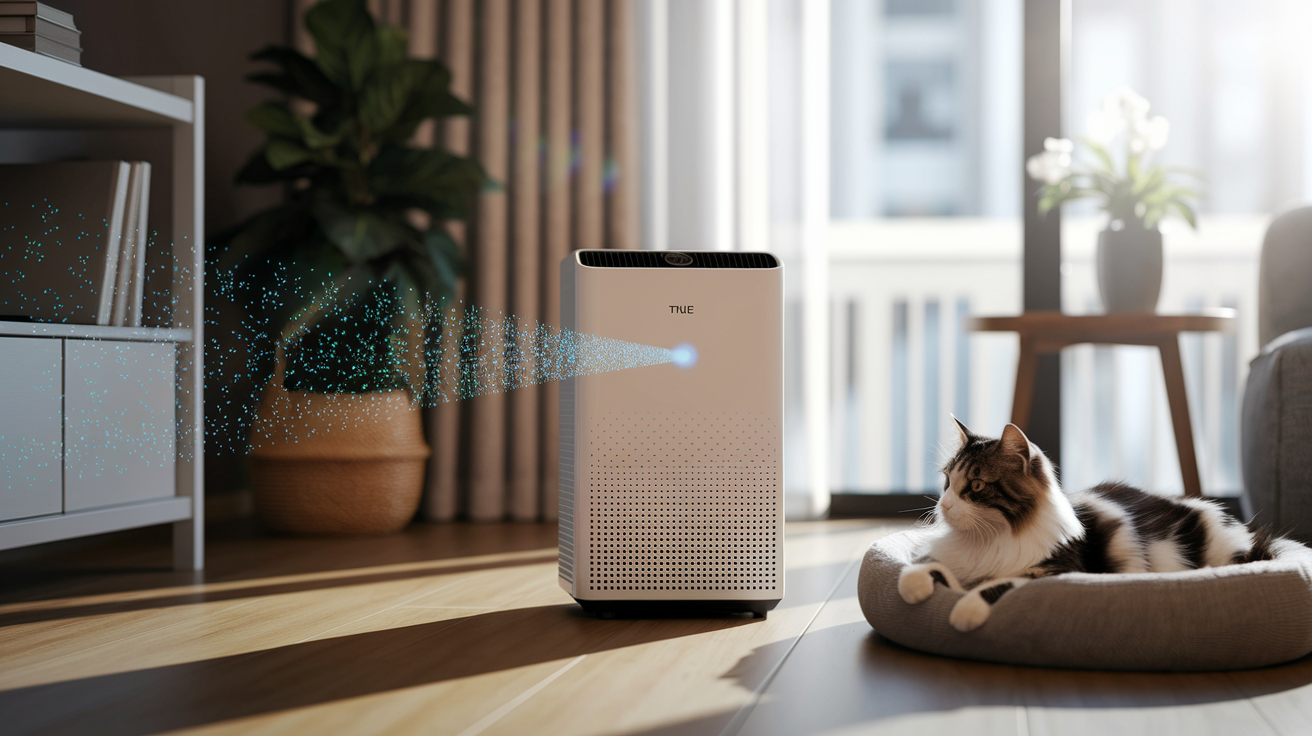
Yes, air purifiers can cut down cat allergy symptoms at home when they’ve got True HEPA filters and you actually keep them running. Cat allergens mostly come from a protein called Fel d 1. It’s in saliva, urine, and those tiny skin flakes your cat sheds constantly. When your cat grooms, microscopic saliva droplets dry on the fur and break off into the air as dander, particles as small as 0.3 to 5 microns. These stay airborne for hours, which is why you’re sneezing even when the cat’s in another room.
A True HEPA air purifier pulls in that contaminated air over and over, trapping the allergen particles inside the filter and pushing out cleaner air. It doesn’t stop your cat from shedding. But it does lower how much airborne allergen is floating around. Over time, that means fewer sneezes, less congestion, easier breathing for a lot of people.
You need realistic expectations though. Air purifiers work best as one piece of a bigger plan. Regular cleaning and grooming matter just as much. You’ll probably notice a drop in symptoms, research suggests somewhere between 30 and 60% for people who respond well, but a purifier won’t wipe out allergens completely. Especially the ones buried in carpets, bedding, furniture. Still, if you’re not willing to rehome your pet, a good air purifier can turn constant discomfort into something you can actually live with.
What you get from running a HEPA air purifier around cats:
- Less dander circulating through the rooms where you spend time
- Fewer allergen particles landing on counters, furniture, surfaces
- Better breathing quality while you sleep and go about your day
- Lower allergen concentration in closed spaces like bedrooms or home offices
How HEPA Filtration Works for Cat Dander

A True HEPA filter captures 99.97% of particles that are 0.3 microns or larger. It does this through a dense web of fibers that trap particles as air flows through. That 0.3 micron size is actually the hardest for any filter to catch, the most penetrating particle size, so a filter meeting True HEPA standards will also grab both larger and slightly smaller particles really effectively. Cat dander usually sits between 1 and 10 microns, which means it’s well within what HEPA can handle.
When the purifier’s fan pulls air through the intake, the HEPA filter stops dander particles through diffusion, interception, and impaction. Larger particles hit fibers and stick. Medium particles follow the airflow lines and touch fibers along the way. The smallest particles drift around and collide with fibers through something called Brownian motion. End result is that even submicron allergen fragments stuck to tiny skin flakes get trapped inside those filter pleats.
Better purifiers pair the HEPA stage with a washable pre-filter to catch pet hair and big debris before they clog the HEPA, plus an activated carbon layer to soak up smells from litter boxes or wet fur. The HEPA itself only stops particles, not odors, so the multi-layer setup handles both the allergy problem and the smell problem of living with cats.
Best Air Purifier Features for Cat Allergies
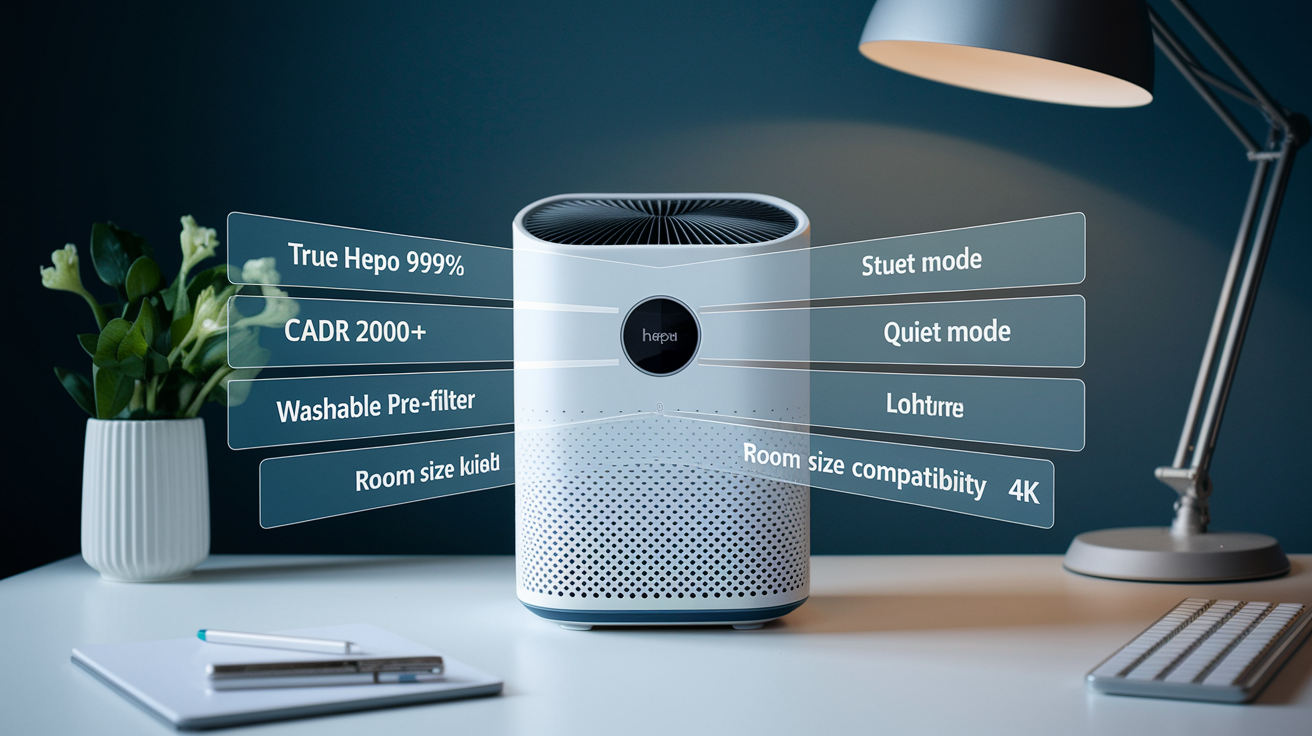
When you’re shopping for an air purifier to cut down cat allergens, focus on a few core features that directly affect how much dander the thing can actually remove and how long it’ll keep working. First, make sure the filter is labeled “True HEPA” or meets H13 certification standards. Some models say “HEPA-type” or “HEPA-style,” which might not hit that 99.97% capture requirement and will let more allergen particles slip through.
Next, check the Clean Air Delivery Rate, the CADR. This tells you how many cubic feet of filtered air the purifier delivers per minute. For cat dander and dust, you want a CADR of at least 200 to 300 if you’re treating a typical bedroom or living room. Higher CADR means faster allergen clearing, which matters when dander is being shed nonstop. You also want to match the purifier’s stated room coverage to your actual square footage. Undersized units run constantly on high speed and still can’t keep up, while correctly sized units handle the load on quieter, more efficient settings.
Look for a washable or replaceable pre-filter that grabs hair and large particles before they reach the HEPA stage. This simple thing extends the main filter’s life and keeps suction strong. A quiet or sleep mode matters if you’re running the purifier in a bedroom, where noise above 30 decibels can mess with rest. A lot of newer units include smart sensors that adjust fan speed based on detected particle levels, which saves energy and reduces wear when air quality is already good.
Five key features to look for:
- True HEPA filter certified to capture 99.97% of particles at 0.3 microns or larger
- CADR rating of 200 to 300+ for dust or pollen to handle typical room sizes
- Room size compatibility matching your actual square footage for effective air changes per hour
- Washable pre-filter to trap pet hair and extend HEPA filter life
- Quiet or sleep mode with noise output under 30 dB for bedroom use
Placement and Operation Tips for Maximum Allergen Reduction
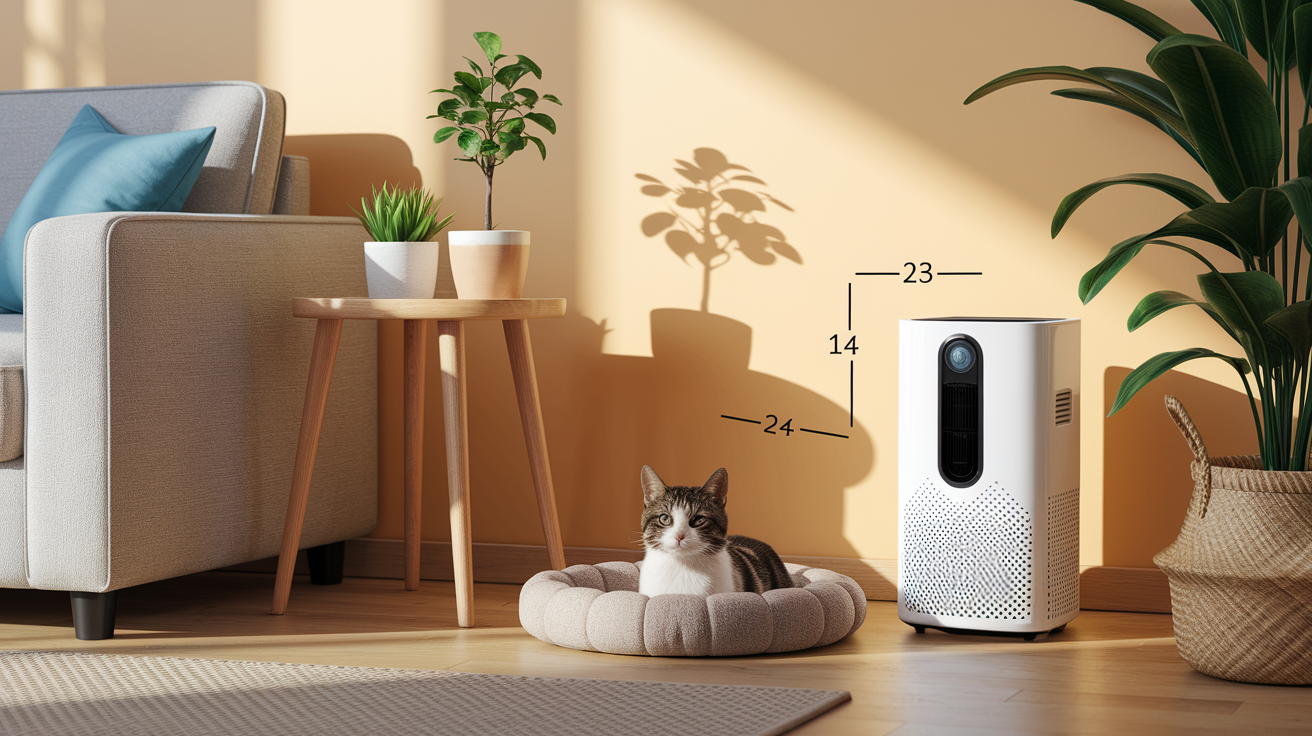
Where you put the air purifier and how you run it will decide how much allergen reduction you actually get. Position the unit in the room where you spend the most time, usually the bedroom, because nighttime exposure has the biggest impact on symptoms. Keep the purifier at least one to two feet away from walls, curtains, furniture so air can flow freely into the intake vents and out through the outlet. Blocked airflow forces the fan to work harder and drops the effective cleaning rate.
Running the purifier continuously, or at least for several hours each day, works better than turning it on for short bursts. Dander settles fast when the unit is off, and allergen levels climb back up within an hour or two. If you can only run it part time, prioritize overnight operation in the bedroom with the door closed to create a lower allergen zone for sleep. For homes with multiple cats or heavy shedding, think about placing a second unit in the main living area near the cat’s favorite spots.
Four practical tips:
- Position near high dander zones like the cat’s bed, scratching post, or litter area to catch particles at the source.
- Elevate the purifier two to three feet off the floor on a stable surface, or follow manufacturer guidance for floor versus elevated placement.
- Allow airflow clearance of at least 12 to 24 inches on all intake and outlet sides. Don’t tuck units into corners or behind couches.
- Keep the purifier running overnight in your bedroom with the door closed to keep airborne allergen counts low during sleep hours.
Research Evidence on Air Purifiers and Cat Allergens

Multiple controlled studies conducted between the early 2000s and mid 2020s have measured the effect of HEPA air purification on airborne cat allergen levels, with most reporting reductions in the range of 40% to 60% when purifiers ran continuously alongside regular cleaning. One widely cited finding from allergen monitoring trials showed that bedrooms using True HEPA filtration had measurably lower concentrations of Fel d 1 protein in air samples compared to control rooms without purifiers. The size of the reduction varied depending on room size, runtime, filter condition, and how often carpets and upholstery were vacuumed.
Clinical symptom studies have given more variable results, but several trials reported that participants using HEPA purifiers in bedrooms had fewer nasal symptoms, less nighttime congestion, and reduced reliance on antihistamines over the study period. The degree of symptom improvement was individual. Some people noticed a big difference, others only modest relief, but the trend was consistent enough to support air purification as a worthwhile add on. The studies also showed that allergen levels in soft furnishings, bedding, and carpets stayed high even when airborne levels dropped, which is why purifiers work best when paired with frequent vacuuming, washing, and grooming.
A 2024 review pulling together data from multiple indoor air quality studies reported that HEPA filtration systems could reduce detectable airborne pet allergens by more than 90% in controlled test environments. Real world performance is usually lower because of continuous shedding, door traffic, and allergen reservoirs in fabrics, but the evidence remains strong that properly sized, well maintained purifiers significantly lower airborne exposure and can reduce symptoms for many allergic individuals.
| Study Context | Key Finding | Allergen Reduction |
|---|---|---|
| Controlled bedroom trial (2000s–2010s) | Airborne Fel d 1 protein levels measured before and after continuous HEPA filtration | ~40–60% reduction in airborne allergen concentration |
| Household symptom study (allergic participants) | Self-reported nasal symptoms and antihistamine use tracked over weeks | Measurable symptom improvement in responsive individuals; magnitude varied |
| 2024 indoor air-quality review | Synthesis of HEPA filtration effectiveness across multiple test environments | >90% reduction in test conditions; real-world ~30–60% due to ongoing shedding |
Recommended Home Purifier Types for Cat Allergies
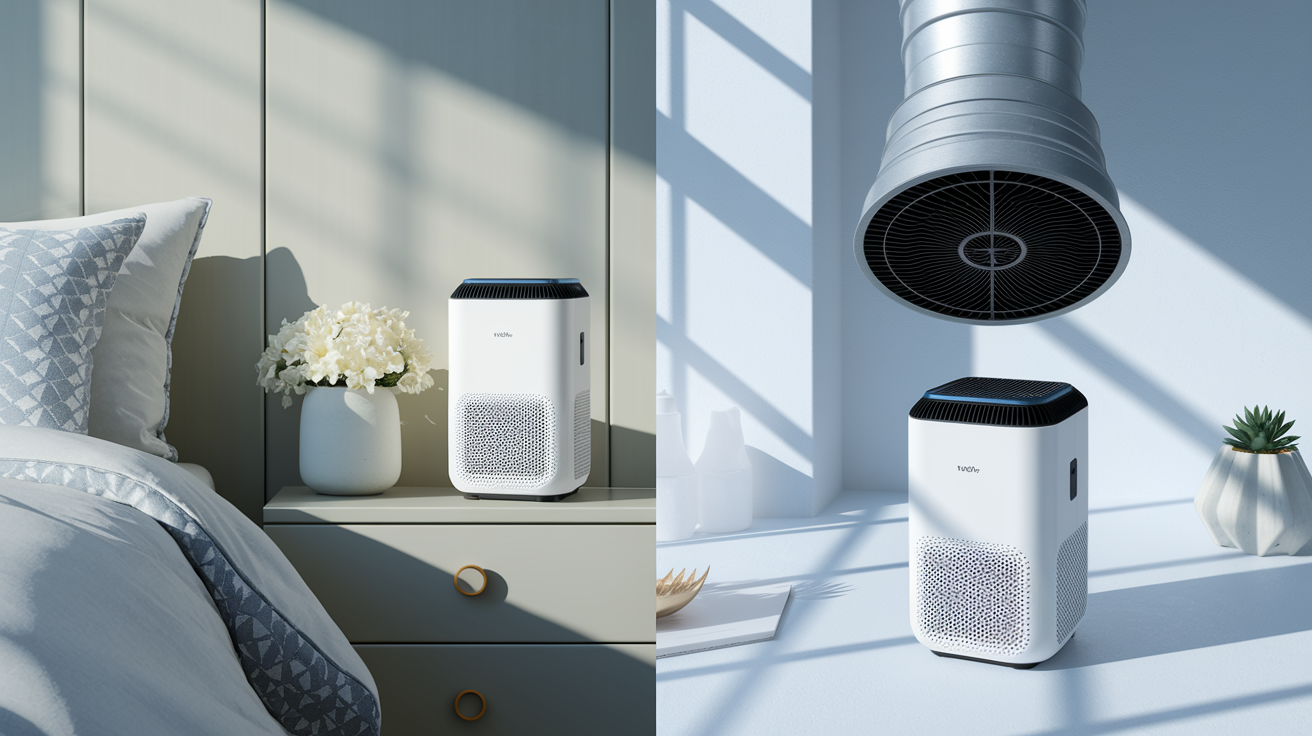
Portable, room specific air purifiers are the most practical and affordable choice for most cat owners dealing with allergies. These standalone units plug into a regular outlet, cover one room at a time, and let you focus filtration where exposure is highest, usually the bedroom or main living area. A good portable HEPA purifier rated for 300 to 500 square feet will handle a typical bedroom or den, and you can move it between rooms as needed. For multi-room coverage, using two or three smaller units placed strategically usually works better than trying to push one large purifier’s output throughout the whole house.
Whole home air purification systems that tie into your HVAC ductwork can help reduce allergens across multiple rooms if you’re willing to spend more on higher MERV filters, MERV 11 to 13 is the minimum for cat dander capture, and replace them frequently. The catch is that most central systems aren’t built for high air change rates in individual rooms, and allergen concentrations near the cat’s favorite spots may stay high. If you already have a modern HVAC system with good filtration, pairing it with a portable HEPA unit in the bedroom gives you broader background filtration plus focused allergen control where it matters most.
Bedroom specific purifiers deliver the highest symptom relief per dollar spent because you spend roughly one third of your day in that room, and nighttime allergen exposure strongly affects sleep quality and morning congestion. Choose a model with a low speed noise output under 30 decibels and enough CADR to turn over the room’s air volume four to five times per hour. For a 12 by 12 foot bedroom with an 8 foot ceiling, that means a CADR of roughly 75 to 100 CFM on the low setting, which most mid range bedroom purifiers can deliver quietly.
Maintenance: Filters, Cleaning, and Allergen Control
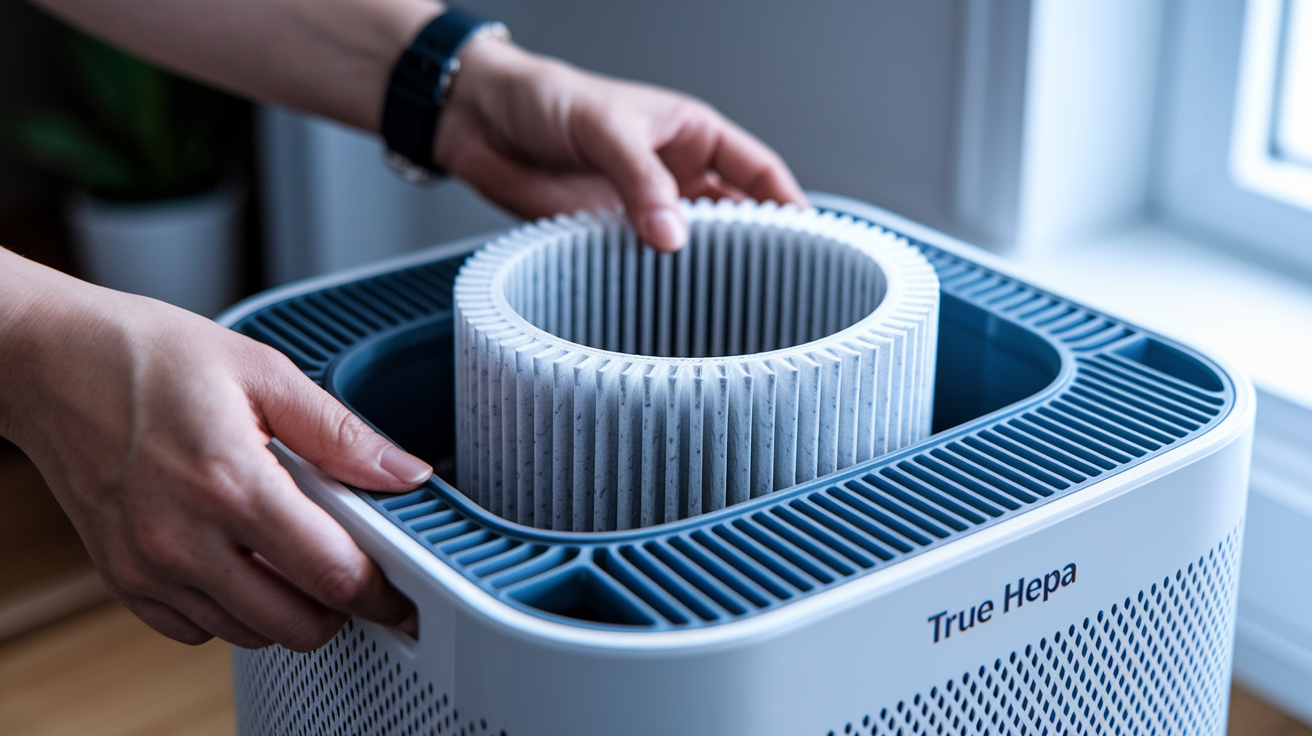
Keeping your air purifier’s filters clean and replacing them on schedule is just as important as buying the right unit in the first place. A clogged HEPA filter loses suction, drops CADR, and lets more allergen particles slip through because air takes the path of least resistance around the dense filter media. Most manufacturers say replace the True HEPA filter every 6 to 12 months, but homes with cats, especially multiple cats or long haired breeds, should expect to replace filters closer to the 6 month mark because of heavier particle loading.
The washable pre-filter catches hair, dust clumps, and large debris before they reach the HEPA stage. Rinse or vacuum this pre-filter every two to four weeks, depending on how much your cat sheds. Some models include a filter change indicator light that monitors runtime or airflow resistance, which takes the guesswork out of scheduling replacements. Activated carbon layers, if present, typically need replacement every three to six months because the carbon pores fill up with odor molecules and VOCs over time and stop absorbing new smells.
Four essential maintenance tasks to keep allergen removal working:
- Replace the HEPA filter every 6 to 12 months, or sooner in heavy shedding households
- Wash or vacuum the pre-filter every 2 to 4 weeks to keep airflow strong
- Clean purifier vents and grills monthly to remove hair buildup and dust
- Vacuum the area around the purifier weekly to reduce settled dander that gets pulled back into the intake
Additional Strategies to Reduce Cat Allergens at Home
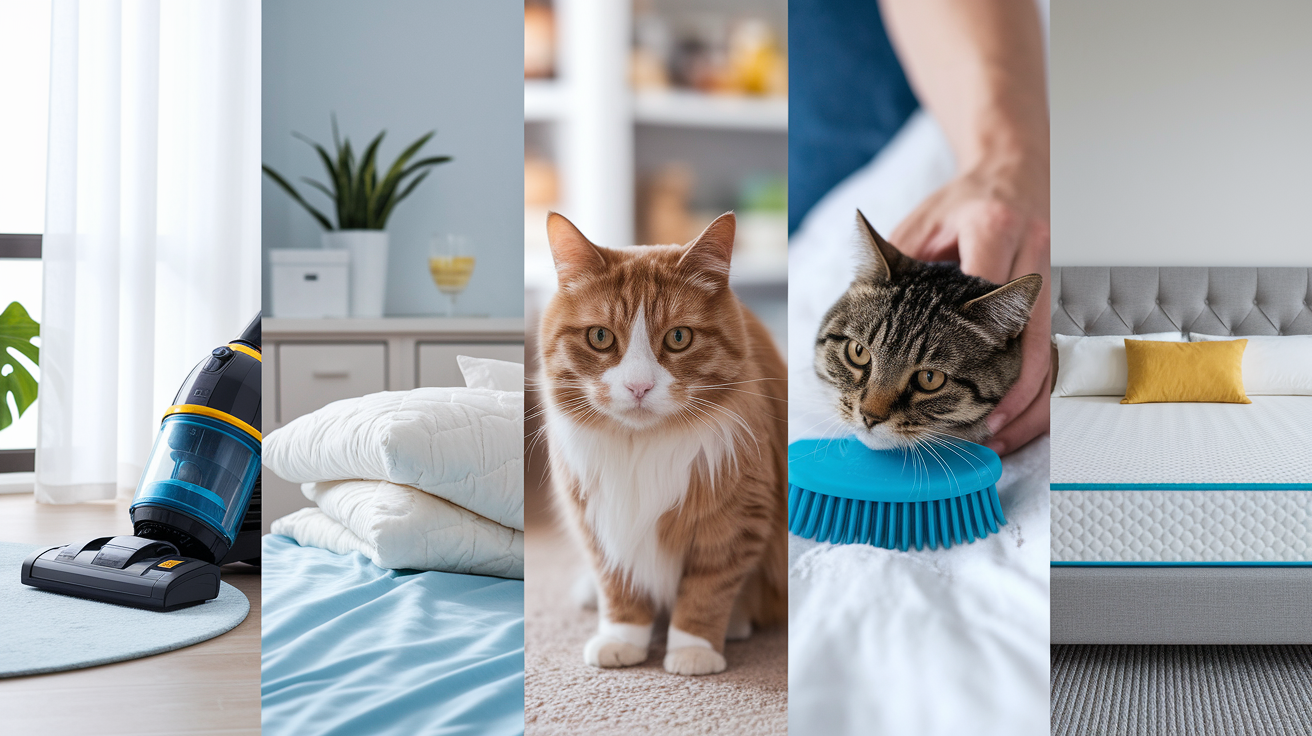
Air purifiers work best when you pair them with regular cleaning and steps that cut down the total allergen load in your home. Vacuuming with a HEPA equipped vacuum two to three times per week pulls settled dander out of carpets and rugs before it goes airborne again. Use a damp microfiber cloth or electrostatic duster on hard surfaces weekly. Dry dusting just kicks allergen particles back into the air. Wash your bedding, sheets, pillowcases, any washable blankets, in hot water (at least 130°F if fabric allows) every week to get rid of allergens that settle overnight.
Grooming your cat regularly, brushing every few days or a gentle bath every one to two weeks, temporarily cuts down the amount of loose fur and dander your cat sheds into the environment. Have someone without allergies handle grooming if you can, and do it outdoors or in a well ventilated area like a bathroom with the exhaust fan running. If your allergies are moderate to severe, keeping the cat out of your bedroom entirely can drop bedroom allergen levels a lot and improve nighttime symptoms more than any single device.
Installing allergen impermeable covers on your mattress and pillows creates a barrier that stops dander from embedding in bedding materials. Upgrading your HVAC filter to MERV 11 or higher adds a layer of background filtration throughout the house. For stubborn or severe symptoms, talk to an allergist about medical options like daily antihistamines, nasal corticosteroid sprays, or allergen immunotherapy, which can give you more durable symptom control and work alongside environmental measures.
Three key strategies to use alongside air purification:
- Vacuum carpets and upholstery two to three times weekly with a HEPA vacuum to remove settled dander
- Brush or bathe your cat every 1 to 2 weeks to reduce loose fur and saliva coated dander shedding
- Upgrade HVAC filters to MERV 11 to 13 for whole home background allergen capture between room purifier cycles
Final Words
If sneezes, itchy eyes, or visible dander are part of your day, this article showed how HEPA filters trap Fel d 1 (the main cat allergen), what features speed up removal, where to place units, and how to keep filters working well.
Research and real-world tips suggest purifiers help most when combined with grooming, cleaning, and bedroom-focused use.
If you can only do one thing: pick a true HEPA purifier sized for the room and run it. Search for “air purifier help cat allergies home” when comparing models. That small step can make daily life calmer and clearer.
FAQ
Q: Do air purifiers actually help with cat allergies?
A: Air purifiers can help with cat allergies by removing airborne dander and lowering allergen levels, but they won’t remove allergens on surfaces and don’t replace cleaning and pet management.
Q: How to get rid of cat allergies in a house?
A: Getting rid of cat allergies in a house requires multiple steps: use True HEPA purifiers, groom cats often, wash bedding weekly, vacuum with a HEPA machine, and keep pets out of bedrooms; full elimination is unlikely.
Q: What is the best air purifier for chemo patients?
A: The best air purifier for chemo patients is a True HEPA unit with high CADR, low ozone output, a washable pre-filter, and quiet operation; consult the oncology team or doctor for specific medical guidance.
Q: Would an air purifier help my COPD?
A: An air purifier can help people with COPD by reducing airborne particles and irritants, which may ease symptoms, but it’s not a replacement for medical treatment—talk with your doctor.