

Think tossing a fish oil capsule into dinner is enough to stop your dog’s itching?
Think again.
Most labels list total oil, not the active EPA and DHA that actually calm inflammation.
This guide gives a simple, weight-based chart (20 to 55 mg combined EPA and DHA per pound), shows how to read labels and convert pumps or capsules into milligrams, and explains what to expect in 4 to 8 weeks plus safe starting steps and red flags.
If you want clear dosing that actually helps, start here.
Omega‑3 Dosage for Dogs With Allergies (Quick Chart)
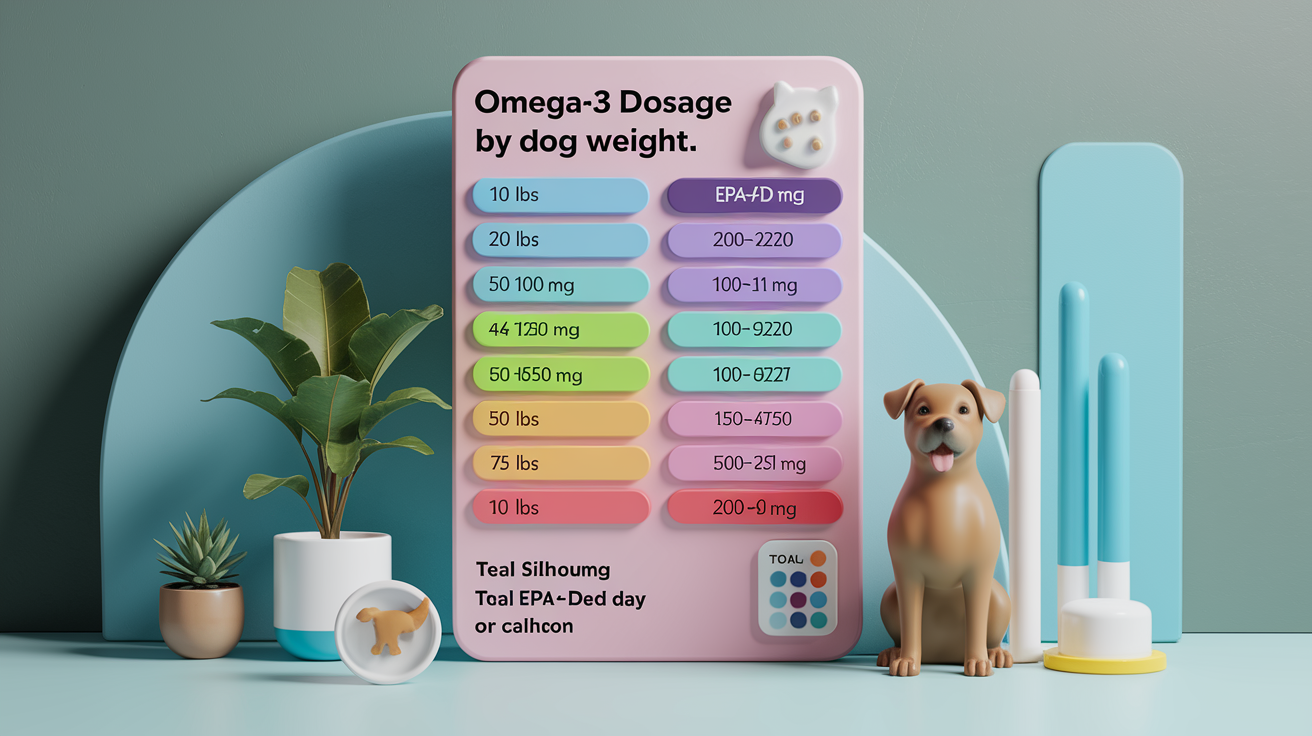
For dogs dealing with allergies, you’re typically looking at 20 to 55 mg of combined EPA and DHA per pound of body weight daily. Dogs with itchy skin, hot spots, or constant scratching usually need the higher end of that range, somewhere around 45 to 55 mg per pound, because the anti-inflammatory effect gets stronger as the dose goes up. What matters here isn’t the total fish oil amount. You’re counting actual EPA and DHA milligrams from the label.
Most dogs do well when you give the same dose every day with food. Don’t expect instant results. You’re probably waiting four to eight weeks before scratching, redness, or coat texture starts to change. Omega‑3s work by shifting the fatty-acid makeup of cell membranes, and that doesn’t happen overnight.
| Weight (lbs) | Daily EPA+DHA (mg) | Notes |
|---|---|---|
| 10 lbs | 200–550 mg | Use lower range for mild cases, higher for frequent flare-ups |
| 20 lbs | 400–1,100 mg | Start mid-range and adjust based on response |
| 30 lbs | 600–1,650 mg | Split into two doses if digestive upset occurs |
| 40 lbs | 800–2,200 mg | Monitor stool quality during first two weeks |
| 50 lbs | 1,000–2,750 mg | Higher doses may require veterinary approval |
| 60 lbs | 1,200–3,300 mg | Watch for soft stools; reduce if needed |
| 75 lbs | 1,500–4,125 mg | Adjust based on severity of allergic symptoms |
| 100 lbs | 2,000–5,500 mg | Large dogs often tolerate higher end well |
To figure out how many pumps or capsules you need, flip the bottle and find the EPA and DHA amounts per serving. Add those two numbers. That’s your total omega‑3 dose per unit. If a capsule has 180 mg EPA and 120 mg DHA, you’re giving 300 mg of combined omega‑3 per capsule. A 50-pound dog needing 2,000 mg daily would get about seven capsules, either spread across meals or all at once with food. Liquid fish oils usually list mg per pump or per teaspoon, which makes hitting exact targets easier without cracking open a bunch of capsules.
Omega‑3 Sources Suitable for Dogs With Allergies
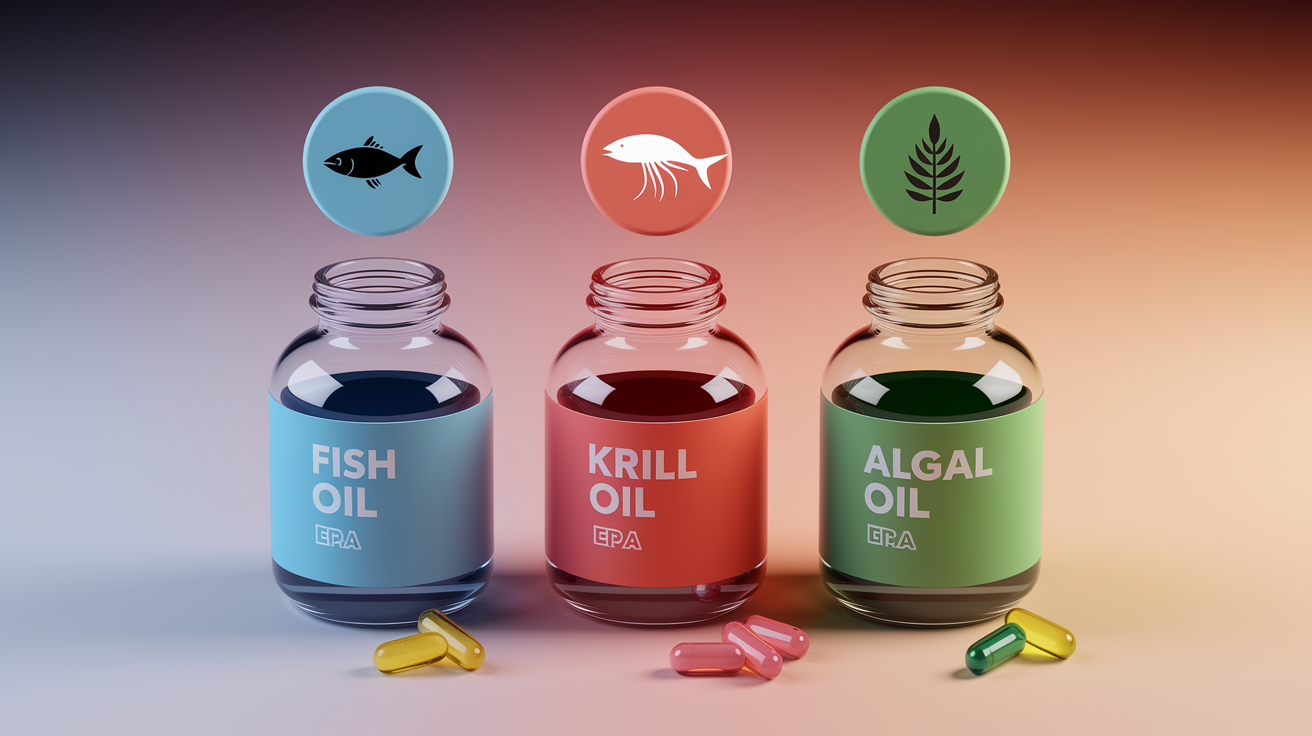
Fish oil is the most common and affordable source of EPA and DHA for dogs. Products made from small cold-water fish like anchovies, sardines, and pollock tend to have fewer heavy metals and contaminants compared to oils from bigger, longer-lived fish. Triglyceride-form fish oils absorb better than ethyl ester forms, so when you’re comparing labels, look for “natural triglyceride” or “re-esterified triglyceride” if the manufacturer lists it. Most dogs handle fish oil well. You can mix liquid versions straight into meals or give capsules whole if your dog swallows them without issue.
Krill oil delivers EPA and DHA in phospholipid form. Some studies suggest this may cross cell membranes more efficiently. It costs more per milligram of omega‑3 than standard fish oil, but the smaller serving size can make dosing easier for toy breeds. Krill oil also contains astaxanthin, a natural antioxidant that gives it a reddish color and may offer additional anti-inflammatory support for skin.
Algal oil works well for dogs with true fish sensitivities or shellfish reactions. It comes from marine algae, the original source of EPA and DHA in the food chain, and it’s naturally high in DHA with moderate EPA content. Because it skips the fish middleman, contamination risk is lower and the oil stays stable longer. Algal oil tends to be pricier and may require a slightly higher volume to match the EPA levels found in fish oil. But it’s a clean, reliable alternative when fish-based products trigger symptoms or when you prefer something plant-derived.
How Long Omega‑3 Takes to Improve Allergy Symptoms

Most dogs start showing visible improvement in scratching, redness, and coat quality somewhere between four and eight weeks of daily omega‑3 use. The timeline depends on how severe the inflammation is when you start, how consistent you are with dosing, and whether other allergens are still hanging around in the environment or diet. Omega‑3s work by gradually replacing inflammatory omega‑6 fatty acids in cell membranes. That biochemical shift takes time to translate into calmer skin and fewer hot spots.
Some dogs with mild seasonal itching may settle down closer to the four-week mark, especially if you’re also managing other triggers like pollen exposure or food sensitivities. Dogs with chronic, deep-seated inflammation (thick, crusty skin or repeated secondary infections) often need the full eight weeks or longer before you see real change. If you hit twelve weeks with no improvement at all, check in with your vet to confirm allergies are the primary issue and not something else mimicking the same symptoms.
Side Effects and Safe Administration Guidelines

The most common side effect is soft stool or mild diarrhea, especially during the first week or two. This happens because omega‑3s change how the gut processes fats, and some dogs need time to adjust. Starting at the lower end of the dose range and building up over ten to fourteen days usually prevents digestive upset. Giving omega‑3s with food rather than on an empty stomach also helps. The fat mixes with the meal and slows absorption.
Very high doses (well above the 55 mg per pound mark) can affect blood clotting in rare cases, particularly in dogs already taking medications like aspirin or other anti-inflammatory drugs. If your dog is on any kind of blood thinner or has a known clotting disorder, check with your vet before adding omega‑3s or increasing the dose. Most pet-safe omega‑3 products stay well below the threshold for clotting issues, but it’s still smart to watch for any unusual bruising, prolonged bleeding from a small cut, or dark, tarry stools.
Watch for signs the dose is too high for your individual dog. Persistent loose stools that don’t firm up after two weeks, a strong fishy smell on the breath or skin that won’t fade, or sudden lethargy can all signal you need to dial back. Drop the dose by about 25 percent and see if things stabilize over the next few days. Omega‑3s are safe for long-term use at appropriate levels. But every dog has a tolerance ceiling, and it’s better to find the sweet spot than push past it.
When to Consult a Veterinarian

Dogs with chronic skin infections, pancreatitis history, or bleeding disorders need veterinary guidance before you start any omega‑3 supplement. These conditions change how the body handles fats and inflammation, and your vet may want to adjust the dose or choose a specific product form to keep things safe. If your dog is already on medication for allergies, thyroid issues, or joint pain, a quick check-in helps avoid interactions or redundant supplementation.
You should also reach out if your dog’s allergy symptoms aren’t improving after eight to ten weeks of consistent omega‑3 use at the higher end of the dosing range. That timeline is long enough to see at least some change. If nothing’s shifting, the root cause might not be simple inflammation. Secondary infections, autoimmune conditions, or environmental triggers may need direct treatment alongside or instead of omega‑3s.
Key conditions requiring veterinary oversight before supplementing:
Active bleeding disorders or upcoming surgery scheduled within the next month
Pancreatitis or sensitive digestive system with a history of fat intolerance
Current use of anticoagulant or anti-inflammatory medications
Final Words
You now have a quick chart with EPA+DHA ranges per pound, plus plain tips for choosing a product and reading labels. Use that so you can pick the right amount without guessing.
Stick with the lower end for general support and the higher end for allergy cases. Expect changes over 4 to 8 weeks, introduce oil slowly, and watch for mild tummy upset.
If you remember one practical step, note the omega 3 dosage for dog allergies that fits your dog’s weight and check with your vet if things don’t improve. You’re doing the right thing.
FAQ
Q: What is the recommended EPA+DHA dosage per pound for dogs with allergies?
A: The recommended EPA+DHA dose for dogs is 20–55 mg per pound of body weight daily, with the higher end used more often for allergy support; EPA+DHA are the active omega‑3 fats.
Q: How do I calculate my dog’s daily EPA+DHA dose?
A: To calculate your dog’s daily EPA+DHA dose, multiply their weight in pounds by 20–55 mg; choose the lower number for general support and the higher for skin allergy management.
Q: What are common omega‑3 sources suitable for allergic dogs?
A: Common sources are fish oil, krill oil, and algal oil; algal oil suits dogs with fish sensitivities, and triglyceride‑form fish oils may offer better absorption.
Q: How long until omega‑3 helps my dog’s allergy symptoms?
A: Omega‑3 usually starts reducing inflammation in 4–8 weeks; some dogs improve sooner, and speed depends on severity, consistent dosing, and overall care.
Q: What side effects should I watch for when giving omega‑3 to dogs?
A: Side effects can include soft stools and mild stomach upset; very high doses can affect clotting, so contact your vet if you see bleeding, heavy bruising, or worsening symptoms.
Q: How should I introduce fish oil or omega‑3 supplements to my dog?
A: Introduce omega‑3 slowly over 7–14 days, give with food to reduce upset, start at a low amount and increase to the target while watching stool and appetite.
Q: How do I read omega‑3 supplement labels to find EPA and DHA amounts?
A: To read labels, add the EPA and DHA milligrams listed per pump or capsule to get total EPA+DHA per serving, then match that to your dog’s daily calculated dose.
Q: When should I consult a veterinarian about omega‑3 use for allergies?
A: Consult your vet before starting or if your dog has chronic skin infections, bleeding disorders, pancreatitis, is on blood thinners, or if symptoms worsen or don’t improve after 4–8 weeks.