

Is that crusty chin acne, or a sign your cat’s diet is causing a full body itch?
They can look similar, but they behave very differently: acne usually stays on the chin and shows tiny black specks like stuck-on pepper, while food-related reactions spread to ears, paws, belly and cause intense scratching.
This post quickly lays out the simple clues, safe home steps you can try right away, and the red flags that mean it’s time to see your vet.
Key Differences Between Cat Chin Acne and Food Allergy Symptoms
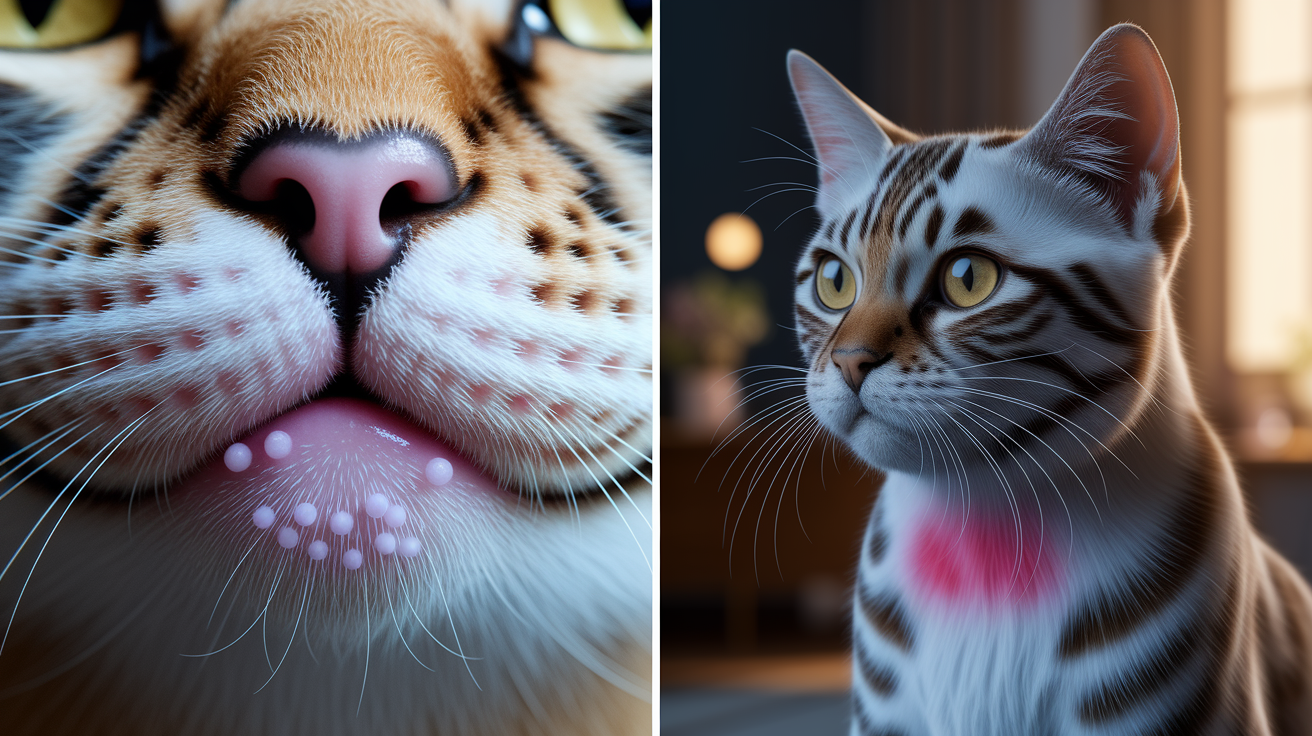
Chin acne and food allergies both mess with your cat’s skin, but they’re not the same thing. And what works for one won’t touch the other.
The fastest way to tell them apart? Look at where the problem shows up and what else is going on. Chin acne stays put. You’ll see tiny black specks, like dirt that won’t wipe off, clustered right on the chin and lower jaw. Those are comedones, basically cat blackheads. Food allergies spread. You get redness and itching across multiple spots: ears, face, neck, belly, paws. Sometimes digestive issues too, vomiting or soft stools.
How the problem behaves over time matters. Switch to stainless steel or ceramic bowls, clean the chin daily, and if things improve in about a week, you’re dealing with acne. Food allergies don’t care about bowl changes. They need a supervised elimination diet, usually 8 to 12 weeks, to figure out what ingredient is causing trouble. Acne doesn’t itch much early on, but it can get painful if pustules or swelling develop. Food allergies itch like crazy from day one. Your cat scratches, licks, rubs constantly.
| Feature | Chin Acne | Food Allergy |
|---|---|---|
| Appearance | Black specks (comedones), bumps, pustules, scabs | Diffuse redness, hives, self-trauma lesions, ear crusting |
| Location | Chin and lower jaw only | Face, ears, abdomen, paws, and sometimes chin |
| Itchiness | Minimal until infection sets in | Usually intense and persistent |
| Systemic Signs | Rare (unless infection spreads) | Common: vomiting, diarrhea, ear inflammation |
| Triggers | Plastic bowls, poor grooming, bacterial buildup | Dietary proteins (chicken, dairy, soy, fish, etc.) |
| Timeline of Change | Improves in 7 days with bowl change and cleaning | Requires 8–12 weeks of diet trial to see change |
Visual Signs of Cat Chin Acne and How They Compare to Allergic Dermatitis
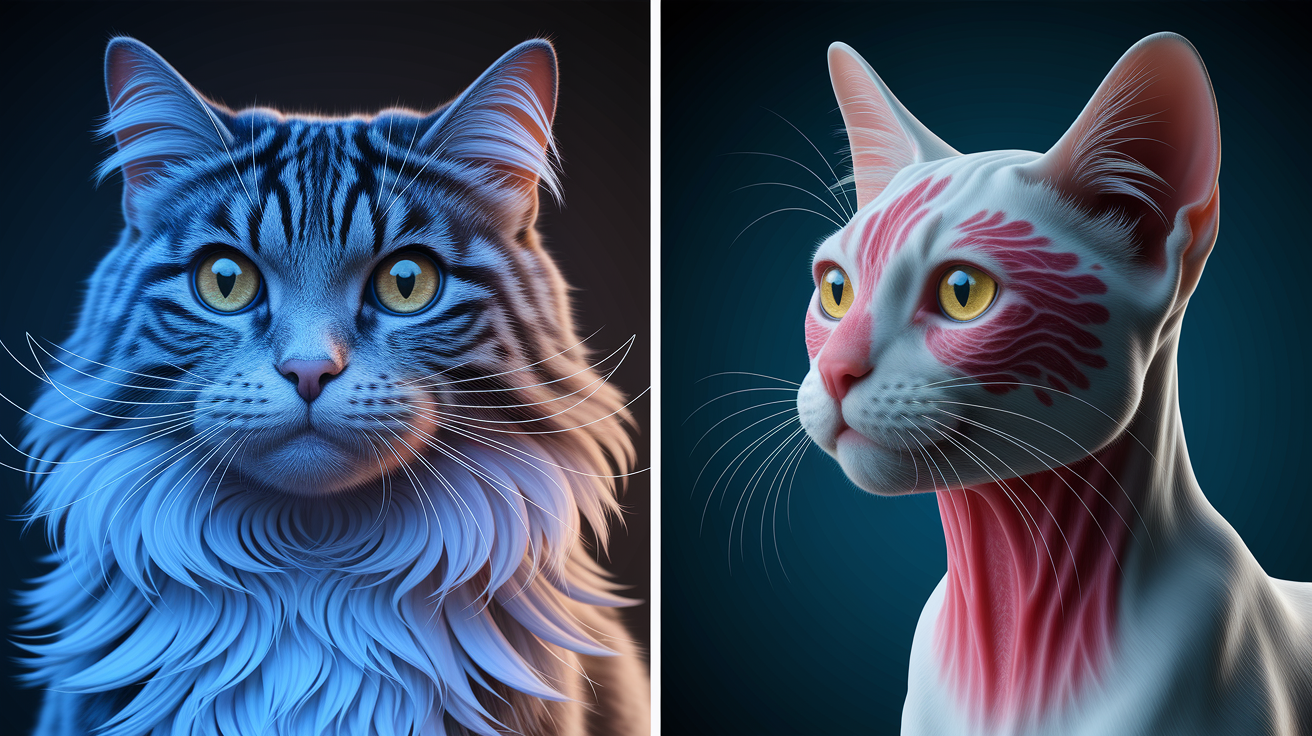
Comedones are what you’re looking for with chin acne. They look like tiny black dots under the fur, similar to blackheads on human skin. Each one is a clogged hair follicle stuffed with keratin, oil, sometimes bacteria. Part the fur on your cat’s chin gently. If you see what looks like ground pepper or fine black sand stuck to the skin, those are comedones. In mild cases, the skin underneath might look fine otherwise. As things get worse, the area becomes inflamed, red, swollen. Pustules show up, small pus-filled bumps, or crusty scabs form over the original comedones.
Pustules aren’t the same as hives. A pustule is raised, inflamed, filled with pus. Firm. Stuck to one follicle. Hives are flat-topped, fluid-filled swellings that pop up suddenly, feel soft, and spread across larger areas. They’re more common with allergic reactions, including food allergies. Hives come and go fast, sometimes moving around the body. If your cat’s chin has a few distinct pus-topped bumps that stay in place, think acne. If you see puffy, spreading redness that extends past the chin or appears and disappears within hours, suspect allergy.
Allergic dermatitis creates a different pattern. Instead of discrete blackheads, you get diffuse redness, patchy hair loss, sometimes oozing or crusting from constant scratching and licking. The skin looks irritated rather than studded with comedones. Food allergies often hit the face but rarely stop at the chin. You’ll see similar changes on the ears, around the eyes, along the neck, on the belly and feet.
Visual cues to check at home:
- Black specks that don’t wipe away easily → comedones, probably acne.
- Pus-filled bumps confined to the chin → acne with secondary infection.
- Diffuse redness spreading beyond the chin → suspect allergic dermatitis.
- Sudden, soft, fluid-filled swellings → hives, often linked to allergy.
Locations on the Body Where Acne and Food Allergy Signs Typically Appear

Chin acne sticks to the chin and the edges of the lower jaw. You might see a few comedones creep onto the upper lip, but the problem stays close to the muzzle. That localized pattern is a strong clue you’re dealing with a follicular issue, not a systemic immune reaction. If lesions are limited to that small patch and nowhere else, acne’s the leading suspect.
Food allergies spread. Cats with food sensitivities develop skin changes in multiple areas at once. The inner ear flaps may look red, waxy, crusty. The face and neck. The armpits. The belly. The groin. The paws. Many cats also show gastrointestinal upset, soft stool, occasional vomiting, increased gas. If you’re seeing problems on the chin and your cat is constantly scratching her ears, licking her paws, or showing thinning fur along her flanks, food allergy deserves serious consideration.
Locations more strongly tied to food allergies:
- Inner ear flaps and ear canals (recurrent wax buildup, redness, odor)
- Face and eyelids (redness, swelling, hair loss)
- Belly and groin (pink or red patches, thinning fur from over-grooming)
- Paws and between the toes (licking, redness, staining)
- Neck and armpits (patchy hair loss, irritated skin)
Causes Behind Feline Chin Acne vs Causes of Food Allergic Skin Reactions

Chin acne starts inside the hair follicles. Normally, dead skin cells shed and clear away. In cats prone to acne, those cells stick together and plug the follicle opening, trapping oil and creating the perfect setup for bacteria to multiply. Poor grooming, especially in senior or overweight cats who can’t reach their chins easily, lets debris and bacteria build up on the skin surface. Stress and hormonal shifts can increase oil production, making acne worse or more frequent.
Contact allergy plays a bigger role in feline chin acne than most people realize. Plastic food and water bowls are the most common culprits. Plastic is porous. It scratches easily and harbors bacteria even after washing. Every time your cat dips her chin into a plastic dish, bacteria transfer onto the fur and skin, clog follicles, trigger inflammation. Switch to smooth, nonporous materials like stainless steel, glass, or glazed ceramic. Wash those dishes daily with soap and water. That eliminates the bacterial reservoir. Many cases of mild to moderate acne clear up within a week of that single change. No medication needed.
Food allergies work through a completely different mechanism. A true food allergy is an immune system overreaction to a specific protein or ingredient in the diet. The cat’s body mistakenly identifies that protein as a threat and launches an inflammatory response, which shows up as itchy, red, inflamed skin, often in multiple locations. The most common food allergens in cats include chicken, eggs, dairy, soy, fish, wheat, and corn. Because these proteins show up in many commercial cat foods, a cat can develop an allergy even to a diet she’s eaten for years. Food intolerance, digestive upset without immune involvement, can mimic some allergy signs but typically doesn’t cause the widespread itching and dermatitis you see in true allergies.
Common feline food allergens:
- Chicken (most frequent)
- Dairy (milk, cheese, yogurt)
- Fish (often in “seafood” flavored foods)
- Eggs
Accompanying Symptoms That Help Tell Acne and Food Allergies Apart

Early-stage chin acne often doesn’t bother the cat much. The tiny blackheads are painless and non-itchy, so your cat may not paw at her chin or show any behavioral changes. You might only notice the problem during grooming or a routine check. As acne progresses to pustules, swelling, or infection, discomfort increases. Cats with moderate to severe acne may rub their chins on furniture, carpets, your hand. They may flinch or pull away when you touch the affected area. Pain means inflammation or infection has set in and warrants veterinary attention.
Food allergies announce themselves with intense itching. Cats scratch their faces, rub their ears against hard surfaces, lick and chew their paws, over-groom their bellies and flanks. The itching often comes with visible redness and sometimes crusting or oozing where the skin’s been broken by constant scratching. Recurrent ear infections are a hallmark of food allergies. Head shaking, ear discharge, yeasty or foul odor. Gastrointestinal signs, soft stools, occasional vomiting, increased flatulence, are more common with food allergies than with chin acne. If your cat’s chin problem comes with any of these systemic or multi-site symptoms, allergy’s the more likely explanation.
| Symptom | More Suggestive Of | Why It Matters |
|---|---|---|
| Pain when chin is touched | Chin acne (moderate to severe) | Indicates pustules, infection, or abscess formation |
| Intense itching and scratching | Food allergy | Immune-driven inflammation causes persistent pruritus |
| Recurrent ear infections | Food allergy | Common allergic target; ears show wax, odor, redness |
| Vomiting or soft stools | Food allergy | GI tract also reacts to the offending protein |
| Isolated blackheads with no itching | Chin acne (early stage) | Follicular blockage without systemic signs |
Home Assessment Steps to Identify Chin Acne vs Food Allergy

Before you call the vet, there are a few simple checks you can do at home. First, gently part the fur on your cat’s chin and inspect the skin closely under good light. Look for tiny black dots (comedones), red bumps, pustules, scabs, swelling. If the lesions are limited to the chin and lower jaw, and you see those characteristic blackheads, acne’s your most likely answer. Take clear, close-up photos from multiple angles. These help you track changes over the next few days and provide context if you need to consult your veterinarian.
Next, check your cat’s food and water dishes. Plastic? Replace them immediately with stainless steel, ceramic, or glass bowls. Plastic harbors bacteria and can trigger contact allergies that fuel chin acne. Wash the new bowls daily with hot, soapy water and rinse thoroughly. At the same time, start cleaning your cat’s chin once a day. Use a soft, damp washcloth with plain warm water, or a vet-approved antiseptic wipe if you have one. Gently wipe away any visible debris or discharge. Don’t scrub hard. That can irritate the skin and make things worse. Never use human acne products or hydrogen peroxide without veterinary guidance. Many of these are toxic to cats or too harsh for feline skin.
Note the timeline and any recent changes. When did you first notice the chin problem? Has your cat’s diet changed in the past few weeks or months? New treats, switched brands, added supplements? Write it all down. If the chin issue is isolated and improves noticeably within 7 days of switching bowls and daily cleaning, you’re likely dealing with straightforward acne. If symptoms persist, worsen, or you notice itching, redness, or lesions elsewhere on the body, food allergy or another systemic condition becomes more likely. Time to consult your vet.
Steps to take at home:
- Inspect and photograph the chin under good light, looking for blackheads, pustules, redness, swelling.
- Replace plastic bowls with stainless steel, ceramic, or glass and wash daily.
- Clean the chin once a day with a damp cloth or vet-approved wipe. No harsh scrubbing.
- Track the timeline. When did it start? What changed recently? How is it progressing?
- Check for other symptoms. Itching, ear problems, vomiting, lesions elsewhere on the body.
- Watch for improvement. Give the bowl change and cleaning routine 7 days, then reassess.
Veterinary Diagnostics Used to Differentiate Acne from Food Allergy

When you bring your cat to the clinic, your veterinarian will start with a thorough physical exam and detailed history. They’ll ask about diet, bowl materials, cleaning routines, recent changes, whether you’ve noticed itching, vomiting, other systemic signs. They’ll look closely at the chin and check other body sites for lesions. That exam alone often points strongly toward either localized acne or a more generalized allergic process.
To confirm the diagnosis and rule out look-alikes, your vet may perform skin cytology. This involves pressing a glass slide against a lesion or gently scraping a sample, then staining and examining it under a microscope. Cytology reveals whether bacteria, yeast, or inflammatory cells are present, helping distinguish simple acne from secondary infection or fungal overgrowth. Skin scrapings check for parasites like Demodex mites, which can cause similar-looking lesions. If lesions are severe, atypical, or unresponsive to standard treatment, your vet may recommend a skin biopsy. Biopsy samples are examined by a veterinary pathologist and can identify immune-mediated diseases, cancer, or unusual infections that mimic acne or allergy.
Dental disease can also cause chin swelling and lesions, especially if a tooth root is infected. Your vet may take dental radiographs (X-rays) to check for abscesses or bone changes under the gumline. Blood work and urinalysis are sometimes ordered to screen for underlying conditions like diabetes or kidney disease, both of which can compromise skin health and immune function. If food allergy is suspected, the gold standard diagnostic is an elimination diet trial, not blood tests or skin prick tests. Those are unreliable for food allergies in cats. Your vet will guide you through feeding a single-protein, hypoallergenic diet (often a prescription hydrolyzed or novel-protein formula) for 8 to 12 weeks, with no other food, treats, or flavored medications. If symptoms resolve during the trial and return when you reintroduce the old diet, food allergy is confirmed.
Diagnostic Workflow Overview
For isolated chin lesions with no systemic signs, your vet will likely start with cytology and a trial of topical or systemic antimicrobials if infection is present. If the chin clears quickly, no further testing is needed. For cases with widespread itching, ear infections, or gastrointestinal upset, or for chin lesions that don’t respond to standard acne treatment, the workup expands to include skin scrapings, fungal cultures, blood work, possibly an elimination diet trial. Biopsies are reserved for severe, chronic, or atypical cases where cancer or immune disease must be ruled out. The diagnostic path depends on the pattern, severity, and response to initial treatment.
Treatments and Care Plans for Chin Acne and Food Allergy

Chin acne treatment focuses on reducing bacterial load, clearing blocked follicles, managing secondary infection. For mild cases, daily cleaning with a vet-approved antiseptic cleanser or medicated wipe is often enough. Your vet may recommend clipping or shaving the fur around the lesions to improve access and keep the area dry. Topical treatments include benzoyl peroxide gels, chlorhexidine wipes, or antibiotic ointments applied once or twice daily. These products help unclog follicles, kill bacteria, reduce inflammation. In moderate to severe cases, especially when pustules, swelling, or pain are present, your vet may prescribe oral antibiotics (such as amoxicillin-clavulanate or clindamycin) for 2 to 4 weeks, sometimes alongside a short course of anti-inflammatory medication.
Chronic or recurrent acne often needs ongoing maintenance. Many cats benefit from regular grooming, brushing to stimulate oil distribution and remove debris, and from routine chin cleaning a few times per week even after the active flare has resolved. Omega-3 fatty acid supplements and probiotics support skin health and may reduce the frequency of future outbreaks. Severe or refractory cases, those that don’t respond to standard treatment or keep coming back, may need referral to a veterinary dermatologist for advanced therapies or to rule out other underlying conditions.
Food allergy treatment is a longer process. The cornerstone is the elimination diet trial. Feeding a single-source, hypoallergenic diet for 8 to 12 weeks with absolutely no other food, treats, table scraps, or flavored supplements. During the trial, your vet may prescribe anti-inflammatory medications (such as corticosteroids) or anti-itch therapies (like oclacitinib or antihistamines) to manage symptoms while the immune system calms down. If symptoms resolve during the trial, you’ll do a “challenge” by reintroducing the old diet. If signs return, food allergy is confirmed, and you’ll identify the specific culprit by adding ingredients back one at a time. Once the offending protein is identified, long-term management means avoiding that ingredient permanently and feeding a diet your cat tolerates well.
Common treatments by condition:
- Chin acne (mild): Daily antiseptic wipes, bowl change, routine chin cleaning.
- Chin acne (moderate to severe): Topical antibiotics, shaving, oral antibiotics, anti-inflammatory medications.
- Chin acne (chronic): Maintenance cleaning, Omega-3 supplements, probiotics, regular grooming.
- Food allergy: 8 to 12 week elimination diet trial, hypoallergenic or hydrolyzed protein diet, anti-inflammatory or anti-itch medications during trial.
- Food allergy (long-term): Strict avoidance of identified allergen, single-protein or prescription diet.
- Severe or refractory cases (either condition): Referral to veterinary dermatologist for advanced diagnostics and treatment.
When Chin Lesions Warrant Immediate Veterinary Evaluation

Most cases of mild chin acne can be monitored at home for about a week after you switch bowls and start daily cleaning. If you see steady improvement, no pustules, swelling, or pain, and your cat is otherwise acting normally, you’re on the right track. But there are clear red flags that mean it’s time to stop waiting and call your vet right away.
If the chin becomes swollen, hot to the touch, or visibly painful, especially if your cat is flinching, hissing, or pulling away when you try to touch it, infection may be spreading deeper into the tissue or forming an abscess. Abscesses are pockets of pus that require drainage and antibiotics. Left untreated, they can rupture, spread infection, cause serious complications. Pus, oozing, bleeding, or a foul odor from the chin are all signs of significant infection that need professional care. Similarly, if lesions are spreading rapidly beyond the chin, or if you notice fever, lethargy, loss of appetite, vomiting, or diarrhea, your cat may be dealing with a systemic illness, not just a skin problem. Severe or widespread skin disease can indicate immune-mediated conditions, drug reactions, or infections that require urgent diagnosis and treatment.
Red flags requiring prompt veterinary care:
- No improvement after 7 days of bowl changes and daily cleaning.
- Chin swelling, heat, or significant pain. May indicate abscess or deep infection.
- Pus, oozing, bleeding, or foul odor from the chin.
- Rapid spread of lesions beyond the original site.
- Systemic signs: fever, lethargy, vomiting, diarrhea, or loss of appetite.
Long‑Term Prevention for Acne vs Allergy Recurrence
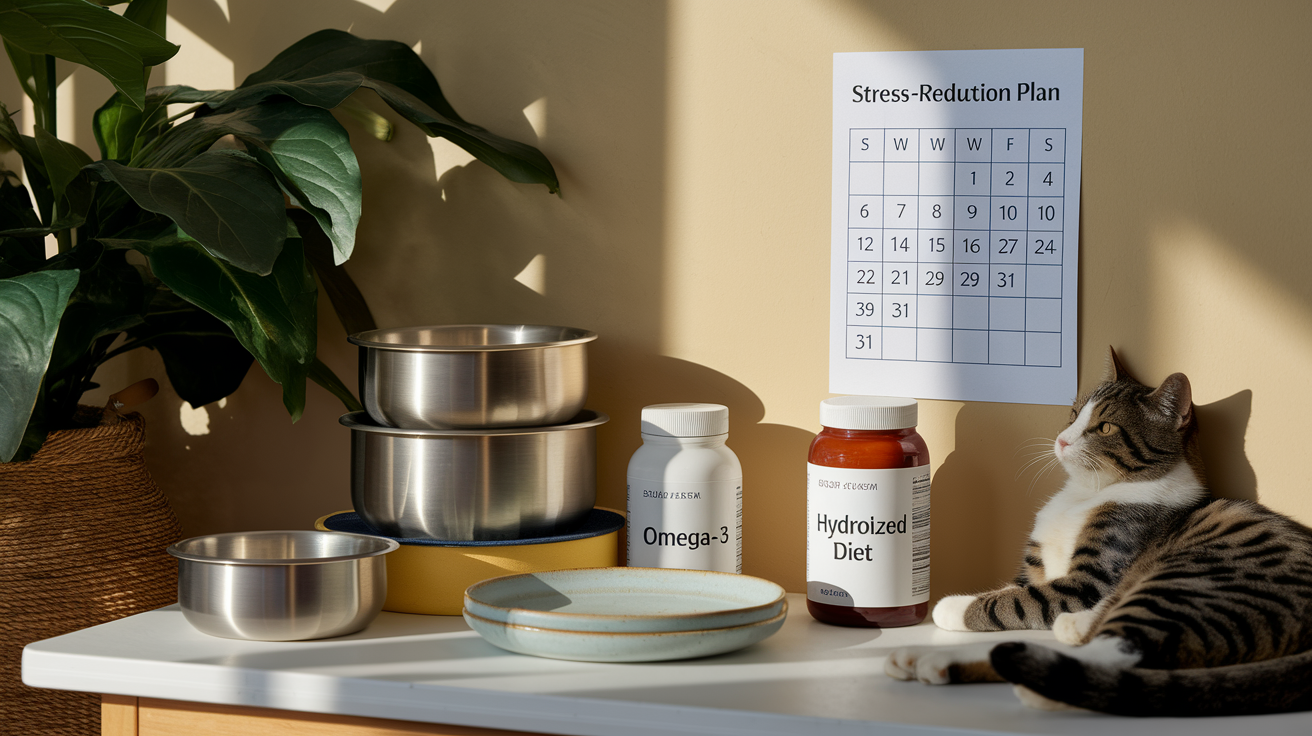
Preventing chin acne from coming back means sticking with the changes that resolved it in the first place. Keep using stainless steel, ceramic, or glass bowls, and wash them daily with hot, soapy water. Clean your cat’s chin once or twice a week, even when there are no visible lesions, to keep bacteria and oil buildup in check. Regular grooming helps, especially for senior or overweight cats who may struggle to reach their chins. Brushing distributes natural oils, removes loose fur and debris, gives you a chance to inspect the skin. If your cat’s prone to acne, you may need to keep a maintenance routine going indefinitely. It’s a chronic condition for many cats, not a one-time fix.
Food allergy prevention is all about strict dietary control. Once you’ve identified and removed the offending ingredient, your cat must avoid it permanently. That means reading every label carefully, checking treats, supplements, even flavored medications. Many pet parents find it simplest to stick with a single, proven hypoallergenic or limited-ingredient diet and skip treats altogether. Or use treats made from the same protein source as the main diet. Keep your cat’s routine stable. Sudden diet changes or accidental exposures can trigger flare-ups. Stress management also plays a role in both conditions. Chronic stress can worsen skin health and immune function, so providing a calm, predictable environment, regular play, clean litter boxes, plenty of hiding spots, supports your cat’s overall resilience.
| Preventive Measure | Best For | Notes |
|---|---|---|
| Daily bowl washing (stainless steel, ceramic, or glass) | Chin acne | Eliminates bacterial reservoir and contact allergens |
| Routine chin cleaning (1–2 times per week) | Chin acne | Prevents oil and debris buildup in at-risk cats |
| Strict avoidance of identified allergen | Food allergy | Read labels carefully; includes treats and medications |
| Stress reduction and stable routine | Both | Supports immune function and skin health |
Final Words
Seeing black dots or bumps on the chin and wondering if it’s acne or an allergy?
This guide showed key differences, with local blackheads and pustules suggesting chin acne and widespread redness, itch, and other body areas pointing more toward food allergy.
We covered causes, simple home checks like bowl changes and cleaning, vet diagnostics, treatments, and prevention.
If you’re unsure, take photos, note timelines, and check in with your veterinarian. Understanding cat chin acne vs food allergy puts you in a better spot to help your cat—stay observant and hopeful.
FAQ
Q: Can allergies cause cat chin acne, and why is my cat suddenly getting chin acne?
A: Allergies can sometimes cause chin irritation that looks like acne, but true chin acne usually comes from blocked follicles, plastic bowls, or bacteria; sudden flares often follow new bowls, grooming changes, or skin infection.
Q: Can cat chin acne clear up on its own?
A: Cat chin acne can clear up on its own sometimes, especially mild cases after switching from plastic bowls and gentle daily cleaning; if it doesn’t improve in 7 days or gets worse, contact your vet.
Q: What does cat chin acne feel like?
A: Cat chin acne often feels like small hard bumps or gritty blackheads; early spots may not itch, but infected pustules can become painful, swollen, or tender—seek veterinary care for pain or drainage.