

Think one flea is harmless?
For dogs with flea allergy dermatitis, a single bite can trigger weeks of miserable itching and skin damage.
This post shows how to prevent flea allergy dermatitis in dogs year-round with simple, proven steps: fast-acting preventives, consistent monthly dosing, household cleanup, grooming routines, and basic diet and skin support.
Follow these steps to cut flare-ups, protect every pet in the home, and keep itchy nights to a minimum.
Read on for a practical plan you can start today.
Immediate Prevention Steps for Flea Allergy Dermatitis in Dogs
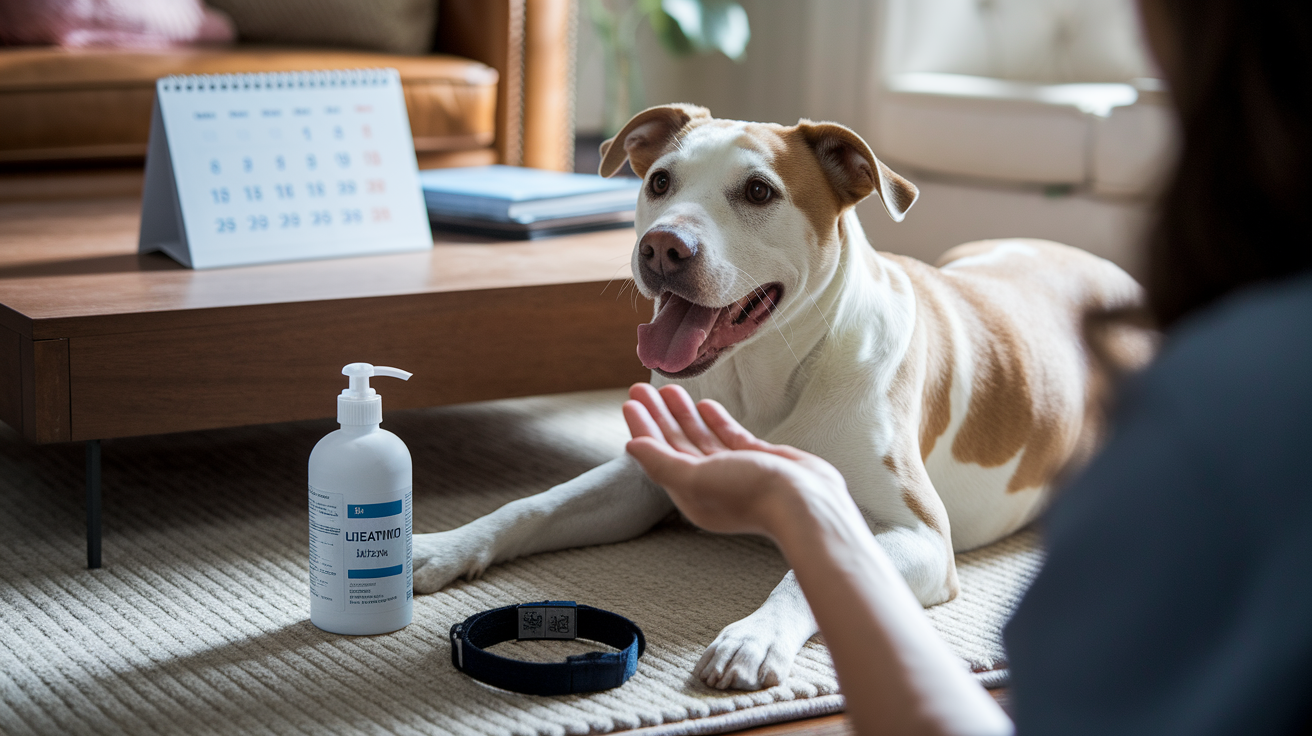
Dogs with flea allergy dermatitis can’t afford gaps in protection. Even one flea bite can trigger itching that lasts weeks. Prescription oral preventives start killing fleas within hours, which cuts down new bites fast. Topical options protect for about 30 days when you apply them correctly. The trick is staying consistent. Miss one month and fleas bounce back, often sparking a flare you’ll regret.
Pick the product type that actually works for your household. Oral tablets work great if your dog will take them. Topical spot-ons protect the skin directly and usually last 30 days. Long-lasting collars can give you months of coverage, which helps if you don’t want another monthly task on your calendar. Whatever you choose, treat every pet in the home. Fleas don’t care about your plan. They’ll hop between animals and wreck your progress.
If you’re heading to the vet or leaving notes for a sitter, keep it simple: “My dog started intense scratching near the tail base yesterday and has two small scabs.” That gets the team moving. Here are five first steps you can take today to prevent FAD flare-ups.
- Give a fast-acting oral flea tablet (if your vet recommends it) for immediate knockdown while you sort out long-term prevention.
- Start a monthly prescription preventive right away and mark your calendar for the next dose in 30 days.
- Treat every pet in your household with vet-approved products so reinfestation doesn’t sneak back in.
- Put an e-collar or recovery suit on itchy dogs to stop them from making it worse while you control fleas and calm the skin.
- Snap clear photos of affected areas and note when symptoms started. Bring these to your vet or save them for telemedicine.
Environmental Control to Stop Fleas in the Home
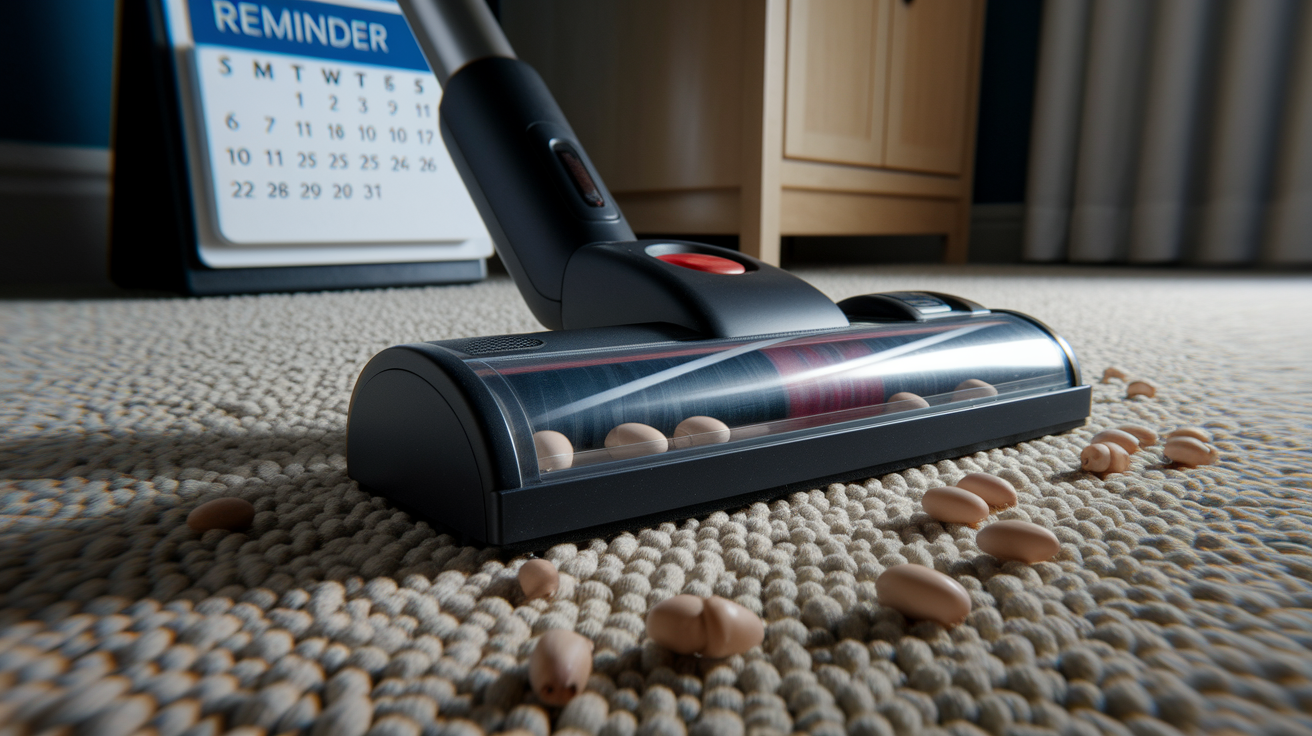
Most of the flea population lives off your pet. We’re talking about 90% hanging out as eggs, larvae, and pupae in carpets, bedding, and upholstery. Vacuuming helps because it physically removes eggs and larvae and can trick pupae into hatching early, which makes them vulnerable. Studies show vacuuming can pull out about 30% of larvae from floors. Washing fabric items in hot water (around 60°C) kills eggs and larvae on bedding and blankets.
To disrupt the indoor lifecycle, vacuum daily in pet areas for at least two weeks during active infestation. Then keep vacuuming frequently after that. Empty or wash the vacuum canister outside so you don’t reintroduce eggs into your home. Launder pet bedding, rugs, and any removable couch covers weekly in hot water and dry them on high heat. Use a steam cleaner on upholstery and rugs when you can. Heat damages eggs and larvae more reliably than cool washing.
For yard control, keep grass mowed, rake up leaf litter, and clear brushy hiding spots where fleas and wildlife can shelter. In shaded, damp corners you might need vet-approved yard treatments or insect growth regulators if infestations keep coming back despite indoor cleaning. Running a dehumidifier inside can also lower flea survival since fleas prefer moderate humidity. Drier indoor air makes the environment less friendly to them.
Grooming and Skin-Care Routines That Reduce Flare-Ups
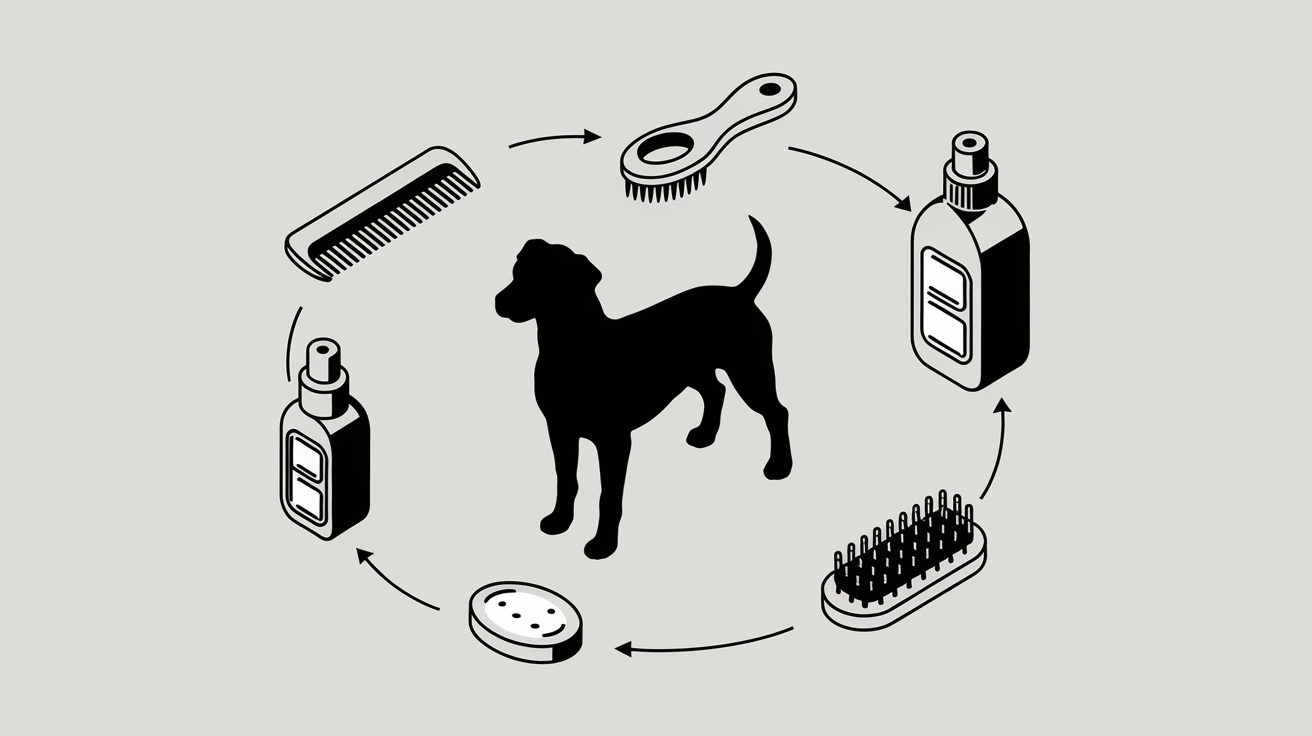
Regular grooming helps you spot fleas and keeps skin healthy so allergies don’t cause as much damage. A fine tooth flea comb catches adult fleas and flea dirt around the neck, tail base, and belly before your pet grooms them away. Oatmeal or medicated baths reduce itch and can cut scratching by roughly 60% in the short term. Brushing redistributes natural oils and supports the skin barrier so the coat can tolerate mild irritation better.
Gentle, consistent care minimizes trauma from itching and supports repair. Don’t over-bathe, which dries skin. Use soothing, skin-friendly products that say they’re safe for dogs.
- Comb the neck and tail base with a fine-tooth flea comb at least twice weekly to check for flea dirt.
- Bathe with an oatmeal or medicated shampoo when recommended, then rinse thoroughly.
- Brush regularly to remove loose hair and spread natural oils that protect the skin.
- Apply veterinarian-approved leave-on moisturizers or barrier sprays for chronically dry areas.
Dietary and Immune Support for Dogs Prone to FAD
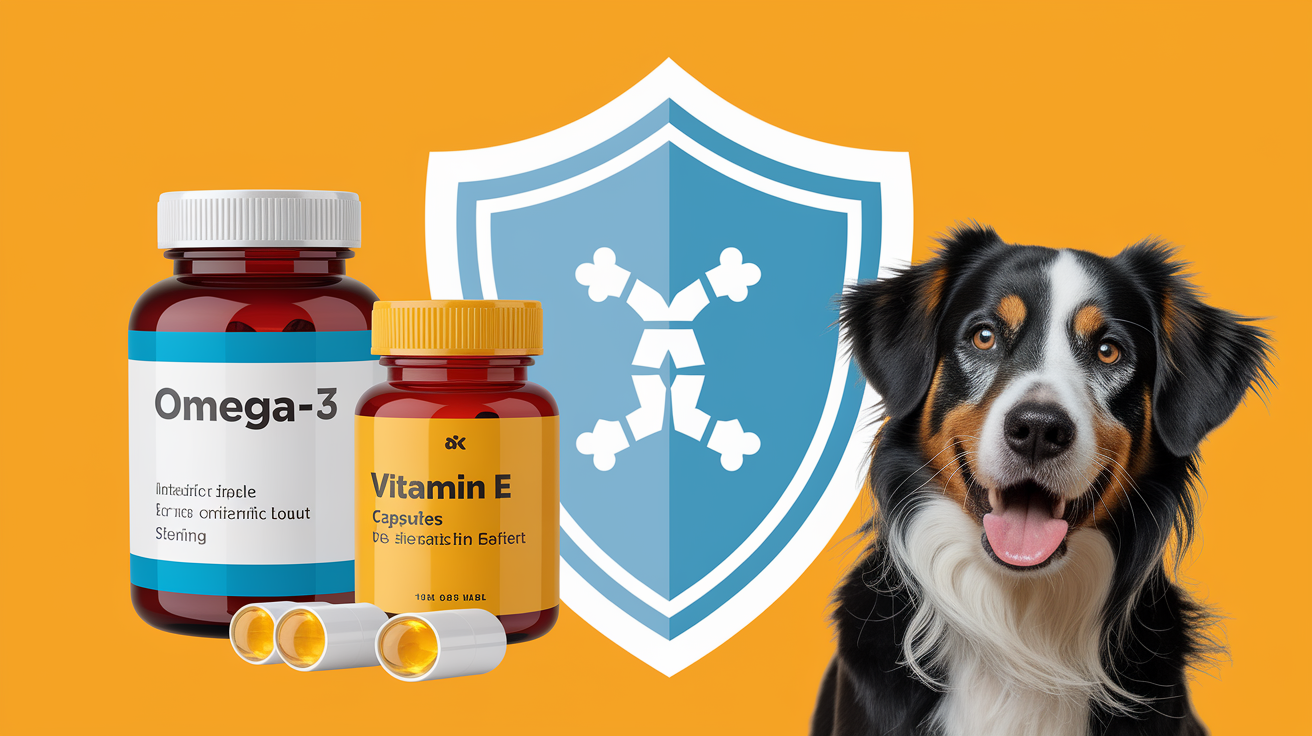
Nutrition and immune support won’t stop fleas, but they can reduce how badly your dog reacts when bitten. Omega-3 fatty acids lower skin inflammation and often improve coat quality within a few weeks of consistent use. Probiotics may help immune balance by supporting gut health, which can influence skin responses. Vitamin E and certain skin-support formulas help repair the skin barrier so allergens cause less irritation.
Offer supplements only after checking with your veterinarian, especially for dogs on other medications or with medical conditions. A simple note you can use for your vet: “Considering omega-3 and a probiotic to help with skin healing. Thoughts on dose and brand?” That gets the conversation going.
Small, steady dietary steps make a difference over time. Make sure your dog has clean water, a balanced diet appropriate for age and health, and supplements recommended by your vet. When skin stays hydrated and nutritionally supported, allergic reactions tend to be less severe and healing happens faster.
When to See a Veterinarian for Flea Allergy Dermatitis
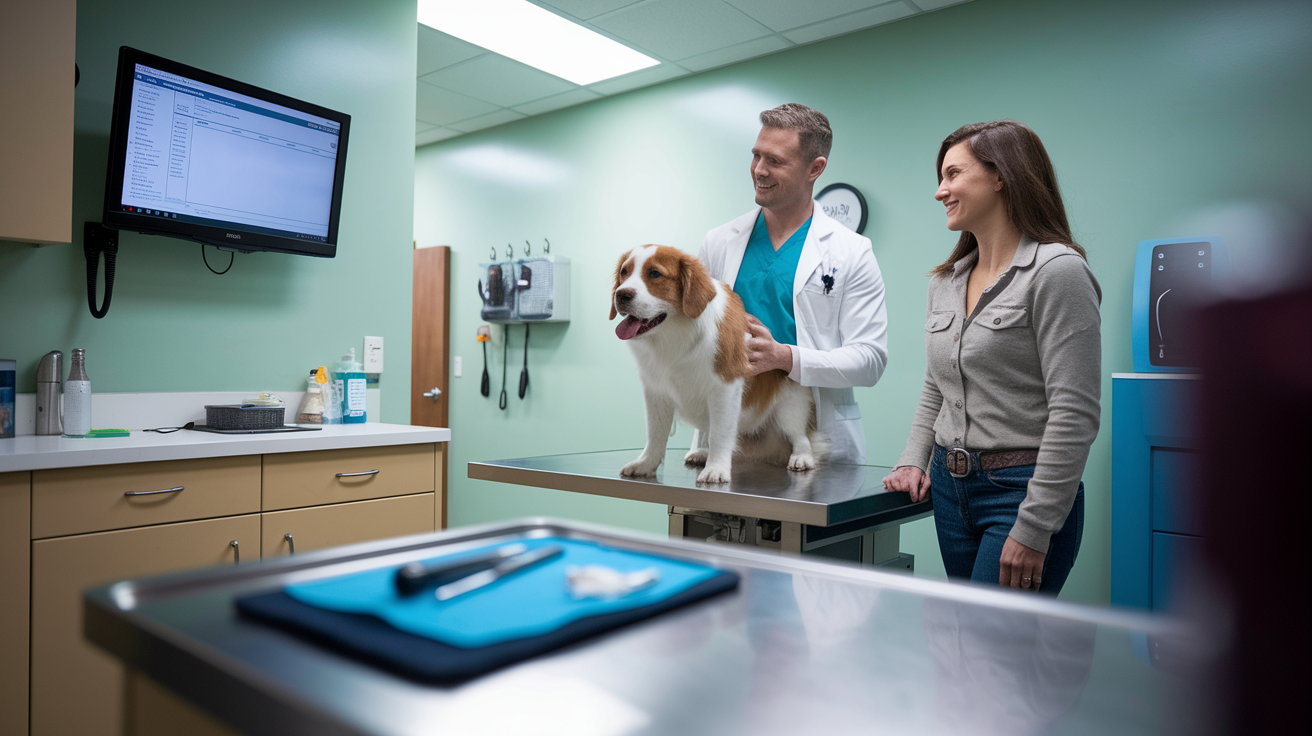
Contact a veterinarian within 24 to 48 hours if your dog has uncontrollable itching, open or oozing sores, bleeding, or a strong foul odor from the skin. These are signs a secondary infection or severe inflammation may be present and often need prescription antibiotics, antifungals, or a medicated bath. If your dog becomes lethargic, loses appetite, or shows signs of pain, get care sooner. Those can signal a more serious problem.
Vets can offer rapid relief and a coordinated plan: short courses of corticosteroids for severe itch, or steroid-sparing options like oclacitinib (Apoquel) or injectable monoclonal antibodies (Cytopoint) when appropriate. For immediate flea knockdown they may recommend a single-dose product that works within hours while you start a longer-acting monthly preventive. They’ll also check for secondary infections with cytology or skin scraping and prescribe antibiotics or topical treatments if needed.
If your dog is young, elderly, pregnant, or has other health issues, call the vet right away rather than waiting. Bring photos, a note of when symptoms began, current preventives used, and whether other pets are affected. That information helps the clinic pick the safest, fastest plan.
Final Words
Start with uninterrupted monthly flea protection and a fast-acting preventive today. Clean the home regularly, wash bedding in hot water, and treat your yard where needed.
Keep a simple grooming routine, use a flea comb, and add skin-supporting nutrients like omega-3s and probiotics. Those measures lower itch and help the skin heal.
If your dog gets worse or has open sores, call your vet within 24–48 hours. Together these steps help flea allergy dermatitis dogs prevent future flare-ups. Small, steady steps really add up.
FAQ
Q: Can flea allergy dermatitis be prevented?
A: Flea allergy dermatitis can often be prevented with consistent, year‑round flea control, quick treatment of bites, regular home cleaning, and skin support like omega‑3s; ask your vet for the best plan.
Q: How to prevent flea allergy in dogs?
A: To prevent flea allergy in dogs, use monthly vet‑recommended preventives (oral, topical, or collar), vacuum and wash bedding, groom with a flea comb, and maintain skin health with good nutrition.
Q: How do you get rid of flea allergy dermatitis in dogs?
A: To get rid of flea allergy dermatitis in dogs, stop flea exposure with fast flea control, treat itching and infections with vet‑prescribed meds, clean the home, and support skin healing.
Q: How long does it take for flea allergy dermatitis to go away in dogs?
A: Flea allergy dermatitis in dogs often begins to improve within days of stopping flea bites, but full healing usually takes 2–6 weeks with treatment; call your vet if there’s no progress in 48–72 hours.