

What if your dog’s nonstop scratching is coming from dinner, not the yard?
Food allergies often cause year round skin trouble plus vomiting or soft stools, because the gut gets involved.
Environmental allergies usually flare with seasons or dust and show up mainly as intense itching on the face, ears, feet, and belly, but rarely cause stomach upset.
In this post you’ll get the clear signs to watch for, practical first steps to try at home, and when testing or a vet visit makes sense.
Clear Distinctions Between Food and Environmental Allergies in Pets

Food allergies can show up at any age and stick around all year because your pet’s meals don’t shift with the seasons. If symptoms spike after eating, stomach issues pop up alongside skin problems, or the itching never takes a break no matter what month it is, you’re probably dealing with food. Environmental allergies usually kick in somewhere between six months and three years old. They tend to follow patterns tied to pollen counts, mold blooms, or how much time your pet spends outside.
The biggest giveaway? Whether the digestive system gets involved. Chronic vomiting, loose stools, or soft stool paired with itchy skin points hard toward food. Environmental allergies mostly show up as intense itching, especially on the face, ears, feet, armpits, and belly, without much stomach drama. Both mess with the skin, but the triggers and timing help you figure out which one you’re facing.
Quick comparison points:
- Age of onset: Food allergies start at any age. Environmental allergies typically begin between 6 months and 3 years.
- Seasonality: Food allergies are year round. Environmental allergies can be seasonal (pollen) or perennial (dust mites, mold).
- Gastrointestinal signs: Common with food allergies (vomiting, diarrhea). Rare with environmental allergies.
- Timing clues: Food allergy symptoms may flare predictably after meals. Environmental symptoms relate to outdoor exposure or indoor allergen load.
- Persistence: Food allergies continue until you remove the offending protein. Environmental allergies ebb and flow with exposure.
- Body areas affected: Both hit ears, face, and paws. Food allergies often also involve the underbelly and perianal area with GI signs. Environmental allergies heavily affect armpits, groin, and between toes.
Understanding Food Allergies in Pets: Symptoms and Triggers
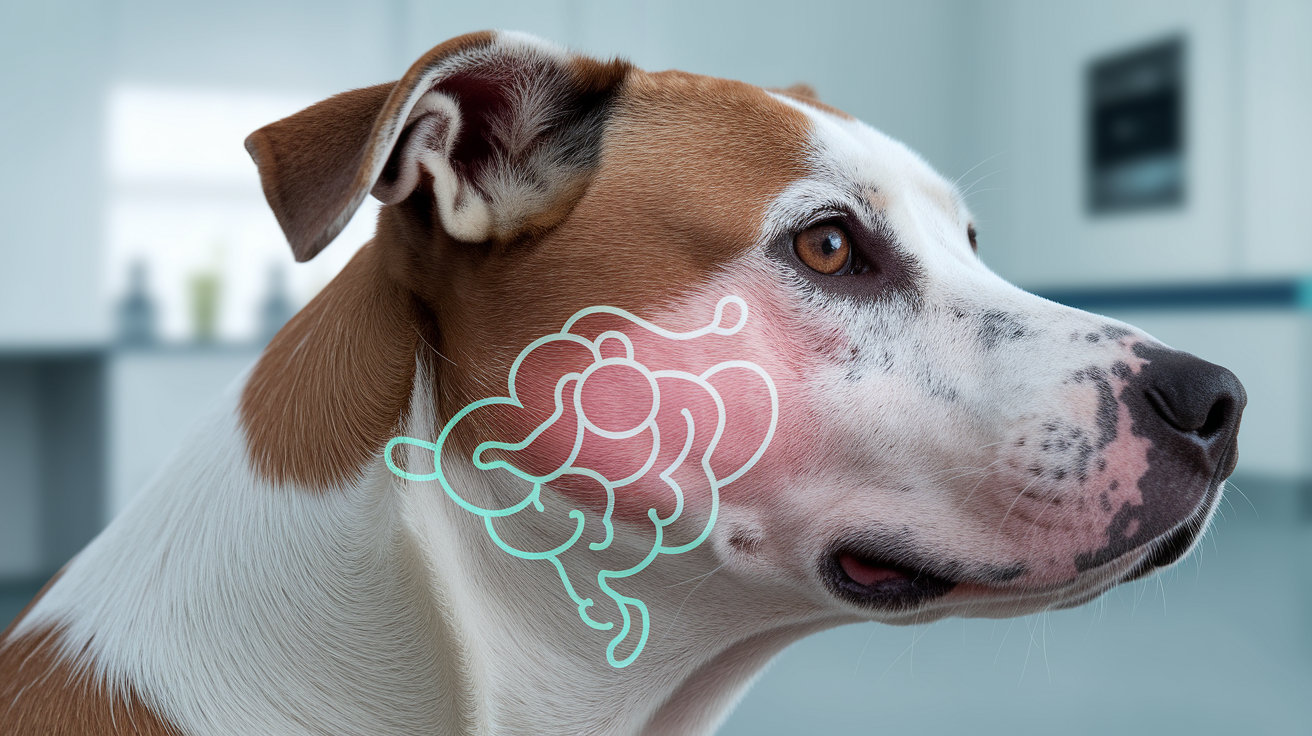
Food allergies happen when your pet’s immune system mistakenly treats a harmless dietary protein like an invader. The body launches an inflammatory response every time that protein enters the gut. Most often this shows up as itchy, inflamed skin and recurring ear infections. About 10% of skin allergy cases in dogs and cats trace back to food proteins. What sets food allergies apart is the gastrointestinal involvement. Vomiting, soft stools, or chronic loose stool that comes and goes without another clear cause. Skin signs tend to cluster around the ears, face, feet, underbelly, and sometimes the perianal area. They don’t let up seasonally because your pet eats the same diet all year.
The tricky part? The proteins causing the problem are usually ones your pet has eaten for months or even years without issue. The immune system can develop a reaction over time. Once triggered, symptoms persist until you completely remove that protein from the diet. Unlike seasonal allergies that flare when pollen spikes, food allergy signs stay steady and relentless. That makes them easier to spot if you’re tracking timing and triggers.
Most common food allergens:
- Beef
- Dairy products (milk, cheese)
- Chicken
- Wheat and gluten containing grains
Environmental Allergies in Pets: How They Present Throughout the Year
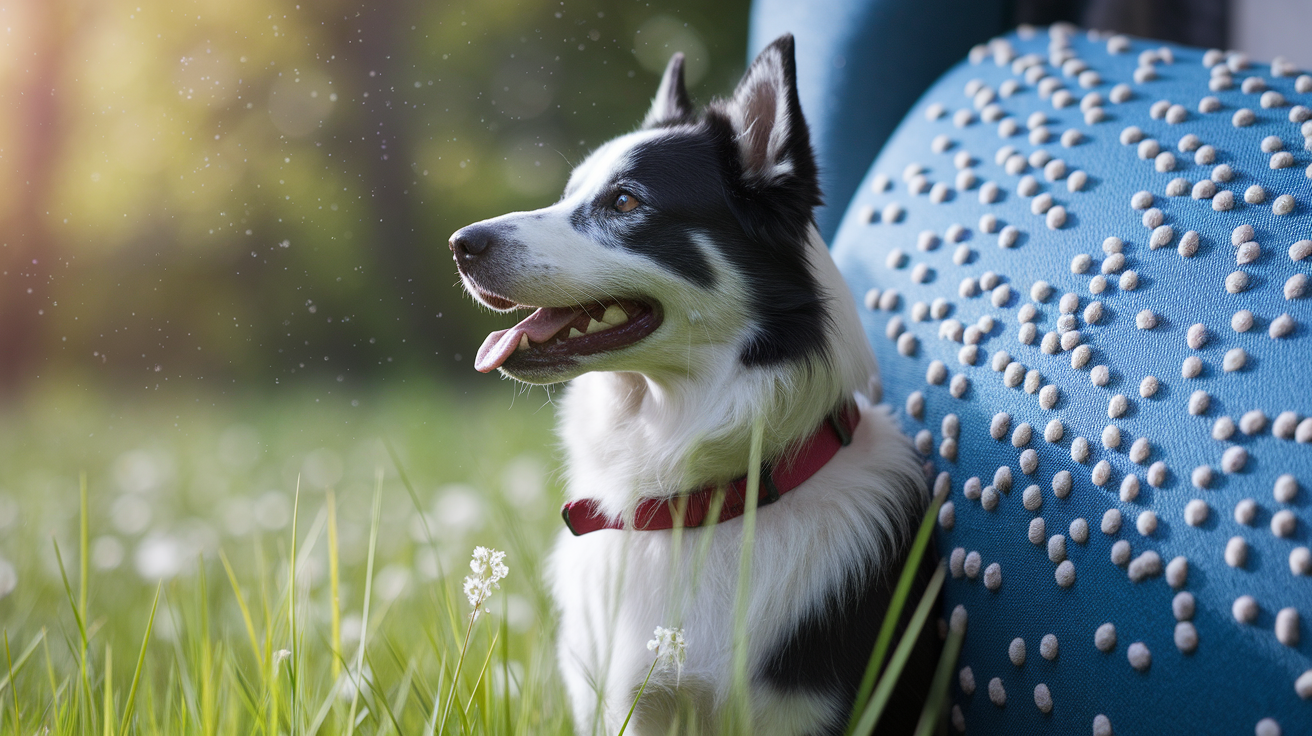
Environmental allergies (also called atopic dermatitis) happen when a pet’s immune system overreacts to airborne or contact allergens in their surroundings. Pollen from grasses, trees, and weeds drives seasonal flares, typically spring through fall, depending on your region and which plants are blooming. Mold spores can spike outdoors in damp seasons or linger indoors year round in humid homes. Dust mites thrive in bedding, carpets, and upholstery. They cause perennial (year round) symptoms that don’t track with the calendar. Some pets react to multiple allergens, so you might see a baseline itch that worsens dramatically during pollen season.
The hallmark signs are intense paw licking, face rubbing, scratching at the ears, armpits, groin, and belly, plus recurring ear infections. Unlike food allergies, gastrointestinal symptoms are rare. Instead, the inflammation concentrates in the skin and ears. Over time, constant scratching and moisture from licking create perfect conditions for secondary bacterial and yeast infections. These add odor, redness, and crusting to the original itch. You might notice your dog scooting across the floor, shaking their head, or leaving damp spots on furniture from excessive licking.
Environmental allergens enter through the skin or respiratory tract, though most pets don’t sneeze or cough the way humans do. Occasionally you’ll see mild eye discharge or a bit of nasal congestion. But the overwhelming majority of the immune response shows up as skin disease. If symptoms fade when your pet spends more time indoors or improve dramatically after a thorough home cleaning, that’s a strong clue you’re dealing with environmental triggers rather than food.
Deeper Pathophysiology and Uncommon Symptom Patterns in Pet Allergies
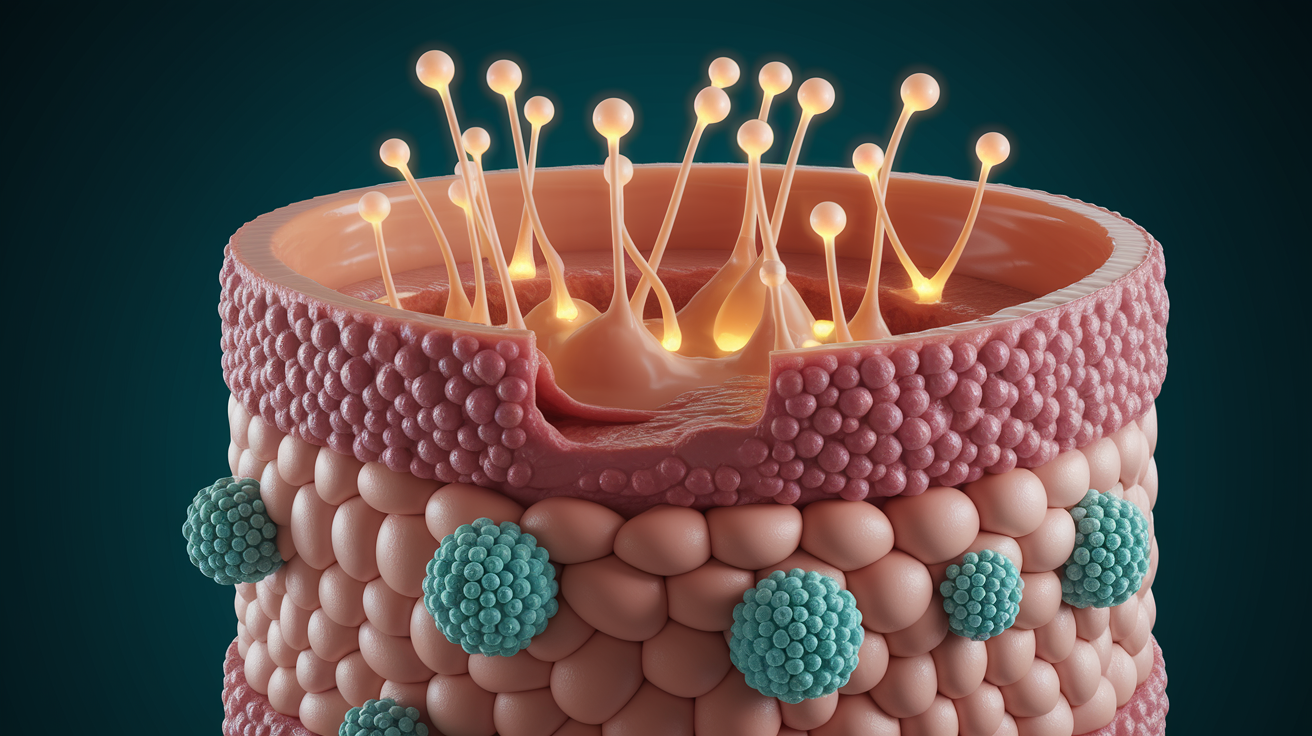
Both food and environmental allergies involve an exaggerated IgE mediated immune response (or sometimes a mixed, non‑IgE pathway in food allergies). The body treats a harmless substance as a dangerous pathogen. Mast cells release histamine and other inflammatory mediators into the skin, causing the itch scratch cycle that damages the skin barrier. Once that barrier breaks down, bacteria and yeast colonize the inflamed areas. This leads to secondary infections that can be harder to manage than the original allergy. This layered inflammation is why a pet with allergies often smells yeasty or develops crusty, oozing hot spots seemingly out of nowhere.
Less obvious signs can easily be mistaken for behavioral quirks or separate illnesses. Chronic ear infections that never quite clear up, even with repeated treatments, often signal an underlying allergy. Perianal itching that looks like scooting for worms may actually be food allergy related. Some cats develop eosinophilic granuloma complex (raised, ulcerated plaques on the lips, chin, or thighs) as their primary allergy symptom, with minimal scratching. A few pets show compulsive fur pulling or over grooming without obvious redness, leaving bald patches that owners assume are stress related.
Atypical or easily overlooked symptom clues:
- Chronic “gunky” ears that relapse a few weeks after every round of ear medication
- Compulsive licking of one or two spots until the fur is stained brown or pink from saliva
- Recurrent “hot spots” (acute moist dermatitis) in the same body areas each season or year
- Persistent foot odor resembling corn chips, yeast, or mildew (sign of yeast overgrowth between toes)
- Behavioral changes like irritability, restlessness at night, or reluctance to be touched on itchy areas
Diagnostic Methods to Differentiate Pet Allergies

The first step in separating food from environmental allergies is a thorough history and physical exam. Your vet will ask when symptoms started, whether they’re seasonal, what your pet eats (including all treats, table scraps, and flavored medications), and whether gastrointestinal signs are present. Skin cytology (pressing clear tape against inflamed skin or swabbing ears) reveals whether bacteria or yeast are complicating the picture. Skin scrapings rule out mites. Once infections and parasites are controlled, the real detective work begins.
For food allergies, the gold standard test is a strict elimination diet trial lasting 8 to 12 weeks. You’ll feed a novel protein or hydrolyzed protein prescription diet with absolutely nothing else. No treats, chews, flavored pills, or table food. Improvement usually shows up within 4 to 8 weeks, but the full trial period confirms it. After symptoms clear, you reintroduce the old diet (called an oral re challenge). If itching comes roaring back within 24 to 72 hours, you’ve confirmed a food allergy. Blood tests marketed for food allergies are unreliable and produce high rates of false positives and false negatives, so most dermatologists don’t recommend them for diagnosis.
Environmental allergies are best identified through intradermal skin testing (IDT). Tiny amounts of purified allergens are injected under the skin, usually along the chest or flank, and the reaction is measured after about 15 minutes. This test requires sedation and is typically performed by a board certified veterinary dermatologist. The results guide custom allergen specific immunotherapy (allergy shots or sublingual drops). Blood tests (serum allergen specific IgE) are available and less invasive, but they’re prone to false results and are harder to interpret. Most vets use blood tests when IDT isn’t practical, but they’re not the preferred choice for designing immunotherapy.
| Test Type | Best For | Limitations |
|---|---|---|
| Elimination diet trial (8–12 weeks) | Diagnosing food allergies | Requires strict compliance; no other foods, treats, or flavored meds allowed; results take months |
| Intradermal skin testing (IDT) | Identifying environmental allergens for immunotherapy selection | Requires sedation; performed by specialists; certain medications must be stopped beforehand; does not diagnose food allergy |
| Serum allergen specific IgE (blood test) | Environmental allergen screening when IDT is not available | Higher false positive/negative rates; unreliable for food allergy diagnosis; results can be difficult to interpret |
The Role of Elimination Diets in Confirming Food Allergies

An elimination diet works by removing every protein your pet has eaten before and replacing it with a single novel protein (one they’ve never had, like rabbit, venison, or kangaroo) or a hydrolyzed protein diet where the protein molecules are broken down too small to trigger an immune response. The goal is to starve the allergic reaction by cutting off its fuel. For 8 to 12 weeks, your pet eats nothing but that prescription diet and plain water. No flavored heartworm pills, no peanut butter pill pockets, no dropped crumbs from the dinner table, no rawhide chews. Even a single treat can reset the trial and waste weeks of effort.
Most pets start improving between 4 and 8 weeks. But the full trial period is essential to catch slower responders. Once symptoms clear (itching fades, skin heals, ear infections stop), you reintroduce the original diet to confirm the diagnosis. This is called an oral re challenge. If itching returns within 24 to 72 hours and full skin changes reappear within 7 to 14 days, you’ve proven a food allergy. At that point, long term management means sticking with the successful diet or carefully introducing one new protein at a time under veterinary guidance to expand variety.
Strict rules for a valid elimination diet trial:
- Feed only the veterinarian prescribed novel protein or hydrolyzed diet for the entire 8 to 12 week period.
- Remove all treats, table scraps, rawhides, bully sticks, pig ears, dental chews, and flavored supplements.
- Switch flavored medications (heartworm preventives, flea treatments, joint supplements) to unflavored or compounded versions.
- Keep other pets’ food out of reach. Feed them separately if needed.
- Track symptoms weekly and note any accidental exposures immediately so your vet can adjust the timeline.
Environmental Allergy Testing and Management Options for Pets
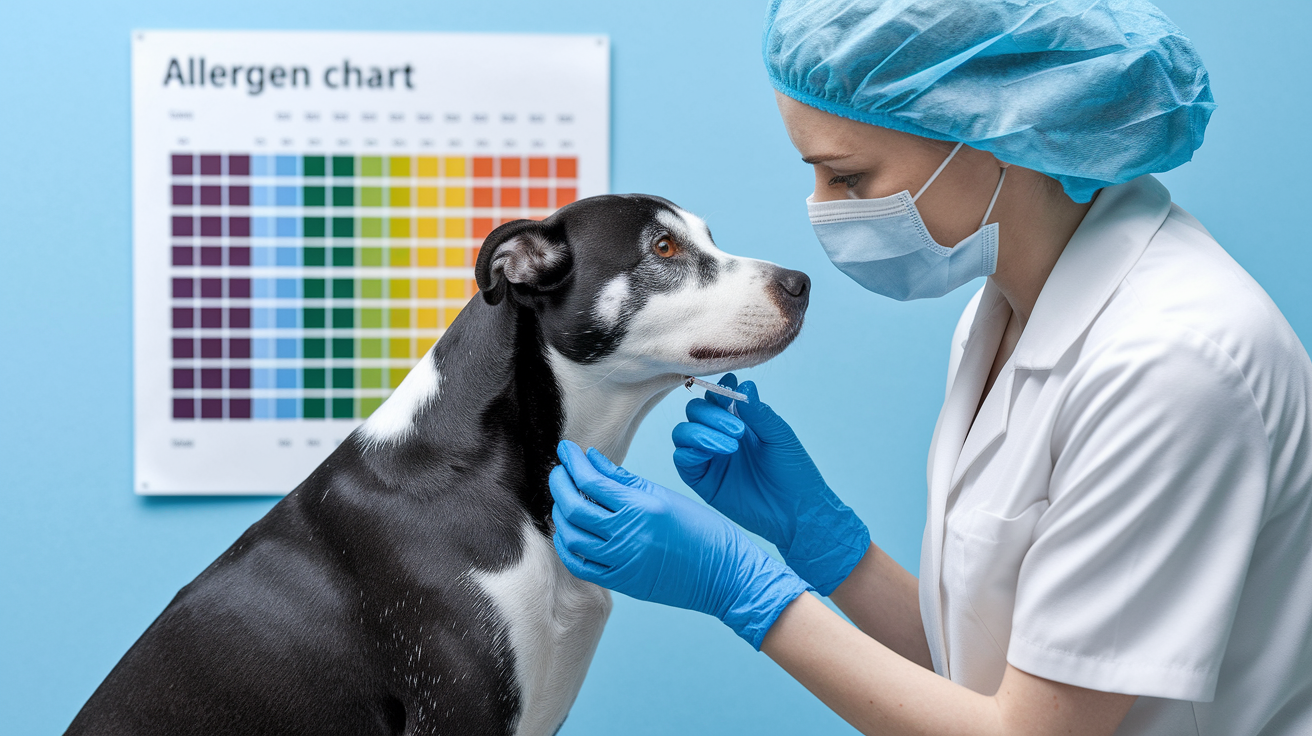
Intradermal skin testing remains the most accurate way to identify which specific environmental allergens are driving your pet’s symptoms. A dermatologist injects dozens of tiny doses of purified allergens (grass pollens, tree pollens, weed pollens, mold spores, dust mites, insect proteins) and watches for localized swelling and redness. The results create a custom “map” of your pet’s sensitivities, which is then used to formulate allergen specific immunotherapy. Immunotherapy gradually desensitizes the immune system over 3 to 12 months, reducing the intensity and frequency of allergic flares. It’s not a quick fix. But it’s the closest thing to addressing the root cause rather than just controlling symptoms.
Blood tests for environmental allergens are more convenient and don’t require sedation, but their accuracy is inconsistent. They can be useful when intradermal testing isn’t available or your pet can’t be safely sedated. But veterinarians often interpret the results cautiously and use them as a guide rather than a definitive diagnosis. Whether you test or not, allergen avoidance and environmental management are the foundation of environmental allergy care.
Practical home strategies can reduce your pet’s allergen load significantly. Wipe paws and coat with a damp cloth or pet safe wipes after every walk to remove pollen and mold spores before they spread through the house. Keep windows closed during high pollen counts and run HEPA air filters in rooms where your pet spends the most time. Wash bedding weekly in hot water (around 60°C or 140°F) to kill dust mites and remove accumulated allergens. Vacuum frequently using a vacuum with a HEPA filter, and consider hard flooring instead of wall to wall carpet if dust mites are a known trigger. For dogs with severe pollen sensitivity, a quick rinse or medicated bath a few times a week can provide real relief by physically removing allergens from the skin.
| Allergen Type | Indoor or Outdoor | Mitigation Strategy |
|---|---|---|
| Pollen (grass, trees, weeds) | Outdoor | Wipe paws and coat after outdoor time; keep windows closed during peak pollen season; rinse or bathe frequently |
| Dust mites | Indoor | Wash bedding weekly in hot water (~60°C/140°F); vacuum with HEPA filter; reduce fabric surfaces; control indoor humidity |
| Mold spores | Both | Fix leaks and reduce indoor humidity; clean damp areas; limit outdoor time after rain; use dehumidifiers and air purifiers |
| Animal dander / fibers | Indoor | Vacuum frequently; wash pet bedding; groom regularly; designate pet free zones if multi pet household triggers allergies |
Treatment Differences: Diet Therapy vs Immunotherapy and Anti Itch Medications
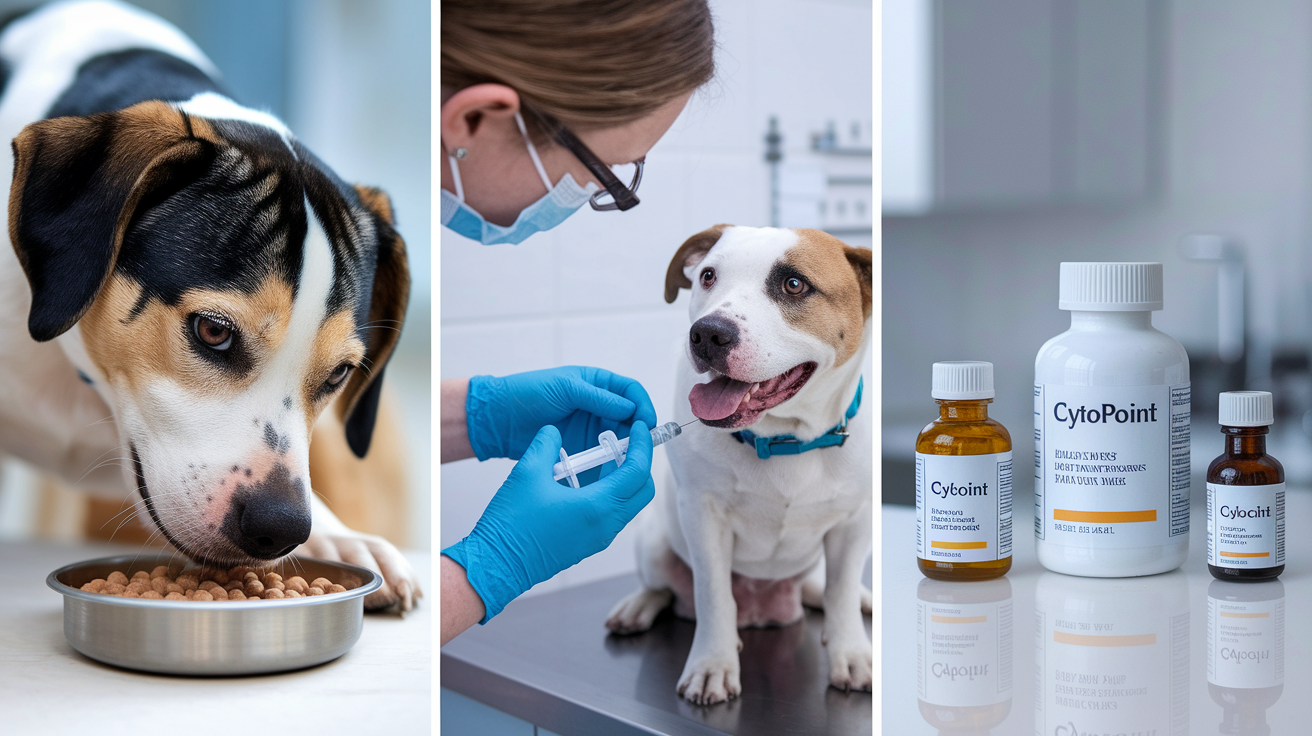
Food allergy treatment is straightforward in concept but requires lifelong commitment. Once you’ve identified the offending protein through an elimination trial and oral re challenge, the solution is permanent dietary management. Your pet stays on the novel protein or hydrolyzed diet that worked during the trial, or you work with your vet to introduce one new protein at a time and monitor for reactions. There are no shots, no daily pills for the allergy itself. Just strict diet control. If your pet sneaks even a small amount of the problem protein, symptoms return, often within hours to days. So label reading and household vigilance become routine.
Environmental allergy management is more layered. Allergen specific immunotherapy (allergy shots or sublingual drops) is the only treatment that tries to retrain the immune system rather than suppress symptoms. It takes 3 to 6 months to see initial improvement and up to 12 months for maximum benefit. It doesn’t work for every pet, but success rates are reasonably high when allergens are accurately identified. In the meantime, symptomatic therapies control itching and inflammation. Medications like oclacitinib (Apoquel) block itch signals within hours and are given daily. Injectable biologics like lokivetmab (Cytopoint) neutralize a specific itch inducing protein and last 4 to 8 weeks per injection. Both options are generally safer for long term use than steroids.
Corticosteroids like prednisone work fast and cost less. But long term use brings side effects: increased thirst, urination, appetite, weight gain, and over time, risk of diabetes, muscle loss, and immune suppression. Many vets reserve steroids for short term flare control or rotate them with other therapies. Antihistamines are safe and inexpensive but help only a minority of allergic pets, maybe 10 to 30%. Omega 3 fatty acid supplements, medicated shampoos, leave on sprays, and ear cleaners provide additional supportive relief. The treatment plan often combines several approaches, adjusted as seasons or symptoms change.
Flea Allergy Dermatitis: A Third Category Often Confused With Food or Environmental Allergies

Flea allergy dermatitis (FAD) deserves its own mention because it mimics both food and environmental allergies and frequently coexists with them. The trigger isn’t the flea itself. It’s proteins in flea saliva injected during a bite. A single flea can cause intense, widespread itching in a sensitized pet, even if you never see the flea. The hallmark distribution is itching and hair loss starting just above the base of the tail and spreading outward across the lower back, hindquarters, and belly. In cats, FAD commonly produces miliary dermatitis (tiny scabs scattered across the skin that you feel more than see).
Flea dirt, which looks like fine black specks or coffee grounds near the base of the fur, confirms flea exposure. If you place the specks on a damp paper towel and they dissolve into a red brown stain, that’s digested blood. Proof of fleas. Even indoor only pets can get fleas from other animals, wildlife near windows, or hitching a ride on human clothing. Year round, strict flea prevention using veterinarian recommended topical or oral products is essential. Fast acting options like nitenpyram (Capstar) start killing fleas within about 30 minutes and can provide immediate relief during severe infestations. But they don’t offer lasting prevention. Long term control requires monthly preventives and, during heavy infestations, treating the indoor environment with vacuuming and insecticides that target flea eggs and larvae.
Key indicators pointing to flea allergy dermatitis:
- Lesions concentrated above the tail base, lower back, hindquarters, and belly
- Detection of flea dirt (black specks that turn red brown on damp paper towel)
- History of outdoor access, contact with other animals, or visible fleas on any pet in the household
- Rapid improvement within days to weeks of starting strict, year round flea prevention
When to Seek Veterinary Care for Unclear or Severe Allergy Symptoms

If your pet is scratching constantly, has red and inflamed skin, smells yeasty or foul, or is losing patches of fur, a veterinary exam is the next step. Chronic or recurrent ear infections that need treatment every few weeks, persistent vomiting or diarrhea alongside skin trouble, or signs that worsen despite basic flea control and diet adjustments all warrant professional evaluation. Your general practice vet can start the diagnostic process, manage secondary infections, and guide an elimination diet trial or basic allergy care.
Some cases need a board certified veterinary dermatologist, especially when symptoms are severe, don’t respond to initial treatments, or require intradermal skin testing and custom immunotherapy. Referral is common for pets with multiple allergies, year round symptoms, or complicated secondary infections. If your pet shows signs of anaphylaxis (sudden facial swelling, hives, vomiting, collapse, or difficulty breathing after eating or being stung), get emergency veterinary care immediately. Testing and immunotherapy often require stopping certain medications like steroids or antihistamines for a period beforehand, so your vet will create a timeline that balances comfort and accurate results.
Final Words
In practice, food allergies often cause both stomach upsets and skin issues that link to meals and usually keep happening until the diet changes. Environmental allergies tend to start younger, can be seasonal or year-round, and mainly cause itching on the face, ears, paws, and belly that tracks with outdoor or indoor exposure.
Use those patterns to decide next steps: consider a vet-guided elimination diet or allergy testing, keep strict flea control, and watch for red flags like trouble breathing or repeated vomiting. Understanding the difference between food and environmental allergies in pets makes choosing the right plan easier—and you’ve got this.
FAQ
Q: How to tell if dog allergies are food or environmental?
A: To tell if dog allergies are food or environmental, watch for vomiting or loose stools and consistent post‑meal flares indicating food, versus seasonal or outdoor‑linked itching, paw licking, or face rubbing suggesting environmental causes; confirm with your vet.
Q: What are yorkies allergic to?
A: Yorkies are commonly allergic to proteins like beef, chicken, dairy, and eggs, plus fleas, pollen, dust mites, or grooming products; they often show ear infections and itchy skin. Work with your vet for testing and management.
Q: What are the food allergies of Cavapoos?
A: Cavapoos commonly have food allergies to beef, chicken, dairy, and eggs; signs include itchy ears, paw licking, vomiting, or soft stools. Try an elimination diet under vet guidance to identify triggers and manage symptoms.
Q: Does Zyrtec help dogs with environmental allergies?
A: Zyrtec can help dogs with environmental allergies in some cases, but responses vary; it may reduce mild itching. Always check with your vet before giving cetirizine, since dosing and safety depend on the pet and other medications.