

Could the food bowl be what’s secretly making your dog scratch, lick, or get ear infections?
Many pet parents think “hypoallergenic” on the bag fixes it, but labels don’t always tell the whole story.
A real hypoallergenic diet removes common trigger ingredients and uses novel proteins (like venison or duck) or hydrolyzed proteins broken into tiny pieces to calm the immune response.
This post explains which proteins and carbs are often tolerated, how elimination trials work, when prescription hydrolyzed diets may help, and safe steps to switch foods.
If symptoms are sudden or worse, call your vet.
Core Principles of a Hypoallergenic Diet for Dogs With Allergies

A hypoallergenic diet removes ingredients that set off immune reactions in your dog. When your dog eats something their body sees as a threat, the immune system freaks out and triggers inflammation. That’s where the itching, upset stomach, and infections come from. You’re trying to cut out the triggers completely.
Beef, chicken, dairy, lamb, wheat, soy, and eggs cause most confirmed food allergies in dogs. Other ingredients can be problematic too, but these seven are the main offenders.
Most Common Allergens:
- Beef
- Chicken
- Dairy
- Lamb
- Wheat and gluten
- Soy
- Eggs
True hypoallergenic diets use two approaches. Novel proteins are things your dog’s never eaten before, like venison, duck, or salmon. Since your dog hasn’t been exposed, the immune system is less likely to react. Hydrolyzed protein diets work differently. They break proteins down into pieces so tiny the immune system can’t even recognize them. Either way, purity matters. Cross contamination with unlabeled proteins wrecks the whole thing.
Prescription hypoallergenic diets get manufactured under tighter controls than what you’ll find over the counter, so there’s less risk of cross contamination during processing. Limited ingredient diets (LID) keep things simple by using fewer total ingredients. Novel protein formulas give you uncommon proteins your dog hasn’t tried. Hydrolyzed protein diets offer the most allergen reduction for dogs with severe sensitivities. Each type has its place, and what works depends on your dog’s allergen history and how bad the symptoms are.
Recognizing When a Dog Needs a Hypoallergenic Diet

Food allergies in dogs show up as a mix of skin and stomach problems that stick around all year. Skin issues usually mean intense itching, redness, and infections that keep coming back. Stomach symptoms include vomiting, diarrhea, and changes in how often or what kind of stool your dog’s producing.
Watch for these signs that point to a food problem:
- Constant scratching, licking, or biting at the skin, especially paws, belly, or face
- Chronic or recurring ear infections with waxy buildup or a yeasty smell
- Paw licking or chewing that stains the fur and leaves skin raw
- Ongoing diarrhea or soft stools, more than two bowel movements a day
- Vomiting that happens regularly, not just after eating something they shouldn’t have
- Dandruff, greasy coat, or patchy hair loss
- Red, inflamed skin on the belly, paws, groin, or around the eyes
Food allergies often overlap with environmental allergies to pollen, grass, or dust mites. The difference is timing. Environmental allergies tend to flare seasonally. Food allergies cause year round symptoms. If your dog’s itching, infections, or digestive trouble never takes a break, food allergy becomes more likely. Dogs that develop symptoms within their first year of life or after age seven also fit the food allergy profile more closely.
How Elimination Diets Support Dogs With Allergies

An elimination diet is the gold standard for diagnosing food allergies in dogs. You feed one carefully controlled diet for a set period, then reintroduce previous ingredients one at a time to figure out the trigger. Blood tests, saliva swabs, and DNA tests aren’t reliable for diagnosing food allergies or pinpointing specific allergens.
The protocol requires feeding only the test food for eight to twelve weeks. No exceptions. That means no treats, no table scraps, no flavored medications, no chewable supplements, and no sneaking bites from another pet’s bowl. Even one unapproved snack can restart the immune reaction and mess up the entire trial.
Common mistakes that ruin elimination trials:
- Giving flavored heartworm pills or chewable flea preventatives that contain beef or chicken by-products
- Letting the dog eat dropped food, compost, or trash during walks
- Using dental chews, bully sticks, or rawhides made from common allergens
- Sharing human food “just this once” during family meals
- Switching between multiple limited ingredient diets instead of sticking to one formula
- Ending the trial too early, before the full eight week minimum
After the strict elimination phase, your veterinarian will guide you through the provocation or reintroduction phase. You add one previous ingredient back into the diet and watch for symptoms to return. If itching, diarrhea, or ear infections flare within two weeks, that ingredient is confirmed as a trigger. If nothing happens, that ingredient is safe, and you move on to test the next one.
Veterinary guided elimination diets are strongly recommended because your vet will review your dog’s complete diet history, including every treat and chew, to design a truly novel protocol. They’ll also help rule out overlapping conditions like irritable bowel syndrome, inflammatory bowel disease, or malabsorption that can mimic food allergies. Prescription therapeutic diets manufactured under strict controls minimize the risk of cross contamination with unlabeled proteins, a problem common in over the counter formulas.
Choosing the Right Hypoallergenic Dog Food Formula
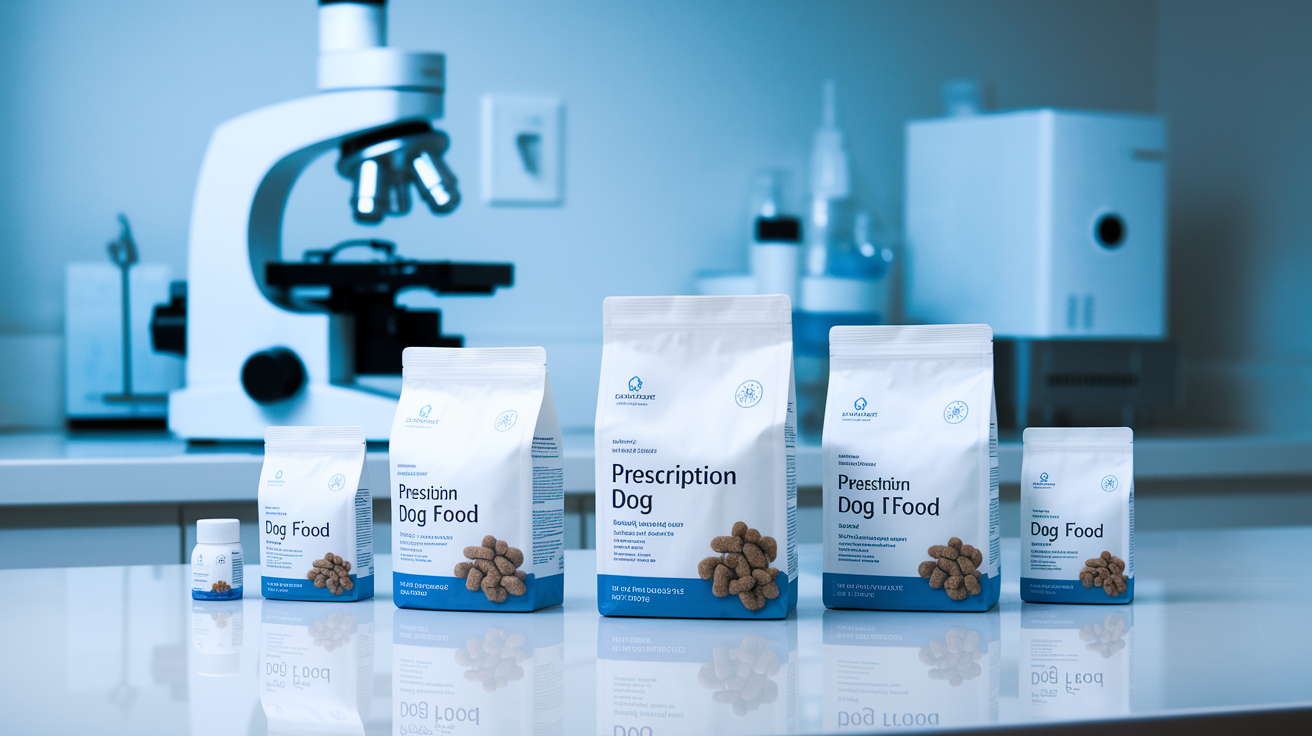
The most important difference between hypoallergenic diet types isn’t the specific protein or carbohydrate on the label. It’s how strictly the formula is manufactured and how reliably it delivers what the label promises. Prescription diets are produced in facilities with dedicated equipment, rigorous cleaning protocols, and testing to confirm no cross contamination occurs between protein batches. Over the counter limited ingredient or novel protein diets may be manufactured on shared lines, and research has found unlabeled proteins in some products, even when marketing emphasizes purity.
Traceability also differs. Prescription formulas are formulated by veterinary nutritionists and backed by clinical trials. Over the counter diets rely on marketing claims like “all natural” or “hypoallergenic,” which aren’t regulated and don’t guarantee the diet will work for an elimination trial or long term allergy management.
| Diet Type | Best For | Key Advantage |
|---|---|---|
| Prescription hydrolyzed | Severe or unresponsive food allergies | Proteins broken into fragments too small to trigger immune response |
| Prescription novel protein | Confirmed food allergy with known triggers | Strict manufacturing reduces cross contamination risk |
| OTC limited ingredient | Mild sensitivities or environmental allergy support | Simpler ingredient lists and lower cost |
| OTC novel protein | Prevention or managing uncomplicated symptoms | Wider availability and variety of protein choices |
Match your choice to your dog’s allergy history and required level of control. If your dog has reacted to multiple proteins in the past, or if symptoms are severe and ongoing despite diet changes, a prescription hydrolyzed diet offers the highest chance of success. If you’re starting an elimination trial and your dog hasn’t been exposed to duck or venison, a prescription novel protein formula gives you a clean slate with minimal contamination risk. Over the counter options work well for dogs with mild symptoms or for long term feeding after you’ve already identified safe ingredients through a supervised trial.
Safe Ingredient Options for Hypoallergenic Feeding

This section is a quick reference list of ingredients commonly tolerated by dogs with food allergies, not a guarantee that every dog will tolerate every item. Individual reactions vary, and the safest approach is always to choose ingredients your dog has never eaten before.
Commonly tolerated protein options:
- Venison
- Duck
- Rabbit
- Turkey (if never previously fed)
- Salmon
- Kangaroo (cooked only)
- Bison
- Alligator
Commonly tolerated carbohydrate sources:
- Sweet potato
- Quinoa
- Peas
- Tapioca
Raw diets carry additional risks for allergic dogs. Recent concerns about avian influenza transmission from uncooked meat, including raw kangaroo and poultry, make cooked diets the safer choice. Raw feeding also introduces variable protein quality and contamination from handling, both of which can complicate an elimination trial. Stick with fully cooked proteins during allergy management.
Transitioning Your Dog to a Hypoallergenic Diet Safely

Switching food too quickly overwhelms your dog’s digestive system and can cause vomiting, diarrhea, or refusal to eat. A gradual transition over seven to ten days gives the gut time to adjust to new proteins, fats, and fiber levels. Dogs with sensitive stomachs or a history of food reactions may need ten to fourteen days.
Safe transition schedule:
- Days 1–2: Mix 25% new food with 75% old food
- Days 3–4: Mix 50% new food with 50% old food
- Days 5–6: Mix 75% new food with 25% old food
- Day 7 (or Day 10): Feed 100% new food
Caloric needs often shift when switching between kibble, wet food, or homemade diets. Prescription hydrolyzed diets can be calorie dense, so portion sizes may look smaller than what you’re used to. Follow the package feeding chart as a starting point, then adjust based on your dog’s body condition. Weigh your dog weekly during the transition. If you notice weight loss, increase portions by ten percent. If you see weight gain, reduce portions slightly. For dogs that are already underweight, overweight, or managing other health conditions, ask your vet to calculate precise daily calorie targets before you start the transition.
Monitoring Results of a Hypoallergenic Diet

Most dogs show some improvement within a few weeks, but significant symptom reduction can take six to twelve weeks. Environmental allergies, infections, or other overlapping conditions can mask or delay progress, so patience and careful tracking matter.
Track these six metrics daily or weekly:
- Stool frequency and consistency (normal baseline is one to two bowel movements per day)
- Intensity and frequency of scratching, licking, or biting
- Ear condition, including redness, odor, discharge, or head shaking
- Coat quality, oiliness, dandruff, or new bald patches
- Vomiting episodes, including timing and any pattern you notice
- Energy level, appetite, and overall behavior
Keep a simple notebook or use your phone’s notes app to record dates, symptoms, and any changes in food, treats, or environment. If you’re doing an elimination trial, this log becomes critical during the reintroduction phase. It helps you and your veterinarian pinpoint which ingredient caused a flare and how quickly symptoms returned. Long term records also reveal patterns. Some dogs improve steadily, others plateau and need additional support, and a few don’t respond to diet changes at all, signaling the need for further diagnostics.
Homemade Hypoallergenic Diet Options for Dogs With Allergies

Homemade diets give you complete control over ingredients and let you avoid additives, preservatives, and cross contamination common in commercial foods. They’re especially useful during elimination trials when you need absolute certainty about what your dog is eating. Homemade feeding also allows you to tailor protein and carbohydrate sources to your dog’s specific tolerances.
Safety comes first. Homemade diets must be nutritionally balanced, which means including the right proportions of protein, fat, carbohydrates, vitamins, minerals, calcium, and trace nutrients like taurine. Most home cooked recipes require a veterinary formulated nutrient premix to fill gaps. Feeding an unbalanced diet, even for a few weeks, can lead to deficiencies or imbalances that harm your dog’s health. Consult a veterinary nutritionist to formulate or approve any long term homemade plan.
Example Homemade Hypoallergenic Meal
Ingredients:
- 3 pounds turkey (novel protein)
- 2 tablespoons coconut oil
- 1 pound carrots
- 8 ounces broccoli
- 5 cups cooked quinoa
- 2 tablespoons limited ingredient nutrient premix
- 1/2 teaspoon omega-3 fish oil
Cooking steps:
- Sauté turkey in coconut oil using an Instant Pot on sauté mode, breaking up the meat as it cooks.
- Add carrots and enough water or low sodium broth to cover the ingredients.
- Seal the lid, close the vent, and set manual/pressure mode for 4 minutes.
- Allow the pot to vent naturally for 20–30 minutes before opening.
- Let the mixture cool completely, then stir in the cooked quinoa, nutrient premix, and fish oil.
Portion the cooked food into daily servings based on your dog’s weight and caloric needs. Label each container with the date and contents, then freeze what you won’t use within three days. Thaw one portion at a time in the refrigerator overnight. This recipe is a starting template, not a complete, balanced formula for every dog. Work with a veterinary nutritionist to adjust protein, fat, and supplement levels for your dog’s age, size, activity level, and health status. For detailed guidance on building balanced homemade allergy meals, see How to make homemade allergy dog foods.
Supplements That Support Dogs on Hypoallergenic Diets

Omega-3 fatty acids from fish oil or flaxseed oil reduce inflammation in the skin and gut, which can ease itching and support faster healing during an elimination trial. A typical dose is around 1/2 teaspoon of fish oil per batch of homemade food, but the exact amount depends on your dog’s weight and the concentration of EPA and DHA in the oil. Ask your vet for a specific recommendation.
Supportive supplements for allergic dogs:
- Probiotics: Support gut health and may improve skin barrier function by balancing the microbiome
- Digestive enzymes: Help break down novel proteins and improve nutrient absorption in dogs with sensitive digestion
- Vitamin and mineral premixes: Essential for homemade diets to prevent deficiencies in calcium, B vitamins, and trace minerals
- Quercetin: A plant derived antioxidant sometimes called “nature’s Benadryl” for its mild anti inflammatory effects
Be cautious with supplements if your dog is on medication. Omega-3s can increase bleeding risk in dogs taking NSAIDs or blood thinners. Probiotics may interact with immunosuppressive drugs. Always check with your veterinarian before adding supplements to your dog’s routine, especially during an elimination trial when you need to minimize variables.
When a Hypoallergenic Diet Isn’t Enough

Some dogs don’t improve with diet changes because their symptoms aren’t caused by food. Environmental allergies to pollen, grass, dust mites, and mold are far more common than true food allergies. Flea allergies also produce intense itching and skin infections that look identical to food allergy symptoms. If your dog’s itching is seasonal, worsens outdoors, or improves with flea control, food is probably not the main trigger.
Non food allergy treatments:
- Allergy immunotherapy (desensitization shots or oral drops): Gradually trains the immune system to tolerate environmental allergens
- Antihistamines (diphenhydramine, cetirizine): Reduce mild to moderate itching in some dogs, though effectiveness varies
- Corticosteroids (prednisone, dexamethasone): Powerful anti inflammatory drugs for severe flares, used short term due to side effects
- Topical treatments (medicated shampoos, sprays, wipes): Soothe inflamed skin and remove allergens from the coat
- Apoquel or Cytopoint: Newer prescription options that target itch pathways with fewer side effects than steroids
- Flea prevention: Essential even for indoor dogs, as a single flea bite can trigger weeks of itching in allergic pets
If your dog has been on a strict hypoallergenic diet for twelve weeks without improvement, it’s time to revisit your veterinarian. They may recommend skin testing to identify environmental allergens, bloodwork to rule out metabolic or hormonal causes of skin disease, or a referral to a veterinary dermatologist for advanced diagnostics. Persistent symptoms despite dietary changes don’t mean you failed. They mean your dog’s allergies require a broader management plan. For a detailed review of commercial diet options and how they fit into allergy care, see Best dog food for allergies (PetMD).
Final Words
You can now spot when food might be the issue — itching, paw licking, chronic ear problems, or GI upset — and know what a hypoallergenic diet does and which ingredients to avoid.
We walked through elimination trials, prescription and novel-protein options, safe homemade basics, transition steps, and what to track so you can tell if it’s helping.
Next step: try a vet-guided elimination with a trusted hypoallergenic diet for dogs with allergies; keep a short food-and-symptom diary and expect 6–12 weeks to see change. Many dogs improve.
FAQ
Q: What is a hypoallergenic diet for dogs with allergies, and do hypoallergenic dogs need special food?
A: A hypoallergenic diet for dogs with allergies is a limited, low-allergen feeding plan using novel or hydrolyzed proteins, often prescribed to reduce immune reactions; many dogs do need special food to improve symptoms.
Q: What is the best diet for dogs with skin allergies, and what should I feed my dog to help with allergies?
A: The best diet for dogs with skin allergies and what to feed is typically a vet-guided prescription hydrolyzed or novel-protein limited ingredient formula; avoid common allergens like chicken, beef, dairy, wheat, soy, and eggs.