

Think giving your dog their usual meal right after vomiting will help? Think again.
The stomach needs time to settle, and feeding too soon can trigger another round of nausea.
This short guide walks you through safe first steps, how to rehydrate, bland foods that are gentle on the gut, and an easy feeding schedule to test tolerance.
You’ll also get clear warning signs that mean it’s time to call the vet, plus quick tips to prepare for the visit.
Immediate Feeding Steps After a Dog Vomits: What to Do First
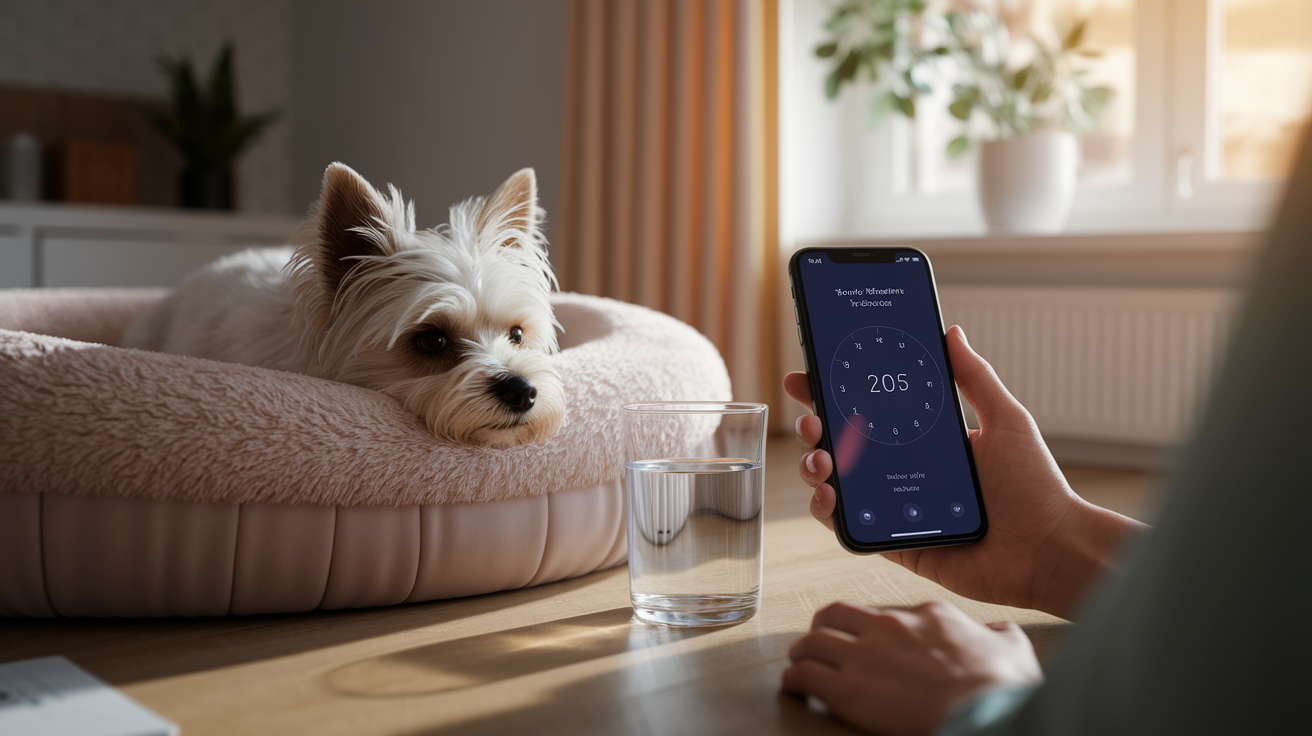
Don’t feed your dog right after they vomit. Their stomach needs time to settle, especially after getting irritated. Tossing food back in too fast can kick off another round of nausea and make things worse.
For mild, one-off vomiting in an otherwise healthy dog, hold off on food for 4 to 6 hours if you’re dealing with a puppy or small breed. Larger adults can usually go 12 hours. During this window, skip treats, table scraps, everything. Water should stay available, but keep the bowl level low. You want sipping, not gulping. Too much water at once stretches the stomach and can bring the vomiting back.
Some dogs shouldn’t be fasted without talking to a vet first. Puppies under one year can drop into low blood sugar fast. Dogs on insulin or dogs with insulinoma face dangerous blood sugar swings during a fast. If your dog fits either situation, call your vet before you pull the food bowl. Same goes for any dog managing a chronic illness.
Call a vet immediately if your dog shows any of these:
- Vomited three or more times in 24 hours
- Blood visible in the vomit
- Retching or heaving with nothing coming up
- Severe, watery diarrhea
- Extreme lethargy or weakness
- Abdominal pain (hunched posture, whining when touched, won’t move)
- Disorientation or signs of collapse
Hydration and Fluids to Give a Dog After Vomiting
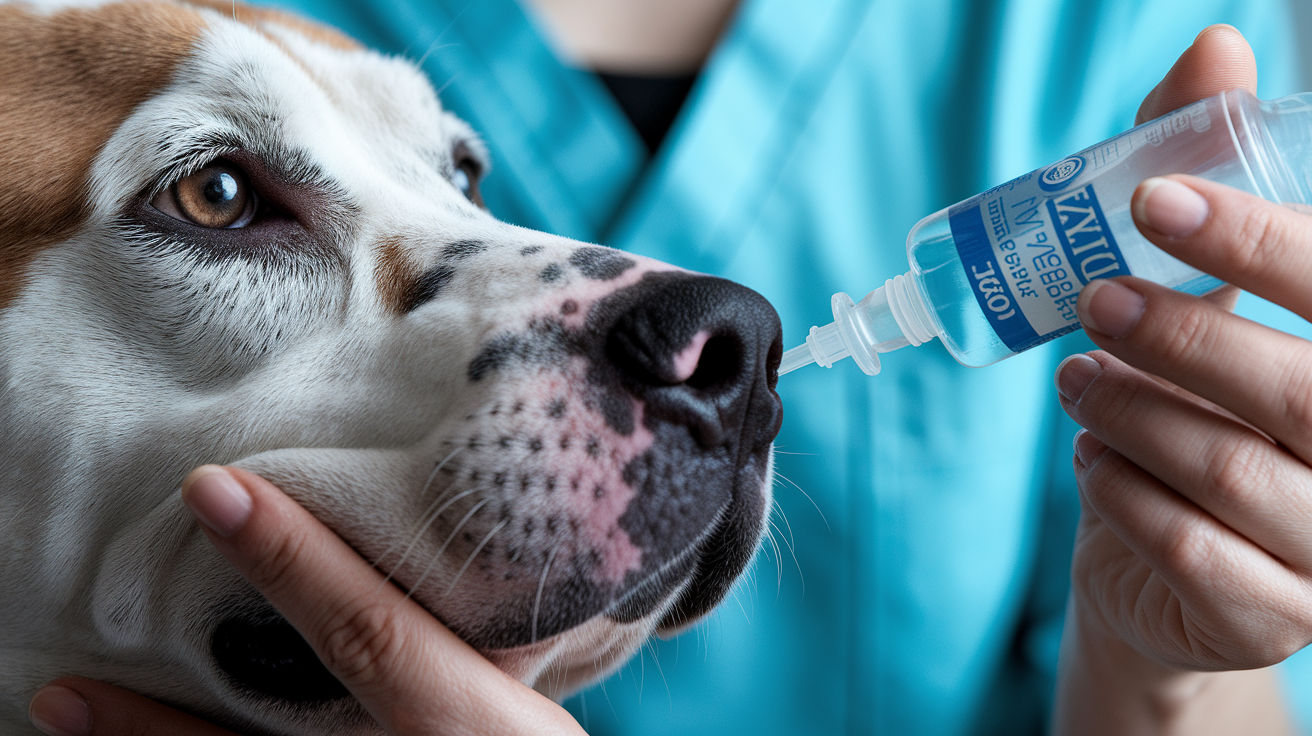
Water’s the first priority once vomiting stops. Offer small sips every 15 to 30 minutes instead of letting your dog drink freely from a full bowl. If your dog won’t drink on their own, you can use a clean plastic syringe (no needle) to gently squirt water into the side of the cheek. Tilt the head slightly upward to help with swallowing.
Plain water works fine for most cases. If you’ve got an oral rehydration solution on hand, Pedialyte’s a common one, you can use that instead. Give one teaspoon per dose for small dogs and one tablespoon per dose for large dogs. Wait 15 to 30 minutes after the first dose. If your dog keeps it down, repeat the same amount once more. If both doses stay down, continue every 15 to 30 minutes and bump each dose up by 50%.
Fluid protocol step by step:
- Offer a small amount of water or rehydration fluid (1 tsp for small dogs, 1 tbsp for large dogs).
- Wait 15 to 30 minutes and watch for vomiting.
- If tolerated, give the same amount one more time.
- If both doses stay down, continue doses every 15 to 30 minutes.
- Gradually increase each dose by 50% as long as no vomiting occurs.
- If any dose comes back up, stop all fluids and contact your vet.
After 6 to 12 hours of fluid tolerance with no vomiting, you’re ready to try bland food.
Safe Bland Diet Options After Vomiting
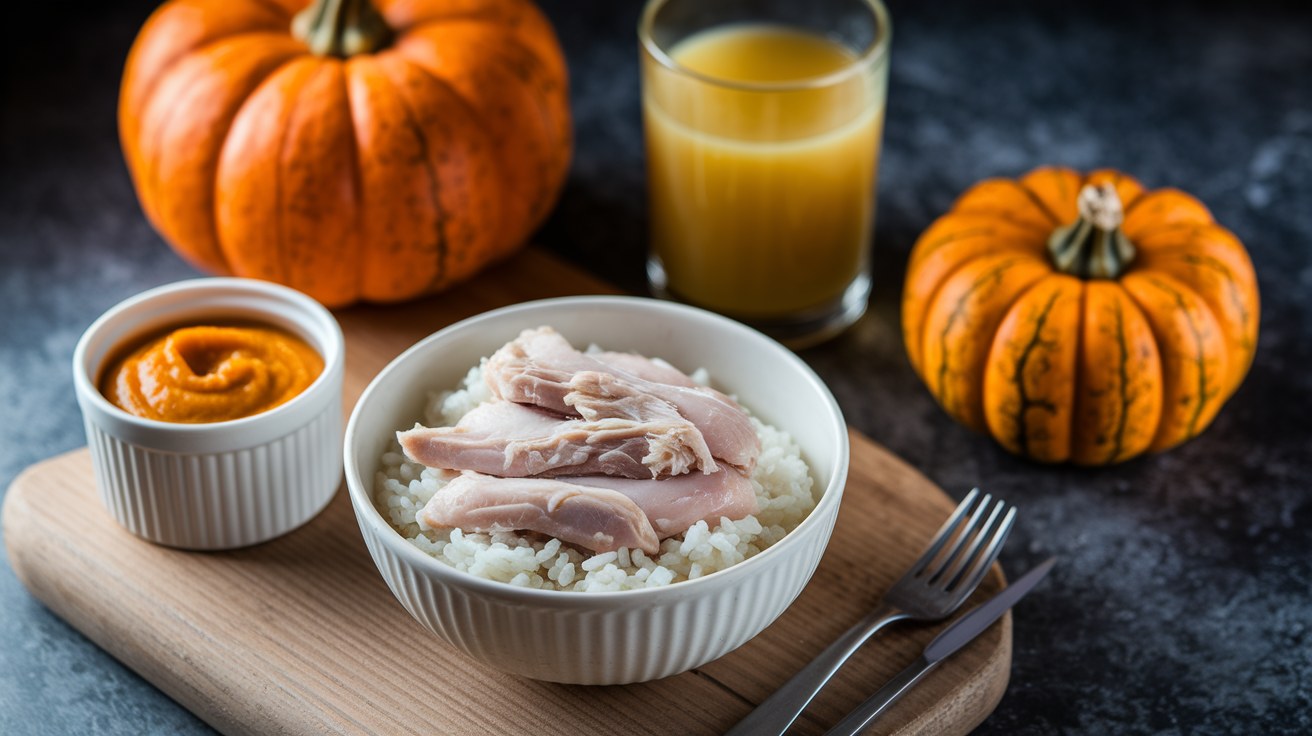
Bland foods are easy to digest, gentle on the stomach lining, and low in fat. They give the gut a chance to recover without adding new irritation. These are short-term options. Not complete nutrition for long-term feeding.
Boiled, boneless, skinless chicken breast is one of the safest choices. Cook it plain. No oils, no seasoning. Shred or chop it into small, bite-sized pieces. Very lean ground turkey or extra-lean ground beef (cooked and drained) work the same way. Plain white rice is blander and easier on the stomach than brown rice, so stick with white for now. Boiled and mashed potatoes, with no butter, salt, or seasoning, are another gentle carb option.
Plain canned pumpkin (not pumpkin pie filling) adds fiber and can help regulate stool. Vets typically recommend 1 to 4 tablespoons per feeding, depending on your dog’s size. Bone broth is palatable and soothing, but preparation matters. Fill a slow cooker with marrow-rich bones, cover them with 2 to 3 inches of water, and cook on low for 20 to 24 hours. After chilling, remove the hardened fat layer on top and strain out every bone fragment. Reheat only enough to liquefy the jelly-like broth before serving. Never hot.
Common bland food categories:
- Lean proteins: boiled chicken, lean ground turkey, extra-lean ground beef (all unseasoned)
- Gentle carbs: plain white rice, boiled potatoes (no skin or seasoning)
- Fiber support: plain canned pumpkin (1 to 4 tbsp per meal)
- Hydration boost: homemade bone broth (fat removed, bones strained out)
- Convenience options: Stage II meat-based baby food (chicken, lamb, turkey) if labels confirm no garlic or onion powder
Portion Sizes and Feeding Schedule After Vomiting
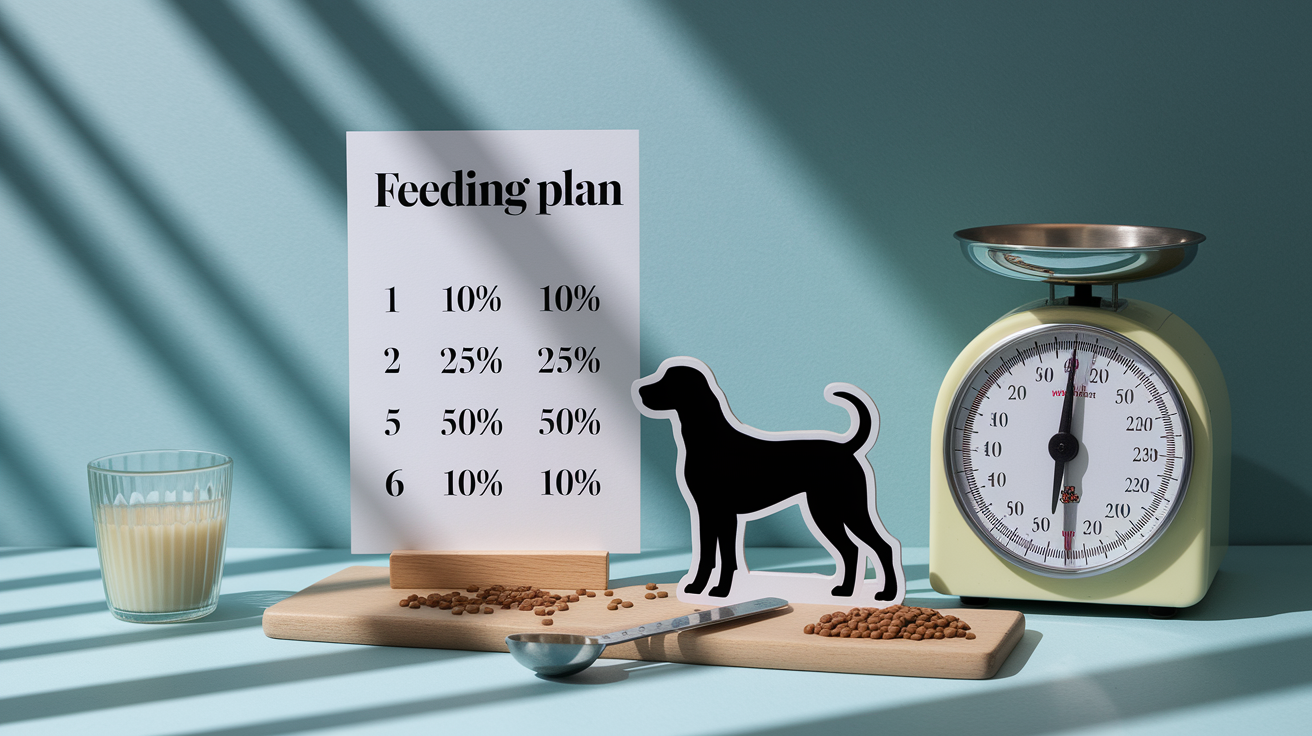
Start with a tiny portion to test tolerance. Offer about 10% of your dog’s normal meal size. For a dog who usually eats one cup per meal, that’s roughly 1.5 tablespoons of bland food. Wait a few hours and watch closely.
If your dog keeps that down and shows no sign of nausea, offer 25% of the normal meal size. Wait a few more hours. If still stable, give another 25% portion. Continue this slow escalation, offering 50% portions spaced a few hours apart, until your dog tolerates a full normal-sized meal. At that point, split the daily food allowance into three evenly spaced meals for the next day or two.
| Step | Percentage of Normal Meal | Timing Between Feeds | Action if Vomiting Occurs |
|---|---|---|---|
| 1 | ~10% | Wait a few hours | Stop feeding; contact vet |
| 2 | ~25% | Wait a few hours | Stop feeding; contact vet |
| 3 | ~25% | Wait a few hours | Stop feeding; contact vet |
| 4 | ~50% | Wait a few hours | Stop feeding; contact vet |
| 5 | ~50% | Wait a few hours | Stop feeding; contact vet |
| 6 | 100% (normal meal size) | Return to regular schedule with 3 meals/day | Stop feeding; contact vet |
If vomiting returns at any step, stop all food and call your vet. This progression only works when each step stays down.
Homemade Bland Diet Recipes for Post-Vomiting Recovery
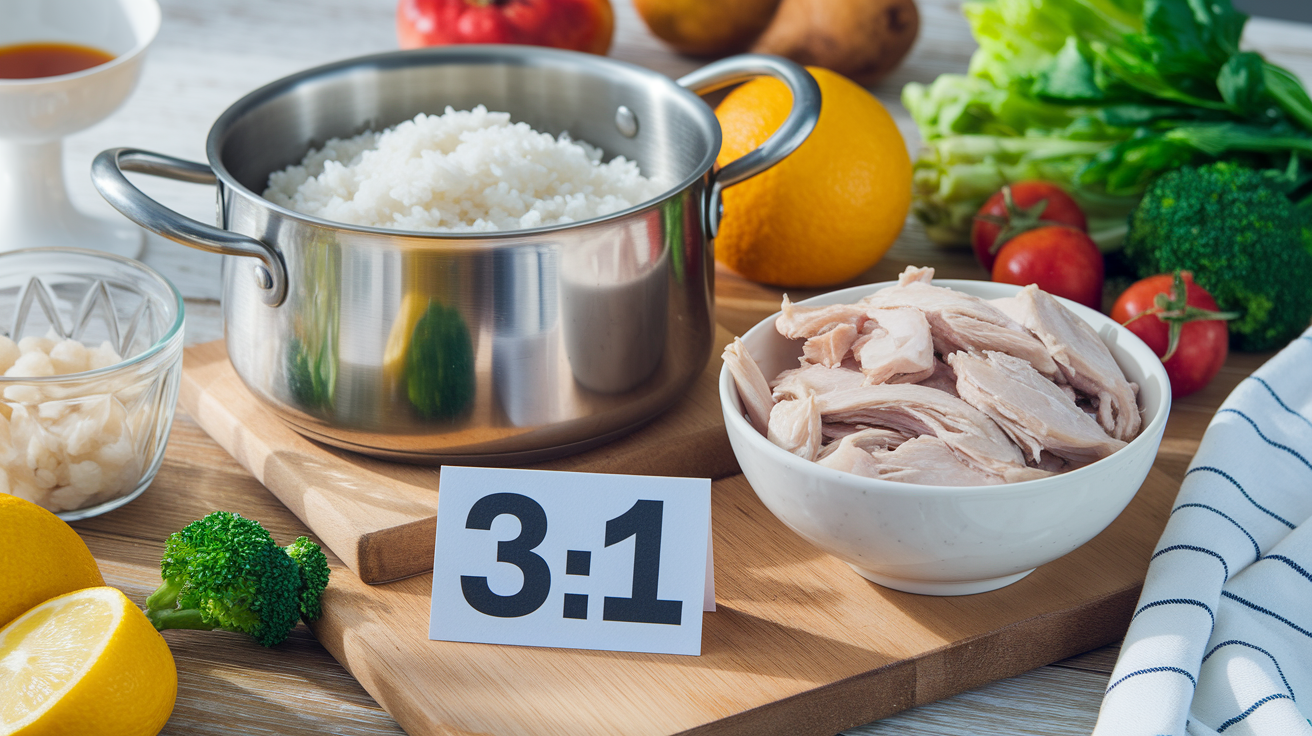
A simple homemade bland mix uses a 3 to 1 ratio: three parts plain white rice to one part lean protein. Cook boneless, skinless chicken breast in plain water until fully done, then shred it. Or boil extra-lean ground beef or ground turkey, drain off all fat, and rinse under hot water. Mix the protein with plain cooked white rice. Let the entire batch cool to room temperature before serving.
Low-fat cottage cheese can replace meat in the protein slot if your dog tolerates dairy well, but many dogs are lactose intolerant. Watch for soft stool. Keep the same 3 to 1 rice to protein ratio. Don’t add salt, pepper, garlic, onion, butter, or oil. These irritate the stomach lining and can make vomiting worse.
Quick recipe variations:
- Classic chicken and rice: 3 parts white rice, 1 part boiled shredded chicken
- Lean beef and rice: 3 parts white rice, 1 part extra-lean ground beef (cooked, drained, rinsed)
- Turkey and rice: 3 parts white rice, 1 part lean ground turkey (cooked plain)
- Cottage cheese and rice: 3 parts white rice, 1 part low-fat cottage cheese (use cautiously if dog is lactose sensitive)
Homemade blends aren’t nutritionally complete. Use them only for a few days during recovery, then transition back to a balanced commercial diet.
What Foods to Avoid After a Dog Vomits
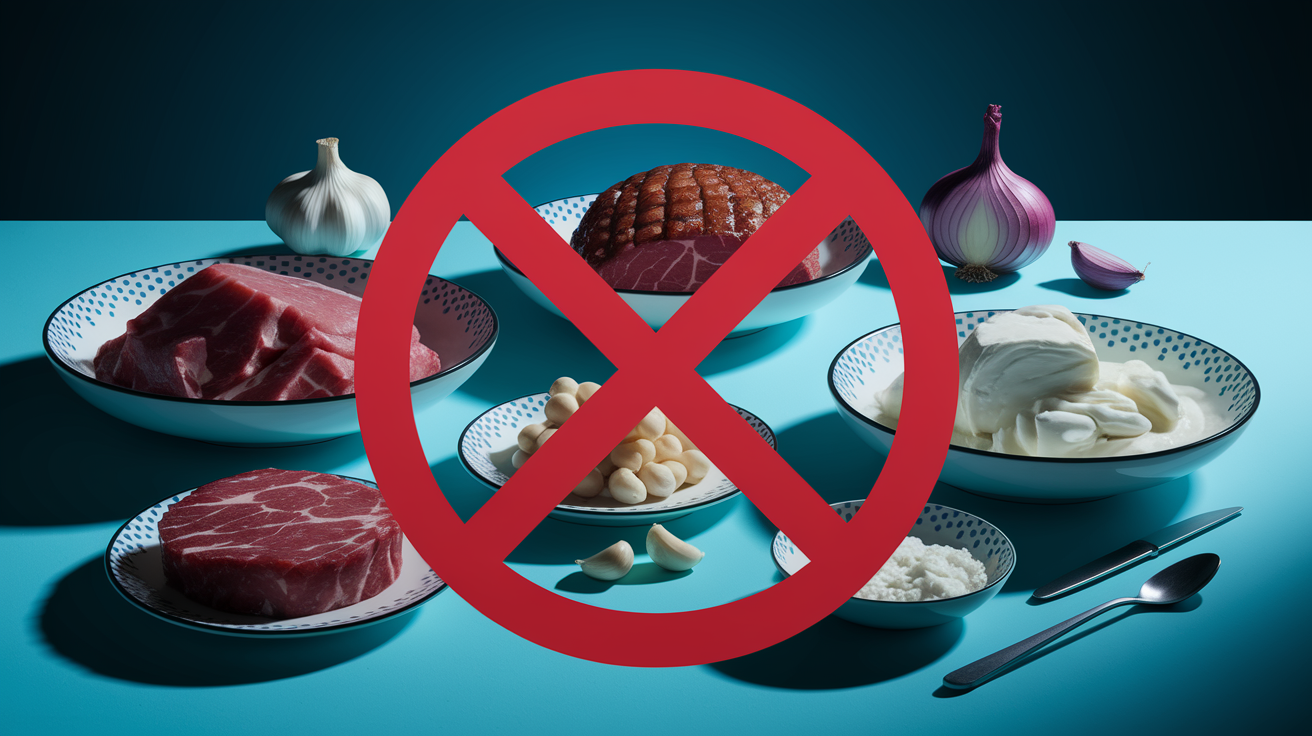
Fatty foods are hard to digest and can trigger pancreatitis or more vomiting. Skip processed meats like ham, bacon, pepperoni, and sausage. Avoid anything cooked with oils, butter, or seasonings. Garlic and onion, even in powder form, are toxic to dogs and should never be included.
Dairy products can cause vomiting and diarrhea in lactose intolerant dogs, which includes most adult dogs. Pumpkin pie filling isn’t the same as plain pumpkin. It contains added sugar, spices, and sometimes xylitol, which is dangerous. Bones, whether raw or cooked, pose choking and obstruction risks and should be kept away from a recovering stomach. Cat food is too rich and high in protein for a dog with digestive upset.
Items to avoid during recovery:
- Fatty or fried foods (can worsen nausea and trigger pancreatitis)
- Processed meats (ham, bacon, pepperoni, hot dogs)
- Foods seasoned with garlic, onion, or heavy spices
- Milk, cheese, ice cream (lactose intolerance common in dogs)
- Pumpkin pie filling (contains sugar, spices, possible xylitol)
- Bones, toys, socks, or any non-food objects (choking and obstruction hazards)
Feeding Guidelines for Dogs Vomiting with Diarrhea or Bile
Yellow or foamy bile usually means the stomach’s been empty for a long stretch. This happens overnight or between widely spaced meals. The stomach produces acid to prepare for food, and when no food arrives, bile can irritate the lining and come back up. Offering a small, plain snack before bed or splitting meals into smaller, more frequent portions can prevent bile vomiting in many dogs.
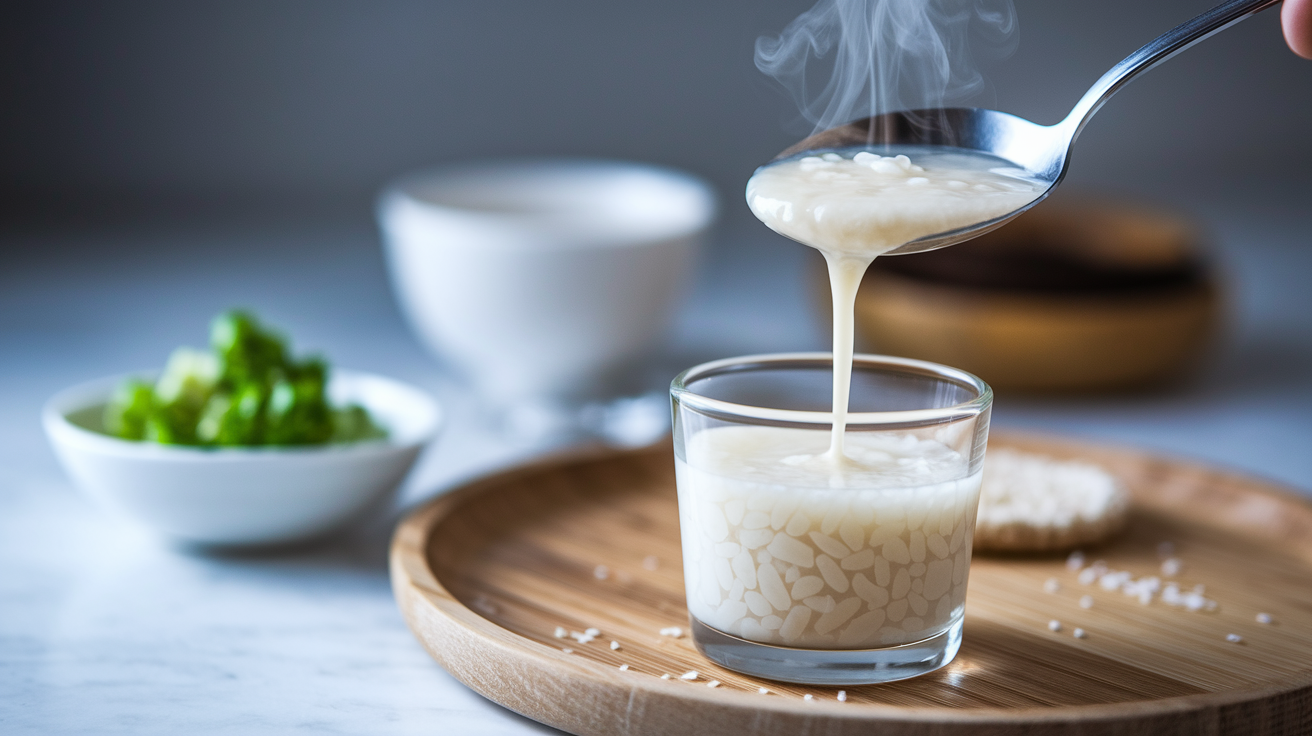
When vomiting occurs alongside diarrhea, the gut is inflamed at both ends. Bland foods are still the right choice, but hydration becomes even more urgent. Rice water, the starchy liquid left after boiling plain white rice, can be offered in small amounts to soothe the intestinal tract. Serve it at room temperature in teaspoon or tablespoon doses, depending on your dog’s size.
If diarrhea is severe, watery, bloody, or paired with lethargy, weakness, or a refusal to drink, contact your vet right away. Dehydration progresses quickly when both vomiting and diarrhea are active.
Adjustments for vomiting with diarrhea or bile:
- Offer smaller, more frequent bland meals to keep the stomach from staying empty too long.
- Add rice water to hydration protocol if diarrhea is mild.
- Monitor stool consistency closely. Bloody or black stool requires immediate vet attention.
- If bile vomiting happens repeatedly at the same time (like early morning), try a small plain snack before bed.
Chronic Vomiting and When Prescription Diets Are Needed
Vomiting that lasts more than a couple of days is no longer acute. Chronic or repeated vomiting can signal infections, chronic pancreatitis, kidney or liver dysfunction, intestinal parasites, inflammatory bowel disease, partial blockages, food allergies, or medication side effects. Home bland diets aren’t designed to address these underlying problems.
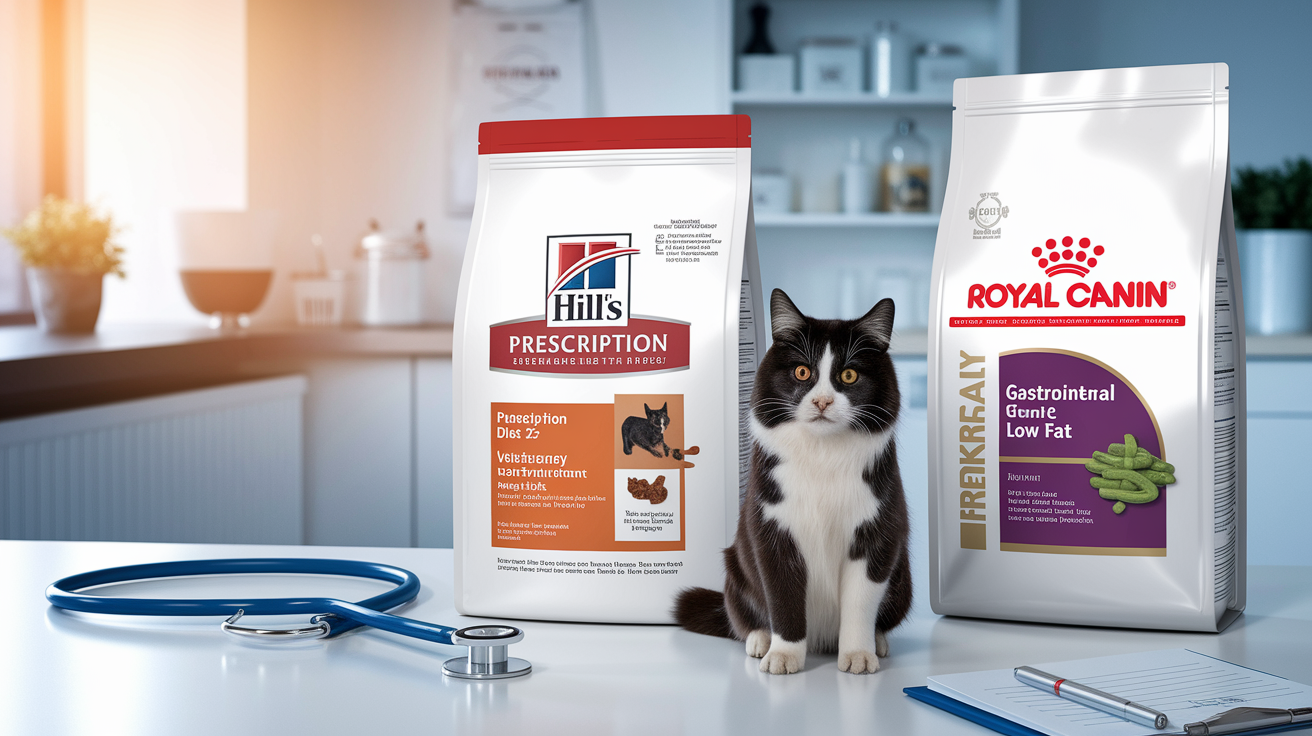
Vets often prescribe therapeutic diets formulated for specific conditions. Hill’s Prescription Diet z/d is used for inflammatory bowel disease and food sensitivities because it contains hydrolyzed protein that the immune system is less likely to react to. Royal Canin Veterinary Diet Gastrointestinal Low Fat supports dogs with chronic pancreatitis by limiting fat to reduce pancreatic workload. For kidney disease, options include Hill’s Prescription Diet k/d, Purina Pro Plan Veterinary Diets NF Kidney Function, and Royal Canin Veterinary Diet Renal Support D.
Long-term home-cooked diets, even well-intentioned ones, typically lack the precise vitamin, mineral, and amino acid balance a sick dog needs. If your dog requires ongoing dietary management, work with your vet or a board-certified veterinary nutritionist to build a safe, complete plan. Chronic cases need diagnosis and tailored nutrition, not guesswork.
Feeding Protocols for Puppies, Seniors, and Special-Needs Dogs
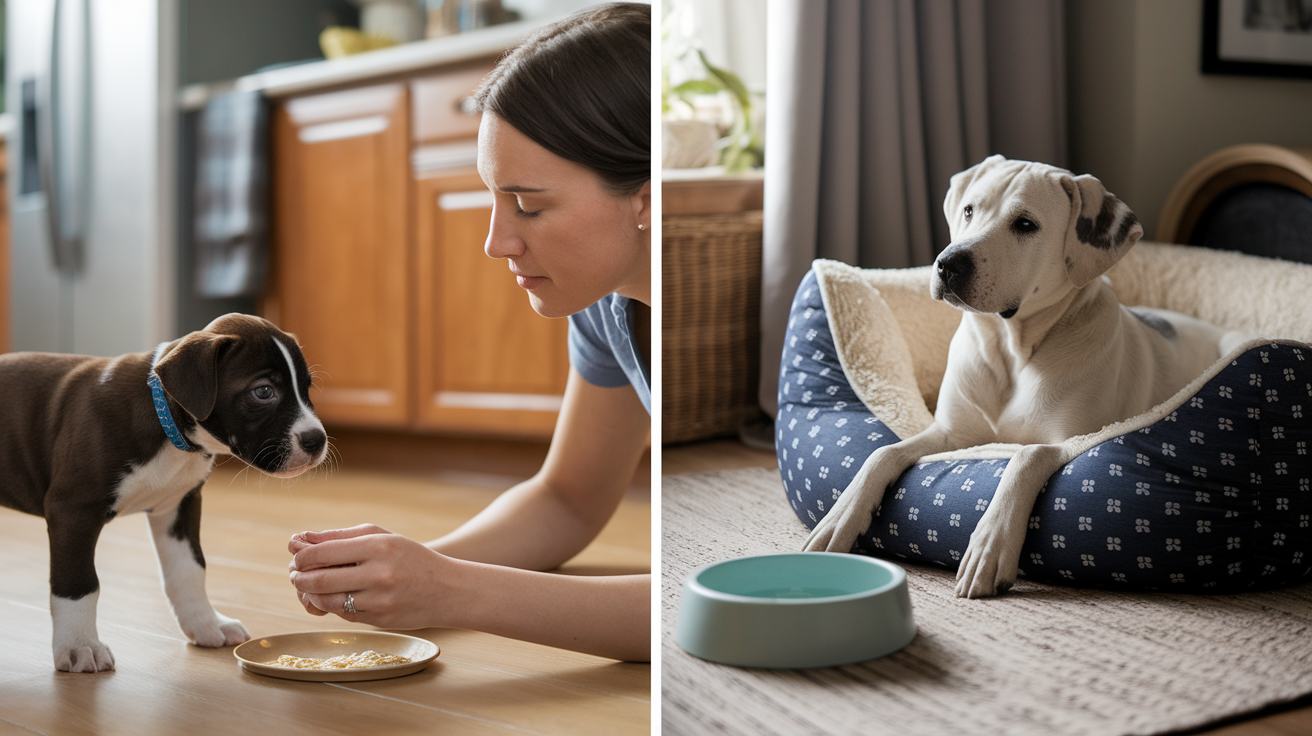
Puppies have small reserves of glucose and can develop dangerous low blood sugar during a fast. Don’t withhold food from a puppy for more than a few hours without veterinary guidance. If a young puppy vomits, call your vet before you skip a meal. The same caution applies to dogs on insulin, dogs with insulinoma, and any dog with a history of hypoglycemia.
Senior dogs and dogs with chronic illnesses like diabetes, cancer, or kidney disease often have less metabolic flexibility and may struggle with prolonged fasting or abrupt diet changes. Older dogs also tend to have weaker immune systems and slower healing, so any vomiting episode in a senior dog should be monitored closely and reported to a vet if it happens more than once or twice.
Special considerations for vulnerable populations:
- Puppies under one year: contact vet before fasting; offer small, frequent bland meals if cleared to feed.
- Dogs on insulin or with known hypoglycemia risk: don’t fast without veterinary instruction.
- Senior dogs: shorter fasting windows, closer monitoring, and quicker vet consultation if symptoms persist.
- Dogs with chronic disease (kidney, liver, cancer, diabetes): may require prescription recovery diets rather than homemade bland food.
Monitoring a Dog After Reintroducing Food
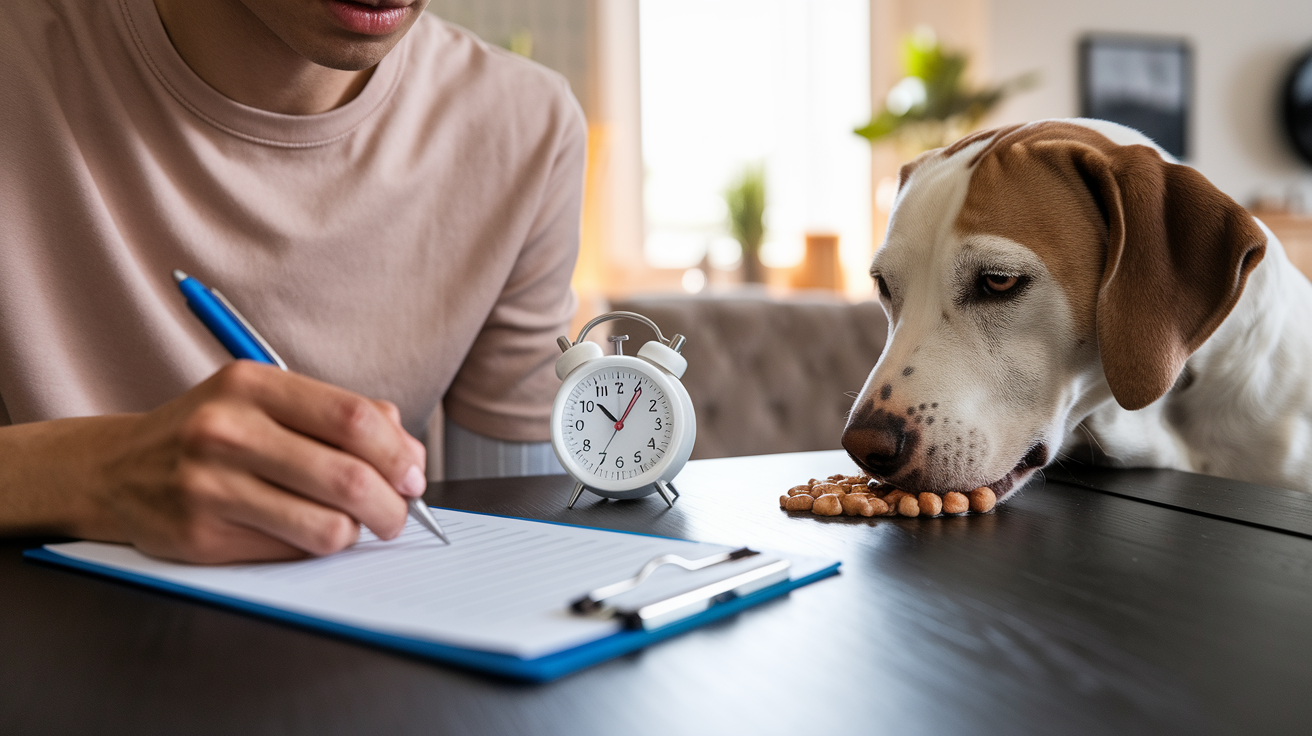
Watch your dog closely for the first 24 to 72 hours after bland feeding begins. Appetite is one of the clearest indicators of recovery. A dog that eagerly eats small portions and asks for more is moving in the right direction. A dog that turns away from food, sniffs and walks off, or eats reluctantly may still feel nauseous.
Energy level matters too. A recovering dog should gradually return to normal activity, wanting to play, greet you at the door, or follow you around the house. Persistent lethargy, hiding, or reluctance to move suggests the problem hasn’t resolved. Stool quality will shift as the bland diet moves through the system. Expect firmer, smaller stools. Loose, watery, or bloody stool after refeeding is a red flag.
Hydration can be checked by gently lifting the skin on the back of your dog’s neck. It should snap back into place immediately. If it stays tented or returns slowly, your dog is dehydrated and needs veterinary fluids. Any return of vomiting, even once, after you’ve started feeding again means you need to stop food and call your vet.
Post-refeeding monitoring checklist:
- Appetite: is your dog eating eagerly or reluctantly?
- Energy: is your dog returning to normal activity levels?
- Stool: is it firm, soft, watery, or bloody?
- Hydration: does the skin snap back quickly when lifted?
- Vomiting recurrence: has vomiting returned after any meal?
- Behavior: is your dog hiding, whining, or acting painful?
When Vomiting Persists and What a Vet Might Do Next
If vomiting continues past 24 hours despite rest and fluids, or if it happens three or more times in a day, your dog needs professional care. Vomit that contains blood, either bright red or dark and coffee-ground-like, is an emergency. Repeated retching with nothing coming up can indicate a blockage or bloat, both of which require immediate intervention.
Your vet will start with a physical exam, checking hydration status, abdominal pain, and vital signs. Bloodwork can reveal infections, organ dysfunction, pancreatitis markers, and electrolyte imbalances. Urinalysis helps assess kidney function and hydration. X-rays can show foreign objects, intestinal gas patterns, and signs of obstruction. Abdominal ultrasound provides detailed views of the stomach, intestines, liver, pancreas, and kidneys.
If a foreign body is suspected (socks, toys, bones, fabric), your dog may need specialized imaging or endoscopy. In those cases, feeding is typically withheld until the obstruction is cleared, either through induced vomiting (if safe and recent), endoscopic retrieval, or surgery.
Likely diagnostic steps at the vet:
- Physical examination and vital sign assessment
- Blood tests (complete blood count, chemistry panel, pancreatitis markers)
- Urinalysis to evaluate kidney function and hydration
- Abdominal X-rays or ultrasound to check for foreign objects, blockages, or organ abnormalities
Final Words
If your dog just vomited, stop feeding and offer only small, frequent sips of water while watching for urgent signs like repeated vomiting, blood, or severe weakness.
You’ve read step-by-step advice: safe fasting windows, hydration and rehydration tips, bland diet choices and recipes, portion-size reintroduction, foods to avoid, special rules for puppies and seniors, and when to see the vet.
Keep notes on timing and stool, and use this guide to decide what to feed dog after vomiting and when to call for help. You’ve got this—small, careful steps help most dogs recover.
FAQ
Q: How do you settle a dog’s stomach after throwing up?
A: Settling a dog’s stomach after throwing up involves a short fast, offering small frequent sips of water, then a bland meal if stable; watch for repeated vomiting or other red flags and call your vet.
Q: What food will settle a dog’s stomach?
A: Foods that will settle a dog’s stomach include plain boiled chicken (no skin or bones), white rice, plain pumpkin, or strained low-sodium bone broth, served in very small portions without seasoning.
Q: How long should dogs not eat after throwing up?
A: Dogs should not eat after throwing up for about 4 to 6 hours for puppies and small dogs and up to 12 hours for larger adults; contact your vet before fasting puppies or diabetic dogs.
Q: What if my dog is throwing up but acting normal?
A: If your dog is throwing up but acting normal, try a short fast, offer small water sips, then a bland meal; call your vet if vomiting continues, blood appears, or your dog becomes weak or lethargic.