

Ever found a puddle of bright yellow vomit and immediately feared the worst?
That yellow liquid is usually bile (a digestive fluid) splashing up from an empty stomach, often after a long gap between meals or overnight.
In this post I’ll explain the common causes, from skipping meals to tummy inflammation, what to watch for, and which signs mean you should call the vet.
If it’s a single morning episode and your dog acts normal, it’s often manageable at home.
Repeated vomiting, blood, severe pain, or collapse are red flags that need urgent care.
Understanding Why Dogs Vomit Yellow Bile

Yellow bile vomit looks exactly like it sounds. Bright yellow or greenish-yellow fluid, often foamy, bubbly, or slimy with mucus. It’s typically odorless or has a faint, slightly bitter smell. You’ll usually see small amounts pooled on the floor or grass. When your dog vomits yellow bile, it means their stomach is empty and bile (the digestive fluid made in the liver and stored in the gallbladder) has splashed up from the small intestine into the stomach and irritated the lining enough to trigger vomiting.
This happens most often after long gaps between meals or overnight fasts. If your dog goes 10 or 12 hours without eating, especially through the night, bile can reflux into an empty stomach and cause what vets call Bilious Vomiting Syndrome. It’s not a disease. It’s a pattern. Your dog feels nauseous from the bile sitting in their stomach, and up it comes, usually first thing in the morning before breakfast. If you see one puddle of yellow bile and your dog otherwise seems fine (eating, drinking, playing, wagging), it’s often not an emergency and can be managed at home.
The key question is frequency. A single vomit of yellow bile with no other symptoms can be a minor event. If it happens more than once in 24 hours, or if your dog shows other signs like lethargy, pain, diarrhea, or refusal to eat or drink, it’s time to worry and call your vet.
Most common immediate reasons your dog vomits yellow bile:
- Empty stomach after a long overnight fast
- Hunger or waiting too long between meals
- Morning bile buildup (Bilious Vomiting Syndrome)
- Gaps of 10 to 12+ hours without food
- Mild acid or bile reflux
- Eating grass to soothe an upset stomach
Common Causes Behind Yellow Bile Vomiting in Dogs
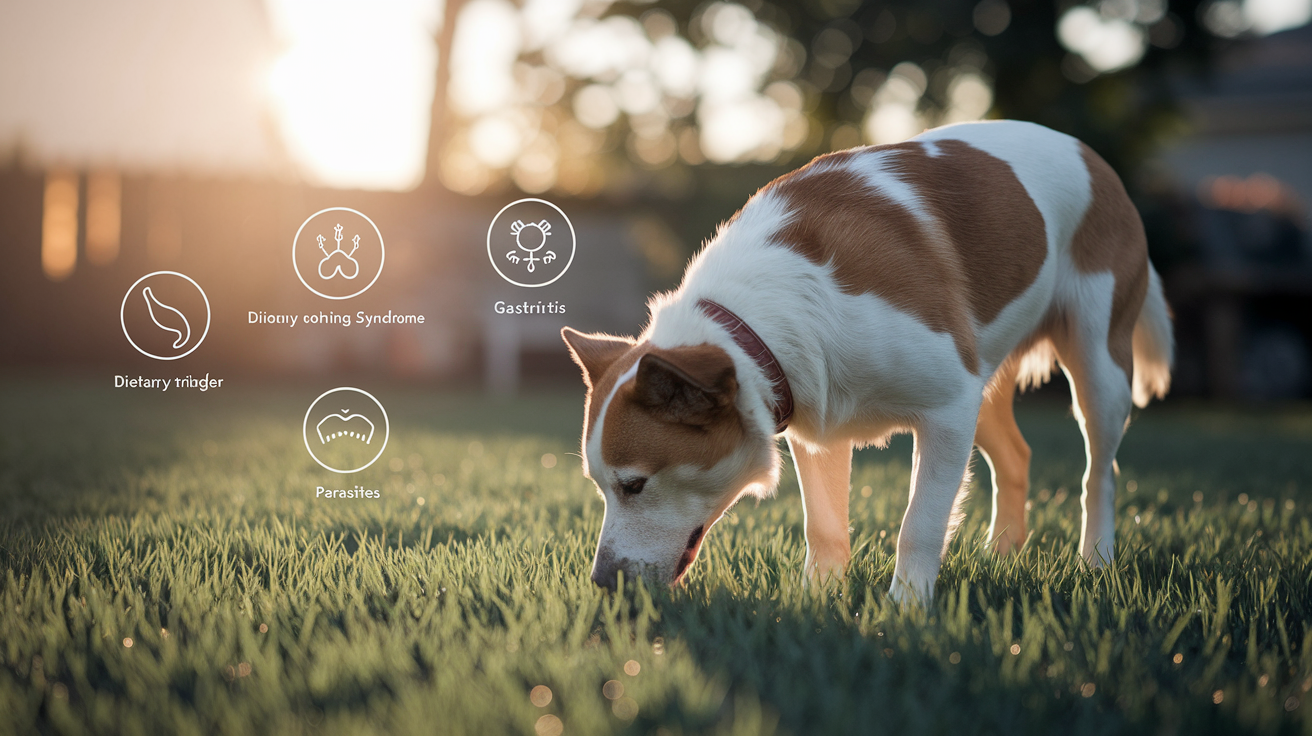
Bilious Vomiting Syndrome is the most frequent explanation, especially if your dog throws up yellow bile early in the morning, feels fine afterward, and eats breakfast normally. It’s caused by bile backing up from the small intestine into an empty stomach, irritating the stomach lining. Many dogs grow out of it or manage it easily with a small bedtime snack.
Dietary triggers are another common culprit. A sudden change in food, eating something fatty or spoiled, grabbing table scraps, raiding the trash, or eating food that doesn’t agree with your dog can all lead to yellow bile vomit. Food intolerances and allergies, which often develop between 1 and 5 years of age, can cause chronic vomiting that includes bile once the stomach empties. If you’ve recently switched kibble brands or fed a new treat, that change could be the trigger.
Gastrointestinal inflammation from gastritis (inflamed stomach), gastroenteritis (stomach and intestine inflammation), infections, or parasites like giardia can all produce yellow bile vomiting. When the GI tract is irritated, nausea increases. If the dog hasn’t eaten or has vomited food first, what comes up next is bile. Parasites are especially common in younger dogs or dogs without regular deworming.
More serious medical causes include pancreatitis, which triggers yellow vomiting along with severe abdominal pain and often appears 24 to 72 hours after eating fatty food (though about 90% of pancreatitis cases in dogs have no identifiable cause). Intestinal obstruction from a swallowed toy, bone fragment, or fabric can start with vomiting food and then turn to bile once the stomach is empty. Liver disease, Addison’s disease (adrenal insufficiency), ulcers, and even certain cancers can present with yellow bile vomit as one symptom. These conditions require veterinary diagnosis and treatment.
Top conditions linked to yellow bile vomiting:
- Bilious Vomiting Syndrome (empty stomach reflux)
- Gastritis or gastroenteritis
- Pancreatitis
- Intestinal blockage or obstruction
- Food intolerance or allergy
- Parasites (giardia, worms)
- Liver or gallbladder disease
- Addison’s disease
Recognizing Symptoms That Accompany Yellow Bile Vomit
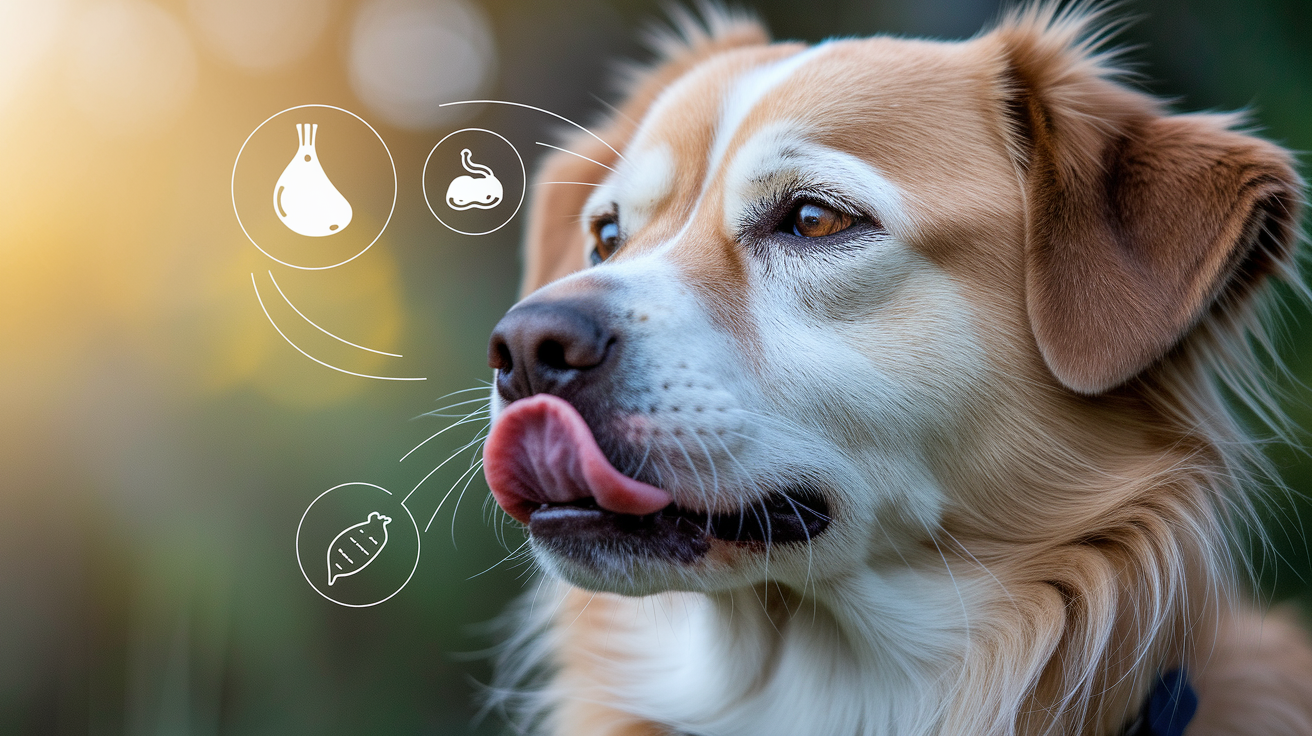
Mild symptoms that often come with yellow bile vomit include lip licking, drooling, restlessness, pacing, and sometimes eating grass. Your dog might swallow repeatedly or make small gulping motions. These are signs of nausea. If your dog vomits yellow bile once, then drinks water and seems to settle, those mild nausea signals are usually not cause for panic.
Moderate concern symptoms include vomiting more than once in a day, yellow foam or froth instead of liquid bile, gagging or dry heaving with little coming up, mild abdominal discomfort, soft stool or mild diarrhea, and decreased appetite. If your dog is quieter than usual, reluctant to jump or play, or shows signs of dehydration like tacky, sticky gums, sunken eyes, or skin that doesn’t snap back quickly when lifted, the situation is escalating and needs attention within hours.
Severe symptoms that signal an emergency are repeated vomiting with inability to keep even water down, extreme lethargy or collapse, visible abdominal pain (hunched posture, whining when touched, tense belly), high fever over 104°F, pale or white gums, black or red material in the vomit (coffee ground appearance or fresh blood), distended or bloated abdomen, difficulty breathing, or seizures. Any of these require immediate veterinary care.
Emergency Indicators When Yellow Bile Vomiting Needs Immediate Veterinary Care
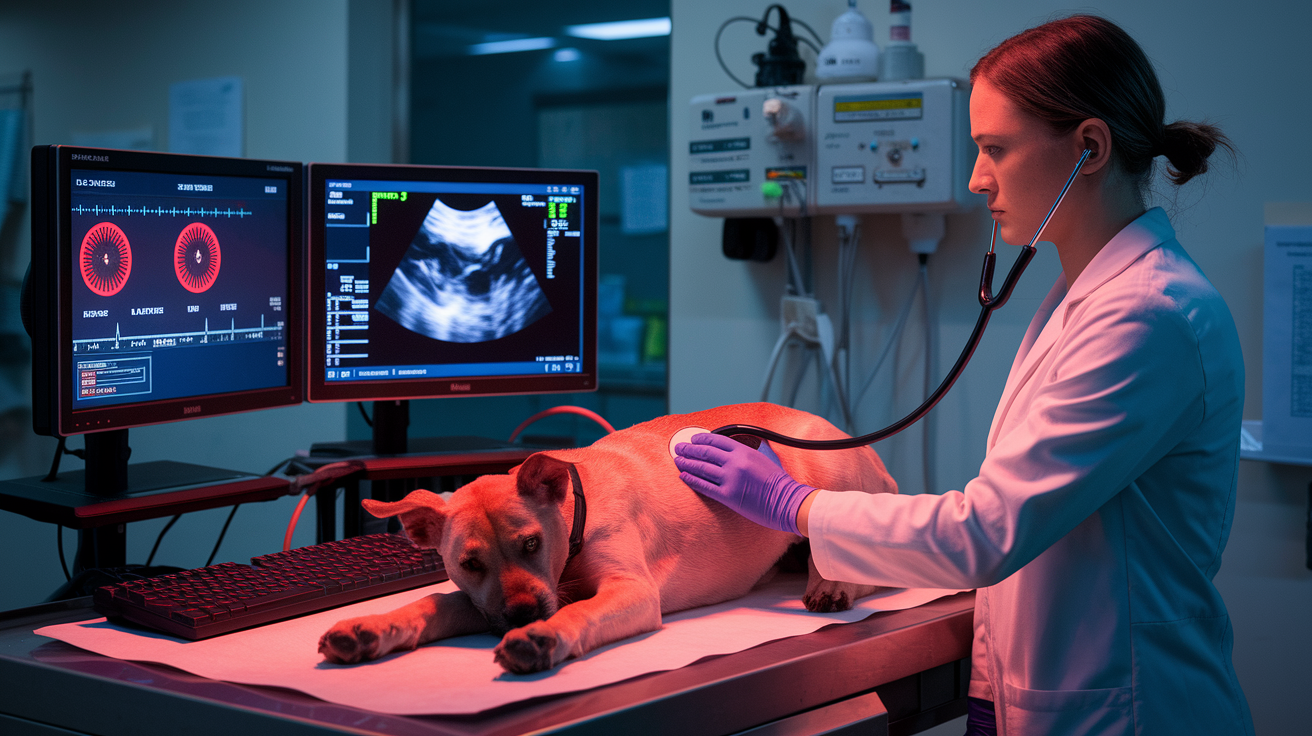
Not every yellow bile vomit is urgent, but certain red flags mean you need to act fast. If your dog vomits three or four times within 24 hours, can’t keep water down, or shows signs of severe pain, weakness, or shock, go to the vet or emergency clinic now. A dog that vomits bile repeatedly and then collapses, becomes unresponsive, or has pale, cold gums may be in shock or experiencing a life-threatening condition like bloat, severe pancreatitis, or a ruptured organ.
Intestinal obstruction is a surgical emergency. If your dog is vomiting bile, straining to defecate with little or no stool, has a hard or distended belly, and seems restless or painful, suspect a blockage. Regular vomit turns to bile once the stomach empties, and the blockage prevents anything from moving through the intestines. Surgery is often required to remove the obstruction. If you know or suspect your dog swallowed a toy, bone, rock, or piece of fabric, don’t wait. Call your vet immediately.
Emergency red flags requiring immediate vet care:
- Vomiting more than 3 to 4 times in 24 hours
- Repeated retching or dry heaving with little or no vomit
- Inability to keep water down
- Severe abdominal pain, tight or distended belly
- Pale, white, or blue tinged gums
- Collapse, extreme lethargy, or unresponsiveness
- Fever of 104°F (40°C) or higher
Safe Home Care for Dogs Vomiting Yellow Bile
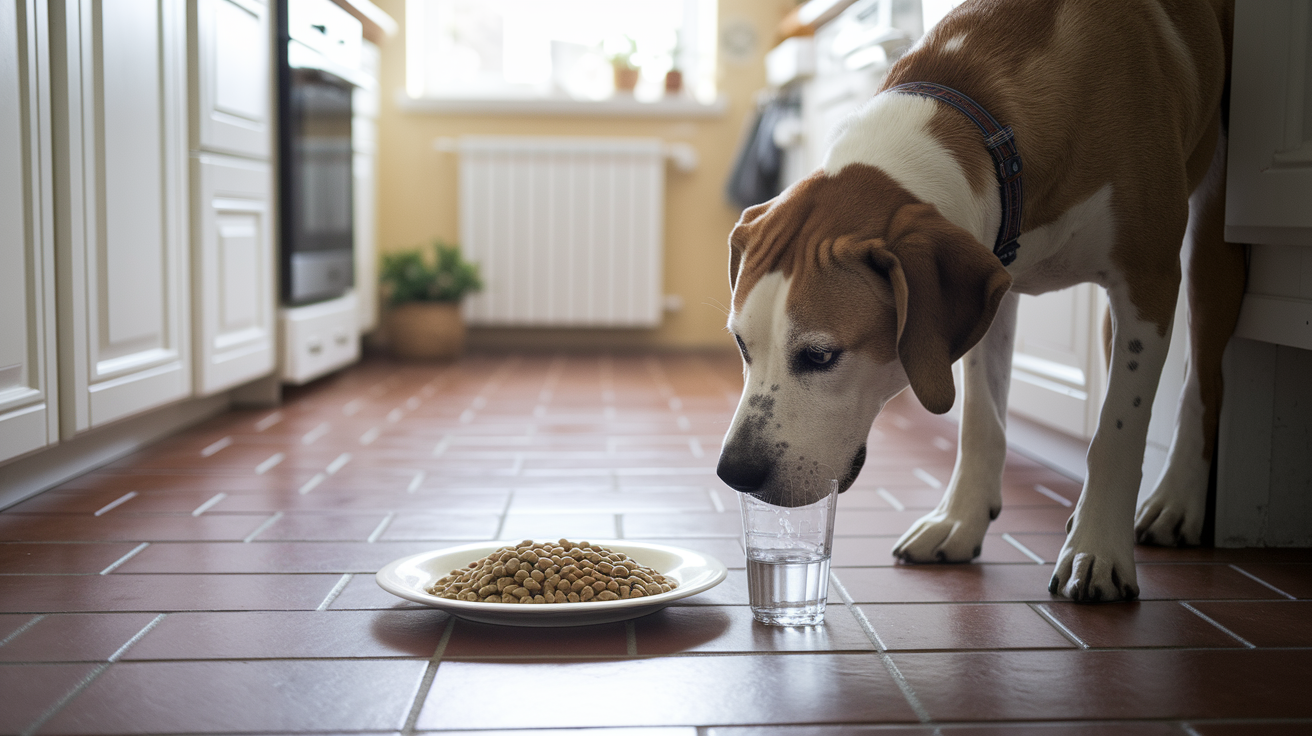
If your dog vomits yellow bile once and otherwise seems bright, alert, and comfortable, you can manage the situation at home with careful observation. The first step is to give their stomach a rest. For adult dogs, withholding food for up to 12 hours allows the GI tract to settle. Never withhold food from puppies, elderly dogs, or dogs with known health problems. Call your vet instead.
After about 3 to 4 hours, if there’s been no repeat vomiting, offer small sips of water. Give a few tablespoons every 10 to 15 minutes rather than a full bowl at once. Large amounts of water can trigger more vomiting. If your dog keeps the water down and seems comfortable, you can slowly increase the amount over the next few hours until they’re drinking normally.
Once the fasting period is complete and your dog has kept water down, reintroduce food with a bland diet. A common ratio is 1 part cooked lean protein (boiled chicken breast, lean ground turkey, or low fat cottage cheese) to 2 parts cooked white rice by volume. Offer about one quarter to one third of a normal meal portion every 3 to 4 hours for the first 24 to 48 hours. Keep portions small to avoid overwhelming the stomach.
Gradually transition back to your dog’s regular food over 48 to 72 hours by mixing increasing amounts of their normal kibble or diet into the bland meals. During recovery and moving forward, consider feeding two to three smaller meals per day instead of one large meal to reduce the risk of an empty stomach triggering bile vomit again.
Step by step home care for a single bile vomit episode:
- Withhold food for up to 12 hours (adult dogs only, not puppies or frail dogs)
- Offer small sips of water after 3 to 4 hours if no repeat vomiting
- Start a bland diet (1 part lean protein to 2 parts rice) in small portions every 3 to 4 hours
- Continue bland feeding for 24 to 48 hours
- Gradually mix in regular food over 48 to 72 hours
- Transition to 2 to 3 smaller meals daily to prevent future fasting related vomiting
Feeding Strategies to Prevent Yellow Bile Episodes
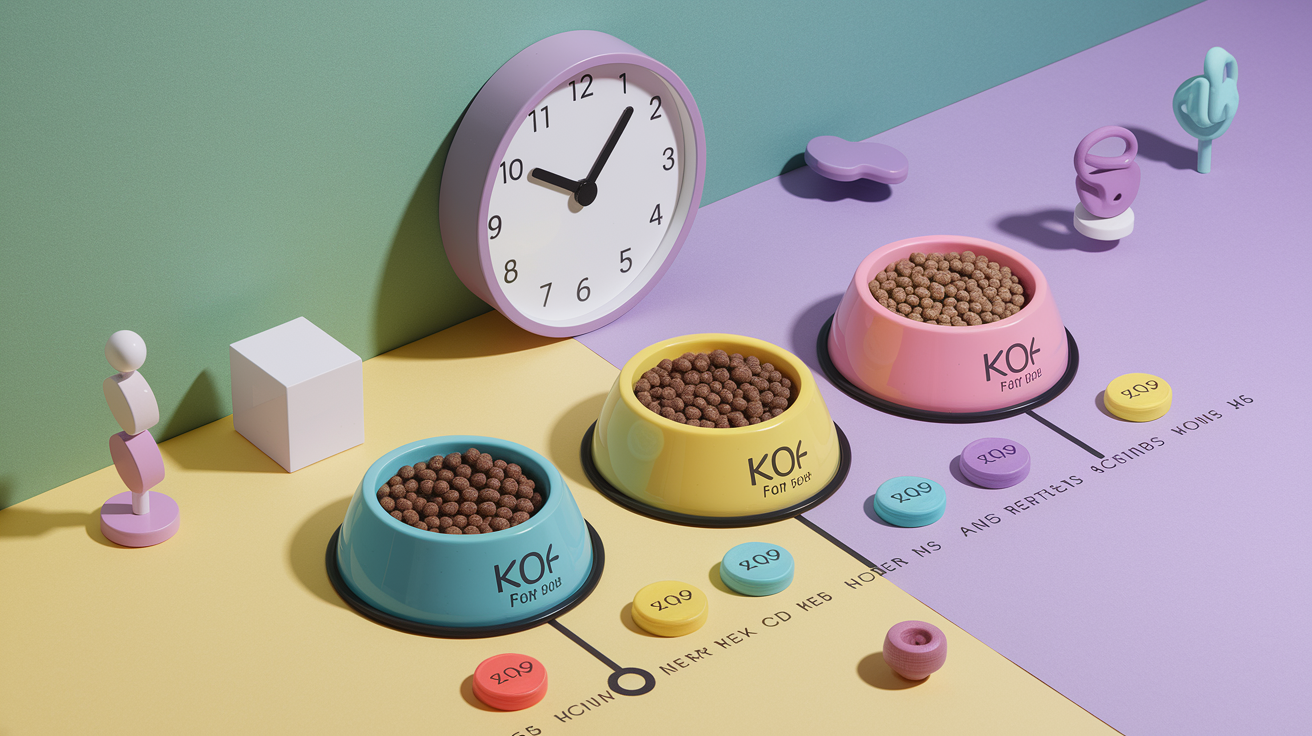
The most effective prevention for Bilious Vomiting Syndrome and fasting related bile vomit is to shorten the overnight fast. Give your dog a small bedtime snack about 30 to 60 minutes before you go to sleep. Aim for roughly 25 to 33% of a normal meal. A few spoonfuls of their regular kibble, a small handful of treats, or a spoonful of plain cooked chicken and rice. This puts a little food in the stomach to absorb bile overnight and often stops morning yellow vomit completely.
Feeding multiple small meals throughout the day instead of one or two large meals keeps the stomach from staying empty for long stretches. If your schedule allows, divide your dog’s daily food into three or even four portions. For dogs with busy owners, an automatic feeder set to dispense a small snack at a consistent evening time can be a simple solution. Consistent timing matters more than the exact amount.
Avoid long gaps between meals, especially in dogs prone to bile vomiting. If your dog eats breakfast at 7 a.m. and dinner at 6 p.m., that 13 hour overnight stretch can be too long. A bedtime snack breaks that cycle. Also, slow down fast eaters with puzzle feeders or slow feeder bowls. Gulping food and air can lead to regurgitation or vomiting shortly after eating, and once the stomach is empty again, bile vomit can follow.
Veterinary Diagnosis for Dogs Vomiting Yellow Bile
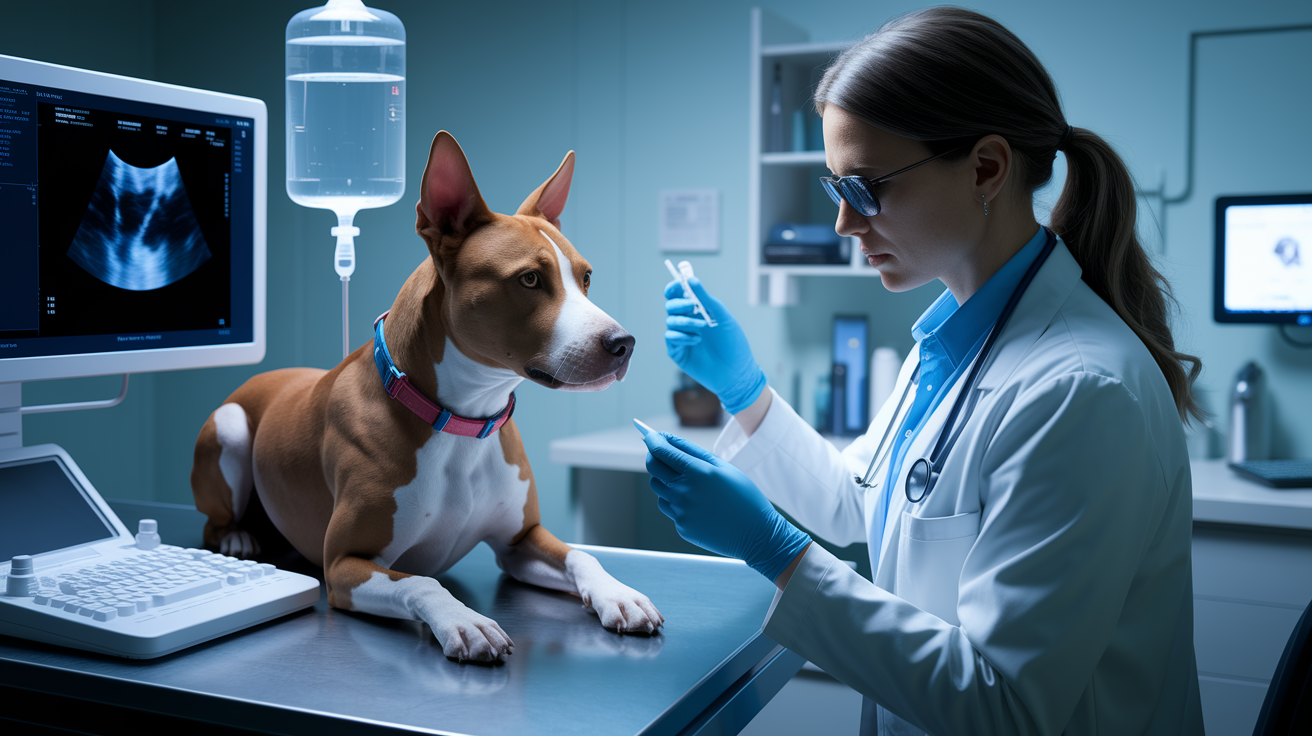
When you bring your dog to the vet for yellow bile vomiting, the first step is a thorough physical exam. Your vet will check your dog’s hydration status by examining gum moisture and skin elasticity, palpate the abdomen for pain, masses, or gas buildup, listen to heart and lung sounds, and take a full history. When the vomiting started, how often, any diet changes, possible toxin exposure, and other symptoms.
Bloodwork is a core diagnostic tool. A complete blood count (CBC) checks for infection, anemia, and immune response. A chemistry profile evaluates liver and kidney function, electrolyte balance, blood sugar, and markers for pancreatitis or other systemic disease. Urinalysis helps assess kidney function and hydration. A fecal test screens for parasites like giardia, roundworms, or hookworms that can cause vomiting.
Imaging is used when the cause isn’t clear from exam and bloodwork or when obstruction or structural problems are suspected. Abdominal x-rays can reveal foreign objects, gas patterns suggesting blockage, or organ enlargement. Ultrasound provides more detail on organ structure, intestinal wall thickness, fluid pockets, and masses. In some cases, especially if a foreign body is suspected or chronic vomiting persists, your vet may recommend endoscopy. A camera scope passed into the stomach and upper intestine to directly visualize the lining, retrieve objects, or take tissue samples for biopsy.
| Test | What It Detects |
|---|---|
| Complete Blood Count (CBC) | Infection, anemia, immune response, inflammation markers |
| Chemistry Profile | Liver/kidney function, electrolytes, blood sugar, pancreatitis markers |
| Fecal Examination | Parasites (giardia, worms), bacterial overgrowth |
| Abdominal X-rays | Foreign objects, blockages, gas patterns, organ size |
| Ultrasound | Organ structure, masses, intestinal wall thickness, fluid |
Treatment Options Veterinarians Commonly Use for Yellow Bile Vomiting

Treatment depends on the underlying cause, but fluid therapy is often the first step. Dehydration from vomiting is common and can worsen nausea and kidney function. Your vet may give intravenous (IV) fluids in the clinic for moderate to severe dehydration or subcutaneous fluids (under the skin) for milder cases. Fluid therapy restores hydration, supports circulation, and helps the body recover.
Antiemetic medications stop vomiting and reduce nausea. Maropitant (Cerenia) is the most commonly prescribed antiemetic for dogs and works by blocking vomiting signals in the brain. It’s given as an injection or tablet, often once daily. Ondansetron is another option, especially useful for vomiting triggered by chemotherapy or severe gastroenteritis. Gastroprotectants like famotidine or omeprazole reduce stomach acid and protect the stomach lining, helpful when bile reflux or gastritis is suspected.
Dietary management is part of almost every treatment plan. Your vet may prescribe a prescription gastrointestinal diet, easily digestible, low fat, and formulated to soothe inflamed GI tracts. For dogs with food allergies or intolerances, a limited ingredient or hydrolyzed protein diet may be recommended along with a strict 12 week diet trial to identify triggers. Probiotics and prebiotics support gut health and are often added to treatment plans for chronic or recurrent vomiting.
Common veterinary treatments for yellow bile vomiting:
- IV or subcutaneous fluids for rehydration
- Antiemetics like maropitant (Cerenia) or ondansetron to stop vomiting
- Gastroprotectants such as famotidine or omeprazole to reduce acid
- Prescription gastrointestinal or limited ingredient diets
- Dewormers or antibiotics if parasites or bacterial infection are found
- Surgery for intestinal obstruction or foreign body removal
Natural and Supportive Care Options for Dogs With Bile Vomiting
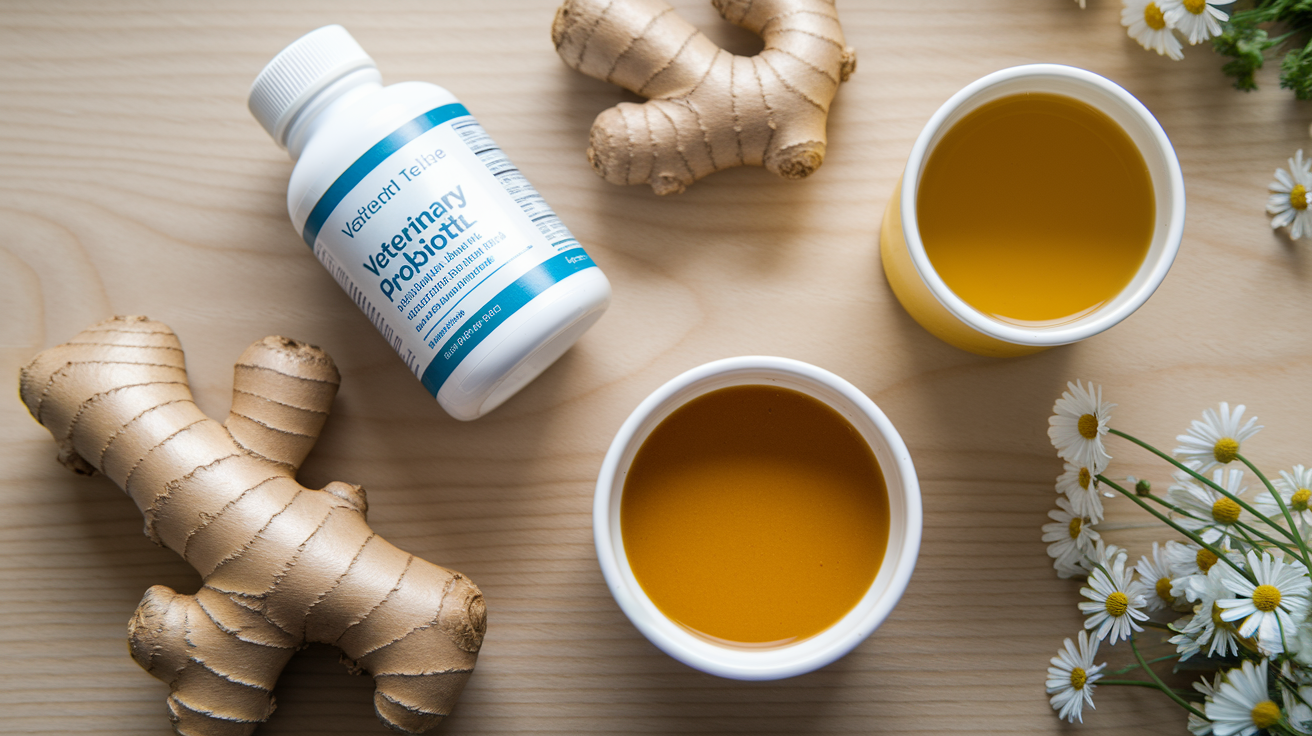
Natural and supportive care can complement veterinary treatment or help manage mild, occasional bile vomiting at home. Always consult your vet before starting any supplements or herbal remedies, especially if your dog is on medication or has a chronic health condition. Probiotics are one of the safest and most widely recommended supportive options. They help restore healthy gut bacteria, especially after vomiting, diarrhea, or antibiotic use. Look for veterinary formulated probiotics with strains like Lactobacillus and Bifidobacterium.
Plain canned pumpkin (not pie filling) is a gentle, fiber rich addition that can soothe mild digestive upset. A teaspoon for small dogs or a tablespoon for larger dogs mixed into food can help firm stool and calm the GI tract. Small, frequent sips of water or ice cubes to lick can prevent dehydration without overwhelming a sensitive stomach. Some owners find ginger helpful for nausea, but use it cautiously and only in small amounts. A tiny pinch of fresh grated ginger or a vet approved ginger supplement may reduce nausea, but too much can irritate the stomach.
Herbal options like chamomile and meadowsweet have traditional use for digestive upset in dogs, but dosing must be precise and guided by a holistic vet. Chamomile has anti spasm and calming effects. Example dosing for chamomile capsules: half a capsule for small dogs, one capsule for medium to large dogs, and three capsules for extra large dogs, given twice daily. Chamomile infusion can also be prepared by steeping 2 tablespoons of chamomile root in 2 cups of water overnight. Dose ranges from 2 teaspoons for extra small dogs to 4 tablespoons for extra large dogs, twice daily.
Meadowsweet is used for stomach acidity and discomfort. Dried meadowsweet dosing is approximately 150 mg per 20 to 25 pounds of body weight, given twice daily with food. Tincture form can be dosed at 1 drop per 10 pounds of body weight, twice daily, diluted in water before meals. Marshmallow root provides a soothing mucilage coating for irritated stomach linings and is often mixed with chamomile and lemon balm infusions. Always start with the lowest dose, watch for any adverse reactions, and stop if vomiting worsens or new symptoms appear.
Special Considerations for Puppies and Senior Dogs Vomiting Yellow Bile
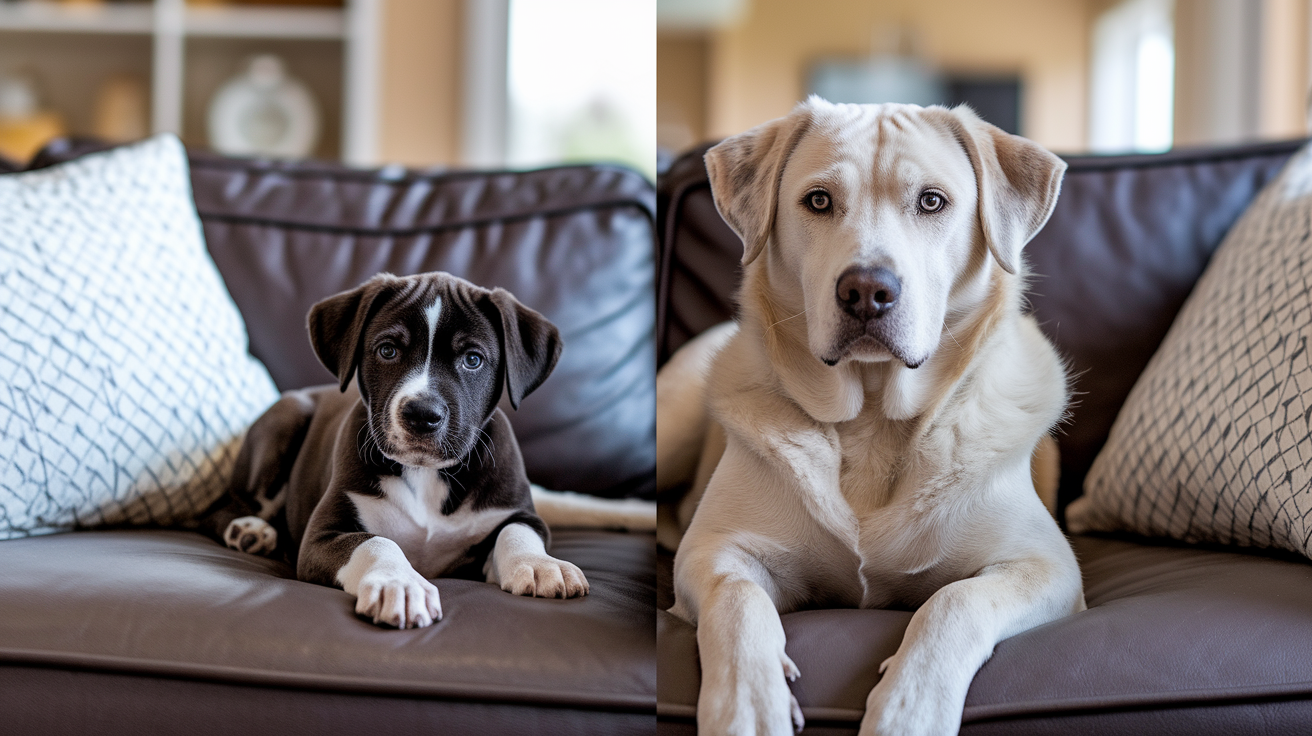
Puppies should never be fasted, even for a few hours. Their small bodies have limited energy reserves, and withholding food can lead to dangerous drops in blood sugar (hypoglycemia). If your puppy vomits yellow bile, offer small, frequent meals of bland food and contact your vet the same day. Unvaccinated puppies vomiting bile, especially with diarrhea, lethargy, or loss of appetite, may have parvovirus. A deadly and highly contagious infection that requires immediate emergency care. Prevention is the best approach for puppies prone to bile vomit: feed an extra small meal right before bedtime to prevent an empty stomach overnight.
Older dogs are more likely to vomit bile from an empty stomach simply because their digestive systems slow with age. But they’re also at higher risk for serious underlying diseases like kidney failure, liver disease, pancreatitis, or cancer. A single morning bile vomit in an otherwise healthy senior dog can often be managed with feeding adjustments, but recurring episodes, weight loss, appetite changes, or lethargy warrant a full veterinary workup including bloodwork and imaging. Senior dogs also dehydrate more quickly, so even mild vomiting requires close attention to water intake and gum moisture.
Age specific yellow bile vomiting risks:
- Puppies: never fast; risk of hypoglycemia and parvovirus
- Unvaccinated puppies: bile vomiting can signal parvovirus emergency
- Older dogs: higher risk of serious disease (kidney, liver, cancer, pancreatitis)
- Senior dogs: dehydrate faster and need quicker vet evaluation for recurring vomiting
Preventing Future Episodes of Yellow Bile Vomiting
Prevention starts with a consistent feeding routine. Feed your dog at the same times every day and avoid long gaps between meals. If your dog is prone to morning bile vomit, a small bedtime snack 30 to 60 minutes before sleep is the simplest and most effective fix. Use slow feeder bowls if your dog gulps food quickly. Fast eating can lead to regurgitation and subsequent bile vomit once the stomach empties. Puzzle feeders and snuffle mats slow down eating naturally and add mental enrichment.
Avoid sudden diet changes. When switching foods, transition gradually over 7 to 10 days by mixing increasing portions of the new food with the old. Abrupt changes can trigger vomiting, diarrhea, and GI upset. Keep your dog away from garbage, compost, and food scraps. Secure trash cans, don’t leave food out on counters, and supervise your dog in areas where they might scavenge spoiled or fatty foods. Even one fatty meal or piece of rotten food can trigger pancreatitis or severe gastritis.
Stay current with parasite prevention. Follow your veterinarian’s deworming and flea/tick prevention schedule, commonly every 3 months for many adult dogs depending on risk and region. Regular fecal exams catch parasites early before they cause chronic vomiting. Watch for food intolerances or allergies, especially if vomiting is recurring. Common reactive ingredients include soy, corn, and wheat, but any protein or additive can be a trigger. A 12 week elimination diet trial under veterinary guidance can identify problem ingredients.
Prevention checklist to reduce bile vomiting risk:
- Feed 2 to 3 small meals daily at consistent times
- Provide a small bedtime snack to prevent overnight fasting
- Use slow feeder bowls for dogs that gulp food
- Transition new foods gradually over 7 to 10 days
- Secure garbage and avoid table scraps or fatty foods
- Maintain regular parasite prevention and fecal testing
Frequently Asked Questions About Dogs Vomiting Yellow Bile
Many worried pet parents have the same urgent questions when they see yellow bile on the floor. Here are the most common concerns and clear, practical answers.
Should I give my dog water after vomiting yellow bile?
Yes, but in small amounts. Wait about 3 to 4 hours after the vomiting stops, then offer a few tablespoons of water every 10 to 15 minutes. If your dog keeps it down, gradually increase the amount until they’re drinking normally.
When can I feed my dog again after bile vomiting?
If it’s a single episode and your dog seems comfortable, withhold food for up to 12 hours (adults only, never puppies), then start a bland diet in small portions every 3 to 4 hours. If vomiting repeats or your dog shows other symptoms, call your vet before offering food.
Is it normal for my dog to vomit yellow bile occasionally?
Occasional morning bile vomit, especially in dogs with long overnight fasts, can be normal and is often a sign of Bilious Vomiting Syndrome. A feeding schedule issue, not a disease. Frequent episodes, daily vomiting, or vomiting with other symptoms are not normal and need veterinary evaluation.
How long should I monitor my dog after one bile vomit?
Watch closely for 24 hours. If your dog eats, drinks, plays, and has normal energy and stool with no repeat vomiting, they’re likely fine. If vomiting happens again, or if lethargy, pain, diarrhea, or refusal to eat or drink develop, contact your vet.
Why does yellow bile vomit happen in the morning?
Morning bile vomit is typically caused by bile backing up into an empty stomach after a long overnight fast. The bile irritates the stomach lining and triggers vomiting. A bedtime snack usually prevents it by giving the stomach something to digest overnight.
Final Words
If your dog is vomiting yellow bile, you have quick checks and safe at-home steps to try right away: note the color and timing, withhold food briefly, offer small water sips, and reintroduce bland meals in tiny portions.
Watch closely for red flags, repeated vomiting, pale gums, severe pain, high fever, a distended belly, or not keeping water down, and call your vet immediately if any appear.
For mild cases, try feeding changes and monitoring for 24 to 48 hours. With simple care and timely vet help when needed, most dogs improve and get back to normal.
FAQ
Q: Should I be worried if my dog throws up yellow?
A: If your dog throws up yellow, it often means bile from an empty stomach; a single normal-acting episode can be watched. Call your vet if vomiting repeats, water won’t stay down, blood appears, severe pain, collapse, or high fever.
Q: Should I feed my dog after they vomit yellow bile?
A: If your dog vomits yellow bile, withhold food up to 12 hours, offer small sips of water after 3–4 hours, then give small bland meals every 3–4 hours. Puppies shouldn’t fast; call a vet if vomiting repeats.