

Do you need to race to the vet if your dog vomited once but is acting normal?
Usually not.
Most dogs have a quick, harmless stomach upset and are back to eating and playing within hours.
Still, a single vomit can sometimes be the first hint of something more serious.
I’ll walk you through common mild causes, simple home care to try today, what to watch for in the next 24 hours, and the clear red flags that mean you should call your veterinarian.
Understanding a One-Time Vomiting Episode in a Normally Acting Dog
A single vomit followed by totally normal behavior doesn’t usually mean you need to panic. Most healthy dogs deal with occasional stomach upset that clears up on its own. If your dog threw up once but seems fine otherwise, eating and playing like usual, it’s probably not an emergency.
The usual suspects? Eating too fast, chomping grass on a walk, grabbing something weird during playtime, or just a bit of stomach irritation from a routine shake-up. Dogs also vomit clear liquid or bile when their stomach’s empty, especially first thing in the morning. These one-off moments tend to sort themselves out within a few hours.
What matters is what happens next. If your dog vomits again soon after, can’t keep water down, has blood in the vomit, shows belly pain, or gets sluggish, those are signs you need to call the vet. For a single episode where your dog bounces back right away, just keep an eye on things for the next 24 hours. Make sure fresh water’s available and hold off on food for a few hours before trying a small, gentle meal.
Common Mild Reasons a Dog Vomits Once but Acts Completely Normal
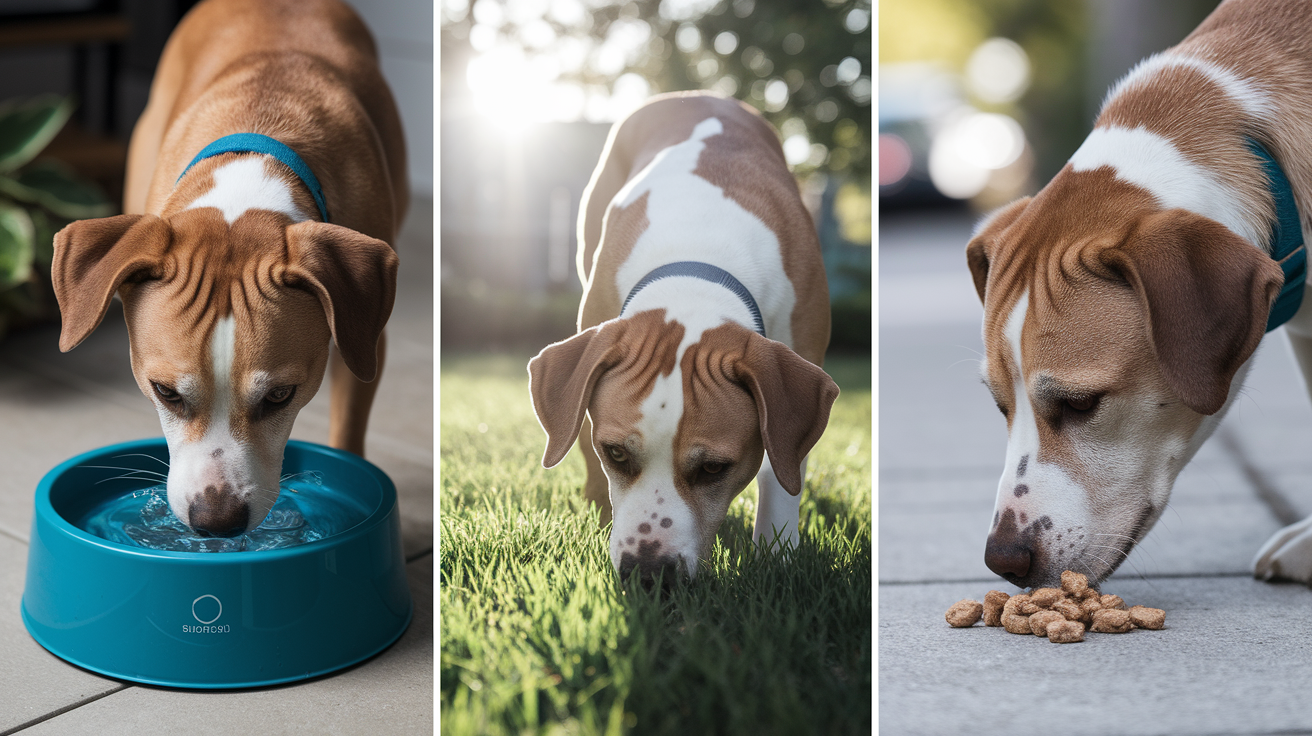
Healthy dogs sometimes vomit for simple reasons that don’t point to anything serious. These mild triggers usually clear up fast without you needing to do much beyond watching and waiting. Knowing what these are helps you tell the difference between a small hiccup and something that needs professional attention.
Most of the time, it’s one of these:
Eating or drinking too fast. Gulping food or water, especially after running around, can cause instant regurgitation or a quick vomit of clear liquid or whatever they just ate.
Grass or plant nibbling. Lots of dogs eat grass to calm their stomach or just because they’re curious. The fibrous stuff can bug the stomach lining enough to trigger one vomit.
Minor dietary slip-up. Snagging a bit of old food, chewing on a stick, or tasting something odd during a walk can cause brief stomach upset.
Empty stomach bile. Dogs who go many hours without eating, especially overnight, sometimes throw up yellow or foamy bile in the morning because of stomach acid buildup.
Excitement or light stress. Anticipation before a car ride, meeting someone new, or routine changes can temporarily upset a sensitive stomach.
Most dogs bounce back completely within a few hours. You’ll see normal appetite return, steady energy, and regular bathroom trips. If your dog goes back to eating, drinking, and playing without another vomit, it was probably harmless.
Warning Signs That a Single Vomiting Episode Might Not Be So Innocent
One vomit is often nothing to worry about, but certain symptoms alongside it can point to something more serious that needs a vet’s eyes right away. Knowing these red flags helps you figure out when to move from watching at home to getting urgent help.
Pay attention to how your dog looks and acts in the hours after the vomit. Even if the first episode seemed minor, any concerning signs mean things have moved beyond what you should handle on your own.
Get to a vet immediately if your dog shows any of these:
Repeated vomiting. More than one or two additional times within a few hours, or vomiting that keeps going into the next day.
Can’t keep water down. Vomiting right after drinking even small amounts, which can lead to dehydration fast.
Blood in vomit. Bright red streaks, dark brown “coffee grounds” stuff, or pink-tinged liquid. All of these mean bleeding somewhere in the digestive tract.
Swollen or painful belly. A tight, hard, or tender stomach, especially if your dog’s pacing, restless, or trying to vomit but nothing comes up. That’s a bloat or blockage sign.
Known toxin exposure. Recent access to chocolate, grapes, raisins, onions, garlic, cleaning products, meds, or garden chemicals.
Severe tiredness or collapse. Extreme exhaustion, can’t stand, weakness, shaking, or wobbly coordination.
Dehydration or shock signs. Dry or sticky gums, sunken eyes, pale gums, weak pulse, or racing heart rate.
These symptoms can mean poisoning, foreign object stuck somewhere, parvovirus (especially in unvaccinated puppies), bloat, pancreatitis, or other emergencies. Moving fast improves outcomes and cuts down on complications.
How to Monitor Your Dog After Vomiting Once

Keeping a close watch in the 24 hours after a single vomit helps you catch anything getting worse early on. It also gives you solid info to share with your vet if you end up needing to call. Structured monitoring gives you peace of mind that your dog’s actually recovering the way they should.
Watch for shifts in behavior, appetite, hydration, and bathroom habits. Keep a mental note (or jot things down) about when the vomit happened, what was in it, and how your dog acted afterward. This timeline becomes really useful if symptoms come back or new worries pop up.
Track these five things:
Energy level and behavior. Is your dog playful, resting normally, or unusually quiet, withdrawn, or restless?
Water intake and tolerance. Does your dog drink normally and keep it down, or vomit again after drinking?
Appetite and food tolerance. Look for normal hunger when you bring food back, and see if your dog can eat a small meal without throwing up.
Stool consistency and frequency. Watch for diarrhea, blood, mucus, or changes in bathroom trips.
Hydration signs. Check gum moisture (should be wet and slick, not dry or sticky), skin bounce-back, and urine output.
If your dog doesn’t vomit again, drinks and eats small amounts without issues, and keeps normal energy and bathroom habits within 24 hours, the episode was probably minor. Contact your vet if vomiting happens more than once, if your dog won’t touch water or food for over 12 hours, or if any red flags show up at any point.
Safe Home Care After a Single Vomiting Episode
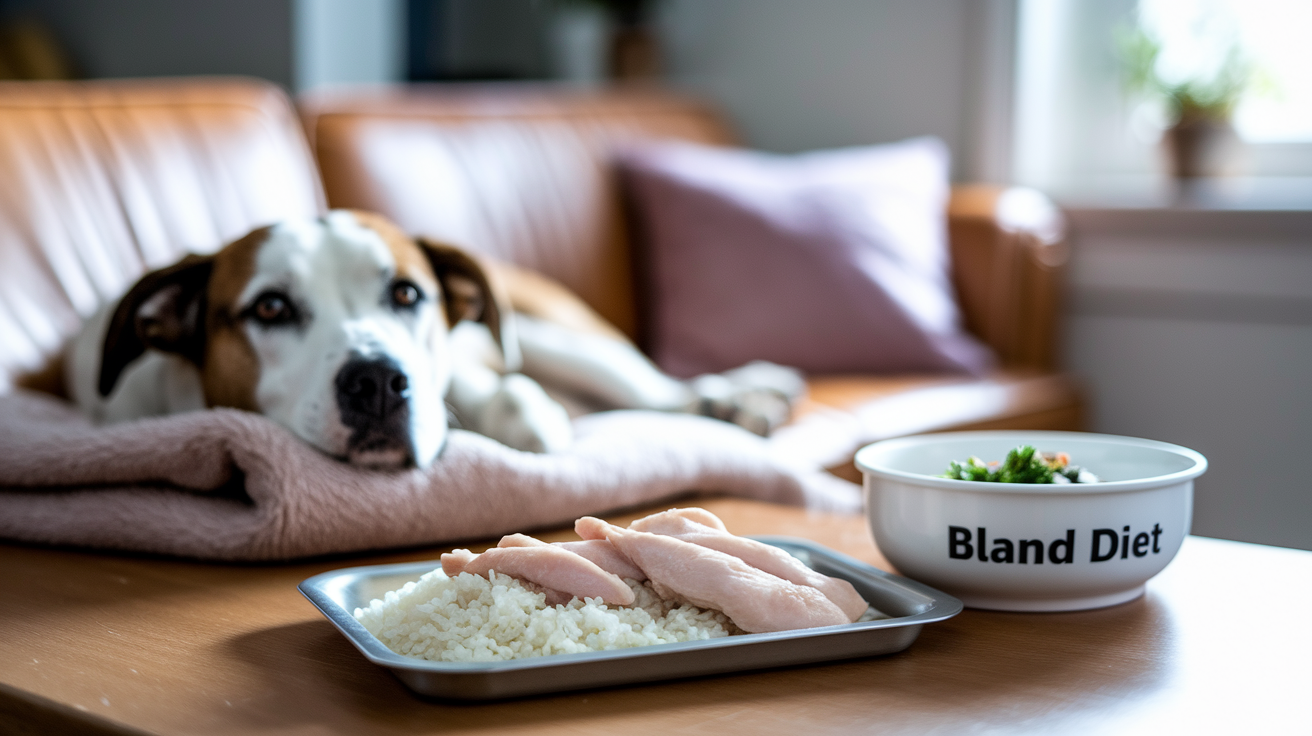
Giving your dog’s stomach time to settle is the safest move after a single vomit when nothing alarming’s going on. Simple, careful home care supports recovery and cuts down the chance of it happening again.
Hold off on food for six to twelve hours after the vomit so the stomach can calm down. Keep offering small sips of fresh water every hour or two to avoid dehydration, but don’t let your dog chug a bunch at once. If your dog vomits again after drinking water, stop the water and call your vet right away.
After the rest period, if there’s been no more vomiting, bring food back slowly with a bland, easy-to-digest meal. Offer small portions every few hours instead of one big meal. Good bland diet options include:
Plain boiled white rice mixed with plain skinless chicken or turkey (no seasoning, skin, or bones).
Plain canned pumpkin (unsweetened, not pie filling) mixed with rice or a bit of lean protein.
Plain boiled potato or sweet potato with plain chicken.
A vet-recommended bland diet or digestive support food if your vet suggests it.
Keep meals small, about a quarter of your dog’s usual portion, and feed three to four times through the day. If your dog handles the bland diet for 24 hours without vomiting, slowly switch back to regular food over one to two days by mixing more and more of the regular diet with the bland food. Skip treats, chews, table scraps, and fatty or rich foods during recovery since those can set off another episode. Keep your dog calm and rested. Don’t do vigorous play or exercise right after eating or drinking. Never give human meds like antacids, Pepto-Bismol, or anti-nausea drugs unless your vet tells you to. Lots of over-the-counter stuff is toxic to dogs.
When a Single Vomiting Episode Still Warrants a Vet Call

Even without dramatic warning signs, certain situations call for a vet conversation or exam to rule out early illness or complications. Getting professional input matters especially when your dog’s age, health background, or recent changes bump up the risk of something more serious underneath.
Puppies and senior dogs deserve extra caution. A single vomit in a young, unvaccinated puppy can be an early parvovirus sign, a life-threatening infection. Older dogs are more vulnerable to ongoing issues like kidney disease, pancreatitis, or medication side effects. If your dog recently started a new med and vomits even once, call your vet to talk through whether the drug might be the cause or if a dose tweak’s needed.
Call your veterinarian if:
Your dog vomits again within a few hours or the next day, even if still acting fairly normal.
Your dog’s a puppy under six months or a senior over eight years.
Vomiting happened shortly after starting a new medication, supplement, or food.
Your dog has a known ongoing health condition like diabetes, kidney disease, or a touchy digestive system.
A non-emergency vet chat (by phone or scheduled visit) can give you reassurance, help you spot subtle warning signs, and stop small problems from getting bigger. Early evaluation improves results and often saves time and money compared to waiting until symptoms get worse.
Serious Medical Conditions That Can Begin With Just One Vomit
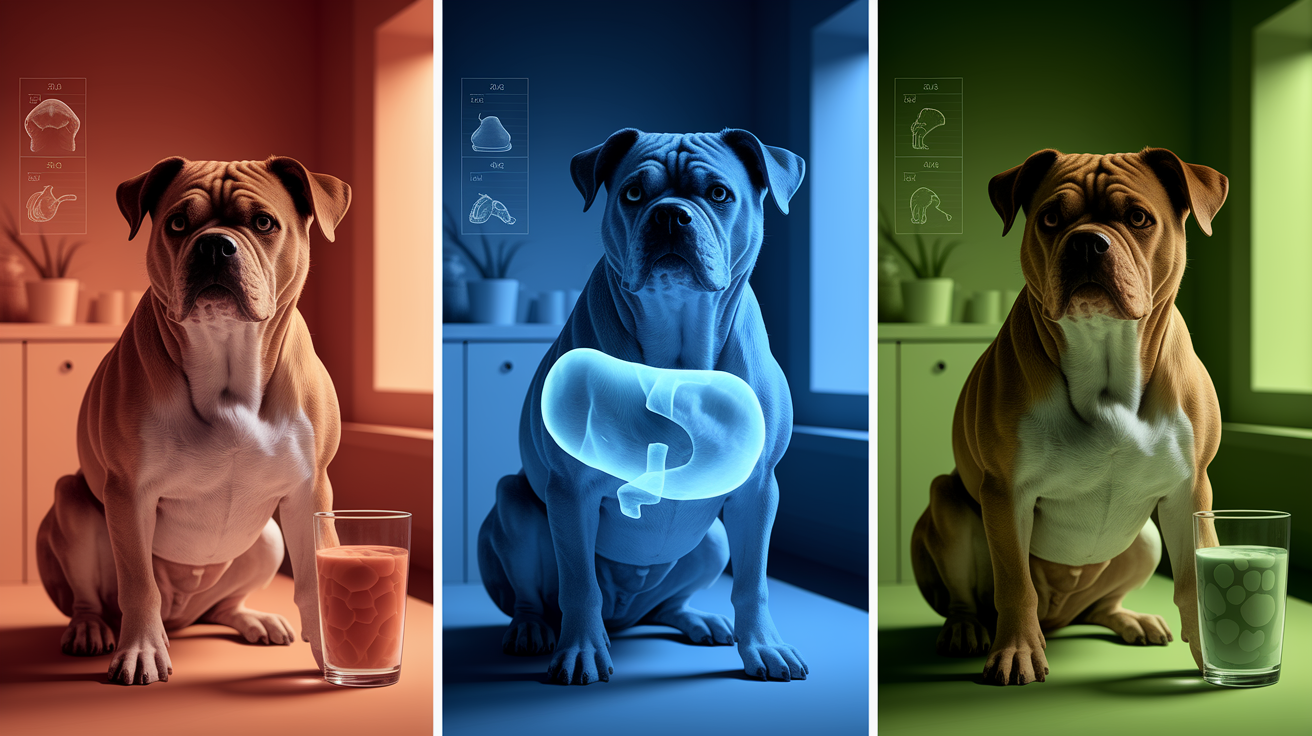
Some illnesses start quietly with a single, innocent-looking vomit before symptoms ramp up over hours or days. Understanding how these conditions can show up early helps you recognize when a mild-seeming vomit might actually be the first clue of something worse.
Pancreatitis, for instance, can kick off with one vomit after a fatty meal, then escalate to worse belly pain, repeated vomiting, and sluggishness within 12 to 24 hours. Foreign body ingestion (swallowing a toy, sock, or bone chunk) might initially cause one vomit, but soon leads to constant retching, belly discomfort, and inability to poop as the object creates a blockage. Early gastroenteritis (stomach and intestine inflammation) often starts with mild vomiting that builds into frequent vomiting and diarrhea.
Parasites like roundworms or hookworms can irritate the digestive tract enough to cause occasional vomiting, especially in puppies. Viral infections, including early parvovirus or canine flu, may show up with a single vomit before rapidly moving to severe, repeated vomiting, bloody diarrhea, and collapse. Toxin exposure (eating chocolate, grapes, or household chemicals) can cause a delayed reaction where one vomit is followed hours later by tremors, seizures, or organ failure.
| Condition | Early Sign | When It Worsens |
|---|---|---|
| Pancreatitis | Single vomit after fatty food | Repeated vomiting, abdominal pain, fever within 12–24 hours |
| Foreign Body Obstruction | One vomit, mild restlessness | Persistent retching, no stool, severe pain within hours to days |
| Gastroenteritis | Mild vomiting, normal energy | Frequent vomiting, diarrhea, dehydration within 24 hours |
| Toxin Ingestion | Single vomit shortly after exposure | Tremors, seizures, collapse, organ failure within hours |
Preventing Future Vomiting Episodes
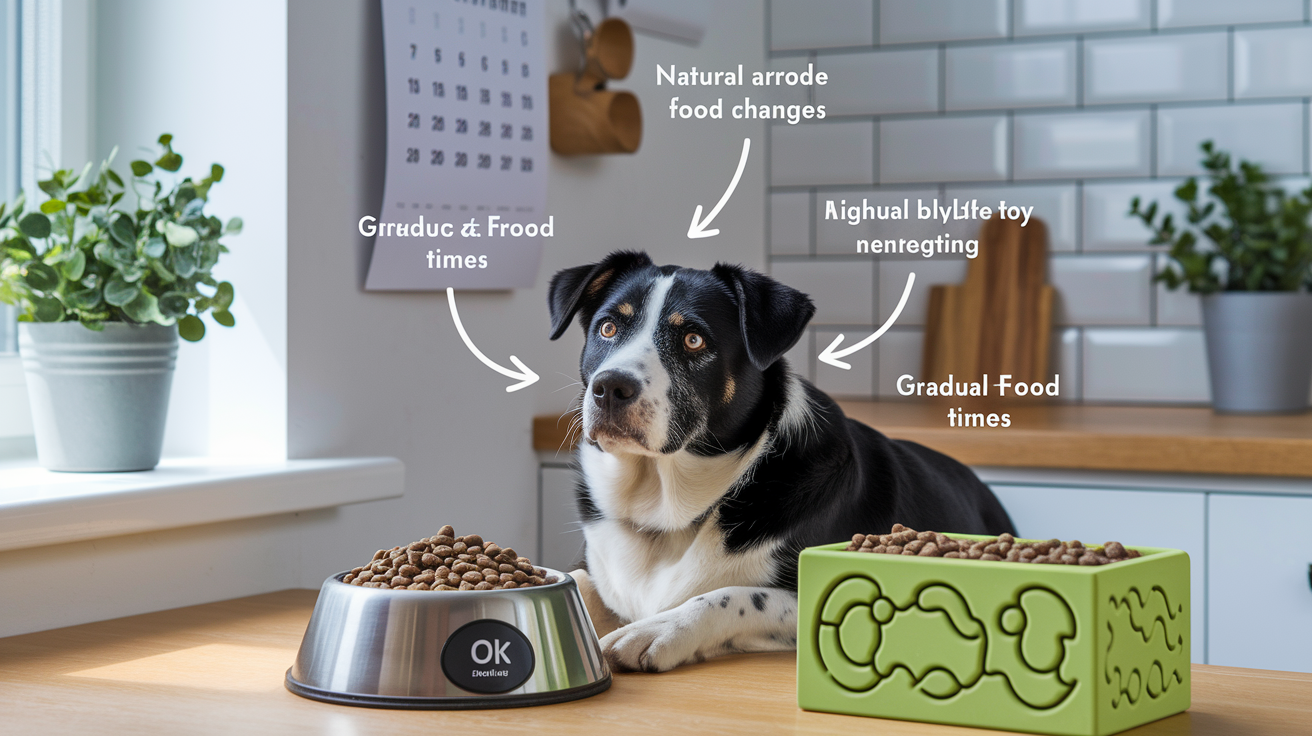
Simple tweaks to feeding routines, environment, and diet can seriously cut down the chance of repeat vomiting. They also help you spot patterns or triggers unique to your dog. Prevention works especially well for dogs who eat too fast, scavenge, or deal with mild stomach sensitivity.
Feeding smaller, more frequent meals instead of one or two big portions helps stop bile buildup and lowers the chance of overeating or gulping. Slow-feeder bowls or puzzle feeders make dogs eat more slowly, which cuts down vomiting right after meals. Giving a 20 to 30 minute cooldown after hard exercise before offering food or water prevents exercise-triggered vomiting.
Practical changes to reduce vomiting:
Use slow-feeder bowls or spread food on a flat surface to encourage slower eating.
Offer a small bedtime snack to stop early-morning bile vomiting in dogs with sensitive stomachs.
Switch to new foods gradually over five to seven days by mixing increasing amounts of the new diet with the old.
Block access to garbage, compost, spoiled food, and outdoor scavenging during walks.
Stick to a consistent feeding schedule and skip rich, fatty table scraps or sudden treat changes.
Watching your dog’s patterns (time of day, what happened before vomiting, recent diet shifts) can help you pinpoint and remove specific triggers. If vomiting becomes a repeat thing despite these steps, a vet exam and diagnostic testing can rule out ongoing issues like food allergies, inflammatory bowel disease, or acid reflux.
Final Words
A single vomit while your dog seems fine is often just a short-lived tummy upset. Common causes include eating too fast, grass, or a small food indiscretion, and many pets recover quickly with a little rest.
Follow the simple home steps we covered: withhold food for a few hours, offer small water sips, then try bland meals and watch for red flags over the next 24 hours.
If your dog threw up once but acting normal, monitor closely and call the vet if anything worsens. Most dogs do well with calm care.
FAQ
Q: Why is my dog throwing up once a day but acting normal?
A: A dog throwing up once a day but acting normal often has a mild stomach upset from grass, fast eating, or a new snack. Monitor 24 hours, offer water; call your vet for repeat vomiting, blood, weakness, or pain.
Q: What is the silent killer in dogs?
A: The silent killer in dogs is often bloat (gastric dilatation-volvulus), a sudden, life-threatening stomach twist. Signs are a swollen belly, unproductive retching, and restlessness—seek emergency vet care immediately.
Q: What are the first signs of kidney failure in dogs?
A: The first signs of kidney failure in dogs are increased thirst and urination, reduced appetite, vomiting, lethargy, and foul breath. Call your vet for bloodwork if you notice these changes.
Q: What are the first signs of pancreatitis in dogs?
A: The first signs of pancreatitis in dogs include sudden vomiting, abdominal pain (hunched posture), loss of appetite, diarrhea, fever, and lethargy. Contact your vet promptly, as it can worsen quickly.