

What if your dog was quietly losing water and you didn’t notice until it was serious?
Dehydration often starts with small, obvious signs, like sticky, dry gums, skin that stays tented when you pinch it, or eyes that look dull or sunken, and it can worsen faster than you expect.
This post walks you through the clear, easy checks to do at home, what those signs probably mean, and the exact moments you should call a vet.
Read on to spot trouble early and act with calm confidence.
Key Physical Signs Your Dog Is Dehydrated
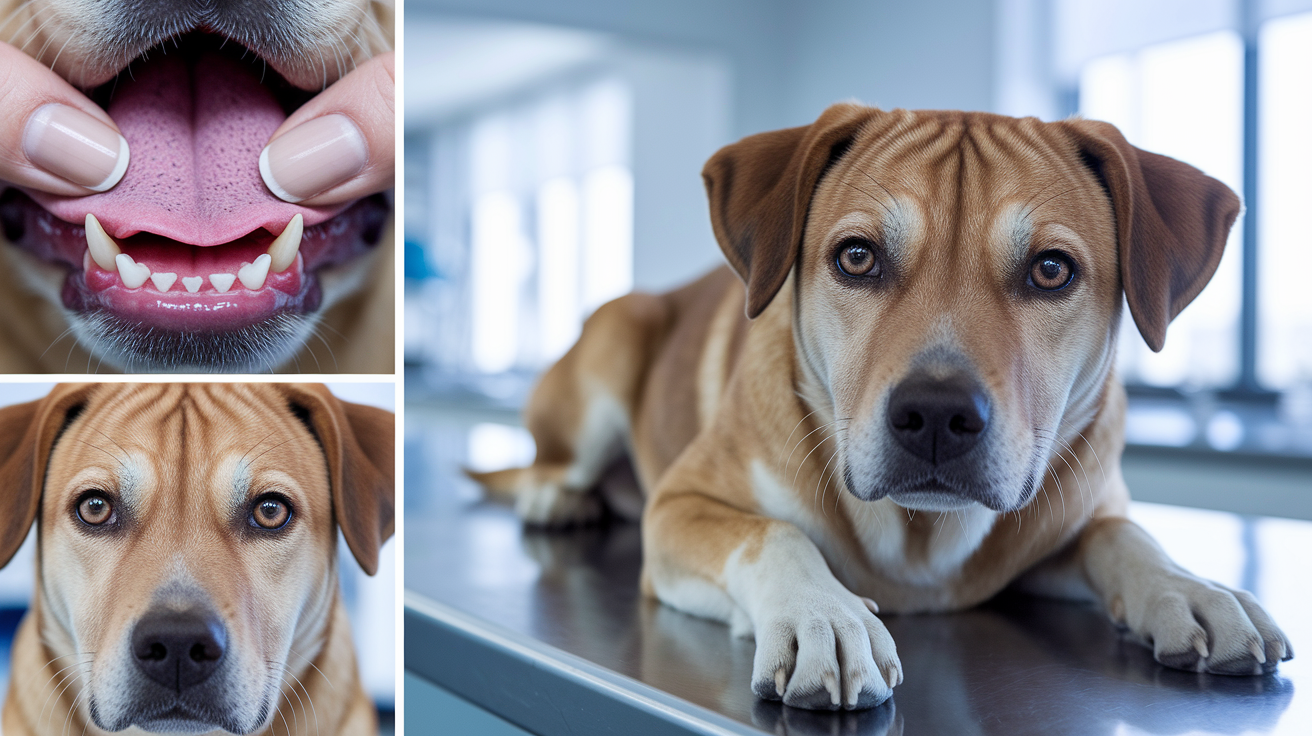
Spotting dehydration early can stop a mild issue from turning into something that stresses your dog’s organs or sends you rushing to the vet. Water keeps everything working, nutrient delivery, body temperature, basic cell function. When those levels drop, even a little, you’ll see changes fast.
The physical stuff shows up in places that are easy to check. Gums lose that wet, shiny look and feel sticky when you touch them. The skin over the shoulder blades usually snaps right back when you pinch and let go. If it’s slow or stays tented? That’s a problem. Eyes can look flat or a bit sunken, especially if things have gotten worse.
You’ll probably notice behavior changes too. Your dog might skip meals, move slower, or pant hard even when it’s cool and they’ve been resting. None of these alone guarantee dehydration, but when they pile up or happen after vomiting, diarrhea, or heat exposure, it’s worth taking seriously.
- Dry or sticky gums – Healthy gums feel slick. Dehydrated ones stick to your finger a bit.
- Skin that doesn’t bounce back – Lift the skin over the shoulders. If it takes a while to flatten, fluids are low.
- Sunken eyes – Eyes lose brightness or sit deeper as fluid shifts around.
- Lethargy – Your dog seems worn out, doesn’t want to move, ignores things they’d normally get excited about.
- Panting when they shouldn’t be – Heavy breathing without effort or heat.
- Not eating – Skipping food or barely interested.
How to Perform the Skin-Tent Test Safely
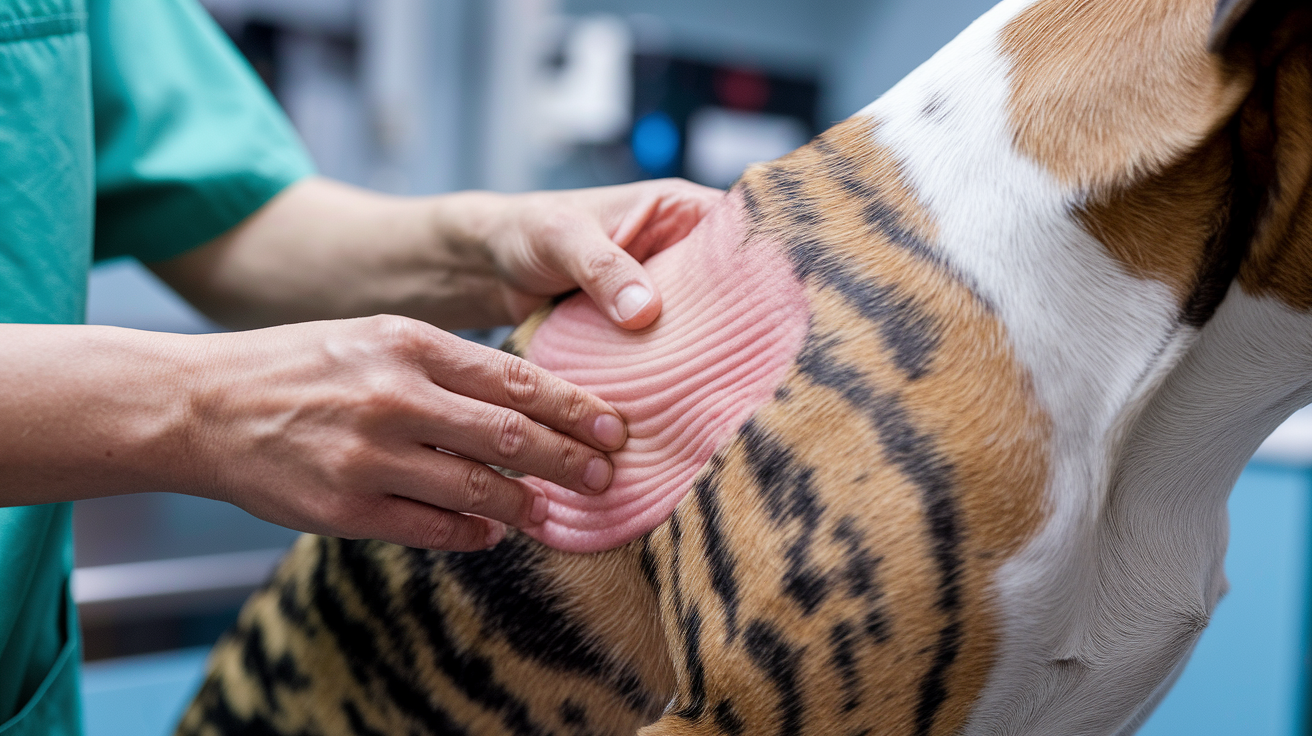
This test is popular because it’s simple, doesn’t hurt, and gives you a quick read without any tools. You’re checking how fast the skin goes back to normal after you lift it. That speed reflects how much fluid is sitting under the skin.
A few things can mess with the results. Older dogs tend to have looser skin anyway, so it might take a beat longer to settle. Wrinkly breeds like Shar-Peis or Bulldogs have extra slack, which makes reading it harder. Puppies usually have super elastic skin that snaps back instantly when they’re healthy. Best thing you can do is learn what normal looks like for your dog on a regular day when they’re drinking fine.
- Pick the right spot – Gently pinch the skin between your dog’s shoulder blades using your thumb and forefinger. Make a little tent.
- Let go and watch – Release and see how fast the skin flattens back down.
- Read the return time – In a hydrated dog, it snaps back almost right away. One to two seconds or longer? Dehydration’s likely.
- Look at the whole picture – Slow skin return plus dry gums, tiredness, or recent puking makes dehydration way more likely than the test alone.
Warning Signs of Severe Dehydration Requiring Immediate Vet Care
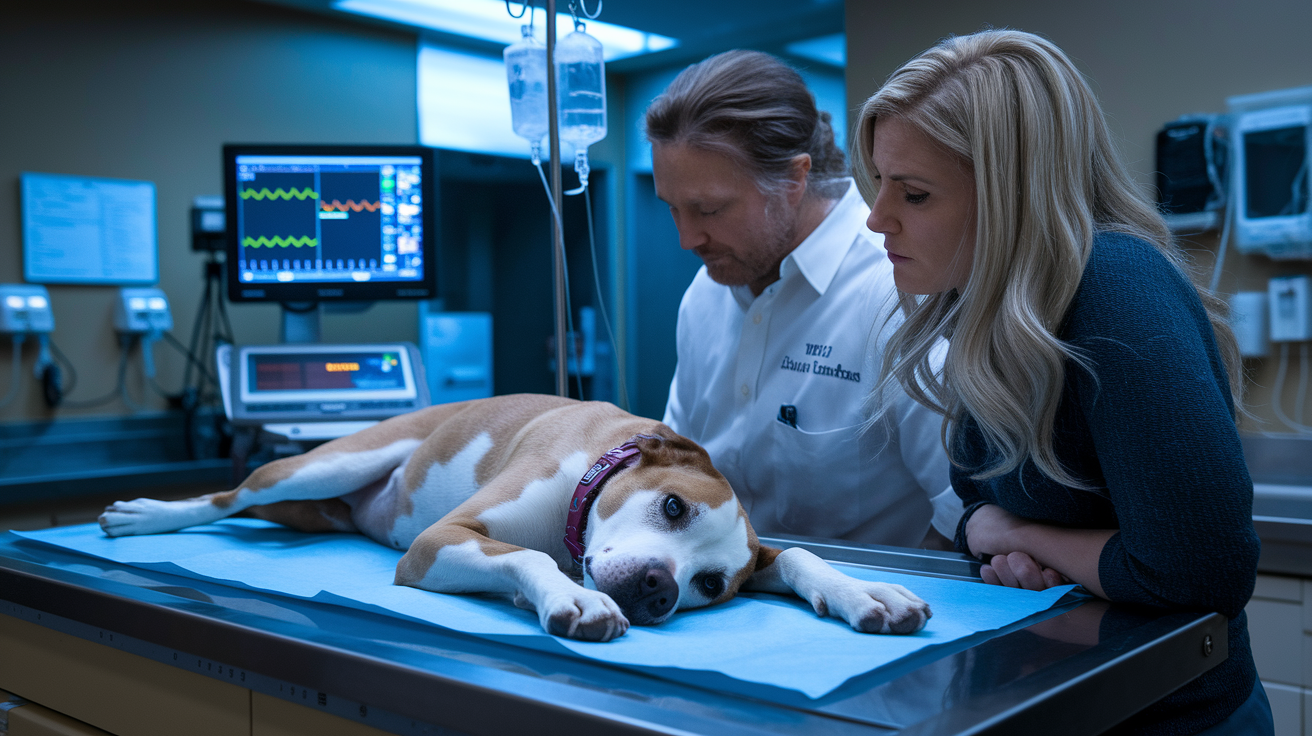
Severe dehydration isn’t something you monitor at home. It’s the point where the body can’t keep up anymore. You might see collapse, wobbling when they try to stand, or paws and ears that feel cold because blood’s being pulled inward to protect vital organs. Heart rate climbs past the normal 70 to 120 beats per minute, sometimes hitting 160 or higher, and the pulse feels fast but weak.
Behavior gets strange. A dog this dehydrated might refuse water completely, look confused, or just lie there with barely any response when you talk to them. Gums go from tacky to bone dry, dark red, or pale. Capillary refill time stretches past two seconds. If vomiting or diarrhea has been going on for a full day or more and your dog can’t keep fluids down, you’re on a tight clock.
This level of dehydration puts stress on the kidneys, heart, everything. Waiting to see if it gets better at home risks damage that doesn’t reverse. If your dog collapses, has a racing heart that won’t slow, seems totally out of it, can’t drink, or keeps vomiting and having diarrhea, get them to a vet or emergency clinic now. Time matters more than trying another trick at home.
Hydration and Prevention Tips for Dog Owners
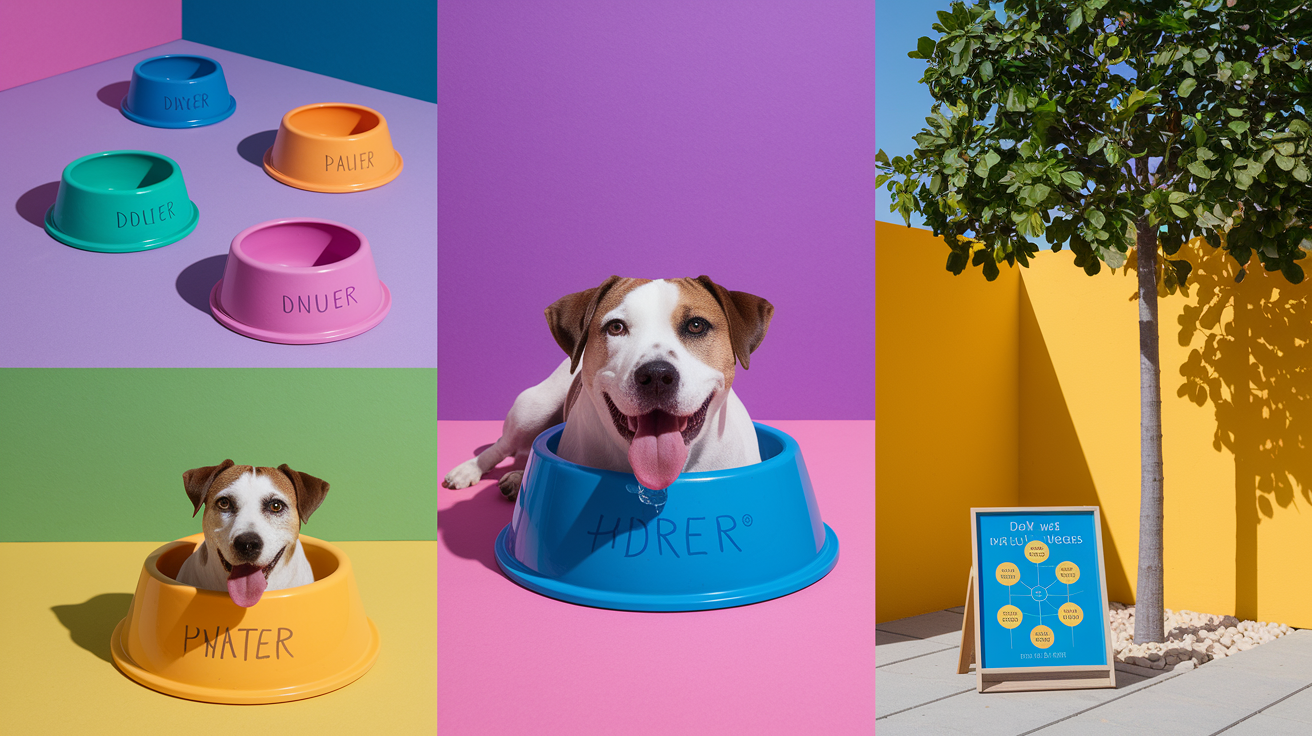
Clean, cool water available all the time is the easiest way to keep dehydration from starting. Refill bowls at least twice a day, more if it’s hot or after exercise, and wash them regularly so they don’t get slimy. Some dogs are picky. If yours won’t drink much, try a little low-sodium chicken broth in the water or toss them ice cubes.
Weather and activity change how much water your dog needs. The rough guide is one ounce per pound of body weight daily. So a 25-pound dog should drink around three cups. That goes up when it’s hot, after long walks, and for nursing moms. Flat-faced breeds and overweight dogs overheat easier, so extra water and shade matter even more on warm days.
- Water in multiple spots – Put bowls in different rooms and anywhere your dog hangs out outside.
- Shade and smart heat management – Never leave a dog in a closed car, even for a minute. Heatstroke can happen in 15 to 20 minutes at temps as low as 60°F.
- Watch activity when it’s hot – Walk early or late in the day. Bring a travel bottle and collapsible bowl.
- Hydration on the road – Offer water every couple hours during trips and after flights.
- Electrolyte products need vet approval – Plain Pedialyte can help during illness, but check dose and timing with your vet first.
When to Contact a Veterinarian About Dehydration Concerns

If symptoms stick around past a few hours, get worse even with water available, or show up with vomiting, diarrhea, or heat exposure, call your vet. Dehydration’s usually not the only thing going on. It’s a sign something else, sickness, injury, environmental stress, is throwing off fluid balance. Puppies, seniors, and dogs with kidney disease or diabetes can go downhill faster than healthy adults, so don’t wait.
At the appointment, your vet will do a physical exam: temperature, heart rate, breathing rate, and the same skin and gum checks you did. Bloodwork shows electrolyte levels, kidney function, and hidden issues. Urinalysis reveals how concentrated the urine is. Sometimes X-rays or parasite tests come into play if vomiting or diarrhea are involved. Catching it early usually means simple treatment, fluids under the skin. Severe cases need IV fluids and a hospital stay. Acting fast protects organs and speeds up recovery.
Helpful Visual Checks and Additional Resources
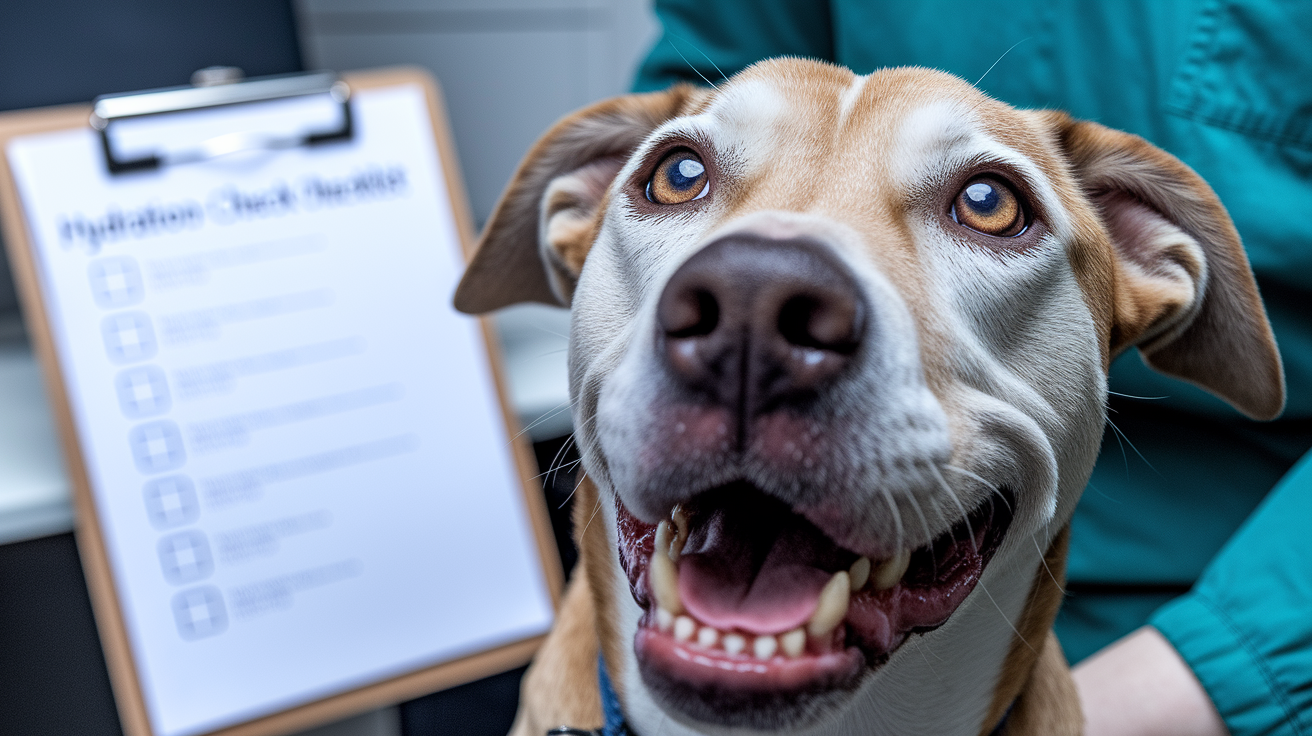
Gum color and eye brightness give you quick visual backup for the physical tests. Healthy gums are pink and glossy. Pale, dark red, or dry gums mean circulation or hydration trouble. Eyes should look clear and sit normally. Sunken or dull eyes, especially with other signs, mean fluid loss has reached deeper tissue.
A lot of vet clinics hand out hydration monitoring sheets or first-aid flowcharts. They walk you through “watch at home,” “call for advice,” and “go to emergency” decision points. Keep one on your fridge or in your pet’s travel kit. It helps you stay calm and move through a stressful moment without doubting every choice.
Final Words
See dry gums, sunken eyes, or a slow skin-tent? Those are cues to act right away.
We covered the main physical signs, how to do a gentle skin-tent test, severe warning signals that need urgent care, simple prevention tips, and extra visual checks you can do at home.
If your dog collapses, won’t drink, or gets worse quickly, call your vet now. For milder changes, offer fresh water, note intake and energy, and watch for 24 to 48 hours.
Catching early signs of dog dehydration often prevents bigger problems—small habits go a long way.
FAQ
Q: How do you rehydrate a dog?
A: To rehydrate a dog, offer small, frequent sips of clean water or a vet-approved electrolyte solution, use ice chips or a syringe if needed, and seek veterinary care right away if the dog won’t drink, vomits, or worsens.
Q: How to check if your dog is dehydrated?
A: To check if your dog is dehydrated, perform a skin-tent test, check for dry or sticky gums and sunken eyes, and note reduced urination or lethargy; contact your vet if any of these signs appear.
Q: What are two warning signs of dehydration?
A: Two warning signs of dehydration are dry, sticky gums and delayed skin-tent return (skin stays up); if you see either, check other symptoms and call your vet promptly.
Q: Can a dog survive dehydration?
A: A dog can survive dehydration when treated early. Mild cases often recover with fluids, but severe dehydration can be life-threatening. Get immediate veterinary care for collapse, rapid breathing, weak pulse, or refusal to drink.