

Is that sticky eye goop nothing to worry about, or a sign of trouble?
Start here: for mild, clear or watery discharge you can often help your dog safely at home with a warm compress, gentle saline cleaning, and preservative-free lubricating drops.
This post walks you through step-by-step home treatments that often work, exactly what to check over the next 24 to 48 hours, and the specific red flags, like yellow/green pus, blood, intense squinting, or sudden vision changes, that mean stop home care and call your veterinarian right away.
Immediate At-Home Steps for Managing Mild Dog Eye Discharge
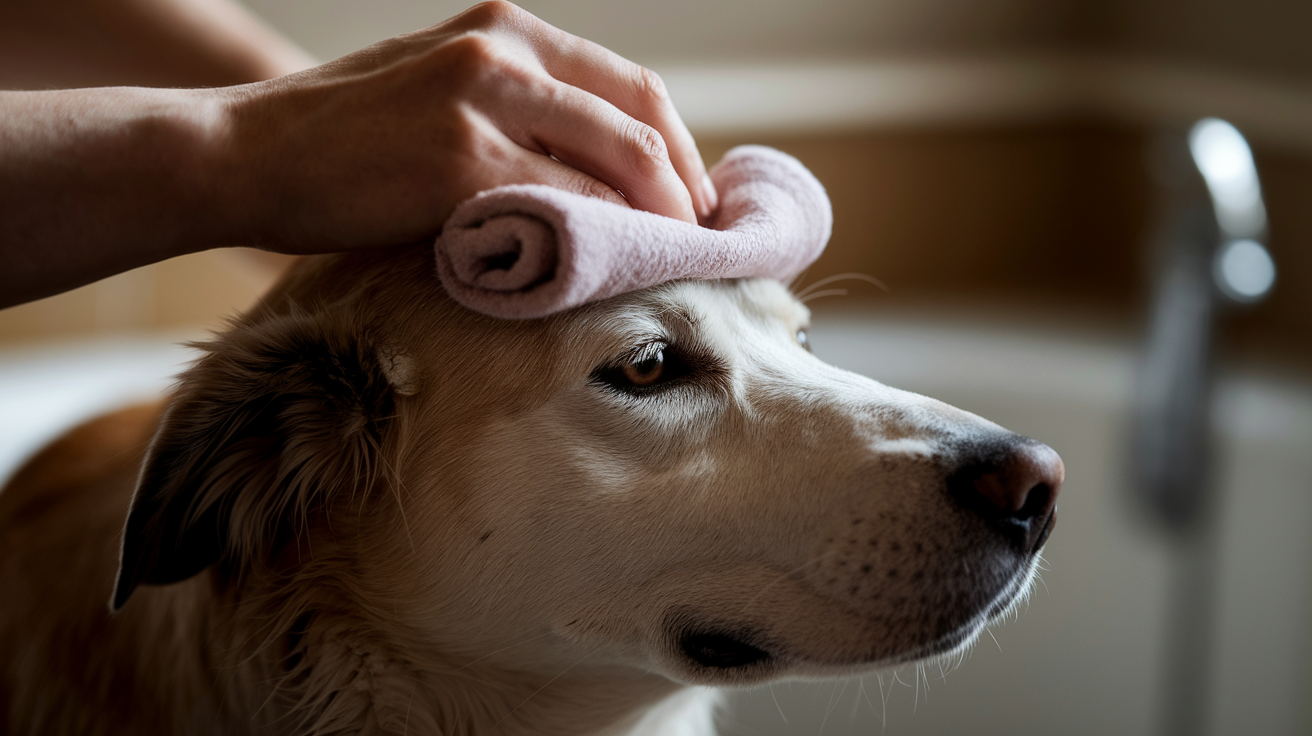
For clear or mildly watery discharge that doesn’t seem to hurt, you can start with gentle cleaning at home. This works when your dog’s eyes are a bit weepy from something minor, dust, wind, or seasonal irritation.
Try a warm compress first. Soak a clean cloth in warm water, wring it out until it’s just damp, then hold it gently over your dog’s closed eye for 5 to 10 minutes. This softens any dried crusty buildup and helps your dog relax. If the crust won’t budge, repeat the compress a couple more times before you start wiping.
Once the discharge is softened, move to gentle cleaning. Always grab a fresh piece of sterile gauze or a clean cotton ball for each eye so you don’t spread bacteria. Soak the pad in sterile 0.9% saline solution, then wipe once from the inner corner of the eye toward the outer corner. Don’t scrub or rub hard. For a gentle flush, use about 5 to 10 mL of saline per rinse, directing the stream across the eye to wash out loose debris. If your dog has mild clear crusting, clean once per day. For sticky or thicker mucus buildup, you might need to clean 2 to 3 times daily until it clears.
Here’s the exact sequence:
- Warm compress. Hold a damp, warm cloth over the closed eye for 5 to 10 minutes to loosen crusty discharge.
- Prepare saline. Use a single-use 10 to 15 mL ampoule of sterile 0.9% saline solution, or if you must make your own, dissolve 9 g of non-iodized salt in 1 liter of boiled water, then cool it completely.
- Wipe technique. Soak a fresh cotton ball or gauze pad in saline, then gently wipe from the inner corner toward the outer corner in one smooth motion.
- Flush method. If needed, flush with 5 to 10 mL of saline by directing the stream across the eye surface to rinse away loose gunk. You can repeat once or twice if debris persists.
- Monitor afterward. Watch for improvement over the next 24 to 48 hours. If discharge doesn’t lessen or gets worse, stop home treatment and call your vet.
Understanding Dog Eye Discharge Types for Better Home Treatment
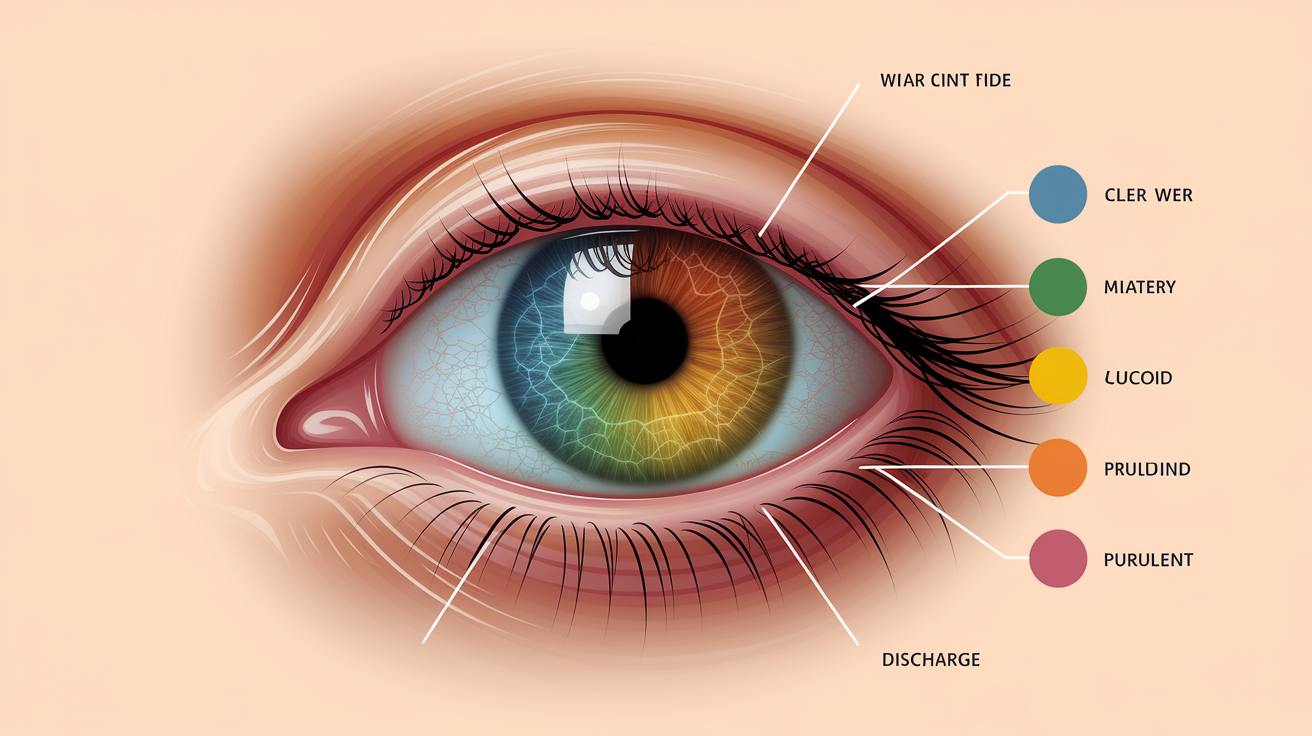
The color and texture tell you what’s happening and whether it’s safe to handle at home. Clear, watery discharge usually points to mild irritation or allergies, something you can often manage with simple cleaning. Thick or colored discharge? That’s infection or something more serious.
When only one eye has discharge, the cause might be a piece of debris, an eyelash rubbing the surface, or a scratch. When both eyes are affected at the same time, think allergy, infection, or a whole-body issue like dry-eye syndrome.
| Type of Discharge | Likely Cause | Home-Treatable? (Yes/No) |
|---|---|---|
| Clear/watery | Irritation, allergies, wind, dust | Yes |
| White/cloudy | Early infection, dry-eye, blocked tear duct | Monitor closely; vet if no improvement in 48 hours |
| Mucoid (thick, sticky) | Dry-eye, blocked duct, low tear production | Monitor closely; vet if no improvement in 48 hours |
| Yellow/green (purulent) | Bacterial infection | No – needs veterinary evaluation |
| Bloody | Trauma, corneal ulcer, serious disease | No – urgent veterinary care |
| Dark brown | Old blood, deep irritation, severe infection | No – urgent veterinary care |
Safe Home Remedies and Solutions for Dog Eye Discharge
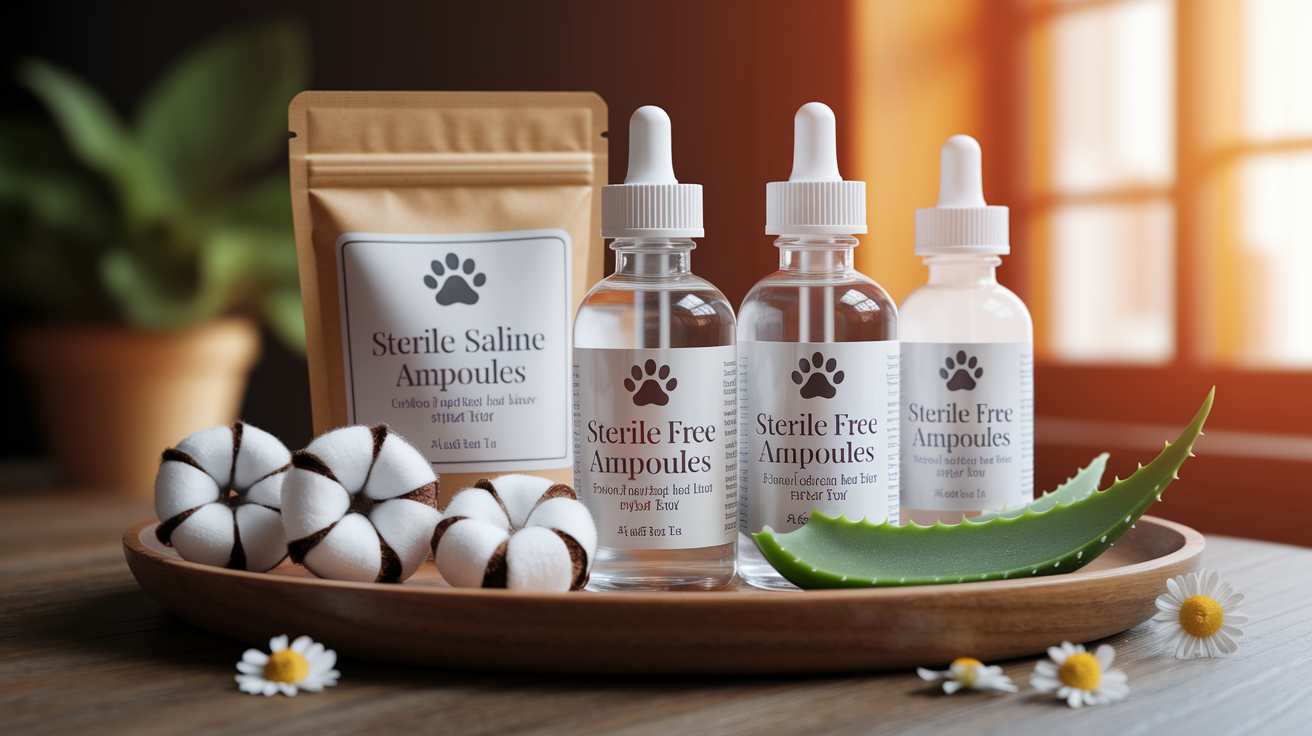
Sterile 0.9% saline solution is the safest choice for everyday eye rinsing at home. You can buy single-use ampoules at the pharmacy, or make your own by dissolving 9 grams of non-iodized salt in 1 liter of boiled water. Let it cool completely before using. Homemade saline must be stored in a clean container and tossed after 24 hours because it’s not sterile and bacteria can grow quickly.
Preservative-free artificial tears are another gentle option. Use 1 to 2 drops every 4 to 6 hours if your dog’s eyes seem dry or irritated. Single-dose vials are safest because they have no preservatives and you use a fresh vial each time. Pet-safe eyelid wipes designed for dogs are convenient for quick daily cleaning. Use one wipe per eye and throw it away.
Other remedies can help, but use them with care:
Chamomile tea. Brew a bag of chamomile in boiling water, let it cool completely, then use a fresh cotton ball dipped in the tea to gently wipe the eye. A 1990 study linked chamomile eye washing to allergic conjunctivitis in some dogs, so if redness or irritation worsens, stop immediately.
Aloe vera gel. Use only pure, organic aloe vera with zero fragrances or additives. Put a tiny amount on a clean cloth or cotton ball and gently wipe away discharge. A 2012 study found aloe has anti-inflammatory properties, but the wrong product can irritate the eye.
Artificial tears. These lubricating drops soothe dryness and help flush out dust without the need for a full rinse.
Distilled-water rinse. If you have no saline on hand, plain distilled water is safer than tap water for a quick rinse. Boil it and cool it before use, and switch to sterile saline as soon as possible.
Herbal chamomile compress. Soak a clean cloth in cooled chamomile tea and hold it over the closed eye for a few minutes. Watch for any allergic reaction.
Pet-safe eyelid wipes. Pre-moistened and sterile, these are low-effort and safe for routine daily wiping. One wipe per eye to prevent contamination.
Never use essential oils, hydrogen peroxide, alcohol, or unprescribed human antibiotic ointments or steroid drops in your dog’s eye. Skip any homemade mixtures with unclear concentrations. Improperly mixed saline can sting and damage delicate tissue.
When Dog Eye Discharge Needs Veterinary-Level Treatment
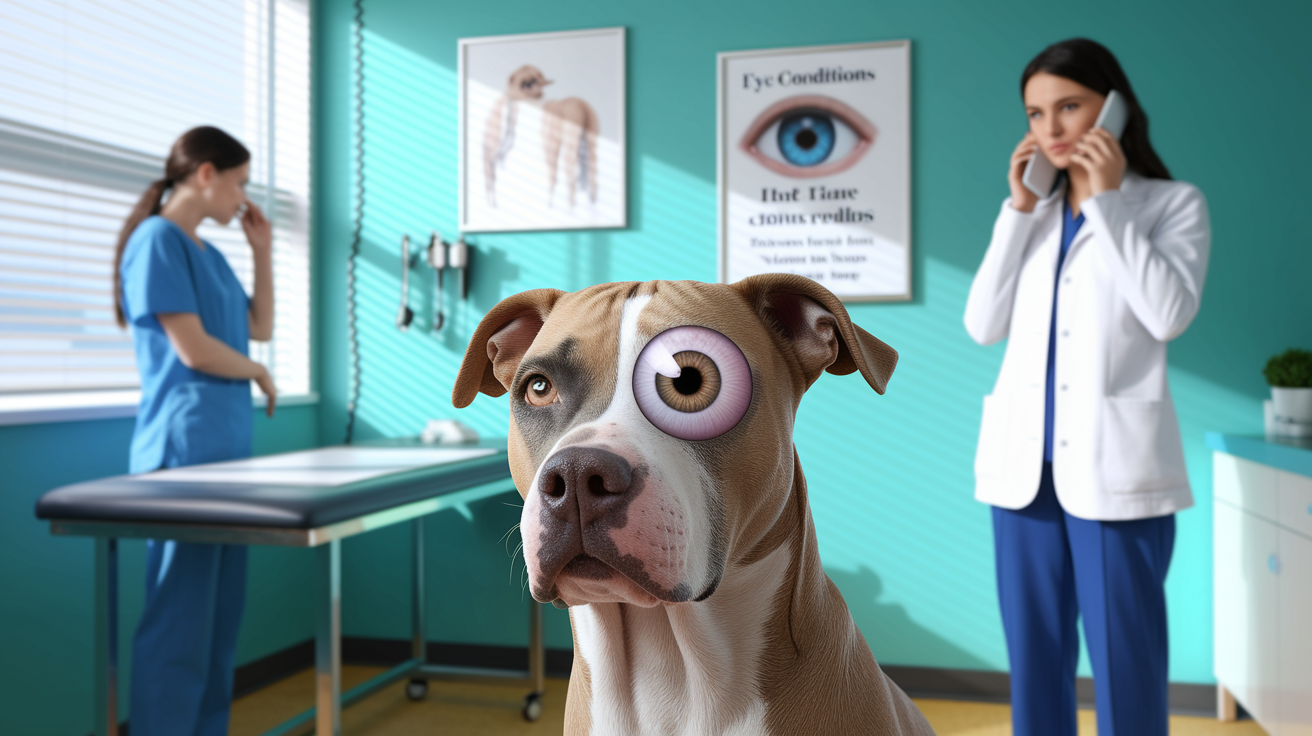
Some signs mean stop home care and get professional help right away. If your dog’s eye looks bulging, suddenly cloudy, or your dog is squinting hard and won’t open the eye, that’s urgent. Vision changes, blood in the eye, or obvious trauma need same-day veterinary attention because conditions like corneal ulcers and glaucoma can cause permanent damage if you wait.
Thick yellow or green discharge signals a bacterial infection that won’t clear on its own. If your dog is pawing at the eye constantly, the discharge smells foul, or there’s severe redness and swelling around the entire eye, schedule a vet visit within 24 hours. Even mild discharge that doesn’t improve after 48 hours of consistent home cleaning should be checked. It might mean a blocked tear duct, low tear production, or a hidden scratch.
Here are the exact thresholds for when to call:
Immediate emergency care. Eye pain, sudden squinting or eye completely closed, visible trauma or foreign object stuck in the eye, blood in or around the eye, eye bulging outward, sudden vision loss or bumping into things.
Within 24 hours. Thick yellow or green discharge, foul smell from the eye, discharge plus fever or lethargy, constant pawing or rubbing at the eye.
Within 48 hours. Clear or white discharge that doesn’t lessen after two full days of home cleaning, one eye that keeps tearing up with no improvement, persistent mucus buildup even after regular wiping.
Corneal ulcer warning. Extreme sensitivity to light, eye held tightly shut, visible divot or cloudiness on the clear part of the eye.
Glaucoma warning. Eye feels hard to the touch, eyeball looks larger than normal, pupil doesn’t respond to light.
Infection escalation. Discharge changes from clear to colored, eye gets redder instead of better, swelling spreads to the eyelid or face.
Vision-change check. Dog suddenly hesitant to jump or navigate stairs, doesn’t track toys or faces, pupils look different sizes or cloudy.
Preventive Eye-Care Routine to Reduce Future Discharge

Regular grooming around the eyes makes a big difference. Trim the hair near your dog’s eyes with blunt-tip scissors or ask your groomer to do it. Long hair picks up dust, pollen, and debris, then drags it right into the eye. For dogs with heavy facial folds, like Bulldogs or Pugs, wipe the folds gently every day to stop moisture and bacteria from building up.
Keep your home environment as low-dust as possible. Vacuum and dust regularly, wash your dog’s bedding weekly, and consider a HEPA air purifier if your dog has seasonal allergies. If tear staining is chronic and cleaning doesn’t help, talk to your vet about blocked tear ducts or breed-related tear-overflow issues. Brachycephalic breeds (dogs with short noses and bulging eyes) often have shallow eye sockets that don’t drain tears properly. That’s a structural issue, not a hygiene problem.
Weekly maintenance cleaning, even when there’s no discharge, helps catch early irritation before it turns into a sticky mess. Add omega-3 supplements, like fish oil, to your dog’s diet after checking with your vet. A 2019 study showed omega-3s help reduce inflammation, which can lower the chance of allergy-driven eye problems over time.
Supplies Checklist for Effective Dog Eye Discharge Treatment at Home

Having the right tools ready means you can act fast when you notice discharge. Keep a small bin or drawer stocked with these items so you’re not scrambling at the last minute.
Sterile 0.9% saline ampoules. Single-use packs of 10 to 15 mL each, found in the first-aid section at most pharmacies.
Preservative-free artificial tears. Single-dose vials are best. Avoid bottled versions with preservatives if you’ll use them more than once a day.
Cotton balls or sterile gauze pads. Use one per eye, then throw it away. Never reuse.
Clean soft cloths. Lint-free microfiber or dedicated pet washcloths work well. Wash them in hot water after every use.
Warm-water bowl and small towel. For making warm compresses. Keep a separate towel just for eye care.
Disposable gloves (optional). Helpful if you’re worried about spreading bacteria from your hands.
Pet-safe eyelid wipes. Pre-moistened, sterile wipes designed for dogs. One wipe per eye per session.
Small notebook or phone camera. Track when you cleaned, what the discharge looked like, and whether it’s getting better or worse. Photos help your vet see the progression if you end up needing an appointment.
Avoid over-the-counter human antibiotic ointments, steroid eye drops, or any product not labeled safe for pets. Even if it seems gentle, the concentration or ingredients might harm your dog’s eye. When you use your checklist, write down the date, time, and what you saw. Note the color, thickness, and which eye or eyes had discharge. If you clean twice a day for 48 hours and see zero improvement, that written record tells your vet exactly what you tried and how the eye responded.
Final Words
If your dog has a bit of clear, watery gunk, start with a warm compress, gentle wipes from the inner to outer corner, and sterile saline rinses. This post walks through the immediate routine, how to read discharge colors, safe remedies, and a supplies checklist.
Keep an eye on frequency and color. Sticky, yellow, green, bloody discharge or worsening within 24 to 48 hours means see your vet and get checked.
Use the step-by-step safety tips for dog eye discharge home treatment. Small, steady care often helps—you’re doing the right thing.
FAQ
Q: What to give dogs for eye discharge?
A: The best things to give dogs for eye discharge are sterile 0.9% saline rinses, lubricating artificial tears, and warm compresses; avoid human antibiotic drops unless a vet prescribes, and seek care for yellow or thick discharge.
Q: How can I treat my dog’s eye infection without going to the vet?
A: You can’t safely treat an actual dog eye infection at home; use supportive steps like saline rinses and warm compresses, but contact a vet promptly for exam and prescription antibiotics if discharge is yellow, green, or worsening.
Q: How do you clear a dog’s gunky eye?
A: To clear a dog’s gunky eye, soften crusts with a 5–10 minute warm compress, then wipe inner-to-outer with fresh saline-wetted gauze, using 5–10 mL per rinse and cleaning 1–3 times daily while watching for changes.
Q: Can I use saline solution on my dog’s eyes?
A: You can use saline solution on your dog’s eyes if it’s sterile 0.9% saline from single-use ampoules or boiled homemade (9 g salt per L, cooled and used within 24 hours); avoid contaminated or reused bottles.