

Think a cat can safely miss meals for a few days? Many owners do, but the truth is the safe window is much smaller.
If your cat hasn’t eaten for 24 hours, contact your vet; at 48 hours metabolic problems can begin, and by 72 hours there’s a high risk of hepatic lipidosis (fatty liver), which can be life-threatening.
This post lays out the critical timeframes, simple home checks, and clear signs that mean you need urgent care so you can act fast and keep your cat safe.
Critical Timeframes for How Long a Cat Can Go Without Eating
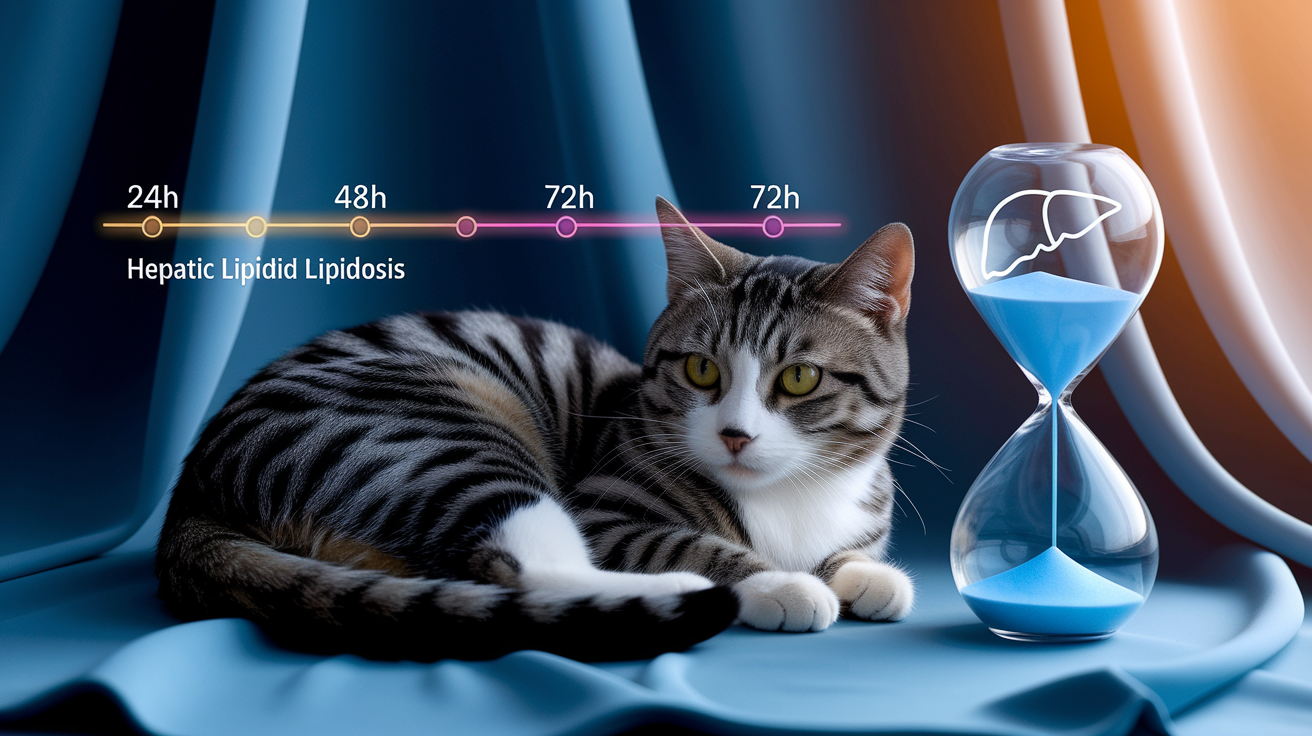
Your cat shouldn’t go more than 24 hours without eating before you contact a vet. After 48 hours, serious metabolic problems can start developing. At the 72-hour mark, you’re looking at high risk of a life-threatening liver condition called hepatic lipidosis. Sure, a healthy adult cat might technically survive 1–2 weeks without food if they’re still drinking water, but organ damage and severe illness can kick in way before that outer limit. Waiting days to get help can turn something manageable into an emergency.
Cats can’t handle prolonged fasting like some other animals can. When they stop eating, their body starts breaking down stored fat for energy. In cats, this fat can overwhelm the liver and trigger hepatic lipidosis (fatty liver disease), which can cause liver failure and death if left untreated. Dehydration makes everything worse. Loss of appetite combined with reduced water intake can lead to kidney damage within 24 hours. The safe window is narrow, and early intervention makes all the difference.
Different cats tolerate food refusal differently. Kittens can become weak or dangerously ill within just hours of not eating because they’ve got very limited energy reserves. Senior cats and those with chronic illnesses also decline faster. Even a young, otherwise healthy adult should be checked by a vet if they skip more than one full day of meals.
Time-Based Thresholds for Food Refusal:
- 24 hours: Contact your vet. Monitor closely and try safe appetite-boosting steps at home.
- 48 hours: Get veterinary care soon. Risk of metabolic complications is climbing.
- 72 hours (3 days): Emergency care strongly recommended. High risk of hepatic lipidosis and organ damage.
- 1–2 weeks: Theoretical survival limit only if water’s available, but severe illness and permanent organ damage likely before this point.
Understanding Why Cats Stop Eating and What It Means for Feline Health
Appetite loss in cats falls into two categories: “won’t eat” and “can’t eat.” “Won’t eat” usually means your cat is physically able to eat but chooses not to, often because of stress, environmental changes, or food preferences. Common triggers include moving to a new home, introducing a new pet or baby, switching food brands too quickly, or even lingering effects from a recent vaccination (which can suppress appetite for 24–48 hours). Cats are creatures of routine. Disruptions can temporarily kill their interest in food.
“Can’t eat” means something’s physically preventing your cat from eating, and this is always a medical concern. Dental disease or mouth pain can make chewing painful or impossible. Obstructions from swallowed foreign objects, severe nausea from gastroenteritis, or systemic illnesses like kidney disease, diabetes, and hyperthyroidism can all cause loss of appetite. Fever from infection or an abscess can make your cat feel too unwell to eat. If your cat approaches the bowl but turns away, drools, paws at their mouth, or gags, they may be experiencing pain or obstruction and need immediate veterinary assessment.
Common Causes by Category:
- Won’t eat (behavioral or mild): stress from household changes, abrupt diet switch, dirty food bowl, new ingredients causing mild upset, temporary post-vaccination appetite dip.
- Can’t eat (medical): dental pain or broken teeth, mouth ulcers, gastrointestinal blockage, severe vomiting or nausea, chronic kidney disease, diabetes, hyperthyroidism, pancreatitis, urinary tract disease, fever from infection.
Health Risks for Cats Going Days Without Food
When a cat stops eating, their body begins burning stored fat for fuel. In most animals, this is relatively safe for short periods. In cats, though, fat mobilization can quickly overwhelm the liver, especially in overweight or obese cats. The liver becomes infiltrated with fat cells, a condition called hepatic lipidosis (fatty liver disease). This typically begins developing after about 3–4 days of severe food refusal and can progress to full liver failure within a week. Without prompt treatment (fluids, nutritional support, and often a feeding tube), hepatic lipidosis can be fatal.
Dehydration adds another layer of danger. Cats who stop eating often also reduce their water intake, and dehydration can cause kidney damage within 24 hours. The kidneys rely on adequate hydration to filter waste. Without it, toxins build up in the bloodstream and can lead to acute kidney injury or worsen pre-existing kidney disease. Long-term malnutrition weakens the immune system, causes muscle wasting, and can result in permanent organ damage even after the cat begins eating again.
Other metabolic changes include dangerous drops in blood sugar (especially in diabetic cats), electrolyte imbalances that affect heart and nerve function, and severe weight loss that further stresses the body. Older cats and those with chronic illnesses are at higher risk and may develop complications faster than young, healthy adults.
| Condition | Timeframe | Risk Level |
|---|---|---|
| Hepatic Lipidosis (Fatty Liver) | Begins after 3–4 days; life-threatening by 7 days | High, especially in obese cats |
| Dehydration and Kidney Damage | Can start within 24 hours without water | High if vomiting or diarrhea present |
| Muscle Loss and Malnutrition | Progressive over several days to weeks | Moderate; worsens with prolonged fasting |
Warning Signs Your Cat Isn’t Eating Enough and Needs Immediate Vet Care

Certain symptoms signal that your cat’s refusal to eat has become an emergency, no matter how many hours it’s been. If your cat’s vomiting repeatedly, especially if you see blood or bile, or if they’re experiencing severe diarrhea alongside appetite loss, dehydration and metabolic collapse can happen fast. Collapse, seizures, difficulty breathing, or an inability to stand or walk are life-threatening red flags that need immediate veterinary attention.
Other urgent signs include drooling, pawing at the mouth, or gagging, which may point to pain, obstruction, or an inability to swallow. Jaundice (yellowing of the eyes, gums, or skin) is a sign of liver disease and can appear with hepatic lipidosis. Rapid, dramatic weight loss (especially if your cat was already thin), severe lethargy where your cat won’t lift their head or respond to you, and refusal to drink water for more than 24 hours all warrant emergency care.
Symptoms Requiring Immediate Veterinary Attention:
- Repeated vomiting or vomiting blood
- Collapse, seizures, or inability to stand
- Difficulty breathing or open-mouth breathing
- Drooling, inability to swallow, or pawing at the mouth
- Jaundice (yellowing of gums, eyes, or skin)
- No food or water intake for over 24 hours, especially if paired with other symptoms
Factors That Change How Long a Cat Can Safely Go Without Eating
Age plays a major role in how quickly a cat becomes ill from not eating. Kittens have very small energy reserves and high metabolic demands, so they can decline within hours of missing meals. Unweaned kittens can’t go more than a few hours without milk, and even older kittens shouldn’t miss food for more than 12–24 hours. Senior cats often have reduced organ function and underlying diseases, so they also tolerate fasting poorly and may develop complications within 24–48 hours.
Hydration status is critical. A cat who continues drinking water while refusing food will survive longer than one who stops drinking. Dehydration shortens every safe timeframe and accelerates kidney damage, so a cat who’s vomiting, has diarrhea, or simply refuses water needs veterinary care much sooner, sometimes within hours.
Underlying health conditions dramatically shorten the safe fasting window. Cats with chronic kidney disease, diabetes, hyperthyroidism, heart disease, or pancreatitis can become dangerously unstable within 24 hours of not eating. Overweight and obese cats face a paradox: they have more stored fat, but that actually increases their risk of hepatic lipidosis because their liver is more easily overwhelmed by fat breakdown. Body condition matters. Very thin cats have almost no reserves, while obese cats are at high metabolic risk.
Safe At‑Home Steps to Encourage a Cat to Eat Again
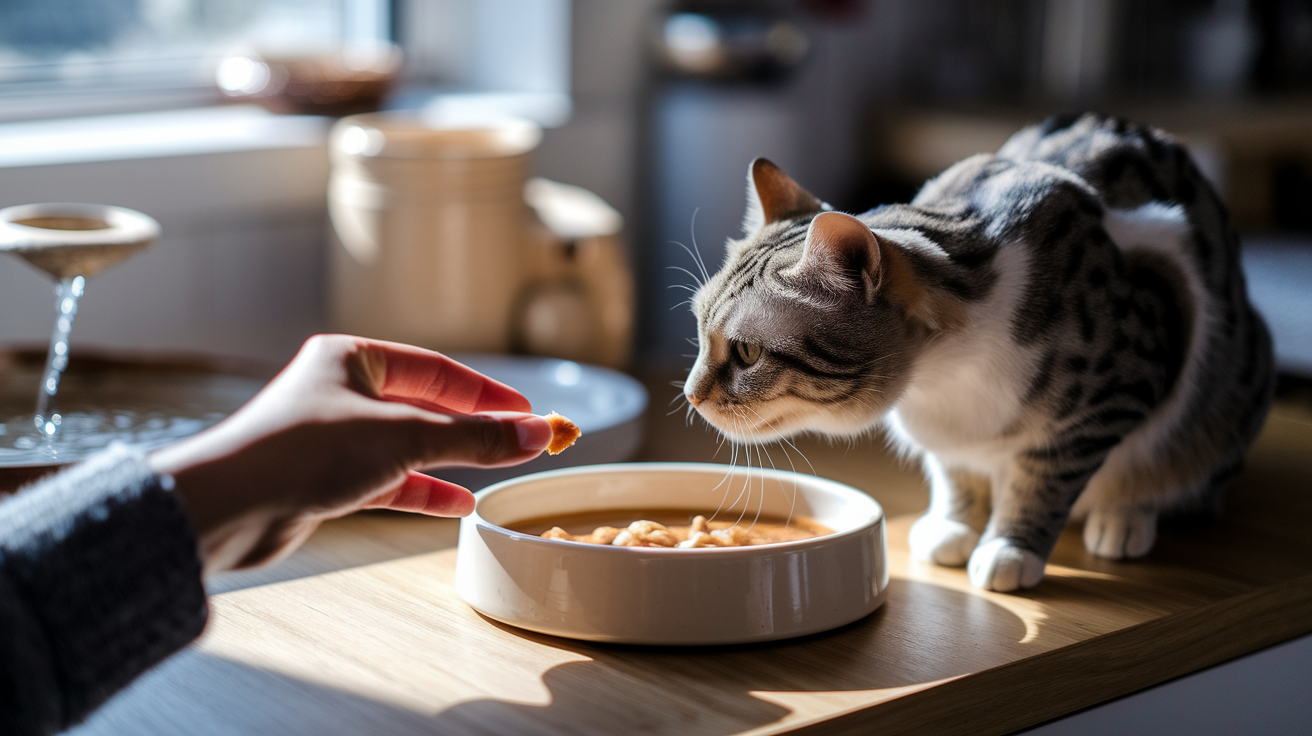
If your cat’s missed one or two meals but is otherwise behaving normally, you can try a few safe strategies to stimulate their appetite before heading to the vet. Warming wet food slightly (to just above room temperature) releases strong aromas that many cats find irresistible. You can also offer highly palatable options like plain canned tuna, low-sodium chicken broth, or meat-only baby food. Check the label carefully, no onion, garlic, or added seasonings. Small, frequent meals can be less overwhelming than a full bowl, and hand feeding or gently placing a small amount of food on your cat’s paw may encourage them to lick and taste.
Create a calm, quiet feeding space away from other pets, noise, or foot traffic. Stress suppresses appetite, so reducing competition and distraction can help. Try offering multiple flavors and textures. Some cats prefer pâté, others like shredded or chunky food. If your cat usually eats dry food, switching temporarily to wet food adds moisture and flavor. Make sure fresh water’s available in multiple locations, and consider a water fountain if your cat prefers moving water.
Safe Appetite-Boosting Methods:
- Warm wet food slightly to increase aroma (test temperature on your wrist first)
- Offer plain canned tuna, tuna water, or low-sodium chicken broth
- Try meat-only baby food (no onion, garlic, or seasonings)
- Hand feed or place a small amount of food on your cat’s paw
- Provide small, frequent meals in a quiet, stress-free location
- Switch to wet food temporarily for added moisture and palatability
Don’t force-feed solid food if your cat resists, gags, or seems to have trouble swallowing. This can cause choking or aspiration. Syringe feeding small amounts of liquefied food can be helpful short-term, but it carries risks if your cat has nausea or swallowing difficulties, so ask your vet for safe technique guidance. Never give human medications, appetite stimulants, or anti-nausea drugs without veterinary approval.
When You Must Contact a Veterinarian About a Cat Not Eating

Contact your vet as soon as your cat’s gone 24 hours without eating. Even if your cat seems otherwise normal, skipping a full day of food is a clear signal that something’s wrong, and early intervention prevents serious complications. If your cat hasn’t eaten for 48 hours, seek veterinary care soon. This is when metabolic risks begin to climb. At 72 hours (3 days) of food refusal, your cat requires emergency care and possible hospitalization.
When you bring your cat in, the vet will perform a thorough physical exam and likely recommend diagnostic tests. Blood work (complete blood count and chemistry panel) checks liver enzymes, bilirubin (a marker of liver function), kidney values, blood sugar, and electrolytes. Urinalysis assesses kidney function and hydration. X-rays or ultrasound may be used to look for obstructions, organ abnormalities, or masses. A dental exam can reveal painful teeth, gum disease, or mouth ulcers that make eating difficult.
Treatment depends on the underlying cause but often includes immediate supportive care. Intravenous or subcutaneous fluids correct dehydration and support kidney function. Anti-nausea medications like maropitant help if vomiting or nausea is present. Appetite stimulants such as mirtazapine or cyproheptadine can jump-start eating in some cats. If a specific illness is identified (such as an infection, diabetes, or kidney disease), targeted treatment will begin. If your cat still refuses food after 48–72 hours despite treatment, your vet may recommend a feeding tube to provide safe, measured nutrition and prevent hepatic lipidosis.
Veterinary Treatments and Assisted Feeding for Cats That Won’t Eat
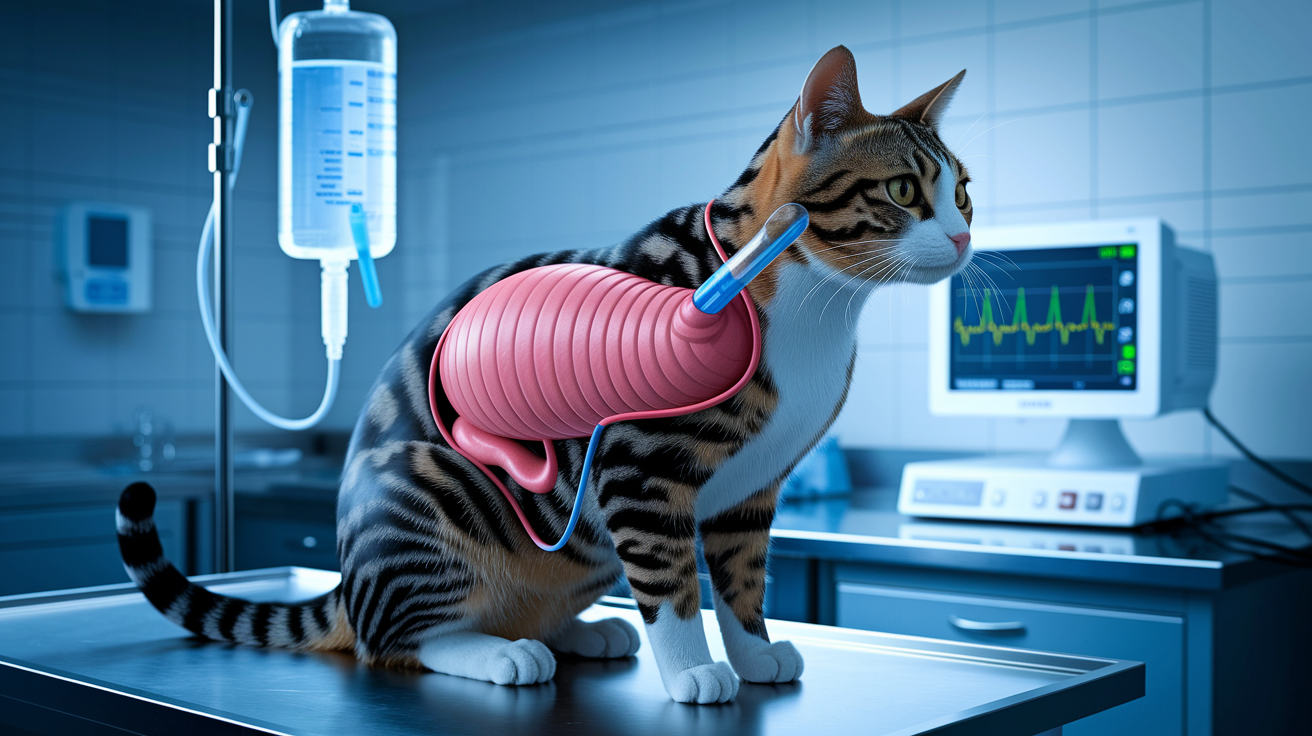
When a cat continues refusing food despite initial treatments, vets turn to assisted feeding to prevent starvation and liver damage. Feeding tubes are placed under sedation or anesthesia and allow precise delivery of liquid nutrition directly into the stomach or esophagus. There are several types: nasoesophageal tubes (thin tube from nose to esophagus, used short-term), esophagostomy tubes (placed through the neck into the esophagus, used for weeks to months), and gastrostomy tubes (placed directly into the stomach through the abdominal wall, long-term option). These tubes can be life-saving, especially for cats at high risk of hepatic lipidosis.
Supportive care also includes fluid therapy to maintain hydration and kidney function, pain relief if dental disease or other painful conditions are present, and medications to manage nausea, infection, or underlying diseases. Hospitalization may be necessary for severely ill cats who need round-the-clock monitoring, intravenous fluids, and intensive nutritional support. Most cats with early intervention and appropriate treatment recover well, though the timeline depends on the underlying cause. Untreated prolonged anorexia can lead to irreversible liver failure and death.
| Treatment | Purpose | When Used |
|---|---|---|
| IV or Subcutaneous Fluids | Correct dehydration, support kidney function | Immediately upon diagnosis of dehydration or anorexia >24 hours |
| Anti-Nausea Medications (e.g., maropitant) | Stop vomiting, reduce nausea to allow eating | When vomiting or nausea is present |
| Appetite Stimulants (e.g., mirtazapine) | Trigger hunger and encourage voluntary eating | After 24–48 hours of food refusal if no severe underlying disease |
| Feeding Tube (nasoesophageal, esophagostomy, gastrostomy) | Provide safe, measured nutrition to prevent hepatic lipidosis | If cat refuses food for 48–72 hours despite treatment |
Monitoring Your Cat’s Progress During Appetite Loss
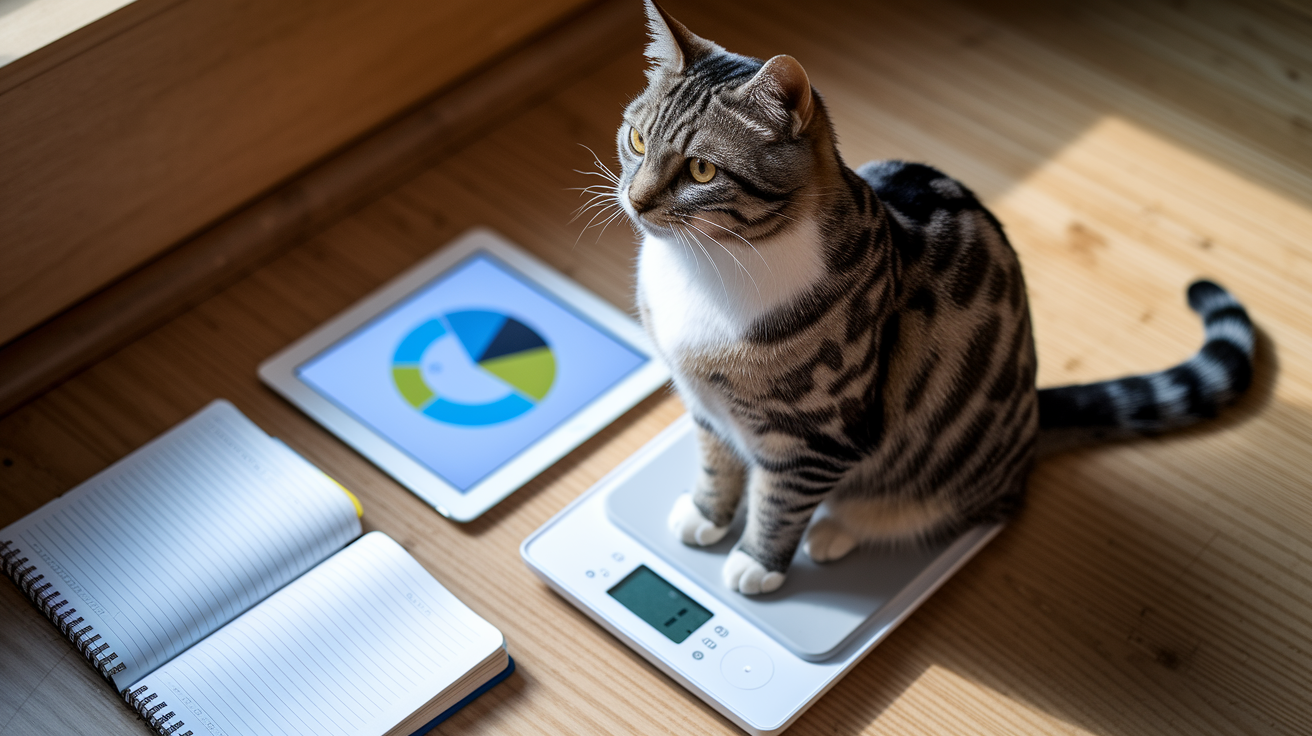
Once you notice your cat isn’t eating, start monitoring key indicators daily. Weigh your cat every day or every 48 hours using a digital scale. Rapid weight loss (more than 5–10% of body weight in a few days) is a red flag. Track how much water your cat drinks, because dehydration shortens every safe timeframe. Check hydration by gently lifting the skin on the back of the neck. Skin tenting (when the skin stays up instead of snapping back) signals dehydration. Press a finger against the gums. They should be moist and pink, not dry or tacky.
Note any vomiting, diarrhea, or changes in urination and stool. Write down your cat’s energy level and behavior. Are they hiding more than usual? Are they responsive when you call them? Are they grooming themselves, or have they stopped? These observations help your vet assess urgency and guide treatment decisions. If your cat’s condition worsens at any point (more lethargy, new vomiting, refusal to drink, or inability to stand), escalate to emergency care immediately.
What to Monitor Daily:
- Body weight (use a digital scale for accuracy)
- Water intake and frequency of urination
- Hydration signs (skin tent test, gum moisture)
- Vomiting, diarrhea, or changes in stool
- Energy level, responsiveness, and grooming behavior
Final Words
If your cat stops eating, act fast: call your vet at 24–48 hours rather than waiting.
This piece walked through the safe window, why cats refuse food (stress vs medical), risks like hepatic lipidosis (fatty liver disease) after 3–4 days, differences for kittens and seniors, simple at-home steps, and what to monitor—weight, water, gums, and vomiting.
For the key question how long can a cat go without eating the short answer is 24–48 hours, and early attention often prevents bigger problems. You’re doing the right thing by watching closely.
FAQ
Q: What happens if a cat doesn’t eat for 3 days?
A: If a cat doesn’t eat for three days it can develop dehydration and hepatic lipidosis (fatty liver); organ damage risk rises. Seek veterinary care at 24–48 hours, sooner for kittens or sick cats.
Q: Is there a 3-3-3 rule for cats?
A: The 3-3-3 rule is not a standard for cats; instead use a 24–48 hour safety window for not eating, with serious risk increasing around 72 hours and much faster decline in kittens.
Q: How long does it take a cat to pass away after they stop eating?
A: How long a cat may die after stopping food varies greatly; healthy adults might survive days to weeks, but life‑threatening complications can begin within 72 hours—seek vet help at 24–48 hours.
Q: How to tell if a cat is suffering?
A: You can tell a cat is suffering by red flags: repeated vomiting, collapse, trouble breathing, seizures, drooling, jaundice, no food or water over 24 hours, or severe lethargy—call your vet immediately.