

Are your pet’s allergy chews helping, or just expensive snacks that smell like progress?
Many over-the-counter products list fancy ingredients but deliver tiny doses that can’t calm real allergy-driven inflammation.
In this post I’ll show which immune-support options actually help allergic pets: properly dosed omega-3s, strain-specific probiotics, and mast-cell stabilizers like quercetin.
You’ll learn what works, how long it usually takes, and simple signs that mean you should call the vet instead of waiting.
If you want clear, practical steps, keep reading.
Fast-Acting Immune Support Options for Pets With Allergies
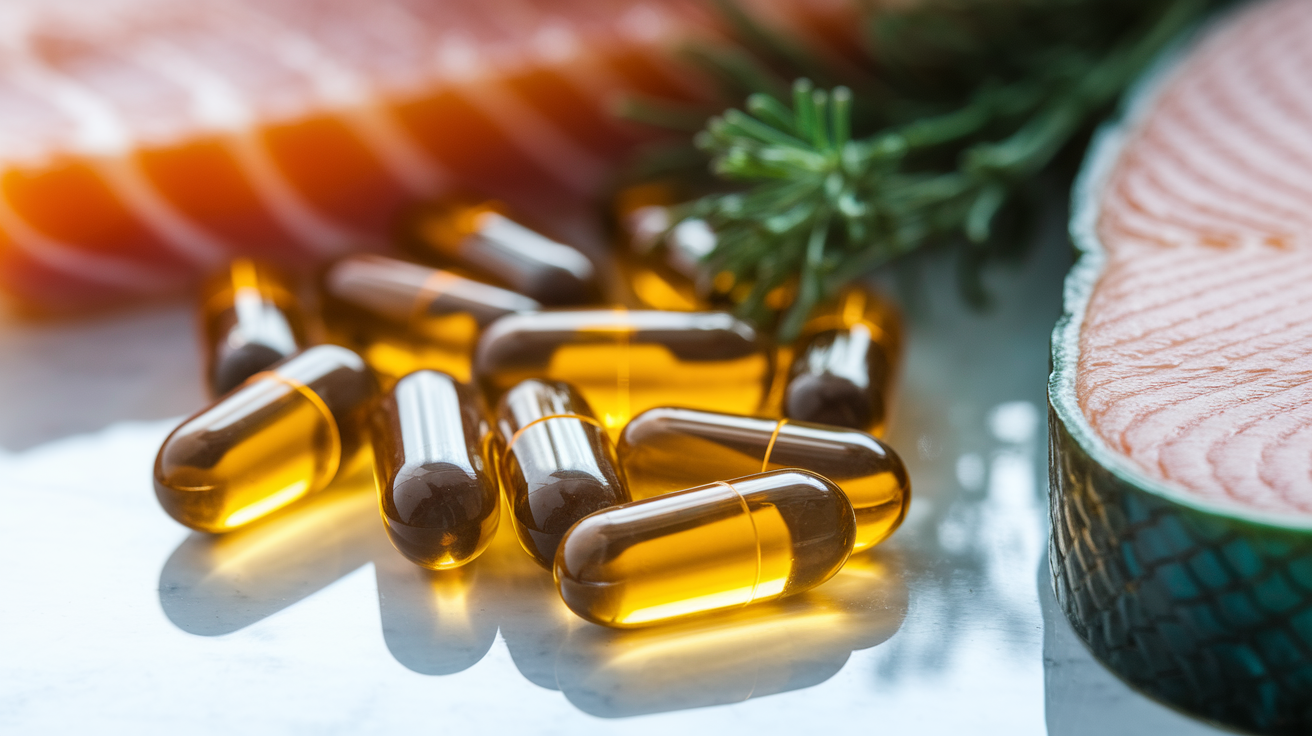
Allergic pets do best with immune support supplements that calm inflammation and stabilize those histamine-driven reactions that make them miserable. Omega-3 fatty acids have the strongest proof behind them. Clinical trials consistently show anti-inflammatory effects, and specific probiotic strains actually change how the gut and skin communicate with the immune system. Research-level omega-3 dosing sits around 50–220 mg/kg/day of EPA. Probiotic studies, including a 2025 trial on dogs with atopic dermatitis, used strains like Bifidobacterium animalis and Lactobacillus acidophilus and got measurable results. Most commercial allergy chews contain somewhere between 5–10% of what was used in those studies. Real improvement usually means swapping the treat for a properly dosed supplement.
How fast you’ll see a difference varies. Some pets feel better within days. Others take 3–6 weeks before the itching really settles down. It depends on how severe the allergies are, which inflammatory pathways are firing, and whether the supplement you’re using actually delivers enough of the active ingredient to matter.
Six immune supplement categories with real evidence behind them:
- Omega-3 fatty acids (EPA and DHA) — they lower inflammatory compounds and help repair the skin barrier.
- Probiotics with strain-specific research — they shift gut immune responses and can reduce atopic dermatitis severity over 12–16 weeks.
- Quercetin — works like a natural antihistamine, keeping mast cells from dumping histamine during flare-ups.
- Colostrum — supplies immunoglobulins that support mucosal defenses, though most chews don’t dose it anywhere near what studies use.
- Medicinal mushrooms (fruiting body extracts) — they contain beta-glucans that balance immune function and calm overactive allergic responses.
- Antioxidants (vitamins C and E) — they support skin repair and immune recovery, especially when chronic inflammation has been dragging on.
Omega-3s, quercetin, and well-made probiotic powders can usually be started right away for mild to moderate symptoms. Anything with glandular tissues, high-dose colostrum, or herbal protocols should wait until you’ve talked to your vet, especially if your pet’s already on immunosuppressive drugs, steroids, or prescription allergy meds.
How Immune Support Supplements Reduce Allergy Symptoms

These supplements work by dialing down the pathways that drive itching, redness, and skin inflammation. Omega-3s cut production of inflammatory mediators like prostaglandins and leukotrienes, which means less swelling and irritation right at the skin. Probiotics influence the gut-skin connection by shifting immune cell behavior away from overactive Th2 responses (the pattern that drives allergies) and toward balanced regulation. Beta-glucans from medicinal mushrooms and immunoglobulins from bovine colostrum strengthen the body’s first-line defenses, so your pet’s system doesn’t have to launch such an aggressive inflammatory response when allergens show up.
Plenty of supplement chews advertise immune and allergy support but dose the active ingredients way too low. A chew with 75 mg of salmon oil or 700 mg of colostrum sounds helpful. But clinical studies use 10–40 grams of colostrum daily and EPA measured in grams, not milligrams. When ingredients are there in token amounts only, those biological pathways just don’t turn on at meaningful levels.
Key Immune Pathways Involved
Mast cell stabilization matters more than almost anything else. Mast cells dump histamine when they run into allergens, and that’s what triggers the itching, redness, and swelling you’re seeing. Quercetin and omega-3s both help stabilize mast cell membranes, so less histamine gets released during exposure. Probiotics support the skin barrier by keeping the gut lining healthy and reducing systemic inflammation that makes skin more sensitive. Together, these pathways mean fewer flare-ups, faster healing, and better coat quality over time.
Omega-3 Fatty Acids and Fish Oil for Itchy Dogs and Cats

Omega-3s are the only supplement category with consistent, peer-reviewed proof that they reduce allergic skin inflammation in dogs and cats. Trials usually use EPA doses from 50–220 mg per kilogram of body weight per day. For a 30-pound dog, that works out to roughly 690–3,000 mg of EPA daily. Plenty of commercial allergy chews have less than 100 mg of total fish oil per chew. Your dog would need to eat dozens of them every day to get anywhere near what the research used.
Here’s a real example. One popular soft chew gives you 75 mg of salmon oil per chew. The label says two chews daily for a 50-pound dog. That’s 150 mg total, or about 6.8 mg/kg. Less than 3% of the clinically effective EPA dose. Matching clinical EPA with that product would take roughly 25–75 chews per day, running you somewhere between $375–$1,125 per month. A dedicated, high-quality fish oil with transparent EPA and DHA labeling (like 350 mg EPA + 230 mg DHA per teaspoon) costs around $25 per month for a 50-pound dog and delivers the therapeutic dose in one measured serving.
How to calculate EPA dosing using your pet’s body weight:
- Weigh your pet in pounds and divide by 2.2 to get kilograms. (A 30-lb dog = 13.6 kg.)
- Multiply your pet’s weight in kg by 50 mg for the low end of the clinical range. (13.6 kg × 50 = 680 mg EPA/day.)
- Multiply by 220 mg for the high end. (13.6 kg × 220 = 2,992 mg EPA/day.)
- Find a fish oil product that lists EPA and DHA amounts in milligrams per serving, not vague “fish oil” totals.
- Measure the oil carefully using a teaspoon or syringe. Start at the lower end of the range and increase gradually over 2–3 weeks while watching for any tummy upset.
| Source | EPA mg per serving | Approx cost per month | Evidence strength |
|---|---|---|---|
| Dedicated fish oil (wild-caught, third-party tested) | 350 mg EPA + 230 mg DHA per tsp | $25 | High—peer-reviewed trials |
| Krill oil blend (unclear EPA/DHA disclosure) | 400 mg krill oil per tsp (EPA/DHA not listed) | $45 | Low—limited canine studies |
| Salmon oil in multi-ingredient chew | 75 mg salmon oil per chew | $50 (at 2 chews/day) | Very low dose—under-dosed vs. research |
| Green-lipped mussel powder | Varies; EPA/DHA content often undisclosed | $30–$60 | Moderate—some anti-inflammatory evidence |
Probiotics and Prebiotics for Allergy-Prone Pets

Probiotics change allergic skin disease by tweaking immune responses in the gut, where about 70% of the immune system lives. A 2025 clinical trial showed that a probiotic blend with Bifidobacterium animalis, Lactobacillus acidophilus, and Enterococcus faecium significantly reduced clinical signs of canine atopic dermatitis over 16 weeks. The catch? Strain specificity and dose. Vets typically recommend 1–10 billion CFU (colony-forming units) per day of research-backed strains. Lots of commercial chews give you only 500 million to 1 billion CFU, way below what the studies used. Even worse, only 27% of veterinary probiotics actually meet their own potency claims. That means 73% fail to deliver the CFU counts printed on their labels.
Probiotics are living organisms, so potency depends on proper storage and handling. Cold-chain logistics matter. A probiotic left on a warm shelf or shipped without temperature control might arrive with drastically reduced viable bacteria. Prebiotics (non-digestible fibers that feed beneficial gut bacteria) can boost probiotic activity, but only if the probiotic itself is potent and properly dosed.
Generic “probiotic blend” claims without strain identification are a warning sign. A multi-ingredient chew listing “Bacillus blend” with no further detail doesn’t give you any way to compare it to published research. Products that specify strains like Enterococcus faecium SF68 or Bifidobacterium animalis AHC7 can be matched to peer-reviewed studies and veterinary dosing guidelines.
Essential quality markers when choosing probiotics for allergic pets:
- Explicit strain identification — look for full species and strain names (like Lactobacillus acidophilus NCFM), not just “probiotics.”
- CFU counts matching published studies — aim for 1–10 billion CFU per day based on your pet’s size and the specific strain.
- Third-party potency verification — independent lab testing confirms the product actually contains what the label says.
- Cold-chain storage and handling — ask whether the product was refrigerated during shipping and storage, or if it uses shelf-stable encapsulation with verified stability data.
Quercetin, Colostrum, and Antioxidant-Rich Ingredients for Allergic Pets

Quercetin is a plant-derived bioflavonoid that works like a natural antihistamine and mast cell stabilizer. It cuts down histamine release from mast cells when they encounter allergens, so you see less itching, redness, and swelling during flare-ups. Quercetin supplements often come paired with bromelain (a pineapple enzyme) to improve absorption and add some mild anti-inflammatory effects. Evidence for quercetin in veterinary medicine is moderate. Promising mechanism and lots of positive owner reports, but fewer large-scale clinical trials than omega-3s. Typical veterinary dosing guidance sits around 5–10 mg per pound of body weight per day, split into two doses.
Antioxidants like vitamin C and vitamin E support immune recovery and skin repair, especially during chronic allergic inflammation. Vitamin C helps build collagen and regenerates vitamin E, while vitamin E protects cell membranes from oxidative damage caused by ongoing immune activation. These nutrients often show up in functional superfood toppers and immune-support powders, where they work alongside omega-3s and probiotics to support overall resilience.
Why Colostrum Doses in Treats Are Usually Too Low to Be Effective
Bovine colostrum has immunoglobulins (antibodies) and bioactive proteins that support mucosal immune defenses, especially in the gut lining. Research-backed colostrum doses for immune support range from 10,000 to 40,000 mg (10–40 grams) per day. Lots of commercial allergy chews contain 700 mg of colostrum per chew. To reach the low end of the research range with a 700 mg chew, your pet would need to eat about 14 chews per day. Reaching the high end would take 57 chews daily. At typical chew pricing, that runs roughly $630–$2,565 per month. Way beyond what most pet owners can afford. This dosing gap means colostrum in multi-ingredient chews is there in amounts too small to deliver the immune benefits cited in colostrum research.
Comparing Supplement Formats for Immune and Allergy Support
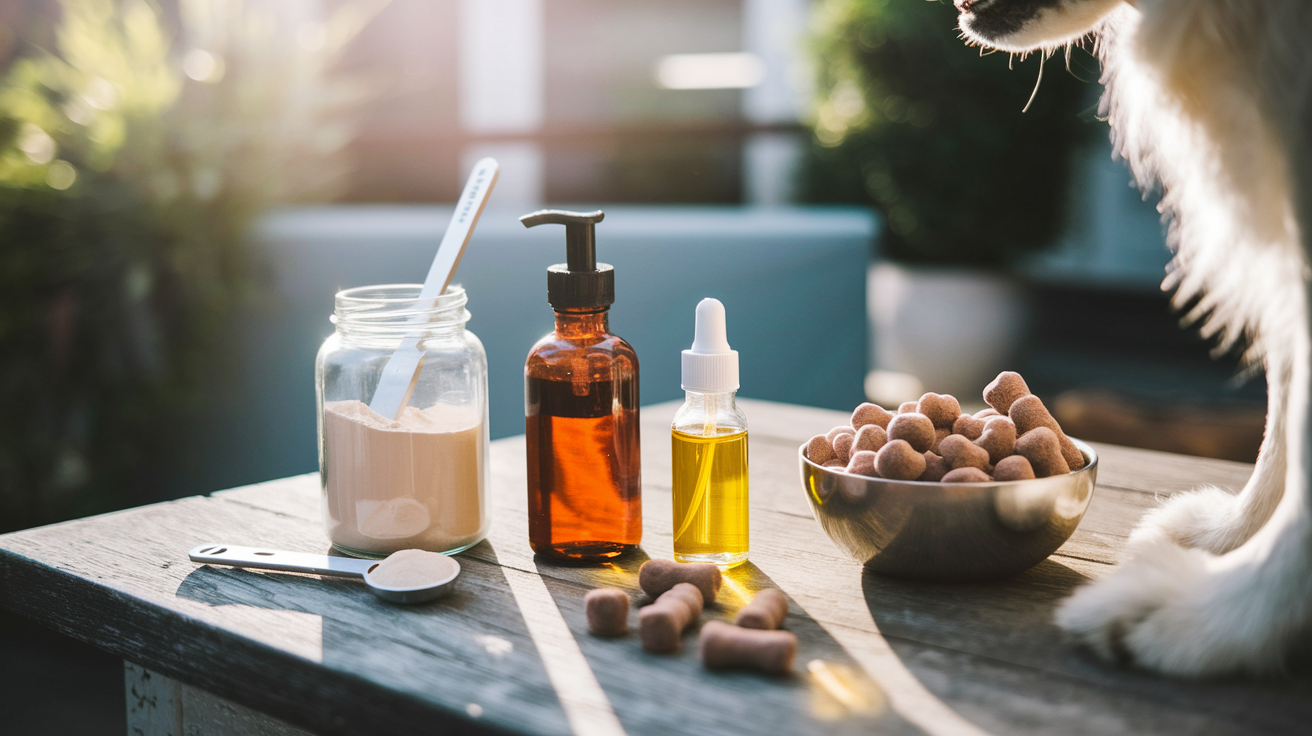
Supplement format affects both ease of use and whether you can actually reach therapeutic doses. Powdered toppers can be mixed with broth, yogurt, kefir, or raw goat’s milk, which makes them pretty palatable and easy to adjust for picky eaters. Powders also skip the fillers, binders, and preservatives you find in soft chews, which means more room for active ingredients per serving. Oils (like fish oil or hemp seed oil) give you consistent EPA, DHA, and omega-6 amounts per measured teaspoon or pump, so it’s straightforward to dose accurately based on body weight.
Soft chews are convenient and dogs usually like them. But they frequently under-dose key ingredients to keep the chew size manageable and the cost per unit low. A chew designed to fit in a dog’s mouth can only hold so much fish oil or colostrum before it gets too big or oily. Multi-ingredient chews also dilute each active ingredient, spreading small amounts of several supplements across a single treat instead of delivering therapeutic levels of any one thing. Improvement timelines average 3–6 weeks based on customer reviews from brands using functional superfood powders, with some pets responding within a few days when the format allows for higher, more consistent dosing.
| Format | Pros | Cons | Typical Ingredients |
|---|---|---|---|
| Powdered topper | High ingredient concentrations, easy to mix, minimal fillers | Requires mixing, may be messy | Medicinal mushrooms, omega oils, superfoods, probiotics |
| Liquid oil (pump or dropper) | Precise dosing, transparent EPA/DHA amounts | Can be oily, requires refrigeration | Fish oil, hemp seed oil, krill oil |
| Soft chews | Convenient, palatable, no mixing | Often under-dosed, contains fillers/binders | Low-dose omega-3s, probiotics, colostrum, quercetin |
| Freeze-dried or frozen whole foods | Bioavailable, minimal processing, whole-food nutrients | Requires freezer space, higher cost per serving | Goat milk, kefir, bone broth, novel proteins |
Safety, Side Effects, and When to Avoid Immune Supplements
Immune supplements aren’t FDA-approved. Their safety depends on ingredient quality, dosing accuracy, and your individual pet’s health status. Common side effects include mild tummy upset (soft stools, gas, reduced appetite) during the first week as the gut adjusts to new probiotics or more fat from fish oil. These effects usually clear up within a few days. If diarrhea sticks around or gets worse, stop the supplement and call your vet. Some supplements can interact with immunosuppressive drugs (like cyclosporine) or corticosteroids, potentially changing how well they work or increasing side effects. Always tell your vet about every supplement your pet’s taking, especially before starting any prescription allergy medication.
Supplements should be avoided or used only under veterinary supervision during pregnancy and nursing, since the effects of high-dose omega-3s, probiotics, or herbal ingredients on developing puppies and kittens aren’t fully studied. Pets with pancreatitis or a history of fat intolerance should skip high-fat supplements like fish oil unless a vet approves and monitors closely. Xylitol, a common sweetener in human supplements and some pet products, is highly toxic to dogs and must be completely avoided.
Label accuracy is a widespread problem. In a 25-product evaluation of veterinary probiotics, one-third of labels had spelling errors, and 73% of products didn’t meet their own potency claims. A supplement advertised as containing 5 billion CFU might deliver way less, or a fish oil labeled “high potency” might not disclose actual EPA and DHA amounts in milligrams.
Five safety red flags to watch for:
- No third-party potency testing — without independent verification, you’ve got no proof the product contains what it claims.
- Vague ingredient labels — terms like “proprietary blend,” “natural flavors,” or “probiotic blend” without strain names or mg amounts.
- Unclear dosing instructions — no weight-based guidance or only “give 1–2 chews daily” without linking dose to body weight.
- No mention of storage requirements — probiotics and oils need specific storage. Products that don’t mention refrigeration or shelf stability may have lost potency.
- Spelling errors or poor label quality — a sign of low manufacturing standards and lack of quality control.
Choosing High-Quality Immune Supplements for Allergic Pets
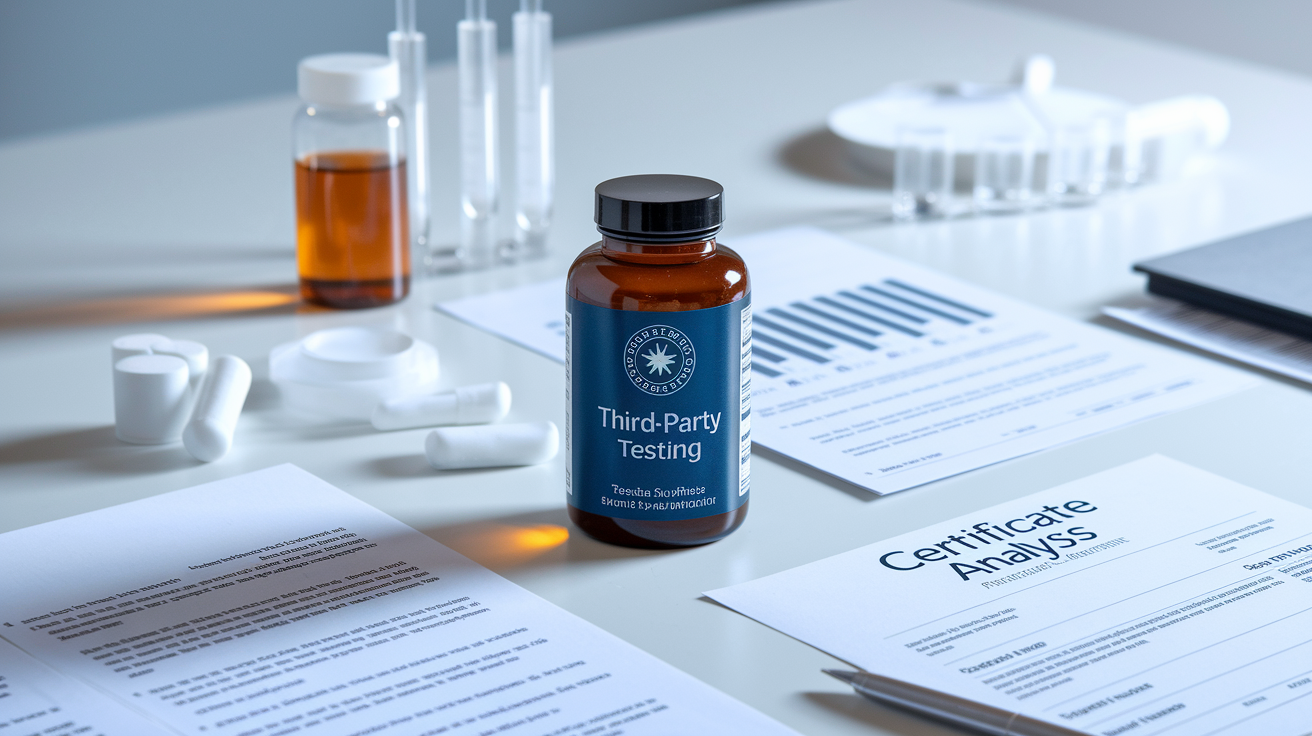
High-quality immune supplements give you transparent, research-aligned ingredient amounts and are made under standards that guarantee potency and purity. Lots of products advertise “clinical strength” or “veterinarian formulated” without saying whether the doses match what was used in peer-reviewed studies. A probiotic chew might list several strain names but give you only 500 million CFU total, way below the 1–10 billion CFU used in clinical trials. Third-party testing matters because 73% of veterinary probiotics fail to meet their label claims. Independent lab verification is the only real proof a product delivers what it promises.
Research-backed products clearly identify probiotic strains (not just “probiotics”), give you real milligram or CFU counts (not vague stuff like “high potency”), and break out EPA and DHA amounts separately when listing fish oil. A supplement that lists “salmon oil 500 mg” without breaking down EPA and DHA is hiding the most important dosing information. Same goes for a product listing “colostrum” without specifying milligrams per serving. You can’t compare it to the 10–40 gram doses used in immune research.
Six essentials of a trustworthy supplement label:
- Full strain identification for probiotics — including genus, species, and strain code (like Bifidobacterium animalis subsp. lactis BB-12).
- Milligram or CFU amounts per serving — not per bottle or per container, but per daily dose.
- EPA and DHA amounts listed separately — for any omega-3 product, in milligrams, not just “fish oil total.”
- Third-party testing seal — from organizations like NASC (National Animal Supplement Council) or independent labs verifying potency and purity.
- Clear storage and handling instructions — especially for probiotics (refrigeration) and oils (protect from light and heat).
- Manufacturer transparency — including sourcing details, GMP (Good Manufacturing Practice) certification, and contact information for questions.
Dosing Guidelines Based on Pet Weight

Accurate dosing depends on body weight, allergy severity, and the specific supplement you’re using. For omega-3 fatty acids, clinical trials use 50–220 mg/kg/day of EPA. A 30-pound (13.6 kg) dog typically needs 690–3,000 mg of EPA per day. A 50-pound (22.7 kg) dog needs roughly 1,135–4,994 mg. Probiotic dosing is less weight-dependent but still needs attention to CFU counts and strain-specific research. Veterinary recommendations generally sit between 1–10 billion CFU per day, with larger or more severely affected pets often doing better at the higher end.
Improvement timelines vary. Some pet owners see reduced itching and clearer skin within a few days, especially when starting high-dose omega-3s or strain-specific probiotics. The average window for noticeable relief is 3–6 weeks, which gives the supplement time to calm immune pathways and let the skin barrier repair. Successful supplement trials need documentation. Write down baseline symptoms (how often they scratch, presence of hot spots, coat quality, ear odor) and track changes weekly. If nothing’s improved after 6–8 weeks at therapeutic doses, the supplement might not be addressing your pet’s specific inflammatory profile. Time for a vet consultation to reassess the allergy management plan.
| Weight Category | Omega-3 EPA Range (mg/day) | Probiotics (CFU/day) | Notes |
|---|---|---|---|
| Small (10–25 lbs / 4.5–11.3 kg) | 225–2,486 mg | 1–5 billion CFU | Start at low end and increase gradually over 2–3 weeks |
| Medium (26–50 lbs / 11.8–22.7 kg) | 590–4,994 mg | 3–7 billion CFU | Monitor for GI tolerance; split doses if needed |
| Large (51–80 lbs / 23.1–36.3 kg) | 1,155–7,986 mg | 5–10 billion CFU | May require liquid fish oil for accurate high-dose measurement |
| Cats (average 8–12 lbs / 3.6–5.4 kg) | 180–1,188 mg | 1–3 billion CFU | Use palatable, low-odor formats; mix into wet food |
Evidence, Clinical Research, and What Veterinarians Recommend

Omega-3 fatty acids are the only immune supplement category with consistent, peer-reviewed evidence for cutting allergic skin inflammation in dogs and cats. Multiple clinical trials have shown that EPA doses of 50–220 mg/kg/day reduce itching, redness, and secondary skin infections in pets with atopic dermatitis. A 2025 clinical trial added strain-specific probiotics to the evidence base, showing that a blend of Bifidobacterium animalis, Lactobacillus acidophilus, and Enterococcus faecium significantly reduced clinical signs of canine atopic dermatitis over 16 weeks. These studies give vets clear dosing targets and measurable outcomes. That’s why integrative and holistic vets often recommend dedicated fish oil and research-backed probiotics as first-line support for allergic pets.
Many commercial supplement claims lean on internal surveys rather than randomized clinical trials. One brand says “85% of subscribers saw positive results in 3 months,” but that data comes from internal customer feedback, not peer-reviewed research. Internal surveys are useful for gauging satisfaction but don’t control for placebo effects, seasonal allergy cycles, or other treatments happening at the same time. When you’re evaluating supplement claims, look for references to published studies with identifiable trial designs, sample sizes, and statistical analysis.
Supplements help allergic pets but don’t replace veterinary treatment for moderate to severe allergies. If your pet has widespread hot spots, chronic ear infections, severe itching that disrupts sleep, or secondary bacterial or yeast infections, prescription medications like Apoquel, Cytopoint, or corticosteroids may be necessary to bring inflammation under control quickly. Supplements can then layer in as long-term support to reduce reliance on prescriptions, improve skin barrier health, and support immune balance. Always talk to a vet before starting supplements, especially if your pet’s on immunosuppressive drugs, has a history of pancreatitis, or is pregnant or nursing.
Cost Comparisons and Budget-Friendly Immune Support Options
The pet allergy supplement market was valued at $2.67 billion in 2024 and is projected to reach $5.64 billion by 2034, driven mostly by owner demand for natural alternatives to prescription meds. Lots of pet owners pay about $49.99 per month for multi-ingredient allergy chews, yet these products often deliver only 5–10% of research-backed doses for their active ingredients. The financial reality gets stark when you calculate what it would cost to reach therapeutic doses using under-dosed chews. Reaching research-level colostrum doses (10–40 grams per day) with a chew containing 700 mg per piece would take 14–57 chews daily, running roughly $630–$2,565 per month. Way beyond what most families can afford.
A dedicated, high-quality fish oil providing 350 mg EPA + 230 mg DHA per teaspoon costs around $25 per month for a 50-pound dog and delivers clinically effective omega-3 doses in a single measured serving. Budget-friendly immune support starts with choosing single-ingredient, properly dosed supplements over multi-ingredient chews that spread small amounts of many things across a single treat. Powdered toppers and liquid oils also tend to offer better cost-per-dose value than soft chews, especially when you buy in bulk or use subscription plans that knock 10–15% off.
Four cost-saving strategies for long-term immune support:
- Choose single-ingredient supplements — buy fish oil, probiotics, and quercetin separately instead of paying for under-dosed multi-ingredient chews.
- Use subscription plans — lots of brands offer 10–15% discounts and free shipping on recurring orders, cutting monthly costs.
- Buy in bulk and store properly — larger bottles of fish oil or probiotic powder often cost less per serving. Store oils in the fridge and probiotics according to label instructions.
- Track symptom improvement and adjust — once symptoms are under control, drop down to a maintenance dose (often half the initial therapeutic dose) to reduce long-term costs while keeping benefits.
Final Words
We walked through fast, evidence‑backed options—omega‑3s, targeted probiotics, and quercetin—plus how they work, realistic dosing, format choices, and safety red flags.
If you try one thing today, pick a product with clear EPA/DHA or named probiotic strains, start it, and watch itching, appetite, and stool for 2–6 weeks. Call your vet sooner if things get worse or you see severe signs.
Careful choices and steady tracking help—immune support supplements for allergic pets can often ease symptoms and improve comfort over time.
FAQ
Q: What are the best supplements for allergic dogs and cats?
A: The best supplements for allergic dogs and cats are omega-3 fatty acids, targeted probiotics, and quercetin, because they reduce inflammation, support skin, and help stabilize allergic immune responses.
Q: How quickly do immune support supplements help allergic pets?
A: Immune support supplements for allergic pets often show improvement in days to a few weeks, with clearer changes typically by 3–6 weeks; if nothing improves by six weeks, contact your vet.
Q: What dose of omega-3/fish oil is effective for itchy pets?
A: Effective omega-3 dosing for itchy pets ranges widely, commonly 50–220 mg EPA per kg of body weight per day; check product EPA amounts and confirm dosing with your veterinarian.
Q: How should I choose a probiotic for an allergy-prone pet?
A: Choose a probiotic listing strain IDs (like B. animalis, L. acidophilus), 1–10 billion CFU/day evidence range, third-party testing, and cold-chain handling to preserve potency.
Q: Are supplement chews strong enough to help allergies?
A: Many supplement chews are under-dosed and may contain only 5–10% of research-backed amounts, so check label mg/CFU values and prefer products that meet clinical doses for meaningful benefit.
Q: What common side effects or risks come with immune supplements?
A: Common side effects of immune supplements include mild digestive upset or appetite changes; rare risks include interactions with steroids or immunosuppressants, so review meds with your vet before starting.
Q: Can I give immune supplements during pregnancy or with other meds?
A: Giving immune supplements during pregnancy or alongside medications should be discussed with your vet first, because safety varies and some supplements may interact with immunosuppressive drugs.
Q: Which supplement formats work best for picky or sensitive pets?
A: Oils give measured EPA/DHA per serving, powders mix into food, and palatable chews help picky eaters; choose format based on dosing accuracy, your pet’s preference, and ingredient transparency.
Q: How do I read supplement labels to find a trustworthy product?
A: Read labels for exact EPA/DHA mg, specific probiotic strains and CFU, third-party testing, clear dosing instructions, and transparent sourcing; vague claims or missing numbers are red flags.
Q: When should I stop home monitoring and call my veterinarian?
A: Call your veterinarian if itching worsens, vomiting, blood in stool, breathing trouble, severe skin infection, rapid decline, or no improvement after about six weeks of proper-dose supplements.