

Think allergies are something you wait to treat until your dog is already scratching?
For many dogs, the best tactic is preventing a seasonal flare-up before the itch starts.
Here’s a clear plan of simple, daily actions, time walks for low pollen, wipe paws and belly after being outside, bathe and brush more often, clean indoor surfaces, and try a few gentle diet or supplement changes that can cut how much your dog itches and speed recovery if symptoms begin.
Read on to learn exactly what to do and when to call your vet.
Immediate Prevention Steps for Reducing Dog Seasonal Allergy Flare-Ups

The best time to stop a seasonal allergy flare-up? Before your dog even starts scratching.
Dogs with seasonal allergies react to airborne pollen, mold spores, and outdoor irritants that show up at the same time every year. If you can spot the pattern early and act before the itch-scratch cycle kicks in, you’re already ahead.
Watch for early warning signs during high-pollen weeks. Excessive scratching anywhere on the body. Repeated licking or chewing of paws. Rubbing their face or eyes against furniture or carpets. Runny nose, watery eyes, frequent sneezing. Localized red, inflamed skin. If you saw these last spring or summer, they’ll probably show up again this year unless you change your routine. Pollen levels usually climb in the morning and peak around midday, so symptoms can appear or get worse on high-pollen days even if your dog seemed fine the week before.
Start your prevention efforts about two to four weeks before you expect pollen to arrive. Early spring brings tree pollen, late spring through early summer brings grass pollen, and mid to late summer introduces flowering weed pollen. You can check local pollen forecasts daily to plan ahead and cut back on outdoor exposure when counts spike.
High-impact daily actions that stop flare-ups before they start:
- Check your local pollen count each morning and shorten outdoor time on high-pollen days
- Wipe your dog’s paws, belly, and face with a damp cloth or pet-safe wipe after every walk or yard visit
- Schedule potty breaks and longer walks for early morning before dawn or late afternoon/evening when pollen levels drop
- Vacuum floors and wash pet bedding weekly to remove tracked-in pollen and prevent indoor buildup
- Keep windows closed and run air conditioning instead to filter incoming air
- Monitor your dog’s behavior for the first signs of itching or rubbing and note when symptoms appear so you can connect them to pollen timing
Understanding Dog Allergy Seasons for Better Flare-Up Prevention

Seasonal allergies in dogs follow a calendar that shifts slightly by region but generally moves through three main pollen waves. Tree pollen emerges first in early to mid spring. Grass pollen peaks in late spring and early summer. Flowering weed pollen arrives in mid to late summer. Mold spores can surge anytime humidity climbs or after heavy rain, adding another layer to the puzzle.
Some dogs react to only one pollen type. Others react to multiple triggers across several months. The only way to know your dog’s pattern is to watch when symptoms appear and track what’s blooming outdoors at that time. Blood and skin allergy tests are available through your vet, but they’re not 100 percent reliable. Real-world observation often gives you the clearest picture. Humidity and air pollution can also make symptoms worse even when pollen counts are moderate, because irritated airways and skin become more sensitive to everything in the air.
| Season | Main Allergen | Expected Peak | Notes |
|---|---|---|---|
| Early to Mid Spring | Tree Pollen | March–April | Varies by climate; starts earlier in warmer regions |
| Late Spring to Early Summer | Grass Pollen | May–July | Peak timing depends on rainfall and temperature |
| Mid to Late Summer | Flowering Weed Pollen | June–August | Ragweed is a common late-summer trigger |
| Any Season (especially damp weather) | Mold Spores | After rain, in humid conditions | Can flare up year-round in some climates |
Indoor Allergen Control to Prevent Seasonal Flare-Ups
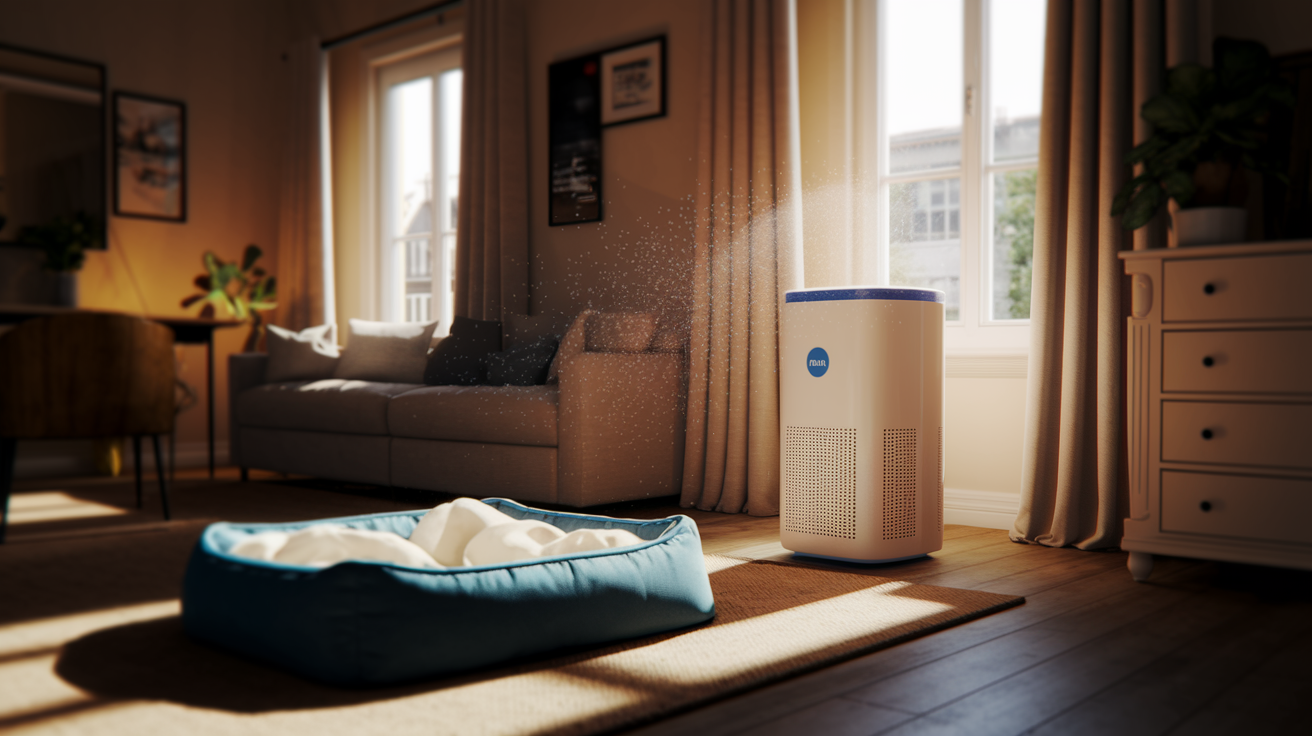
Your home can become a pollen reservoir if you don’t actively remove what gets tracked in. Every time you or your dog walks through the door, pollen clings to shoes, paws, fur, and clothing. Once inside, it settles on floors, bedding, furniture, and carpets, where it continues to irritate your dog’s skin and airways for days unless you clean it away.
Vacuum at least once a week during allergy season. Focus on the rooms your dog spends the most time in. Dust surfaces regularly and wash rugs, curtains, and any fabric your dog touches. Dog bedding should be washed weekly in hot water to kill allergens and remove buildup. If your dog’s bed is hard to launder, cover it with an easy-to-wash blanket and swap that out weekly instead.
Replace your HVAC or furnace air filter every one to two months during high-pollen weeks, or more often if it looks dirty. Choose filters rated to trap pollen and fine dust. They make a noticeable difference in air quality.
Keep windows closed on high-pollen days and rely on air conditioning to filter the air coming into your home. An air purifier with a HEPA filter in the room where your dog sleeps or rests can pull even more airborne allergens out of circulation. Wash your dog’s toys, collars, leashes, and harnesses as often as you bathe your dog. Pollen sticks to all of it. Outside, trim back overgrown shrubs and weeds near doors and windows to reduce pollen drift into your home.
Key indoor steps that lower allergen load:
- Run a HEPA air purifier in your dog’s main living space to trap airborne pollen
- Replace HVAC filters every one to two months and choose high-efficiency ratings
- Wash pet bedding, blankets, and any fabric your dog lies on at least once a week
- Vacuum carpets and furniture weekly and mop hard floors to remove settled pollen
- Keep windows closed during peak pollen hours and use air conditioning to filter incoming air
Grooming & Bathing Routines That Prevent Allergy Flare-Ups
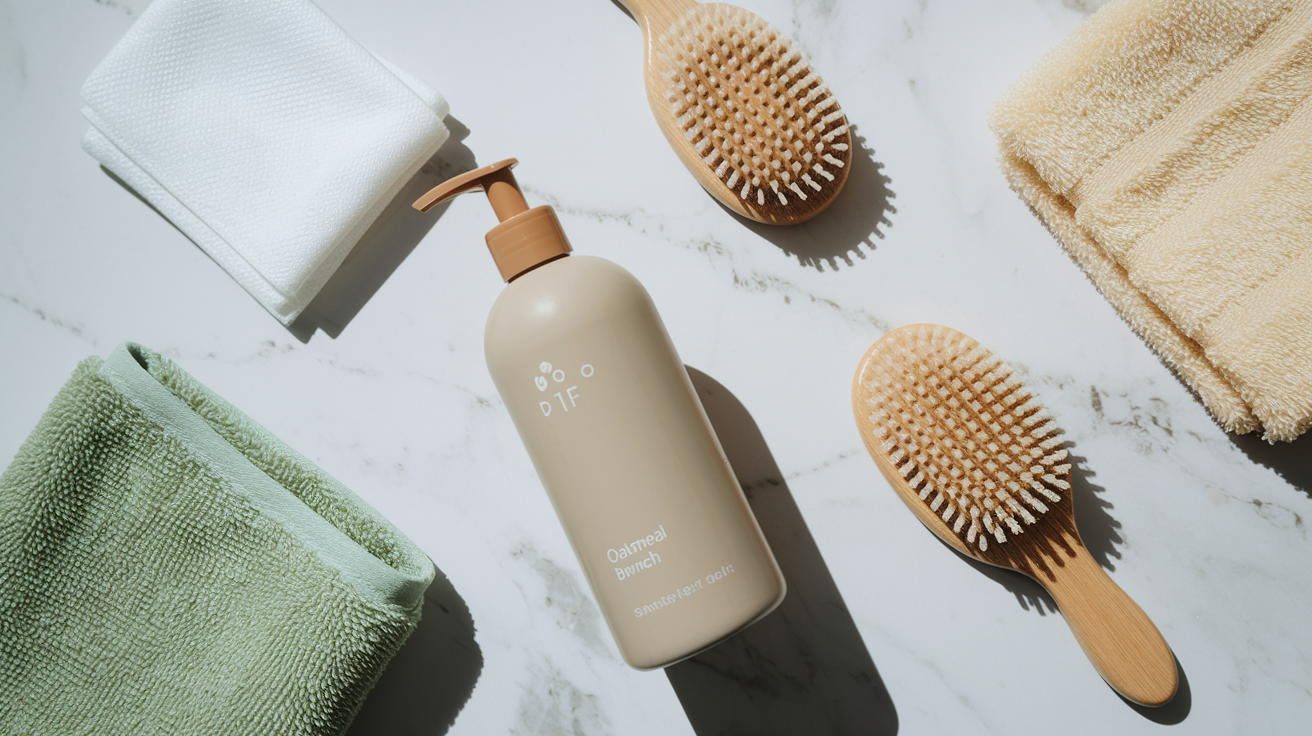
Regular grooming removes pollen and other allergens from your dog’s coat before they can irritate skin or get transferred to your furniture and bedding. Dogs with seasonal allergies benefit from more frequent baths than dogs without sensitivities, but you have to balance cleanliness with skin health. Overbathing strips natural oils and can make dry, itchy skin worse.
Bathe your dog at least every one to three weeks during allergy season using a gentle, hypoallergenic shampoo. Look for products with oatmeal or aloe, which soothe irritated skin without adding harsh chemicals. Dogs with severe sensitivities may need weekly baths, and some vets recommend medicated shampoos that calm inflammation and reduce microbial overgrowth on the skin. Between baths, brush your dog daily to lift pollen and loose hair out of the coat. A quick brush session after outdoor time pulls allergens away before they settle deep into fur.
After every walk or yard visit, wipe your dog’s paws, belly, legs, and face with a damp cloth or pet-safe cleansing wipe. Focus on areas that touched grass, dirt, or plants. For dogs with serious flare-ups, a quick rinse of the paws and lower legs with plain water or a diluted medicated shampoo can make a big difference. Don’t skip this step. Paw pads and the skin between toes are some of the most common hotspots for allergic reactions.
Essential grooming actions for allergy prevention:
- Bathe every one to three weeks with a gentle oatmeal or aloe shampoo; increase to weekly for very sensitive dogs
- Brush your dog’s coat daily to remove surface pollen, especially after outdoor time
- Wipe paws, belly, and face with a damp cloth or pet wipe after every walk or outdoor play session
- Consider a medicated shampoo if your vet recommends it for persistent skin irritation
Outdoor Exposure Management to Stop Seasonal Allergy Flare-Ups

Limiting your dog’s contact with high-pollen environments is one of the most effective ways to prevent flare-ups. Pollen levels typically rise in the morning, peak around midday, then drop again in late afternoon and evening. If you can shift your walk schedule to early morning before dawn or after the evening pollen drop, your dog will inhale and collect far less allergen during that outing.
On days when the pollen forecast is high, keep outdoor time short and focus on quick potty breaks instead of long walks or play sessions. Substitute indoor enrichment like puzzle toys, training games, or play in a climate-controlled space. Avoid areas with tall grass, dense shrubbery, or flowering plants where pollen is most concentrated. If your dog loves to roll in grass, keep them on a leash near grassy areas. Rolling coats the fur with pollen that can stick for hours or even days and cause prolonged irritation.
Steps to reduce outdoor allergen exposure:
- Schedule walks for early morning before dawn or late afternoon/evening when pollen counts are lower
- Check the daily pollen forecast and shorten outdoor time on high-pollen days
- Keep your dog on a leash near tall grass and flowering plants to prevent rolling and heavy pollen contact
- Choose walking routes away from dense vegetation, gardens, and areas with visible pollen
- Use dog booties or protective clothing if your dog has severe paw or belly sensitivity and you need to go out during peak hours
Nutrition & Supplements That Reduce Seasonal Allergy Severity

What your dog eats can influence how strongly their immune system reacts to seasonal allergens. Omega-3 fatty acids, found in fish oil and certain algae-based supplements, have anti-inflammatory properties that can calm allergic responses and support healthier skin. Probiotics help strengthen the gut lining and may improve the skin barrier, making it harder for allergens to penetrate and trigger reactions.
Some vets recommend adjusting your dog’s diet before allergy season begins or switching to a limited-ingredient or hypoallergenic food if multiple sensitivities are suspected. A food-elimination trial, where you remove common allergens like chicken, beef, or grains for several weeks, can help identify whether diet is contributing to symptoms. Always choose supplements formulated specifically for dogs. Human supplements contain different nutrient ratios and may include ingredients that are unsafe for pets.
Nutritional strategies that may reduce allergy flare-ups:
- Add a pet-specific omega-3 supplement to reduce inflammation and support skin health
- Consider a daily probiotic designed for dogs to strengthen gut and skin barriers
- Ask your vet about switching to a limited-ingredient or hypoallergenic food if you suspect multiple triggers
- Avoid human supplements, dogs need different formulations and dosing
- Start dietary changes at least two to four weeks before allergy season for best results
Veterinary Allergy Prevention Options Before a Flare-Up Happens

Your vet can prescribe medications and therapies that prevent allergic reactions before they start. Antihistamines safe for dogs, such as cetirizine or loratadine, are sometimes used prophylactically during high-risk seasons, taken daily or a few days before expected exposure. These medications block histamine release and can reduce itching, sneezing, and inflammation if given early. Never give your dog any antihistamine or other medication without checking the dose and safety with your vet first. Some human formulations contain additives that are dangerous for pets.
Corticosteroids like prednisone are powerful anti-inflammatory drugs, but they come with notable side effects including increased thirst, urination, appetite, and risk of long-term immune suppression. Vets usually reserve steroids for severe flare-ups rather than routine prevention. Newer non-steroidal options like oclacitinib can control itch with fewer side effects and may be appropriate for dogs who need daily management during allergy season.
For dogs with recurrent seasonal allergies, allergen-specific immunotherapy, commonly called allergy shots or sublingual drops, can retrain the immune system to tolerate specific triggers. Your vet or a veterinary dermatology specialist will perform allergy testing to identify which pollens your dog reacts to, then create a custom treatment plan. Immunotherapy takes months to show results and isn’t 100 percent effective, but it can significantly reduce symptom severity over time and lower the need for daily medications.
| Treatment | Preventive Use | Notes/Side Effects |
|---|---|---|
| Antihistamines (e.g., cetirizine, loratadine) | Daily or a few days before expected exposure | Generally safe; check dose with vet; some formulations contain unsafe additives |
| Corticosteroids (e.g., prednisone) | Short-term use for severe flare-ups | Increased thirst, urination, appetite; long-term use can suppress immune function |
| Non-steroidal itch relief (e.g., oclacitinib) | Daily during allergy season | Fewer side effects than steroids; requires vet prescription and monitoring |
| Immunotherapy (allergy shots or sublingual drops) | Long-term prevention; begins months before season | Custom formulation based on testing; takes months to show effect; not 100% effective |
Seasonal Allergy Preparation Checklist for Dogs
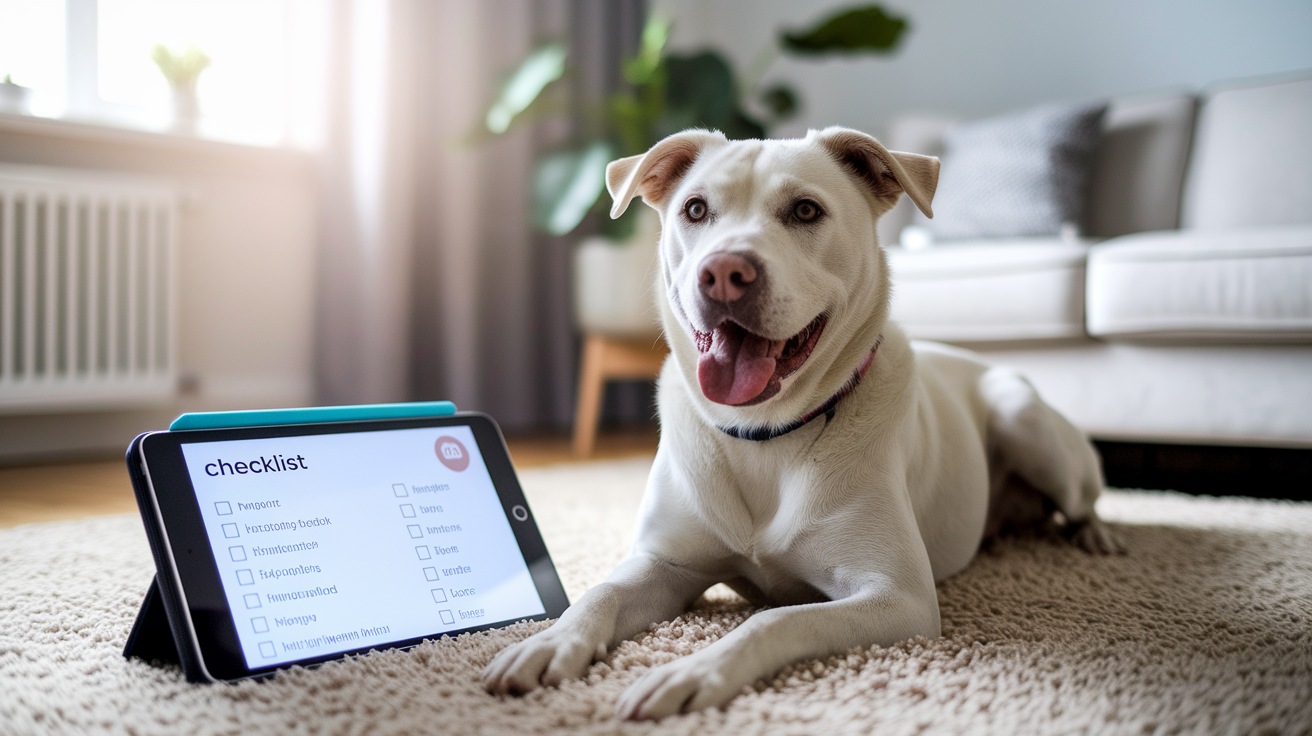
Start your prevention routine two to four weeks before you expect pollen levels to rise in your area. This lead time gives you a chance to deep clean your home, stock supplies, and establish grooming and monitoring habits before symptoms appear. If your dog had flare-ups last year, note when they started and count backward from that date to set your prep timeline.
Create a simple log to track daily and weekly tasks. Note when you wipe paws, when you vacuum, when you replace filters, and any new symptoms you observe. Over time, this log will show you which actions make the biggest difference and help you fine-tune your routine. If home measures and basic vet-recommended medications aren’t enough to keep symptoms under control, schedule an appointment with a veterinary dermatology or allergy specialist to discuss diagnostic testing and immunotherapy options.
Seasonal allergy prevention checklist:
- Daily: wipe your dog’s coat, paws, and face after outdoor time; wash water and food bowls
- After every outdoor session: inspect for ticks and fleas; do a quick brush to remove loose pollen
- Weekly: wash pet bedding, blankets, and toys; vacuum floors and furniture in your dog’s main living areas
- Every one to two months (during allergy season): replace HVAC or furnace air filters; increase frequency if filters look dirty sooner
- As needed during season: bathe with a gentle, oatmeal or aloe-based shampoo every one to three weeks; wash collars, leashes, and harnesses when you bathe your dog
- Two to four weeks before season begins: deep clean home, stock grooming supplies and vet-approved antihistamines, schedule a vet appointment to review your prevention plan
- Annually or seasonally: review parasite preventives and allergy-management strategy with your vet; discuss allergy testing or immunotherapy if symptoms return despite preventive measures
Final Words
Right now, if your dog is scratching, rubbing their face, or seems extra sneezy after a walk, the practical steps in this post can help: check pollen forecasts, shift walks to low-pollen times, wipe paws, and keep bedding and air clean.
We reviewed how to spot early signs, read the seasonal calendar, tighten indoor cleaning, keep a grooming routine, manage outdoor exposure, use diet and supplements wisely, and discuss vet prevention options.
Start one small habit today and use the checklist. These steady moves support dog seasonal allergy flare-up prevention and help your dog feel better all season.
FAQ
Q: What are the worst months for dogs with allergies? / What months do dogs have seasonal allergies?
A: The worst months for dogs with seasonal allergies are usually March through August—tree pollen peaks March–April, grass May–July, and weeds June–August; timing varies by region, so start prevention 2–4 weeks before peaks.
Q: Does Zyrtec help dogs with seasonal allergies?
A: Zyrtec (cetirizine) can help dogs with seasonal allergies by reducing itching and sneezing; confirm the right dose and safety with your vet first and watch for drowsiness or no improvement.
Q: Why are my dog’s allergies worse in the winter?
A: Winter allergy flares often come from indoor allergens—dust mites, mold, dry heated air—and more time inside; improve cleaning, check humidity, wipe bedding, and call your vet if symptoms worsen or are severe.