

Is bathing your allergic dog more often helping or hurting their skin?
Many owners ask that after a patch of red, itchy fur.
You want to wash away pollen without stripping natural oils.
This post gives simple, clear rules for how often to bathe based on mild, moderate, or severe symptoms, plus practical tips on shampoos, water temperature, lather time, and what to watch for after a bath.
Follow these steps and you’ll reduce surface allergens while protecting the skin barrier.
Clear Frequency Guidelines for an Allergy-Friendly Dog Bathing Schedule
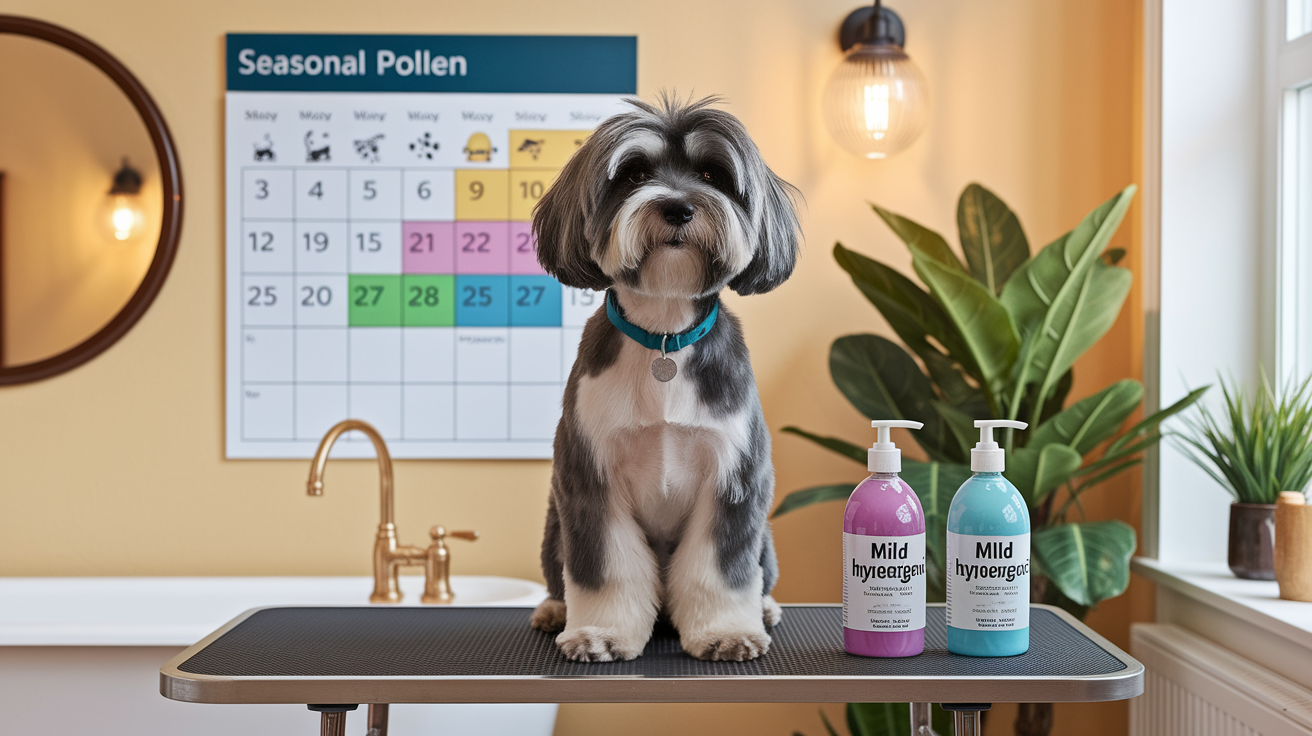
Most dogs with mild environmental allergies do fine with a bath every three to four weeks. That’s enough to rinse off pollen, dust, and outdoor allergens without stripping away the natural oils that keep skin healthy. Dogs with moderate symptoms (you’re seeing regular scratching, pink skin, seasonal flare-ups) usually benefit from bathing every two weeks. It keeps surface allergens low and gives the skin barrier some support. For severe allergies, active infections, or dogs who spend a lot of time in high-allergen environments, weekly baths can help. Sometimes twice a week during peak pollen season or an acute flare-up. The balance you’re going for is allergen removal without damaging skin health. Use lukewarm water and medicated or hypoallergenic shampoo, lather for around ten minutes if you can (that gives therapeutic ingredients time to penetrate), though five minutes still helps if you’re short on time.
Frequency should shift with the seasons and your dog’s allergen exposure. Spring and fall often mean heavy pollen, mold, grass contact. Bumping up to weekly baths during those months can make a real difference. Winter or calmer allergy periods? You can often stretch back to every three weeks. Watch your dog’s skin closely. Over-bathing shows up as dryness, redness, more flaking, or weirdly, even more itching. All signs that natural oils have been stripped and the skin barrier is struggling.
Always use warm to slightly cool water, never hot. Especially if the skin looks inflamed or infected. Hot water worsens irritation and dehydrates already sensitive skin. Rinse thoroughly until the water runs completely clear. Trapped shampoo residue in the armpits, groin, under the tail, or between the toes can trigger new irritation and undo the whole point of the bath. If you’re unsure whether your dog needs weekly or biweekly baths, start with every two weeks and adjust based on how the skin responds over the next month.
How Bathing Reduces Allergen Load on Dogs’ Skin and Coat
Bathing physically washes away pollen grains, dust mites, mold spores, and environmental particles that cling to your dog’s fur and settle onto the skin throughout the day. These external allergens can trigger immune reactions in the skin, leading to itching, redness, inflammation. A thorough bath removes that topical allergen load before it has time to penetrate deeper or spread around your home. Bathing also treats mild surface infections, supports the skin’s protective barrier, and helps reduce overall itch by cooling inflamed skin and flushing away irritants.
Water temperature and contact time matter. Warm to slightly cool water opens the coat and lets shampoo reach the skin without causing more inflammation. Hot water should be avoided on inflamed or infected areas because it can dehydrate and irritate further. A good lather massaged into the skin for at least five minutes starts loosening dead skin cells and allergens. Aim for ten minutes of contact time with medicated shampoos, that gives active ingredients the chance to work (soothing oatmeal, antifungal agents, antimicrobial compounds).
Five ways allergens accumulate and how baths remove them:
Pollen clings to fur during walks. Bathing lifts pollen grains from the coat and rinses them down the drain before they transfer to furniture or bedding.
Dust and mites settle into the undercoat. Shampooing and thorough rinsing flush particles trapped close to the skin.
Saliva and dander build up between baths. Washing removes dried saliva from licking and accumulated skin flakes that can trigger reactions.
Oils and environmental grime trap allergens. Degreasing action of shampoo breaks down the sticky layer holding particles against the skin.
Dead skin cells harbor irritants. Gentle scrubbing during the lather phase exfoliates and clears away the top layer of compromised or allergen-coated cells.
Step-by-Step Anti-Itch Bathing Routine for Allergic Dogs
A structured six-step routine ensures you remove allergens, deliver medication to the skin, and avoid common mistakes that can make itching worse. Follow these steps in order every time you bathe your allergic dog.
Soaking
Wet your dog’s entire coat with warm to slightly cool water, starting at the neck and working back to the tail. Take your time to saturate the undercoat all the way down to the skin. Matted or dense fur can shed water and leave dry patches underneath. Avoid warm or hot water if the skin is visibly inflamed, red, or infected. Heat will increase discomfort and can worsen inflammation.
Bathing
If your dog is visibly dirty, start with a gentle maintenance shampoo to remove mud, oils, surface grime. Rinse, then follow with your medicated or hypoallergenic shampoo. Lather the areas with lesions, hot spots, or the worst itching first. These spots need the most contact time with active ingredients. Work the shampoo into the skin with your fingers or a rubber massage brush, not just through the hair. Aim for ten minutes of lather time to let therapeutic ingredients penetrate. If you can only manage five minutes, that’s still much better than skipping the bath.
Rinsing
Rinse thoroughly until the water running off your dog is completely clear. This step is critical. Leftover shampoo residue can irritate the skin and trigger new itching. Pay extra attention to the armpits, groin, the area under the tail, and between the toes. These spots trap soap and are prone to residue buildup. Use your hands to part the fur and direct water flow into those hidden creases.
Conditioners
Your veterinarian may recommend a cream rinse or leave-in conditioner to help restore moisture and support the skin barrier after medicated shampoos. Most conditioners are applied, massaged into the coat and skin, then rinsed out thoroughly just like shampoo. Some formulas are designed to be left in without rinsing. Always follow the product label or your vet’s instructions to avoid over-conditioning or residue.
Drying
Towel drying is the safest and most comfortable option for allergic dogs. Press thick towels into the coat to absorb water, avoid vigorous rubbing that can tangle fur or irritate sensitive skin. If you use a blow dryer, set it to cool air only. Heated air can dehydrate the skin and make itching worse. Dry in a well-ventilated space or outdoors when weather allows, and stop before the coat becomes bone-dry and brittle.
Clipping
For dogs with medium to long coats, clipping the fur shorter improves how well shampoos and topical medications reach the skin. A shorter coat also dries faster and reduces the places where allergens can hide between baths. You don’t need a full grooming-salon clip. Even trimming problem areas like the belly, armpits, and around the rear can make a noticeable difference in treatment effectiveness.
Choosing Shampoos and Conditioners for Dogs With Allergies
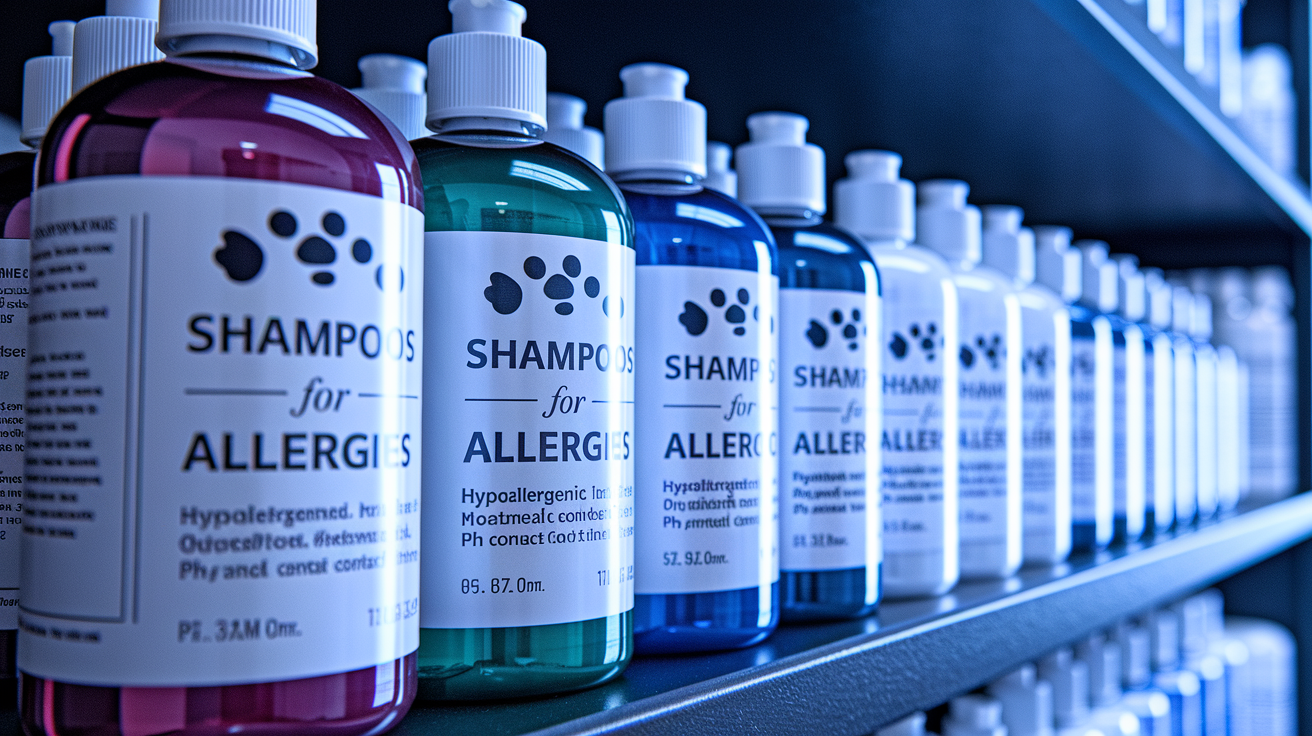
Hypoallergenic shampoos are formulated to clean gently without added dyes, fragrances, or harsh detergents that can trigger reactions in already sensitive skin. These work well for maintenance baths and dogs with mild symptoms. Medicated shampoos prescribed or recommended by your veterinarian contain active ingredients like chlorhexidine for bacterial control, ketoconazole or miconazole for yeast, or colloidal oatmeal and ceramides to soothe and rebuild the skin barrier. Never use human shampoo on dogs. Canine skin has a different pH range (around 6.2 to 7.4) compared to human skin (closer to 5.5), and the wrong pH can disrupt the protective acid mantle and worsen irritation.
Medicated shampoos often require a specific contact time, usually between five and ten minutes, to deliver their therapeutic effect. If the label or your vet says to leave the lather on for ten minutes, set a timer. Rinsing too early wastes the treatment. Conditioners and leave-in moisturizers can help replace oils and hydration after a medicated wash, especially if you’re bathing weekly. Look for fragrance-free, veterinary-grade products. Strong scents often come from essential oils or synthetic fragrances that can irritate allergic skin. If you’re not sure which product to start with, ask your vet to recommend a specific brand and formulation based on your dog’s symptoms and any secondary infections.
| Product Type | Best Use | Notes | Contact Time |
|---|---|---|---|
| Hypoallergenic shampoo | Maintenance baths, mild allergies | Fragrance-free, gentle surfactants, supports barrier | 3–5 minutes |
| Chlorhexidine shampoo | Bacterial infections, hot spots | Antimicrobial; follow vet guidance on frequency | 5–10 minutes |
| Antifungal shampoo | Yeast infections, Malassezia overgrowth | Contains ketoconazole or miconazole; may dry skin | 5–10 minutes |
| Oatmeal or ceramide shampoo | Soothing itch, barrier repair | Moisturizing; safe for frequent use | 5 minutes |
Adjusting Bath Frequency by Allergy Type and Dog Factors
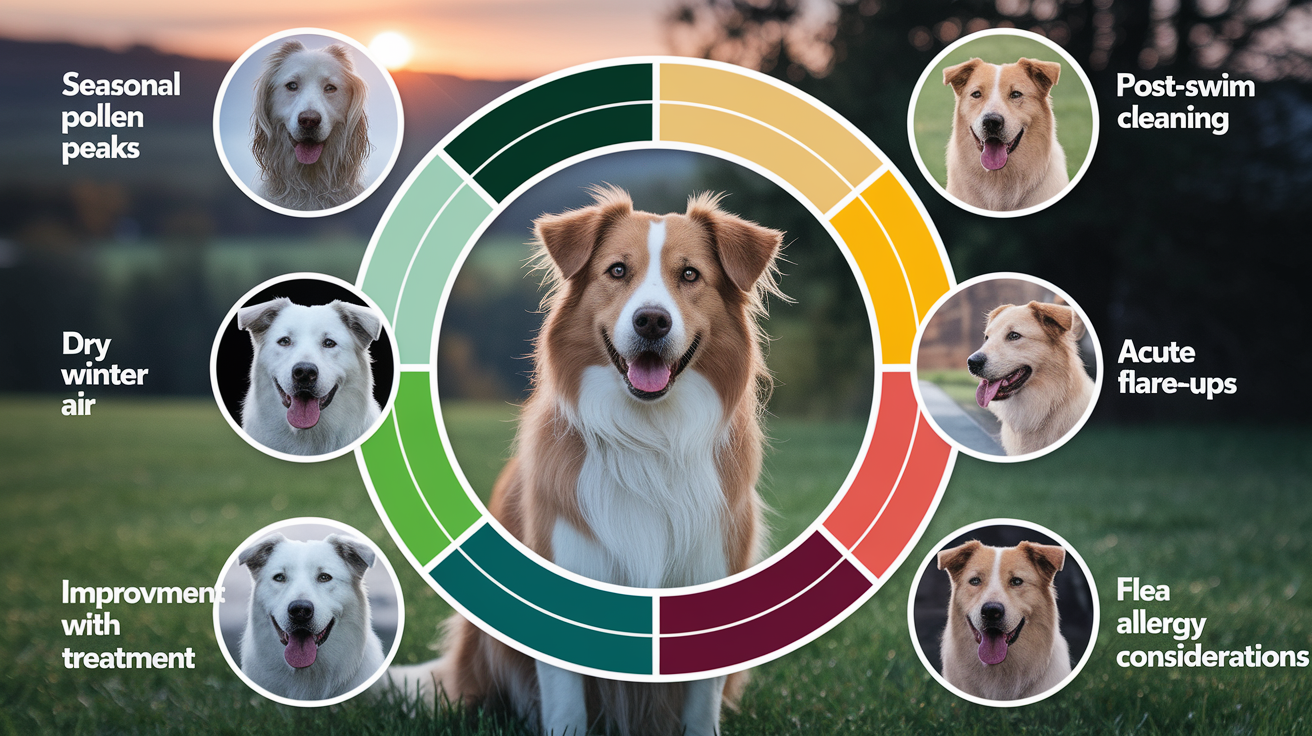
Environmental allergies (reactions to pollen, mold, dust mites, grass) respond well to regular bathing because the allergens sit on the outside of the dog’s body and can be washed away. Dogs with seasonal flare-ups often do best with weekly to biweekly baths during peak exposure months, then stretching back to every three to four weeks when symptoms calm down. Food allergies trigger reactions from the inside out. Bathing won’t resolve food-driven itching, redness, or ear infections, though it can still help keep secondary skin infections under control while you work through an elimination diet with your vet. Flea allergy dermatitis requires strict, year-round flea prevention first. Bathing alone won’t stop the reaction if even a single flea is biting your dog.
Coat type and breed influence how often your dog can tolerate baths without drying out. Dogs with naturally oilier skin (Labrador Retrievers, Basset Hounds, Cocker Spaniels) often handle weekly baths well and may even benefit from the degreasing action. Breeds with drier or more delicate skin (many terriers or dogs with fine, single-layer coats) may show signs of dryness and irritation if bathed more than every two weeks. Long-haired and double-coated breeds need extra attention to thorough rinsing and drying to prevent trapped moisture and yeast growth. Many benefit from a shorter clip during allergy season.
Six common situations that call for frequency adjustments:
Acute flare-up or hot spot. Increase to twice-weekly medicated baths for one to two weeks, then taper back as the skin heals.
Peak pollen season (spring, fall). Shift from every three weeks to weekly baths to keep outdoor allergens from building up.
Post-swim or muddy play. Add an extra rinse or light hypoallergenic wash after heavy outdoor exposure, even if it’s off your regular schedule.
Signs of secondary infection (odor, pus, crusting). Follow your vet’s bathing protocol, often every three to five days with a prescribed antimicrobial shampoo until infection clears.
Dry winter air or indoor heating. Reduce frequency to every three to four weeks and add a moisturizing conditioner to prevent over-drying.
Improvement and stable skin. Once itching and redness are controlled, gradually extend the interval between baths to find the longest comfortable gap, often every two to three weeks for maintenance.
Preventing Problems: Signs of Over-Bathing and When to Reduce Frequency
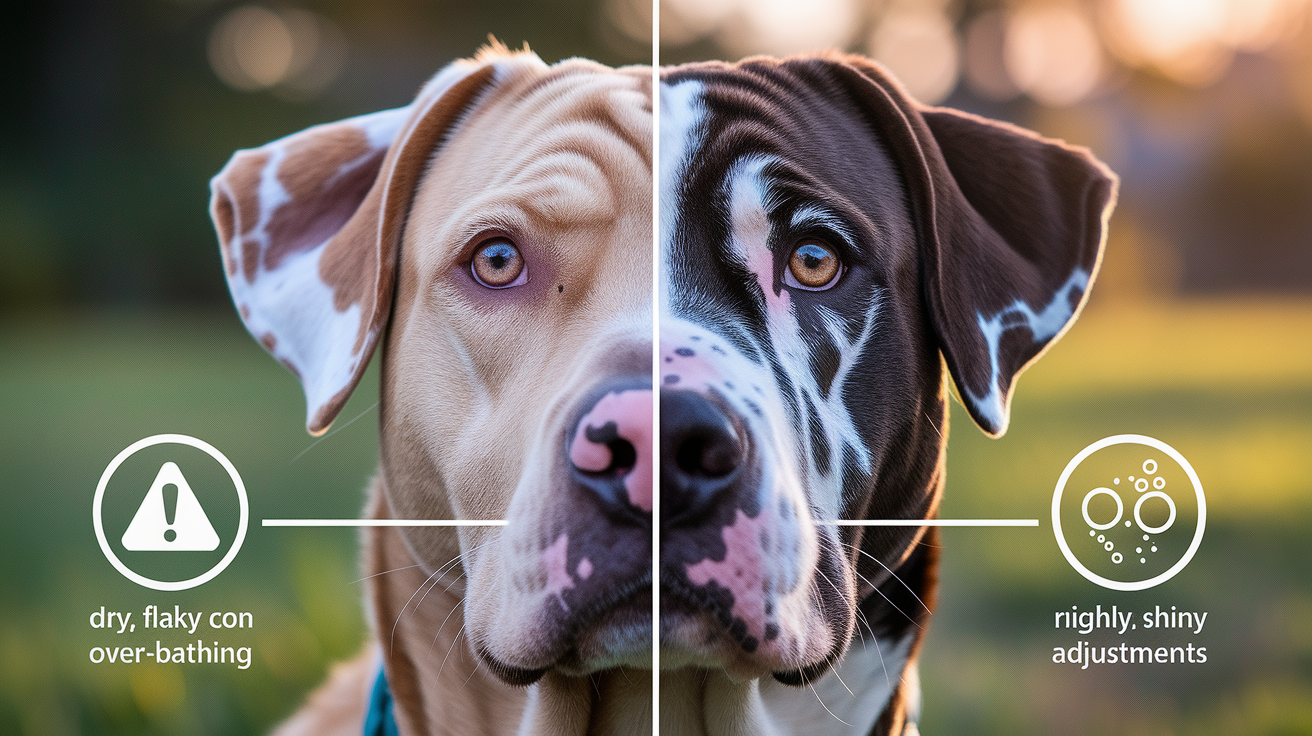
Over-bathing strips away the natural oils that keep your dog’s skin barrier intact. That leads to dryness, irritation, sometimes even more itching than before you started. Watch for increased scratching that starts shortly after a bath, flaky or scaly patches that weren’t there before, a coat that feels brittle or straw-like, persistent redness that doesn’t improve with treatment, or a sudden increase in dander. These are all signals that you’re bathing too often or using a shampoo that’s too harsh for your dog’s skin. If you see these signs, extend the time between baths by one week and switch to a gentler, moisturizing hypoallergenic formula.
Signs that bathing is actually helping include less scratching throughout the day, calmer skin that’s returning to a normal color, fewer hot spots or red patches, reduced odor, your dog seeming more comfortable overall. If symptoms improve for a few days after each bath but return quickly, that’s a sign the schedule is working but may need to be maintained consistently. Not that you should bathe even more often.
Five key warning signs you’re bathing too frequently:
Dry, tight-looking skin that feels rough to the touch.
New flaking or white dandruff appearing within a day or two of the bath.
Increased scratching or licking immediately after drying.
Dull, brittle coat that tangles easily or sheds more than usual.
Persistent redness or irritation that doesn’t clear up despite regular medicated baths.
Complementary At-Home Allergy Care Between Baths
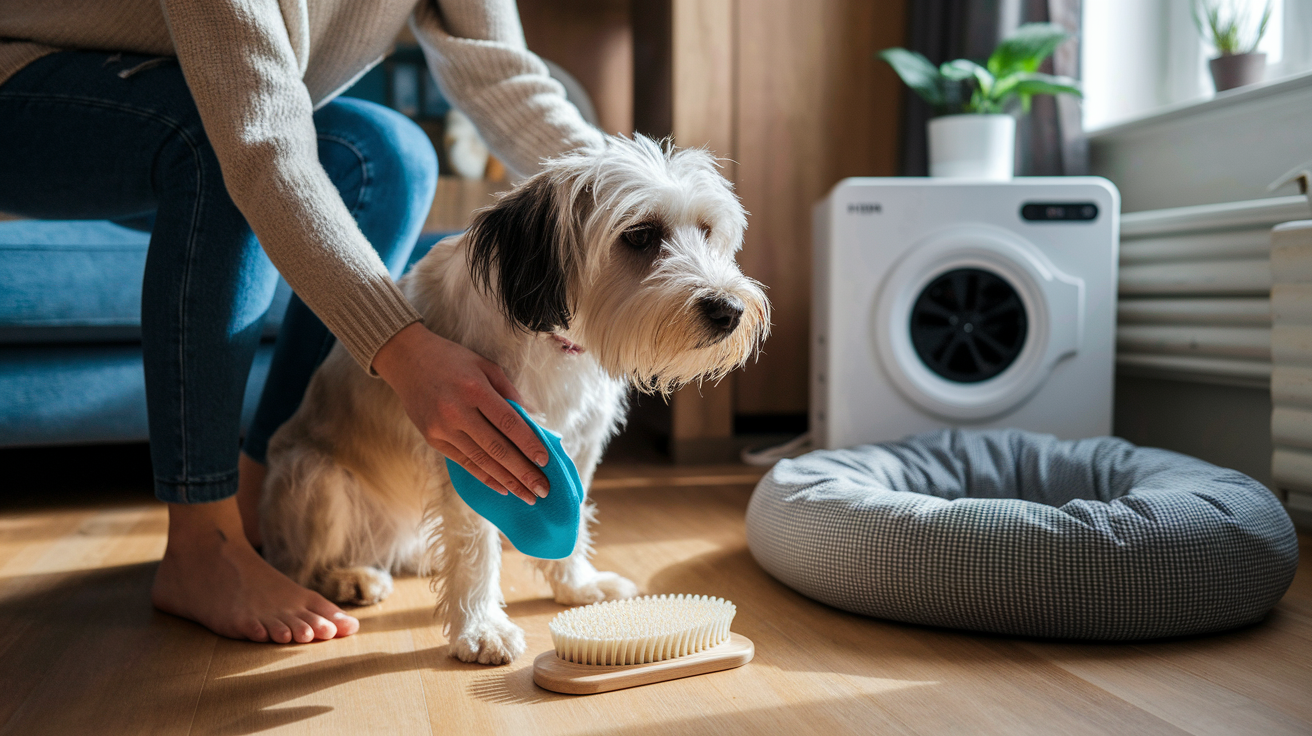
Wiping your dog’s paws, belly, and face with a damp cloth or hypoallergenic pet wipe after every walk removes a surprising amount of pollen, dust, and grass allergens before they spread through your home or get licked off and swallowed. This simple two-minute routine can extend the time between full baths and reduce overall itch. Focus on the paw pads, between the toes, the underbelly where fur drags through grass, and around the muzzle. Unscented baby wipes or veterinary allergy wipes work well. Avoid anything with alcohol, fragrance, or tea tree oil.
Brushing your dog every other day (or daily during shedding season) removes loose fur, dander, and surface allergens before they become a problem. Slicker brushes work well for longer coats, rubber curry brushes are gentle on short-haired dogs, undercoat rakes help during heavy shedding periods. Brush outdoors when possible so allergens don’t circulate indoors. If you’re highly sensitive to pet dander yourself, wear an N95 mask and disposable gloves during grooming.
Four between-bath actions that support the bathing schedule:
Wipe paws and belly with a damp cloth or hypoallergenic wipe after outdoor time, especially during high-pollen days.
Wash your dog’s bedding weekly in hot water (at least 140°F) to remove accumulated allergens and prevent re-exposure.
Run a HEPA air purifier in the rooms where your dog spends the most time to capture airborne dander and pollen.
Keep your dog out of the bedroom and off upholstered furniture to create low-allergen zones and reduce nighttime exposure.
Safe Drying and Post-Bath Skin Care for Sensitive Dogs
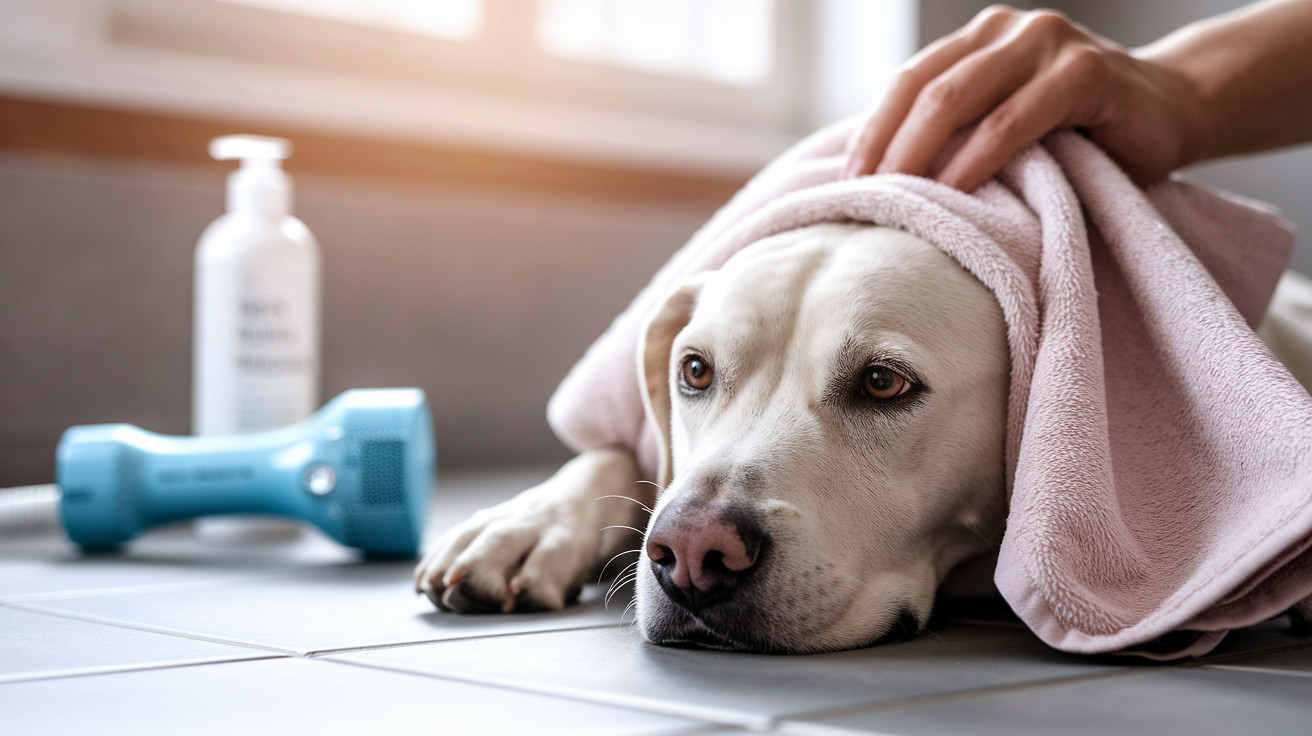
Towel drying is the gentlest and safest method for dogs with allergic skin. Use thick, absorbent towels and press them firmly into the coat to soak up water, working from the neck down to the tail and legs. Avoid vigorous rubbing, which can tangle wet fur and irritate inflamed skin. For dogs with dense or double coats, you may need two or three towels to get most of the moisture out. If you choose to use a blow dryer, always set it to cool air. Warm or hot settings can dehydrate sensitive skin and make itching worse within hours of the bath.
After drying, some dogs benefit from a leave-in conditioner or moisturizing spray designed for canine skin, especially if you’re bathing weekly with a medicated shampoo. These products help restore the skin barrier and prevent the tight, dry feeling that can follow frequent washing. Apply sparingly and work it in gently. Over-application can leave a greasy residue that traps dirt and allergens. Stop drying before the coat is completely bone-dry. A slightly damp coat will finish air-drying naturally and reduces the risk of over-drying the skin underneath.
When to Consult a Veterinarian About Your Dog’s Bathing Routine
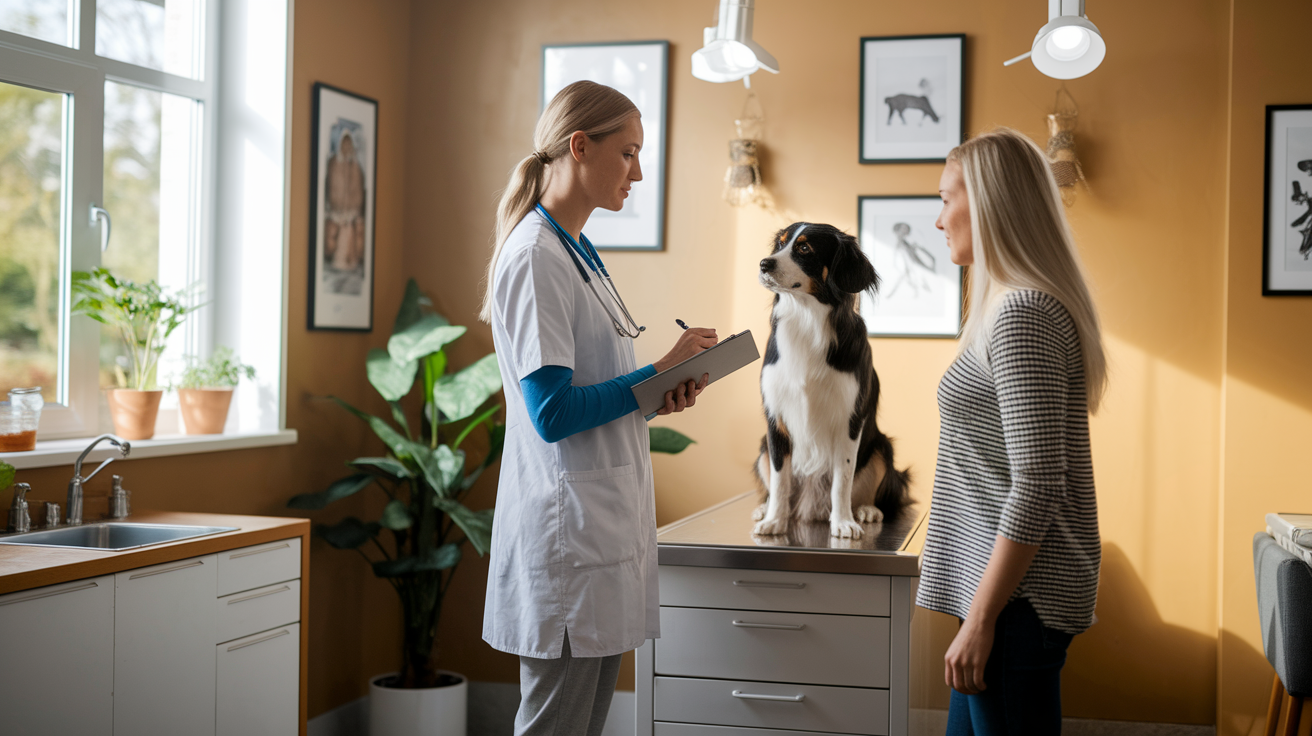
Call your veterinarian if your dog’s itching persists or worsens despite a consistent bathing schedule, if you notice signs of infection like a strong odor, pus, crusting, or open sores, or if the skin is severely red, swollen, or painful to the touch. Rapid hair loss, ear infections that keep coming back, or any systemic signs like lethargy, loss of appetite, or fever all require professional evaluation. Bathing helps manage surface allergens and secondary infections, but it won’t resolve underlying immune issues, food sensitivities, or hormonal imbalances that need medical diagnosis and treatment.
Your vet can recommend specific medicated shampoos, guide you on the right contact time for active ingredients, and adjust your bathing frequency based on culture results or skin biopsy findings. If your dog is on immunotherapy, oral medications, or prescription topicals, bathing supports those treatments but doesn’t replace them. Regular veterinary rechecks help track progress and catch complications early.
Four situations that require veterinary guidance:
Persistent itching or skin inflammation that doesn’t improve after four to six weeks of weekly medicated baths and environmental controls.
Signs of bacterial or yeast infection (greasy skin, strong yeasty or rancid odor, red pustules, thick crusts).
Uncertainty about which shampoo or bathing frequency is safe for your dog’s specific condition, breed, or concurrent health issues.
Worsening symptoms or new problems (ear infections, paw licking, gastrointestinal signs) that suggest a more complex allergy diagnosis is needed.
Final Words
We gave exact bath ranges: mild dogs every two to four weeks, moderate dogs weekly to biweekly, and severe cases up to twice weekly, and explained why seasonal pollen or dust raises needs.
You got a step-by-step routine, product and drying tips, plus between-bath care like paw wipes and brushing. Watch for more redness, increased itch, scaling, or smells. Those are reasons to pause and call your vet.
Use this bathing schedule for dogs with allergies as a practical starting plan, tweak by how your dog responds, and keep short notes. Small changes often bring calmer skin and happier dogs.
FAQ
Q: How often should a dog bathe with allergies?
A: A dog with allergies should be bathed by severity: mild every 2–4 weeks, moderate weekly to biweekly, severe up to twice weekly. Use lukewarm water and shampoos with a 10-minute contact time. Call your vet for infection signs.
Q: What is the 7 second rule for dogs?
A: The 7 second rule for dogs says food picked up within seven seconds may still be OK, but it’s not a safety guarantee. Surface, spoilage, and toxins matter—call your vet if you suspect poisoning.
Q: Does Dawn dish soap help with allergies in dogs?
A: Dawn dish soap can remove grease and surface allergens but strips natural oils and can irritate sensitive skin, so it’s not a good regular choice. Use vet-recommended hypoallergenic or medicated shampoos instead.
Q: What months are the worst for dog allergies?
A: The worst months for dog allergies are often spring and early summer for tree and grass pollen, and fall for ragweed; indoor allergens can cause year-round issues, so step up bathing during high-pollen seasons.