

Would you give your dog an antihistamine (a drug that blocks the itch chemical histamine) even though they help only about one in four dogs?
They can ease mild seasonal itch, reduce paw licking, and stop face rubbing when the plan is right.
But choosing the wrong drug or dose can cause drowsiness or worse, so you want clear guidance.
This post walks you through safe over-the-counter options—cetirizine, loratadine, clemastine, diphenhydramine—how to dose by weight, what side effects and label warnings to watch for, and when you should call your vet.
Safe Antihistamine Options for Dogs and When They Help Allergy Symptoms
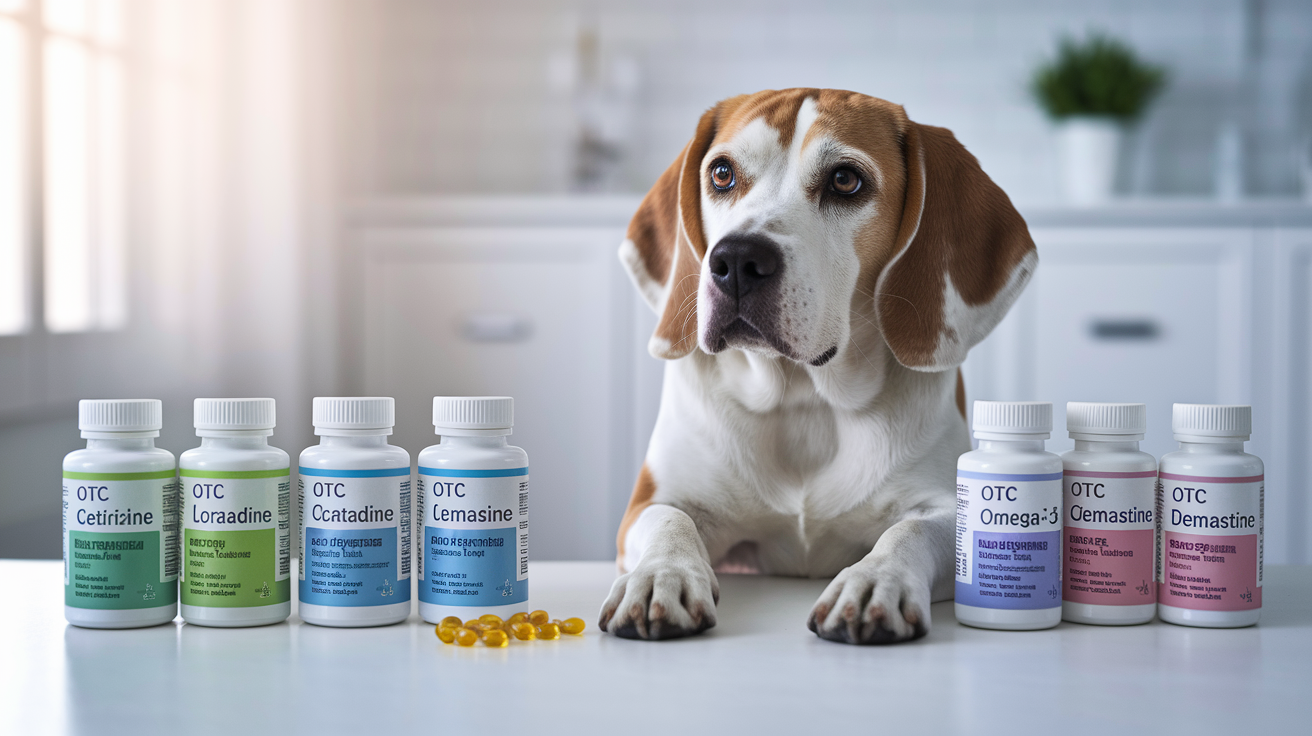
Antihistamines work for about one in four dogs dealing with allergies. Not a sure thing, but decent enough odds to try, especially if you’re catching the itch before it spirals. They do better when you pair them with omega-3s and get ahead of the flare instead of chasing it.
Here’s what’s safe and available over the counter:
- Cetirizine (Zyrtec) — twice a day
- Loratadine (Claritin) — once a day
- Clemastine (Tavist-1, Antihist-1) — twice a day
- Diphenhydramine (Benadryl) — twice a day, makes some dogs drowsy
Dogs don’t always respond to the same one. You might need to switch. Give each one a solid two to three weeks before you decide it’s not working. If your dog gets seasonal itch around the same time every year, starting about two weeks early can keep things from getting out of hand.
One thing to watch for. Some liquid or dissolve-on-tongue versions contain xylitol, which is seriously dangerous for dogs. Check labels before you give anything. Sorbitol is fine. Xylitol isn’t. And obviously don’t give your dog sugarless gum.
Recognizing Allergy Symptoms That May Require Antihistamines
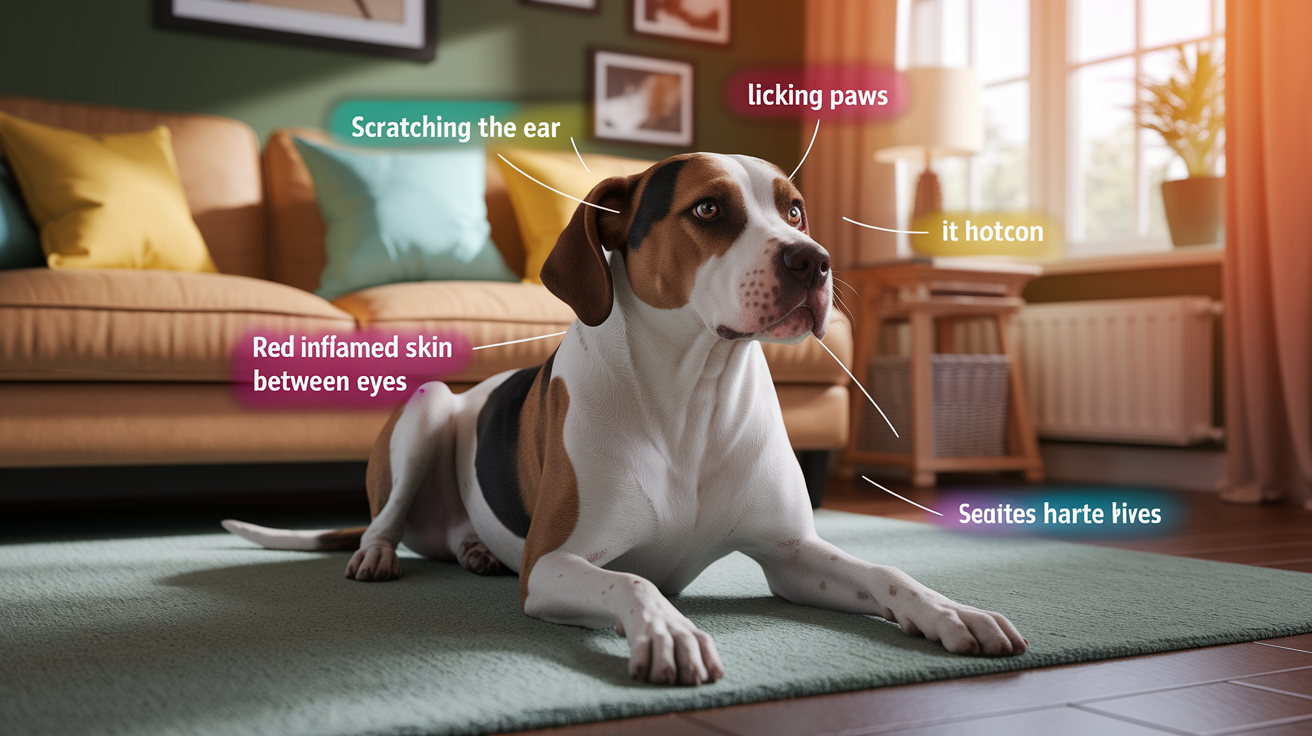
Dogs with allergies itch. Constantly. You’ll see them scratching nonstop, chewing their paws raw, rubbing their face into the carpet, or licking their belly until the fur looks patchy. Red, inflamed skin shows up a lot, especially between the toes, under the armpits, around the groin, or inside the ears. Some get watery eyes or sneeze fits. Others break out in hives.
Five signs worth paying attention to:
- Excessive scratching — face, ears, paws, belly
- Red, inflamed skin — often warm when you touch it
- Paw licking or chewing — front paws especially, sometimes the fur turns pinkish or rusty
- Watery eyes or sneezing — usually tied to pollen or dust
- Hives or welts — raised bumps that show up fast
Environmental allergies from pollen, dust mites, or mold tend to be seasonal. Food sensitivities stick around all year. If your dog’s skin issues don’t follow the calendar, food or something inside the house might be the trigger.
Dosage Guidelines for Antihistamines Used in Dogs

You dose these based on your dog’s weight. Start low if it’s your first time, then adjust if your vet agrees and your dog’s handling it fine.
Most antihistamines come in tablets. If you know your dog’s weight and the tablet strength, you can figure out how many to give.
| Drug Name | Dosage (mg/lb) | Typical Tablet Amount | Frequency |
|---|---|---|---|
| Cetirizine (Zyrtec) | 0.25–0.5 mg/lb | One 10 mg tablet per 30–40 lb | Twice daily |
| Loratadine (Claritin) | 0.25 mg/lb | Half of a 10 mg tablet per 20 lb | Once daily |
| Clemastine (Tavist-1) | 0.02 mg/lb | One 1.34 mg tablet per 65 lb | Twice daily |
| Diphenhydramine (Benadryl) | 1 mg/lb | One 25 mg tablet per 25 lb | Twice daily |
| Hydroxyzine | 1 mg/lb | One 25 mg tablet per 25 lb | Twice daily (prescription required) |
A 30-pound dog gets one 10 mg cetirizine tablet in the morning, another at night. A 50-pound dog on loratadine takes one 10 mg tablet once a day. Diphenhydramine is simple math, one milligram per pound, so a 25-pound dog gets one 25 mg tablet.
Hydroxyzine needs a prescription. The rest you can grab over the counter, but talk to your vet first if your dog’s on other meds or has health issues.
Administration Tips for Giving Antihistamines to Dogs

Most dogs will take a tablet if you hide it in cheese, peanut butter, or a pill pocket. Push it deep so they can’t spit it out. If your dog’s picky, crush the tablet and mix it into wet food or plain yogurt. Just double-check the ingredients. No xylitol.
A few things that make this easier:
- Use food or pill pockets to hide the tablet
- Start about two weeks before the seasonal itch usually kicks in
- Give twice-daily meds at roughly the same times for consistent coverage
- Expect drowsiness with diphenhydramine, which can actually help at bedtime if itching keeps your dog awake
Loratadine is once daily, so it’s easier if you’re busy. Cetirizine and clemastine are twice a day. Diphenhydramine makes some dogs sleepy, which is why some people give it at night.
Side Effects and Safety Precautions for Antihistamines in Dogs

Drowsiness is the most common side effect, especially with diphenhydramine. Your dog might seem tired, less energetic, or a little unsteady for the first day or two. That usually fades. Some dogs get dry mouth or drink more water. Urinary retention happens but it’s rare.
Trembling and panting have been reported in a few dogs. If you see either, stop the medication and call your vet. Don’t use anything with decongestants. Claritin-D has pseudoephedrine, which isn’t safe for dogs.
Always check labels for xylitol before giving liquid or chewable products. Xylitol can cause life-threatening blood sugar drops or liver failure. Other sweeteners like sorbitol are fine.
Call your vet immediately if you notice:
- Vomiting, severe diarrhea, or collapse
- Extreme lethargy or trouble waking your dog
- Face swelling, tongue swelling, or difficulty breathing
If your dog has a history of seizures, glaucoma, heart disease, or urinary issues, check with your vet before starting anything. Drug interactions can happen if your dog’s already on other medications.
When Antihistamines Are Not Enough for Dog Allergies

Antihistamines don’t do much when allergies are moderate to severe or when they’ve already turned into full-blown atopic dermatitis. Studies have shown they offer little to no help during acute flares. The reason is biology. In people, histamines drive a lot of respiratory allergy symptoms. In dogs, cytokines are what cause the skin inflammation and itch.
That’s why the International Committee on Allergic Diseases of Animals listed antihistamines under “interventions likely to be of little or no benefit to treat acute flares of canine atopic dermatitis” back in 2015. If your dog’s skin is already red, hot, and inflamed, an antihistamine probably won’t cut it on its own.
Four situations where they usually don’t help:
- Secondary bacterial or yeast infections — skin’s infected, needs antibiotics or antifungals
- Flea infestation — even a few fleas can trigger severe reactions in allergic dogs
- Chronic atopic dermatitis — long-term inflammation that’s gone past mild itch
- Severe, widespread inflammation — open sores, hot spots, nonstop scratching
Your vet will likely suggest prescription options like Apoquel, Cytopoint, steroids, or Atopica. Some dogs need immunotherapy, which is a longer process using allergy shots or sublingual drops tailored to specific allergens. That takes six to twelve months to reach full effect, but somewhere between half and 80 percent of dogs improve after a year.
Antihistamines can still fit into a bigger plan, but they’re rarely strong enough to solve the problem once things have escalated.
Veterinary Guidance for Dogs on Antihistamine Therapy
Before starting a long-term antihistamine routine, your vet will check for underlying causes like fleas, mites, or skin infections. Treating the root problem first makes everything else more effective. If your dog keeps scratching after a two to three week trial, something else is going on.
Your vet can help you pick an “anchor treatment,” the main thing that controls itch most of the time, then layer in other options as needed. That might mean switching from an over-the-counter antihistamine to a prescription drug, adding omega-3 supplements, changing diet, or using medicated shampoos once or twice a week. Every dog responds differently, and it can take some trial and error.
Call your vet if symptoms aren’t improving after two to three weeks, if the itching gets worse, or if you see signs of infection like bad smell, oozing sores, or thick crusty patches. Also reach out if your dog is a puppy under one year old, since some prescription allergy medications aren’t approved for young dogs.
The Role of Omega-3 Fatty Acids in Enhancing Antihistamine Effectiveness

Omega-3 fatty acids, specifically EPA and DHA, work alongside antihistamines to reduce inflammation and itch. They don’t replace them, but they make them more effective. The catch is timing. Omega-3s take up to two months before you’ll notice a difference, and you need to dose them correctly based on weight.
Here’s the dosing table for combined EPA and DHA per day:
| Dog Weight | Daily Dose (mg EPA+DHA per lb) |
|---|---|
| Under 30 lb | 75 mg per lb |
| 31–60 lb | 60 mg per lb |
| Over 60 lb | 50 mg per lb |
A 40-pound dog needs about 2,400 mg of combined EPA and DHA each day (40 × 60). Most standard fish oil capsules have around 300 mg combined, so you’d need eight capsules a day with a basic product. High-potency omega-3 supplements made for dogs can cut that down to two or three capsules, which is way easier.
Start low and build up to the target dose gradually over about two weeks to avoid loose stools. Give the omega-3 with food to help absorption and cut down on fishy burps. When you combine it with an antihistamine, omega-3s can give you a noticeable boost in itch control, especially with mild to moderate seasonal allergies.
Final Words
When your dog starts scratching or sneezing, this post walked you through which over-the-counter antihistamines can help, typical dosages, safe ways to give meds, side effects to watch for, and when antihistamines aren’t enough.
Take practical steps: check ingredient lists (no xylitol), try simple administration tricks, and watch response for 48–72 hours. Call your vet sooner if breathing trouble, bloody skin, severe swelling, or rapid worsening happens.
If you decide to try antihistamines for dogs with allergies, pair them with vet advice and omega-3 support. You’re giving your dog a calmer, safer path forward.
FAQ
Q: What antihistamine can I give my dog for allergies?
A: The antihistamine you can give your dog for allergies often includes OTC options like cetirizine, loratadine, diphenhydramine, and clemastine; hydroxyzine is prescription and only about 25–33% of dogs get clear relief.
Q: What can I give my dog for allergies without going to the vet?
A: You can give certain over-the-counter antihistamines such as cetirizine, loratadine, or diphenhydramine at proper, weight-based doses for mild symptoms, avoid xylitol-containing liquids, and watch closely for improvement.
Q: Is it okay to give dogs human antihistamines?
A: It can be okay to give dogs human antihistamines if the active ingredient and dose are safe for dogs, but always confirm the ingredient list, avoid xylitol formulations, and check dosing by your dog’s weight.
Q: Which is better for dog allergies, Benadryl or Apoquel?
A: Benadryl (diphenhydramine) is a common OTC choice for mild itching; Apoquel is a prescription drug often more effective for moderate to severe allergic dermatitis, so the vet will choose based on severity and testing.