

Think an air purifier will stop your sneezing?
Not all do. Many are sold on looks, not science.
Pet allergens are tiny protein particles that float for hours, so the right purifier needs to trap those particles, move enough air, and run consistently in the rooms you use most.
This post cuts through the marketing and shows the few features that actually lower airborne pet allergens, including True HEPA, the right CADR for 4 to 6 air changes per hour, carbon for odor, plus placement and run time tips, so you buy one that helps, not another gadget.
Why Pet Allergies Are So Persistent—And What Actually Traps Them

Pet allergens aren’t just fur. The real culprits are proteins living in invisible particles that shed from your pet’s skin (dander), dried saliva left behind from grooming, and even urine residue that dries up and goes airborne. These proteins stick to everything, weigh almost nothing, and they’re incredibly small. Most measure between 0.5 and 5 microns, roughly ten times smaller than the width of a human hair.
Size matters here. Particles this tiny float in your room’s air for hours, sometimes days. When your dog shakes off after a walk or your cat settles in for a grooming session on the couch, millions of these microscopic protein-loaded flakes lift into the air you’re breathing. They drift down slowly, landing on every surface you can see (and plenty you can’t), and the smallest movement kicks them right back up. A footstep. Opening a door. Sitting down.
If you’ve ever noticed that vacuuming or dusting makes your allergies spike for a few minutes, now you know why.
For people with pet allergies, the immune system reads these harmless proteins as threats. What follows is a histamine flood that triggers sneezing, itchy eyes, congestion, skin irritation, and sometimes asthma flare-ups. Kids and adults with asthma face extra risk. Airborne pet allergens rank among the most common indoor asthma triggers, capable of tightening airways and setting off coughing or wheezing within minutes.
Here’s the part that makes this so frustrating. Pet allergens don’t stay where your pet sleeps. Research shows that homes with pets have measurable allergen levels in every room, even spaces the pet never sets foot in. Air currents, HVAC systems, everyday movement, all of it spreads dander throughout the house. Closing off a bedroom or keeping the pet out of certain areas rarely fixes the problem on its own.
An air purifier that actually works steps into this cycle at the source: the air itself. It pulls room air through a filter designed to physically trap those microscopic protein particles before they settle on surfaces or get pulled into your lungs. The right unit, running consistently, lowers the airborne allergen load enough that your immune system gets a break.
But not every purifier is built to handle pet allergens. The gap between a unit that helps and one that wastes your money comes down to filter type, the volume of air it can clean per hour, and whether it’s sized correctly for your space.
Let’s get into what actually works.
What Makes an Air Purifier Effective Against Pet Allergens
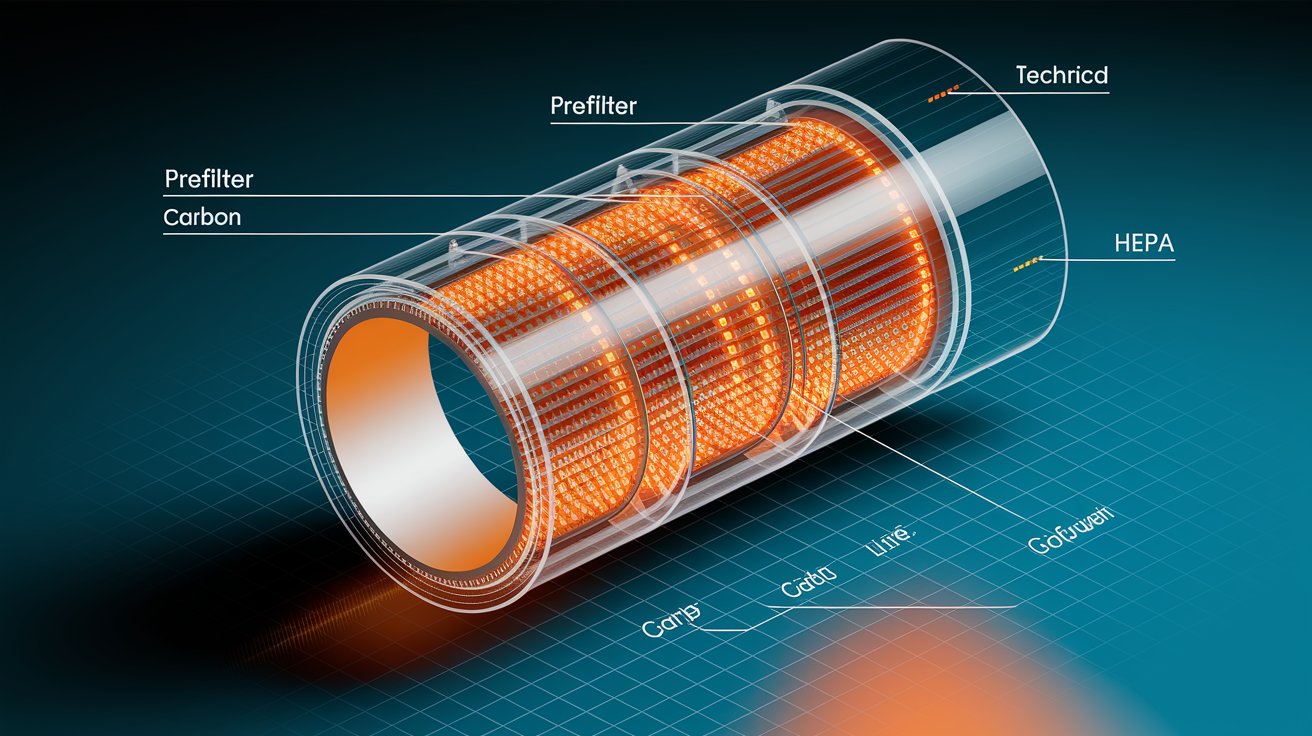
The filter is everything. For pet dander and saliva proteins, you need a True HEPA filter rated H13 or H14. True HEPA captures at least 99.97% of particles as small as 0.3 microns. That number isn’t random. 0.3 microns is the hardest particle size to trap, the point where filters struggle most. If a filter works at 0.3, it performs even better on the smaller and larger particles that make up pet dander.
“HEPA-type” or “HEPA-like” filters sound close but they’re not. These knockoff labels have no certification standard and usually capture around 85 to 90% of particles. Sounds decent until you realize that the remaining 10 to 15% includes the exact size range of pet allergens. If the box doesn’t say “True HEPA” or list an H13/H14 rating, skip it.
HEPA handles particles. For odor, you need activated carbon. Pet odor comes from volatile organic compounds (VOCs) in dried saliva, urine, and oils on fur. Activated carbon filters contain thousands of tiny pores that chemically bind and neutralize these odor molecules. A thin carbon prefilter might help with light smells, but if you’re dealing with strong wet dog smell or litter box odor, look for units with several hundred grams of carbon or a dedicated carbon stage.
Some purifiers include a washable prefilter layer. This catches large debris like visible fur and hair before it clogs the HEPA. In a home with shedding pets, that prefilter extends HEPA life by a lot. Vacuum or rinse it weekly. Small step that saves you $40 to $100 per year in replacement filters.
Now we get to performance. A great filter in a tiny unit won’t clean fast enough. The metric that matters is CADR (Clean Air Delivery Rate), measured in cubic feet per minute. CADR tells you how much clean air the purifier produces per minute. Higher CADR means faster cleaning.
To size a purifier correctly, calculate your room’s air change rate (ACH). For pet allergy management, aim for 4 to 6 air changes per hour. That means the purifier pulls in and filters the entire room’s air four to six times every 60 minutes. Six ACH is better for severe allergies, multiple pets, or heavy shedding breeds.
Here’s the formula. Measure your room’s volume in cubic feet (length × width × ceiling height). Multiply by your target ACH (4, 5, or 6). Divide by 60. The result is the minimum CADR you need.
Example: a 12 by 12 foot bedroom with an 8 foot ceiling holds 1,152 cubic feet. For 4 ACH, you need (1,152 × 4) ÷ 60 = 77 cfm. For 6 ACH, you need (1,152 × 6) ÷ 60 = 115 cfm.
Most living rooms and open spaces need CADR ratings between 150 and 350 cfm to hit 4 to 6 ACH. Manufacturers often list “room coverage” in square feet, but always check the ACH assumption behind that number. A unit rated for “400 square feet” might deliver only 2 to 3 ACH in a 400 square foot room, which isn’t enough for allergy control.
Compare the manufacturer’s claimed coverage at 4 to 5 ACH to your calculated CADR. If the numbers don’t match, go up one size.
One caution: avoid purifiers that produce ozone or rely on ionization. Ozone generators release a gas that irritates airways and worsens asthma. Some ionizers produce trace ozone as a byproduct. If a purifier has an ionizer mode, disable it or choose a model without that feature. Stick with mechanical HEPA filtration. You get clean air without the respiratory risk.
Placement matters almost as much as the filter. Set the unit in an open area, not behind furniture or tucked in a corner. Air needs to flow freely into the intake and out of the outlet. Running a purifier under a desk or next to a couch cuts performance in half. Ideally, place it near the center of the room or along a wall with clear space around it.
Keep it running. Pet allergens are released continuously. Your dog sheds dander every time he moves. Your cat grooms multiple times a day. An air purifier that runs only a few hours won’t keep up. Most people see the best results running the unit around the clock on auto mode or a medium speed. Higher during heavy activity, lower at night.
How to Choose the Right Air Purifier for Your Home

Start with your room size and layout. Measure the square footage and ceiling height of the room where you’ll place the purifier. If you have an open floor plan, measure the combined space or plan to use multiple units. One purifier rarely covers an entire home unless it’s a very high CADR model designed for whole house use.
Use the CADR formula from the last section. Calculate the minimum cfm you need for 4 to 6 ACH. Then check manufacturer specs. Look for the CADR rating, usually listed for dust, smoke, or pollen. Pet dander behaves most like dust particles, so use the dust CADR if multiple ratings are provided. If the manufacturer lists “AHAM Verifide” or “AHAM Certified,” that’s a verified third party test you can trust.
Next, check the filter stack. At minimum, you want True HEPA plus some level of activated carbon. Bonus if there’s a washable prefilter for fur. Avoid filters labeled “permanent HEPA” or “washable HEPA.” True HEPA filters degrade over time and must be replaced. Washable versions don’t maintain the same capture efficiency.
Noise is a real factor, especially for bedrooms. Most purifiers run between 25 and 65 decibels depending on fan speed. On low or sleep mode, expect 24 to 35 dB, similar to a whisper or quiet library. On high, 50 to 65 dB is common, about the level of normal conversation or a window air conditioner. If you’re a light sleeper, go for models with a certified sleep mode under 30 dB.
Check the power draw. Typical units consume 20 to 100 watts depending on speed. Running a 50 watt purifier around the clock costs roughly $5 to $8 per month in electricity at average U.S. rates. Energy Star certified models use less power on low and auto modes, a nice bonus if you plan to run it constantly.
Smart features can be helpful but aren’t essential. Auto mode uses built-in air quality sensors to adjust fan speed based on detected particles. It’s convenient and can reduce noise and energy use when the air is already clean. App connectivity and scheduling are nice if you want remote control, but a simple manual unit with a timer works just as well for most people.
One thing to watch: some air quality sensors detect particulate matter but not odor. If the room smells but the sensor shows “good” air quality, the unit might not ramp up. In that case, manually increase the speed or look for a model with a VOC sensor in addition to a particle sensor.
Filter replacement cost is part of the real price. A $100 purifier with $60 annual filter costs can end up more expensive over three years than a $200 unit with $30 annual filters. Check the manufacturer’s recommended replacement schedule and the retail price of replacement filters before you buy. Typical HEPA filters last 6 to 12 months in a pet home. Carbon filters, if separate, may need replacement every 3 to 6 months in high odor environments. Prefilters that are washable have no recurring cost, just rinse and reuse.
Do the math. Add the purchase price plus three years of filter and electricity costs. Divide by three to get the true annual cost of ownership. Budget friendly often means higher long-term costs. Mid-range units usually hit the best balance of upfront price, performance, and maintenance expense.
Room coverage claims can be misleading. A unit rated for “500 square feet” might be assuming 2 to 3 ACH, which is fine for general air freshening but not enough for allergy control. Always cross check the CADR number and calculate your own target. If the coverage claim seems too good for the CADR, it probably is.
For homes with multiple pets or severe allergies, consider running purifiers in several rooms. A single unit in the living room won’t help when you’re sleeping in the bedroom. Two smaller units, one in the main living area and one in the bedroom, often deliver better results than one large unit in a central hallway.
Finally, avoid gimmicks. UV-C lights sound high-tech, but they’re ineffective against dander and allergens. Ionizers can help particles clump and settle, but they don’t remove them from the room and can produce ozone. Stick with True HEPA, activated carbon, and strong airflow. Those three things do the work.
Top-Rated Air Purifiers for Pet Allergy Management
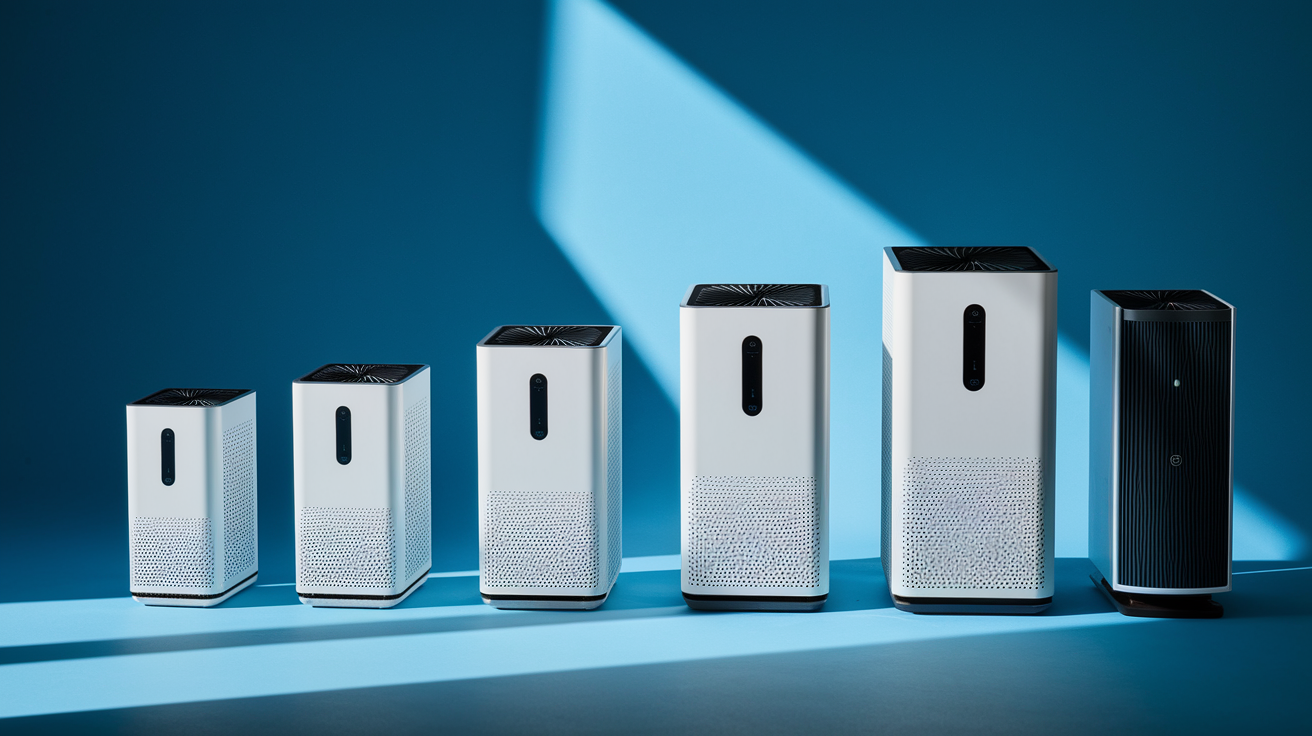
| Model | CADR (cfm) | Room Coverage (sq ft, ~4–5 ACH) | Filter Type | Noise Range (dB) | Approx. Price | Filter Life | Replacement Cost |
|---|---|---|---|---|---|---|---|
| LEVOIT Core 300 / 300S | ~140 | 200–320 | True HEPA H13 + carbon | 24–50 | $80–$120 | 6–8 months | $25–$40 |
| Coway AP-1512HH Mighty | 200–250 | 300–400 | True HEPA + carbon + washable prefilter | 24–50 | $150–$200 | 12 months typical | $50–$80/year |
| Winix 5500-2 | 200–230 | 300–360 | True HEPA + washable prefilter + carbon | 27–55 | $130–$200 | 6–12 months | $40–$70 |
| Honeywell HPA300 | ~300 | 400–465 | True HEPA + carbon prefilter | 40–65 | $180–$250 | 12 months | $60–$120 |
| Blueair Blue Pure 211+ | ~350 | 500–600 | Particle + carbon combined filter | 31–56 | $250–$350 | 6–9 months | $60–$120 |
| Dyson Purifier Cool / Hot+Cool | Varies by model | 300–600 (model-dependent) | Sealed HEPA + carbon, 360° intake | 35–62 | $400–$700 | ~12 months | $70–$100 |
| IQAir HealthPro Plus | High (medical-grade) | Large rooms / whole-house | HyperHEPA (0.003 µm claim) | 25–59 | $800–$1,000+ | 1–4 years per stage | $200–$400 (infrequent) |
| Austin Air HealthMate (HM400) | High | Whole-room / open-plan | Dense HEPA + large carbon bed | 40–65 | $600–$900 | ~5 years | $250–$450 (every 5 years) |
LEVOIT Core 300 / Core 300S is a solid budget pick for single rooms. The True HEPA H13 filter handles dander well, and the activated carbon layer takes care of light to moderate pet odor. CADR of around 140 cfm is enough for a bedroom or small office up to about 200 square feet if you want 6 ACH, or up to 320 square feet at a more relaxed 4 ACH. Noise on sleep mode stays under 25 dB, quiet enough for light sleepers. The 300S model adds app control and scheduling. Filter replacement every 6 to 8 months in a pet home runs $25 to $40 per set. It’s a straightforward, no frills unit that does what it’s supposed to do.
Coway AP-1512HH Mighty is a step up in performance and coverage. CADR in the 200 to 250 cfm range covers living rooms and open spaces up to 400 square feet at 4 to 5 ACH. The four stage filtration (washable prefilter, carbon deodorization, True HEPA, and a vital ionizer you can turn off) works well for homes with moderate to heavy shedding. The Eco mode uses an air quality sensor to adjust speed automatically, saving energy when the air is already clean. Noise is comparable to the LEVOIT. Quiet on low, moderate on high. Filter life is typically 12 months for the HEPA stage, with combined prefilter and carbon replacement costing $50 to $80 per year. It’s one of the best all-around values for pet owners.
Winix 5500-2 offers similar specs to the Coway but includes a washable prefilter and PlasmaWave ionization, which you can disable if you prefer. CADR around 200 to 230 cfm covers 300 to 360 square feet comfortably. The carbon layer is effective for everyday pet odor, though not as heavy as premium models. Filter replacement intervals are 6 to 12 months depending on use, with costs in the $40 to $70 range. The unit is reliable, easy to maintain, and widely available at a competitive price.
Honeywell HPA300 is built for larger spaces. CADR near 300 cfm can handle rooms up to 465 square feet at 4 to 5 ACH. True HEPA captures dander efficiently, and the carbon prefilter addresses odor, though it’s lighter than dedicated carbon stages. The trade-off is noise. On high, the HPA300 runs loud, up to 65 dB, so it’s better for living areas than bedrooms. Filter life is about 12 months, with replacements costing $60 to $120. If you have a big open plan living area and need strong airflow, this is a good fit.
Blueair Blue Pure 211+ is a high volume option for large rooms or open layouts. CADR around 350 cfm covers 500 to 600 square feet, making it one of the fastest cleaners in the mid-price range. The combined particle and carbon filter uses a fabric prefilter that’s washable and comes in multiple colors. Filter life in a heavy odor or multi-pet home is 6 to 9 months, with replacement packs running $60 to $120. Noise on low is quiet, on high it’s noticeable but not harsh. It’s a great choice if you need maximum airflow without stepping into premium pricing.
Dyson Purifier Cool and Hot+Cool models combine HEPA filtration, activated carbon, and fan functionality. The sealed HEPA system and 360 degree air intake provide even filtration across the room. Real-time sensors display particulate and VOC levels on the unit and via app. The oscillating design helps circulate filtered air throughout the space. Noise is moderate, 35 to 62 dB depending on speed. Filter life is around 12 months, replacement cost is $70 to $100. The upfront price is steep ($400 to $700 depending on model), but build quality and smart features are top-tier. If you value design, real-time data, and year-round fan use, Dyson delivers.
IQAir HealthPro Plus is a medical grade purifier designed for severe allergies and asthma. The HyperHEPA filter claims capture down to 0.003 microns, far smaller than standard HEPA. CADR is high enough for large rooms or whole house use. Filter stages last 1 to 4 years depending on the layer, and replacement packs cost $200 to $400, but the infrequency balances the high upfront price of $800 to $1,000+. Noise is well controlled even at higher speeds. This is overkill for mild allergies but a strong option for anyone who needs hospital grade air quality at home.
Austin Air HealthMate (HM400) features a massive carbon bed (over 15 pounds) plus a dense HEPA stage. It excels at both particle capture and odor control, making it ideal for homes with multiple large dogs or persistent urine/litter odor. CADR is high, suitable for whole room or open plan spaces. The combined filter lasts around five years, with replacement cost of $250 to $450. Upfront price is $600 to $900. Noise on high is noticeable, but lower speeds are tolerable. If odor is your biggest complaint and you want to replace filters once every five years instead of every six months, Austin Air is worth the investment.
Budget-Friendly Options That Still Deliver
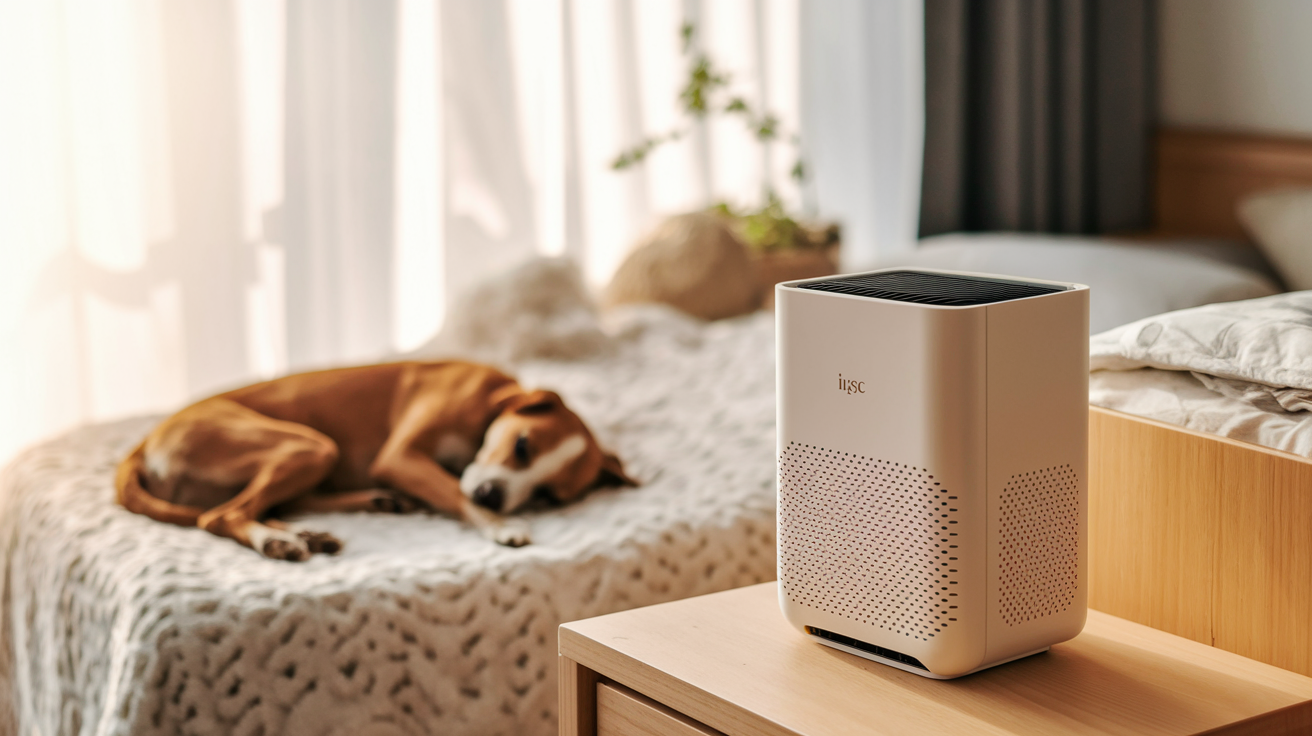
You don’t need to spend $500 to see real improvement. Units under $150 can handle single rooms effectively if you match the CADR to your space and set realistic expectations.
LEVOIT Core 300 is the standout in this range. True HEPA H13, activated carbon, and a CADR around 140 cfm make it capable of 4 to 6 ACH in bedrooms and small offices up to 200 to 250 square feet. Sleep mode is genuinely quiet. Filter replacement every 6 to 8 months costs $25 to $40. For one pet or a small space, it’s hard to beat the value.
Basic Winix models (like the 5300-2 or C535) offer similar specs at similar prices. True HEPA, washable prefilter, carbon, and decent CADR in the 150 to 200 cfm range. The PlasmaWave feature can be turned off if you’re concerned about ozone. Filters run $30 to $60 per year. These units are reliable and widely available.
The trade-offs in the budget category are smaller coverage, lighter carbon (so less odor control for strong smells), and fewer smart features. You won’t get app control, advanced sensors, or real-time air quality displays. But for basic allergen filtration in a bedroom or home office, they work.
Skip the temptation to buy an even cheaper “HEPA-type” unit. The $50 tower purifiers at big-box stores rarely have True HEPA or meaningful CADR. They move air, but they don’t clean it effectively. Spend the extra $30 to $50 for a true HEPA filter and you’ll notice the difference within a week.
Maintenance costs matter more than upfront price. A $70 unit with $60 annual filter costs equals $250 over three years. A $150 unit with $40 annual filters equals $270 over three years. The upfront savings disappear fast. Always check the filter replacement price and frequency before you buy.
For homes with heavy shedding or multiple pets, budget models often can’t keep up with odor or high particle loads. You’ll either need to replace filters more frequently (which raises annual cost), or accept that the room won’t smell completely fresh. In that case, moving up to a mid-range model with a larger carbon bed is a better long-term investment.
Premium Models and When They’re Worth the Investment
Premium purifiers ($400 and up) offer higher CADR, better build quality, larger carbon beds, advanced sensors, longer filter life, and quieter operation. But they’re not always necessary.
Dyson Purifier models justify the $400 to $700 price with sealed HEPA systems, oscillating airflow, real-time air quality monitoring, and dual functionality as a fan or heater. If you want one device that filters, circulates, and displays data, and you value design, Dyson makes sense. Filter life is 12 months, replacement cost is reasonable at $70 to $100. It’s a smart investment if you spend a lot of time in one room and want both clean air and climate control.
IQAir HealthPro Plus at $800 to $1,000+ is for severe allergies or asthma. The HyperHEPA filtration captures particles far smaller than typical HEPA, and filter stages last years, not months. If you’ve tried mid-range purifiers and still struggled, or if you have a doctor diagnosed severe respiratory condition, IQAir’s performance and long filter life justify the upfront cost. For mild to moderate allergies, it’s overkill.
Austin Air HealthMate costs $600 to $900 but delivers unmatched odor control thanks to a 15 pound carbon bed. Filter life is five years, and replacement is $250 to $450, which averages $50 to $90 per year (competitive with cheaper units that need annual replacements). If you have multiple large dogs, a litter box, or persistent urine odor, the Austin Air pays for itself in reduced filter frequency and superior smell elimination. For light odor or one small pet, it’s more than you need.
Premium models also tend to be quieter at equivalent CADR levels. Better fan engineering and sound insulation keep noise down even on higher speeds. If you’re sensitive to noise or plan to run the unit in a bedroom, that’s a real quality of life benefit.
Smart features (app control, scheduling, voice assistant integration) add convenience. If you travel frequently or want to automate air quality management, those features save time. If you’re home and don’t mind pressing a button, they’re nice but not essential.
When premium is worth it: you have severe allergies or asthma and need maximum filtration efficiency. You have multiple large pets or deal with strong, persistent odor. You want a purifier that lasts five-plus years with minimal filter changes. You value quiet operation, smart features, and design.
When it’s not: you have one pet and mild to moderate symptoms. You’re filtering a single bedroom or office. You’re budget conscious and willing to replace filters more often. In those cases, a $100 to $250 unit delivers 90% of the benefit at a fraction of the cost.
Maintenance Schedule and True Long-Term Costs
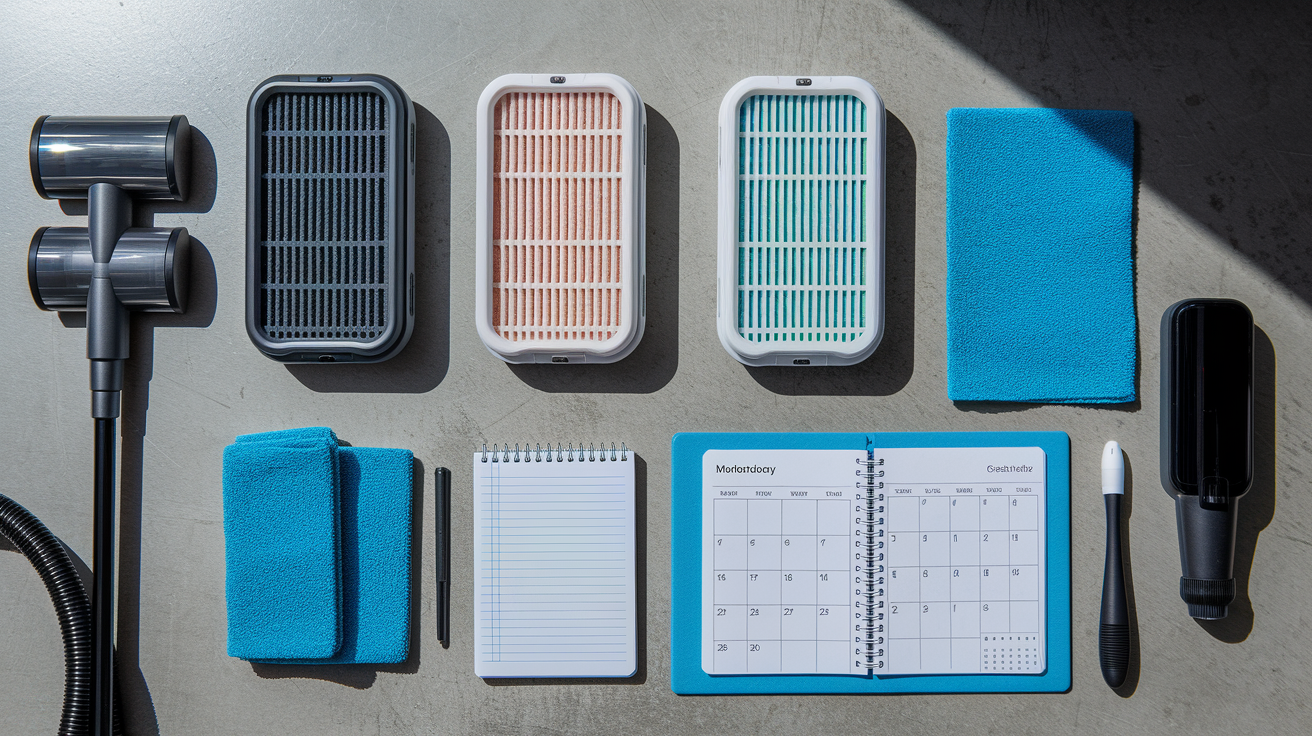
Air purifiers aren’t set and forget devices. Filters clog, performance drops, and costs add up. Plan for regular maintenance from day one.
Washable prefilters trap visible fur and large particles. Vacuum them weekly in a home with shedding pets. Every two weeks at minimum. If the prefilter is washable, rinse it under lukewarm water, let it air dry completely, and reinstall. This takes five minutes and saves your HEPA filter from premature clogging. Skipping prefilter maintenance can cut HEPA life in half.
HEPA filters must be replaced every 6 to 18 months depending on the model, your pet load, and how often you run the unit. Most manufacturers base their estimates on average use. If you have two shedding dogs and run the purifier around the clock, expect to replace closer to the 6 month mark. Check the filter every few months. If it looks dark gray or clogged, replace it even if the timer hasn’t hit the recommended interval. A clogged HEPA reduces airflow and CADR, which defeats the purpose.
Activated carbon filters degrade faster than HEPA in high odor environments. Odor molecules saturate the carbon pores. Once saturated, the filter stops working even though it looks clean. In homes with strong pet odor, litter boxes, or frequent accidents, replace carbon every 3 to 6 months. Some models combine HEPA and carbon in one filter. In that case the whole unit gets replaced at the shorter interval.
Annual cost examples. Let’s break down three common scenarios.
Single small room unit (LEVOIT Core 300): HEPA + carbon filter replacement twice per year at $30 per filter = $60/year. Electricity at 30 watts around the clock, roughly 260 kWh/year at $0.13/kWh = $34/year. Total annual operating cost = ~$94.
Mid-size unit (Coway AP-1512HH): HEPA + carbon replacement once per year at $70 = $70/year. Prefilter is washable, no cost. Electricity at 50 watts average = ~440 kWh/year = $57/year. Total = ~$127/year.
Premium whole room unit (Austin Air HealthMate): One combined filter replacement every 5 years at $350 = $70/year amortized. Electricity at 120 watts = ~1,050 kWh/year = $136/year. Total = ~$206/year.
Over three years, the LEVOIT costs $80 (unit) + $282 (operating) = $362 total. The Coway costs $175 + $381 = $556. The Austin Air costs $750 + $618 = $1,368. The premium unit costs nearly four times more, but delivers higher CADR, covers larger spaces, and requires less frequent filter changes. Whether that’s worth it depends on your space, your pet load, and your budget.
If you’re comparing two similar models, always factor in three year total cost, not just the sticker price. A cheap unit with expensive filters can cost more long-term than a pricier unit with affordable or long-lasting filters.
Set calendar reminders for filter checks and replacements. Most people forget until they notice performance drop or smell returning. By then, the purifier has been running ineffectively for weeks or months. Mark your calendar every three months to inspect the prefilter, every six months to check the HEPA, and replace on schedule even if it looks okay.
Buy replacement filters in bulk if the manufacturer offers multi-packs. You’ll often save 10 to 20% per filter and you’ll have spares on hand when it’s time. Store them in a cool, dry place away from moisture and dust.
What to Expect and What Air Purifiers Can’t Do

An air purifier reduces airborne allergen load. It does not eliminate all pet allergens from your home. That distinction matters.
Within hours of running a properly sized purifier, you should notice less dust floating in sunlight and a reduction in that stale pet smell. Airborne dander particles drop. Within 24 to 72 hours, most people with mild to moderate allergies report fewer sneezing fits, less eye irritation, and easier breathing (especially in the room where the purifier runs).
But surfaces, carpet, upholstery, bedding, they still hold settled allergens. Your couch, your pet’s bed, and your carpet are reservoirs. Every time you sit down, fluff a pillow, or walk across the room, you kick allergens back into the air. The purifier recaptures them, but it can’t prevent the initial release.
That’s why air purifiers work best as part of a layered approach. Vacuum with a HEPA filter vacuum at least twice per week. Wash pet bedding weekly in hot water. Use allergen proof covers on mattresses and pillows. Groom your pet outdoors or in a bathroom with the door closed and the purifier running nearby. Wipe down hard surfaces with a damp cloth to trap settled dander instead of sweeping it into the air.
If you only run the purifier and change nothing else, you’ll see improvement, but not dramatic relief. Combine the purifier with consistent cleaning routines and you’ll see real, sustained results.
Time to effect varies. Severe allergy symptoms can take a week or more to settle down even after airborne allergen levels drop. Your immune system needs time to calm. Be patient. If you don’t feel better after two weeks of running a correctly sized purifier around the clock, check the filter, verify the CADR calculation, and make sure you’re addressing surface allergens too.
Multi-pet homes or free roaming pets often need more than one purifier. One unit in the living room helps the living room, but bedrooms and hallways still accumulate dander. If your pet sleeps in your bedroom, put a purifier there. If your pet has access to the whole house, consider one unit per main living area and one in the bedroom. It’s a bigger investment, but it’s the only way to maintain 4 to 6 ACH throughout the home.
Energy use is usually minor. Most purifiers on low or auto mode draw 20 to 50 watts. Running one around the clock adds $20 to $50 per year to your electric bill. That’s less than $5 per month. The filter cost is the bigger recurring expense.
Noise on high speed can be intrusive. If you’re running a purifier in a bedroom, use sleep mode or a lower speed at night and ramp up during the day when you’re not sleeping. Auto mode helps. It increases speed when particle levels rise and drops back to quiet when the air clears.
Common reliability issues: cheaper models sometimes have wobbly fan bearings that develop a rattle after 6 to 12 months. Mid-range and premium models are usually more durable. Check user reviews for mentions of “fan noise after a few months” or “stopped working after a year.” A two or three year warranty is standard. Five year warranties are rare but worth seeking if you’re spending $500+.
Air quality sensors can be inconsistent. Some detect particles well but ignore odor. Others false trigger on cooking smoke or aerosol sprays. Don’t rely solely on the sensor display. Use your nose and your symptoms as the real measure. If the air smells better and you’re sneezing less, the purifier is working, even if the sensor says “moderate.”
Where to Buy and What to Check Before You Commit
Most major air purifier brands are available through online retailers, big-box stores, and direct from the manufacturer. Prices are usually similar across channels, though direct purchases sometimes include bundle deals or extended warranties.
Compare prices on at least two or three sites before buying. Sales (especially around Black Friday, Prime Day, and end of season clearance) can drop prices 20 to 40%. If you’re not in a rush, wait for a sale. Air purifiers are rarely backordered, so you’re not risking availability.
Check the return policy
Final Words
Choose a true HEPA purifier sized for the room, add an activated carbon stage for odors, and place it where your pet spends time most. That’s the practical start we covered.
Keep a routine: vacuum with a HEPA-filter vacuum, wash bedding weekly, groom pets regularly, and change purifier filters on schedule. Watch air quality and any allergy signs for a few weeks.
Using air purifiers for pet allergy management alongside these steps can really cut household allergens. Small, steady changes make a big difference.
FAQ
I can’t build the FAQ yet because the People Also Ask / Related Questions section and the Article Outline (or hyperlink list) are missing.
What I need from you — pick one option:
- Paste the People Also Ask and Related Questions list you want me to use, or
- Share the Article Outline plus a Hyperlink List (up to 2 internal + 2 external URLs), or
- Tell me the exact article topic (example: “dog ear infections,” “cat vomiting after eating,” etc.) and I’ll draft FAQs based on that.
Tip: If you want a ready FAQ fast, say how many items (I recommend 6–8) and whether to focus on home care, red flags, or vet visit prep.