

You don’t have to choose between your pet and breathing easier.
Pet allergens hide in rugs, sofas, bedding, and vents, and they get kicked back into the air every time you walk across the room or sit on the couch.
This post shows simple steps that often cut allergen levels within hours.
Use a HEPA vacuum, wash bedding in hot water, swap your HVAC filter, and run a HEPA air purifier.
We’ll also share a low-effort cleaning rhythm to keep relief going.
Immediate At‑Home Allergen Reduction Strategies That Deliver Fast Relief

Pet allergens pile up in predictable spots. Carpets and rugs, upholstered furniture, curtains and blinds, air ducts and HVAC filters, stuffed animals. Go after these zones first and you’ll feel relief the same day. When dander builds up in these reservoirs, it keeps cycling back into the air every time you walk across a rug, drop onto the couch, or fire up your heating system.
One aggressive pass with a HEPA vacuum across floors and upholstery can grab millions of microscopic particles right now. Pair that with washing all your bedding in hot water today, swapping out your HVAC filter, and dropping a HEPA air purifier in whatever room feels worst. Use a damp cloth to wipe down counters, coffee tables, bookshelves, and desks so you’re not just flinging settled dander back into breathing range. Got washable stuffed animals or throw pillows? Shake them outside or toss them in the washer on hot.
Here’s your rapid relief checklist:
- Run a HEPA vacuum over all floors, rugs, and upholstered furniture today.
- Strip beds and wash all human and pet bedding in the hottest water the fabric can handle.
- Replace your HVAC filter with a high efficiency model right now.
- Set up a HEPA air purifier in bedrooms or the main living area immediately.
- Wipe all hard surfaces with a damp microfiber cloth to trap loose dander.
- Shake out or wash soft items like stuffed animals, throw blankets, and decorative pillows today.
These steps create noticeable improvement in hours. But symptom relief will fade if you stop here. Allergens return the moment shedding and daily life resume, which is why these same day actions need to transition into the ongoing routines covered next.
Cleaning Routines That Lower Pet Allergens Throughout the Home

Allergen control isn’t a one time event. It’s a rhythm. Dander sheds daily, floats, settles, and sticks, so consistent cleaning stops the cycle before layers accumulate. Once you’ve completed your rapid cleanup, build a predictable schedule that keeps surfaces, fabrics, and air pathways clear without overwhelming your week. Long term cadence is what separates temporary relief from sustainable comfort.
Daily: Quick vacuum high traffic zones where pets spend the most time, like the living room or entryway. Wipe kitchen counters and pet feeding areas with a damp cloth.
Every few days: Run your HEPA vacuum across all floors, under furniture, and along baseboards where dander drifts and settles.
Weekly: Mop hard floors with plain water or a pet safe cleaner to lift what vacuuming missed. Damp wipe surfaces like desks, bookshelves, coffee tables, and window sills using a microfiber cloth. Wash all human bedding in hot water. Wash pet bedding, blankets, and favorite toys separately in hot water, then dry on high heat to denature remaining proteins.
Weekly (soft items): Launder throw pillows, pet blankets, and washable stuffed animals. Rotate items so not everything’s in the wash at once.
Monthly: Check and replace HVAC filters if they look clogged or if 1–2 months have passed. Vacuum or wash curtains and blinds. Wipe down ceiling fan blades and air vents.
Seasonal: Schedule a deep clean. Move furniture to vacuum underneath, wash window treatments, shampoo area rugs or upholstery, and inspect air ducts for visible dust buildup.
Use a simple template or calendar reminder to anchor tasks to specific days. “Vacuum floors every Monday and Thursday,” “Bedding wash every Saturday,” “Filter check first Sunday of the month.” Adjust the schedule seasonally. Shedding peaks in spring and fall, so bump up vacuuming frequency during those windows. A visible checklist on the fridge or a shared digital reminder keeps the whole household consistent, which is what makes routines stick.
Air Filtration, HVAC Filters, and Ventilation for Reducing Pet Allergens

HEPA filters are the gold standard because they trap 99.97% of particles as small as 0.3 microns, a range that captures pet dander, pollen, and dust mite waste. Standalone HEPA air purifiers work best in the rooms where you spend the most time. Bedrooms, living rooms, home offices. Place the unit away from walls and furniture so air can circulate freely around the intake and exhaust. Run it continuously on low or medium during the day, then bump it to high for an hour before bed to scrub the air in your sleeping space.
HVAC filters use MERV ratings to measure efficiency. A MERV 8–11 filter captures most household allergens without straining your system, while MERV 12–13 offers tighter filtration if your HVAC can handle the airflow restriction. Replace filters every 1–2 months, more often if you have multiple pets or notice dust accumulation on vents. Keep indoor humidity between 40% and 50% using a dehumidifier if needed. Damp air encourages dust mites and mold, two allergens that layer on top of pet dander and worsen symptoms.
Safe ventilation helps, but timing matters. Open windows during low pollen hours (usually early morning or after rain) to exchange stale indoor air. Avoid cross ventilation on high pollen days or when outdoor mold counts spike. An exhaust fan in the laundry room or bathroom pulls humid, particle laden air out, reducing the load your purifiers and HVAC filters need to handle.
| Filter/Purifier Type | Best Use Case |
|---|---|
| HEPA Air Purifier | Bedrooms, living rooms, home offices where you spend extended time |
| MERV 8–11 HVAC Filter | Whole home baseline filtration for households with pets |
| MERV 12–13 HVAC Filter | Higher sensitivity needs, if your system supports the airflow demand |
Pet Grooming Routines to Lower Allergens at the Source
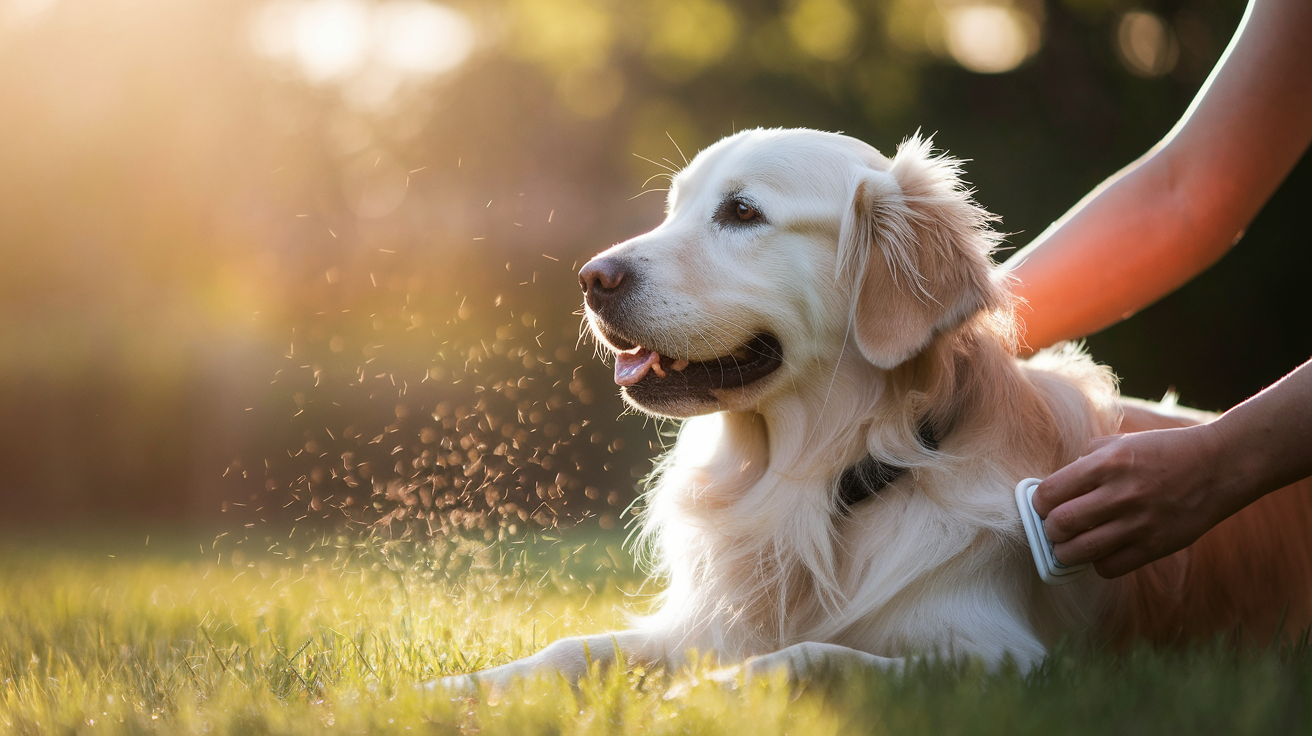
The proteins that trigger allergies, Fel d1 in cats and Can f1 in dogs, originate in saliva, skin oils, and urine, then hitch a ride on shed fur and flaked skin. Grooming interrupts that cycle by removing loose fur and dander before it spreads through your home. Weekly bathing with a gentle, hypoallergenic shampoo rinses allergen proteins off the coat, but over bathing strips natural oils and can dry out skin, which paradoxically increases flaking. Find the balance that works for your pet’s skin type. Once a week is a good starting point for most dogs, while cats may only tolerate bathing every few weeks or require waterless alternatives.
Brush outdoors whenever possible so shed fur and dander stay outside. Use a grooming glove or slicker brush designed for your pet’s coat type.
Bathe weekly using a mild, allergen reducing or hypoallergenic pet shampoo. Rinse thoroughly to avoid residue that can irritate skin.
Use grooming tools that capture undercoat, like de-shedding rakes or rubber curry brushes, especially during seasonal shedding peaks.
Avoid aggressive trimming unless guided by a groomer or vet. Uneven cuts or clipper burns can cause skin irritation and more flaking.
Wipe down between baths with pet safe grooming wipes or a damp cloth to remove surface oils and saliva residue from the coat.
Wash collars, harnesses, and bandanas weekly. They collect saliva and skin oils just like bedding.
Consider professional grooming every 4–8 weeks for breeds with heavy coats or complex grooming needs.
Dry thoroughly after bathing. Damp fur can harbor yeast or bacteria that worsen skin problems and allergen production.
Understanding Fel d1 and Can f1
Fel d1 is a protein secreted primarily in cat saliva and sebaceous glands. Cats groom constantly, spreading saliva across their entire coat, which is why cat allergens are especially persistent and airborne. Can f1 is a dog allergen found in saliva, dander, and urine. Both proteins are lightweight and sticky. They cling to surfaces and become airborne with the slightest disturbance. Controlling these proteins means reducing the saliva and oil transfer to your environment, which is why outdoor brushing, regular bathing, and limiting face contact all help lower the total allergen load in your home.
Bedroom & Furniture Protection to Reduce Allergen Exposure Overnight
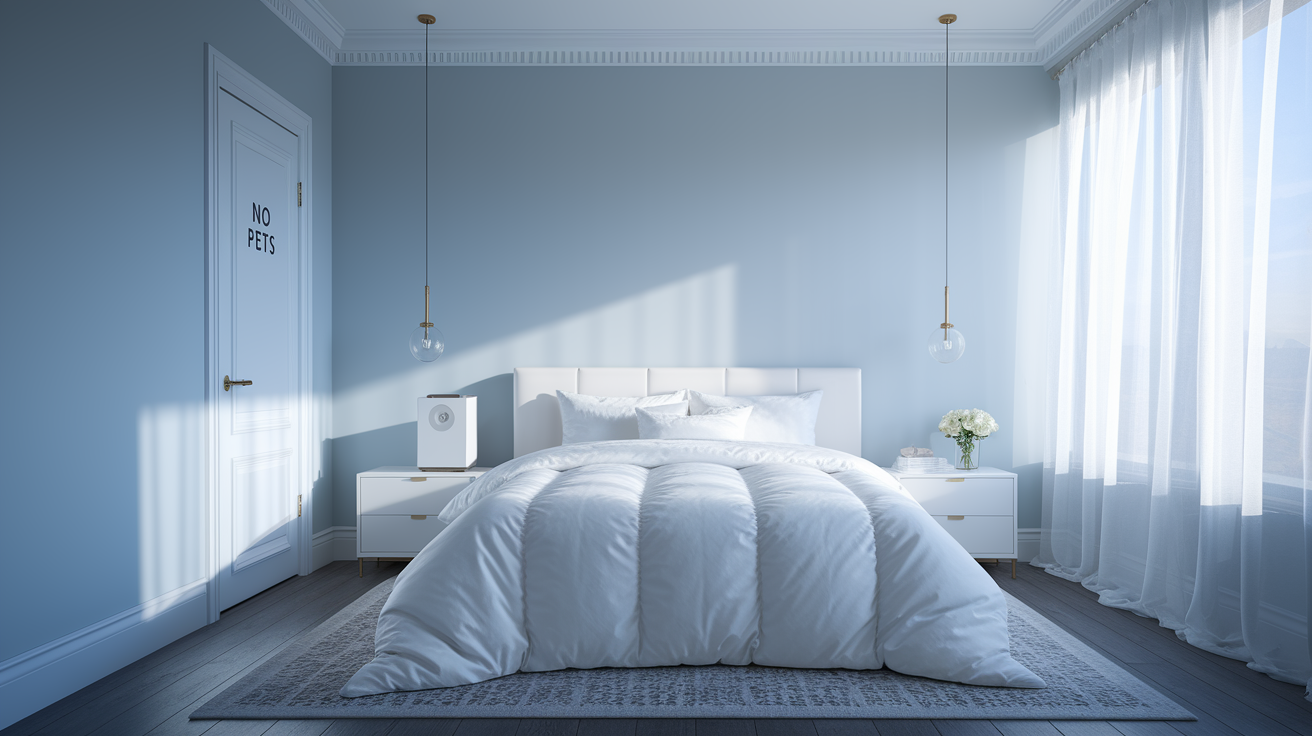
You spend six to eight hours in your bedroom, breathing deeply and lying still, which gives airborne and surface allergens direct access to your respiratory system all night. Bedrooms become high exposure zones because pillows, mattresses, and bedding trap dander from pets who jump on beds or from allergen particles carried on clothing and hair. Protecting this space delivers the most noticeable overnight relief because uninterrupted allergen exposure is what drives persistent morning congestion, itchy eyes, and nighttime coughing.
Establish a pet free bedroom rule. Close the door or use a baby gate to keep pets out entirely, especially at night.
Use allergen proof mattress and pillow covers with tightly woven fabric or zippered encasements that block dander from embedding in bedding materials.
Wash all bedding weekly in hot water (130°F or higher if fabrics allow) and dry on high heat.
Cover upholstered furniture with washable throws or slipcovers if pets are allowed on sofas or chairs, then launder those weekly.
Choose microfiber or tightly woven bedding over flannel or chenille, which have texture that traps particles.
Rotate soft items like decorative pillows and extra blankets out of the bedroom if they’re not used daily. Fewer fabric surfaces mean fewer allergen reservoirs.
The long term benefit of a protected bedroom is cumulative. When your immune system gets a break for eight hours every night, daytime symptoms often ease because your body isn’t constantly reacting. Pair bedroom protection with consistent cleaning and grooming routines, and you create a true low allergen refuge in the space where it matters most.
Flooring, Fabrics, and Home Layout Choices That Reduce Allergen Buildup

Soft surfaces act like allergen sponges. Carpets, heavy curtains, and upholstered furniture with deep pile or textured weaves trap microscopic dander in layers that routine vacuuming can’t fully reach. Hard flooring like vinyl, tile, laminate, or sealed hardwood lets you see and remove particles with a quick damp mop, which is why homes with less carpet and fewer fabric heavy furnishings report lower allergen loads. If you’re building, renovating, or have flexibility in layout choices, prioritizing easy to clean surfaces cuts long term exposure and cleaning effort.
| Home Feature | Allergen Impact |
|---|---|
| Carpet vs. hard flooring | Carpet traps dander deep in fibers; hard floors allow easy removal with damp mopping |
| Curtains and blinds | Heavy drapes collect particles; washable roller shades or vinyl blinds wipe clean quickly |
| Upholstered vs. leather/vinyl furniture | Fabric upholstery holds allergens; leather and vinyl surfaces wipe clean with a damp cloth |
Renters can make smaller swaps without permanent changes. Replace fabric curtains with washable Roman shades, use washable area rugs over wall to wall carpet, or cover upholstered furniture with fitted, machine washable slipcovers. Homeowners considering upgrades should prioritize high traffic pet areas first: entryways, living rooms, and bedrooms, then expand to other rooms over time. Even partial shifts toward hard, wipeable surfaces reduce the total allergen reservoir and make your cleaning routines faster and more effective.
Laundry, Toys, and Soft Items: Managing Hidden Pet Allergen Reservoirs

Textiles are allergen magnets. Pet bedding, human bedding, throw blankets, stuffed toys, and even couch cushions absorb dander, saliva, and skin oils every time your pet curls up or brushes past. Left unwashed, these items become hidden reservoirs that continuously release particles back into the air. Consistent hot water laundering breaks that cycle by denaturing allergen proteins and flushing particles out of fabric fibers.
Wash pet bedding and human bedding separately to avoid transferring extra hair and dander between loads. Use hot water (130°F or higher) whenever fabric care labels allow.
Run the dryer on high heat for at least 20 minutes after washing to further reduce protein allergens.
Sanitize soft toys weekly by machine washing or, for non washable items, freezing overnight to kill dust mites, then vacuuming with the upholstery attachment.
Store clean human clothing in closets with doors closed so airborne dander doesn’t settle on freshly laundered items.
Rotate washable throws and pet blankets so you always have a clean set ready while the other’s in the laundry.
Routines stick when they’re simple. Designate one laundry day per week for all pet related textiles, and keep a separate hamper near pet sleeping areas so dirty bedding doesn’t pile up in living spaces. The cumulative effect of weekly hot water washing, combined with dryer heat, steadily lowers the total allergen load in fabrics throughout your home.
Allergen Exposure Management for Children, Pregnant Individuals, and Sensitive Household Members

Young children, pregnant individuals, and anyone with asthma or compromised immune function react more intensely to pet allergens because their respiratory and immune systems are either still developing or already under strain. Dander and saliva are the biggest triggers. Children who play on floors near pet sleeping areas or let pets lick their faces accumulate higher exposure than adults. Pregnant individuals may experience heightened nasal congestion and respiratory sensitivity even if they weren’t previously allergic.
Assign pet care duties like feeding, grooming, and litter box cleaning to non allergic household members whenever possible. Teach children to wash hands with soap and water immediately after petting or playing with pets, and before touching their faces. Discourage pets from licking faces, hands, or open skin. Saliva carries concentrated allergen proteins that dry and become airborne. Keep pet sleeping areas and play zones separate from nurseries, playrooms, or spaces where vulnerable household members spend extended time.
You don’t need to eliminate pet interaction entirely. Just add simple barriers. A washable play mat creates a cleanable zone for floor play. A baby gate keeps pets out of bedrooms during naps and nighttime. Regular handwashing, combined with the cleaning, grooming, and air filtration strategies already covered, lets sensitive household members enjoy pet companionship without constant respiratory flare ups or skin reactions.
Medical Options, Allergy Testing, and When to See a Specialist

If you’ve maintained consistent cleaning, air filtration, grooming, and bedroom protection for several weeks and symptoms persist (itchy eyes, sneezing, runny nose, nighttime coughing, wheezing, or skin reactions), it’s time to see an allergist. Persistent symptoms despite diligent home measures suggest your immune response needs medical management, not just environmental control. Red flags that warrant faster consultation include trouble breathing, asthma attacks triggered by pet exposure, chronic sinus infections, or sleep disruption from congestion or coughing.
| Medical Option | What It Helps With |
|---|---|
| Over the counter antihistamines or nasal sprays | Short term symptom relief for mild reactions; helps during peak shedding seasons |
| Allergy testing (skin prick or blood test) | Identifies specific allergens (Fel d1, Can f1, others) to confirm pet triggers |
| Immunotherapy (allergy shots) | Long term desensitization by gradually increasing allergen exposure under medical supervision |
| Sublingual immunotherapy (under tongue tablets) | At home desensitization option for certain allergens; requires prescription and monitoring |
Allergy specialists may recommend a combination approach: medication for immediate symptom control, testing to confirm triggers, and immunotherapy to reduce long term sensitivity. Immunotherapy takes months to show results, but it can substantially lower reactivity over time, letting you live more comfortably with pets. Ongoing management often pairs medical treatment with the home strategies you’ve already implemented, so your cleaning routines and air filtration continue to support medical interventions rather than replace them.
Final Words
in the action, we focused on same-day relief: hit the hot spots where dander hides, run a HEPA vacuum pass, damp-wipe surfaces, wash bedding, and swap an HVAC filter for quick improvement.
We then covered how cleaning routines, air filtration, grooming, bedroom rules, layout choices, and careful laundry and toy care keep allergens lower over time, plus when to talk with a specialist.
Try the rapid steps first, then keep building the routines to learn how to reduce pet allergen exposure at home. Small changes make a big difference.
FAQ
Q: How to get rid of pet allergy in house?
A: Getting rid of pet allergy in the house means lowering dander and airborne allergens fast. Do a same-day HEPA vacuum of floors and upholstery, wash bedding hot, change the HVAC filter, damp-wipe surfaces, and run a HEPA purifier.
Q: Can you build up a tolerance to pet allergies? Can you desensitize yourself to dog allergies?
A: You can sometimes build up tolerance to pet allergies through medical desensitization (immunotherapy). Allergy shots or sublingual therapy often reduce reactions over months; see an allergist for testing and a treatment plan.