

What if a quick lip lift could save your dog’s life?
Pale or white gums mean blood or oxygen isn’t getting to tissues, and that’s often an emergency.
You’re not overreacting. This is a real red flag.
In this post you’ll learn how to check gum color and capillary refill time (CRT, how long it takes pink to come back), the most common causes like shock or internal bleeding, what to do at home, and exactly when to call your vet.
Understanding Pale or White Dog Gums and What They Mean Immediately
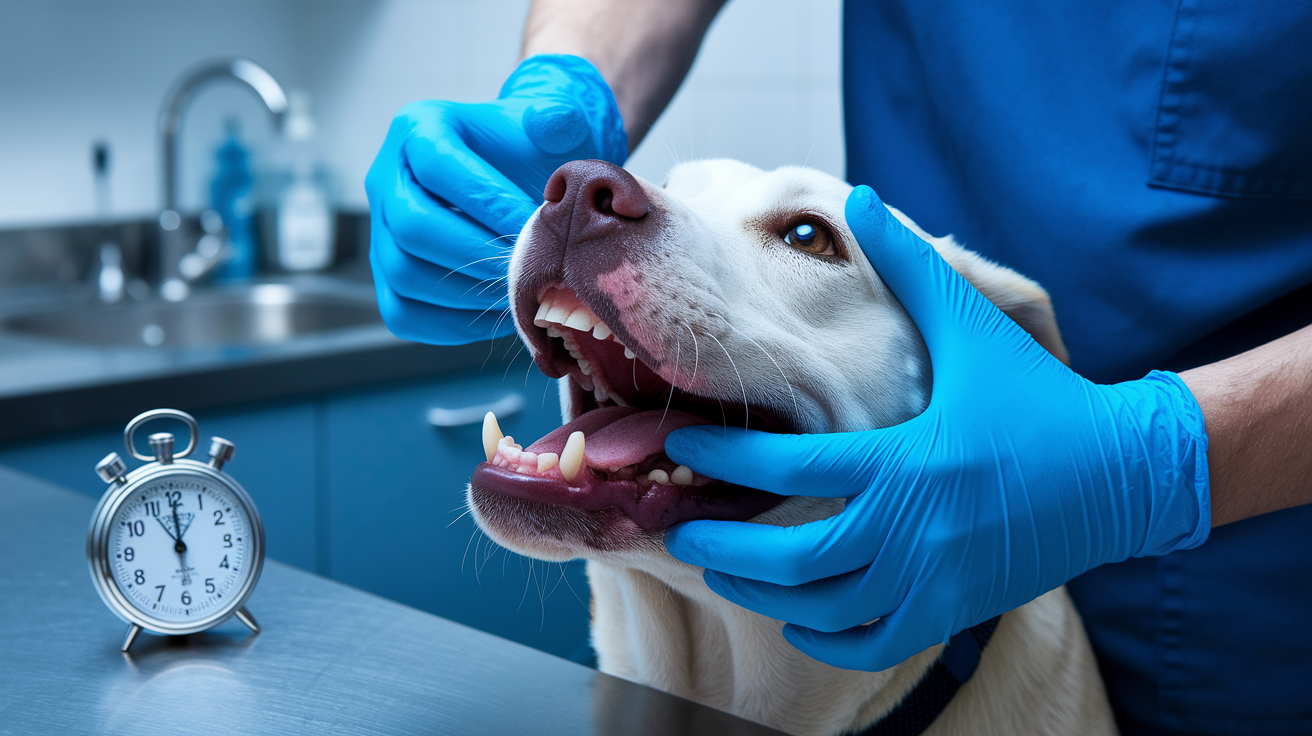
Pale or white gums in your dog mean something’s gone wrong with oxygen delivery or blood circulation. Often, it’s a medical emergency. Healthy gums look like bubblegum pink and feel moist when you touch them. When gums turn very pale, almost white, or take on a gray, ashen tone, blood isn’t reaching your dog’s tissues the way it should. The cause can be life threatening if you don’t act fast.
Here’s a quick way to check circulation: press your fingertip against your dog’s gum until it blanches, then let go and count how long it takes for the pink color to come back. That’s called capillary refill time, or CRT. Normal is 1 to 2 seconds. If it takes longer than 2 seconds, your dog’s circulation is compromised. That’s a red flag and you need veterinary attention immediately.
Pale or white gums usually point to serious conditions that need urgent care. The most common emergency causes include:
- Shock from severe blood loss, dehydration, infection, or heart failure
- Internal bleeding from trauma, ruptured masses, or rodenticide poisoning
- Severe anemia caused by parasites, immune system attacks on red blood cells, or chronic disease
- Bloat (GDV) that twists the stomach and cuts off blood flow
- Heart disease that reduces the heart’s ability to pump blood effectively
- Toxin exposure, especially rat poison, which messes with clotting and causes hidden bleeding
This symptom becomes immediately life threatening when paired with collapse, difficulty breathing, a swollen or hard abdomen, active bleeding, visible bruising on the skin or gums, or any sign your dog’s in shock. Time matters. The sooner you recognize pale or white gums and act, the better chance your vet has to stabilize your dog and address the root cause.
Normal Gum Color in Dogs and How It Compares to Pale or White Gums
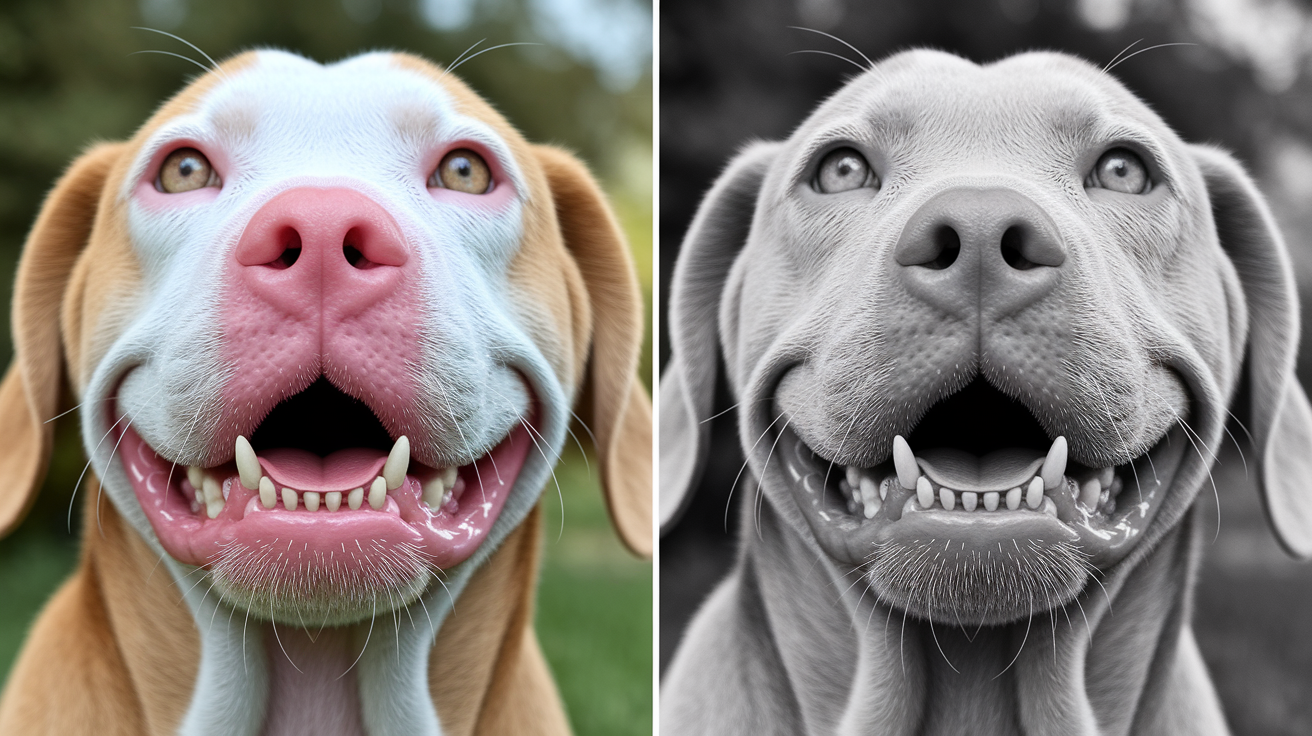
Healthy dog gums should look like the inside of bubblegum. Light to medium pink. They should feel slippery or moist when you touch them gently. If your dog’s gums feel tacky or sticky instead of moist, that often means dehydration is setting in. When you press your finger against the gum and release, the pink color should flood back within 1 to 2 seconds. This tells you blood is flowing and your dog’s circulation is working normally.
Pale or white gums are a clear departure from that healthy baseline. Instead of pink, the gums look faded, almost colorless, or take on a grayish tone. Sometimes you’ll see slight pink around the edges but the center of the gum tissue looks blanched. That visual difference is your first clue that something’s wrong. Either blood isn’t circulating well, or there simply isn’t enough blood reaching the tissues.
It’s helpful to know what other abnormal gum colors can mean:
- Gray or ashen gums often indicate severe shock or very poor perfusion, sometimes seen in advanced heart failure or major blood loss
- Blue or purple gums suggest cyanosis, a lack of oxygen in the blood, commonly from respiratory distress or airway obstruction
- Bright red gums can signal overheating, carbon monoxide poisoning, or certain toxins
- Yellow gums point to jaundice, usually from liver disease or breakdown of red blood cells
- Dark red or brick red gums may appear during heatstroke, septic shock, or severe inflammation
Comparing your dog’s gum color to this quick mental checklist helps you decide how urgent the situation is and gives you concrete details to share with your vet when you call or arrive at the clinic.
Causes of Pale or White Gums in Dogs: Health Conditions That Reduce Oxygen or Blood Flow

Pale or white gums happen when tissues aren’t getting enough oxygen rich blood. That breakdown can occur in four main ways: shock, anemia, internal bleeding, or cardiovascular failure. Each category has different triggers, but they all share the same warning sign. Gums that lose their normal pink color because blood flow or oxygen delivery has dropped too low.
Shock comes in three major types. Hypovolemic shock occurs when your dog loses too much blood or fluid. Trauma like being hit by a car, a ruptured internal mass such as a bleeding splenic tumor, or severe dehydration caused by prolonged vomiting, diarrhea, or heatstroke. Distributive shock happens when blood vessels dilate too much or blood flow gets blocked. Common examples include bloat (GDV) that twists the stomach and compresses major blood vessels, caval syndrome from severe heartworm disease that obstructs the right side of the heart, anaphylaxis from an allergic reaction, sepsis or systemic infection from sources like a ruptured pancreatic abscess or perforated intestine, and heatstroke that damages blood vessel walls. Cardiogenic shock results from heart failure, dilated cardiomyopathy (DCM), severe mitral valve disease, or fluid around the heart (pericardial effusion) that prevents the heart from pumping effectively.
Anemia means your dog has too few red blood cells to carry oxygen. Blood loss anemia can come from external injuries, internal bleeding from tumors or rodenticide poisoning, or parasites like fleas (especially dangerous in puppies and older dogs) and hookworms that feed directly on blood in the intestines. Increased red blood cell destruction is often caused by immune mediated hemolytic anemia (IMHA), where the immune system attacks and destroys red blood cells, toxins like zinc or onions, or certain infections. Decreased red blood cell production happens with chronic kidney disease (kidneys produce less erythropoietin, the hormone that signals bone marrow to make red cells), bone marrow cancers like leukemia or lymphoma, poor nutrition, or toxins and medications that damage marrow function. Red blood cells normally live about 120 days, so when production slows, anemia develops more gradually than with sudden blood loss.
Internal bleeding is particularly dangerous because you won’t see it. Trauma from car accidents or dog fights can cause bleeding inside the chest or abdomen. Ruptured masses, especially hemangiosarcoma (a cancer of blood vessel walls in organs like the spleen or liver), can bleed into the belly without any outward sign. Rodenticide poisoning disrupts clotting factors, leading to uncontrolled internal hemorrhage that only shows up as pale gums, weakness, and sometimes bruising under the skin.
How to Safely Check for Pale or White Gums at Home

Checking your dog’s gum color is a straightforward process that takes less than a minute. It gives you critical information about circulation and helps you decide whether to seek emergency care. Here’s how to do it safely:
- Find good lighting. Natural daylight or bright indoor light works best. Gum color can look different under dim or artificial light, so move to a well lit area before you start.
- Approach calmly. If your dog is already stressed, anxious, or in pain, sudden handling can cause a defensive bite. Speak quietly and move slowly.
- Gently lift the upper lip. Use one hand to lift the lip on one side of your dog’s mouth, exposing the gum above the upper teeth. You don’t need to open the mouth or touch the teeth, just lift the lip high enough to see the gum tissue clearly.
- Observe the color. Healthy gums should be bubblegum pink. Note any pale, white, gray, blue, red, or yellow tones. If you’re not sure, compare the gum color to the color of your own gums or the inside of your cheek.
- Perform the capillary refill test (CRT). Press your fingertip firmly against the gum for about 2 seconds until the spot turns white. Release and count how long it takes for the pink color to return. Normal is 1 to 2 seconds. Anything longer suggests poor perfusion.
- Check moisture. Touch the gum lightly. It should feel moist and slippery, not tacky or dry. Sticky gums often indicate dehydration, which can contribute to pale gum color.
Take a photo of your dog’s gums with your phone, especially if the color looks abnormal. Natural lighting will give the most accurate image. Write down the CRT time and note any other symptoms you’re seeing. Difficulty breathing, weakness, vomiting, diarrhea, bleeding, or changes in behavior. This documentation helps your vet assess urgency over the phone and speeds up the diagnostic process once you arrive at the clinic.
Additional Symptoms That Often Appear With Pale or White Dog Gums

Pale or white gums rarely show up alone. When circulation or oxygen delivery drops, your dog’s body shows other signs that help you understand how serious the situation is and how fast you need to act. Weakness and lethargy are common early signals. Your dog may move slowly, stumble, or lie down and resist getting up. In more severe cases, you’ll see collapse. Your dog can’t stand or falls over when trying to walk, and may lose consciousness briefly or completely.
Breathing changes are another major warning. Rapid, shallow breathing or obvious difficulty breathing. Open mouth panting even at rest, flared nostrils, or a strained, labored effort to pull air in. That tells you your dog is struggling to get enough oxygen. Abdominal swelling or a distended, hard belly can indicate internal bleeding, bloat, or fluid accumulation. All of which reduce blood flow and cause pale gums. Vomiting blood (either bright red or dark, coffee ground material) or passing black, tarry stools (melena) signals gastrointestinal bleeding. Visible bruising on the skin, gums, or inside the ears suggests a clotting disorder or rodenticide toxicity. External bleeding that won’t stop, nosebleeds, blood from the mouth, or bleeding from a wound, drains blood volume and leads directly to pallor.
The following signs paired with pale or white gums mean you need emergency veterinary care immediately:
- Collapse or inability to stand even for a few seconds
- Difficulty breathing, gasping, or turning blue around the gums or tongue
- Distended, hard, or painful abdomen, especially with retching or unproductive vomiting
- Active, uncontrolled bleeding from any part of the body
- Seizures, tremors, or loss of consciousness
If you see any of these combinations, don’t wait to monitor at home. Call your vet or emergency clinic while someone else prepares to transport your dog. Or head straight to the clinic if you’re alone.
When Pale or White Gums Require Emergency Veterinary Care

Any time you see pale or white gums in your dog, it’s worth a same day veterinary visit at minimum. But certain situations move from “urgent” to “emergency, go now.” Recognizing the difference can save your dog’s life. If your dog’s gums are pale or white and they’re also showing signs of shock, collapse, severe weakness, stumbling, or can’t stand up, that’s a medical emergency. Transport immediately. The same rule applies if your dog is having trouble breathing, gasping for air, breathing very fast, or if the gums are starting to turn blue or gray instead of just pale.
A distended or hard abdomen is another red flag that requires immediate action. This can indicate bloat (GDV), internal bleeding, or a ruptured organ. If your dog is retching without bringing anything up or seems unable to get comfortable, especially a deep chested breed, suspect GDV and get to an emergency clinic within minutes. Suspected toxin exposure, particularly rodenticide, antifreeze, or any poison, paired with pale gums means the clock is ticking on clotting function or kidney damage. Don’t wait to see if symptoms improve. Trauma from being hit by a car, a fall, a dog fight, or any significant injury that results in pale gums likely means internal or external blood loss. Your dog needs stabilization and imaging right away.
Time sensitive conditions like shock, internal bleeding, GDV, immune mediated hemolytic anemia (IMHA), and rodenticide toxicity worsen quickly. Sometimes within hours or even minutes. Early veterinary intervention, IV fluids, oxygen, blood transfusions, or emergency surgery, dramatically improves outcomes. Waiting to “see how it goes” or hoping symptoms resolve on their own often leads to irreversible organ damage or death.
Here’s a quick decision guide for “go now” symptoms:
- Pale/white gums plus collapse, extreme weakness, or loss of consciousness
- Pale/white gums plus difficulty breathing, blue or purple gums, or rapid gasping
- Pale/white gums plus swollen, hard, or painful belly
- Pale/white gums plus known or suspected toxin ingestion
If you’re ever in doubt, call your vet or an emergency clinic and describe what you’re seeing. They can help you decide whether to come in immediately or monitor closely for the next hour. But in general, pale or white gums are not a “wait and see” symptom.
What Vets Do to Diagnose Pale or White Gums in Dogs

When you arrive at the clinic or emergency hospital with a dog showing pale or white gums, the veterinary team will move quickly to stabilize your dog and identify the underlying cause. The first step is a rapid physical exam focused on vital signs. Heart rate, respiratory rate, blood pressure, temperature, pulse quality, and mucous membrane color and capillary refill time. The vet will listen to the heart and lungs, palpate the abdomen for pain, fluid, or masses, and check for external injuries, bleeding, or bruising.
At the same time, the vet will take a detailed history from you. Be ready to share when you first noticed the pale gums, any recent trauma or injuries, known or possible toxin exposure (rat poison, medications, plants, antifreeze), changes in appetite, water intake, urination, vomiting, diarrhea, lethargy, or collapse, current medications and supplements, and any prior health conditions, especially heart disease, kidney disease, cancer, or clotting disorders. This background helps the vet prioritize which diagnostics to run first.
Blood work is almost always the next step. A complete blood count (CBC) measures red blood cells, white blood cells, and platelets. The packed cell volume (PCV) or hematocrit tells the vet how much of your dog’s blood is made up of red blood cells. Normal PCV in dogs is roughly 37 to 55%. Anemia is generally diagnosed when PCV drops below 30%, and severe, life threatening anemia often shows PCV in the range of 15 to 25% or lower. A blood chemistry panel checks kidney and liver function, blood sugar, protein levels, and electrolytes. Coagulation tests (like PT/PTT or D dimer) assess clotting function and help diagnose rodenticide toxicity or clotting disorders. Urinalysis can reveal kidney disease, infection, or blood in the urine. A fecal analysis checks for intestinal parasites like hookworms that cause blood loss.
Imaging is often necessary to find internal bleeding, masses, or obstructions. X-rays of the chest and abdomen can show free fluid (blood), enlarged organs, tumors, or signs of bloat. AFAST (abdominal focused assessment with sonography for trauma) and TFAST (thoracic focused assessment) are quick ultrasound scans that detect free fluid in the belly or chest within minutes. More detailed ultrasound exams can identify ruptured masses, heart disease, or other structural problems.
| Diagnostic Test | What It Detects |
|---|---|
| Complete Blood Count (CBC) / PCV | Anemia, low platelets, infection, immune mediated destruction of red blood cells |
| Blood Chemistry Panel | Kidney disease, liver disease, electrolyte imbalances, blood sugar, protein levels |
| Coagulation Tests (PT/PTT) | Clotting disorders, rodenticide toxicity, platelet function |
| X-rays (Chest/Abdomen) | Internal bleeding, bloat/GDV, masses, organ enlargement, fluid in chest or abdomen |
| AFAST/TFAST Ultrasound | Free fluid (blood) in abdomen or chest, ruptured masses, pericardial effusion |
Emergency Treatments for Dogs With Pale or White Gums

Once the vet identifies the cause of your dog’s pale or white gums, treatment focuses on stabilizing circulation, restoring oxygen delivery, and addressing the underlying condition. The first priority is almost always IV fluid therapy. Isotonic fluids like lactated Ringer’s solution or 0.9% saline are given through an intravenous catheter to support blood pressure, improve perfusion, and help the heart pump more effectively. If your dog is in shock, fluids are administered rapidly in boluses to restore blood volume. Oxygen therapy is started if your dog is struggling to breathe or if blood oxygen levels are low. This can be delivered through a face mask, oxygen cage, or nasal cannula.
Blood transfusions are considered when anemia is severe. Typically when PCV drops below 20 to 25% and your dog is showing clinical signs like weakness, rapid heart rate, or collapse. Whole blood provides red blood cells to carry oxygen. Packed red blood cells (pRBCs) are used when the dog needs oxygen carrying capacity but doesn’t need extra fluid volume. Fresh frozen plasma or platelet rich plasma is given if clotting factors are low, such as in rodenticide poisoning or immune mediated thrombocytopenia. Transfusions are lifesaving in acute blood loss or severe hemolytic anemia, but they come with risks like transfusion reactions, so vets monitor closely during and after administration.
Cause specific treatments vary widely. For rodenticide toxicity, vitamin K injections and oral supplements restore clotting function, often required for weeks. For immune mediated hemolytic anemia (IMHA) or immune mediated thrombocytopenia (ITP), immunosuppressive drugs like prednisone, cyclosporine, or azathioprine are started to stop the immune system from attacking red blood cells or platelets. For sepsis or severe infection, broad spectrum antibiotics are given intravenously. For parasites like hookworms or severe flea infestations, dewormers such as fenbendazole or pyrantel are administered along with supportive care and possibly a transfusion if anemia is critical. For bloat (GDV), emergency surgery is required to untwist the stomach, remove dead tissue, and tack the stomach to the body wall to prevent recurrence. For internal bleeding from a ruptured mass, surgery may be needed to remove the spleen or liver tumor and stop the hemorrhage, though outcomes depend heavily on whether the mass is cancerous. For heart disease causing cardiogenic shock, medications to support heart function, diuretics to reduce fluid buildup, and oxygen therapy are the mainstays, along with long term cardiac medications and special diets like Hill’s k/d Kidney Care or Royal Canin Cardiac.
At Home First Aid While Transporting a Dog With Pale or White Gums
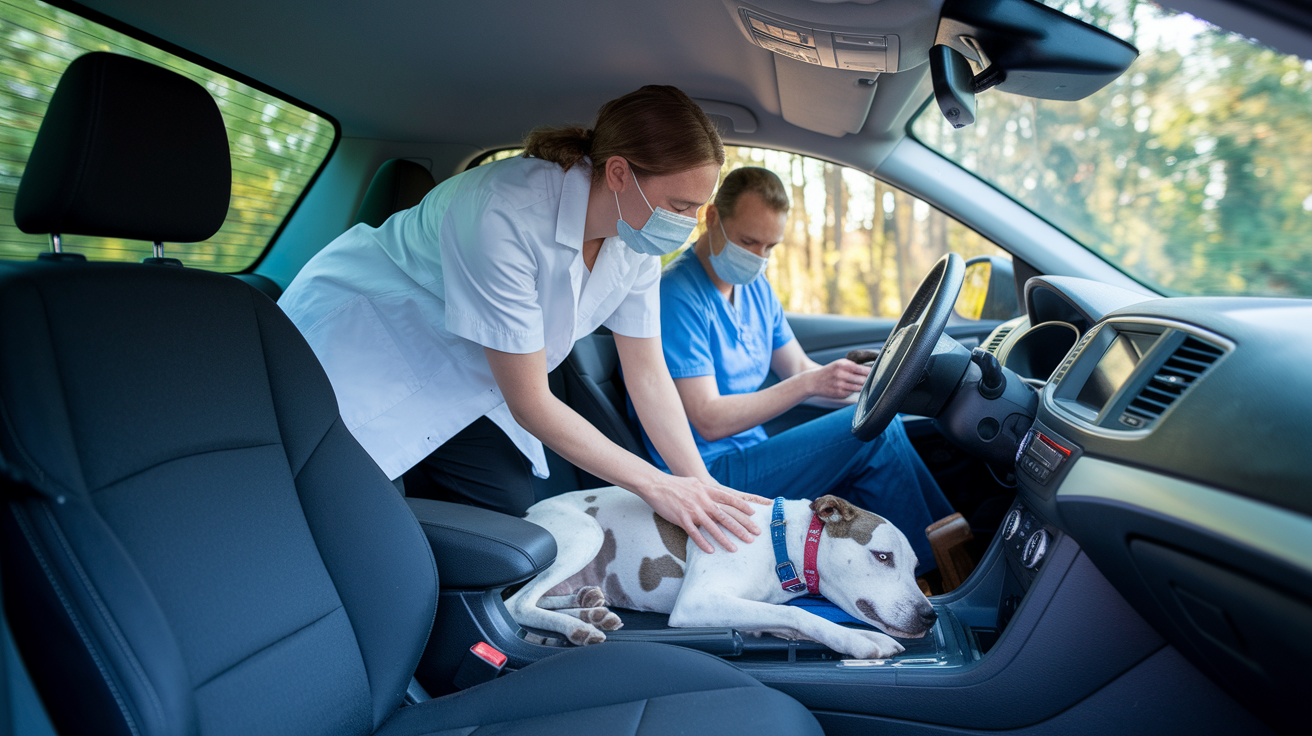
If you’ve identified pale or white gums and decided your dog needs emergency care, there are a few simple, safe actions you can take on the way to the clinic that may help stabilize your dog and give the vet better information. First, stay as calm as possible. Your dog will pick up on your stress, and staying steady helps keep them calmer, which in turn can reduce strain on their heart and circulation.
If there’s visible external bleeding, apply direct pressure with a clean cloth, towel, or gauze pad and hold it firmly for 5 to 10 minutes without lifting to check if it’s stopped. Continuous pressure is more effective than repeated peeking. If the bleeding is from a limb and won’t stop, you can apply a pressure bandage, but avoid tourniquets unless the bleeding is life threatening and uncontrollable. Only use a tourniquet if you’ve been instructed by a vet over the phone.
Here are the key first aid steps to follow:
- Call the clinic or emergency hospital ahead of time so the team knows you’re coming and can prepare for immediate triage and stabilization
- Keep your dog warm with a blanket or towel, especially if they’re in shock (cold extremities, shivering, or very weak)
- Minimize movement if trauma is suspected. Support the body and neck, avoid twisting or bending the spine
- Do not give any medications, food, or water unless your vet specifically instructs you to do so
- Bring any relevant materials with you. Medication bottles, toxin packaging, samples of vomit or stool, photos of gums
- Note the timeline. Write down when symptoms started, when the gums first looked pale, and any other changes you’ve observed
If your dog collapses or stops breathing, you may need to perform CPR. Check for a pulse by feeling the inside of the thigh near where the leg meets the body, or listen for a heartbeat by placing your ear against the left side of the chest behind the elbow. If there’s no pulse or heartbeat, start chest compressions at a rate of 100 to 120 compressions per minute, pushing down about one third the width of the chest. After every 30 compressions, give two rescue breaths by closing the mouth, covering the nose with your mouth, and blowing gently until you see the chest rise. Continue CPR while transporting to the clinic if possible, or have someone else drive while you perform compressions.
Preventing Pale or White Gums in Dogs Through Routine Care

While some causes of pale or white gums, like trauma or sudden illness, are hard to predict, many can be reduced or avoided through consistent preventive care. Parasite control is one of the most effective ways to prevent anemia in dogs. Fleas feed on blood, and heavy infestations, especially in puppies, small dogs, or older dogs, can cause life threatening blood loss anemia. Regular flea prevention with products like NexGard PLUS or Bravecto keeps flea populations under control and protects against tick borne diseases that can also cause anemia and clotting problems. Deworming puppies on schedule and testing adult dogs annually for intestinal parasites like hookworms prevents chronic blood loss from the gut.
Toxin avoidance is another major prevention step. Store rodenticides, antifreeze, medications, and household chemicals in secure cabinets or high shelves where dogs can’t reach them. If you use rat poison in or around your home, consider pet safe alternatives or bait stations your dog can’t access. Be cautious with human medications. Even common over the counter drugs like ibuprofen or acetaminophen can cause internal bleeding or red blood cell damage in dogs. Know which foods are toxic to dogs. Onions, garlic, grapes, raisins, chocolate, and xylitol. Keep them out of reach.
Routine veterinary care catches problems early. Annual or biannual wellness exams include physical checks of gum color, heart and lung function, and abdominal palpation. Blood work can detect early anemia, kidney disease, or liver problems before symptoms become obvious. If your dog has a known heart condition, kidney disease, or cancer, follow your vet’s recommendations for monitoring, medications, and rechecks. Special veterinary diets like Hill’s k/d Kidney Care or Royal Canin Cardiac support dogs with chronic conditions and reduce the risk of complications that can lead to pale gums. At home, make it a habit to check your dog’s gums once a week or any time you notice lethargy, weakness, or changes in behavior. Early recognition of pale gums, before other severe symptoms develop, gives you a head start on getting help and can make the difference between a treatable condition and a life threatening emergency.
Final Words
If you notice your dog’s gums pale or white, act quickly: check capillary refill time, breathing, energy level, and look for bleeding or a swollen belly.
This post covered normal gum color, common causes like shock or anemia, how to check gums safely, red flags for emergency care, what vets test, and basic first aid plus prevention steps.
Keep doing routine gum checks. Catching changes early helps.
If you see dog gums pale or white with worrying signs, call your vet right away. That calm action can make a big difference.
FAQ
Q: When to worry about pale gums in dogs?
A: You should worry about pale gums in dogs when they’re very pale or white, capillary refill time is over 2 seconds, or they show collapse, rapid breathing, distended belly, active bleeding, or severe weakness—seek vet care immediately.
Q: What color are unhealthy dog gums?
A: Unhealthy dog gums are pale or white, gray/ashen, blue or purple, or yellow—each can suggest low blood flow, low oxygen, severe shock, or jaundice; tacky gums often point to dehydration.
Q: What does it mean when a dog’s gums are really white?
A: When a dog’s gums are really white, it often means poor blood flow, low red blood cells (anemia), or shock; this can be life‑threatening—call your vet or an emergency clinic right away.