

Think brushing your dog’s teeth is optional? Think again.
Plaque can harden into tartar in 24 to 48 hours, so short habits pay off.
This step-by-step guide shows how to introduce the tools, brush the outer surfaces for 30 to 60 seconds, and turn brushing into a calm, reward-based routine your dog will accept.
You’ll get simple prep steps, gentle technique, fixes for dogs who resist, and realistic frequency tips vets recommend.
By the end you’ll have a short, doable plan to keep your dog’s mouth healthier without stress.
How to Brush Your Dog’s Teeth (Step-by-Step Guide)

Once you’ve spent a few days getting your dog used to the tools, brushing becomes pretty straightforward. You’re aiming for 30 to 60 seconds of light brushing on the outer surfaces where plaque likes to hang out.
-
Gather your supplies. Get the dog toothbrush, enzymatic toothpaste, a small towel, and some really good treats. Put everything within arm’s reach on a counter or table.
-
Let your dog sniff the toothpaste. Squeeze out a pea sized amount onto your finger and let them lick it for 10 to 15 seconds. This makes the flavor feel like a good thing.
-
Position your dog somewhere calm. Sit on the floor or kneel beside them. Small dogs can go on a non slip mat on a table or your lap. Make sure you’ve got decent lighting.
-
Lift the upper lip gently. Use your free hand to pull back one side of the lip so you can see the outer gum line and teeth. You don’t need to open their mouth.
-
Hold the brush at a 45 degree angle to the gum line. Add a thin layer of toothpaste to the brush. Tilt the bristles slightly toward the gums, not flat against the tooth.
-
Brush in small circles or short back and forth strokes. Start at the large back molars and move forward. Spend about 5 to 10 seconds per section. Stick to the outer surfaces only. Your dog’s tongue handles the inside naturally.
-
Aim for 30 to 60 seconds total. When you’re just starting, even 15 to 20 seconds counts as progress. Build up the time as your dog gets more comfortable. If they pull away, pause, offer a treat, and try again.
-
Reward right after brushing. Give a small treat, some verbal praise, or a quick play session the second you finish. This makes the next round easier.
Rinse the toothbrush under warm water, shake it dry, and store it somewhere clean. Replace it every 3 months or sooner if the bristles start to splay. Brushing three times a week beats skipping it entirely because you’re waiting for the perfect two minute session.
Tools and Products You Need for Effective Brushing
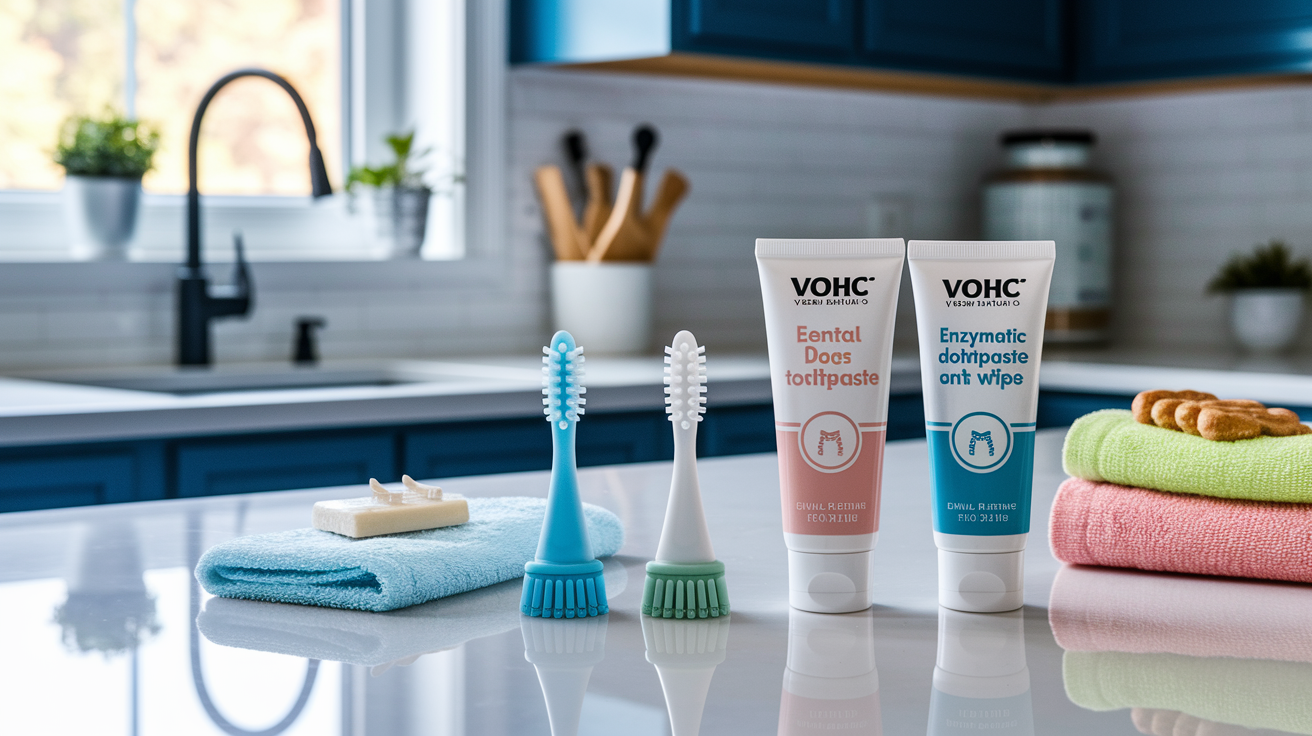
You’ll need a soft bristled toothbrush made for dogs and an enzymatic toothpaste formulated for pets. These two aren’t optional. Dog toothbrushes come in a few styles. A double headed brush has bristles at both ends. One smaller head for front teeth, one larger for molars. Usually runs $8 to $20. A finger brush is a rubber cap that fits over your index finger with short bristles on the tip. It’s easier when you’re just starting out or working with small dogs because you’ve got more control. Finger brushes typically cost $4 to $12 and should be swapped out every 2 to 3 months.
Enzymatic dog toothpaste has proteins that break down plaque and comes in flavors like poultry, beef, and peanut butter. A 2 to 3 oz tube costs $5 to $15 and lasts several weeks. Use a pea sized amount for medium and large dogs, a rice grain smear for small dogs. Never use human toothpaste. It’s got fluoride and xylitol, both toxic if swallowed. Skip baking soda too. High sodium content can mess with your dog’s stomach and electrolyte balance.
Other helpful supplies:
- Dental wipes for dogs who won’t take a brush yet. Pre moistened pads you rub along the gum line ($10 to $25 per pack)
- A small towel to catch drool and wipe their muzzle after
- High value treats cut into tiny pieces for quick rewards
- Dental gels or oral rinses you apply after brushing to keep the enzymes working
- A non slip mat if you’re brushing a small dog on a table
How to Prepare Your Dog Before Brushing
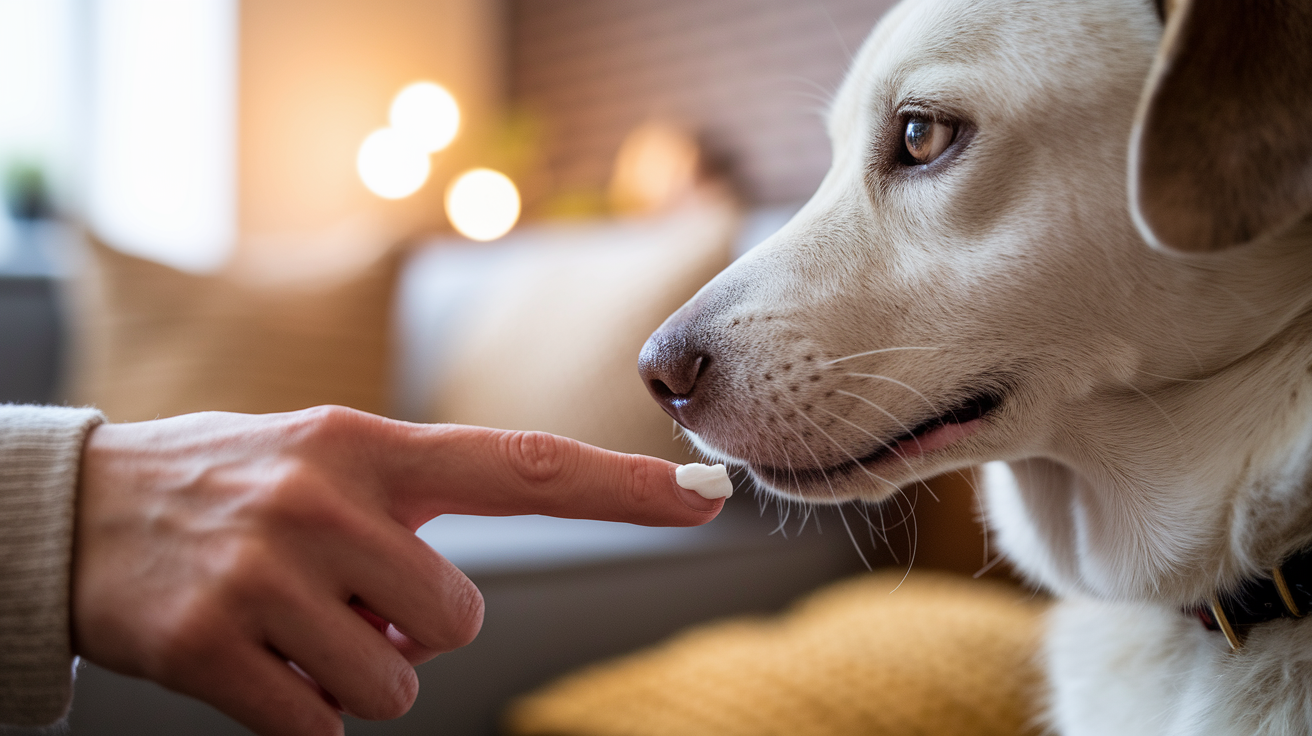
Most dogs need a slow introduction to having their mouth handled before they’ll accept a toothbrush. Start by touching your dog’s muzzle and lips during calm moments. While you’re sitting on the couch together or after a walk when their energy’s lower. Gently lift the upper lip for one or two seconds, then let go and give a small treat. Do this a few times a day for 2 to 3 days until your dog stays relaxed.
Next, let your dog taste the toothpaste. Squeeze a small amount onto your finger and let them lick it off. Most enzymatic pastes taste good to dogs, so this usually goes smoothly. Once your dog’s comfortable with the flavor, rub a dab of toothpaste along the outer gum line with your finger. No brush yet. Do this for 10 to 15 seconds on one side, reward with a treat, then try the other side. Practice this finger rub step for another 2 to 3 days.
Pick a quiet room with good lighting and not much going on. Don’t brush right before mealtime when your dog’s impatient or right after play when they’re overstimulated. A calm, predictable environment helps your dog understand that brushing is a short, low stress routine.
Techniques for Dogs Who Resist Tooth Brushing
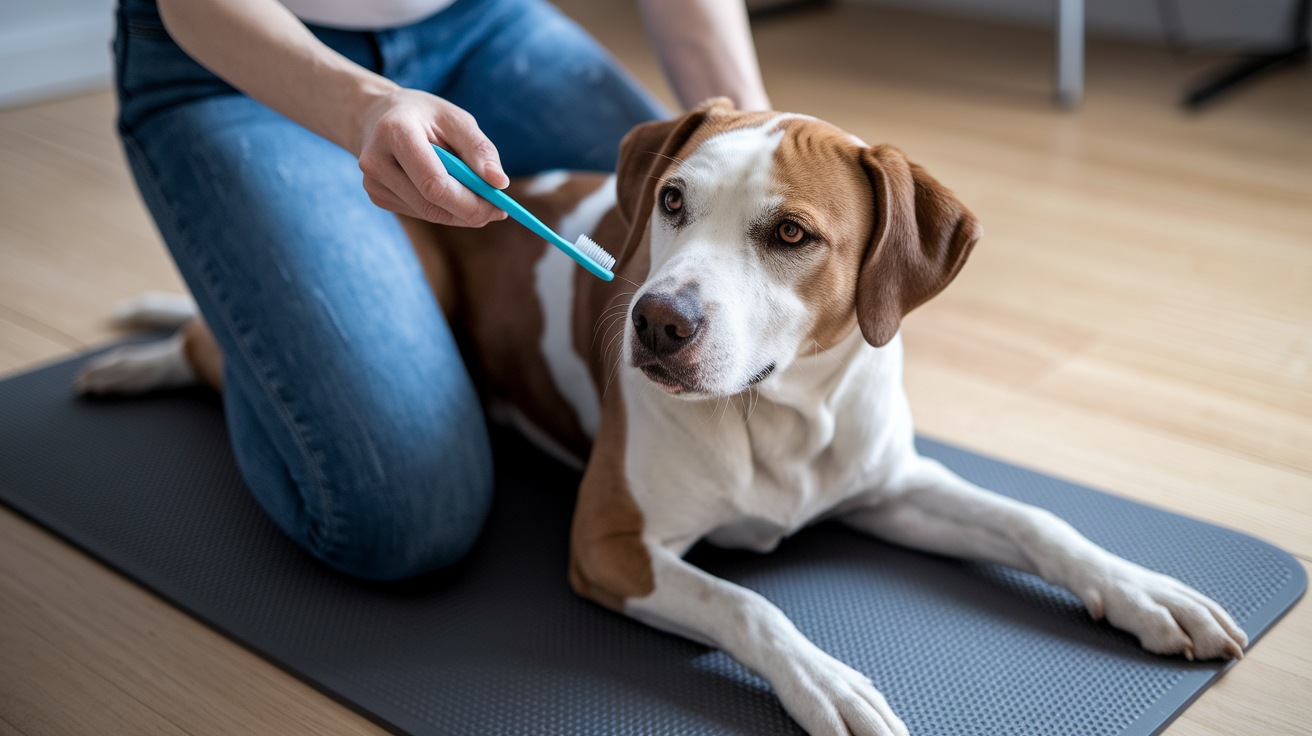
Some dogs pull their head away, paw at your hand, or clamp their mouth shut even after a slow introduction. If that’s happening, go back one step in the training sequence and stay there longer. If your dog won’t tolerate the toothbrush, return to the finger rub stage for another week. Shorten each session to just 5 to 10 seconds and reward more often. One treat after brushing just two or three teeth is fine when you’re rebuilding trust.
Counterconditioning pairs the toothbrush with something your dog loves. Hold the brush near your dog’s face, then give a high value treat right away. Something like a small piece of chicken or cheese. Repeat this until your dog looks at the brush and expects a treat instead of pulling away. Slowly move the brush closer to the mouth, then touch the teeth for one second before rewarding.
Helpful strategies for resistant dogs:
- Brush from behind. Sit on the floor with your dog between your knees, facing away from you. This gives you gentle control and reduces face to face tension.
- Use distraction. Have someone else hold a spoonful of peanut butter or wet food for your dog to lick while you brush the opposite side of the mouth.
- Pick a highly flavored toothpaste. Beef or poultry flavors usually work better than mint. Let your dog lick the paste off the brush before you start brushing.
- Keep sessions very short at first. Ten seconds of brushing followed by a big reward builds confidence faster than forcing a full minute and creating a bad memory.
How Often to Brush and Signs It’s Working
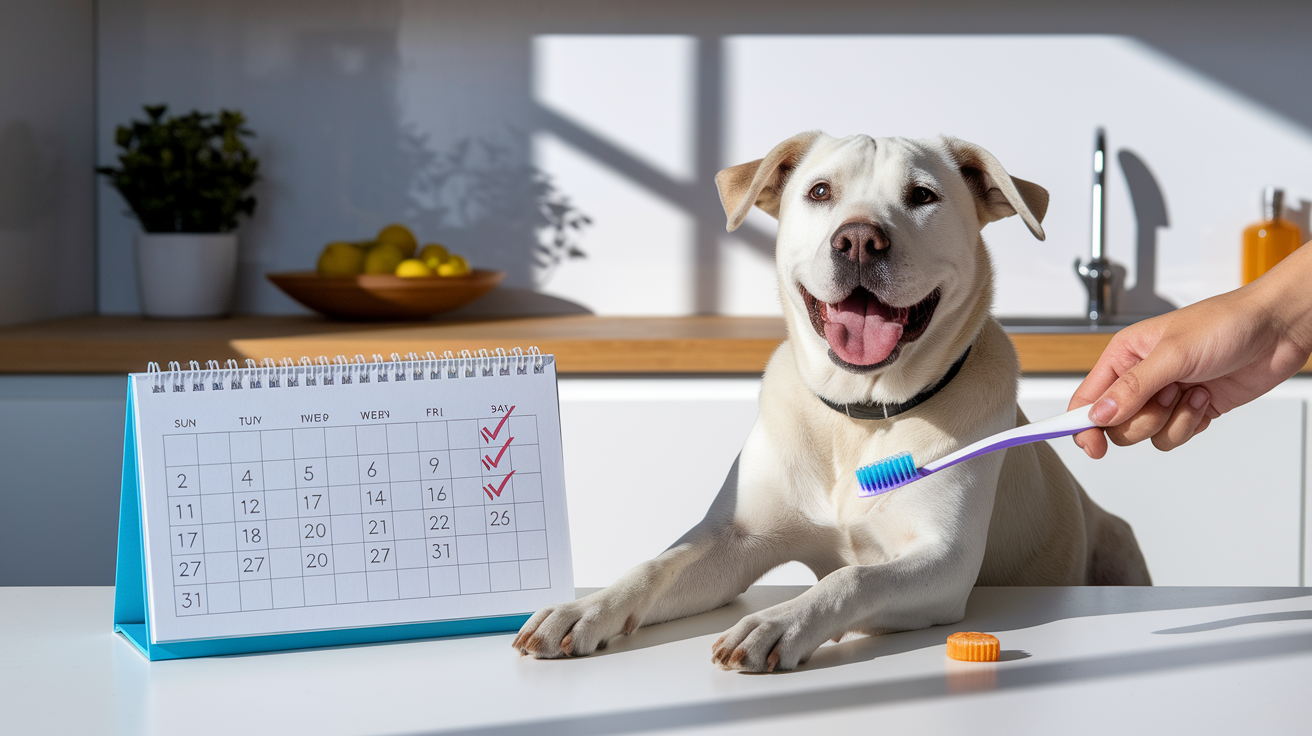
Vets recommend brushing your dog’s teeth every day because plaque hardens into tartar within 24 to 48 hours. Daily brushing removes soft plaque before it calcifies. If daily brushing isn’t realistic, aim for at least three times per week. That’s the minimum frequency shown to reduce plaque buildup in a meaningful way.
You’ll start to see signs of improvement within 2 to 4 weeks of consistent brushing. Your dog’s breath will smell less strong. The gum line will look pinker and less red or swollen. When you run your finger along the teeth, you’ll feel smoother surfaces instead of rough, chalky tartar. Light yellow staining near the gum line is normal, but thick brown or gray buildup means tartar has already formed and will need professional removal.
Track your brushing sessions on a calendar or in a note on your phone so you can see patterns. If you’re brushing three or four times one week and only once the next, you’ll notice the difference in how quickly plaque returns. Consistency is more effective than intensity. Brushing gently for 30 seconds every day beats scrubbing hard for two minutes once a week.
Common Mistakes to Avoid When Brushing Your Dog’s Teeth

The biggest mistake is using human toothpaste, which has fluoride that can cause stomach upset and xylitol that’s toxic to dogs even in small amounts. Always check the label to confirm the toothpaste is safe for pets.
Other mistakes that reduce effectiveness or harm your dog:
- Brushing too hard. If the bristles flatten or splay out while you’re brushing, you’re pressing too firmly. This irritates the gums and makes your dog less cooperative next time. Use only light pressure.
- Forcing the mouth open. You don’t need to pry the jaws apart. Lifting the lip to expose the outer tooth surfaces is enough. Forcing increases the risk of a bite and creates fear.
- Skipping the back molars. The large chewing teeth at the back of the mouth pile up the most plaque. Make sure you brush all the way to the last molar on each side.
- Brushing inflamed or bleeding gums without caution. Mild bleeding in the first few sessions can be normal if your dog has early gingivitis, but if bleeding is heavy or continues after a week of gentle brushing, stop and see a vet. Brushing over severe inflammation can spread bacteria.
- Using the same toothbrush for multiple pets. Bacteria and saliva transfer between dogs. Each pet needs their own dedicated toothbrush.
- Giving up after one bad session. A single difficult brushing doesn’t mean your dog will never tolerate it. Take a break, go back to an earlier training step, and try again the next day with better treats.
Helpful Alternatives for Additional Dog Dental Care
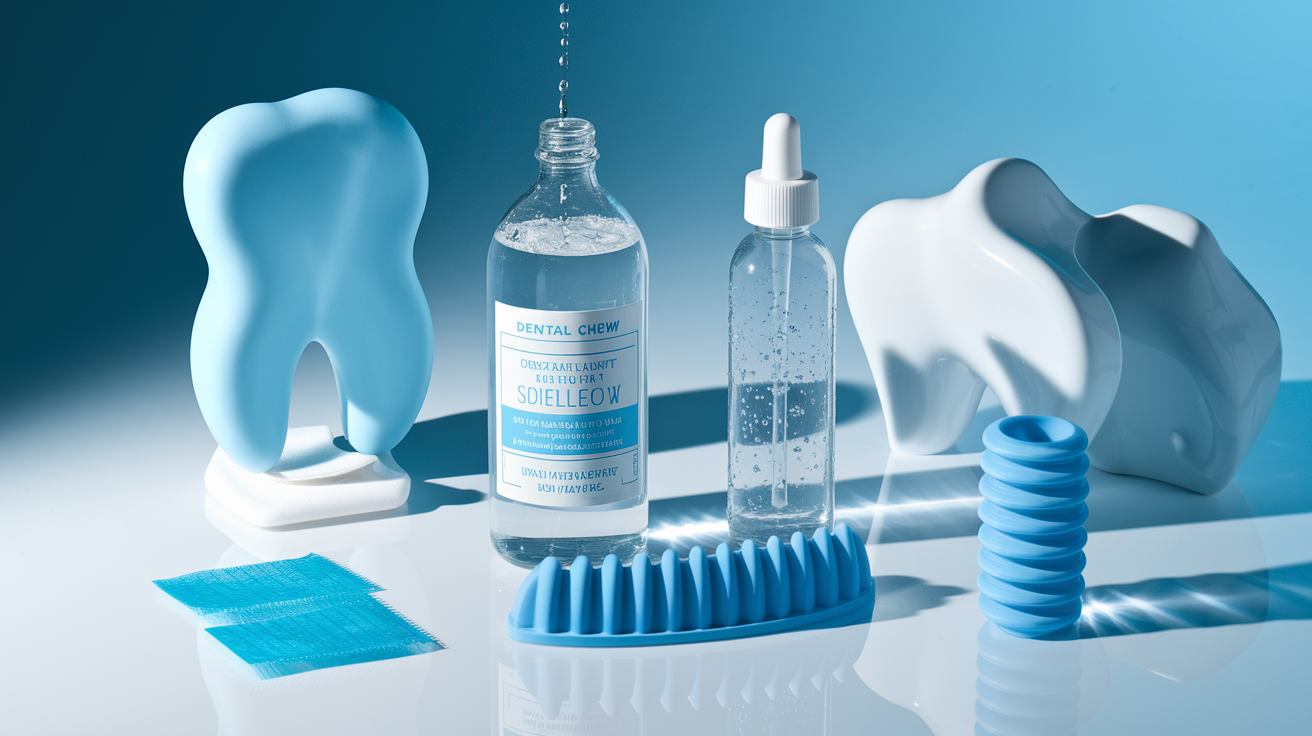
Brushing is the most effective home care, but other tools can support oral health when used regularly. Dental chews approved by the Veterinary Oral Health Council reduce plaque and tartar by 20 to 70% depending on the product and how often you give them. Look for the VOHC seal on the package. Offer dental chews daily or every other day, and pick a size that matches your dog’s weight to prevent choking.
Water additives are liquid or powder supplements you mix into your dog’s drinking bowl. They contain enzymes or mild antiseptics that help reduce bacteria and freshen breath. Follow the product’s dosing instructions. Most recommend a capful or measured scoop per bowl, replaced daily. Water additives are low effort but won’t remove existing tartar.
Other useful alternatives:
- Dental toys with ridges or nubs that scrub teeth during chewing
- Dental diets formulated with larger kibble size and texture that mechanically scrapes plaque as your dog eats
- Oral gels applied directly to the gum line after meals to extend enzymatic cleaning between brushing sessions
- Dental wipes as a temporary substitute when your dog refuses a brush
- Professional veterinary cleanings every 12 to 24 months to remove tartar below the gum line and take dental X-rays. These aren’t optional if tartar has already formed.
None of these replace brushing. Think of dental chews as chewing gum and brushing as flossing. You need both for complete care.
Troubleshooting Gum Bleeding, Bad Breath, or Pain
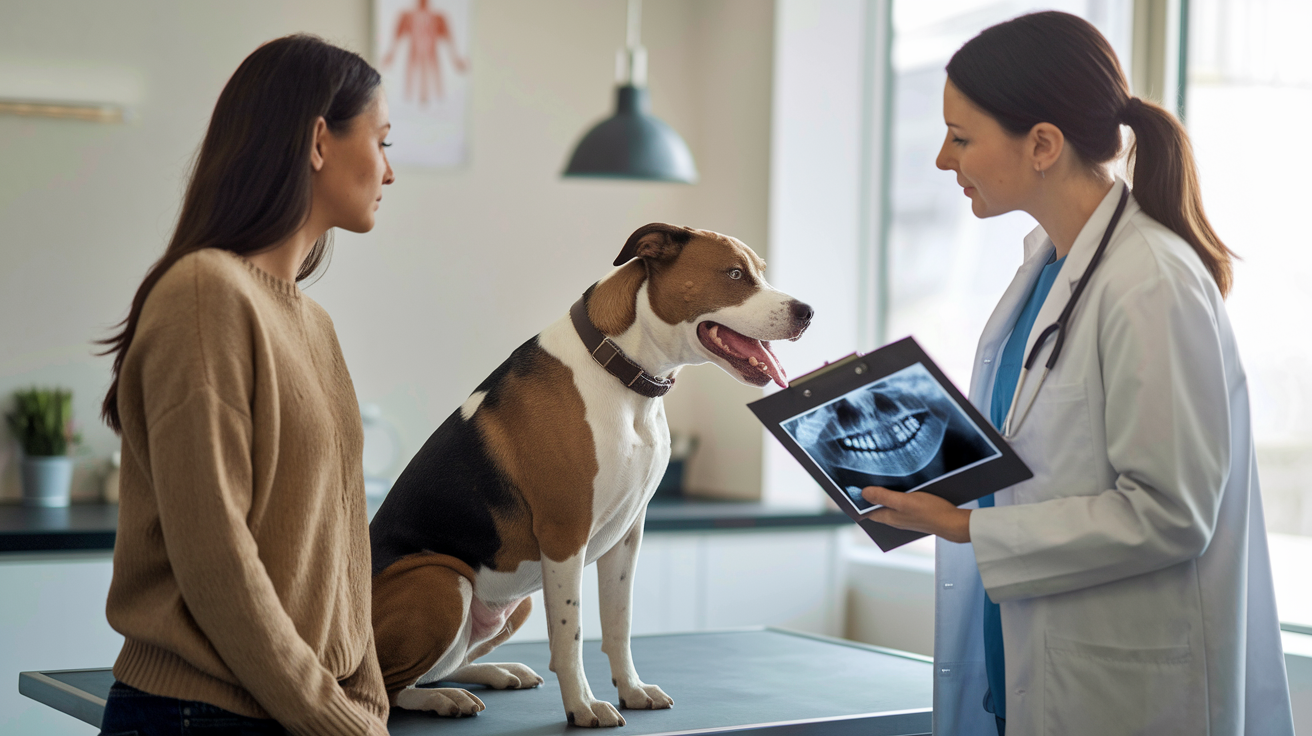
Light bleeding during the first few brushing sessions is common, especially if your dog already has gingivitis. The gums are inflamed and sensitive, so even gentle brushing can cause a small amount of blood. Keep brushing with very light pressure. If the bleeding decreases over the next week, the gums are healing. If bleeding stays the same or gets worse after seven days of gentle daily brushing, stop and schedule a vet exam. It may indicate periodontal disease that needs professional treatment.
Persistent bad breath that doesn’t improve after two weeks of regular brushing can signal infection, tooth decay, or an abscess. Healthy dog breath has a mild odor but shouldn’t smell rotten or like garbage. If your dog suddenly refuses to let you touch their mouth, pulls away when you lift the lip, or stops eating hard food, they may be in pain. Look for red, swollen gums, loose teeth, or visible pus at the gum line.
When to pause brushing and contact your vet: if you see heavy bleeding that doesn’t stop within a minute, if your dog yelps or snaps when you touch a specific tooth, if there’s swelling on the face or under the jaw, or if a tooth looks cracked or discolored. These signs need professional evaluation within a few days. Your vet can perform a full oral exam, take dental X-rays to check the roots, and recommend scaling, extractions, or antibiotics if needed.
Final Words
Grab a soft dog toothbrush, dog-safe toothpaste, and a calm spot—then work through the simple 8-step brushing routine.
Core steps: let your dog taste the toothpaste, position them, lift the lip, brush gently for 30 to 60 seconds, reward, and clean the brush. We covered tools, prep, handling resistance, frequency, and alternatives.
Watch for less odor, pink gums, and lower plaque; pause and call your vet if bleeding, pain, or sudden changes occur.
Practice how to brush dog teeth a few minutes most days—small, steady steps really help.
FAQ
Q: Is brushing a dog’s teeth necessary?
A: Brushing a dog’s teeth is necessary because daily or near-daily brushing reduces plaque, helps prevent gum inflammation, and keeps breath fresher; use dog toothpaste and see a vet for bleeding or bad odor.
Q: What’s the easiest way to brush my dog’s teeth?
A: The easiest way to brush my dog’s teeth is to use a finger brush or soft dog toothbrush, let them lick dog toothpaste first, use gentle circular motions for 30–60 seconds, and reward them afterward.
Q: Is it too late to start brushing my dog’s teeth?
A: It is not too late to start brushing my dog’s teeth; older dogs can learn with slow, short sessions and tasty toothpaste, but check with a vet first if there’s heavy tartar, pain, or bleeding.
Q: How many times should you brush your dog’s teeth?
A: You should brush your dog’s teeth daily if possible; a minimum of three times per week helps reduce plaque—brush 30–60 seconds and call a vet for persistent bad breath, bleeding, or visible buildup.