

Think clear vomit is no big deal? Think again.
When your dog coughs up colorless, foamy fluid, it can be anything from spit-up after a drink to a sign of an empty stomach, toxin exposure, or a blockage.
This post explains what clear liquid vomit really looks like, the common causes to watch for, simple at-home checks you can do right now, and the red flags that mean call your vet immediately.
By the end you’ll know when to relax and when to act fast.
What Clear Liquid Vomit Really Looks Like
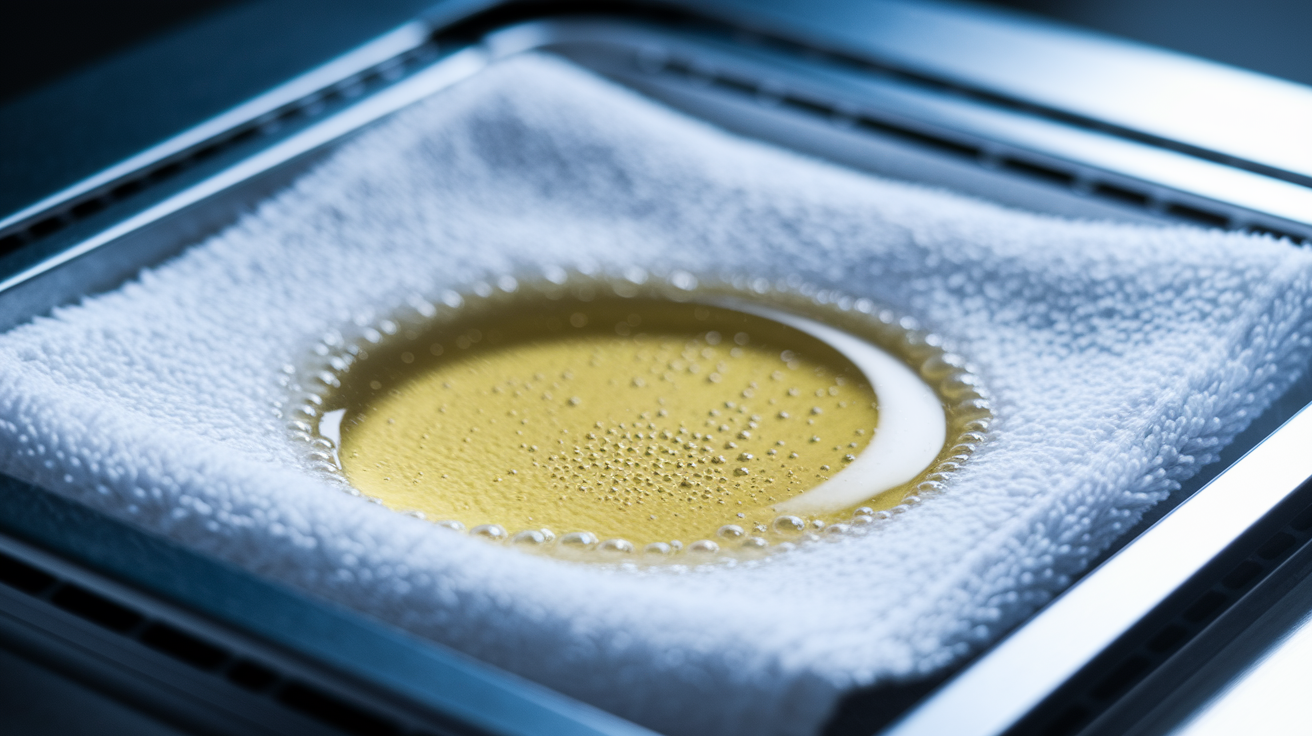
Clear liquid vomit isn’t always perfectly transparent. Most of the time, it’s saliva, gastric fluid, and water mixed together, ranging from totally colorless to kind of foamy or slimy. Sometimes you’ll catch a faint yellow tint if stomach acid’s in there, or it looks just like the water your dog drank five minutes ago.
The amount matters. A single puddle the size of your palm is completely different from repeated episodes soaking through a towel. Look at the texture. Watery and runny? Bubbles and foam? Right after drinking, or hours past the last meal?
These details tell you what’s happening and whether you need to move fast.
When your dog vomits clear liquid, grab your phone. Take a quick photo or video. Sounds weird, but showing your vet exactly what came up, plus how your dog looked before and after, gives them information they can’t get from you trying to describe it later.
Common Causes of Clear Liquid Vomit
Empty Stomach and Bilious Vomiting Syndrome
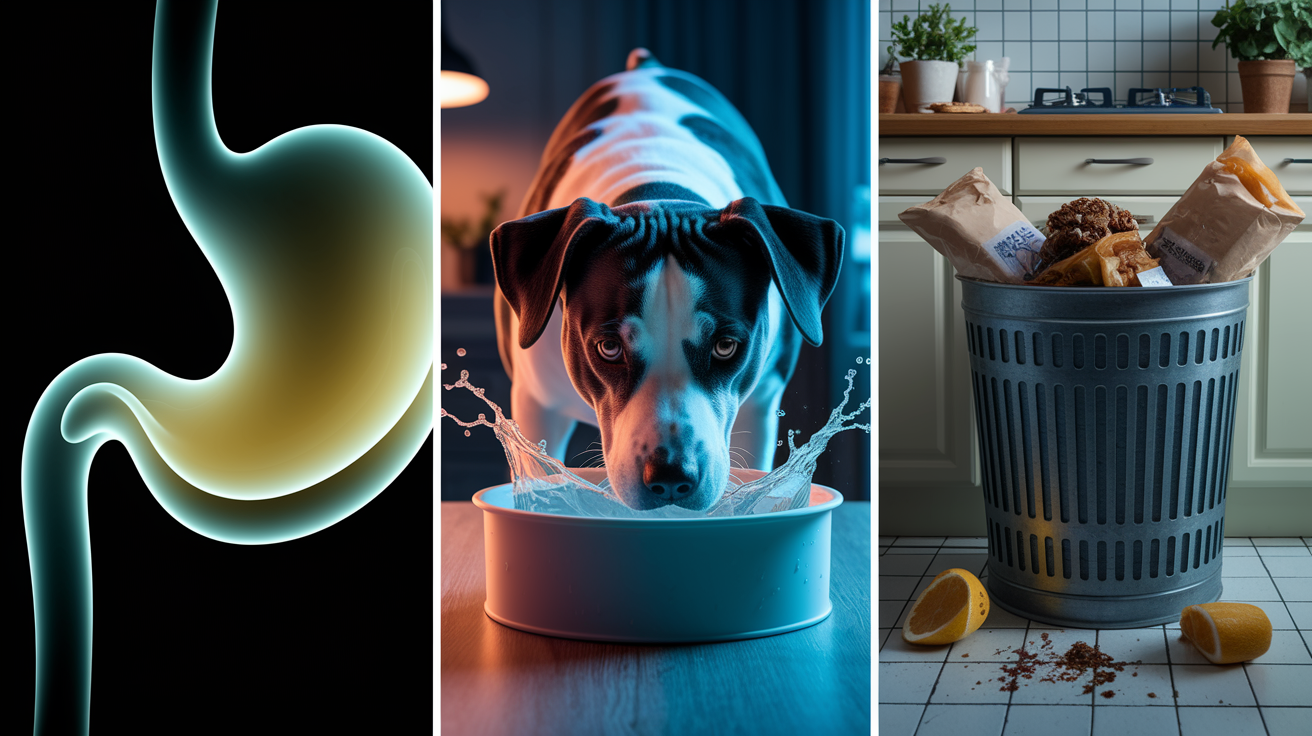
One of the most common reasons a dog throws up clear or slightly yellowish liquid? Empty stomach. When dogs go too long without eating, stomach acid and bile build up, irritate the stomach lining, and trigger vomiting. This usually happens first thing in the morning or late at night after a long stretch between meals.
The vomit’s typically clear or has a light yellow tinge from bile. Your dog might seem totally normal otherwise. Active, hungry, no pain. If it happens once and they bounce back, it’s usually not an emergency.
A small bedtime snack can prevent overnight acid buildup. Just a few plain biscuits or a spoonful of rice stops those early morning puddles.
Drinking Water Too Quickly
Dogs that gulp water fast, especially after exercise, play, or hot weather, sometimes vomit it right back up. The liquid comes out clear and watery because it never made it far enough into the digestive system to mix with stomach contents.
This is regurgitation more than vomiting. Happens quickly, often within minutes of drinking, and usually without the retching or abdominal effort you see with true vomiting. Your dog might cough a little, shake their head, walk away like nothing happened.
Slow water bowls help. So does offering smaller amounts more often and letting your dog cool down before drinking.
Gastritis from Dietary Indiscretion or Toxins
Gastritis means the stomach lining’s inflamed. Happens when a dog eats something that doesn’t agree with them. Garbage, spoiled food, grass, sticks, dirt. Dogs explore the world with their mouths, and sometimes that leads to an upset stomach.
If the stomach’s mostly empty, the vomit comes out clear or foamy. You might see decreased appetite, mild lethargy, some drooling. Most mild gastritis cases settle down with a short food rest and bland meals.
Toxins are different. If your dog got into cleaning products, medications, antifreeze, certain plants, or toxic human foods like chocolate, grapes, or xylitol, vomiting can be one of the first signs. Toxin exposure needs immediate veterinary care, even if your dog seems okay right now.
Gastroenteritis, Pancreatitis, and Organ Disease
Gastroenteritis is inflammation of the stomach and intestines, usually from infection, bacteria, viruses, or parasites. Dogs with gastroenteritis often vomit repeatedly, sometimes clear liquid if the stomach’s empty, and develop diarrhea, fever, lethargy.
Pancreatitis, inflammation of the pancreas, typically follows a high fat meal or develops in dogs with certain health conditions. Causes severe vomiting, abdominal pain, hunched posture, loss of appetite. The vomit can be clear, foamy, or bile tinged.
Chronic kidney disease, liver disease, and other metabolic conditions can also cause vomiting, including clear liquid, because toxins build up in the bloodstream and irritate the digestive system. These dogs often show other signs like increased thirst, urination changes, weight loss, or poor coat condition over time.
Foreign Body, Intestinal Obstruction, and GDV (Bloat)
A foreign object stuck in the stomach or intestines, toy pieces, bones, fabric, rocks, causes persistent vomiting. The vomit might be clear if the stomach empties out, but the dog can’t keep food or water down for long. You’ll often see abdominal pain, bloating, loss of appetite, distress.
Intestinal obstruction is a surgical emergency. The longer the object stays lodged, the higher the risk of tissue damage, perforation, and life threatening infection.
Gastric dilatation volvulus (GDV), commonly called bloat, is an emergency condition where the stomach fills with gas and twists on itself. Large, deep chested breeds are at highest risk. Dogs with GDV retch and try to vomit but bring up only small amounts of clear foam or nothing at all. Their abdomen swells rapidly, they pace, pant, drool, and collapse.
GDV requires immediate emergency surgery. Every minute counts.
Infections, Parasites, and Metabolic Disease
Viral infections like parvovirus hit puppies and unvaccinated dogs hard. Vomiting, severe diarrhea, fever, and rapid dehydration develop fast. Parvo’s deadly without treatment.
Bacterial infections, Salmonella, E. coli, Campylobacter, can cause vomiting and diarrhea in dogs of any age, especially after eating contaminated food or water.
Intestinal parasites, roundworms, hookworms, giardia, whipworms, irritate the gut lining and can trigger vomiting, even if diarrhea’s the main symptom. Puppies with heavy worm burdens sometimes vomit clear fluid or even pass worms.
Metabolic diseases like Addison’s disease (low cortisol), hyperthyroidism, or diabetic ketoacidosis can all cause vomiting as part of a bigger picture of illness.
How to Assess Severity at Home
Key Measurements and Thresholds
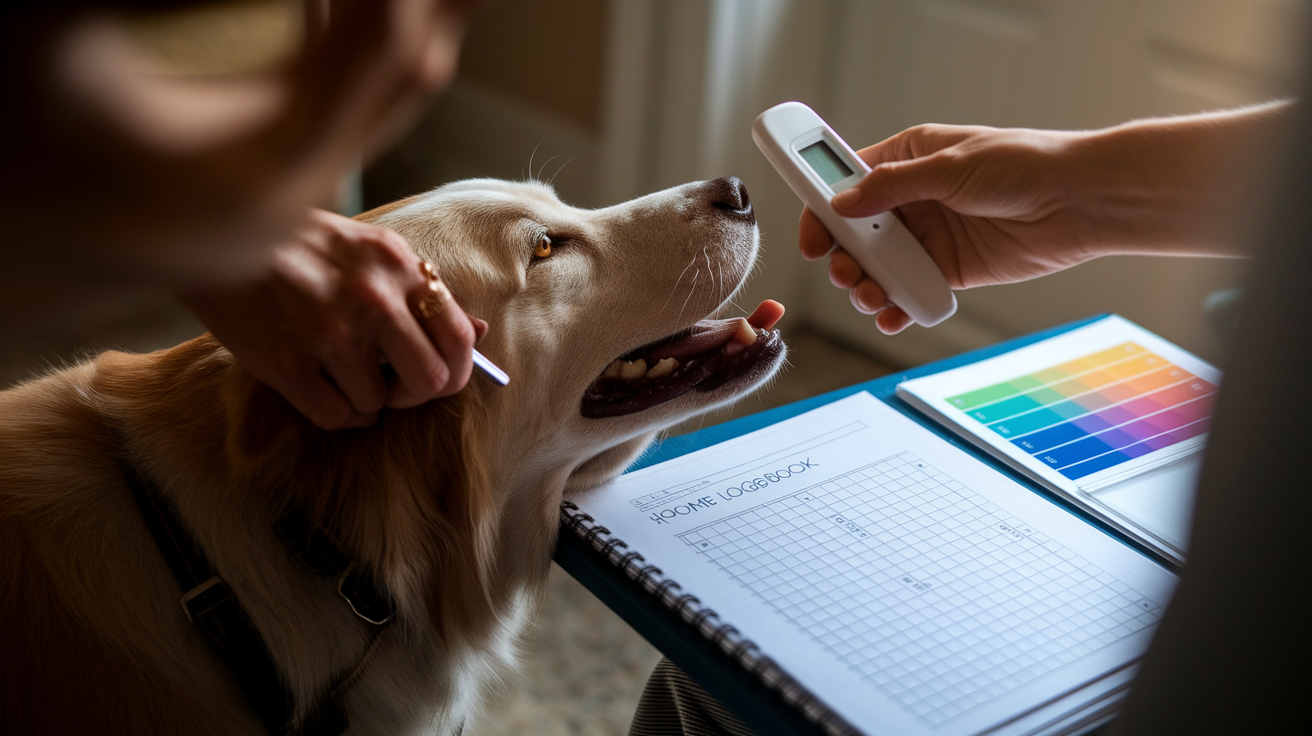
Start by counting how many times your dog’s vomited. One episode in 24 hours is very different from three or four. If your dog vomits more than two to three times in 24 hours, or if vomiting continues longer than 24 hours, contact your vet.
Check your dog’s temperature if you can do it safely. Normal dog temperature’s about 101 to 102.5°F (38.3 to 39.2°C). A fever above 104°F (40°C) or a low temperature below 99°F (37.2°C) are both red flags.
Look at hydration. Press gently on your dog’s gums. They should be moist and pink, and when you release, the color should return in less than two seconds. That’s called capillary refill time. If it takes longer than two seconds, your dog may be dehydrated or in shock.
Pinch the skin on the back of your dog’s neck gently and let go. It should snap back immediately. If the skin tents and slowly returns to place over more than two seconds, that suggests dehydration. Rough dehydration levels: 5% is mild, 8% is moderate, and 10 to 12% is severe and requires emergency fluids.
Color and Consistency Guide
Clear or watery liquid is the focus here, but small changes in color give you clues.
Completely clear and watery? Likely saliva, water, or very dilute stomach fluid.
Clear with white foam or bubbles? Often stomach mucus or froth. Can be from an empty stomach or irritation.
Light yellow or greenish tint? Bile mixed in. Common with empty stomach vomiting or bile reflux.
Darker yellow or bright green? More concentrated bile. Can signal prolonged vomiting or intestinal involvement.
Brown or coffee ground appearance? Digested blood. This is an emergency.
Red or pink streaks? Fresh blood. Also an emergency.
Write down the color, consistency, and time of each episode. If you see anything other than clear or light foam, take note.
What to Photograph, Video, and Save for the Vet
Take a quick photo of the vomit puddle. Feels awkward, but it helps your vet see exactly what came up. If your dog’s actively vomiting or retching, record a short video showing their posture, effort, and what comes out.
If it’s safe and you can do it without stress, scoop a small sample of the vomit into a clean, sealed container or zip top bag. Your vet may want to look at it or test it, especially if you suspect a foreign object or toxin.
Write down the timeline. When did it start? How many times? What was your dog doing before each episode? Any recent diet changes, new treats, access to trash, plants, or chemicals?
This information turns a vague “my dog is vomiting” into a useful case history your vet can act on immediately.
Immediate At-Home Steps (First 0 to 24 Hours)
Water Management and Fasting Timelines
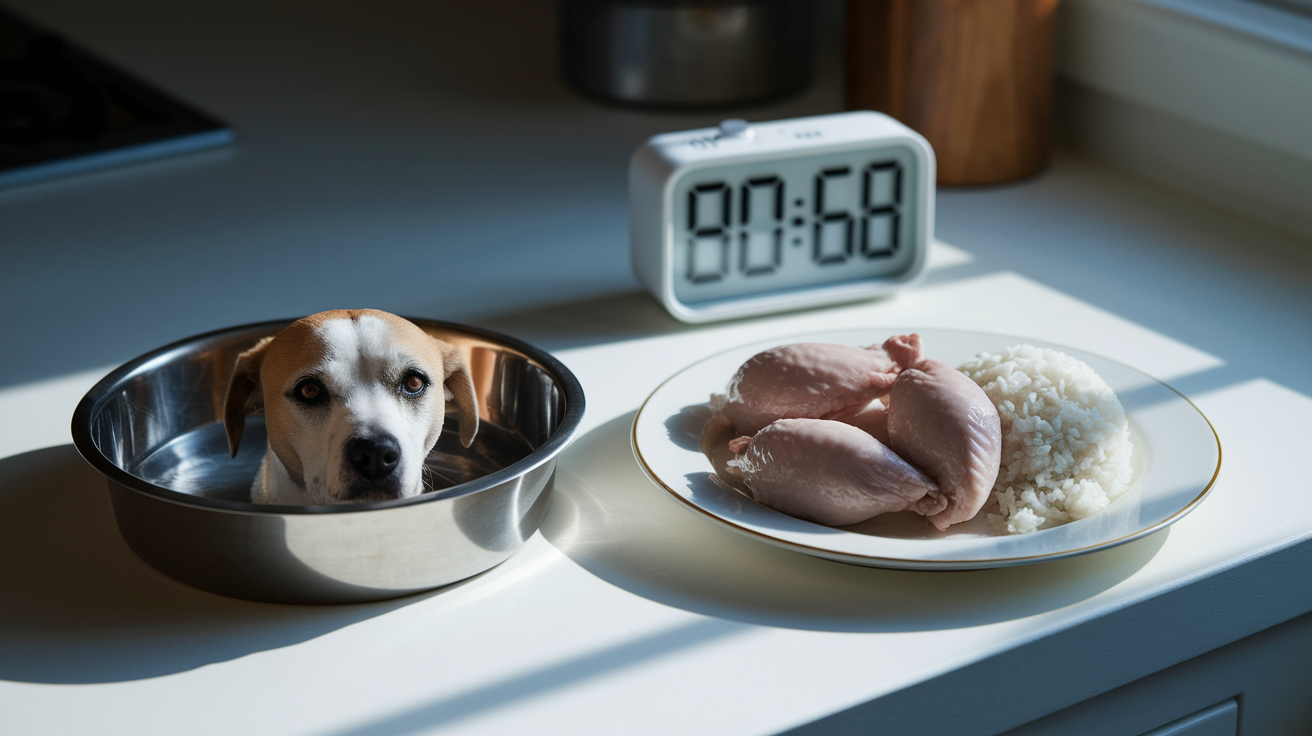
If your dog vomits once and seems otherwise normal, the first step is to let the stomach rest. Withhold food for 12 hours for most adult dogs. For puppies under six months, shorten the fast to 4 to 6 hours because they’re at higher risk for low blood sugar.
During the fasting period, offer water in small amounts every 20 to 30 minutes. A few laps at a time, not a full bowl. If your dog gulps water and vomits again, wait 30 minutes and try smaller sips. If they can’t keep water down after two or three attempts, stop offering fluids and call your vet right away.
Once your dog keeps water down for four to six hours with no vomiting, you can start reintroducing food.
Bland Diet Reintroduction
Start with a very bland, easy to digest meal. Boiled white rice and plain, skinless chicken or turkey are the go to options. You can also use plain canned pumpkin (not pie filling, just pure pumpkin) mixed with rice.
Offer a small portion. About one to two tablespoons for a small dog, a quarter cup for a medium dog, and a half cup for a large dog. If that stays down for two hours, offer another small portion. Repeat this every two to three hours for the first 24 hours.
If your dog tolerates the bland diet without vomiting, continue it for 24 to 48 hours, divided into three to four small meals per day. Then gradually transition back to their regular food over three to five days by mixing increasing amounts of regular food into the bland diet.
Don’t give treats, table scraps, high fat foods, or anything rich during this time. Keep it simple and boring.
Monitoring Checklist
Check your dog every few hours and log what you see. Here’s what to watch:
Time of each vomiting episode.
Amount and color.
Water intake. Are they drinking? Keeping it down?
Appetite. Are they interested in food?
Energy level. Active, quiet, hiding, restless?
Bathroom habits. Normal pee and poop? Diarrhea?
Behavior. Pacing, whining, hunched posture, panting?
Gum color and moisture. Pink and wet, or pale, dry, sticky?
If anything worsens, new symptoms appear, or your dog seems uncomfortable or distressed, don’t wait. Contact your vet or an emergency clinic.
When to Contact Your Veterinarian vs Go to Emergency
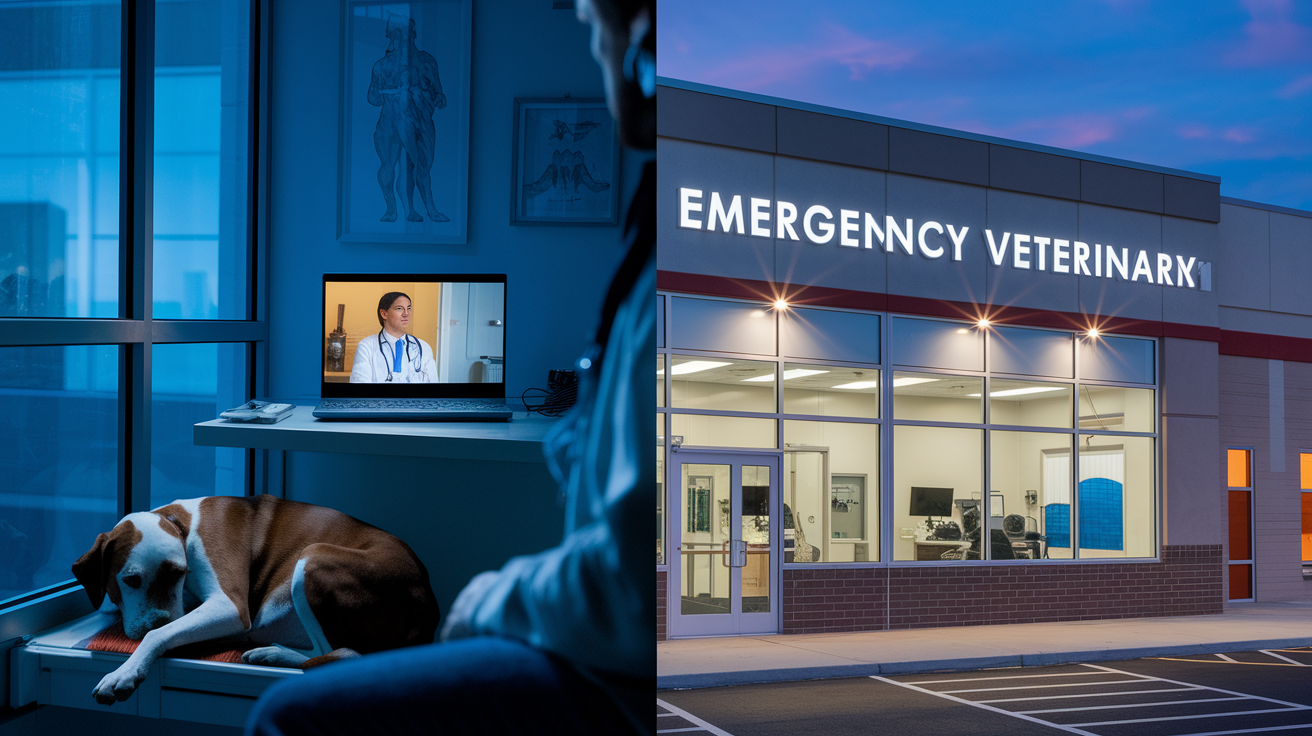
Not every episode of clear vomiting needs an emergency visit, but some situations can’t wait.
Call Your Vet During Business Hours If:
Your dog vomits once or twice but is otherwise acting normal. Eating, drinking, alert. You want guidance and a plan, but it’s not urgent.
Vomiting happens occasionally, like once every few days or once a week, and you’re noticing a pattern. This might be bilious vomiting syndrome or a food sensitivity that needs a vet’s input.
Your dog has a known chronic condition (kidney disease, diabetes, pancreatitis) and vomiting is new or different.
You’re not sure if what you’re seeing is serious. When in doubt, call. Your vet can help you decide whether to monitor at home or come in.
Go to Emergency or Call Your Vet Immediately If:
Your dog vomits more than two to three times in 24 hours.
Vomiting continues longer than 24 hours.
Your dog can’t keep water down at all.
You see blood in the vomit. Red streaks or coffee ground brown material.
Your dog’s abdomen is swollen, hard, or painful to touch.
Your dog is lethargic, weak, collapses, or has trouble standing.
You see signs of severe pain. Whining, pacing, hunched back, reluctance to move.
Your dog has a fever above 104°F (40°C) or a temperature below 99°F (37.2°C).
Your dog’s gums are pale, white, blue, or brick red. Capillary refill time is longer than two seconds.
Your dog is a puppy, a senior, or has a pre-existing health condition and starts vomiting.
You know or suspect your dog ate something toxic. Medications, chemicals, xylitol, chocolate, grapes, antifreeze, or got into the trash or a foreign object.
Your dog is retching repeatedly but nothing or very little comes up, and their belly is bloating. This is a classic bloat emergency.
Your dog has seizures, tremors, or sudden behavior changes along with vomiting.
These are the thresholds. If you see any of these signs, stop monitoring and get help now.
What a Veterinarian Will Likely Do
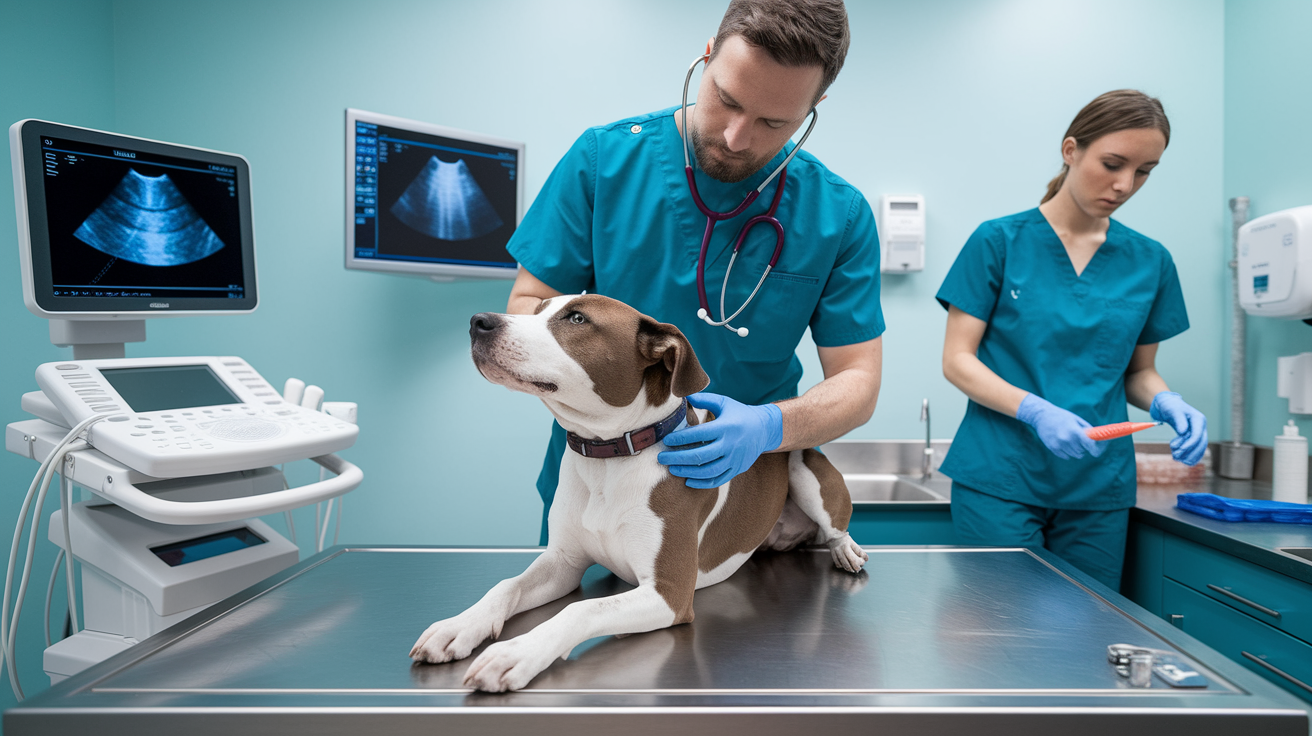
Triage and Initial Assessment
When you arrive at the vet or emergency clinic, the team will check your dog’s vital signs first. Heart rate, respiratory rate, temperature, and hydration status. They’ll press on the abdomen to check for pain, bloating, or masses. They’ll look at gum color, capillary refill time, and overall alertness.
This triage process helps them decide how urgent the situation is and what diagnostics or treatments to start immediately.
Diagnostics
Depending on what they find during triage and your dog’s history, the vet may recommend:
Bloodwork (CBC and Chemistry Panel). Checks red and white blood cell counts, kidney and liver function, electrolytes, blood sugar, and signs of infection or inflammation. Cost estimate: $150 to $400.
Urinalysis. Evaluates kidney function, hydration, and checks for infection or metabolic disease. Often included with bloodwork or separate, around $50 to $100.
Fecal test. Looks for parasites, bacteria, or blood in the stool. Cost estimate: $40 to $80.
X-rays (radiographs). Used to rule out foreign bodies, intestinal obstruction, bloat, or other structural problems in the abdomen. Cost estimate: $100 to $300 depending on how many views are needed.
Abdominal ultrasound. Gives a detailed look at the stomach, intestines, liver, pancreas, and kidneys. Helps diagnose pancreatitis, masses, fluid accumulation, or organ disease. Cost estimate: $300 to $800.
Not every dog needs every test. Your vet will tailor the plan based on symptoms, risk factors, and what they find on exam.
Treatments
Treatment depends on the diagnosis, but common interventions include:
Intravenous (IV) or subcutaneous (under the skin) fluids. Rehydrates your dog, restores electrolytes, and supports blood pressure. Cost estimate: $200 to $800 per day if hospitalized, or $50 to $150 for subcutaneous fluids sent home.
Antiemetic medications. These stop vomiting and nausea. Common options include maropitant (Cerenia) and ondansetron. Cost estimate: $20 to $100 depending on dose and duration.
Gastroprotectants. Medications like famotidine, omeprazole, or sucralfate reduce stomach acid and protect the stomach lining. Cost estimate: $20 to $80.
Antibiotics. If bacterial infection is suspected or confirmed. Cost estimate: $30 to $100 depending on the drug.
Anti-parasitics. If parasites are found. Cost estimate: $20 to $100.
Surgery. Required for foreign body removal, GDV correction, or other obstructions. Emergency surgery cost estimate: $1,500 to $5,000+ depending on complexity, aftercare, and location.
Inpatient vs Outpatient Care
Mild cases (single vomiting episode, no dehydration, stable vitals) may be managed at home with oral medications, diet changes, and close monitoring.
Moderate to severe cases (repeated vomiting, dehydration, systemic illness, or suspected obstruction) often require hospitalization for IV fluids, injectable medications, and continuous monitoring. Hospital stays typically range from one to several days, costing $200 to $800+ per day depending on the level of care.
Approximate Cost Ranges for Common Interventions
Here’s a rough breakdown of what you might expect to pay. Costs vary widely by region, clinic type (general practice vs emergency/specialty), and complexity of the case.
| Service | Approximate Cost |
|---|---|
| Emergency triage visit | $100–$300 |
| Basic bloodwork (CBC + Chemistry) | $150–$400 |
| Urinalysis | $50–$100 |
| Fecal test | $40–$80 |
| X-rays (2–3 views) | $100–$300 |
| Abdominal ultrasound | $300–$800 |
| IV fluids + hospitalization (per day) | $200–$800 |
| Subcutaneous fluids (outpatient) | $50–$150 |
| Antiemetic medication | $20–$100 |
| Gastroprotectants | $20–$80 |
| Antibiotics or anti-parasitics | $20–$100 |
| Emergency surgery (obstruction, GDV) | $1,500–$5,000+ |
These are estimates. Always ask for a written estimate before proceeding with diagnostics or treatment so you know what to expect and can make informed decisions.
Prevention and Long-Term Management
Feeding Schedule Changes
One of the simplest and most effective ways to prevent empty stomach vomiting? Feed smaller, more frequent meals. Instead of one or two large meals per day, try three to four smaller portions spread throughout the day.
For dogs prone to bilious vomiting in the morning, add a small bedtime snack. A few plain biscuits, a spoonful of rice, or a small piece of boiled chicken before bed keeps stomach acid from building up overnight.
Avoid letting your dog go more than 12 hours without food if possible. Puppies should eat every 4 to 6 hours during the day.
Behavioral and Environmental Measures
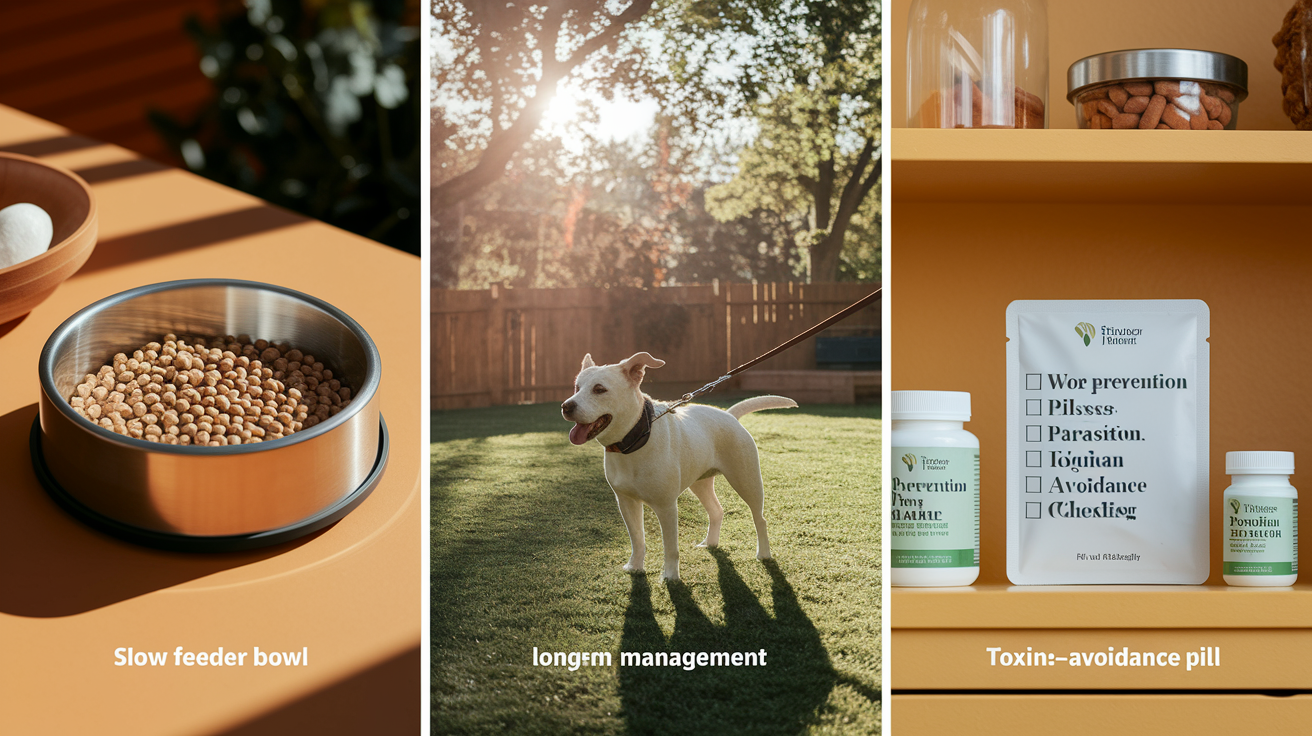
Use slow feeder bowls or puzzle feeders if your dog eats or drinks too fast. These tools force them to slow down, reducing the chance of gulping air or water and vomiting it back up.
Offer water in smaller amounts more frequently, especially after exercise or play. Let your dog cool down for 10 to 15 minutes before giving them access to a full water bowl.
Keep trash cans secure, store cleaning products and medications out of reach, and supervise your dog outdoors to prevent eating sticks, rocks, or other foreign objects.
Avoid abrupt diet changes. If you need to switch foods, do it gradually over 7 to 10 days by mixing increasing amounts of the new food into the old food.
Parasite Control and Toxin Avoidance
Maintain a regular deworming and parasite prevention schedule recommended by your vet. Puppies need frequent deworming, and adult dogs benefit from year round parasite prevention, especially in areas with high parasite loads.
Know which human foods and household items are toxic to dogs. Chocolate, grapes, raisins, onions, garlic, xylitol (found in sugar free gum and some peanut butters), certain plants (lilies, sago palms, azaleas), antifreeze, rat poison, and many medications.
If you use lawn chemicals, fertilizers, or pesticides, keep your dog off treated areas until they’re safe according to product instructions.
Long-Term Diet and Weight Management
For dogs with chronic sensitive stomachs, acid reflux, or recurrent vomiting, ask your vet about easily digestible diets formulated for gastrointestinal health. These diets are often higher in fiber, made with gentle proteins like chicken or fish, and avoid common irritants.
Maintain a healthy weight. Overweight dogs are at higher risk for acid reflux, pancreatitis, and other conditions that cause vomiting.
Monitor your dog’s body condition regularly. You should be able to feel their ribs easily without pressing hard, and they should have a visible waist when viewed from above.
Visual Aids to Track and Share with Your Vet
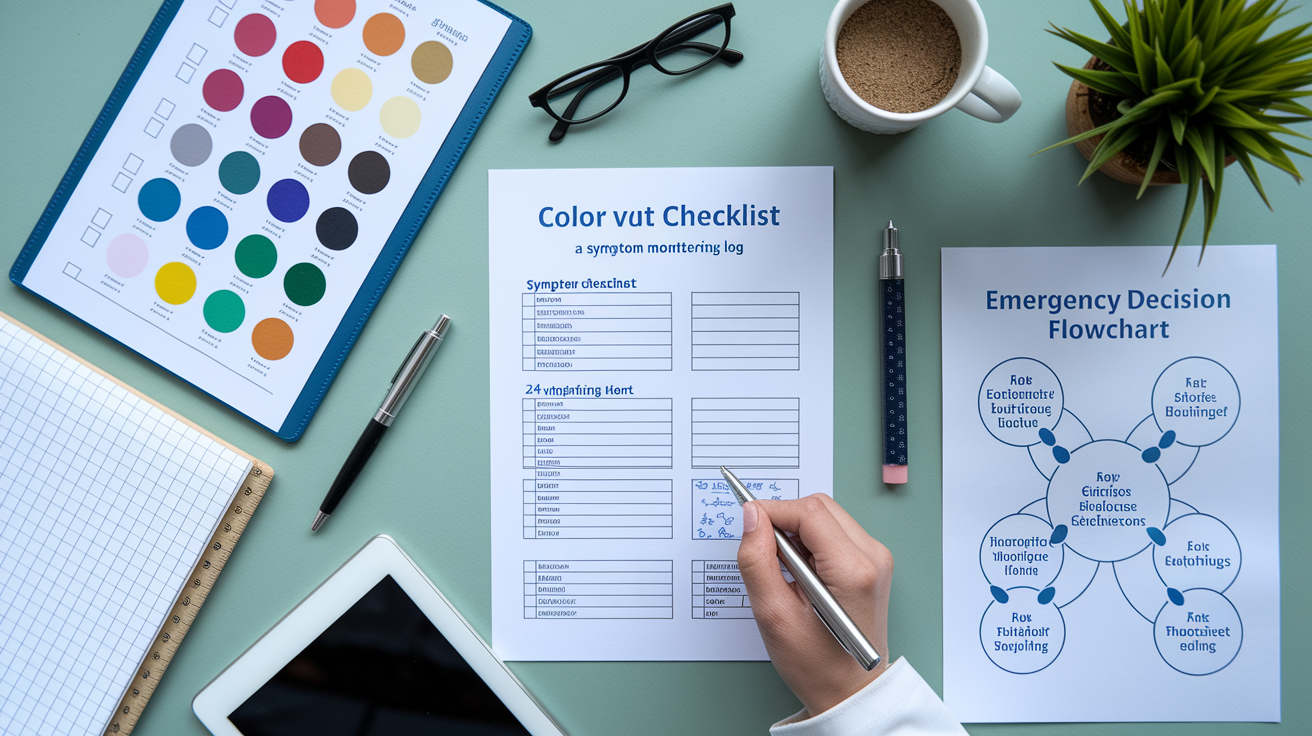
Quick Color Chart for Vomit
Keep this guide handy so you can describe what you’re seeing accurately:
Clear or watery – saliva, water, dilute stomach fluid
White foam or bubbles – stomach mucus, froth, often from empty stomach
Light yellow or greenish – bile, common with fasting or reflux
Bright yellow or green – concentrated bile, prolonged vomiting
Brown or coffee ground – digested blood, emergency
Red or pink – fresh blood, emergency
Symptom Checklist
Print or save this list and check off what applies before calling your vet:
Vomited more than twice in 24 hours
Vomiting lasting longer than 24 hours
Can’t keep water down
Blood or coffee ground material in vomit
Severe abdominal pain or bloating
Lethargy, weakness, or collapse
Diarrhea
Fever or low body temperature
Pale, white, or blue gums
Known or suspected toxin or foreign object ingestion
Puppy, senior, or dog with chronic illness
24-Hour Monitoring Log Template
Use this simple log to track your dog’s condition:
Time | Vomit (Yes/No) | Color/Amount | Water Intake | Food Offered | Activity Level | Other Notes
Fill it out every few hours. Bring it with you to the vet or share it over the phone.
Emergency Decision Flowchart
Is your dog vomiting clear liquid?
→ Yes
Has it happened more than twice in 24 hours, or is your dog unable to keep water down?
→ Yes → Go to emergency vet now.
→ No → Continue
Do you see blood, severe pain, bloating, collapse, or other red flag symptoms?
→ Yes → Go to emergency vet now.
→ No → Continue
Is your dog a puppy, senior, or does your dog have a chronic illness?
→ Yes → Call your vet for guidance today.
→ No → Continue
Is your dog acting normal, alert, and able to keep small sips of water down?
→ Yes → Monitor at home. Withhold food 12 hours (4 to 6 for puppies), offer water in small amounts, reintroduce bland diet slowly. Call vet if symptoms worsen or don’t improve in 24 hours.
→ No → Call your vet or emergency clinic for advice.
This flowchart gives you a clear path when you’re stressed and unsure what to do next.
Final Words
You’re probably checking your pet as you read this. We walked through what to notice, common causes, safe at-home steps, how to monitor, and clear signs that mean call the vet.
Today, note timing, water intake, and any extra signs to share at the visit. Keep fluids available and quiet rest.
If your dog is vomiting clear liquid, use the monitoring tips and reach out if things worsen. Small, timely steps often make a big difference.
FAQ
Q: Why is my dog throwing up clear liquid?
A: Your dog throwing up clear liquid often means bile from an empty stomach, reflux, or mild upset. Give small water, skip food 6–8 hours, watch 24 hours; call a vet for repeated vomiting, blood, severe lethargy, or difficulty breathing.