

Could your dog’s sudden thirst be nothing—or the first sign of a serious problem?
You’re right to notice.
Dogs rarely change drinking habits for no reason.
This post explains common harmless causes—heat, exercise, diet changes—and medical causes that often show up with extra drinking, like diabetes, kidney issues, or certain medications.
I’ll give clear red flags, safe at-home steps you can try, and exactly when to call your vet.
Read on to learn what to watch for and what to do next.
Why Is My Dog Drinking So Much Water? (Quick Answer)
If your dog’s suddenly drinking way more water than usual, trust your gut. You’re noticing something real. Dogs don’t randomly change their drinking habits for no reason.
The causes usually split into two buckets: totally harmless or medical. Harmless stuff includes heat, exercise, diet changes, or switching from wet food to dry kibble. Medical reasons? Diabetes mellitus, kidney disease, Cushing’s disease, urinary tract infections, liver disease, certain meds like prednisone or phenobarbital, and hormonal imbalances. A healthy dog typically drinks about 1 ounce of water per pound of body weight each day. So a 10 pound dog drinks roughly 10 ounces daily, while a 50 pound dog drinks around 50 ounces.
The most urgent causes that need attention right now include:
Diabetes mellitus. Blood glucose stays above 200 mg/dL. Look for increased urination, weight loss, and lethargy.
Kidney failure. Both acute and chronic forms reduce the kidney’s ability to concentrate urine. Excessive thirst and dilute urine follow.
Cushing’s disease. Excess cortisol causes polydipsia, pot belly appearance, panting, and thin skin.
Pyometra. Life threatening uterine infection in unspayed females, often with vaginal discharge and fever.
Poisoning or toxin exposure. Antifreeze, certain plants, or medications can trigger sudden, severe thirst.
Excessive thirst becomes worrying when it’s paired with other symptoms like vomiting, lethargy, frequent urination, blood in urine, or collapse. It’s also a red flag if your dog’s water intake more than doubles within 24 to 48 hours without an obvious cause like a heat wave or a long hike.
How Much Water Is Too Much for a Dog?
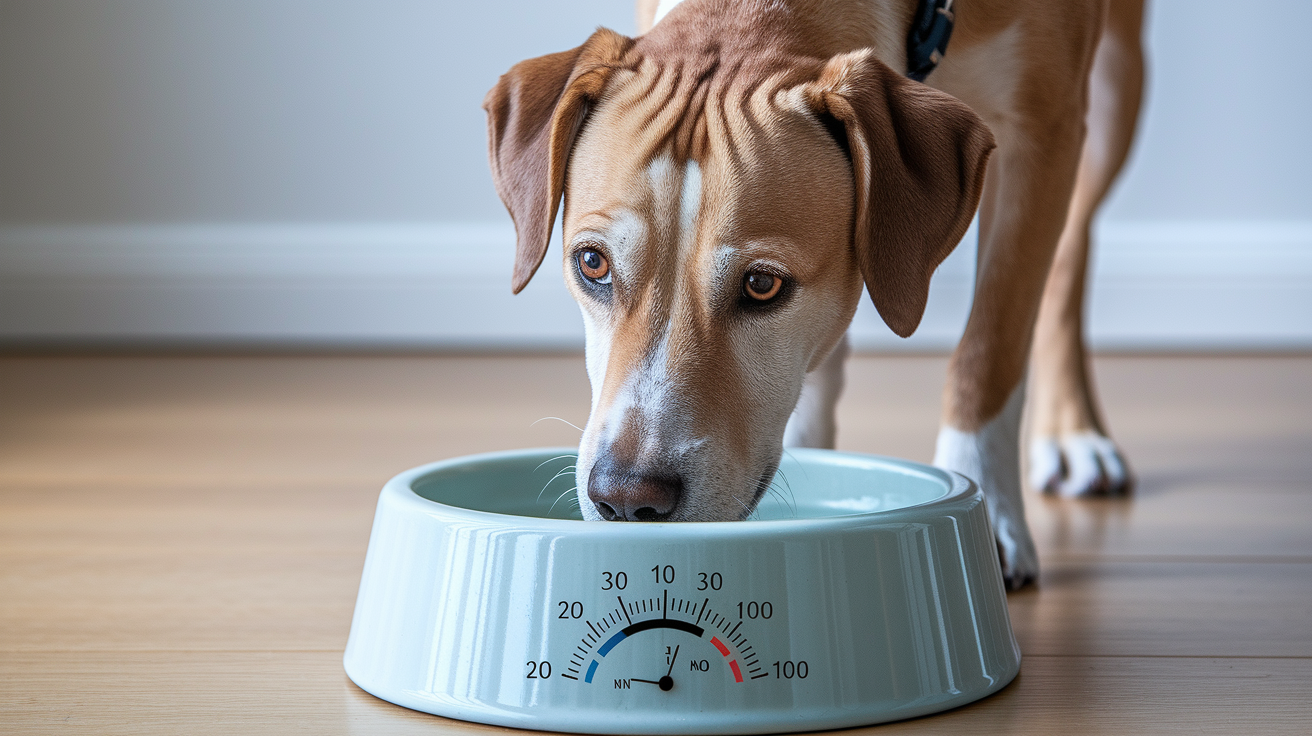
The guideline is simple: roughly 1 ounce of water per pound of body weight per day. A 25 pound dog should drink around 25 ounces, or just over 3 cups. Puppies, nursing dogs, very active dogs, and dogs in hot climates usually drink more. Dogs eating dry kibble also drink more than those on canned food.
Veterinarians define polydipsia (the medical term for excessive thirst) as sustained water intake above 100 milliliters per kilogram of body weight per day. For a 10 kilogram (22 pound) dog, that’s more than about 3.3 cups daily. If your dog’s consistently drinking more than twice their normal amount for more than a day or two, it’s time to measure intake carefully and contact your vet.
Signs your dog’s drinking has crossed into “too much” territory:
You’re refilling the water bowl three or more times a day when you used to fill it once. Your dog is urinating every one to two hours or having accidents indoors. The water bowl empties within an hour of filling. Your dog wakes you up at night to drink or go outside repeatedly.
Common Medical Conditions That Cause Excessive Thirst
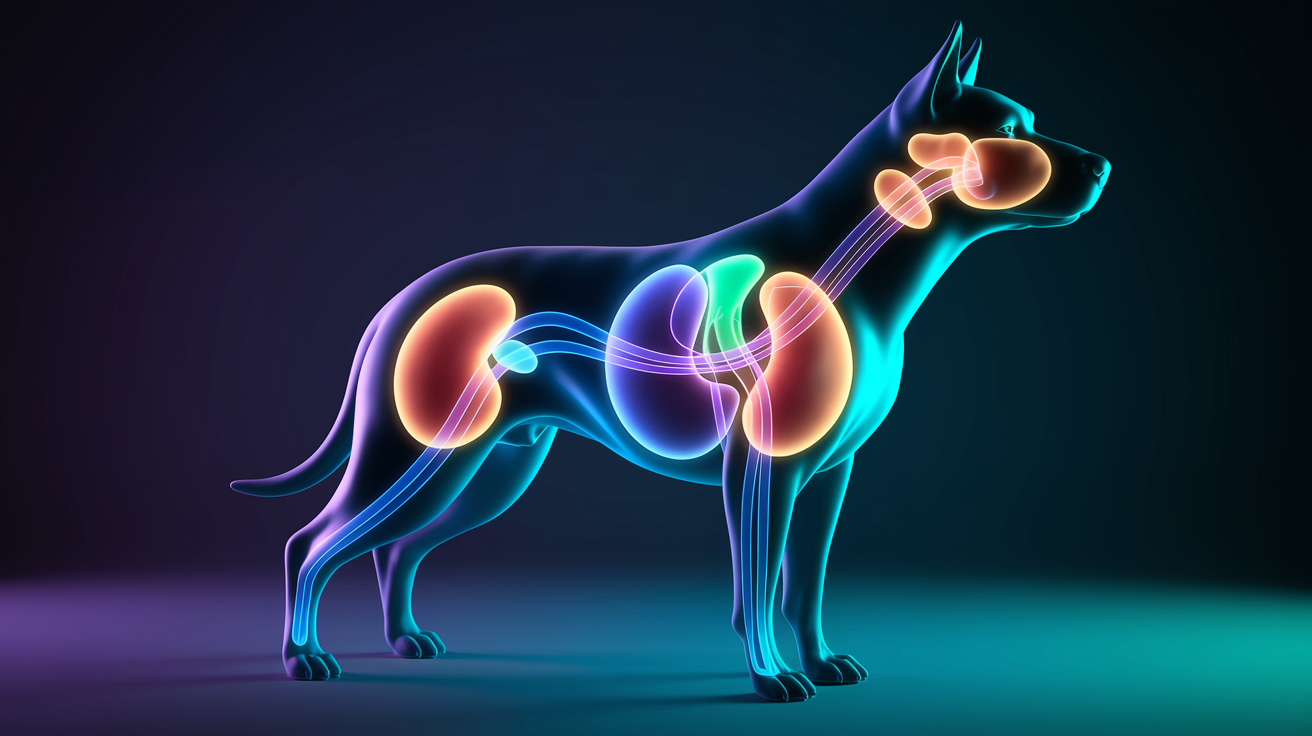
Diabetes mellitus is one of the top causes. High blood glucose forces the kidneys to dump sugar into the urine, pulling water with it. Your dog pees more, then drinks more to replace lost fluid. You’ll often see increased appetite and weight loss at the same time. Blood glucose levels frequently sit above 200 mg/dL. Left untreated, diabetic ketoacidosis can develop. That’s a life threatening emergency with vomiting, dehydration, and difficulty breathing.
Chronic kidney disease and acute kidney failure both damage the kidneys’ ability to concentrate urine. Your dog produces large volumes of dilute urine (urine specific gravity often drops below 1.020) and drinks constantly to keep up. Other signs include decreased appetite, vomiting, bad breath, and weight loss. Blood tests show elevated BUN and creatinine, often with creatinine above 1.6 to 2.0 mg/dL depending on the lab. Early stage kidney disease is manageable with diet changes and medications, but late stage disease requires more intensive support.
Cushing’s disease (hyperadrenocorticism) floods the body with cortisol. The excess hormone drives thirst, hunger, panting, and urination. You’ll often notice a pot bellied appearance, hair loss, and thin, fragile skin. Diagnosis requires an ACTH stimulation test or low dose dexamethasone suppression test. Medical treatment with trilostane is the most common approach.
Infections like urinary tract infections, pyelonephritis (kidney infection), and leptospirosis can all increase thirst. UTIs cause straining, blood in urine, and frequent small amounts of pee. Pyometra (a uterine infection in unspayed females) presents with fever, lethargy, vomiting, and often a pus filled vaginal discharge. It typically occurs two to eight weeks after a heat cycle and requires emergency surgery (ovariohysterectomy). Leptospirosis is spread through contact with contaminated water or rodent urine. Signs include fever, vomiting, and systemic illness. Early antibiotic treatment and IV fluids improve outcomes.
Other medical causes to know about:
Liver disease. Elevated liver enzymes, jaundice, vomiting, and fluid accumulation in the abdomen.
Hypercalcemia. Total blood calcium above 12 mg/dL, often linked to cancer or parathyroid disease, causing weakness and increased thirst.
Diabetes insipidus. Rare. The body can’t concentrate urine due to lack of antidiuretic hormone (central DI) or kidney resistance to it (nephrogenic DI).
Electrolyte imbalances. Sodium or potassium disturbances trigger thirst and neurologic signs like weakness or seizures.
Medications. Corticosteroids like prednisone, diuretics like furosemide, and anti seizure drugs like phenobarbital commonly increase drinking. Effects often normalize within one to two weeks.
Psychogenic polydipsia. A behavioral diagnosis of exclusion where a dog drinks excessively without any identifiable medical cause.
Non-Medical Reasons Your Dog May Be Drinking More
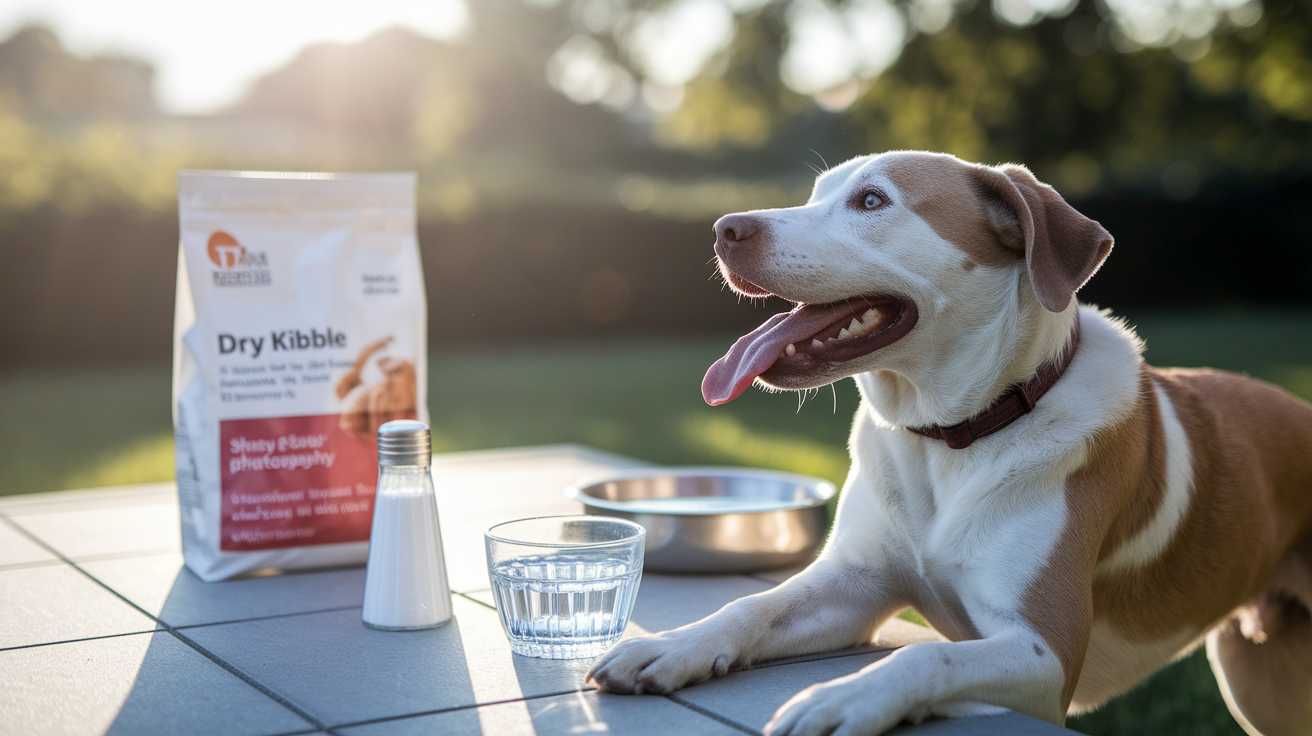
Sometimes the explanation is straightforward. Hot weather, a long afternoon of playing fetch, or a switch from canned food to dry kibble can all increase water needs temporarily. Dogs drinking more after exercise or on warm days are replacing lost fluids, and that’s healthy.
Dehydration itself drives thirst. Check your dog’s gums. If they’re dry, tacky, or bright red, or if their skin tents instead of snapping back when you gently pinch it, they’re dehydrated. Other signs include excessive panting, thick ropey saliva, and lethargy. Mild dehydration resolves with access to fresh water. Moderate to severe cases need veterinary fluids.
Common non-medical triggers include:
Diet changes. Dry food has much less moisture than wet food, so dogs compensate by drinking more.
Dry indoor air. Winter heating or arid climates increase water loss through panting and breathing.
High sodium treats or table scraps. Salty foods trigger thirst.
Warning Signs Your Dog Needs Immediate Veterinary Care
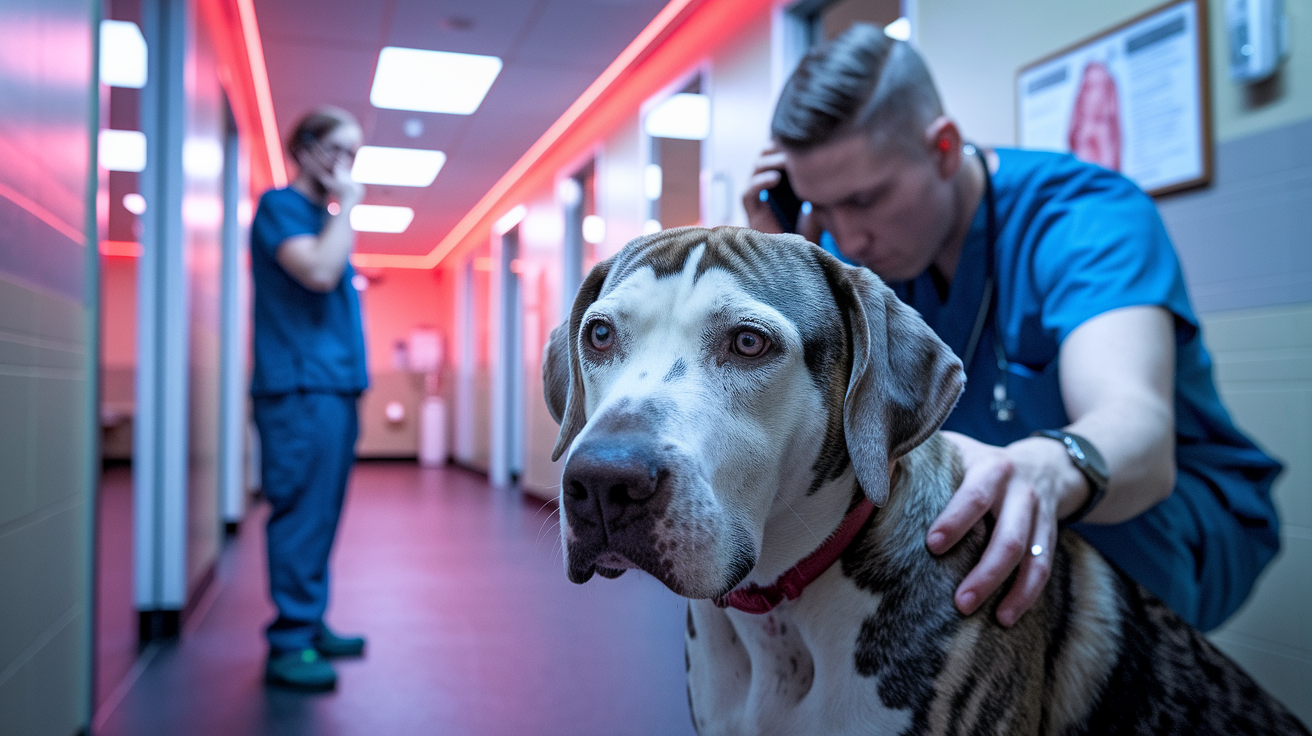
If excessive drinking is paired with any of the following, go to an emergency vet or your regular vet immediately if they’re open. Don’t wait to see if things improve.
Collapse or inability to stand means something is severely wrong. Possible diabetic crisis, kidney failure, heatstroke, or poisoning. Seizures suggest neurologic involvement from electrolyte imbalances, toxins, or liver disease. Persistent vomiting or diarrhea with increased thirst can indicate pancreatitis, poisoning, or infection. Dehydration worsens fast.
Other red flag symptoms that need urgent care:
Refusal to eat for more than 12 to 24 hours. Especially if paired with lethargy or vomiting.
Blood in urine. Can signal urinary stones, infection, trauma, or clotting disorders.
Extreme lethargy or weakness. Your dog won’t lift their head, can’t walk, or seems disoriented.
Rapid or labored breathing. May indicate diabetic ketoacidosis, heart failure, or severe infection.
Straining to urinate with little or no urine produced. Possible urinary blockage, a life threatening emergency in male dogs.
Fever above 103°F. Often paired with infections like pyometra or leptospirosis.
If your dog is alert, eating normally, and just drinking more without any other symptoms, scheduling a routine vet appointment within 24 to 72 hours is appropriate. Bring a 48 hour water intake log and a fresh urine sample if you can collect one.
How Vets Diagnose Excessive Thirst in Dogs
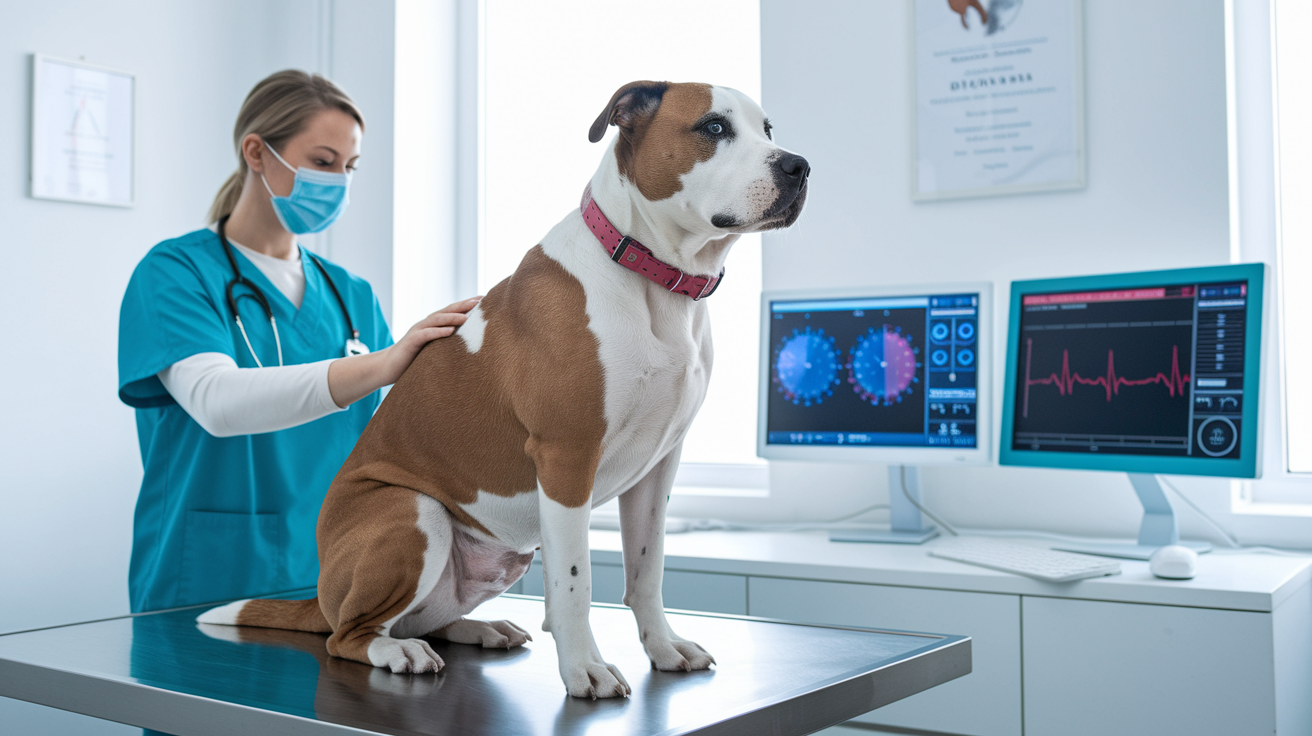
Your vet will start with a thorough physical exam and detailed history. They’ll ask when the increased drinking started, whether you’ve noticed more urination, any recent medication changes, and if your dog has been exposed to toxins or stagnant water. Measuring your dog’s exact water intake over 24 to 48 hours (in milliliters per kilogram of body weight per day) gives the vet a clear baseline.
Urinalysis is usually the first test. It checks urine specific gravity (USG), which shows how well the kidneys concentrate urine. Normal concentrated urine is often above 1.030. Dilute urine below 1.020 suggests a concentrating defect. The urinalysis also detects glucose (diabetes), protein, blood, white blood cells, bacteria, and crystals. If infection is suspected, a urine culture follows. Bloodwork (a complete blood count (CBC) and serum chemistry panel) evaluates kidney function (BUN, creatinine), blood glucose, liver enzymes, electrolytes (sodium, potassium), and calcium. Elevated creatinine (often above 1.6 to 2.0 mg/dL) signals kidney disease. Glucose above 200 mg/dL with glucosuria points to diabetes.
| Test | What It Detects |
|---|---|
| Urinalysis (USG, glucose, protein) | Kidney concentrating ability, diabetes, infection, crystals |
| Blood chemistry panel | Kidney values (BUN, creatinine), liver enzymes, blood glucose, electrolytes, calcium |
| ACTH stimulation or low dose dex test | Cushing’s disease (hyperadrenocorticism) |
| Abdominal ultrasound or X-rays | Kidney size/shape, adrenal tumors, bladder stones, pyometra, liver disease |
Endocrine testing comes next if initial tests suggest Cushing’s or diabetes insipidus. The ACTH stimulation test or low dose dexamethasone suppression test confirms Cushing’s. Fructosamine testing helps assess longer term glucose control in diabetic dogs. Imaging (abdominal ultrasound or radiographs) evaluates organ structure, looking for enlarged kidneys, adrenal masses, bladder stones, or uterine enlargement in pyometra cases.
Treatment Options and What to Expect
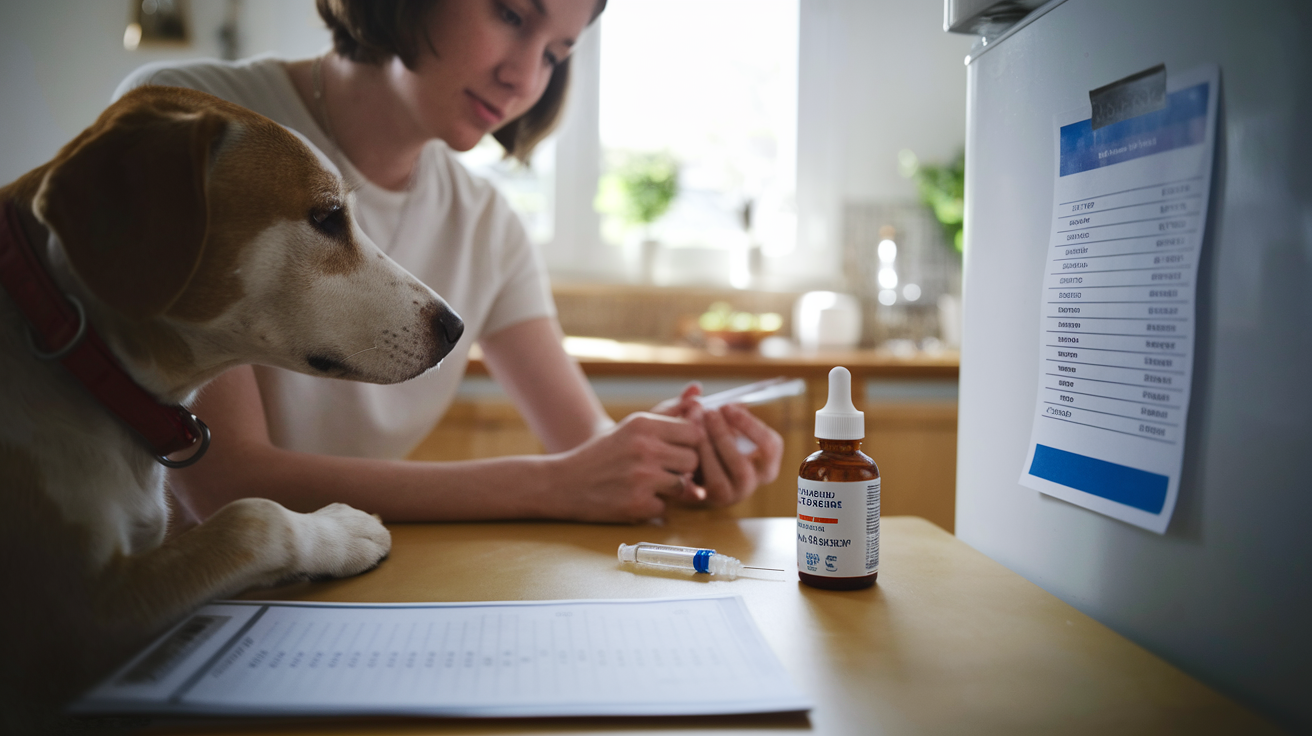
Treatment depends entirely on the underlying cause. Diabetes mellitus requires insulin therapy with regular dose adjustments based on home glucose monitoring or vet rechecks. Most dogs stabilize within a few weeks, but lifelong insulin injections and monitoring are necessary. Untreated diabetes can progress to diabetic ketoacidosis, requiring emergency hospitalization with IV fluids and intensive insulin management.
Kidney disease treatment varies by severity. Acute kidney failure often needs hospitalization with IV fluids, anti nausea medications, and close monitoring. Chronic kidney disease is managed at home with a prescription low phosphorus renal diet, phosphate binders, ACE inhibitors to reduce blood pressure, and appetite stimulants or gastroprotectants as needed. Rechecks every three to six months track kidney function and adjust treatment.
Cushing’s disease is typically treated with trilostane, which reduces cortisol production. Regular ACTH stimulation tests monitor the drug’s effectiveness and prevent overdosing. Some dogs need lifelong medication. Prognosis is generally good with consistent management. Pyometra requires emergency ovariohysterectomy (surgical removal of the uterus and ovaries). Medical management with antibiotics alone rarely works and often leads to recurrence or rupture.
Typical treatment outcomes by condition:
Urinary tract infections. Most clear within 7 to 14 days of antibiotic therapy. Urine culture confirms resolution.
Dehydration and electrolyte imbalances. Subcutaneous or IV fluids correct mild to moderate cases within hours to a few days.
Leptospirosis. Hospitalization with IV antibiotics and fluids. Early treatment improves survival, but kidney damage may persist.
Medication induced polydipsia. Thirst often normalizes one to two weeks after stopping or adjusting the drug. Never stop prescribed medications without vet approval.
What to Monitor at Home

Start tracking your dog’s daily water intake in ounces or milliliters. Fill the water bowl to the same level at the same time each day, measure what you add, and note how much is left after 24 hours. Calculate milliliters per kilogram of body weight per day to share with your vet. In multi pet homes, separate water bowls or microchip locked bowls help you monitor individual intake.
Urination frequency and volume are just as important. Count how many times your dog pees each day and note the size of each puddle or how long they pee. Watch for accidents indoors, straining, blood, or changes in urine color. Take photos or videos if you notice anything unusual. Pale, almost clear urine suggests dilute urine. Dark, concentrated urine may indicate dehydration.
Daily home monitoring checklist:
Water intake. Measure and record total ounces or milliliters consumed in 24 hours.
Urination patterns. Frequency, volume, accidents, straining, blood, or color changes.
Appetite and energy. Note any decrease in food intake, lethargy, vomiting, or diarrhea. Photograph meals if appetite is inconsistent.
Final Words
When your dog starts drinking a lot, this post walked you through quick causes, how much water is normal, medical and non-medical reasons, warning signs, how vets diagnose it, and likely treatments.
Start by measuring daily intake, note urine and energy, and watch for urgent signs like vomiting, collapse, or blood. Monitor for 24–48 hours and bring clear notes to your vet.
If high drinking continues or you see red flags, call your vet. Understanding dog excessive thirst causes helps you stay calm and act fast for your pet.
FAQ
Q: Why is my dog suddenly excessively thirsty?
A: Your dog is suddenly excessively thirsty because many things can raise thirst — dehydration, hot weather or exercise, new medications, infections, kidney disease, diabetes, or hormonal issues like Cushing’s. Seek urgent vet care if thirst is sudden and extreme.
Q: When should I worry about dog thirst?
A: You should worry about dog thirst when drinking regularly exceeds roughly 1 ounce per pound of body weight per day, or when thirst comes with heavy peeing, vomiting, weakness, blood in urine, collapse, seizures, or lasts over 24–48 hours.