

Is your cat skipping meals but still purring, playing, and acting normal?
That can feel confusing.
Here’s the key fact up front: even a healthy-appearing cat shouldn’t fast longer than 24 hours without a check-in, and 48 hours raises a real risk of fatty liver disease (hepatic lipidosis).
This post will help you spot harmless appetite dips versus early warning signs, give safe at-home steps to try now, and show the clear time windows and red flags that mean you should call the vet sooner rather than later.
Immediate Guidance for a Cat Eating Less While Acting Normal

Your cat’s not eating, but otherwise? Totally fine. Still purring, wandering around, responding when you call. So what’s the issue?
Here’s the thing. Cats hide illness until it gets bad. And reduced appetite is one of the first clues something’s off. Even if everything else looks normal, your cat shouldn’t go more than 24 hours without eating. After that, complications start creeping in. The body can break down fat in ways that threaten the liver.
If your cat just got vaccinated (rabies, FVRCP, FeLV), appetite loss is pretty common. Usually clears up in 24 to 48 hours. Your cat seems alert, the timeline fits, you’re probably okay to watch and wait. But if appetite doesn’t bounce back within 48 hours, or if other stuff starts showing up, it’s time to get concerned. Around that 48-hour mark without food, the liver might start processing stored fat too quickly. That raises the risk of hepatic lipidosis, also called fatty liver disease. It’s serious.
Call a vet right away if you see any of these:
- Vomiting more than once, or diarrhea
- Trouble breathing, mouth breathing, or fast chest movement
- Major lethargy, hiding more than usual, or collapsing
- Drooling or pawing at the face
- Pain when you touch them
- Blood anywhere (vomit, stool, urine)
Start a log now. Doesn’t have to be fancy. Just write down what food you offered, how much got eaten (even if it’s nothing), any puking, litter box use, weird behavior. Do this for 24 to 72 hours. When you call the vet, that log becomes gold. You’ve got actual data instead of trying to remember details while you’re stressed.
Common Everyday Reasons for a Cat Eating Less but Staying Energetic
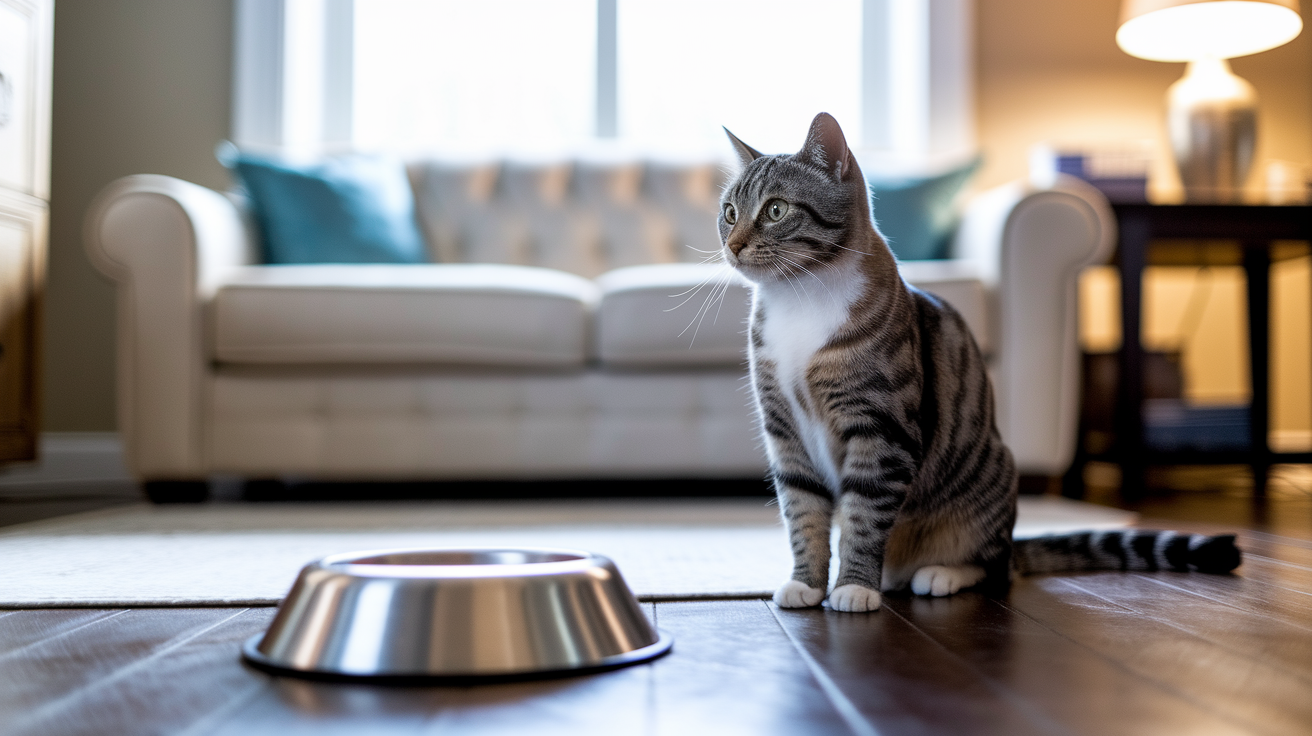
Sometimes it’s not medical. Your cat might be stressed. New couch, house guest, construction noise next door. Stress doesn’t always mean your cat’s cowering under the bed. Some cats just quietly lose interest in food while keeping the rest of their routine intact.
Moving the food bowl, switching brands too fast, leaving wet food out in warm weather. All of these can make a cat refuse food without anything being wrong health-wise. Cats are picky. Small changes matter.
Food aversion’s another one. Wet food spoils fast, especially when it’s hot. Once your cat links a funky smell or sour taste with that bowl, they might avoid it even after you’ve washed and refilled it. Stale dry food loses appeal too. If your cat sniffs the dish and walks away, or only licks the gravy, the problem might be flavor or texture, not sickness.
Harmless scenarios:
- You just changed food brands or flavors
- Hot weather’s killed their appetite
- Stress from visitors, furniture shuffle, new pet in the house
- Food went stale or bad
If any of this turns into repeated vomiting, lethargy, or the warning signs from earlier, stop watching and call the vet. These harmless causes should clear up in a day or two. When they don’t, or when new symptoms pop up, you need to rule out the serious stuff.
Medical Conditions That May Appear With Appetite Loss Before Other Signs
A lot of serious illnesses start quietly. A cat with early kidney disease, liver trouble, diabetes, even cancer might look totally fine at first. The only hint? Appetite drops off. That’s why a cat refusing food for over 24 hours, even without other symptoms, deserves a vet visit. You’re not overreacting. You’re catching something before it blows up.
Upper respiratory infections mess with smell. When food doesn’t smell good, cats won’t eat. Gastrointestinal problems like pancreatitis, IBS, or bacterial infections can make a cat feel nauseous without visible vomiting. Systemic diseases (FeLV, FIV, FIP) can tank appetite before anything else shows. These are treatable or manageable when you catch them early. But they move fast once symptoms pile up.
Pain from anywhere (arthritis, internal injury, inflammation) can kill interest in food. Cats are really good at hiding discomfort. If your cat’s eating less but acting fine, they might be working hard to hide how they feel. Early detection gives you more options, better outcomes.
Dental Pain as a Hidden Trigger
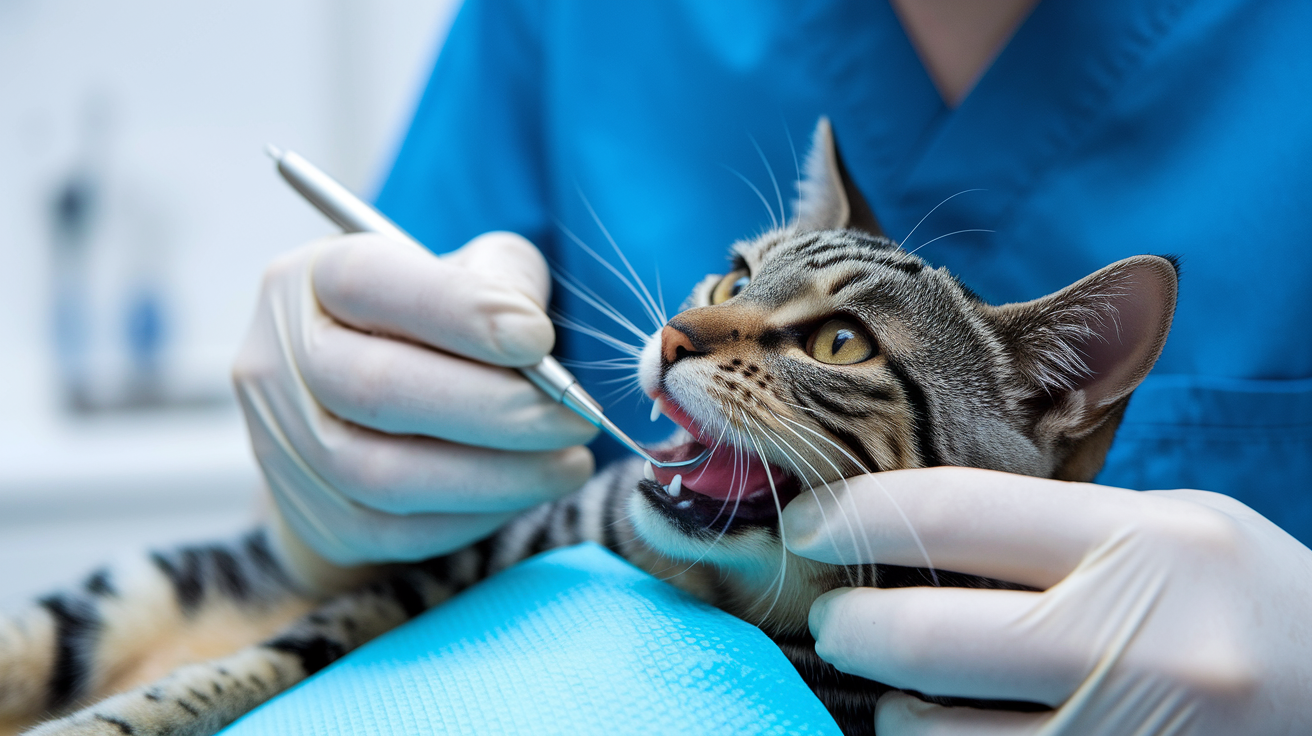
Dental disease is common. One study found dental problems in about 15 percent of cats seen in regular practice. Tooth pain, gum swelling, a cracked tooth. These make eating uncomfortable without being obvious to you. Your cat might walk up to the bowl, hesitate, walk away. You might notice subtle drooling, food dropping while eating, gentle pawing near the mouth. Easy to miss if you’re not looking.
A cat with dental pain might still groom, play, move around normally. The discomfort only shows at mealtime. If you suspect mouth issues, a vet dental exam can find the problem and fix it through cleaning, extractions, or pain management.
Medication and Vaccination Effects on Appetite in Otherwise Normal Cats
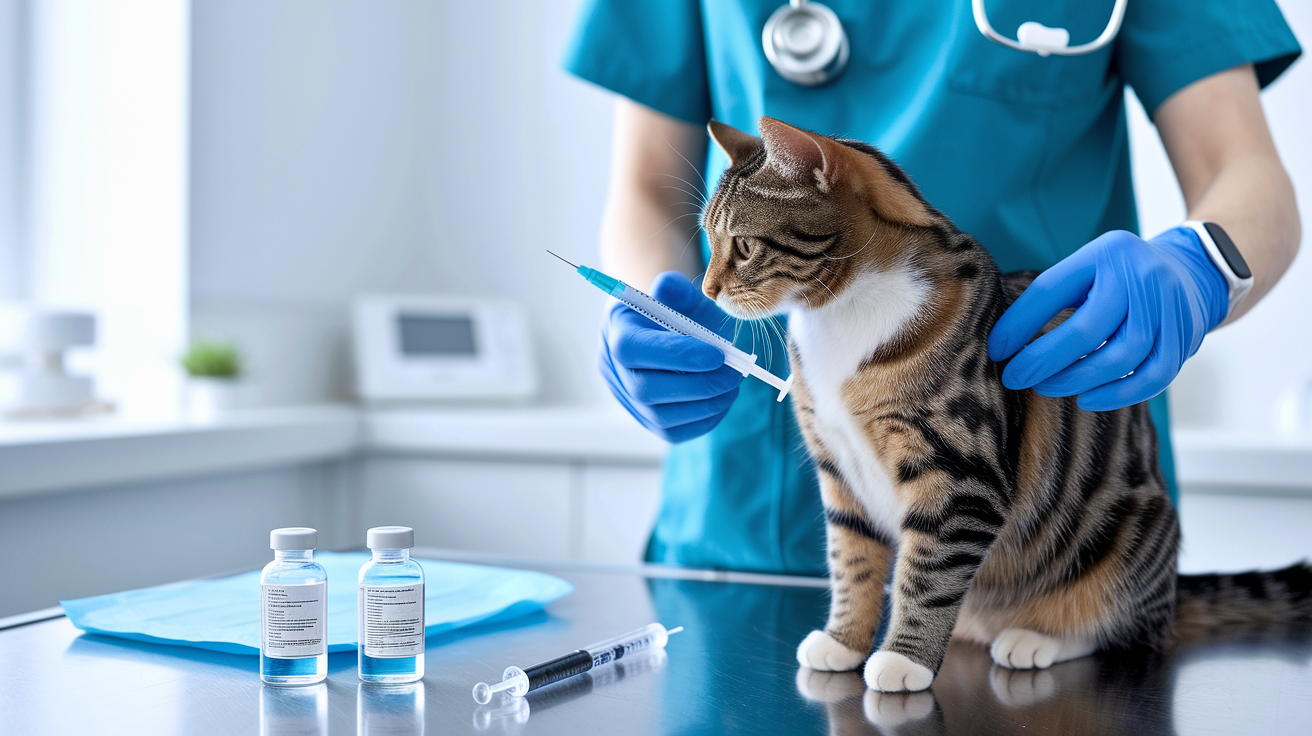
Vaccines can temporarily mess with appetite. It’s a known side effect of rabies, FVRCP (covers Feline Viral Rhinotracheitis, Calicivirus, Panleukopenia), and FeLV shots. Most cats bounce back in 24 to 48 hours. If your cat got vaccinated in the last day or two and is otherwise acting fine, this is probably why. Give it time, keep offering food, watch for improvement.
Medications are another common cause. Antibiotics like Clavamox, amoxicillin, orbax can trigger mild nausea or taste aversion. Pain meds (gabapentin, robenacoxib, buprenorphine) sometimes reduce appetite as a side effect. Same with certain dewormers, flea treatments, supplements, blood pressure meds like amlodipine or propranolol. If your cat started a new medication in the past few days and stopped eating, that timing matters.
Medication types that can affect appetite:
- Antibiotics and anti-infectives
- Pain relievers and anti-inflammatories
- Dewormers, flea and tick treatments, supplements
If appetite doesn’t come back within 48 hours, or if you see vomiting, lethargy, drooling, check the red-flag list from earlier and contact your vet. They might adjust the dose, switch meds, or add appetite support.
Home Strategies to Encourage a Cat to Eat
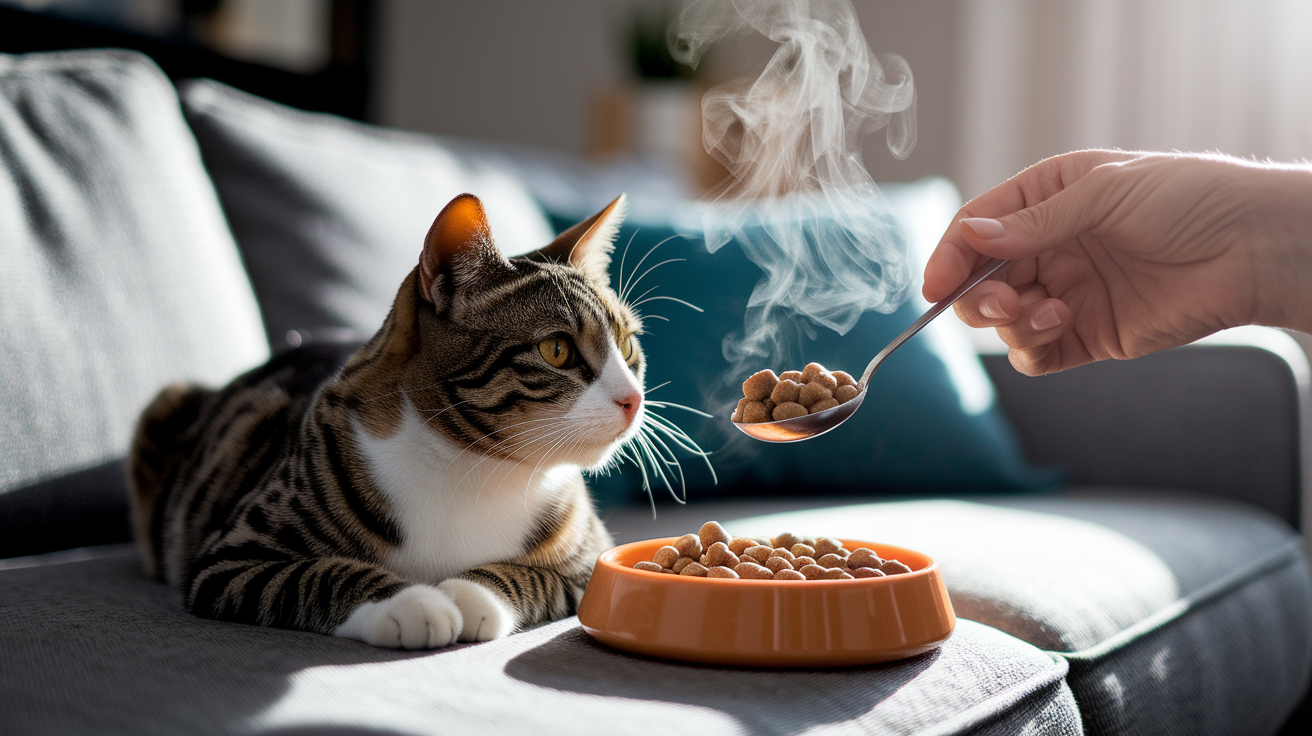
Start simple. Warm wet food to just above room temperature. Releases stronger smells, makes it more appealing. Especially if your cat has mild congestion or just prefers warmer meals. Don’t microwave it. Let it sit out for a few minutes or add a tiny splash of warm water. Strong-smelling stuff like fish-based wet food or chicken with gravy often works better than bland kibble when appetite’s low.
Offer food in small portions throughout the day instead of one or two big meals. A full dish can feel overwhelming to a cat that’s not hungry. A teaspoon of wet food every few hours feels more doable. Gives you multiple chances to spark interest. Pull uneaten food after 20 to 30 minutes so it doesn’t spoil or develop a smell that makes things worse.
Steps to encourage eating at home:
- Warm wet food slightly to boost smell and appeal.
- Try different textures (wet, pâté, shredded, wet-dry mix).
- Use a shallow dish to avoid whisker stress.
- Put the dish somewhere quiet, away from the litter box.
- Hand-feed a small amount to create comfort and positive vibes.
If your cat ignores all of this for more than 24 hours, or if new symptoms like vomiting or lethargy show up, stop the home tricks and call your vet. These work for temporary, harmless appetite loss. They won’t fix an underlying medical problem. Waiting too long makes things worse.
Feeding Environment and Routine Factors Affecting Appetite
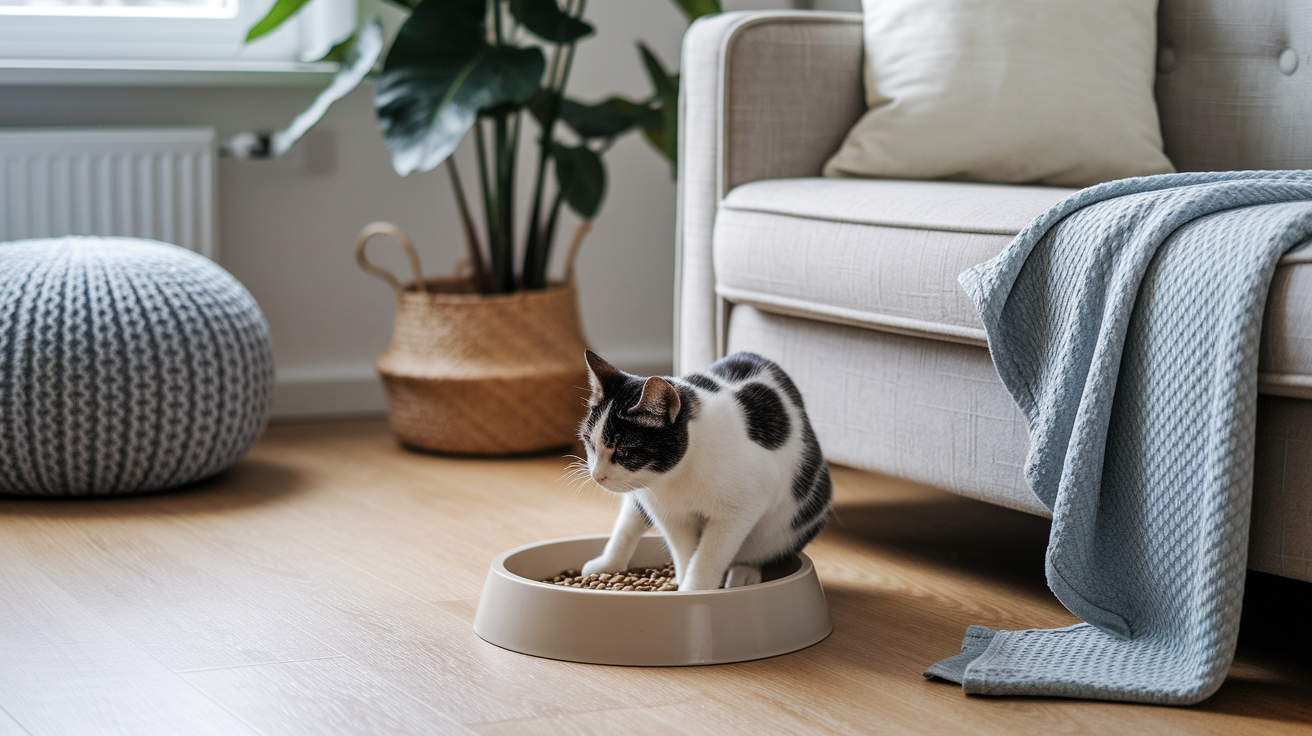
Location counts. A cat might refuse food if the spot’s too noisy, near a litter box, or in a busy hallway where they feel exposed. Moving the bowl recently, even a few feet, can mess with a routine-loving cat. Competition from other pets can create stress too. If another cat hovers or a dog keeps sniffing the dish, your cat might skip the meal rather than deal with it.
Elevated feeding stations or wide, shallow bowls can help cats who don’t like whisker contact or who feel vulnerable eating at ground level. Routine changes (switching feeding times, different family members feeding on different days) can all reduce appetite without illness being involved.
| Trigger | How It Affects Eating | Simple Fix |
|---|---|---|
| Feeding bowl near litter box | Creates scent aversion and stress | Move bowl to a separate, quiet room |
| Competition from other pets | Cat avoids confrontation at mealtime | Feed cats in separate areas or rooms |
| Noisy or high-traffic location | Cat feels exposed and unsafe | Choose a calm, low-activity corner |
If adjusting the environment doesn’t bring appetite back within 24 hours, or if other symptoms develop, check the warning signs from earlier and contact your vet.
What to Expect During a Veterinary Visit for Appetite Loss
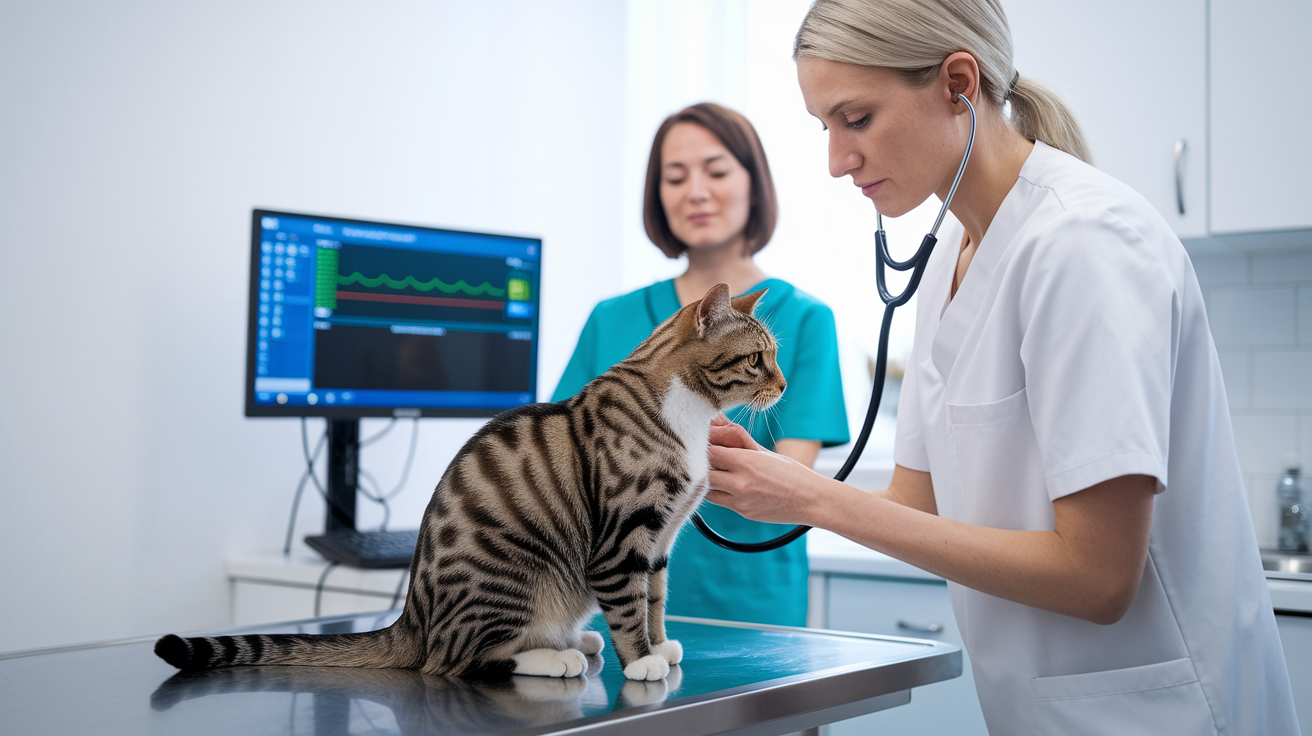
When you bring your cat in for appetite loss, the vet starts with a full physical exam. They’ll check weight, hydration, body condition. Listen to heart and lungs, feel the abdomen for pain or masses, check the mouth and gums for dental disease, swelling, or foreign objects. Even if your cat seems normal at home, the vet’s trained to spot subtle stuff you might miss.
If the exam doesn’t show an obvious cause, next step’s usually diagnostic testing. Blood work (complete blood count, chemistry panel) can identify kidney disease, liver problems, diabetes, infections, electrolyte imbalances. Thyroid testing might get added for older cats. Abdominal ultrasound and x-rays help visualize stomach, intestines, liver, kidneys, other organs. Rules out blockages, tumors, inflammation. These tests move quickly and give your vet a clear picture of what’s happening inside.
Common diagnostic tools:
- Physical exam with oral and dental check
- Complete blood count (CBC) and blood chemistry panel
- Thyroid function test
- Abdominal ultrasound or x-rays
Kittens and senior cats might need faster action and extra testing. Kittens can decline fast without food. Older cats are more likely to have chronic conditions hiding underneath. Vets might also place a feeding tube if a cat hasn’t eaten for three days, especially if hepatic lipidosis is a concern. The goal’s always to find the cause, manage symptoms, restore appetite as quickly and safely as possible.
Monitoring Appetite and Health at Home Over 24–72 Hours

Start your log as soon as you notice reduced appetite. Write down every meal you offer, how much your cat eats (even if it’s nothing), the time. Note water intake. Drinking more or less than usual can point to kidney issues, diabetes, dehydration. Track litter box activity (how often they pee, whether stool’s normal or loose, any straining or blood). Add notes about energy level, hiding, grooming, any mouth or nose symptoms like drooling or discharge.
Skipping one meal? Usually not a crisis. Skipping two or more, or a steady drop in food intake over a few days? Different story. The log helps you see patterns. Also gives your vet specific, useful info instead of vague descriptions. When you call and say, “She’s eaten about a teaspoon total over the last 48 hours, vomited once yesterday, hasn’t used the litter box since this morning,” that’s data the vet can act on right away.
24–72 hour monitoring plan:
- Record all food offered and amounts eaten at each meal.
- Track water intake and litter box frequency (urine and stool).
- Note any vomiting, diarrhea, drooling, nasal discharge, or behavior changes.
- Set a check-in time every 12 hours to reassess and decide whether to keep monitoring or call the vet.
Share this log with your vet during the visit or over the phone. Speeds up diagnosis, helps the vet make better decisions about testing and treatment. If any of the red-flag symptoms from the first section show up during your monitoring window, stop waiting and get care right away.
Final Words
If your cat skips a meal but stays bright, act fast with the 24-hour rule: watch for hidden clues like drooling, changes in the litter box, or subtle behavior shifts.
Try simple fixes first — warm strong-smelling wet food, quiet bowls, and small frequent meals — and remember meds or recent vaccines can cause short appetite dips. Log food, water, vomiting, and stool for 24–72 hours.
If the log shows worsening or any red flags, call your vet. Tracking cat not eating but acting normal often helps find a quick solution, and many cats recover with gentle care.
FAQ
Q: How to tell when a cat’s body is shutting down?
A: A cat’s body may be shutting down when it becomes very weak, stops eating or drinking for 24–48 hours, has trouble breathing, pale gums, low temperature, incontinence, or becomes unresponsive. Call your vet right away.
Q: What is the silent killer of cats?
A: The silent killer of cats is often chronic kidney disease, which progresses quietly with subtle signs like increased thirst, reduced appetite, and weight loss. Ask your vet about screening and yearly bloodwork if you notice changes.
Q: What are the three early warning signs of kidney disease in cats?
A: The three early warning signs of kidney disease in cats are increased thirst and urination, reduced appetite or weight loss, and vomiting or lethargy. Contact your vet for testing if you see these.
Q: How can I stimulate my cat’s appetite?
A: You can stimulate your cat’s appetite by warming strong-smelling wet food, offering small frequent meals, hand-feeding, trying different textures, and serving food in a quiet spot. Call a vet if not eating for 24 hours.