

Is your dog vomiting and having diarrhea at the same time?
That combo often means gastroenteritis (stomach and intestinal inflammation), and it can strip fluids and electrolytes fast.
Read on for simple, safe steps you can try at home, clear red flags to watch for, and when to call your vet.
Puppies, seniors, and pets with existing health issues are higher risk, so I’ll flag urgent signs to act on quickly.
Immediate Actions for Dogs With Diarrhea and Vomiting
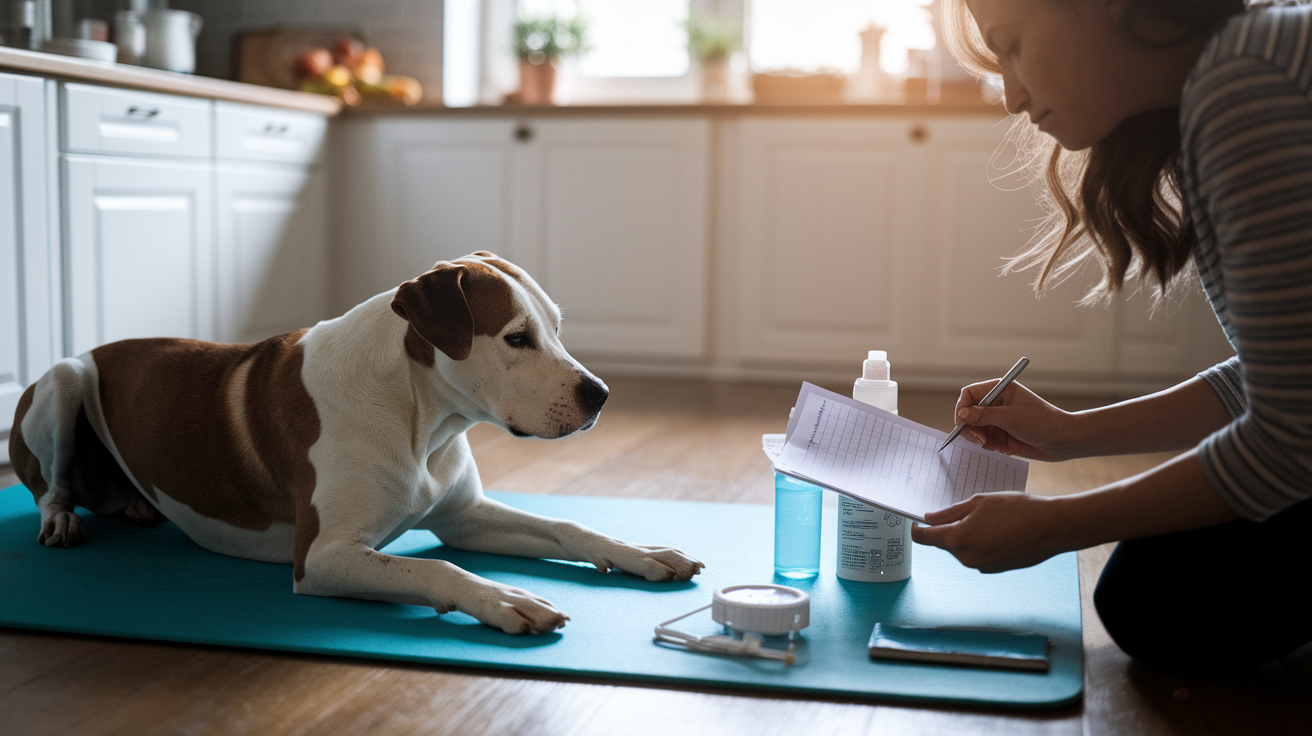
When your dog’s vomiting and having diarrhea at the same time, you’re looking at gastroenteritis. That’s inflammation hitting both the stomach and intestines. The combo means fluid loss can happen fast, and electrolyte balance gets thrown off quickly. Your dog’s body is trying to get rid of something harmful, or it’s dealing with an infection. How serious this gets depends on what’s causing it and your dog’s overall health going in.
Puppies, older dogs, and dogs with health issues already going on are at way higher risk when both symptoms show up together. Puppies can dehydrate within hours because their body reserves are tiny and their metabolism runs fast. Elderly dogs or those dealing with kidney disease, liver problems, or weak immune systems can spiral into serious trouble before you realize how sick they’ve gotten. If your dog falls into any of these groups, don’t wait. Contact your vet sooner rather than later.
Some warning signs mean you stop watching and get help right now:
- Any visible blood in vomit or stool
- Two or more vomiting episodes within a few hours
- Severe lethargy where your dog can’t stand or barely responds
- Seizures, tremors, or uncoordinated movement
- Excessive drooling combined with obvious discomfort or restlessness
- Persistent retching without actually producing vomit, especially if the abdomen looks swollen
- Straining to pass stool but only producing small amounts of watery liquid
If your dog vomits or has diarrhea once and then acts normal, you can monitor at home for the next few hours. But if symptoms repeat within 12 hours, contact your vet that day. For puppies or vulnerable dogs, don’t wait past the second episode. If your dog won’t drink water for more than 12 hours or shows any emergency sign, treat it as urgent.
Causes of Vomiting and Diarrhea in Dogs: Dietary, Infectious, and Toxic Triggers

The most common reason dogs suddenly develop vomiting and diarrhea is dietary indiscretion. Eating something they shouldn’t have. Dogs scavenge bins, raid compost, steal table scraps, gulp down spoiled food left outdoors. A single high fat meal or a sudden switch to a new kibble can overwhelm the gut and trigger gastroenteritis. Even treats you give with good intentions, rich bones or fatty meat trimmings, can cause severe digestive upset within hours. When you call your vet, the first question they’ll ask is “What did your dog eat in the past 48 hours?” because diet is the leading trigger in otherwise healthy dogs.
Infectious agents are another major category. Bacterial infections like Salmonella or Campylobacter, viral illnesses such as parvovirus, and parasites including Giardia and roundworms all cause vomiting and diarrhea. Parvovirus is especially dangerous in puppies and unvaccinated dogs. It produces severe bloody diarrhea, relentless vomiting, and rapid dehydration. Giardia typically causes watery, foul smelling stool that may come and go over days or weeks. Infectious causes often need specific testing and targeted treatment, so don’t assume symptoms will resolve on their own if they persist beyond 24 hours.
Toxins and foreign objects can produce sudden, severe GI symptoms. Chocolate, xylitol in sugar free gum, toxic plants like lilies or sago palm, household chemicals such as antifreeze, all poison dogs quickly. Swallowing toys, fabric, bones, or sticks can create a partial or complete intestinal blockage. That leads to vomiting, straining, abdominal pain, and eventually shock if not treated. If you suspect ingestion of any toxin or object, mention it to your vet immediately. Timing matters for treatment success.
Five high risk causes that require urgent veterinary reporting:
- Suspected toxin ingestion, especially xylitol, chocolate, or antifreeze
- Swallowed foreign object, toy, bone fragment, or fabric
- Bloody vomit or stool indicating possible haemorrhagic gastroenteritis
- Parvovirus exposure or lack of up to date vaccinations in a young dog
- Persistent symptoms in a dog with known pancreatitis, kidney disease, or liver problems
Recognizing Dog GI Symptom Patterns and Progression
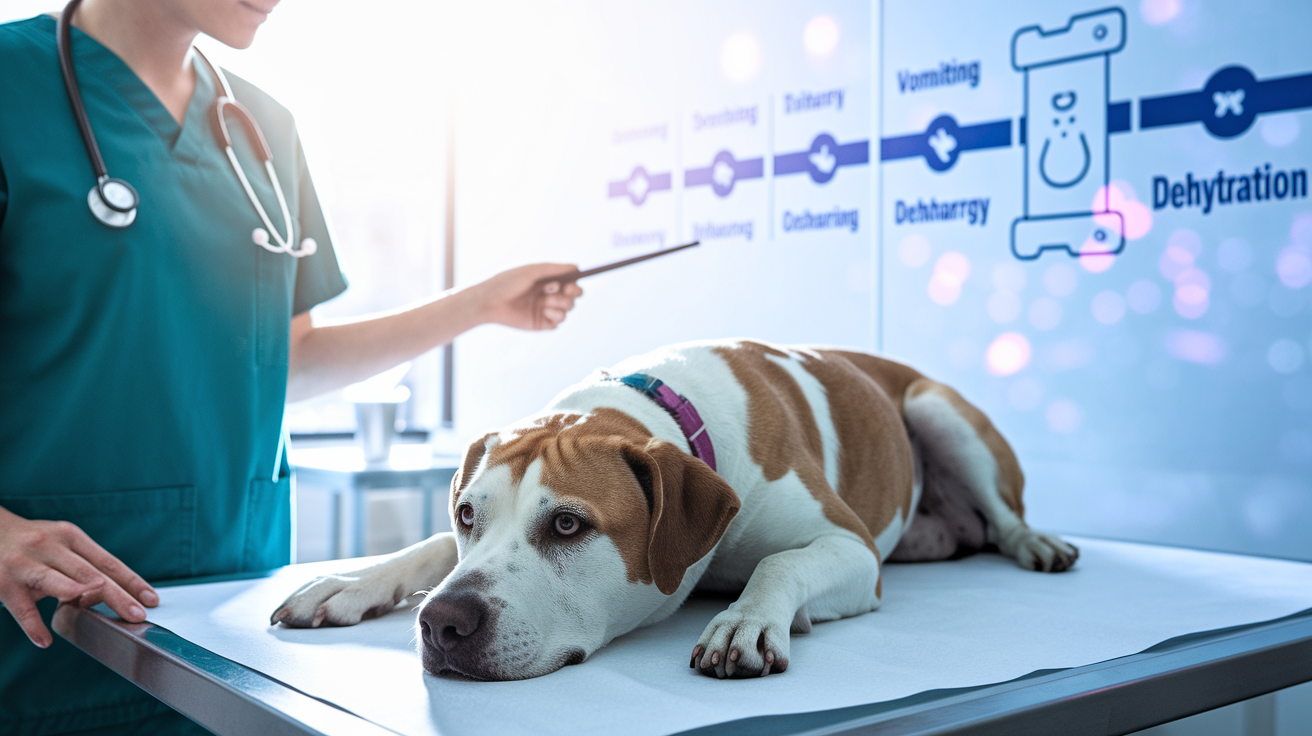
Mild gastroenteritis often starts with one or two episodes of vomiting or soft stool, followed by a period where your dog seems tired but otherwise stable. You might notice your dog refusing breakfast, drinking a bit more than usual, or passing stool that’s loose but formed. A single episode of yellow green foam, bile brought up on an empty stomach, is common and usually not serious if your dog bounces back within a few hours. These self limiting cases typically improve within 24 hours if you withhold food briefly and reintroduce a bland diet slowly.
Watch for patterns that signal worsening illness. Vomiting that starts occasionally and then increases in frequency. Diarrhea that begins soft and progresses to watery or contains mucus. A dog that was alert in the morning but becomes lethargic by afternoon. All of these indicate the problem is progressing rather than resolving. Abdominal pain, shown by a hunched posture, whining when you touch the belly, or reluctance to move, suggests inflammation or possible obstruction. If symptoms haven’t improved or have worsened after 12 hours of home care, or if your dog refuses water and becomes less responsive, the illness is getting worse and needs veterinary assessment.
Assessing Dehydration and Fluid Needs in Dogs With GI Upset
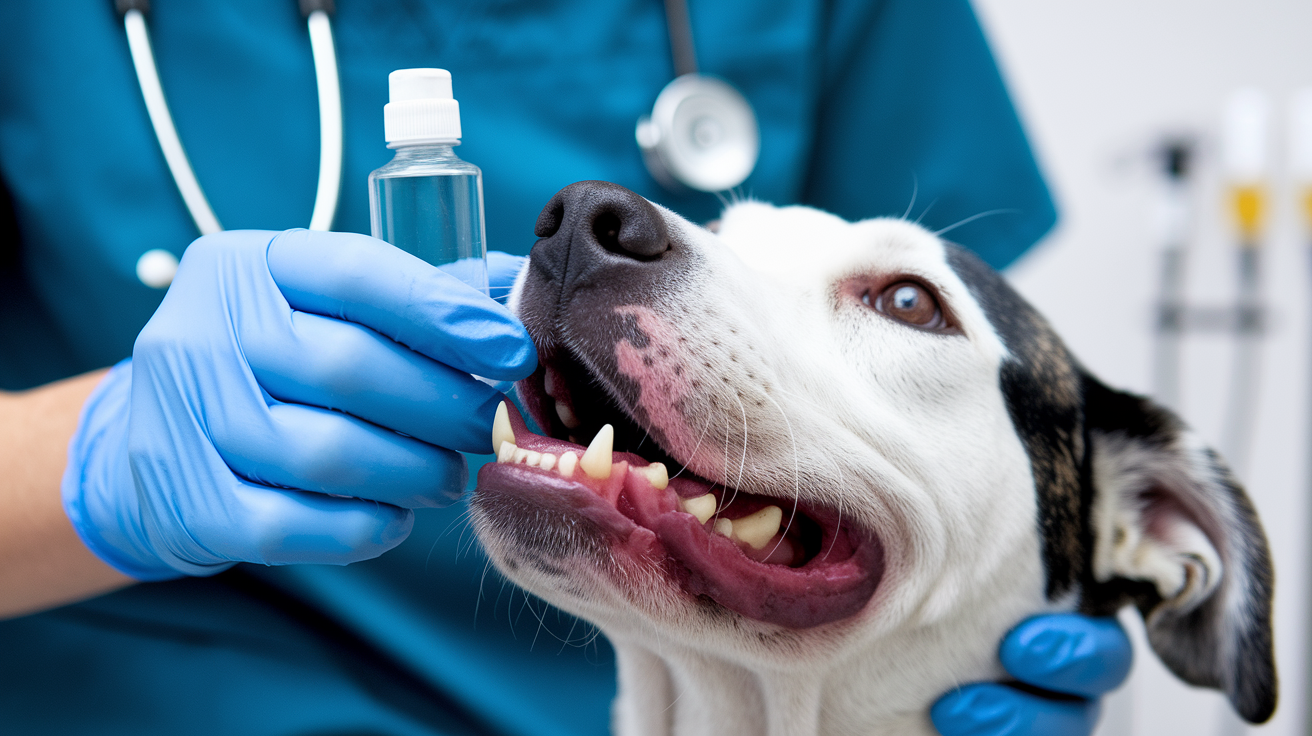
Dehydration happens fast when a dog loses fluids through vomiting and diarrhea together. Early signs include dry, sticky gums instead of wet and slippery. Sunken eyes that look dull. Skin that stays tented for a second or two when you gently pinch the scruff of the neck. A healthy, hydrated dog’s skin snaps back immediately. You might also notice your dog is quieter than usual, less interested in moving, or panting even when resting. Catching dehydration early makes home care easier and prevents the need for emergency intravenous fluids.
Offer small amounts of fresh water frequently rather than allowing your dog to gulp a full bowl at once. Large volumes after vomiting can trigger another episode and worsen nausea. Give up to three tablespoons of cooled, boiled water every 30 minutes, or offer ice cubes to lick. If your dog refuses plain water, try diluting a teaspoon of low sodium chicken stock in a cup of water to encourage drinking. For dogs with diarrhea alone, water access should be unrestricted. But if vomiting is also present, portion water intake until vomiting stops for at least four hours.
| Sign | What It Means | Action |
|---|---|---|
| Dry, sticky gums | Early dehydration, saliva production dropping | Offer small amounts of water every 30 minutes; contact vet if no improvement in 2 hours |
| Sunken eyes | Moderate fluid loss | Seek same day veterinary care for fluid assessment |
| Skin tenting for more than 2 seconds | Significant dehydration | Immediate veterinary attention, likely needs IV fluids |
| Refusal to drink for 12+ hours | Severe dehydration risk or worsening illness | Urgent vet visit required |
Safe Home Care for Mild Dog Vomiting and Diarrhea
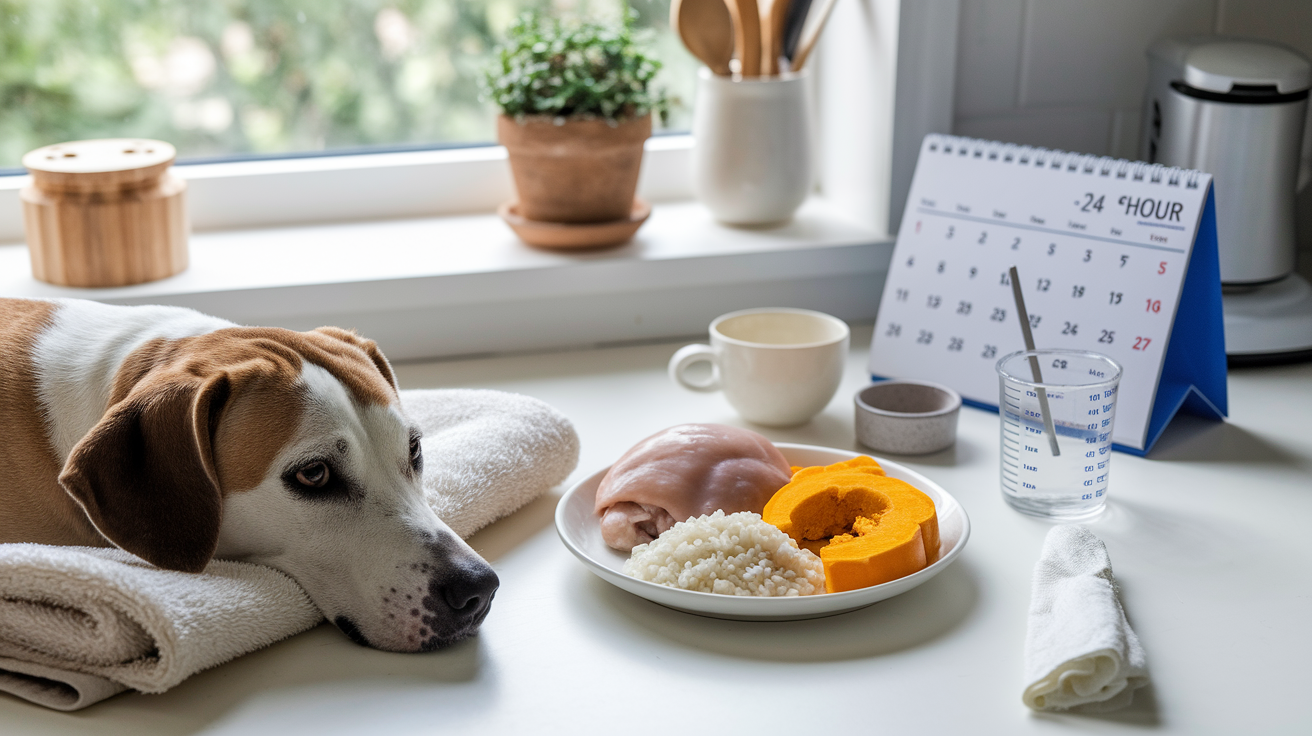
Home care is appropriate when your dog has vomited once or twice, passed one or two episodes of diarrhea, and otherwise acts fairly normal. No severe lethargy, no blood, no signs of pain. If your dog is a healthy adult with no underlying conditions and symptoms started within the past few hours, you can try a short period of monitored rest and dietary adjustment before calling the vet. This approach works for simple cases like eating something mildly off or a small amount of table scraps. But always be ready to move to the vet if symptoms don’t improve or if any red flag appears.
The bland diet protocol helps settle an irritated gut. Use plain boiled chicken, no skin or seasoning, mixed with plain white rice in a ratio of one part chicken to two parts rice. You can add a tablespoon of canned plain pumpkin, not pumpkin pie filling, which contains fiber that can help firm up stool. Feed small portions, about a quarter of your dog’s normal meal size, every two hours. Small, frequent feedings are easier on the stomach than one large meal and reduce the chance of triggering more vomiting. If your dog keeps food down and produces no further vomiting or diarrhea for four to six hours, continue the bland diet for the rest of the day.
Reintroduce your dog’s regular food gradually over the next 24 hours once symptoms have fully stopped for at least 12 hours. Start by mixing a small amount of regular kibble into the bland mixture, then increase the proportion of regular food with each meal until your dog is back to a normal diet. Monitor stool consistency and energy level during this transition. If diarrhea or vomiting returns at any point, stop the transition and contact your vet. It suggests the underlying issue hasn’t fully resolved or your dog may need diagnostics to rule out infection, parasites, or other causes.
Seven step home care protocol for mild cases:
- Withhold all food for 6 to 12 hours, allowing the stomach and intestines to rest
- Offer water in small amounts, 2 to 3 tablespoons every 30 minutes, or ice cubes to lick
- After the fasting period, introduce a bland diet of boiled chicken, white rice, and plain pumpkin
- Feed small portions every 2 hours, watching for renewed vomiting or worsening diarrhea
- If symptoms stop, continue the bland diet for 24 hours total
- Gradually mix regular food back in over the next 24 hours
- Return to normal feeding once stool is formed and your dog is fully active again
What to Expect During a Veterinary Visit for Vomiting and Diarrhea
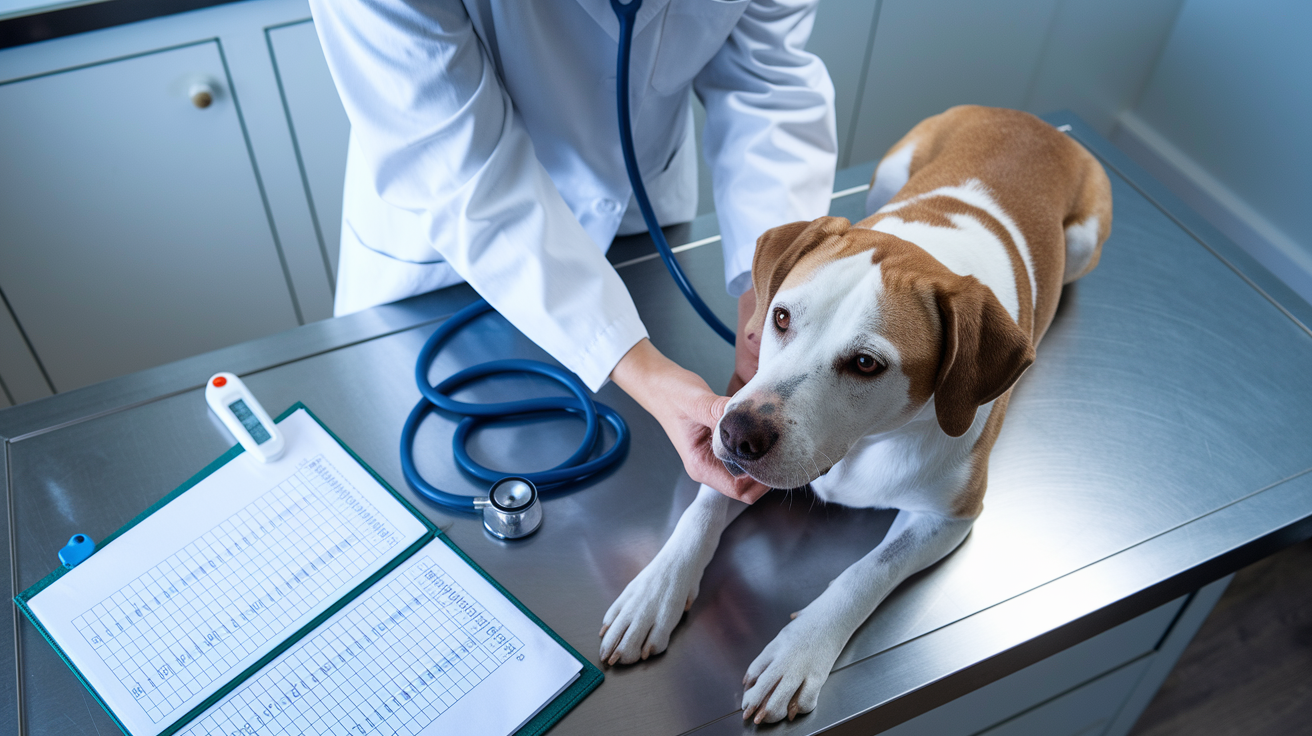
When you arrive at the vet, the first step is a thorough history and physical exam. Your vet will ask when symptoms started, how many episodes of vomiting and diarrhea have occurred, what your dog has eaten recently, any possible toxin or foreign object exposure, and whether your dog is up to date on vaccinations and parasite prevention. The physical exam focuses on hydration status. Checking gum moisture and skin elasticity, listening to heart rate and gut sounds, palpating the abdomen for pain, masses, or foreign material, and assessing your dog’s overall demeanor and responsiveness. This initial evaluation helps your vet decide which diagnostic tests are needed and how urgently treatment must begin.
Common diagnostic tools and tests used during evaluation:
- Blood work to assess kidney and liver function, electrolyte levels, and signs of infection or inflammation
- Abdominal X-rays to identify intestinal obstructions, foreign objects, or abnormal gas patterns
- Fecal testing to detect parasites, bacteria, or viral particles like parvovirus
- In house rapid tests for parvovirus or giardia when infectious disease is suspected
- Toxicology consultation or specific toxin panels if poisoning is a concern
- Ultrasound for a closer look at organ structure, masses, or fluid accumulation if X-rays are inconclusive
These diagnostics work together to identify blockages, infections, organ disease, and metabolic imbalances. Blood work showing elevated kidney values might indicate chronic disease worsening under the stress of dehydration. X-rays revealing a radio opaque object in the intestine confirm a foreign body obstruction requiring surgery. Fecal tests pinpoint parasitic or bacterial causes that need targeted antiparasitic or antibiotic treatment. Rapid, accurate diagnosis prevents complications like sepsis from untreated infections, organ failure from severe dehydration, or intestinal rupture from delayed obstruction surgery.
Timely diagnostics reduce complication risk and guide precise treatment. A dog brought in early with mild dehydration may only need subcutaneous fluids and anti nausea medication. A dog arriving after 48 hours of untreated vomiting and bloody diarrhea might require hospitalization, intravenous fluids, blood transfusions, and intensive monitoring. Early intervention shortens recovery time, lowers treatment costs, and significantly improves outcomes, especially for high risk patients like puppies and dogs with chronic conditions.
Veterinary Treatments for Dogs With Vomiting and Diarrhea
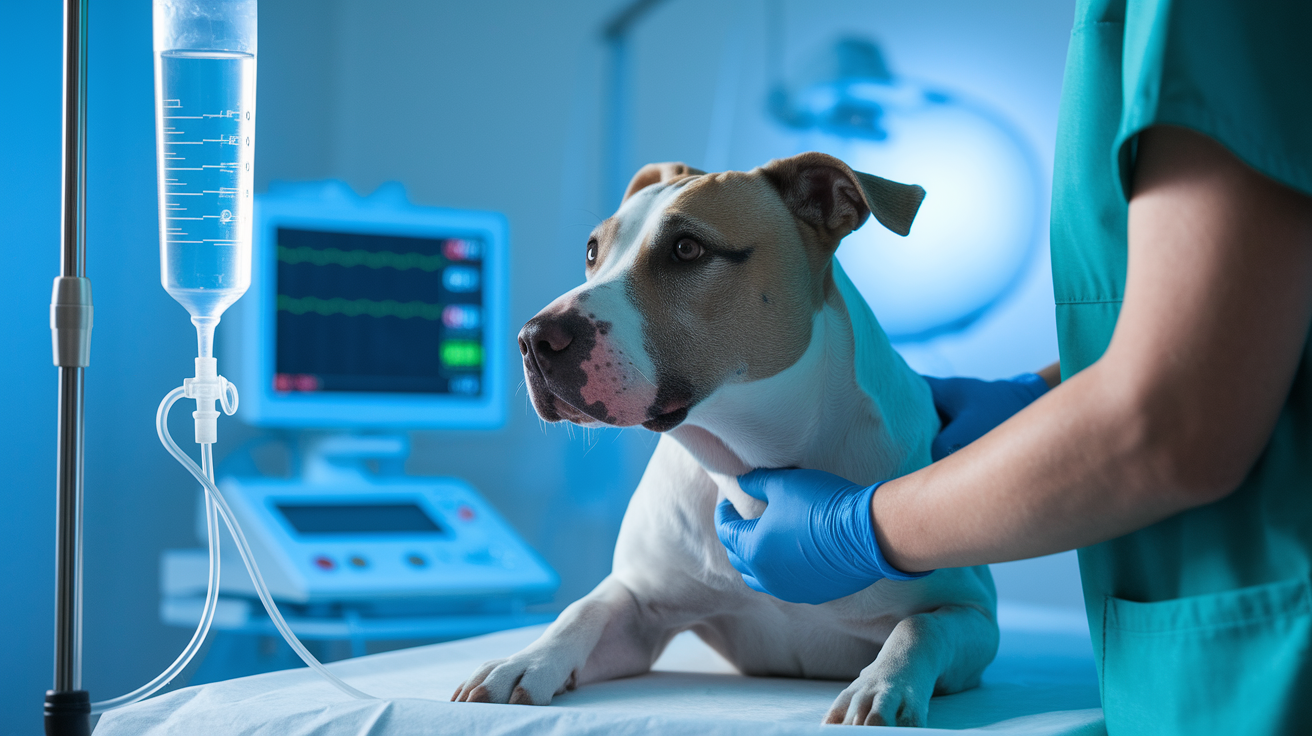
Medical stabilization begins with restoring hydration and electrolyte balance. Intravenous fluids are the cornerstone treatment for moderate to severe dehydration, delivering water, sodium, potassium, and other electrolytes directly into the bloodstream. Anti nausea medications, antiemetics, control vomiting and allow the gut to rest. Antidiarrheal drugs may be used selectively depending on the cause. Diarrhea from infection sometimes needs to run its course to expel bacteria or toxins. If diagnostic tests reveal a bacterial infection or secondary bacterial overgrowth, antibiotics are prescribed. For parasitic causes like Giardia or worms, targeted antiparasitic medications eliminate the infestation. In cases of intestinal obstruction confirmed by imaging, emergency surgery removes the foreign object or repairs damaged intestine. Dogs with infectious gastroenteritis, particularly parvovirus, are isolated to prevent spread and receive intensive supportive care including IV fluids, nutritional support, and medications to control secondary infections.
Expected recovery timelines vary widely. Mild dietary indiscretion treated at home often resolves within 24 to 48 hours once food is reintroduced carefully. Dogs treated with fluids and medication at the vet for moderate gastroenteritis typically improve within 2 to 4 days, with full recovery in a week. Parvovirus cases require 5 to 7 days of hospitalization, and survival depends on early, aggressive treatment. Foreign body surgery patients usually stay hospitalized 2 to 3 days post operatively and need 10 to 14 days of restricted activity and careful feeding at home. Chronic conditions like pancreatitis or inflammatory bowel disease may produce recurring episodes that require ongoing dietary management and medication. Recovery is measured in weeks to months rather than days.
| Treatment | Purpose |
|---|---|
| Intravenous (IV) fluids | Rehydrate and restore electrolyte balance quickly |
| Antiemetic medications | Stop vomiting, reduce nausea, allow gut rest |
| Antibiotics | Treat confirmed bacterial infections or prevent secondary bacterial overgrowth |
| Emergency surgery | Remove intestinal obstruction or foreign object, repair damaged tissue |
Special GI Scenarios: Bile Vomiting, Green Vomit, Foam, and Retching
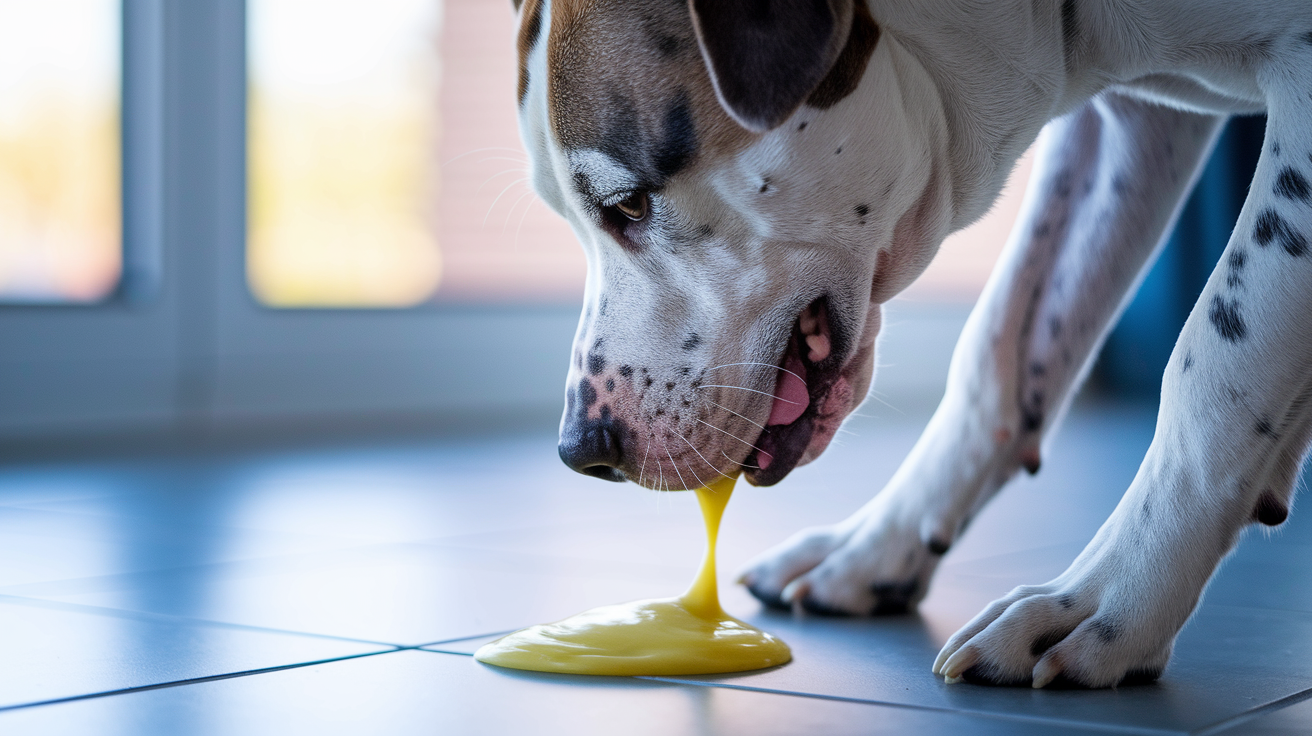
Yellow or green vomit is bile, a digestive fluid produced by the liver and stored in the gallbladder. Dogs vomit bile most often when their stomach is empty for too long, typically in the early morning before breakfast or late at night. The acidic bile irritates the stomach lining and triggers vomiting of yellowish green foam or liquid. Occasional bile vomiting, once every few weeks, is common and not usually serious. If your dog vomits bile more than twice a week, or if bile vomiting is accompanied by lethargy, loss of appetite, or diarrhea, contact your vet. It can signal chronic gastritis, pancreatitis, or other underlying issues that need investigation.
White foam or frothy vomit often looks similar to bile vomit but without the yellow green color. Foam can appear when a dog’s stomach is empty and producing mucus and saliva mixed with air. It’s also common after a dog drinks water too quickly or experiences mild nausea. Like bile vomiting, occasional foam is not alarming. But repeated episodes or foam mixed with blood require veterinary assessment.
Retching without producing vomit is different from standard vomiting and can indicate a serious emergency. If your dog is making gagging or retching motions, seems distressed, drools excessively, and has a swollen or painful abdomen, treat it as an emergency and get to a vet immediately. These are classic signs of bloat, gastric dilatation volvulus, a life threatening condition where the stomach twists and traps gas. Retching can also signal an obstruction in the esophagus or upper intestine. If your dog is otherwise calm and acting normally, retching might be a cough, common with kennel cough, rather than a GI issue. But when retching is paired with distress, abdominal swelling, or lethargy, assume the worst and seek emergency care.
Preventing Future Episodes of Dog Vomiting and Diarrhea
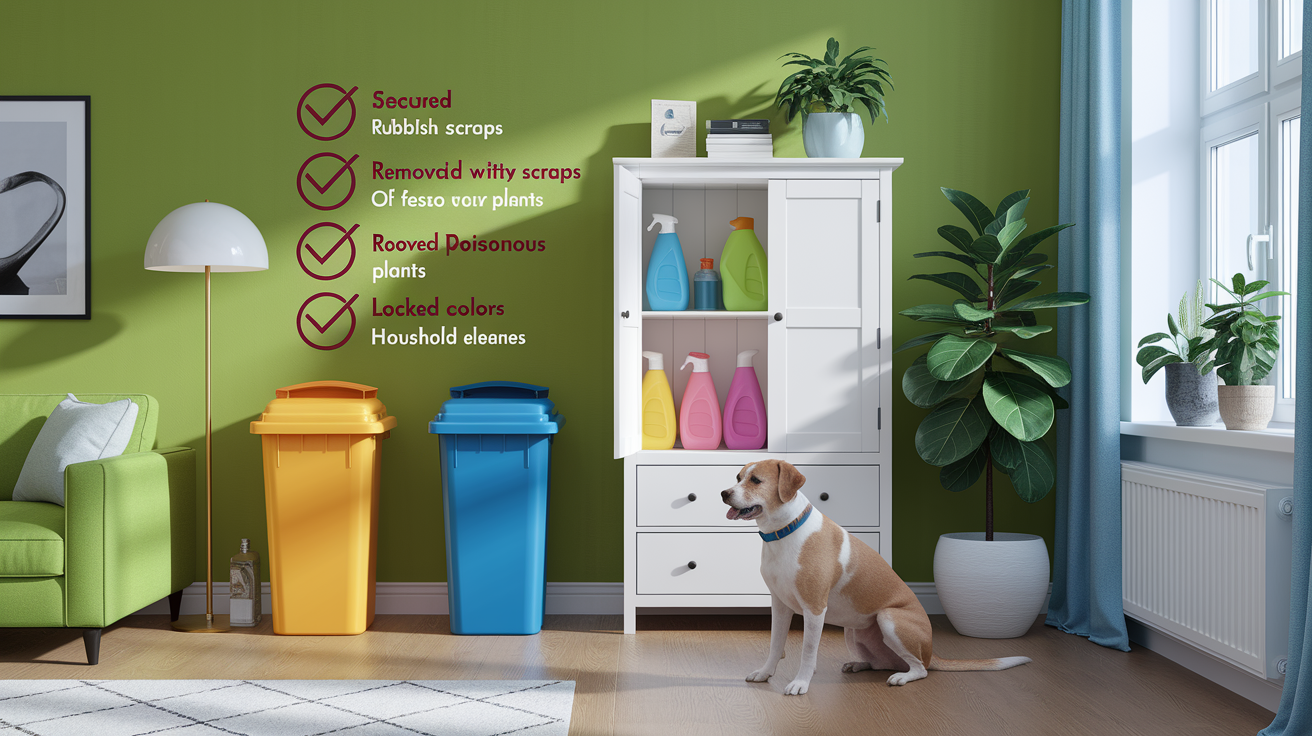
Everyday risk reduction starts with controlling what your dog can access. Secure all rubbish bins with tight fitting lids or store them in a locked cupboard or garage. During outdoor gatherings, keep food, especially fatty meats and sweets, well out of reach and clean up scraps immediately. Remove poisonous plants from your garden and yard, including sago palm, azaleas, and lilies. Store household chemicals, antifreeze, and medications in high cupboards or locked storage. Never give your dog cooked bones. They splinter and cause blockages or intestinal punctures. Maintain a regular deworming schedule as recommended by your vet, typically every three months for most adult dogs, and ensure fecal testing is part of annual wellness exams to catch parasites early.
Five routine prevention habits:
- Feed a consistent, high quality diet and avoid sudden changes. When switching food, transition over at least 3 days by gradually mixing new food into the old
- Prevent scavenging on walks by using a basket muzzle if your dog repeatedly eats rubbish, dead animals, or unknown objects outdoors
- Keep human foods that are toxic to dogs, chocolate, xylitol gum, grapes, onions, garlic, out of reach at all times
- Store rubbish securely and clean up spills, crumbs, and food waste immediately to remove temptation
- Schedule routine vet checkups to monitor for chronic conditions like pancreatitis, liver disease, or inflammatory bowel disease that increase GI upset risk
When vomiting and diarrhea become chronic or recurrent, occurring more than once a month or triggered repeatedly by the same foods, your dog may have food allergies or inflammatory bowel disease. Food allergies typically develop to proteins in the diet, most commonly chicken, beef, or dairy, and produce intermittent diarrhea, vomiting, and sometimes skin issues like itching or ear infections. Inflammatory bowel disease, IBD, involves chronic inflammation of the intestinal lining and requires veterinary diagnosis through biopsy and long term management with prescription diets, medications, and regular monitoring. If you notice a pattern of GI symptoms tied to specific foods or recurring without obvious cause, discuss allergy testing or a food elimination trial with your vet to identify and manage the underlying trigger.
Final Words
If this is happening right now, stay calm and check your dog’s breathing, gum color, and whether they can keep small sips of water down.
You’ve got a simple plan: watch for dehydration, try short-term bland-diet care, and note any recent foods or exposures. The article also covered common causes, warning signs, and what to expect at the vet.
If you see blood, repeated vomiting, severe weakness, or a puppy or senior getting worse, call your vet and bring a timeline, photos, and a stool note. Many dogs recover with prompt, sensible care for dog diarrhea and vomiting, and you’re doing the right things.
FAQ
Q: What can I do if my dog is vomiting and has diarrhea?
A: If your dog is vomiting and has diarrhea, stop food for 6–12 hours, offer small frequent sips of water, collect notes/samples, and call your vet right away for blood, repeated vomiting, severe lethargy, or dehydration.
Q: How long should I wait to take my dog to the vet for vomiting and diarrhea?
A: You should wait only briefly: monitor a single mild episode up to 24 hours, but contact your vet sooner for two or more vomits, blood, worsening symptoms, puppies, seniors, or high-risk pets.
Q: Should I feed my dog if he has diarrhea and vomiting?
A: If your dog has diarrhea and vomiting, withhold food 6–12 hours, offer small water sips, then try small bland meals every 2 hours; call the vet if vomiting continues or the dog worsens.