

Is white foam on the floor from your dog a harmless burp or a medical emergency?
It can be either, sometimes an empty stomach, sometimes a sign of blockage, pancreatitis (pancreas inflammation), or bloat.
Read on to learn how to tell the difference, what safe steps to try at home, what signs to watch for over the next few hours, and exactly when to call your vet.
No guessing, just practical checks and clear red flags to help you act fast.
Understanding Why a Dog Produces White Foamy Vomit

White foamy vomit shows up when stomach acid, saliva, or bile mixes with air inside your dog’s stomach or throat. The foam forms through churning and gas, kind of like what happens when you shake dish soap and water. When dogs vomit, their belly muscles contract hard, pushing stomach contents up through the esophagus and out the mouth. That forceful motion brings up whatever’s sitting in the stomach. If it’s mostly acid and gas on an empty stomach, you’ll see white or off white foam.
Sometimes what looks like vomiting is actually coughing. Respiratory infections like kennel cough can make dogs cough up frothy mucus that pools on the floor and looks a lot like vomit. The difference is in how it comes out. Vomiting involves a visible heave from the belly, a hunched posture, and often several strong contractions before anything appears. Coughing is usually repeated hacking from the chest and throat, without that deep abdominal squeeze.
One episode of white foam in an otherwise normal dog who’s eating, drinking, and acting fine can be minor stomach upset. But repeated episodes, foam mixed with blood, or foam paired with lethargy and refusing food signals something more serious.
Key things to watch for:
- Abdominal contraction. Belly muscles visibly tighten and push during vomiting.
- Posture. Head lowered, back arched, body braced before vomit appears.
- Sound. Gagging or retching comes from deep in the throat, not a dry chest cough.
- What comes up. True vomit may include bile (yellow green), digested food, or just foam. Coughed up foam is usually clear to white and watery.
Common Causes Linked to Dog Vomiting White Foam
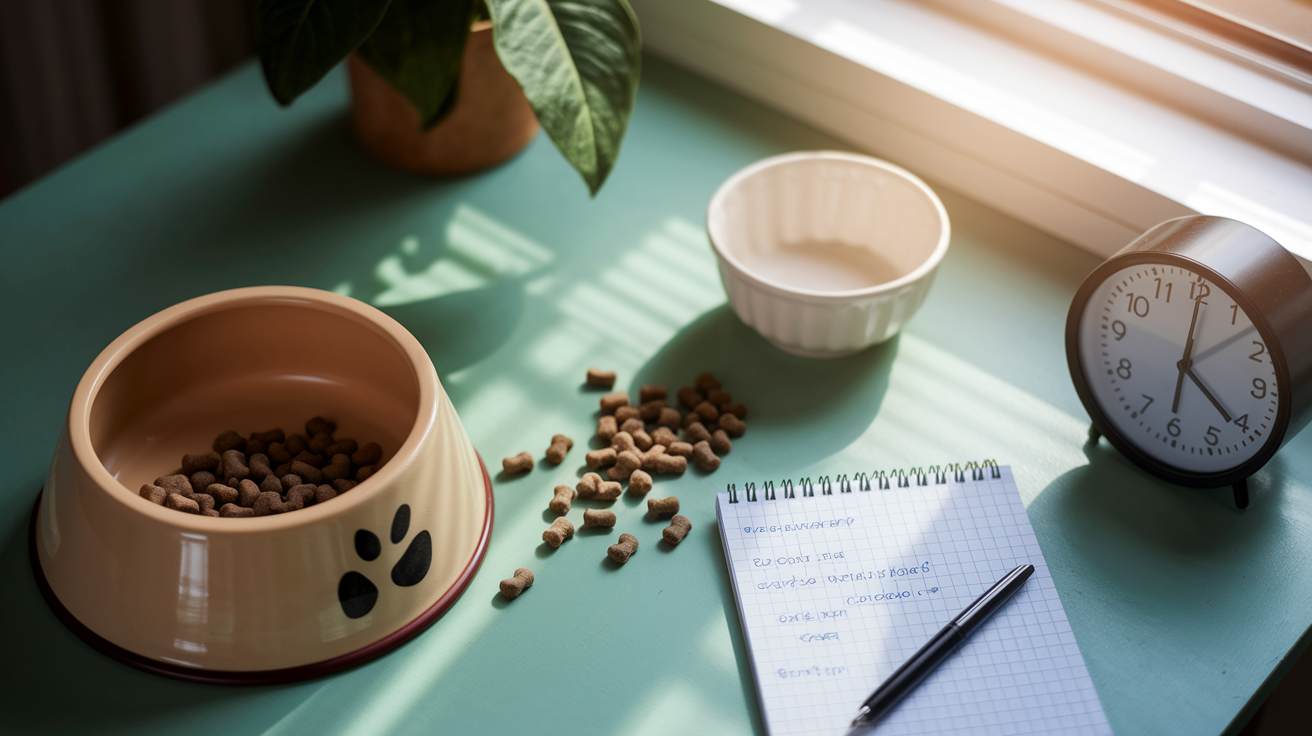
An empty stomach is one of the most common reasons you’ll see white foam. When a dog goes too long without food, stomach acid builds up and irritates the lining. The dog’s body responds by vomiting up that acid mixed with saliva and air. This is often called bilious vomiting syndrome, and it usually happens early in the morning or late at night after a long stretch between meals.
Diet related triggers are frequent culprits. A sudden switch from one food to another, eating something they shouldn’t have (trash, sticks, spoiled food), or a meal that’s too rich or fatty can all inflame the stomach lining. Food intolerances and allergies can do the same, sometimes with itchy skin on the legs, chest, or belly. Pancreatitis, an inflammation of the pancreas, is often set off by high fat human food and can cause vomiting along with abdominal pain and diarrhea.
Infections and parasites also show up on the cause list. Kennel cough produces a dry, hacking cough that can bring up small amounts of white frothy mucus. Intestinal parasites like roundworms or giardia irritate the gut and lead to vomiting. Parvovirus, especially in puppies and unvaccinated dogs, causes severe vomiting and bloody diarrhea. Bacterial infections like leptospirosis can trigger similar symptoms.
Mechanical and toxic causes require faster action. A foreign object lodged in the stomach or intestines will cause repeated vomiting and pain. Bloat, also called gastric dilatation and volvulus (GDV), happens when the stomach fills with gas and twists on itself. This is a life threatening emergency. Ingesting toxic substances like certain plants, household cleaners, chocolate, grapes, onions, or human medications can all result in foamy vomiting as the body tries to expel the toxin.
Six common cause categories:
- Empty stomach or acid reflux. Foam appears after long fasting periods, often in the morning.
- Dietary upset. Trash, spoiled food, abrupt food changes, high fat meals, food intolerance.
- Infections and parasites. Kennel cough, parvovirus, giardia, roundworms, bacterial infections.
- Gastric irritation or inflammation. Gastritis, pancreatitis, inflammatory bowel disease.
- Obstruction or blockage. Toys, bones, fabric, or other swallowed objects.
- Toxic ingestion or serious systemic disease. Poisonous plants, human food toxins, liver or kidney disease, bloat/GDV.
Differentiating Vomiting White Foam From Regurgitation or Coughing

Regurgitation looks different from vomiting because it’s passive. Food or liquid comes back up soon after eating, usually in a tubular shape, without much effort or warning. There’s no forceful abdominal contraction, no retching sound, and the material is undigested. Dogs who regurgitate often lower their head, and the food slides out. It can happen due to problems with the esophagus or eating too fast.
Coughing that produces foam involves the respiratory system, not the stomach. You’ll hear repeated hacking, a honking sound, or gagging that comes from the chest. The foam or mucus that comes up is usually thin, bubbly, and clear to white. Kennel cough is a common cause. So are heart problems in older dogs or collapsing trachea in small breeds.
| Sign | Vomiting | Regurgitation | Cough-Induced Foam |
|---|---|---|---|
| Abdominal effort | Strong contraction, visible heaving | None, passive expulsion | Minimal, chest-focused effort |
| Sound | Retching, gagging from throat | Quiet or slight gurgling | Hacking, honking cough |
| Material appearance | Foam, bile, digested food | Undigested food, tubular shape | Clear to white frothy mucus |
Serious Conditions Connected to White Foamy Vomiting
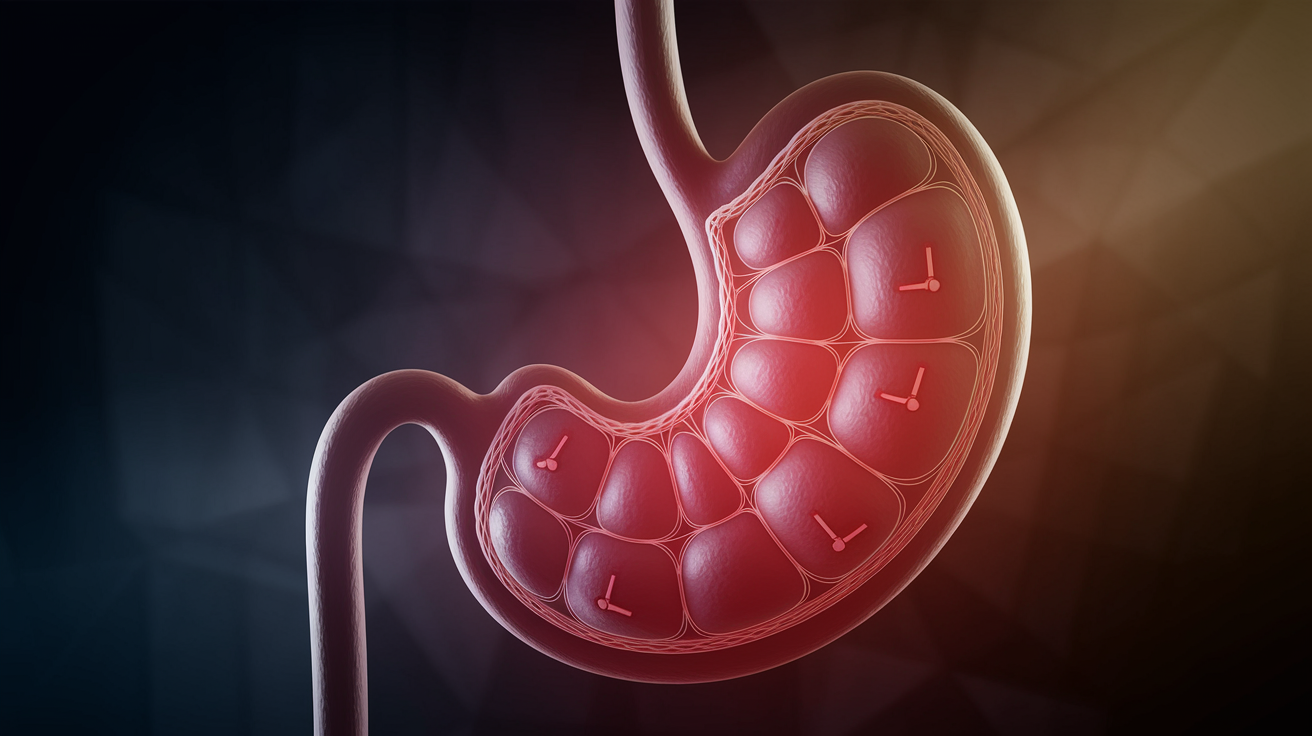
Bloat, or gastric dilatation and volvulus (GDV), is one of the most urgent causes. The stomach fills with gas and can twist, cutting off blood flow. Dogs with bloat try to vomit but can’t bring anything up. This is called non productive retching. The abdomen swells and feels tight like a drum. Bloat progresses fast. Without emergency surgery, it’s fatal. Large, deep chested breeds are at higher risk, and it can happen after a big meal, gulping water, or vigorous exercise right after eating.
A foreign object stuck in the stomach or intestines leads to repeated vomiting because nothing can move through. Dogs often vomit white foam first, then bile, and eventually stop keeping down water. You might also see signs of pain. Hunched posture, whining, reluctance to move, or labored breathing if the object is causing pressure. Diagnosis usually requires X-rays, and treatment is surgical removal.
Pancreatitis causes inflammation of the pancreas, often triggered by fatty human food like bacon, gravy, or holiday leftovers. Dogs with pancreatitis vomit repeatedly, refuse food, and show abdominal pain when you touch their belly. Severe cases require hospitalization for IV fluids and pain control. Parvovirus hits puppies and unvaccinated dogs hard, causing vomiting, severe diarrhea (often bloody), high fever, and rapid dehydration. It’s highly contagious and requires aggressive veterinary treatment.
Red flag symptoms tied to serious disease:
- Repeated retching without producing vomit, especially with a swollen belly.
- Persistent vomiting paired with severe diarrhea, fever, or lethargy.
- Abdominal pain. Flinching, guarding, or crying when belly is touched.
- Sudden collapse, pale gums, weak pulse, or difficulty standing.
- Known ingestion of a foreign object, toxic food, or household chemical.
When White Foamy Vomiting Is an Emergency
Call your vet or head to an emergency clinic right away if your dog vomits repeatedly. More than three times in an hour or continuous episodes over several hours. If your dog can’t keep down even small sips of water, dehydration sets in fast, especially in puppies, small breeds, or senior dogs.
Blood in the vomit is always urgent. It might look bright red or dark like coffee grounds. Black, tarry stool also signals internal bleeding. A distended, hard abdomen combined with retching and drooling points to bloat, which requires surgery within hours. Sudden collapse, pale or blue gums, weak pulse, or trouble breathing are signs of shock or severe illness. These need immediate care.
Six emergency indicators. Seek care now:
- Vomiting three or more times in a short window, or continuous vomiting for more than 12 hours.
- Inability to hold down water or complete refusal to drink.
- Blood in vomit (red or coffee ground appearance) or black, tarry stool.
- Bloated, tight, or painful abdomen, especially with unsuccessful retching.
- Collapse, severe lethargy, pale gums, rapid shallow breathing, or signs of shock.
- Known or suspected ingestion of toxins (xylitol, grapes, chocolate, cleaners, medications) or foreign objects.
What to Do at Home After a Dog Vomits White Foam

If your dog vomits white foam once and otherwise seems normal (alert, drinking, no pain), monitor closely for the next two to three hours. Watch for repeated vomiting, changes in energy, refusal to drink, or new symptoms like diarrhea or pacing.
Offer water in small amounts. Give a few teaspoons to a tablespoon every five to ten minutes for the first hour or two. If your dog keeps that down, you can gradually offer larger sips every 20 to 30 minutes. Don’t let them gulp a full bowl at once, which can trigger more vomiting. If your dog won’t drink or vomits the water back up, stop home care and contact your vet.
Withholding food for 12 hours gives the stomach time to settle, but only do this if your dog is an otherwise healthy adult. Puppies, very small dogs, and dogs with existing health problems shouldn’t fast without veterinary guidance. After the fasting period, if there’s been no more vomiting, start a bland diet. For small dogs, offer one to three tablespoons of boiled chicken (no skin, no seasoning) mixed with plain white rice. Medium dogs can have a third to half a cup, and large dogs can start with one to two cups. Feed small portions every four to six hours for 24 to 48 hours, then gradually mix in regular food over three to five days.
Five home monitoring steps:
- Watch for repeat vomiting. If it happens again within two to three hours, call your vet.
- Offer water slowly. Teaspoons to tablespoons every 5 to 10 minutes, increase only if keeping it down.
- Withhold food for 12 hours for healthy adult dogs, then start bland diet in small portions.
- Track hydration. Check gum moisture (should be wet, not sticky), watch for frequent urination.
- Monitor behavior. Note energy level, appetite, stool consistency, and any new symptoms like pacing, whining, or labored breathing.
How Veterinarians Diagnose White Foamy Vomiting

Your vet will start with a physical exam and history. They’ll ask when the vomiting started, how many times it’s happened, what your dog ate recently, and whether you’ve noticed other symptoms like diarrhea, lethargy, or changes in water intake. They’ll palpate the abdomen to check for pain, bloating, or masses, and listen to the heart and lungs.
Bloodwork is a common next step. A complete blood count (CBC) checks for infection, anemia, or dehydration. A chemistry panel evaluates liver and kidney function, electrolyte levels, and signs of pancreatitis. Urinalysis can reveal kidney problems or signs of toxin exposure. If parasites are suspected, a fecal test checks for worms, giardia, or other intestinal invaders.
Imaging helps identify blockages, bloat, or internal issues. X-rays show the digestive tract and can reveal foreign objects, gas patterns, or stomach twisting. Ultrasound gives a detailed view of organs, masses, or fluid buildup. In complex cases, your vet may recommend endoscopy. A camera scope passed down the throat into the stomach to look for ulcers, foreign bodies, or tissue samples for biopsy.
Four common diagnostic tests:
- Physical exam and history. Abdominal palpation, vital signs, symptom timeline.
- Bloodwork (CBC and chemistry panel). Infection, organ function, electrolyte balance.
- X-rays or ultrasound. Foreign objects, bloat, organ structure, masses.
- Fecal testing. Parasites, giardia, bacterial overgrowth.
Veterinary Treatment Options for Dogs Vomiting White Foam

Treatment depends on the cause and severity. For mild cases (simple gastritis or dietary indiscretion), your vet may send your dog home with instructions to fast, then feed a bland diet, and possibly prescribe an antacid or stomach protectant like famotidine or sucralfate.
Moderate to severe cases often need IV fluids to restore hydration and correct electrolyte imbalances. Antiemetic medications like maropitant (Cerenia) stop vomiting and help your dog feel more comfortable. If infection is confirmed, antibiotics are added. For parasites, your vet will prescribe deworming medication. Dogs with pancreatitis usually require hospitalization, IV fluids, pain control, and a temporary switch to a low fat diet.
Surgery becomes necessary for foreign body obstructions or bloat. Removing a swallowed toy or fabric requires opening the stomach or intestines. Bloat correction involves untwisting the stomach and often a gastropexy, a procedure that tacks the stomach to the abdominal wall to prevent future twisting. Post surgery, dogs need close monitoring, pain management, and gradual reintroduction of food.
Cost varies widely by region and clinic. An exam typically runs $50 to $150. Bloodwork panels range from $100 to $300. X-rays cost $75 to $200, and ultrasound can be $300 to $700. Hospitalization with IV fluids averages $200 to $700 per day. Emergency surgery for a foreign body or bloat can start at $1,000 and go up to $5,000 or more, depending on complexity and aftercare.
| Treatment | Purpose |
|---|---|
| IV or subcutaneous fluids | Rehydrate and restore electrolyte balance |
| Antiemetic medication (e.g., maropitant) | Stop vomiting and reduce nausea |
| Antibiotics or antiparasitics | Treat bacterial infections or intestinal parasites |
| Surgery (foreign body removal, GDV correction) | Remove obstruction or correct life-threatening stomach twist |
Preventing Future Episodes of White Foamy Vomiting
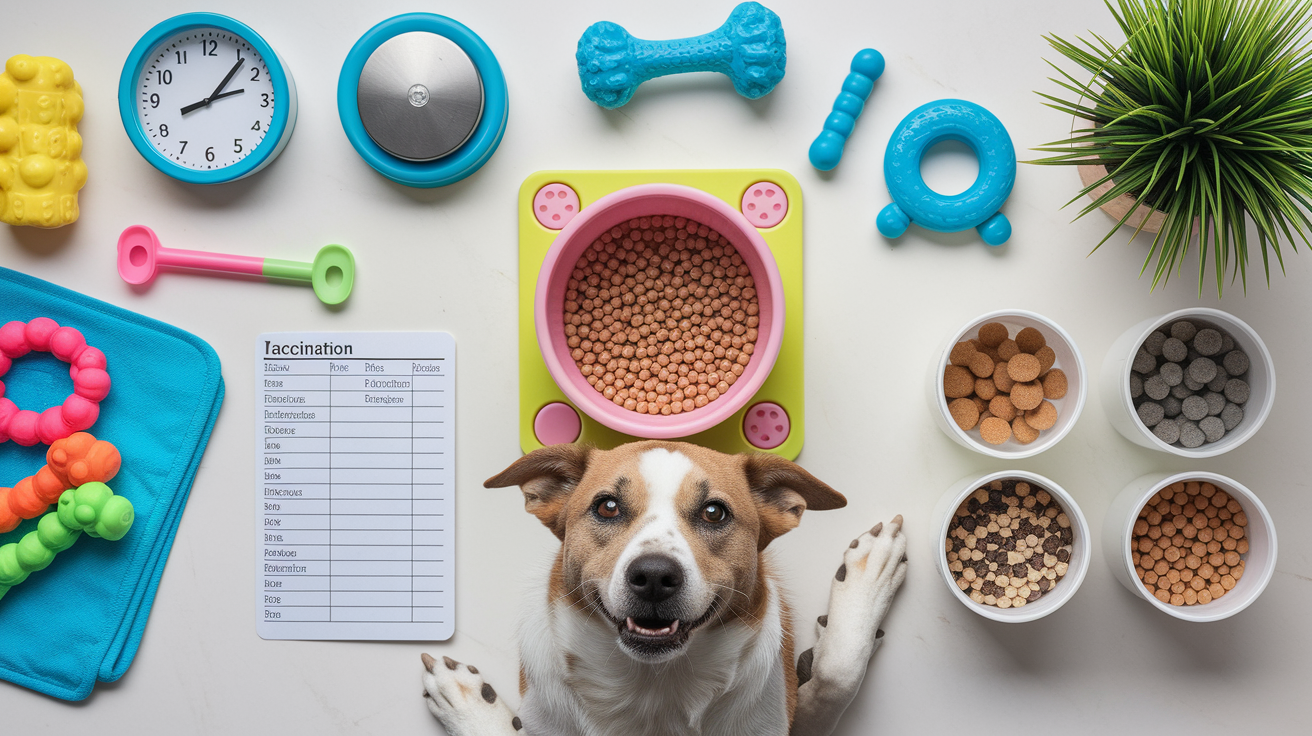
Feed your dog on a consistent schedule. Two meals a day for most adult dogs to prevent empty stomach vomiting. If your dog tends to vomit bile or foam in the morning, offer a small snack before bed and another first thing when they wake up. This keeps a little food in the stomach overnight and reduces acid buildup.
Slow down fast eaters with a puzzle feeder or slow feed bowl. Gulping food and air together can lead to vomiting or bloat, especially in large breeds. Measure portions carefully and don’t overfeed. When switching foods, do it gradually over seven to ten days by mixing the new food into the old. Abrupt changes irritate the gut and trigger vomiting or diarrhea.
Keep trash cans secured and remove access to toxic plants, cleaners, and human foods that are dangerous to dogs. Grapes, raisins, onions, garlic, chocolate, xylitol, and certain medications. Supervise chew toys and don’t give cooked bones, which can splinter and cause obstructions. Regular vaccinations protect against parvovirus and kennel cough. Monthly parasite preventatives keep heartworms, roundworms, and other intestinal invaders at bay.
Five prevention strategies:
- Feed two scheduled meals daily and offer small snacks between long gaps to reduce acid buildup.
- Use slow feeders or puzzle bowls for dogs who eat too fast.
- Transition to new food gradually over 7 to 10 days to avoid gut inflammation.
- Secure trash, remove toxic plants and foods, and supervise chew toys to prevent ingestion hazards.
- Keep vaccinations current (parvovirus, rabies, kennel cough) and use monthly parasite preventatives.
FAQs About Dogs Vomiting White Foam

Pet parents often wonder if occasional white foam is normal or a sign of trouble. The answer depends on frequency, other symptoms, and how your dog is acting overall. A single episode in an otherwise healthy dog who continues eating, drinking, and playing is usually minor upset. But repeated episodes, foam with blood, or vomiting paired with lethargy and refusal to eat require veterinary attention.
1. Is it normal for my dog to vomit white foam once in a while?
One isolated episode, especially if your dog ate grass, went too long without food, or had minor stomach upset, can be normal. If your dog is otherwise acting fine (eating, drinking, alert), monitor for a few hours and follow bland diet guidance if needed.
2. Why does my dog throw up white foam in the morning before breakfast?
This is often bilious vomiting syndrome, caused by stomach acid irritating an empty stomach overnight. Feeding a small snack before bed and first thing in the morning usually stops it.
3. How many times can my dog vomit before I should call the vet?
More than three episodes in a few hours, or vomiting that continues for 12 hours, means it’s time to call. Puppies, small breeds, and senior dogs should be seen sooner. Within four to six hours if they can’t keep water down.
4. Can kennel cough cause white foam that looks like vomit?
Yes. Kennel cough produces a dry, hacking cough that can bring up frothy white mucus. It’s not true vomiting, but it pools on the floor and can look similar. If your dog has been around other dogs recently and is coughing frequently, kennel cough is a likely cause.
Final Words
When your dog is vomiting white foam, this post walked you through what the foam means, how it forms, and how to tell vomiting from coughing or regurgitation. We also covered common causes, serious conditions, and clear emergency signs.
You get practical steps—short fasts, small water sips, a bland refeed plan—and what vets may test or treat. Watch for red flags and call right away if they appear.
If your dog keeps vomiting white foam or shows blood, bloating, collapse, or severe weakness, contact your vet now. Small, calm actions often help pets recover.
FAQ
Q: What should I give my dog after vomiting white foam?
A: After vomiting white foam, withhold food 12–24 hours for most adult dogs, offer small sips of water every 5–10 minutes, then feed tiny bland meals (boiled chicken and rice). Call a vet if vomiting repeats or red flags appear.
Q: Why is my dog throwing up white foam but acting normal?
A: A dog throwing up white foam but acting normal can have bilious vomiting from an empty stomach, mild gastritis, or reflux; these often improve with short home care. Monitor closely and call a vet if it happens again or worsens.
Q: What color of dog vomit is concerning white foam?
A: The color of dog vomit that is concerning includes dark brown, green, yellow with bile, or any vomit with blood; plain white foam can be mild but seek immediate vet care for blood, repeated vomiting, or collapse.