

What if the food you trust is the one making your dog itch?
If your dog has food allergies, the best options are usually hydrolyzed protein (proteins broken into tiny pieces your dog’s immune system can’t recognize) or a limited or novel protein diet built around a single ingredient your dog has never eaten.
Both options often calm the skin and stop digestive upset.
This post lays out the top diet solutions, how to run a proper elimination trial, and simple next steps you can try with your vet.
The Best Diet for Dogs With Food Allergies (Quick Answer)
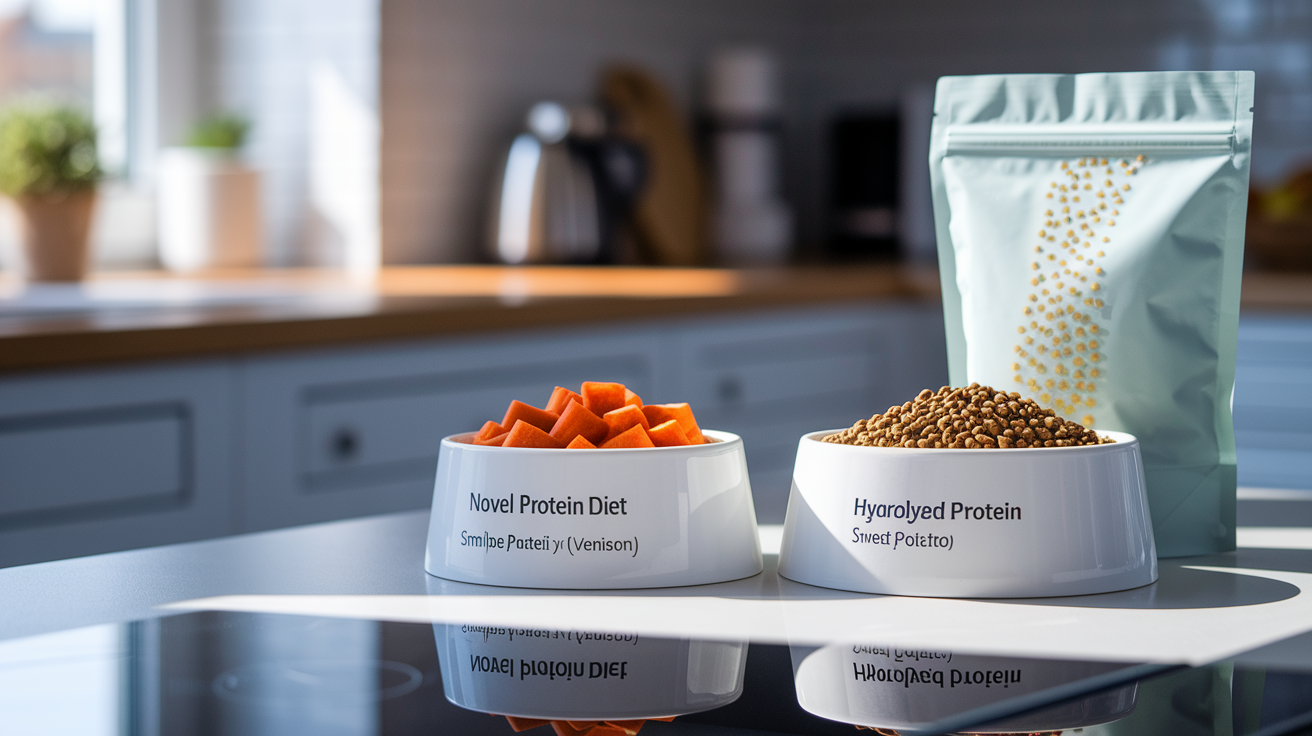
If your dog’s dealing with food allergies, the most effective option is usually a hydrolyzed protein formula or a limited ingredient diet built around a novel protein. By novel, we mean something your dog’s never eaten before. Hydrolyzed protein diets break proteins down into pieces so tiny that your dog’s immune system can’t even recognize them as a threat. Novel protein diets go a different route, using unusual meat sources like venison, duck, or insect protein, then pairing that with just one carbohydrate (think sweet potato or tamarind). Both strategies work because they cut out the common ingredients that set off allergic reactions in the first place.
Simplified diets help because they reduce what the immune system can react to. When your dog eats regular multi-ingredient kibble, their body might be mounting an allergic response to beef, chicken, wheat, or dairy that’s buried somewhere in the recipe. A limited ingredient or hydrolyzed diet removes all that complexity. The immune system gets a break, inflammation drops, and the body can start repairing damaged skin and gut tissue.
Effective diet types you’ll see recommended:
- Hydrolyzed protein diets (proteins broken into peptides small enough to bypass immune recognition)
- Novel protein diets (uncommon meats like rabbit, kangaroo, or salmon)
- Limited ingredient formulas (one protein, one carb, nothing extra)
- Grain-free options (appropriate when corn, wheat, or other grains are confirmed triggers)
- Veterinary prescription allergy diets (clinically tested formulas often better for severe cases)
Most dogs start showing real improvement within 8 to 12 weeks once you’ve fully removed the offending allergen. Skin redness and itching usually ease first, often within the first month. Digestive symptoms like soft stool or gas might normalize even sooner. If symptoms haven’t improved after 10 to 12 weeks on a strict hypoallergenic diet, the issue may not be food related. Or there’s a secondary problem like a skin infection that needs separate treatment.
Common Food Allergens in Dogs
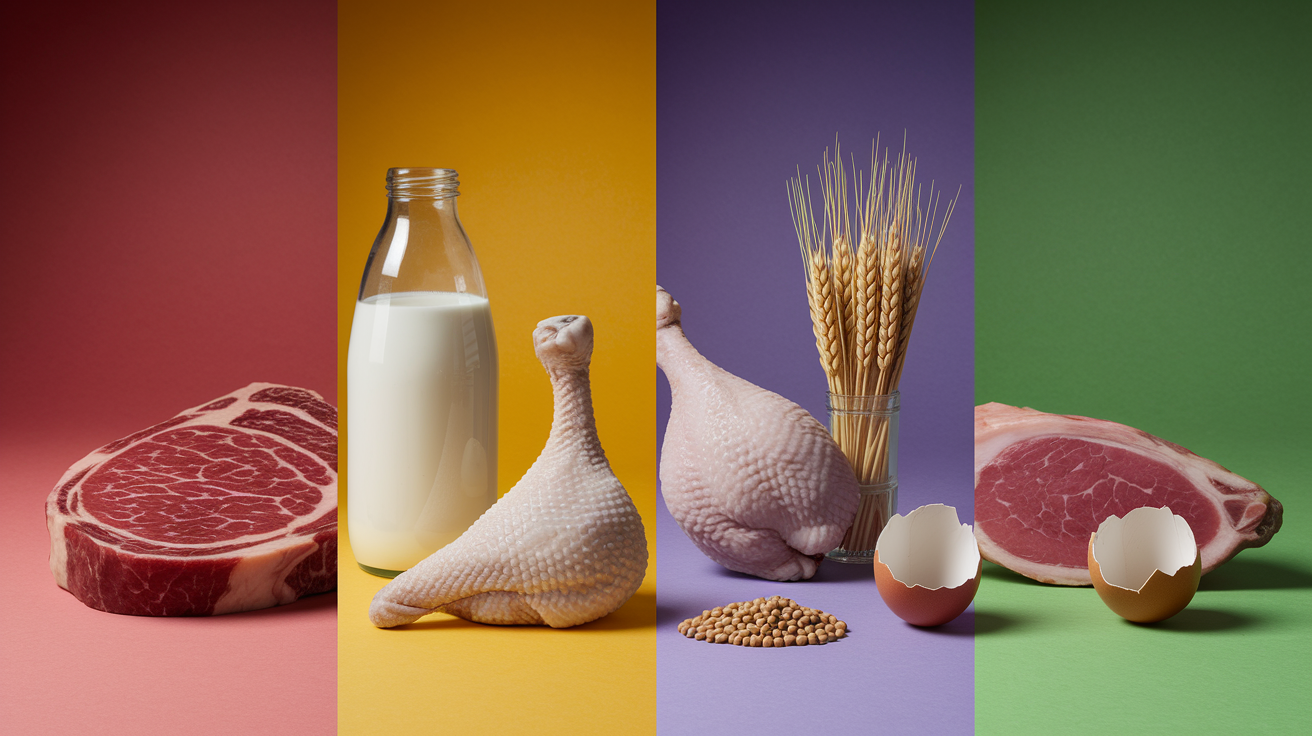
Certain proteins trigger immune reactions more often because dogs encounter them over and over for months or years. The immune system can become overly sensitive after long term exposure, ramping up production of immunoglobulin E antibodies against that specific protein. When the antibody threshold gets crossed, your dog starts showing signs like itchy paws, ear inflammation, or skin rashes. Proteins are the most frequent culprits because they contain the complex molecular structures the immune system learns to recognize and attack.
The most common dietary allergens in dogs:
- Beef (the single most reported allergen in clinical studies)
- Dairy (includes milk proteins like casein and whey)
- Chicken (a staple in many commercial kibbles, so repeated exposure is common)
- Wheat (a carbohydrate that can provoke reactions, especially when paired with gluten sensitivity)
- Soy (often used as a protein filler or binder)
- Lamb (once considered hypoallergenic but now common enough to cause reactions)
- Egg (both the white and yolk can trigger responses)
Allergen profiles vary by breed, geographic diet trends, and how long a dog’s been eating a particular ingredient. A Labrador raised on chicken based kibble for three years is more likely to react to chicken than a puppy just starting solid food. Dogs in regions where lamb is a dietary staple may develop lamb allergies, while duck or venison remain safe because they’ve never been fed.
Identifying the specific allergen is the foundation of any successful dietary strategy. Without knowing whether your dog reacts to beef, dairy, or wheat, you can’t design a safe elimination diet or choose the right hypoallergenic formula. That’s why vets rely on controlled food trials. Removing all potential triggers and reintroducing them one at a time to pinpoint the exact ingredient causing the problem.
Steps to Perform an Elimination Diet
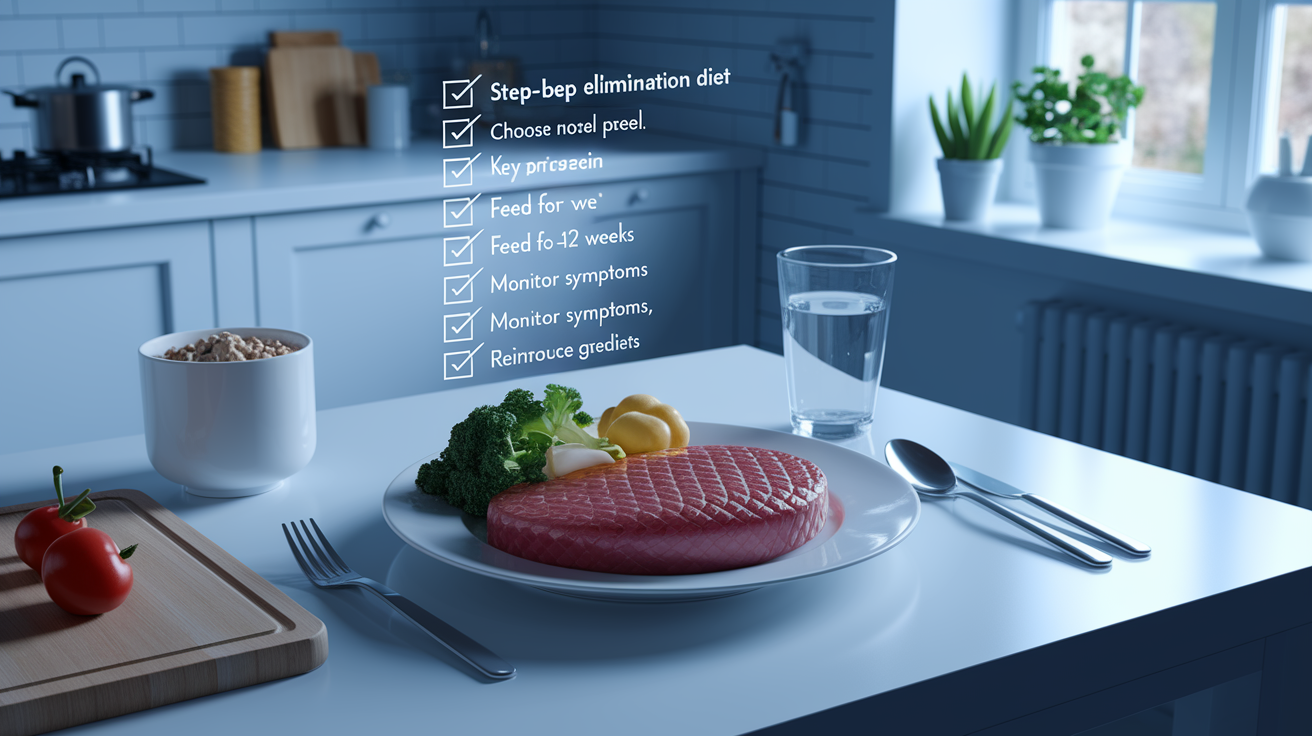
An elimination diet is the only reliable way to diagnose a true food allergy in dogs. The process strips the diet down to a single novel protein and a single carbohydrate source your dog has never eaten, then holds that diet steady for 8 to 12 weeks. If symptoms improve or disappear, you’ve removed the allergen. If they return when you reintroduce the old food, you’ve confirmed the diagnosis. No blood test or skin prick can match this method for accuracy.
Here’s how to run a proper elimination diet:
- Choose a novel protein and carbohydrate your dog has never consumed. Examples include venison and sweet potato, duck and tamarind, or a hydrolyzed prescription formula.
- Feed only that food for a minimum of 8 weeks, ideally 10 to 12 weeks. No treats, no table scraps, no flavored medications, no rawhides, no dental chews.
- Make sure every family member and visitor understands the rules. One piece of cheese or a biscuit can reset the entire trial.
- Monitor symptoms weekly. Take photos of rashes, track scratching frequency, and note stool quality. Write it down so you can compare week 2 to week 10.
- If symptoms improve or vanish by week 8 to 10, move to the reintroduction phase. If they don’t improve at all, food may not be the problem.
- Reintroduce one ingredient from the old diet at a time. Feed it for 7 to 14 days. If symptoms flare, you’ve identified an allergen.
- Remove the confirmed allergen and wait for symptoms to settle again before testing the next ingredient.
- Document every ingredient tested and the response. This record becomes your dog’s personalized safe food list.
Vets evaluate results by comparing symptom severity before and after the trial. If itching drops from daily scratching to occasional paw licking, and ear redness clears, that’s a strong response. If reintroducing chicken triggers a return of hot spots within a week, chicken is confirmed as an allergen. Your vet will use that data to prescribe or recommend a long term diet that avoids the problem ingredients while meeting all nutritional needs.
Recommended Commercial Hypoallergenic Dog Foods
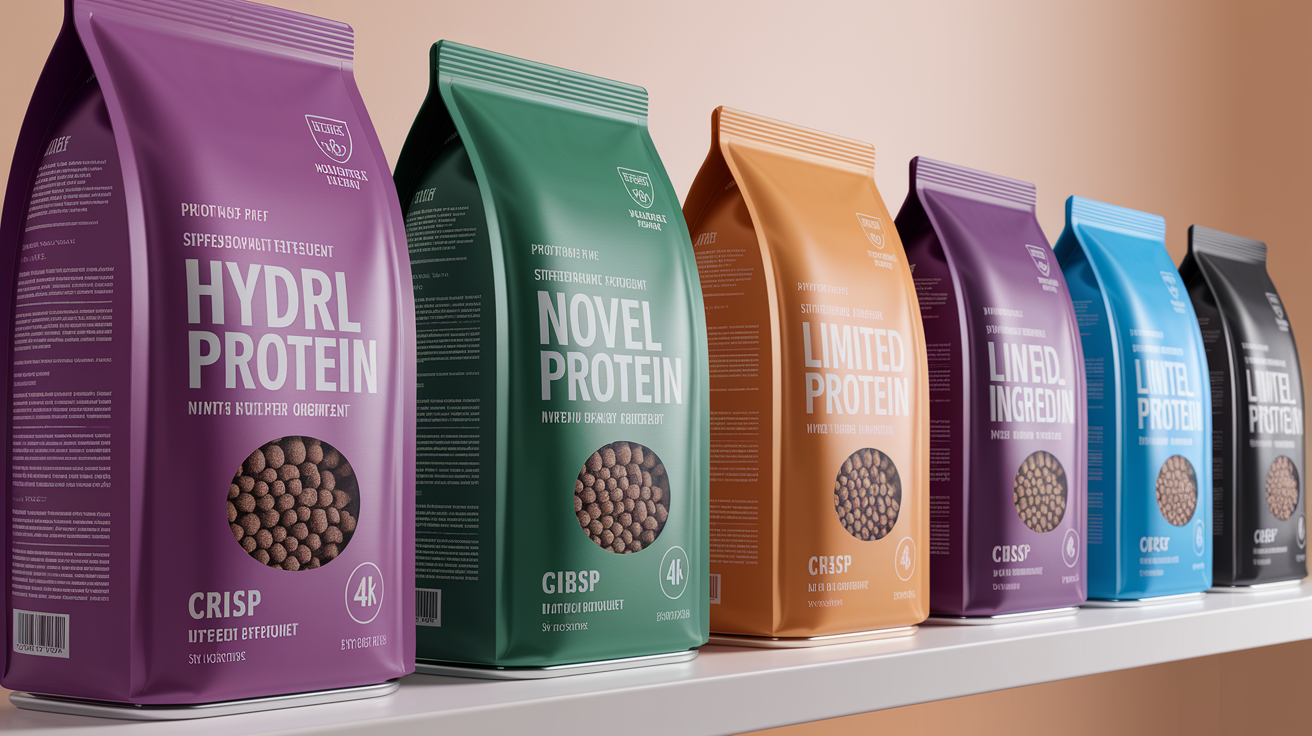
Hydrolyzed protein diets are the gold standard for severe food allergies. These formulas use a process that breaks down proteins into fragments so small (often just a few amino acids long) that the immune system can’t recognize them as the original allergen. A dog allergic to chicken won’t react to hydrolyzed chicken peptides because the molecular structure no longer matches what the antibodies are trained to attack. Hydrolyzed diets are typically available by prescription only and undergo clinical feeding trials to confirm they reduce allergic reactions. They tend to cost more than over the counter options. But for dogs with intense itching or gastrointestinal distress, they often deliver faster, more reliable relief.
Novel protein diets replace common meats like beef and chicken with proteins most dogs have never eaten. Examples include salmon, duck, venison, rabbit, kangaroo, or even insect based formulas. Because the immune system has no prior exposure, it hasn’t built up the immunoglobulin E response that triggers symptoms. These diets pair the novel protein with a single carbohydrate source, usually sweet potato, peas, or tapioca. Quality novel protein foods carry an AAFCO seal to confirm they meet complete and balanced nutrition standards. They’re a good middle ground option. More affordable than hydrolyzed diets but still effective when the allergen has been identified and avoided.
Limited ingredient diets simplify the recipe to one protein and one carbohydrate, removing fillers, flavor enhancers, and common allergens. A typical formula might list salmon as the sole animal protein and sweet potato as the only starch. This approach makes it easier to isolate which ingredient is safe and which is causing trouble. Limited ingredient diets work well during elimination trials and as long term maintenance once you know what your dog can tolerate. Always check the ingredient panel for hidden proteins like chicken fat or beef broth. And confirm the food is labeled complete and balanced by AAFCO standards.
| Type of Diet | Key Benefit | Typical Ingredients |
|---|---|---|
| Hydrolyzed Protein | Breaks proteins into fragments immune system can’t recognize | Hydrolyzed chicken or soy, rice, vitamins |
| Novel Protein | Uses proteins the dog has never eaten before | Venison, duck, salmon, kangaroo, sweet potato |
| Limited Ingredient | Single protein and single carb reduce variables | Lamb and rice, or salmon and peas |
| Insect-Based | True novel protein, high amino acids, natural prebiotics | Black soldier fly larvae, tapioca, sunflower oil |
How to Prepare a Safe Homemade Diet for Allergic Dogs
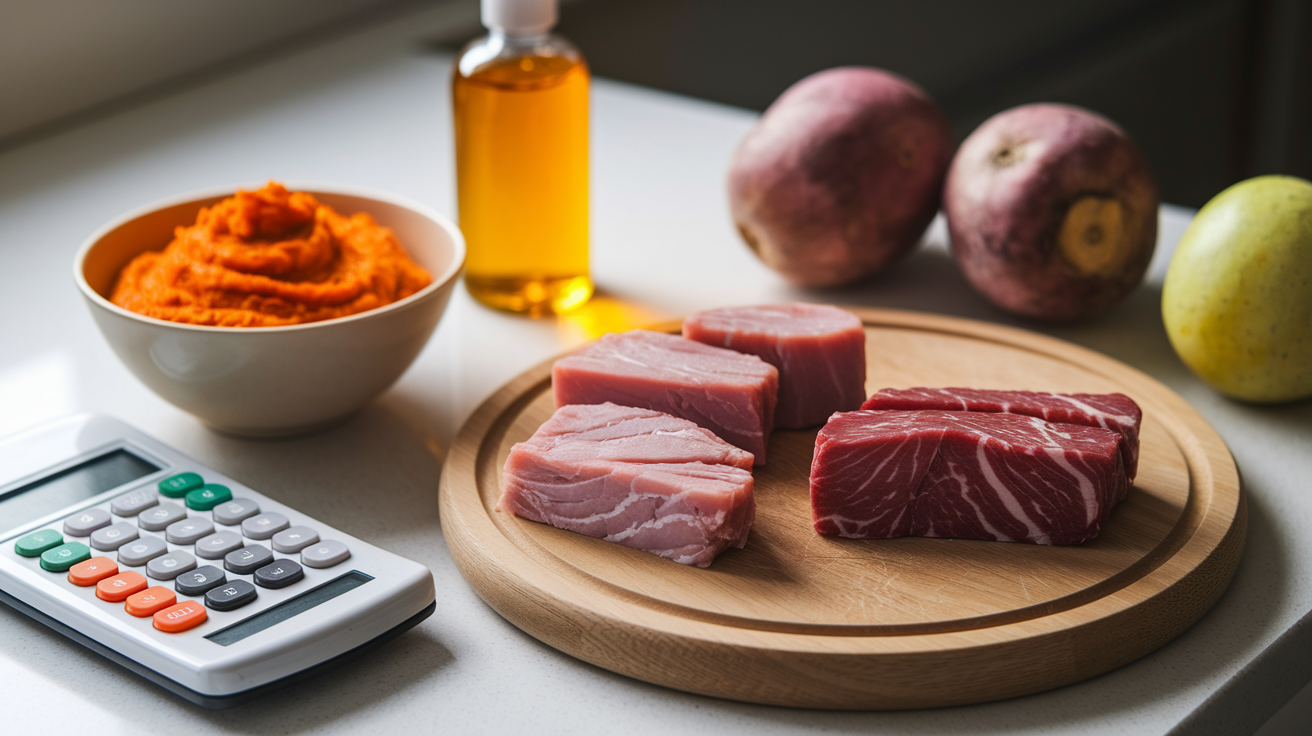
Homemade diets make sense when your dog reacts to multiple commercial formulas or when you want total control over every ingredient. They’re also useful during elimination trials if you can’t find a single ingredient commercial food that fits. A home prepared meal lets you choose a truly novel protein, like duck or rabbit from a trusted butcher, and pair it with a single carbohydrate your dog has never had. That level of control can be the difference between ongoing symptoms and real relief.
Ingredient selection and nutritional balance are the hard parts. A meal of boiled venison and sweet potato might stop the itching, but it won’t provide complete nutrition over the long term. Dogs need the right ratios of protein, fat, carbohydrates, vitamins, and minerals. Especially calcium, phosphorus, and essential fatty acids. A vet or veterinary nutritionist can calculate those ratios based on your dog’s weight, age, and activity level. Many recommend adding a canine multivitamin or mineral supplement formulated for homemade diets. Without that guidance, you risk deficiencies that show up as poor coat quality, lethargy, or bone problems months down the road.
Essential components of a balanced homemade allergy diet:
- A novel or confirmed safe protein source (duck, venison, turkey, or even insect protein if tolerated)
- A single carbohydrate (sweet potato, white potato, or rice, depending on what your dog can handle)
- A healthy fat source (fish oil or flaxseed oil for omega 3s and calories)
- A complete supplement blend (to cover vitamins, minerals, and trace elements a simple recipe won’t provide)
The most common mistake is assuming a homemade diet is automatically safer or better. If the recipe isn’t balanced, it can cause more harm than a well formulated commercial food. Another mistake is introducing variety too soon. During an elimination phase, consistency is everything. One new vegetable or a different cut of meat can restart the immune reaction. Work with your vet to design the recipe, follow it exactly for the full trial period, and retest ingredients one at a time once symptoms have cleared.
Expected Timeline for Symptom Improvement
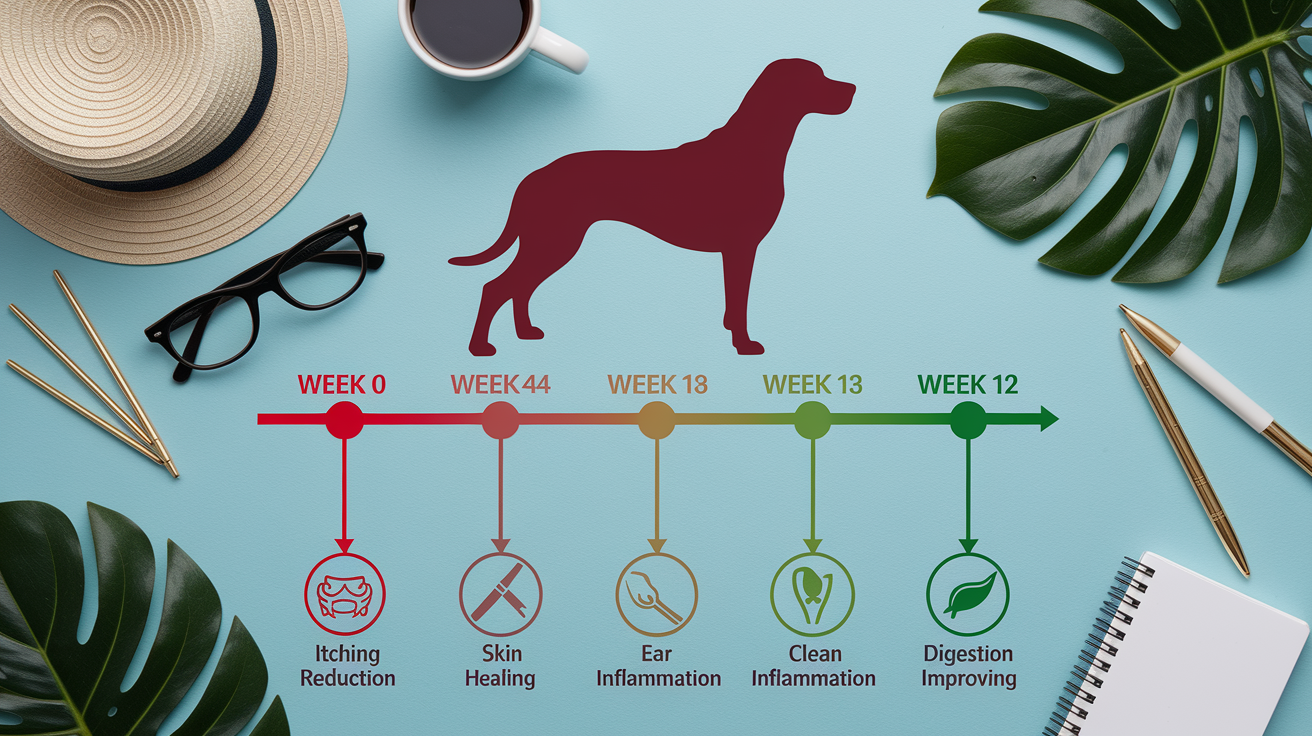
Most dogs begin to show improvement within 8 to 12 weeks once the allergen is completely removed from the diet. Itching usually eases first. You might notice less paw licking or fewer midnight scratching sessions within the first 4 weeks. Skin redness and irritation take longer because the tissue needs time to heal. Ear inflammation often starts to settle around week 6. Digestive symptoms like soft stool, gas, or occasional vomiting typically normalize faster. Sometimes within 2 to 3 weeks, because the gut lining repairs more quickly than damaged skin. By week 10, if the diet change is working, you should see a clear reduction in symptoms. Not just a slight improvement.
Recovery can take longer if secondary problems are present. A dog with a food allergy often develops bacterial or yeast infections in the skin or ears because constant scratching breaks the skin barrier and lets microbes in. Those infections won’t fully clear until they’re treated with medication, even if the food allergen is gone. Multi allergen issues also slow progress. If your dog is allergic to both environmental triggers like pollen and a dietary protein, removing the food allergen will help but won’t eliminate all symptoms. That’s why vets emphasize patience and careful monitoring. If you’re not seeing any improvement by week 12, the issue may not be food related. Or there may be another allergen still in the diet that you missed.
Tips for Transitioning Your Dog to a New Diet
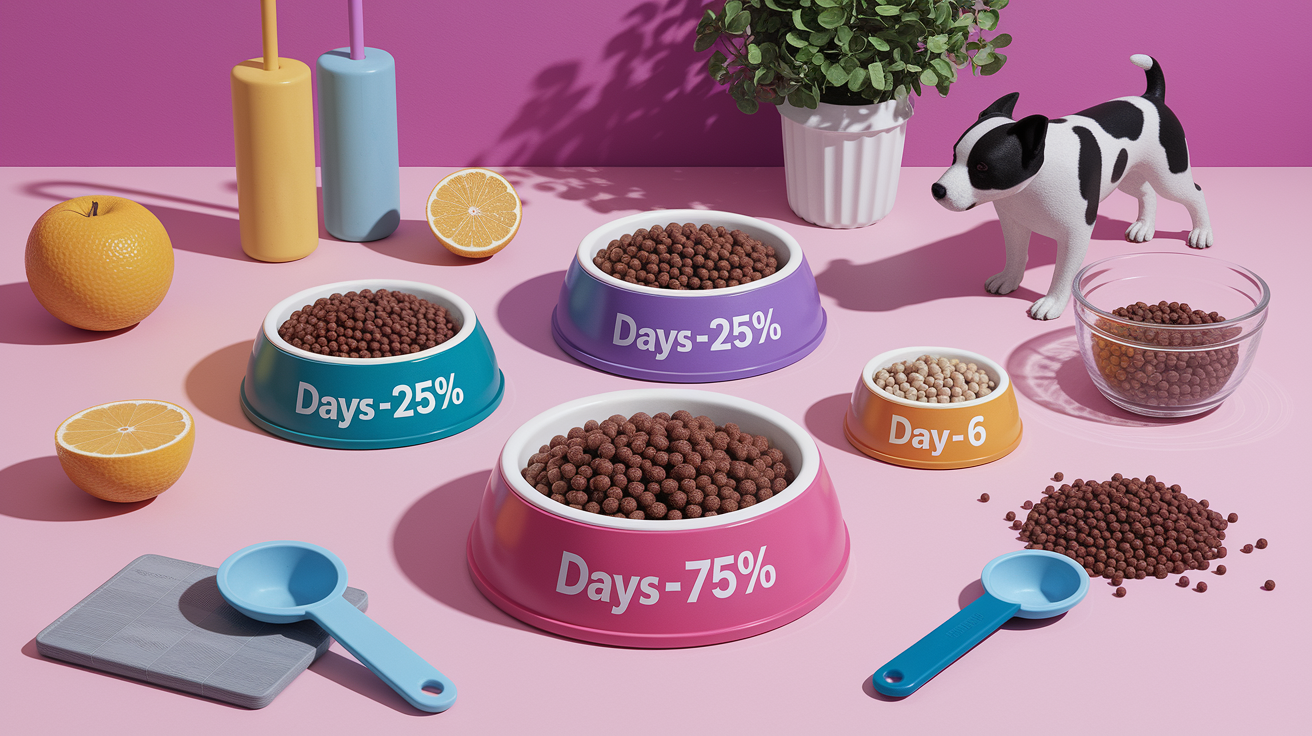
A gradual transition protects your dog’s digestive system from the shock of an abrupt food change. Even when switching to a hypoallergenic formula, the new protein, fat ratio, and fiber content are different from what the gut bacteria and enzymes are used to. Rapid changes can trigger diarrhea, vomiting, or gas, which add stress and make it harder to tell whether symptoms are from an allergy or just from the transition itself. Slow blending over 7 to 10 days gives the microbiome time to adjust and lets you spot problems early.
Daily transition steps to follow:
- Days 1 to 2: Mix 25% new food with 75% current food
- Days 3 to 4: Mix 50% new food with 50% current food
- Days 5 to 6: Mix 75% new food with 25% current food
- Day 7: Feed 100% new food
- Monitor stool quality twice a day during the transition
- If diarrhea or vomiting occurs, slow the transition and hold at the current ratio for an extra day or two
Watch for signs of intolerance during the transition. Loose stool is common in the first few days and usually firms up as the gut adapts. Persistent diarrhea, mucus in the stool, or vomiting after meals means the switch is happening too fast or the new food isn’t agreeing with your dog. In that case, go back one step in the mixing ratio and hold there for 48 hours before trying again. If symptoms continue even on a slower schedule, the new food may contain an ingredient your dog can’t tolerate, and you’ll need to choose a different formula. Keep notes on what you see each day so your vet has a clear picture if you need to troubleshoot.
Final Words
in the action we covered which diets work best, hydrolyzed and novel proteins and limited-ingredient plans, how to run an elimination diet, commercial versus homemade options, and a safe stepwise transition.
We covered the timeline. Improvement is often seen in 8 to 12 weeks, and you should check with your veterinarian if progress stalls or infections hang on.
Keep a simple food log, follow the food trial steps, and work with your vet — that path often leads to the best diet for dogs with food allergies and a more comfortable pup soon.
FAQ
Q: What to feed a dog with food allergies?
A: A dog with food allergies should be fed a simplified, vet‑recommended diet like hydrolyzed protein, novel protein, limited‑ingredient, or prescription allergy formulas to remove triggers and reduce reactions. Call your vet for guidance.
Q: What is the 90 10 rule for dogs?
A: The 90 10 rule for dogs means about 90% of daily calories should come from a balanced diet and about 10% from treats or extras, which helps manage weight and reduce unnecessary allergens—ask your vet.
Q: What to avoid in dog food for dogs with allergies?
A: In dogs with allergies you should avoid common protein culprits like beef, dairy, chicken, and egg, plus unnecessary fillers, artificial flavors, and mixed-treat feeding, prevent cross-contamination, and consult your vet for testing.
Q: What is the best dog food for pugs with allergies?
A: The best dog food for pugs with allergies is a vet‑guided, calorie‑controlled limited‑ingredient, novel‑protein, or hydrolyzed prescription formula tailored to their small, weight‑prone build, and check with your vet to choose one.