

What if your cat suddenly tilts, stumbles, or seems drunk—should you rush to the clinic right now?
It’s scary, and you’re not overreacting.
This post gives quick, practical answers: what usually causes a cat to lose balance (from inner ear infections and vestibular [balance] problems to toxins, stroke, or head injury), which signs mean you need immediate veterinary care, and what safe steps to take at home while you get help.
Read on so you know what to watch for and what to tell your vet.
Immediate Answers for Sudden Cat Balance Loss
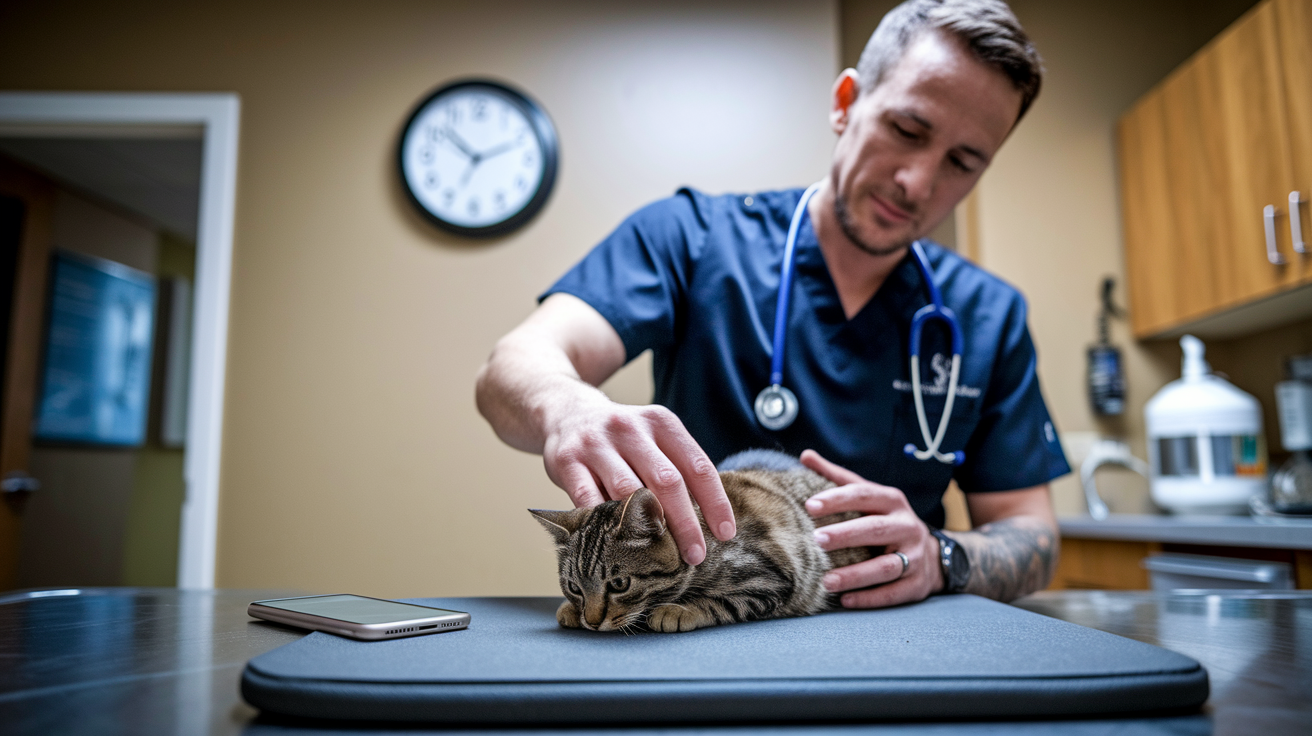
When your cat starts falling over, tilting their head, or stumbling into furniture, the panic hits fast. That’s completely understandable. Balance loss in cats (vets call it feline ataxia) usually means something’s wrong with the inner ear or the balance centers in the brain, and you’ll often need to move quickly. Sudden imbalance typically points to vestibular dysfunction, where the system that controls spatial awareness and coordination (tucked inside the inner ear and brainstem) stops working right. Early signs include leaning hard to one side, falling, walking in circles, rapid involuntary eye movements (nystagmus), a head tilt that won’t go away, vomiting, drooling, and a gait that looks frankly drunk. Some cats collapse and roll. Others walk tight circles or stand with their legs splayed wide trying not to tip over.
Not every stumble needs an emergency run, but these red flags demand immediate care:
- Can’t stand or walk at all, or keeps falling and rolling
- Severe vomiting that stops them from drinking or eating for more than 6 to 12 hours
- Seizures, passing out, or symptoms getting worse fast
- Known or suspected toxin exposure (household cleaners, rat poison, human drugs, recreational substances)
- Head trauma from a fall, fight, car accident, or blow
- Sudden blindness or trouble breathing on top of the balance loss
While you arrange care, confine your cat to a quiet, padded space. No stairs. No elevated surfaces. Put food, water, and the litter box on the floor where they can reach everything without standing up. If your cat’s conscious and able to swallow, encourage small sips of water. Track when symptoms started and note every detail you can (which way the head tilts, how often they fall, whether they’re eating). Even tiny observations help your vet figure out what’s happening faster.
Key Causes Behind Cat Balance Problems
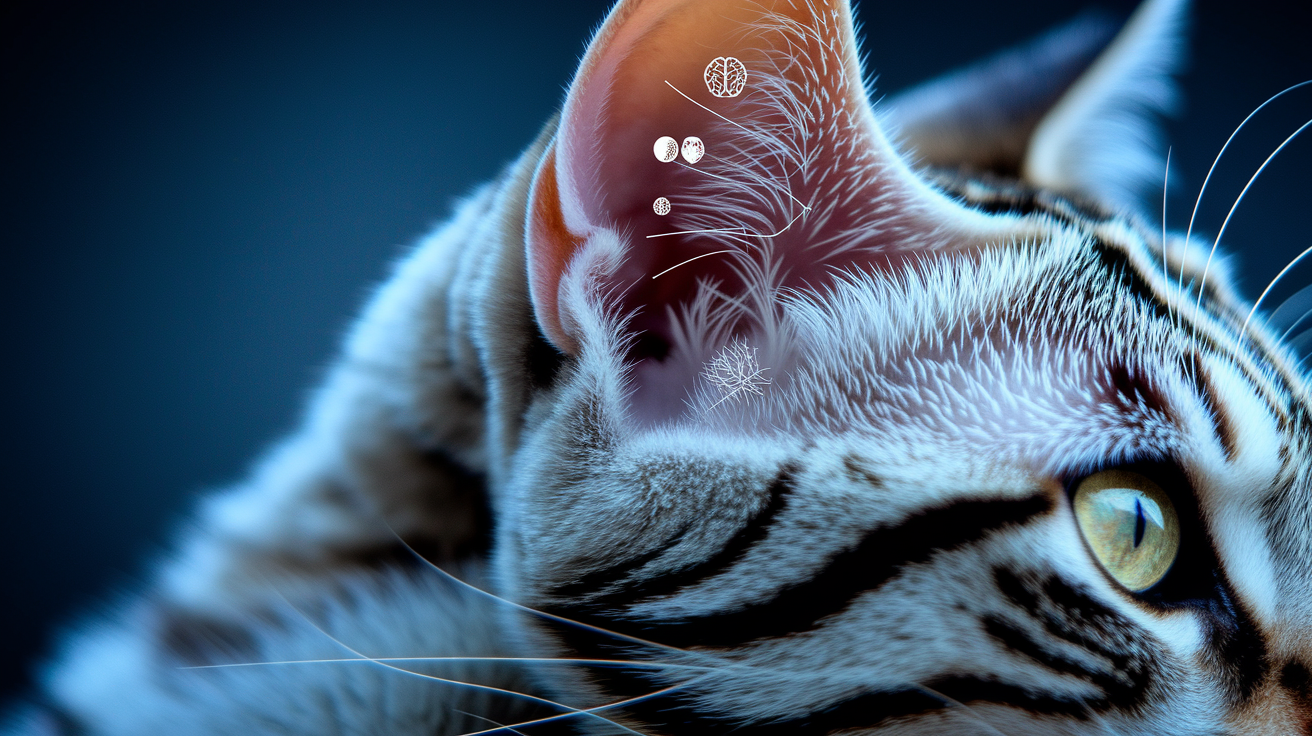
Cat balance loss doesn’t just appear out of nowhere. Inner ear or middle ear infections are one of the most common triggers, letting bacteria or inflammation invade the delicate vestibular organs. Idiopathic vestibular disease (where balance disruption happens suddenly for no clear reason) is also frequent, especially in older cats, and it typically resolves on its own within days. Other causes include brain disease (tumors, strokes, encephalitis), spinal cord injury, trauma (falls, car accidents), toxin exposure (insecticides, medications like metronidazole, rat poison, too much salt), metabolic problems (low blood sugar, severe kidney or liver failure), and thiamine (vitamin B1) deficiency from feeding raw fish exclusively or chronic digestive disease.
How fast it starts matters. Sudden imbalance (minutes to hours) usually suggests idiopathic vestibular disease, toxin exposure, acute trauma, or stroke. Gradual onset (days to weeks) points toward ear infections spreading deeper, slowly growing tumors, or progressive inflammatory brain disease. Certain breeds (Siamese and Burmese) carry inherited defects that can cause balance trouble, and older cats face higher risk of tumors or polyps in the ear canal or nasal passages pressing on vestibular structures.
| Cause Category | Typical Onset | Notable Signs |
|---|---|---|
| Inner/middle ear infection | Gradual (days to weeks) | Ear discharge, pain, head shaking, fever |
| Toxin exposure | Sudden (minutes to hours) | Disorientation, vomiting, possible seizures |
| Trauma (head or spinal) | Sudden (immediate) | Visible injury, pain, weakness, altered consciousness |
| Metabolic (hypoglycemia, kidney/liver failure) | Variable | Lethargy, appetite loss, vomiting, increased thirst/urination |
| Neurological disease (tumors, encephalitis, stroke) | Sudden or gradual | Weakness, seizures, altered behavior, facial asymmetry |
| Idiopathic vestibular disease | Sudden (minutes to hours) | Marked head tilt, rolling, nystagmus; no other illness signs |
Recognizing Common Symptoms of Feline Balance Loss
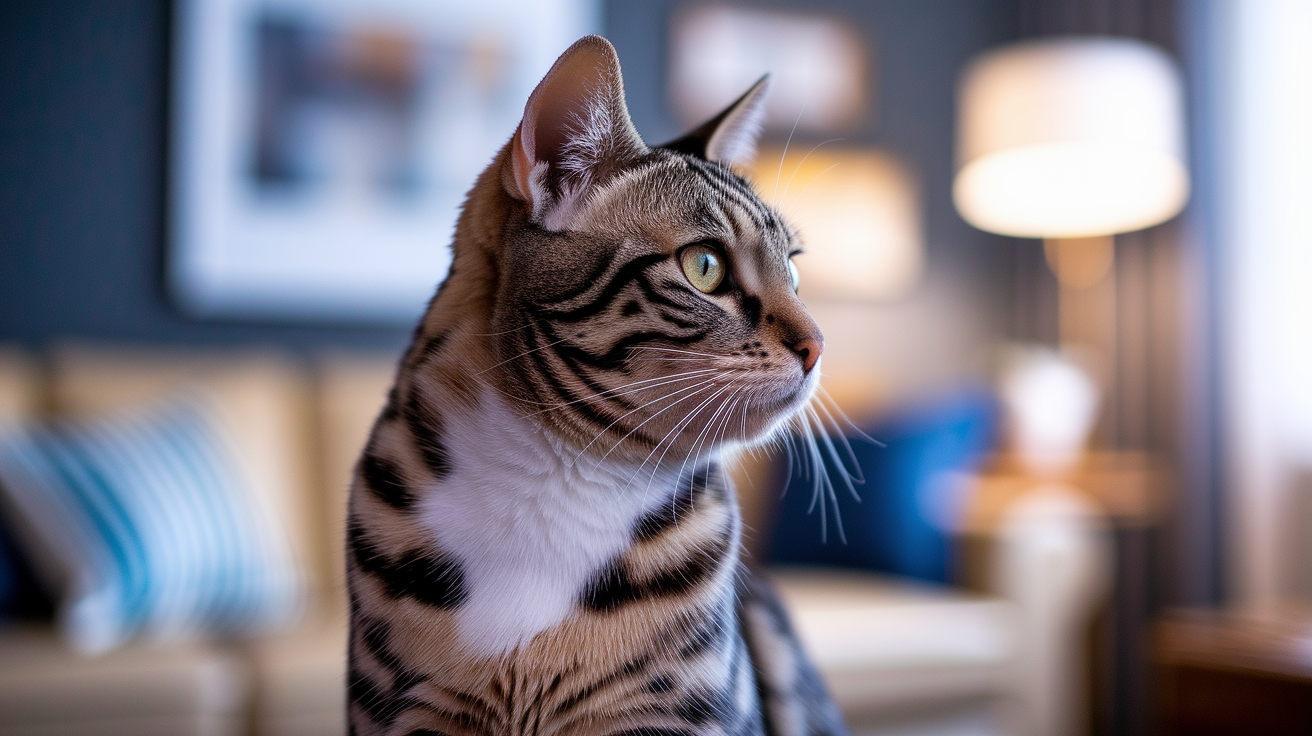
Balance trouble shows up in both obvious and subtle ways. The hallmark is a persistent head tilt (one ear lower than the other) that your cat can’t correct. Nystagmus (rapid, involuntary flickering of the eyes, often side to side or circular) is another telltale sign of vestibular dysfunction. You’ll likely see your cat drift, circle, or walk in tight arcs toward the tilted side. Some cats stagger like they’re drunk, stumble over their own paws, or fall sideways and roll across the floor. Weakness in one or more limbs, trouble standing, continual vomiting, drooling, loss of appetite, painful vocalizations (crying when touched near the head or ears), and difficulty hearing can all show up alongside balance loss.
Key symptoms to watch:
- Head tilt to one side
- Nystagmus (jerky, rapid eye movements)
- Falling, rolling, or circling
- Stumbling or unsteady gait
- Weakness or knuckling of the paws
- Vomiting or drooling
- Loss of appetite or disorientation
- Painful vocalizations or sensitivity around the head
Peripheral vestibular signs (originating from the inner ear or vestibular nerve) usually present with pronounced head tilt, nystagmus, and falling toward one side, but your cat stays alert and responsive. Central vestibular signs (stemming from brainstem or cerebellar disease) add more worrying features: generalized weakness, knuckling of the feet, altered mental state (confusion, lethargy), seizures, or sudden blindness. If your cat shows both balance loss and widespread neurological symptoms, the problem is more serious and often requires advanced imaging and treatment.
At-Home Assessment for an Unsteady or Falling Cat
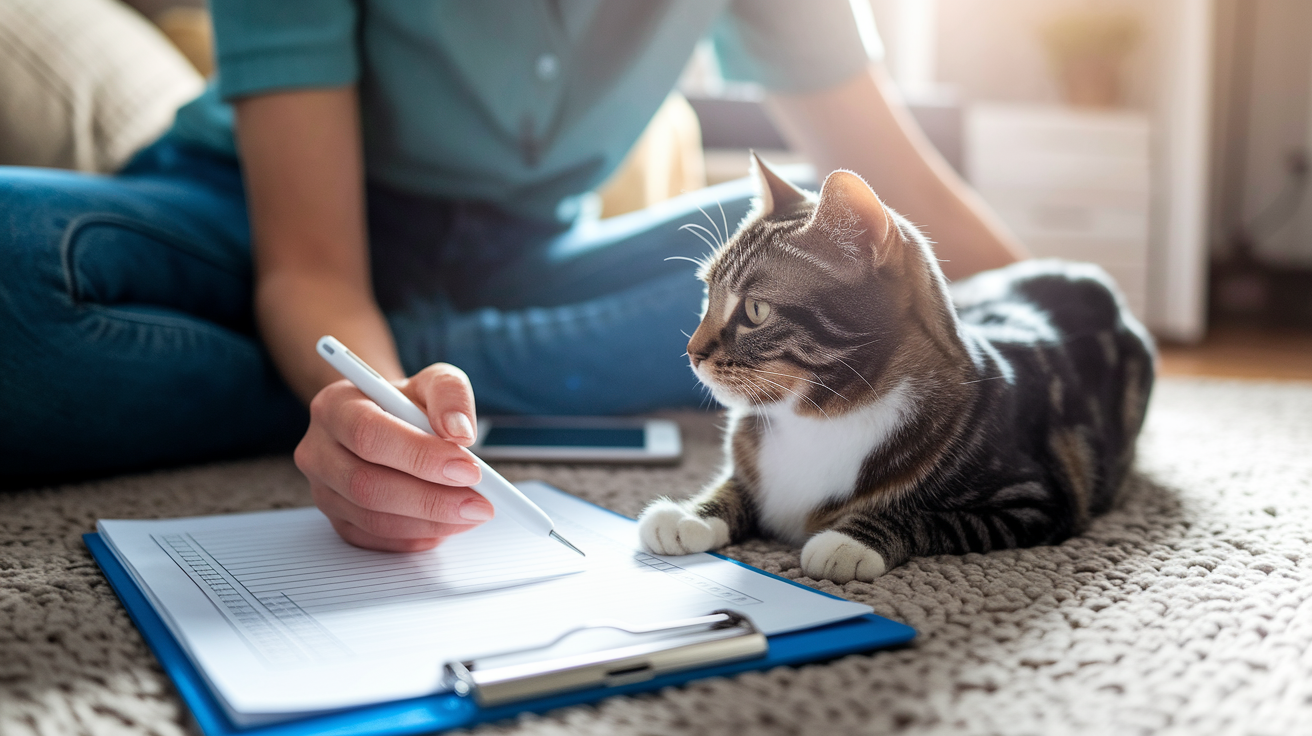
Before you head to the vet (or while you wait for an appointment), a simple at-home check can give your vet information they’ll actually use. Note the exact time symptoms started and how fast they’ve moved. Minutes? Hours? Days? Watch which direction your cat’s head tilts and which side they fall toward. Check both ears for discharge, redness, odor, or pain when touched. If you’re comfortable doing so, take your cat’s temperature with a digital rectal thermometer. Normal is about 100.5 to 102.5°F. Anything over 103°F signals fever and urgent care. Check hydration by gently lifting the skin on the back of the neck. It should spring back quickly. Look at the gums. They should be moist and pink, not sticky or pale.
Step by step home assessment checklist:
- Record the exact start time and how quickly symptoms appeared.
- Identify head tilt direction and the side your cat falls or circles toward.
- Inspect both ears for discharge, odor, swelling, or pain on gentle touch.
- Measure temperature if safe and familiar with the technique.
- Check gum moisture and skin turgor to assess hydration.
- Note appetite, water intake, urination, and bowel movements over the last 12 to 24 hours.
- Confine your cat to a single room with padded bedding, no stairs, and low access food/water/litter.
Home monitoring is reasonable if your cat’s symptoms are mild, not getting worse fast, and your cat can still eat, drink, and urinate without distress. If balance loss appeared gradually over several days and your cat remains alert and stable, a same day or next day vet appointment is appropriate. But if symptoms ramp up over hours, your cat can’t stand, or any emergency warning sign appears (seizures, severe vomiting, suspected toxin, trauma), go to an emergency clinic immediately.
Veterinary Diagnosis for Cats With Balance Issues
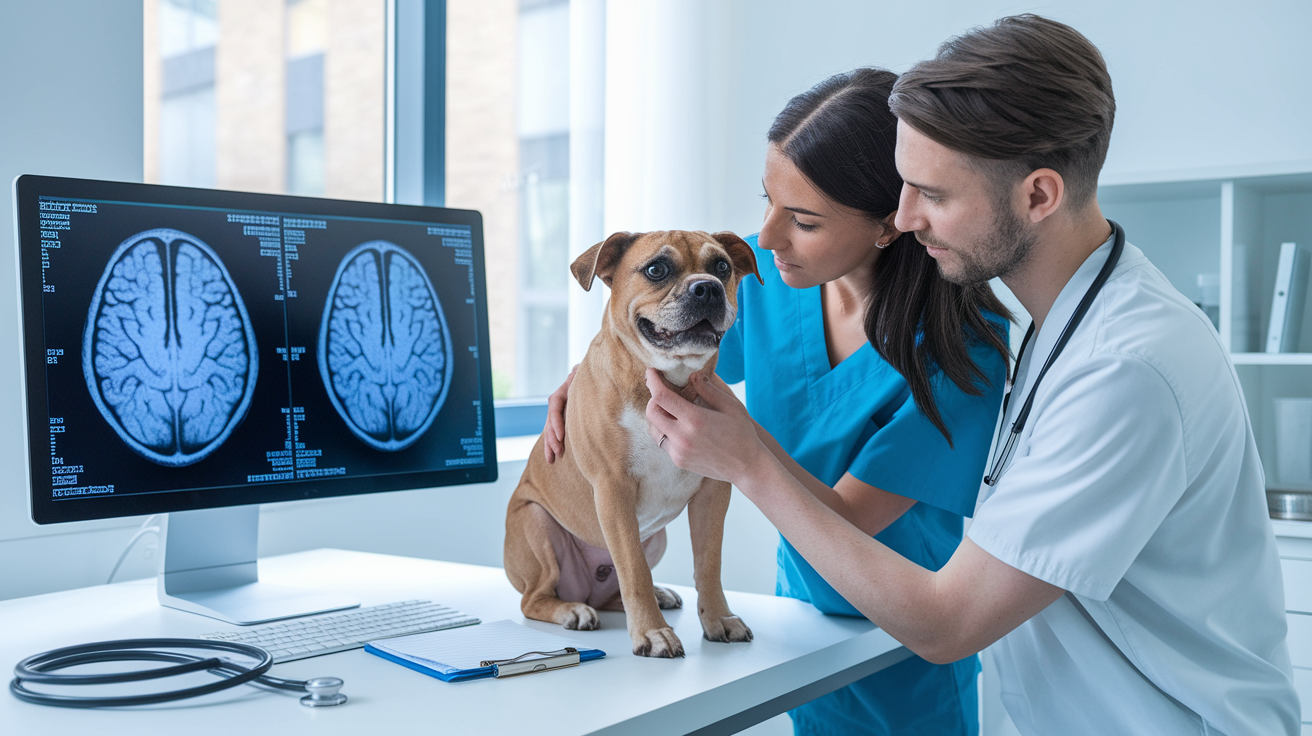
At the clinic, your vet will start with a detailed history. They’ll ask when you first noticed symptoms, how they’ve changed, any recent trauma, medications, diet, or access to toxins. Then they’ll perform a full physical and neurological exam. The neurological exam tests reflexes, limb strength, coordination, eye movements, and facial symmetry to distinguish peripheral (ear related) from central (brain related) causes. An otoscopic exam uses a lighted scope to inspect both ear canals and eardrums for infection, polyps, foreign material, or tumor growth. Blood work (complete blood count, chemistry panel, electrolytes, blood glucose) and urinalysis check for infections, metabolic disease, anemia, kidney or liver failure, and inflammation. If ear infection is suspected, your vet may take a sample from the ear canal for cytology or culture.
Advanced diagnostics come next if the cause isn’t obvious or if central disease is suspected. X-rays of the skull and neck can reveal fractures, bone infections, or middle ear changes, though they miss many brain lesions. MRI or CT imaging gives detailed pictures of the inner ear, brainstem, and cerebellum (necessary for diagnosing tumors, strokes, or inflammatory brain disease). Cerebrospinal fluid (CSF) analysis, collected via spinal tap, detects encephalitis, FIP, or bacterial meningitis. In some cases, specialized tests such as BAER (brainstem auditory evoked response) measure vestibular nerve function, and toxin screening panels may be run if poisoning is suspected.
| Test | What It Detects |
|---|---|
| Blood work (CBC, chemistry, glucose) | Infection, anemia, metabolic disease, organ failure |
| Ear cytology/culture | Bacterial or yeast ear infections |
| MRI or CT scan | Brain tumors, strokes, inner ear disease, structural defects |
| CSF analysis (spinal tap) | Encephalitis, FIP, meningitis, inflammatory brain disease |
Treatment Options for Cats Experiencing Balance Loss
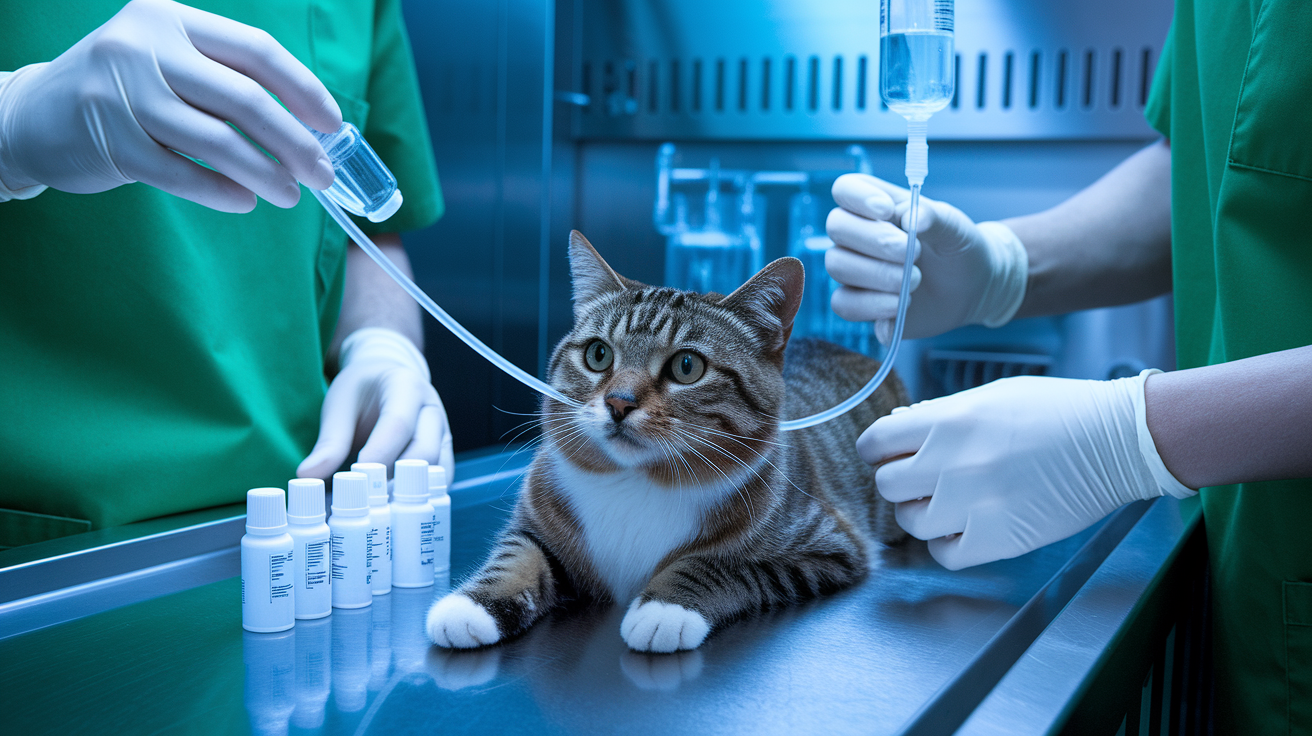
Treatment depends entirely on what’s causing the problem. If an inner or middle ear infection is found, your vet will prescribe antibiotics for 8 to 16 weeks. Ear infections in cats need long courses to fully clear. Anti-inflammatory drugs may be added for the first few weeks to reduce pain and swelling. Some cats need anesthesia for deep ear cleaning and sampling if the infection is severe or the eardrum is affected. Idiopathic vestibular disease has no specific cure, but about 80% of affected cats improve with supportive care alone. Symptoms often start improving within 48 to 72 hours and resolve over one to four weeks. Supportive treatment for any cause includes anti-nausea medications (maropitant or other antiemetics), intravenous or subcutaneous fluids to prevent dehydration, and pain relief if your cat shows discomfort.
Thiamine deficiency responds rapidly to thiamine injections plus oral supplementation. Cats exposed to toxins or drugs (like metronidazole overdose) need immediate supportive care: stopping the drug, giving activated charcoal if ingestion was recent, and IV fluids to help clear the toxin. Trauma cases require stabilization, pain control, imaging to rule out fractures or bleeds, and sometimes surgery. Central causes (encephalitis, brain tumors, strokes) vary widely in treatment and prognosis. Options may include antibiotics, antivirals, corticosteroids, anticonvulsants for seizures, or referral to a specialist for chemotherapy, radiation, or advanced surgery. Polyps or growths are usually removed surgically.
Common supportive treatments include:
- IV or subcutaneous fluids to maintain hydration
- Antiemetic medications (maropitant) to control nausea and vomiting
- Assisted feeding (soft food by hand or syringe if appetite is poor)
- Strict cage rest on well padded bedding to prevent injury from falls
- Pain relief and anti-inflammatory drugs as appropriate
- Frequent repositioning and gentle limb massage to maintain circulation
Costs vary widely depending on diagnostics and treatment needed. Based on real world quotes, total care can range from $200 (for mild idiopathic cases needing only supportive meds and recheck) to $4,000 or more (for advanced imaging, long antibiotic courses, surgery, or hospitalization). Many idiopathic cases improve noticeably within 72 hours, but ear infections and central causes may require weeks to months of treatment and follow up.
Recovery Expectations and Long-Term Outlook for Cats With Balance Disorders
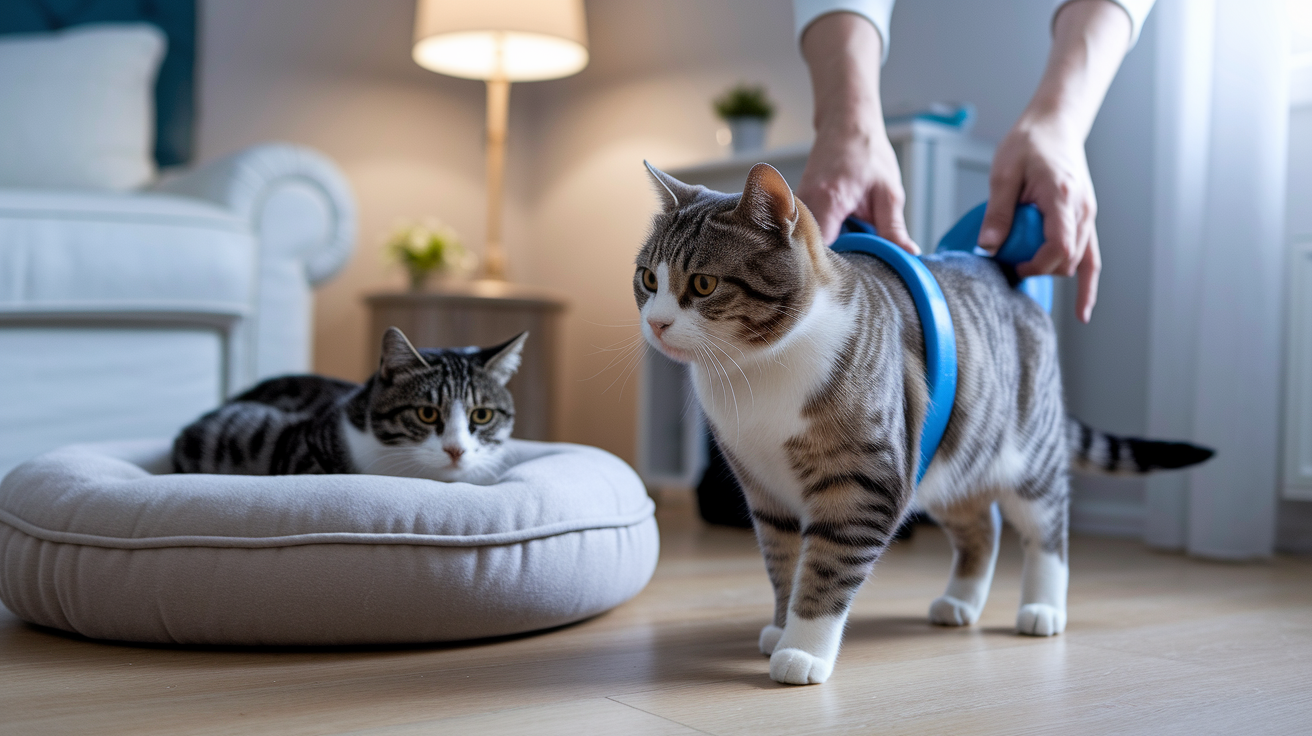
If your cat has peripheral idiopathic vestibular disease, expect rapid early improvement. Many cats begin standing steadier and eating within 48 to 72 hours. Full recovery usually takes one to four weeks, though a residual head tilt can linger indefinitely. A tilt that persists beyond six months is likely permanent, but most cats adapt well and live normal lives. Ear infections take longer. Antibiotics must continue for the full prescribed course (often two to four months), and relapses can happen if treatment is stopped too soon or your cat refuses medication. Central vestibular disease carries a more guarded prognosis. Recovery depends on the specific cause (tumor, encephalitis, stroke), and some cats develop permanent deficits or require lifelong management.
Your vet will schedule a follow up visit within 48 to 72 hours after starting treatment to assess progress and adjust the plan. For infections or inflammatory disease, additional rechecks every few weeks track response and guide when to stop medication. Some cases (especially those requiring advanced imaging, specialist referral, or prolonged antibiotic therapy) can be expensive and time intensive, and medication refusal by the cat is a common challenge with long treatment courses.
Track these five metrics daily during recovery:
- Mobility (can your cat stand, walk, and turn without falling; is balance improving or worsening?)
- Appetite (is your cat eating and drinking voluntarily, or do they need hand feeding?)
- Hydration (check gum moisture and skin turgor twice daily)
- Neurological changes (watch for new weakness, seizures, vomiting, or changes in alertness)
- Vomiting frequency (note how often vomiting occurs; persistent or worsening vomiting requires immediate vet contact)
Preventive Actions to Reduce Future Cat Balance Problems
You can’t prevent every case of balance loss, but you can lower your cat’s risk significantly. Feed a complete, balanced commercial diet appropriate for your cat’s age and health status. Raw fish diets and homemade meals without proper supplementation can lead to thiamine deficiency. Treat external ear infections promptly and completely. Untreated ear disease can spread to the middle and inner ear. Keep your cat’s vaccinations up to date to reduce the risk of infectious diseases like FIP that can cause encephalitis.
Store all household chemicals, medications, insecticides, rat poisons, and toxic plants out of reach. If your cat goes outdoors, supervise closely or consider indoor only living to reduce trauma from car strikes, fights, and falls. At home, make the environment safer for a wobbly cat by keeping food, water, and litter boxes at ground level, blocking access to stairs, and removing high perches or slippery surfaces until balance fully returns.
Top five prevention actions:
- Feed a balanced, vet approved diet to avoid nutritional deficiencies
- Treat ear infections early and completely to prevent spread
- Keep vaccinations current to reduce infectious disease risk
- Store all chemicals, medications, and toxins securely
- Provide safe indoor housing or supervised outdoor access to minimize trauma risk
Final Words
When your cat suddenly stumbles, tilts its head, or can’t stand, act fast. This article walked you through urgent signs, common causes from vestibular problems to toxins or trauma, and simple at-home checks you can do right away.
First steps: keep your cat calm and safe, note exact timing and direction of falls, check temperature and hydration, and call your vet if you see red flags like repeated vomiting, seizures, or inability to walk.
Monitor closely for 24–72 hours and bring clear notes to your appointment. With prompt care and careful follow-up, many cats improve, so there’s reason to be hopeful about cat loss of balance.
FAQ
Q: What are the signs that a cat is about to pass away?
A: The signs that a cat is about to pass away are extreme weakness, not eating or drinking, severe breathing changes, collapse, unresponsiveness, cool gums or limbs, and loss of bladder or bowel control. Call your vet right away.
Q: What does a mini stroke look like in a cat?
A: A mini stroke in a cat looks like sudden head tilt, circling, weakness or paralysis on one side, disorientation, abnormal eye movements, and loss of balance; signs may be brief or worsen—seek veterinary care immediately.
Q: What is the life expectancy of a cat with wobbly cat syndrome?
A: The life expectancy of a cat with wobbly cat syndrome varies; many cats live a normal life with a lifelong unsteady gait, though severity and the underlying cause affect outlook—talk to your vet about your cat’s prognosis.
Q: Why is my cat suddenly dizzy and wobbly?
A: A cat suddenly dizzy and wobbly is often due to vestibular disease, inner ear infection, toxin exposure, head trauma, low blood sugar, or stroke; if your cat can’t stand, vomits repeatedly, has breathing trouble, or seizes, call emergency care.