

What if your dog seems fine at breakfast and is throwing up nonstop by dinner?
That sudden shift can be acute gastritis, which means the stomach lining gets inflamed quickly.
In this post you’ll learn the common signs, like repeated vomiting, yellow bile or dark blood in vomit, and fast dehydration, what you can safely try at home, and when a vet visit is urgent.
I’ll also explain typical treatments and what recovery usually looks like so you can act with calm, clear steps.
That knowledge helps spare your dog discomfort and avoid delays that make things worse.
Understanding the Core Features of Acute Gastritis in Dogs
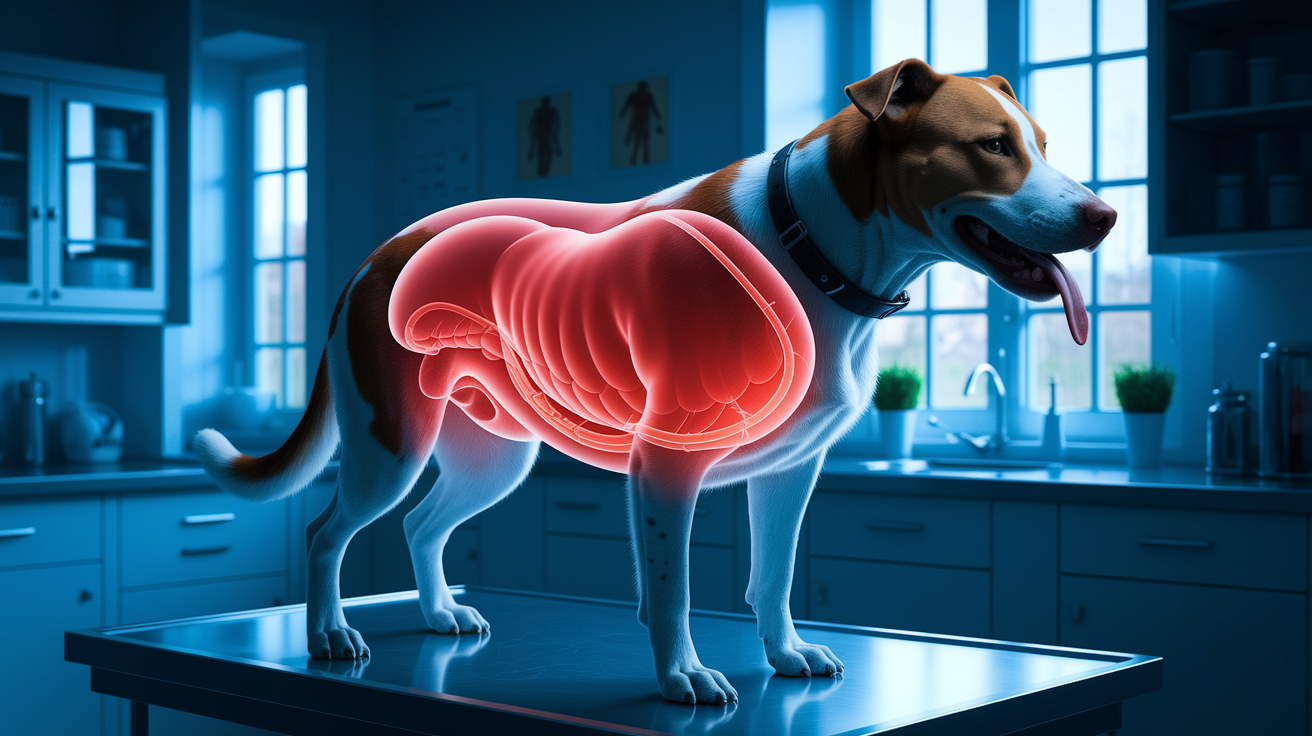
Acute gastritis is when your dog’s stomach lining suddenly becomes inflamed, sometimes within just a few hours. Your dog could be totally fine at breakfast and throwing up nonstop by dinner. That quick shift is what makes it different from chronic stomach issues that develop over weeks.
The biggest thing to watch for is repeated vomiting, especially if you see undigested food, yellow bile, or blood. Blood might show up as bright red streaks or this dark, grainy stuff that looks like wet coffee grounds. Both mean the stomach’s bleeding and you need to act fast. Other serious signs include dehydration (gums feel dry and sticky), extreme lethargy where your dog barely reacts to anything, and obvious belly pain shown through whining, pacing, or that hunched over stance.
Don’t wait too long. If vomiting goes past 24 hours, or you spot blood in vomit or stool, call your vet right away. Same goes if your dog can’t keep water down, shows dehydration, or becomes unresponsive. Mild cases usually get better within 24 to 72 hours with basic care at home, but crossing any of these lines means it’s moved beyond something that’ll just fix itself.
Symptoms Most Owners Notice First:
- Vomiting food or liquid over and over
- Yellow or green bile in the vomit
- Won’t eat or drink
- Sudden tiredness and withdrawal
- Belly discomfort or hunched posture
Key Causes Behind Acute Gastritis in Dogs
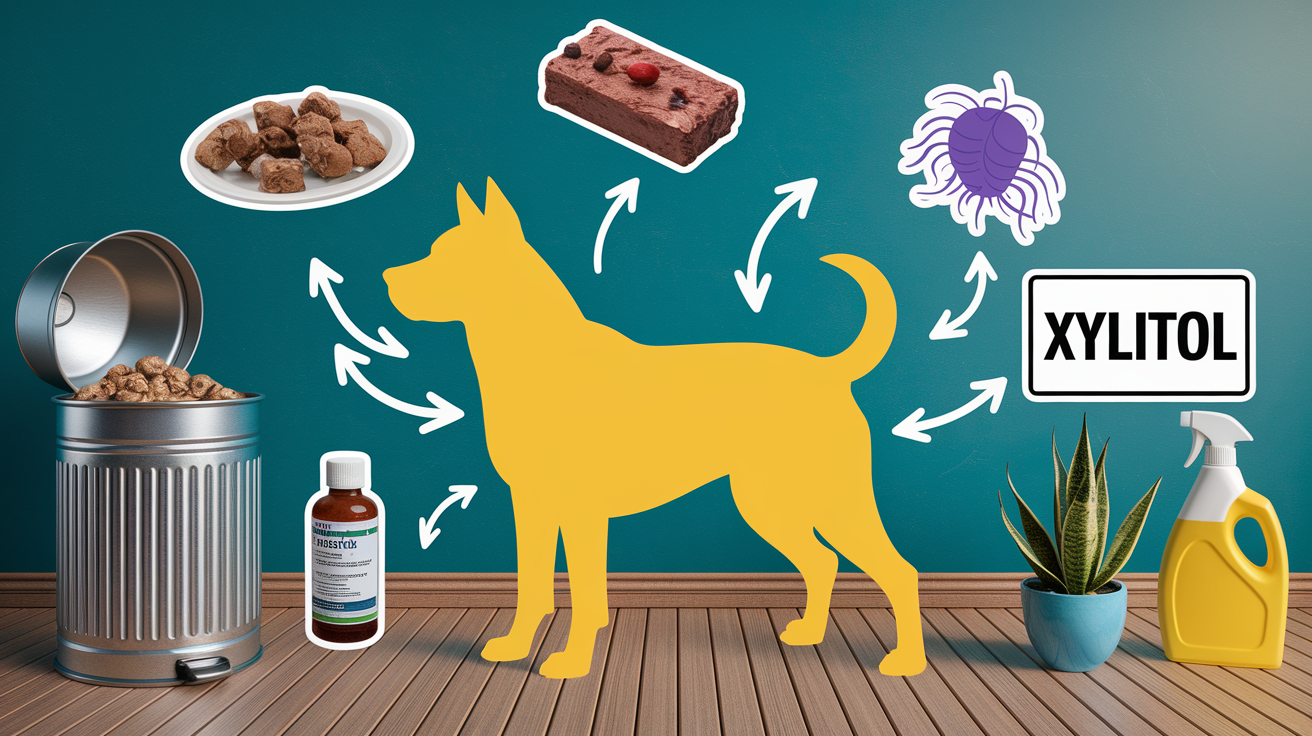
Dietary indiscretion (sometimes called “garbage gut”) is probably the most common trigger. This happens when dogs get into the trash, eat spoiled food, or grab something rich and fatty they’re not used to. Even switching food brands too fast can irritate the stomach if you don’t ease into it. The stomach reacts to unfamiliar proteins, fats, or bacteria by getting inflamed, and vomiting starts as the body tries to get rid of whatever’s causing trouble.
Beyond food, medications like NSAIDs (carprofen for pain relief, for example) can damage the stomach lining if given without food or at the wrong dose. Toxins are another big one. Poisonous plants, household cleaners, xylitol from sugar-free products. All of these can cause severe, fast inflammation. Parasites like giardia or roundworms irritate the stomach and intestines. Bacterial or viral infections, including parvo in unvaccinated puppies, can also set off acute gastritis. Sometimes stress from boarding, travel, or big changes at home pushes a sensitive dog over the edge.
Top Causes of Acute Gastritis:
- Spoiled food, table scraps, or sudden diet changes
- Getting into garbage, foreign objects, or non-food items
- Toxic stuff including plants, cleaners, and xylitol
- NSAID medications given without vet guidance
- Parasites like giardia or roundworms
- Stress or viral/bacterial infections
Interpreting Symptoms and What They Indicate Clinically
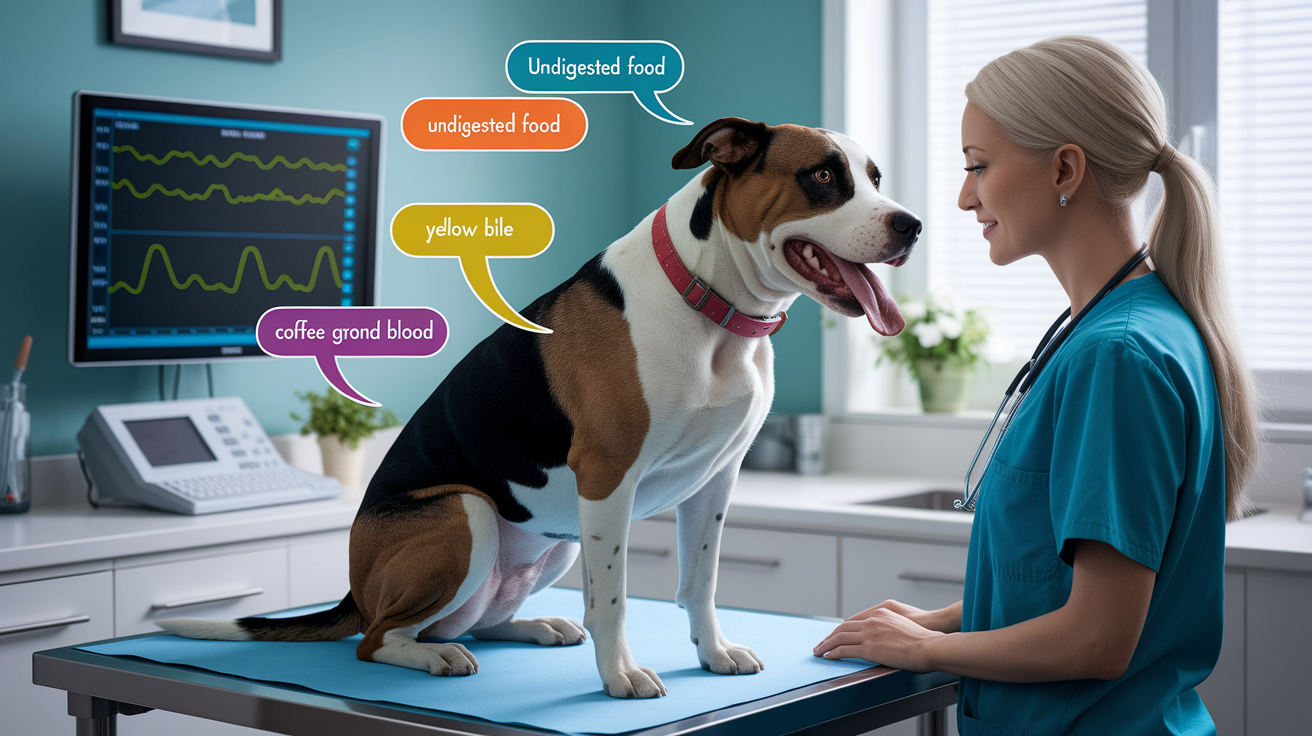
The type of vomiting can tell you a lot. Vomiting undigested food right after eating usually points to simple stomach irritation. Yellow or greenish bile typically means the stomach’s empty and the vomiting reflex just keeps going anyway. That’s a sign the inflammation isn’t letting up. Dark, grainy vomit that looks like coffee grounds means partially digested blood, so the stomach lining’s started to bleed. Bright red blood suggests active, fresh bleeding, possibly from an ulcer or really bad irritation. Both are serious and you need a vet immediately.
Changes in behavior and energy tell you how much the inflammation has spread. Mild gastritis might leave your dog quieter than usual but still responsive. Severe lethargy (won’t lift their head, ignores favorite treats, seems out of it) can mean dehydration, toxin absorption, or something systemic like pancreatitis. Loss of appetite lasting more than 24 hours, especially in a dog who normally loves food, suggests the nausea and discomfort are significant.
Belly pain shows up in specific ways. A dog with simple gastritis might flinch a little when you touch their stomach or stand with a slightly arched back. A dog with an obstruction or severe inflammation may go into a “prayer position” (front legs stretched forward, rear end in the air) to relieve pressure. Whining, pacing, or refusing to lie down comfortably are all pain signals. Persistent guarding of the abdomen or yelping when you gently press the stomach area suggests something more than surface irritation, maybe a foreign body or advanced inflammation.
Dehydration can get bad quickly, especially in puppies, small breeds, and seniors. Early dehydration shows as slightly sticky gums and mild lethargy. Moderate dehydration causes dry gums, sunken eyes, and skin that stays tented when you gently pinch it. Severe dehydration leads to collapse, rapid heart rate, and extreme weakness. Puppies and seniors have smaller fluid reserves and less robust kidney function, so they can go from mild to severe dehydration within 12 to 24 hours if vomiting continues.
Diagnostic Steps Used to Confirm Acute Gastritis in Dogs
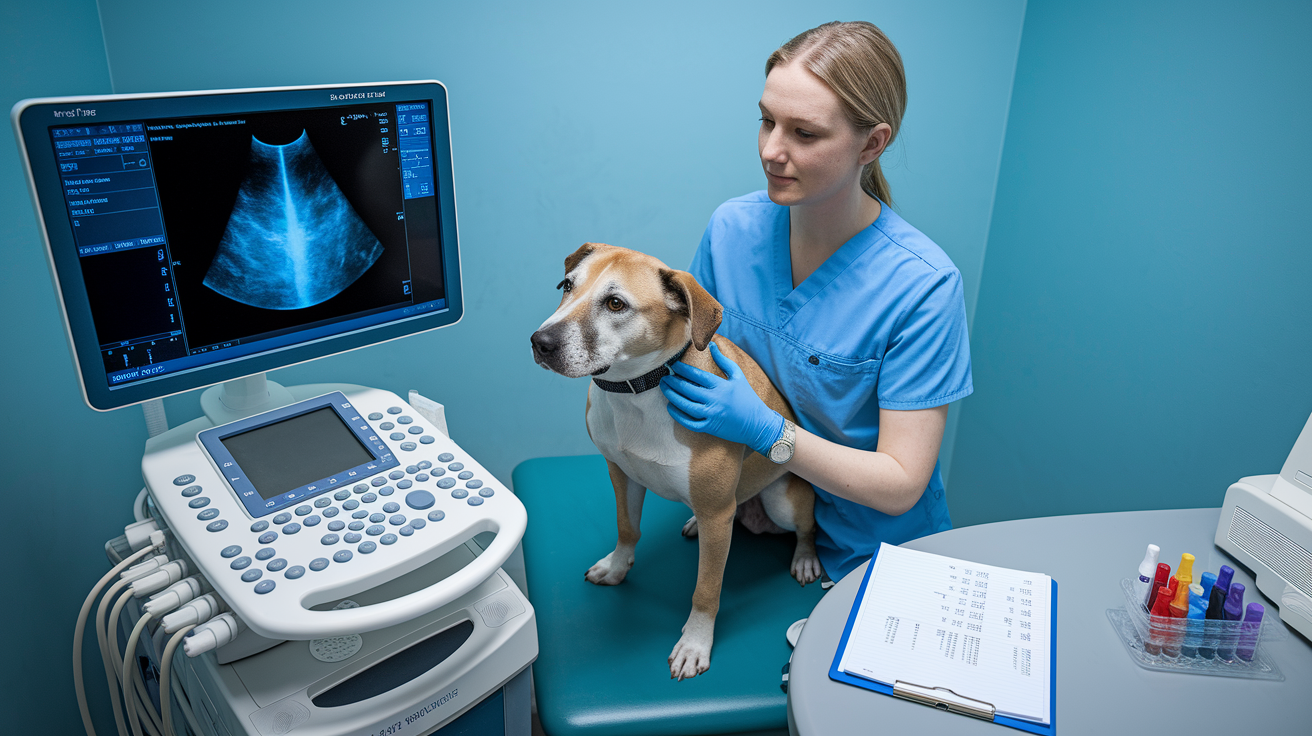
When you bring your dog to the vet, expect a systematic workup designed to confirm gastritis and rule out more serious stuff like obstruction, pancreatitis, or toxin exposure. The process typically starts with a detailed history and physical exam, then moves to lab tests and imaging depending on how bad the symptoms are and how your dog responds to initial treatment.
Physical Exam and History
The vet will ask when the vomiting started, how many times it’s happened, what the vomit looked like, and whether your dog ate anything unusual recently. They’ll feel the abdomen, checking for pain, foreign masses, bloating, or abnormal texture in the stomach or intestines. Hydration gets assessed by checking gum moisture, skin elasticity (called skin turgor), and capillary refill time (how quickly color returns to the gums after gentle pressure). Body temperature, heart rate, and respiratory rate get measured to detect fever, shock, or systemic infection.
Lab Tests and Fecal Panels
Bloodwork is standard for moderate to severe cases. A complete blood count (CBC) checks for infection, inflammation, anemia (which can happen with bleeding), and dehydration markers. A chemistry panel evaluates kidney and liver function, electrolyte levels (vomiting can deplete sodium, potassium, and chloride), and blood sugar. Fecal testing (flotation for parasites, antigen tests for giardia, or PCR panels for specific pathogens) helps identify infectious causes. In puppies, a parvovirus SNAP test is common if vaccination history is incomplete.
Imaging and Advanced Procedures
Abdominal radiographs (X-rays) look for foreign objects, gas patterns that suggest obstruction, or masses. Ultrasound gives a more detailed view of the stomach wall, checking for thickening, ulcers, fluid buildup, or signs of pancreatitis. If the cause stays unclear or vomiting persists despite treatment, endoscopy may be recommended. This involves passing a small camera into the stomach under general anesthesia to see the lining directly and take biopsies if needed. Endoscopy is more common in chronic cases but can be used acutely if a foreign body or severe ulceration is suspected.
Treatment Approaches for Acute Gastritis in Dogs
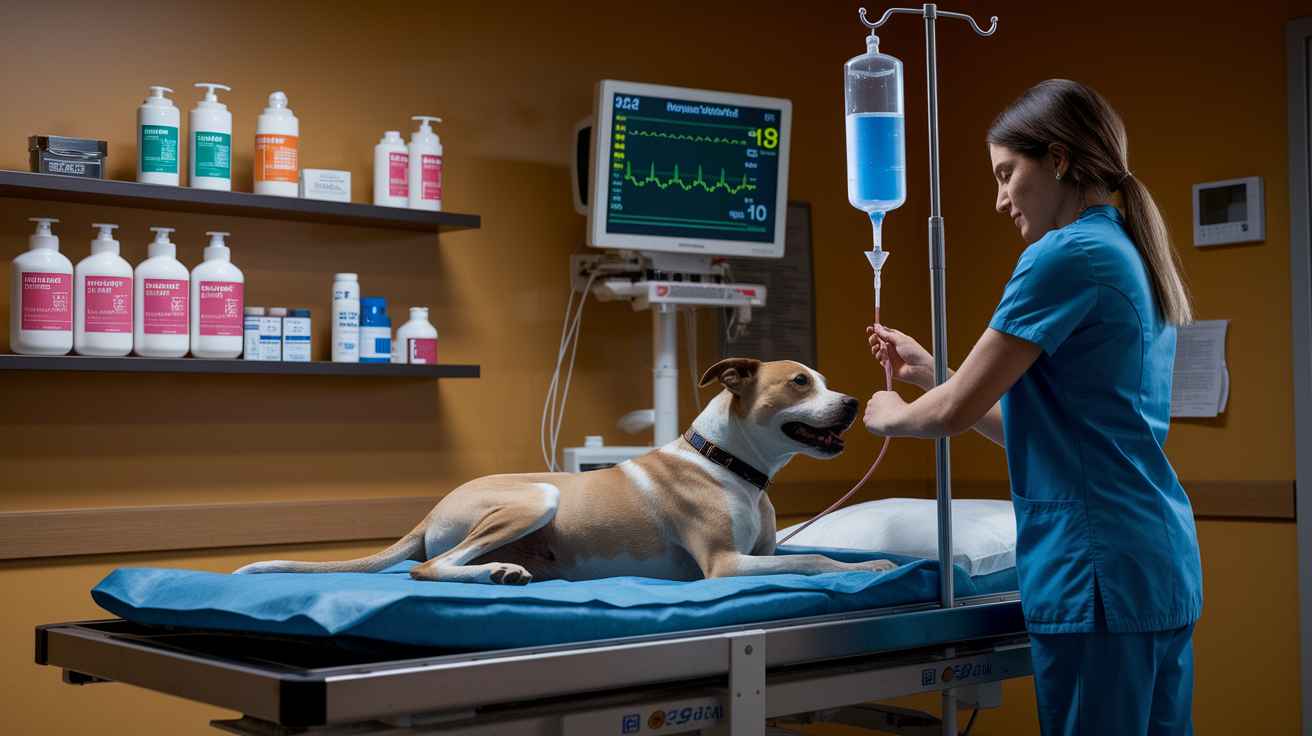
Treatment starts with stabilization, especially if your dog is dehydrated or can’t keep water down. Fluid therapy is the first move. For mild dehydration in stable dogs, subcutaneous fluids can be given under the skin at the clinic and absorbed over a few hours. For moderate to severe dehydration, or if vomiting is ongoing, intravenous (IV) fluids are given in the hospital to restore hydration quickly, correct electrolyte imbalances, and support blood pressure. Fluid therapy also helps flush toxins and supports kidney function during recovery.
Anti-nausea and anti-vomiting medications stop the vomiting reflex and let the stomach rest. Maropitant (Cerenia) is commonly used and is typically given once daily, either by injection or as a pill once vomiting has stopped. Ondansetron (Zofran) is an alternative or add-on that can be given up to three times per day if nausea is severe. Metoclopramide is another option, often used in hospital settings as a continuous infusion or given multiple times a day. These medications work on different receptors in the brain and gut to reduce the urge to vomit.
Acid-reducing medications and mucosal protectants help heal the stomach lining. H2 blockers like famotidine (Pepcid) or ranitidine reduce acid production and are often used short term. Proton pump inhibitors (PPIs) such as omeprazole or pantoprazole provide stronger, longer lasting acid suppression and are preferred for suspected ulcers or prolonged cases. Sucralfate (Carafate) is a liquid or pill that coats the stomach lining, forming a protective barrier over irritated or ulcerated areas. Important note: don’t give sucralfate at the same time as other oral medications because it can block their absorption. Give it at least two hours apart.
Antibiotics are used selectively, only when bacterial or protozoal infection is confirmed or strongly suspected. Examples include metronidazole or tylosin for certain gut infections. Overusing antibiotics can mess up the normal gut microbiome and contribute to antibiotic resistance, so they’re not routine in simple acute gastritis. If systemic infection, sepsis, or a known pathogen is present, targeted antibiotics are critical. In rare, severe, or chronic cases, advanced treatments like fecal microbiome transplants may be considered, though these are expensive, invasive, and not first line.
Home Care and Bland Diet Guidelines for Dogs with Acute Gastritis
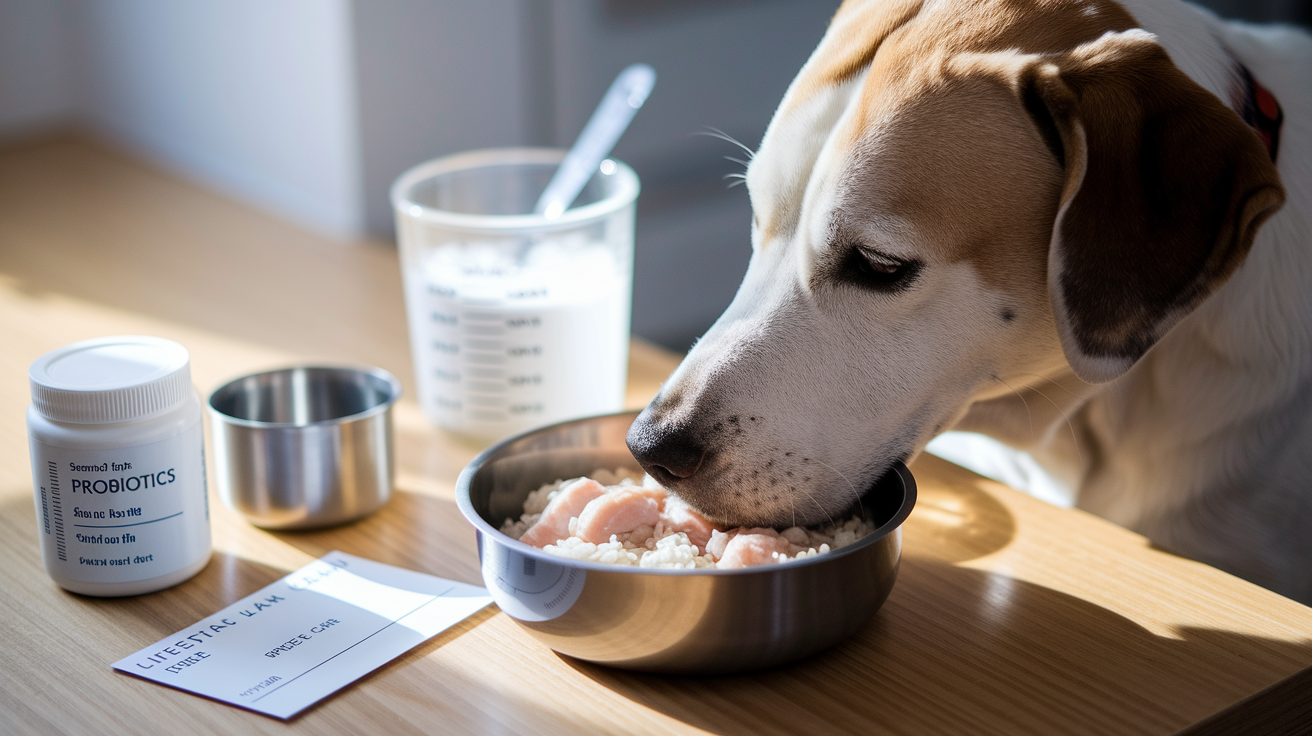
If your vet approves home care for a mild case, the first step is to rest the stomach by withholding food. In adult dogs, a 12 to 24 hour fast gives the stomach lining time to settle. Don’t withhold food in puppies, toy breeds, or dogs with diabetes without explicit vet guidance, as these groups are at higher risk for low blood sugar. Never withhold water completely, but if your dog vomits right after drinking, offer water in small, controlled amounts. A few licks or a tablespoon every 30 minutes to an hour for the first six to eight hours.
Once vomiting has stopped for at least six to eight hours, you can start refeeding with a bland diet. Follow this step by step plan:
- Start with very small portions. One to two tablespoons for small dogs, a quarter cup for medium dogs, half a cup for large dogs.
- Use boiled, skinless, boneless chicken breast mixed with plain white rice in a 1:3 ratio (one part chicken, three parts rice), or use a vet formulated gastrointestinal diet.
- Feed this small meal and wait two to four hours. If no vomiting occurs, repeat the same small portion.
- Continue feeding small, frequent meals every four to six hours for the first 24 hours.
- Gradually increase portion size over the next 24 to 48 hours as tolerance improves.
- After 48 to 72 hours on the bland diet, start mixing in small amounts of regular food. Start with 25% regular food, 75% bland diet.
- Transition fully back to regular food over three to seven days by increasing the regular food proportion each day.
Probiotics and soluble fiber can support recovery. Probiotics like FortiFlora or Proviable help restore healthy gut bacteria, especially after vomiting or antibiotic use. Most are safe, but watch for any reaction to flavoring or carriers. Some dogs are sensitive to chicken-based products. Soluble fiber from plain canned pumpkin (not pie filling) or psyllium husk can soothe the gut and firm stool. Start with one to two teaspoons for small dogs, up to two tablespoons for large dogs, mixed into the bland diet. Too much fiber can worsen symptoms, so use sparingly and only as directed by your vet.
When Acute Gastritis Requires Emergency Veterinary Care

Certain symptoms mean you should stop home care and get immediate vet attention. If vomiting continues for more than 24 hours despite fasting and controlled water intake, the inflammation isn’t resolving on its own. Repeated vomiting (more than three to four episodes in a few hours) can lead to rapid dehydration and electrolyte imbalances. If your dog can’t keep even small sips of water down, they’re at high risk for severe dehydration and need IV fluids.
Puppies, seniors, and dogs with chronic illnesses like kidney disease, diabetes, or heart conditions go downhill much faster than healthy adults. A puppy who’s vomiting and lethargic can become dangerously dehydrated within 12 hours. Seniors may have reduced kidney function, making them less able to compensate for fluid loss. Dogs on medications like NSAIDs or steroids are at higher risk for stomach ulcers and bleeding. For these groups, even mild symptoms warrant a same day vet visit.
Key Emergency Red Flags:
- Blood in vomit (bright red or coffee ground appearance)
- Black, tarry, or bloody stools
- Collapse, extreme weakness, or unresponsiveness
- Suspected toxin ingestion or foreign body swallowed
- Severe belly pain with distended or rigid belly
- Won’t drink water or can’t keep water down
Acute vs. Chronic Gastritis: How They Differ
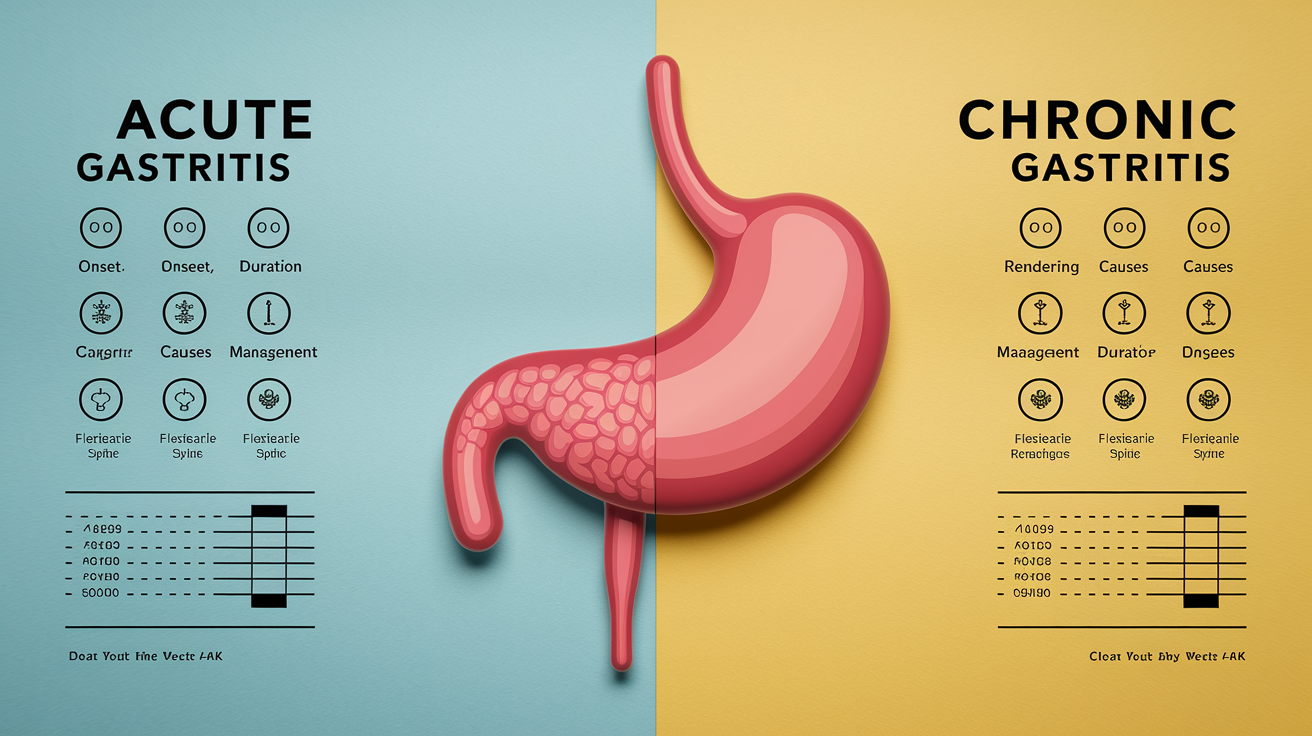
Acute gastritis develops suddenly and is usually short lived, resolving within a few days to a week with appropriate care. The cause is often identifiable (a dietary indiscretion, toxin exposure, or stress event), and once the trigger is removed and supportive care is given, the stomach heals. Chronic gastritis, by contrast, lasts for weeks, months, or longer and involves ongoing or recurrent inflammation. The vomiting may be intermittent rather than constant, and the underlying cause is often harder to pinpoint.
Chronic gastritis can result from food allergies or intolerances, autoimmune conditions like inflammatory bowel disease (IBD), long term NSAID use, systemic diseases such as kidney or liver failure (which can cause uremic gastritis), chronic infections like Helicobacter species, or even gastric cancer (lymphoma or carcinoma). Diagnosis often requires advanced testing (endoscopy with biopsy, dietary elimination trials, or long term monitoring). Treatment focuses on managing the underlying condition, often with immunosuppressive medications, hypoallergenic diets, and regular follow-up care.
| Feature | Acute Gastritis | Chronic Gastritis |
|---|---|---|
| Onset | Sudden, within hours to days | Gradual, lasting weeks to months |
| Duration | Usually resolves in 24–72 hours to 1 week | Ongoing or recurrent over long periods |
| Common Causes | Dietary indiscretion, toxins, infections, NSAIDs | Food allergies, IBD, systemic disease, chronic infection, cancer |
| Typical Management | Fasting, fluids, antiemetics, bland diet | Long-term diet trials, immunosuppressives, ongoing vet monitoring |
Prevention Strategies for Avoiding Recurrence of Acute Gastritis
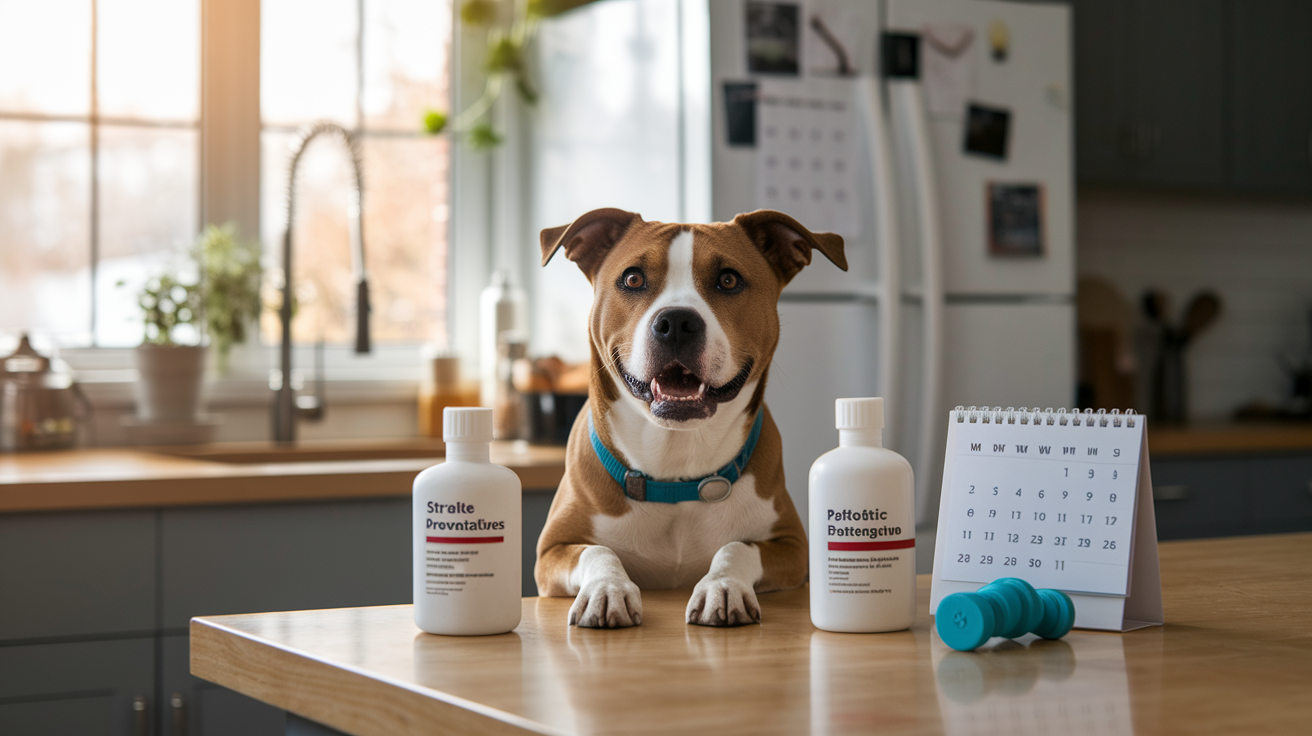
Consistency in diet is one of the most effective prevention tools. Avoid sudden switches from one food brand to another. Transition gradually over five to seven days by mixing increasing amounts of the new food into the old. Skip table scraps and rich, fatty human foods, which can trigger inflammation in sensitive dogs. Secure trash cans with lids or keep them in cabinets, and supervise outdoor time to prevent scavenging.
Environmental and toxin protection requires daily vigilance. Keep household cleaners, medications, and toxic plants out of reach. Be cautious with human medications. Even over the counter pain relievers like ibuprofen can cause severe gastritis and ulcers in dogs. If your dog needs NSAIDs for arthritis or pain, always give them with food and follow your vet’s dosing instructions exactly. Never increase the dose or give NSAIDs from your own medicine cabinet.
Parasite prevention and stress management close the loop. Maintain a regular deworming schedule and use monthly parasite preventatives as recommended by your vet. Parasites like giardia and roundworms are common triggers for stomach inflammation. Stress can also play a role. Changes in routine, boarding, travel, or new pets in the home can upset a sensitive dog’s stomach. When stressful events are unavoidable, consider probiotics or calming supplements (ask your vet), and try to maintain familiar feeding and exercise routines as much as possible.
Recovery Timeline, Prognosis, and Follow-Up Care for Acute Gastritis
Most dogs with uncomplicated acute gastritis start to improve within 24 to 72 hours of treatment or home care. Vomiting stops, appetite returns, and energy levels normalize. If your dog required vet treatment (fluids, injectable medications, or hospitalization), improvement may take three to seven days, especially if dehydration was severe or complications like pancreatitis were involved. The transition back to regular food should be gradual, and most dogs are fully back to normal within one to two weeks.
Follow-up care is critical if symptoms come back, appetite doesn’t return, or if you notice new signs like weight loss, ongoing lethargy, or changes in stool. If your dog needed hospitalization, your vet will likely schedule a recheck exam within a few days to a week to ensure bloodwork has normalized and hydration is stable. If vomiting happens again after recovery, or if your dog needs repeated treatments for gastritis, further diagnostics may be needed to rule out chronic gastritis or an underlying condition.
Key Follow-Up Actions:
- Monitor for return of normal appetite and energy within 48 to 72 hours
- Complete any prescribed medication courses fully, even if symptoms improve
- Schedule a recheck exam if symptoms come back or don’t fully resolve
- Discuss long term diet adjustments or prevention strategies with your vet if gastritis episodes repeat
Final Words
In the action, we described what acute gastritis is, quick signs like vomiting, bile, appetite loss, lethargy and belly pain, common triggers, and tests your vet may run.
You also got simple steps: initial fasting, small sips of water, a bland refeeding plan, and prevention tips, plus clear red flags that need urgent care. Watch for blood, repeated vomiting, or severe dehydration.
If symptoms last more than 24 hours or any red flag appears, call your vet. Many dogs improve in 24 to 72 hours, and acute gastritis in dogs often settles with gentle care and timely vet support.
FAQ
Q: How long does gastritis in dogs last?
A: Gastritis in dogs often lasts 24–72 hours for mild cases; acute gastroenteritis usually follows the same timeline. Moderate cases may take 3–7 days, and complications need prompt veterinary care.
Q: What foods cause gastritis in dogs?
A: Foods that commonly cause gastritis in dogs include spoiled food, fatty table scraps, garbage, rich treats, bones, dairy, and sudden diet changes that upset the stomach.
Q: What can I give my dog to help with gastritis?
A: To help a dog with gastritis, offer small sips of water, a 12–24 hour fast for adults, then tiny bland meals (boiled chicken and rice); probiotics may help, and call your vet if vomiting continues.