

Is your dog’s eye red and leaking tears, just seasonal allergies or something more serious?
Red, watery eyes are common but can mean very different things: mild irritation, infection, or an injury that needs fast care.
This post walks you through the most likely causes, simple checks to do right now, clear red flags that mean call your vet today, and what vets do to diagnose and treat the problem.
Read on to learn what to watch for in the next 24 hours and one safe step to try at home.
Immediate Action Guide for Red, Watery Dog Eyes
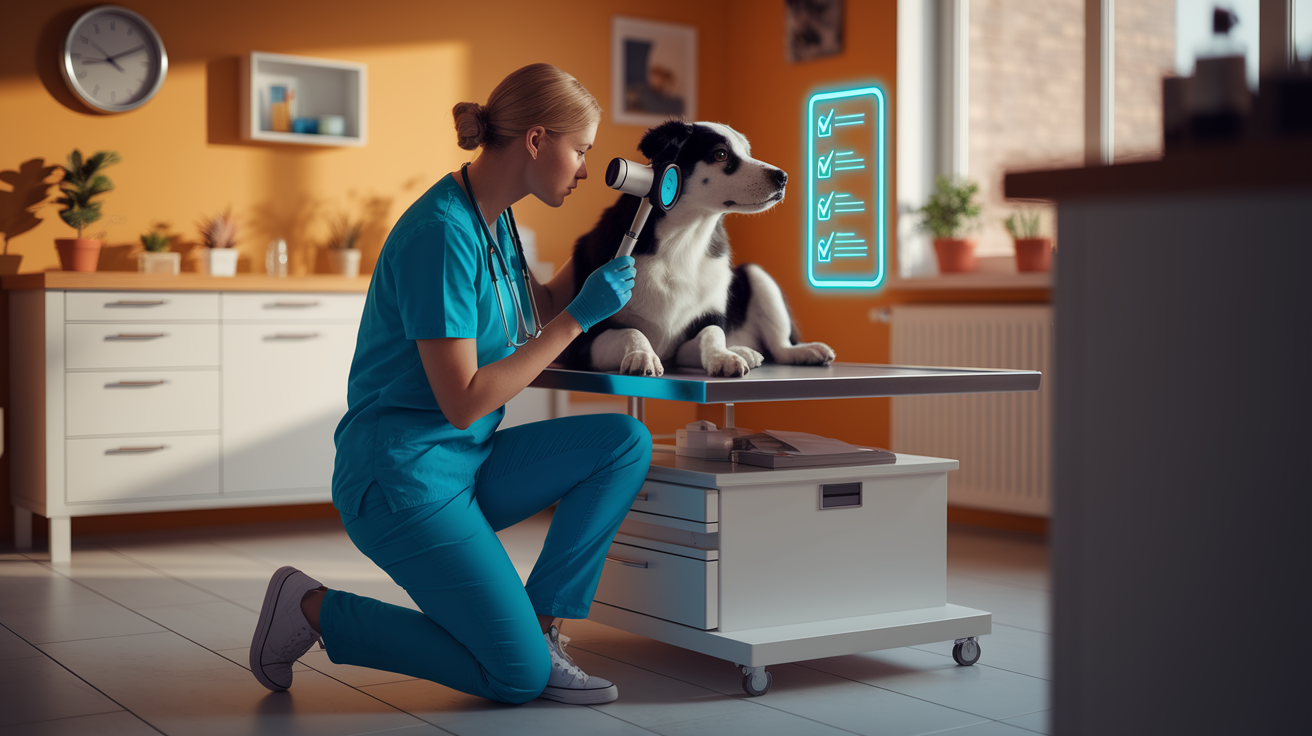
When you first spot one or both eyes looking red and watery, you’re usually dealing with allergies, infections, or irritation from dust or debris. Each one leaves a slightly different pattern, and catching that difference in the first few minutes helps you figure out whether you need to call your vet right now or whether safe monitoring at home makes sense.
Start with the discharge. Clear, thin tears with mild redness usually point to allergies or light irritation. Thick yellow or green goop, heavy crusting on the lids, marked swelling, or your dog holding the eye shut suggest infection, ulcer, or trauma and need veterinary attention within hours to a day. Also watch how your dog acts. If they’re pawing constantly or seem painful, that’s a bigger concern than simple itchiness.
For mild cases with clear discharge and no pain, you can gently wipe the eye area with a clean, damp cloth and keep your dog away from smoke, strong perfumes, and dusty spots for the next 24 hours. If redness stays the same or gets worse, or if any of the red flags below appear, contact your vet the same day or head to an emergency clinic if after hours.
Seek immediate veterinary care if you see:
- Thick colored (yellow, green, or rust-tinged) discharge
- Rapid swelling of the eyelids or the area around the eye
- Persistent squinting or your dog holding the eye completely closed
- Cloudiness over the colored part of the eye or the clear front surface
- Sudden changes in vision, bumping into objects, reluctance to move in dim light
Common Causes of Red, Watery Eyes in Dogs
Allergies rank as the most frequent trigger for clear, watery eyes. Pollen from trees, grasses, and weeds during spring and fall, dust mites in carpets and bedding, mold spores in damp areas, cigarette or fireplace smoke, air fresheners, scented candles, and chemical fumes from household cleaners can all irritate the eye’s surface. Your dog’s immune system treats these particles as threats and releases histamine, which dilates tiny blood vessels in the conjunctiva (the pink tissue lining the lids) and ramps up tear production. You’ll usually see both eyes affected, frequent pawing or rubbing at the face, and possibly sneezing or itchy skin elsewhere.
Infections come next. Bacteria such as Staphylococcus and Streptococcus thrive when the eye’s defenses are weakened by injury, foreign material, or underlying dry eye. Viral infections, canine herpesvirus or canine distemper, can also inflame the conjunctiva and cornea. Fungal organisms are less common but possible in humid climates or after outdoor exposure to decaying plant matter. Infected eyes produce thick, sticky discharge that may be yellow, green, or cream colored, and lids often mat shut overnight. The redness is more intense than with allergies, and your dog may squint or resist having the eye touched.
Serious or vision-threatening conditions include corneal ulcers (scratches or erosions on the clear front window of the eye), glaucoma (dangerously high pressure inside the eyeball), trauma from bites or blunt impact, and internal inflammation called uveitis. Corneal ulcers cause sudden squinting, tearing, and a cloudy or hazy look. Deep ulcers can perforate the eye within days if untreated. Glaucoma produces a rock-hard, painful eye with a dilated or misshapen pupil and can blind a dog in hours to days. Trauma may show visible blood, a bulging eye, or torn tissue. Any of these scenarios requires emergency veterinary evaluation.
Conformational and structural problems also drive chronic redness and tearing. Entropion (eyelids rolling inward) and distichiasis (extra eyelashes rubbing the cornea) mechanically irritate the surface. Ectropion (lids sagging outward) exposes tissue to dust and dries out the eye. Cherry eye, prolapse of the third-eyelid gland, appears as a red, fleshy lump at the inner corner. Blocked or narrow tear ducts prevent drainage and cause overflow tearing that stains the fur below the eye. Brachycephalic breeds with shallow eye sockets are prone to many of these issues.
Common causes at a glance:
- Allergies
- Bacterial infection
- Viral infection
- Corneal ulcer
- Glaucoma
- Trauma or foreign body
Understanding Redness, Discharge, and Other Eye Changes
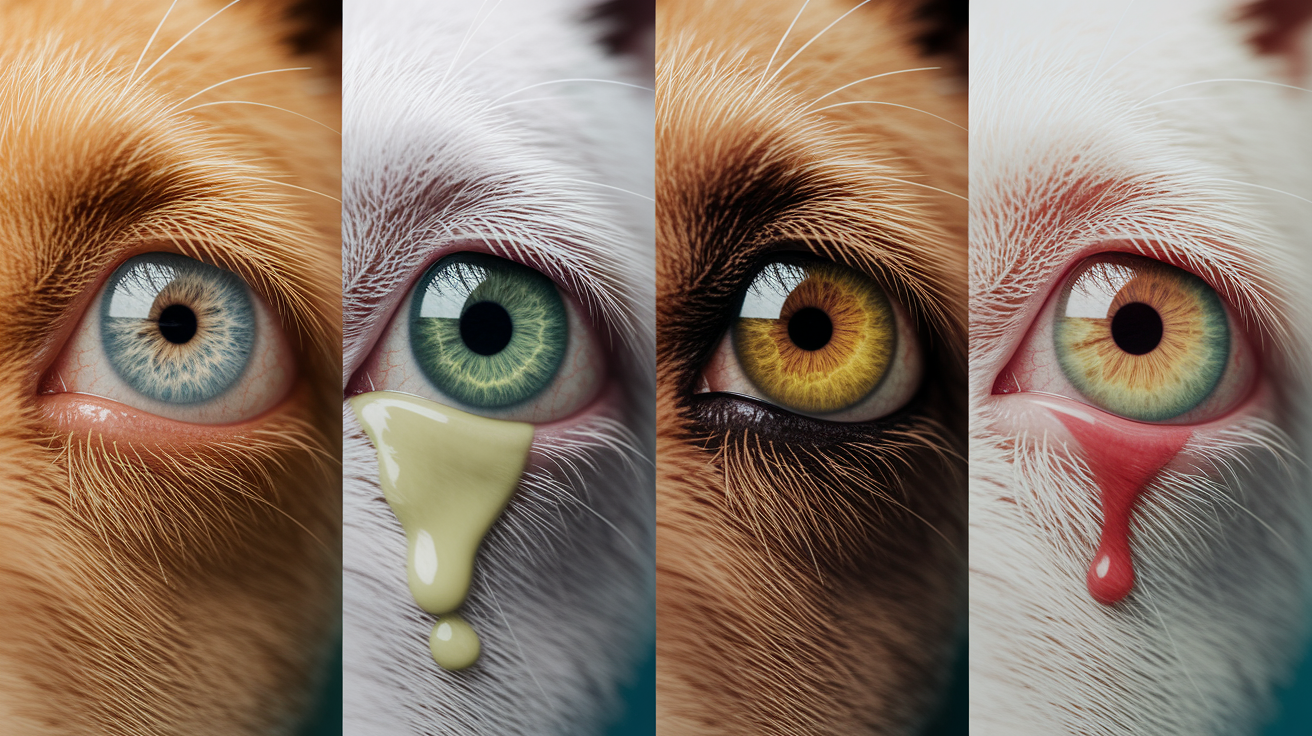
Redness varies from a faint pink tint in the inner corner to angry, deep-red vessels sprawling across the white of the eye. Light redness that fades slightly when you gently pull the lower lid down often means mild irritation or early allergy. Intense, widespread redness with swollen conjunctiva signals active infection, significant inflammation, or increased pressure. When the cornea itself looks hazy or blue-gray, suspect ulcer, swelling from high pressure, or internal bleeding.
Discharge texture and color tell you a lot. Clear, watery tears with no odor usually mean allergy, wind exposure, or a partially blocked tear duct. Thin mucus that’s white or pale yellow can be normal in small amounts after sleep, but if it persists all day it may indicate mild infection or dry eye starting to develop. Thick, opaque yellow or green discharge, especially with crusting that glues the lids together, almost always means bacterial infection. Rust or brown staining on the fur below the eye (epiphora) comes from constant overflow and doesn’t always mean disease, but chronic wetness can encourage yeast or bacteria to grow on the skin.
Behavioral signs of pain include squinting (blepharospasm), pawing at the face, rubbing the eye along furniture or carpet, reluctance to go outside in bright light, and holding the affected eye partially or fully closed. A dog in real discomfort may also become quieter, lose interest in play, or snap if you try to touch near the eye. Mild itchiness from allergies tends to produce frequent rubbing but normal activity otherwise, while true pain stops normal behavior.
| Symptom | What It Suggests |
|---|---|
| Clear, watery discharge | Allergies, irritation, or blocked tear drainage |
| Thick yellow/green discharge | Bacterial infection or severe inflammation |
| Cloudy or hazy cornea | Ulcer, high eye pressure, or internal swelling |
| Squinting and pawing | Pain from ulcer, infection, or increased pressure |
How Vets Diagnose Red, Watery Eyes in Dogs
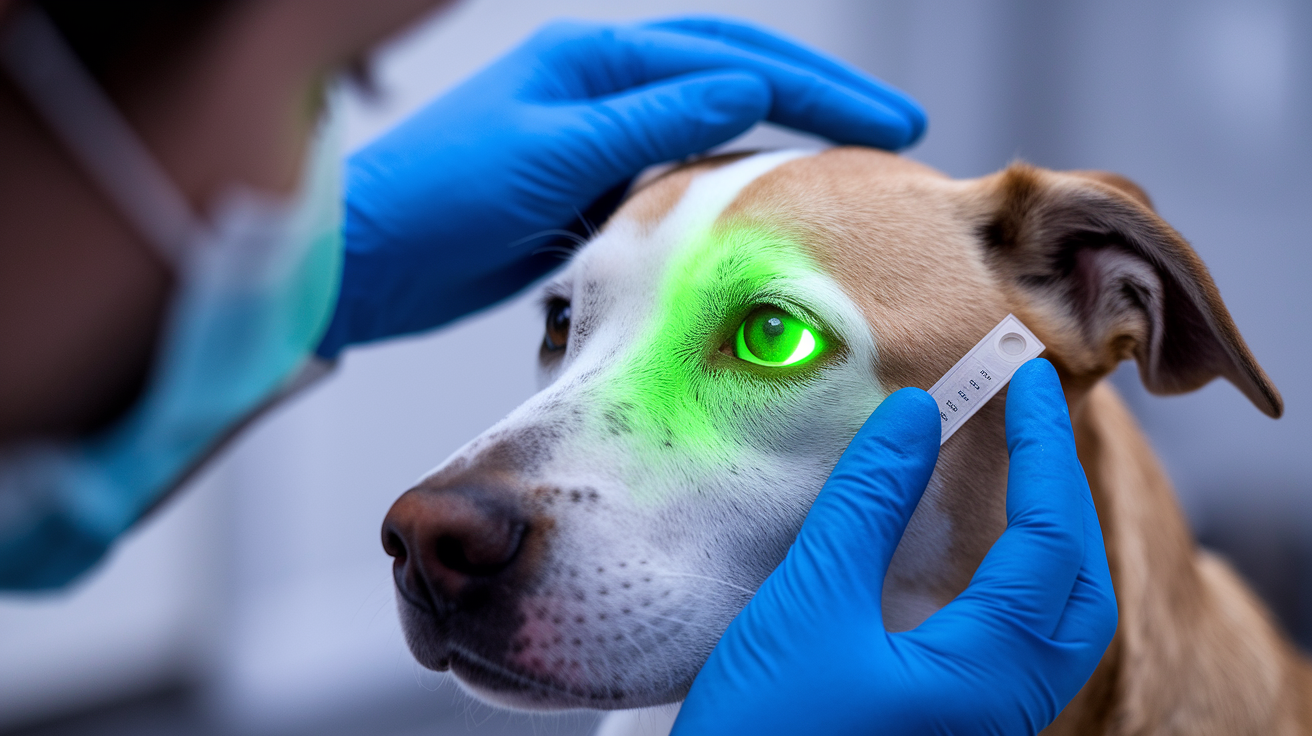
Your veterinarian will start with a thorough ophthalmic exam in a dimmed room, using a bright focal light and magnification to inspect each structure: lids, conjunctiva, cornea, iris, pupil, and lens. They’ll compare both eyes for symmetry in redness, pupil size, and response to light. If one eye looks worse or behaves differently, that narrows the list of causes quickly.
Next come targeted tests. The Schirmer tear test measures tear production by placing a small strip of absorbent paper inside the lower lid for one minute. Normal dogs wet at least 15 millimeters of the strip, while readings below that suggest keratoconjunctivitis sicca (dry eye). Fluorescein staining involves dropping orange dye onto the eye and rinsing. Any scratch or ulcer on the cornea will glow bright green under blue light, revealing size, depth, and location. Tonometry uses a small probe or puff of air to measure intraocular pressure. Normal ranges from 10 to 25 millimeters of mercury, and values above 25 raise concern for glaucoma. If infection is suspected, your vet may swab the conjunctiva for cytology (microscopic cell examination) or bacterial culture to identify the exact organism and guide antibiotic choice. In complex cases, persistent uveitis, unexplained glaucoma, or systemic signs, blood tests, X-rays, or ultrasound may be ordered to look for underlying disease elsewhere in the body.
Common diagnostic tests:
- Schirmer tear test (checks tear production)
- Fluorescein staining (highlights corneal ulcers)
- Tonometry (measures intraocular pressure)
- Conjunctival cytology or culture (identifies infection)
- Systemic workup (blood, urine, imaging for internal causes)
Treatment Options for Red, Watery Eyes in Dogs
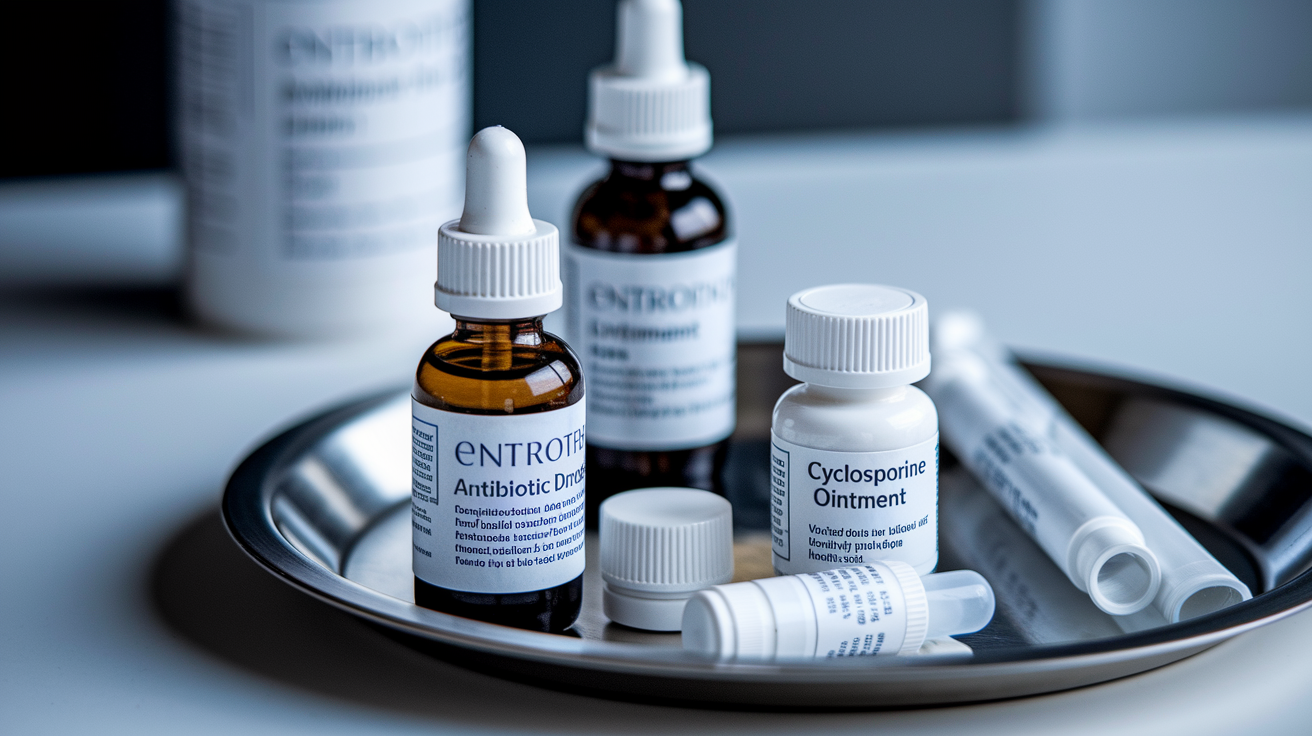
Infections usually respond to topical antibiotic drops or ointment applied three to four times daily for 7 to 14 days. Your vet will choose a broad-spectrum product initially and switch to a targeted antibiotic if culture results suggest a resistant organism. Oral antibiotics may be added if the infection has spread to surrounding tissue or if your dog won’t tolerate eye drops. Viral infections have no specific cure, so treatment focuses on supportive care, lubricating drops to ease discomfort and antibiotics to prevent secondary bacterial invasion, while the immune system clears the virus over one to three weeks.
Allergic conjunctivitis improves when you remove or reduce exposure to the trigger. Short-term antihistamine eye drops prescribed by your vet can calm inflammation, and in persistent cases an oral antihistamine or a low dose of an immune-modulating medication may be recommended. Keep in mind that over-the-counter human allergy drops are not always safe for dogs and can contain preservatives or active ingredients that irritate canine eyes, so always check with your veterinarian first.
Dry eye (keratoconjunctivitis sicca) requires lifelong medical management in most cases. Topical cyclosporine or tacrolimus stimulates the tear glands to produce more moisture and reduces immune-mediated inflammation. You’ll apply the medication twice daily, and improvement usually becomes visible within two to six weeks, though some dogs need several months. Artificial tears or lubricating gels used every few hours supplement natural moisture and flush away thick mucus. If medical therapy fails, your vet may discuss surgical options such as rerouting a salivary duct to the eye, though this can deposit minerals on the cornea and requires careful follow-up.
Serious conditions demand more aggressive intervention. Superficial corneal ulcers heal in a few days with antibiotic drops and pain relief, but deep or infected ulcers may require surgical grafting to reinforce the thinned cornea and prevent rupture. Glaucoma treatment starts with medications that lower intraocular pressure, prostaglandin analogs, beta-blockers, or carbonic anhydrase inhibitors, but many dogs eventually need surgery to create new drainage pathways or reduce fluid production. In blind, painful eyes, removal (enucleation) may be the kindest option. Structural problems like entropion, ectropion, and cherry eye are corrected surgically, with recovery typically taking 10 to 14 days and a recheck to ensure proper healing.
Treatment categories:
- Topical antibiotics for bacterial infection
- Lubricating drops and ointments for dry eye or irritation
- Anti-allergy medications (antihistamines or immune modulators)
- Cyclosporine or tacrolimus for chronic dry eye
- Surgical repair for eyelid issues, cherry eye, or deep ulcers
- Pressure-lowering medications or surgery for glaucoma
Safe At‑Home Care for Mild Redness and Tearing

If the eye looks only slightly pink, tears are clear, and your dog acts comfortable, you can start with gentle cleaning and environmental changes. Dampen a soft, clean cloth or gauze pad with room-temperature water and gently wipe away any dried discharge or crust from the fur around the eye, working from the inner corner outward. Do not rub the eyeball itself. Repeat this two to three times a day to keep the area clean and reduce the chance of secondary infection.
You can also flush the eye with sterile saline solution (0.9 percent sodium chloride, the same kind used for contact lenses). Tilt your dog’s head slightly, hold the bottle a few inches away, and let a steady stream rinse across the surface for a few seconds. This washes out dust, pollen, or loose debris. Avoid using tap water, which may contain chlorine or bacteria. A cool, damp compress held gently against a closed eyelid for five minutes can soothe mild swelling, but stop immediately if your dog resists or shows pain. Throughout this period, keep your dog away from cigarette smoke, scented sprays, and harsh cleaning fumes, and consider trimming long facial fur that might be poking the eye.
Five steps for safe home care:
- Wipe away discharge with a damp, clean cloth two to three times daily.
- Flush the eye with sterile saline to remove loose particles.
- Apply a cool compress for up to five minutes if mild swelling is present.
- Minimize exposure to smoke, perfumes, and chemical cleaners.
- Trim fur around the eyes to prevent mechanical irritation.
When Red, Watery Eyes Mean a Veterinary Emergency
Certain signs demand immediate professional evaluation because they signal conditions that can cause permanent vision loss or severe pain within hours. A cloudy, hazy cornea suggests either a deep ulcer that may perforate, high intraocular pressure from glaucoma, or internal bleeding. Severe, rapid swelling of the eyelids or the tissue around the eye can indicate trauma, a penetrating injury, or an aggressive infection spreading to deeper structures.
Persistent squinting or an eye held completely shut means your dog is experiencing significant pain, and delaying care prolongs suffering and risks complications. Sudden changes in vision, bumping into furniture, hesitating on stairs, or a reluctance to move in dim light, may reflect acute glaucoma, retinal detachment, or optic nerve damage. Any visible blood inside the eye, a misshapen pupil, or an eye that appears to bulge forward (proptosis) requires emergency surgery or medical intervention to preserve the eye and prevent life-threatening infection.
Seek emergency veterinary care immediately if you notice:
- Thick, colored discharge (yellow, green, rust) that increases rapidly
- Severe swelling of the eyelids or surrounding tissue
- Persistent squinting or inability to open the eye
- Cloudiness or haziness over the cornea
- Sudden vision loss or abnormal pupil size or shape
Dogs at Higher Risk for Red, Watery Eyes
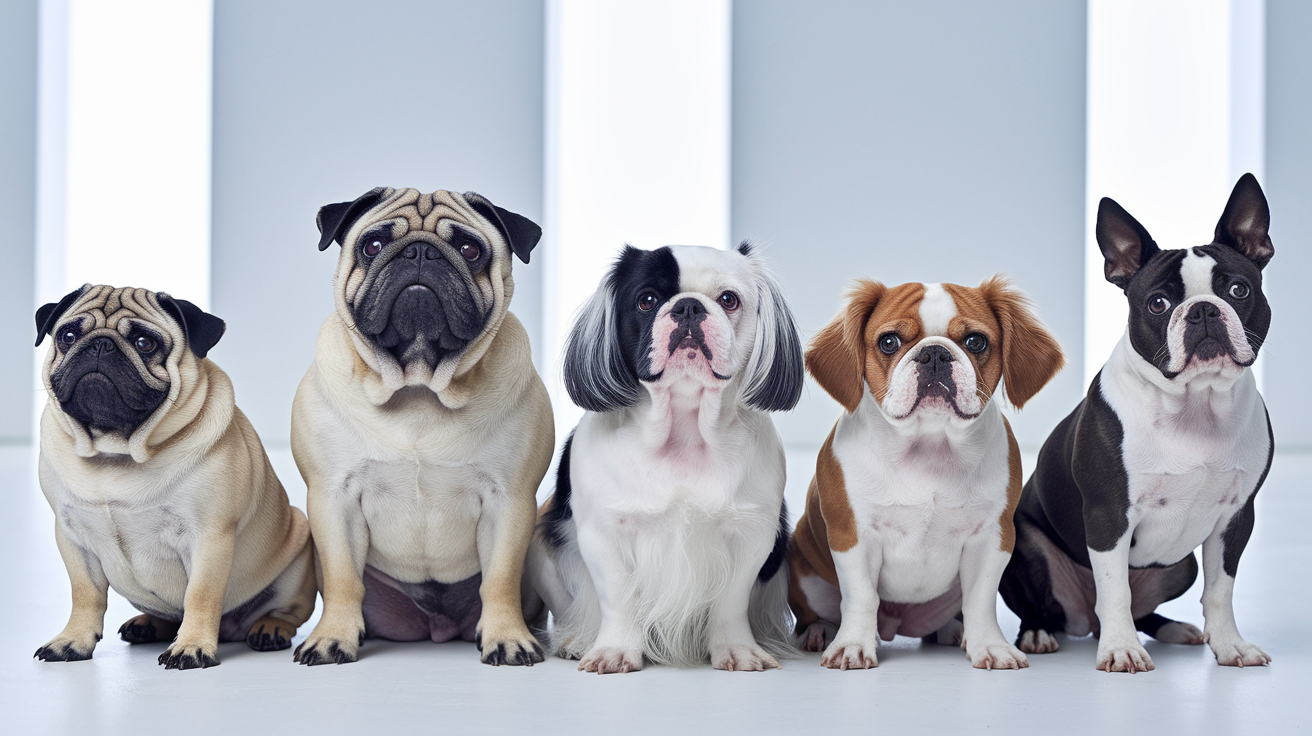
Brachycephalic breeds, Pugs, Bulldogs, Shih Tzu, Pekingese, and Boston Terriers, have shallow eye sockets and prominent eyeballs, which means less natural protection from wind, dust, and trauma. Their eyelids often don’t close completely during sleep, leading to exposure keratitis (drying and irritation of the cornea). These dogs also have a higher incidence of entropion, cherry eye, and corneal ulcers, so even mild redness can escalate quickly.
Cocker Spaniels, Lhasa Apsos, and other breeds with long facial fur are prone to hair irritating the eye surface and to blocked tear drainage. Chronic tearing creates damp fur that encourages yeast and bacterial growth, producing rust-colored stains and sometimes secondary skin infection. These breeds also show a genetic predisposition to keratoconjunctivitis sicca, which can start as intermittent redness and progress to thick discharge if not treated early.
Large breeds with loose facial skin, like Bloodhounds, Basset Hounds, and Saint Bernards, often develop ectropion, where the lower lid sags outward and exposes the conjunctiva. This leads to chronic irritation, dryness, and recurrent infections. In all these groups, routine grooming, early veterinary evaluation of any eye changes, and breed-specific preventive care reduce the risk of serious problems.
Breeds at higher risk:
- Pugs and Bulldogs (shallow sockets, exposure)
- Shih Tzu and Pekingese (prominent eyes, hair irritation)
- Cocker Spaniels (dry eye, tear staining)
- Bloodhounds and Basset Hounds (ectropion, sagging lids)
Preventing Future Episodes of Red, Watery Eyes

Start by controlling indoor air quality. Vacuum carpets and upholstered furniture at least twice a week to reduce dust mites, and wash your dog’s bedding in hot water weekly. Use a HEPA filter in rooms where your dog spends the most time, especially during pollen season, and keep windows closed on high-pollen days. Avoid smoking indoors or near your dog, and switch to unscented or low-VOC cleaning products and air fresheners.
Grooming plays a direct role in eye health. Trim fur around the eyes every few weeks so it doesn’t poke the cornea or trap debris, and wipe your dog’s face daily with a damp cloth to remove dust and pollen that settle on the fur. After outdoor walks in wooded or grassy areas, inspect the eyes for grass seeds, burrs, or small twigs, and flush with saline if you see any particles. If your dog swims, rinse their face and eyes with fresh water afterward to remove chlorine or lake bacteria.
Four prevention steps:
- Vacuum and wash bedding regularly to minimize dust and allergens.
- Keep facial fur trimmed and wipe the area daily.
- Inspect eyes after outdoor activity and flush with saline if needed.
- Schedule annual or twice-yearly veterinary exams to catch early changes in tear production or eyelid position.
Final Words
If you’re seeing dog eyes red and watery, this guide gave a quick triage: common causes (allergy, irritation, infection), how vets diagnose, and safe steps you can try at home.
For the next 24 hours gently clean with saline, cut exposure to smoke or strong smells, and watch discharge, squinting, and behavior closely. If you see cloudiness, thick colored pus, sudden vision change, or intense pain, get urgent care.
If dog eyes red and watery persist past 48 hours, call your vet with notes and photos. You’re taking the right steps.
FAQ
Q: What to do if my dog’s eye is red and watering?
A: If your dog’s eye is red and watering, check the discharge and gently wipe with a damp cloth or saline, prevent rubbing, and monitor for 24 hours and call a vet for thick discharge, cloudiness, squinting, or rapid worsening.
Q: Should I take my dog to the vet for a red eye?
A: You should take your dog to the vet for a red eye if you see thick colored discharge, cloudiness, persistent squinting, obvious pain, sudden vision change, blood in the eye, or if redness lasts more than 24 to 48 hours.
Q: Why is my dog’s only one eye red?
A: A single red eye in dogs often stems from local irritation, a foreign body, infection, corneal ulcer, or eyelid abnormality and monitor closely and seek veterinary care if there’s pain, colored discharge, cloudiness, or worsening signs.
Q: Can I give my dog Benadryl for itchy, watery eyes?
A: Giving Benadryl for itchy, watery eyes can help mild allergies but only with your vet’s approval and proper dose and it won’t treat infections, so call your vet for painful, thickly discharging, or rapidly worsening eyes.