

Does your cat’s breath ever make you pause, smelling like ammonia, sweet fruit, or rotten fish?
You’re not imagining it; about 70% of stinky cat breath comes from dental disease.
But different smells can point to very different problems, from simple tartar to kidney or liver issues.
This post walks through the top causes, clear warning signs, safe next steps at home, and when to call your veterinarian.
Read on so you can spot red flags early and help your cat get the right care.
Top Reasons Your Cat Has Bad Breath
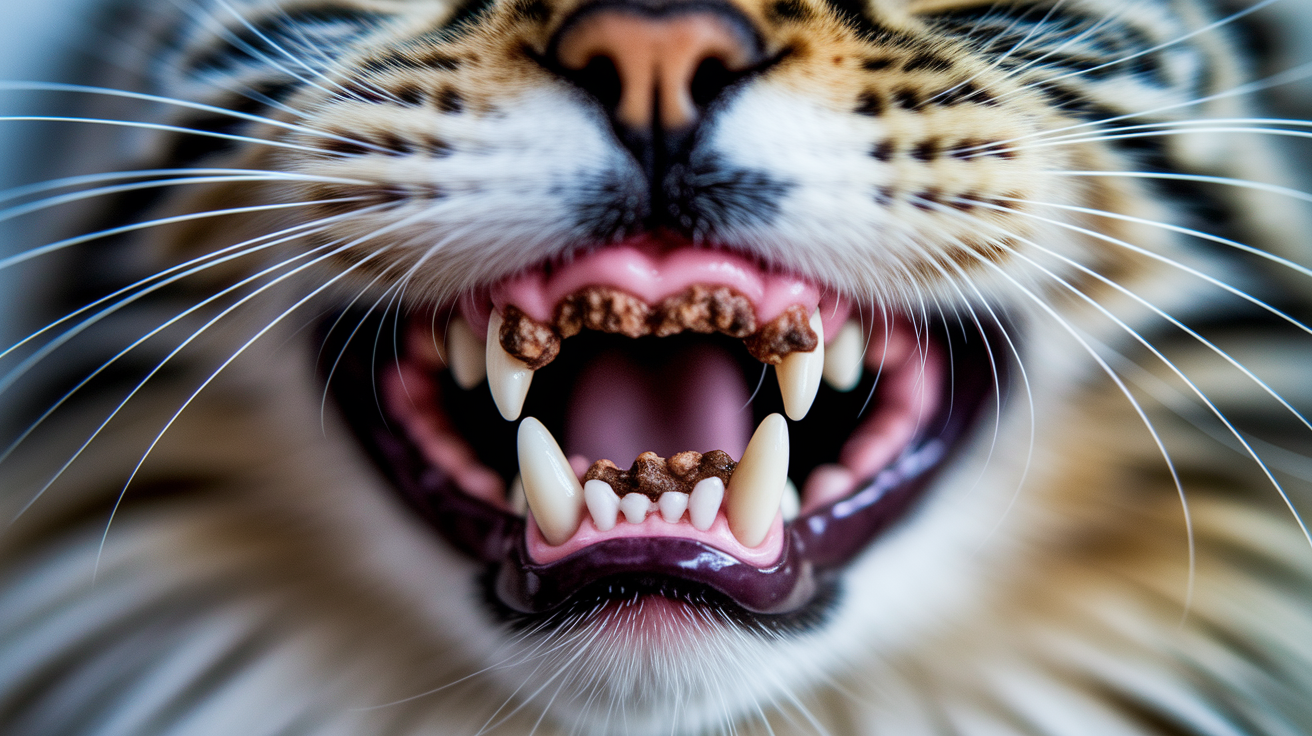
Periodontal disease sits at the top of the list. We’re talking about roughly 70% of all feline halitosis cases. Here’s what happens: plaque forms within hours after eating when bacteria cling to food particles, then it hardens into tartar if you don’t remove it. That tartar pushes under the gum line, triggering gingivitis, infection, and recession that exposes tooth roots and bone.
Medical and systemic causes shift breath odor beyond typical “pet mouth” smells. Kidney disease often produces an ammonia scent because waste products build up in the bloodstream and escape through the lungs. Diabetes can create a sweet or fruity odor from ketone buildup. Liver conditions may add a musty or foul note. Oral ulcers, abscesses, and gastrointestinal disorders round out the internal triggers.
Lifestyle and nutrition factors play a quieter but steady role. Cats fed only soft, wet diets may accumulate more residue between teeth compared to those who crunch dry kibble. Low quality ingredients can ferment faster in the mouth, and dehydration thickens saliva, reducing its natural rinsing effect.
Six clear cause categories:
Periodontal disease and gingivitis. Bacterial plaque mineralizes into tartar, inflaming gums and eroding bone around teeth.
Oral infections and abscesses. Pockets of pus from tooth root infections or puncture wounds release foul smelling bacteria.
Kidney disease. Reduced filtration allows urea to circulate and exit as ammonia scented breath.
Diabetes mellitus. Uncontrolled blood sugar leads to ketone production, giving breath a sweet or acetone smell.
Gastrointestinal disorders. Reflux, obstruction, or bacterial overgrowth can push stomach contents upward, creating sour or fecal odors.
Poor diet and oral hygiene. Sticky foods, lack of brushing, and inadequate chewing all let bacteria thrive on tooth surfaces.
Signs That Your Cat’s Bad Breath Signals a Bigger Problem
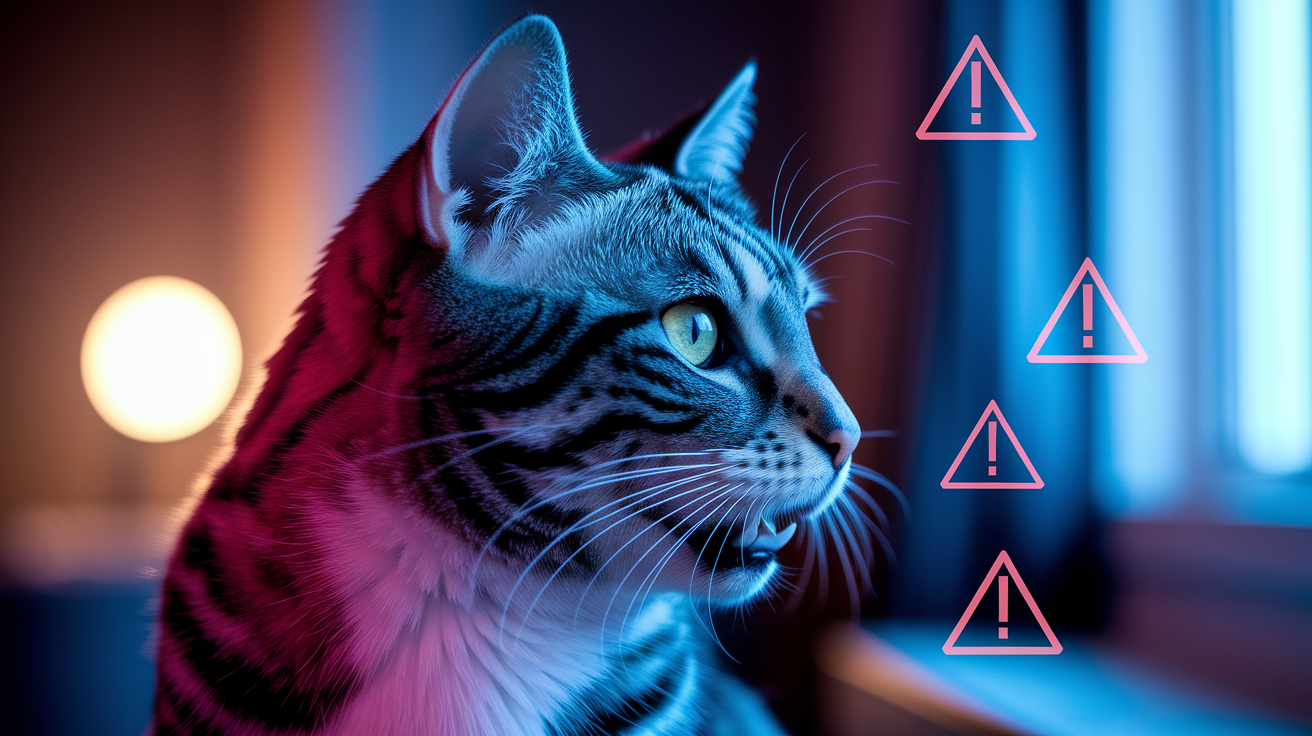
Dental and oral red flags show up around the mouth itself. Watch for drooling that seems heavier than usual, especially if it’s tinged pink or carries bits of blood. Cats may paw at their face, rub one side of the jaw on furniture, or suddenly refuse dry food while still licking at wet options. Gums that look bright red along the tooth line, bleed when touched, or show yellow brown crust are broadcasting active disease.
Systemic symptoms point to trouble beyond the teeth. An ammonia smell paired with increased water drinking and frequent urination suggests kidney function is declining. Sweet or fruity breath alongside weight loss despite normal eating often signals diabetes. Vomiting, lethargy, or yellowing of the gums and eye whites can indicate liver compromise or severe gastrointestinal upset.
Four urgent red flag signs:
Sudden refusal to eat. Especially if your cat approaches the bowl, sniffs, then walks away in apparent discomfort.
Visible swelling. A lump on the face, under the jaw, or inside the cheek may be an abscess ready to rupture.
Persistent vomiting or diarrhea. When paired with bad breath, this combination raises concern for metabolic crisis or toxin exposure.
Extreme lethargy or hiding. A normally social cat retreating for more than 24 hours while showing breath changes needs same day evaluation.
When You Should Bring Your Cat to the Veterinarian
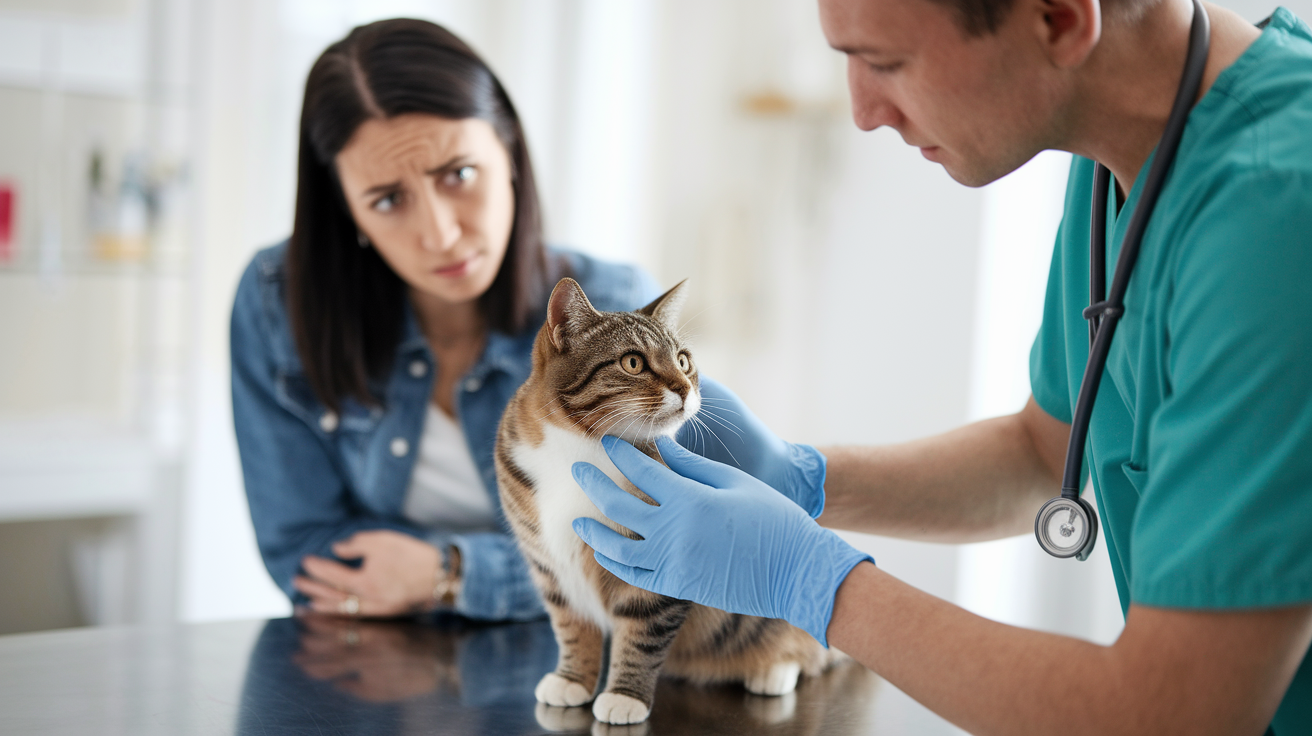
If bad breath lingers beyond 48 to 72 hours without improvement, schedule an appointment even if your cat seems otherwise normal. Odor that appears suddenly and smells unusually strong deserves same day attention. Sharp like ammonia, sweet like fruit, or rotten like decay all point to systemic disease or advanced infection.
Situational triggers compress that timeline further. A cat who stops eating, drops food from the mouth mid chew, or shows visible gum inflammation needs evaluation within 24 hours. Drooling that soaks the chest fur, pawing at the mouth repeatedly, or any swelling around the jaw or face should prompt an immediate call. Abscesses can spread infection into surrounding tissue and bone quickly.
During the exam, your veterinarian will lift the lips to inspect gum color, check for tartar buildup, probe gently for loose teeth, and look for ulcers, masses, or foreign objects wedged between molars. They’ll also palpate the jaw and neck for lumps, listen to your cat’s history of drinking and urination habits, and may take your cat’s temperature if infection is suspected.
How Vets Diagnose the Cause of Bad Breath
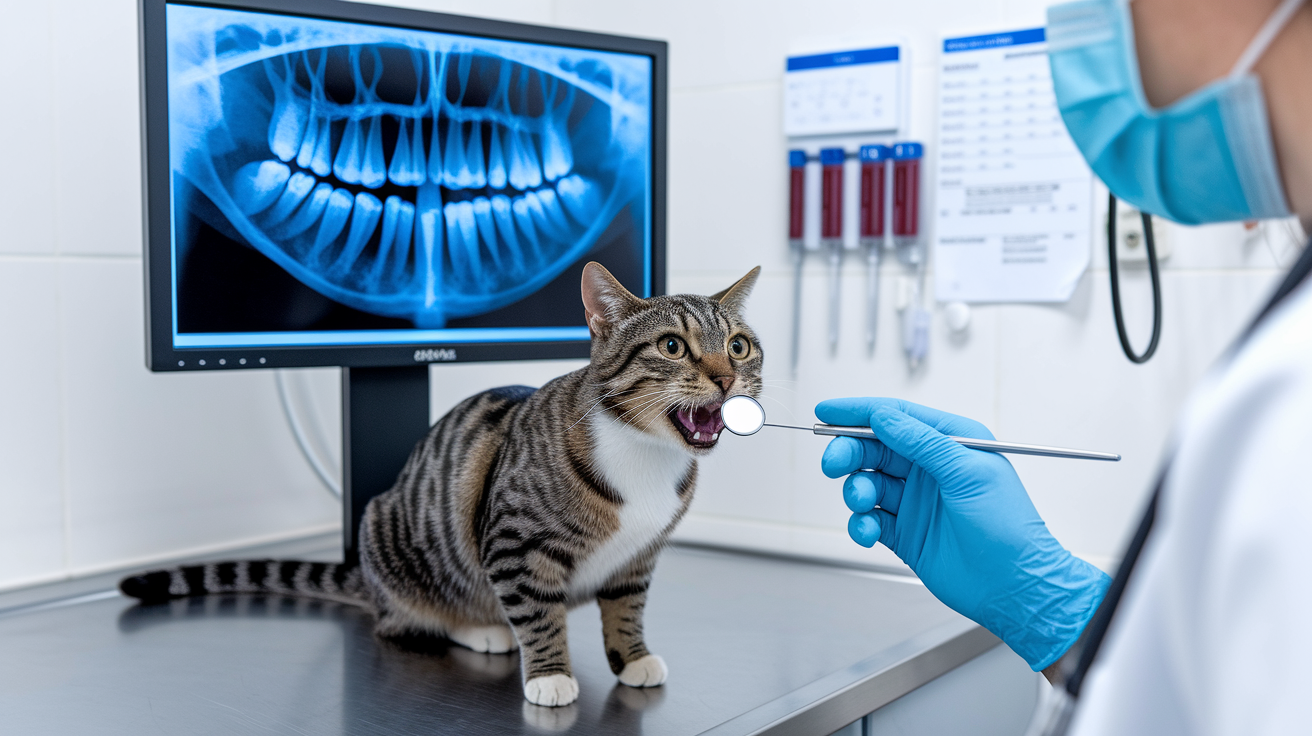
Oral inspection under light. The vet examines all visible tooth surfaces, gum margins, the tongue, palate, and back of the throat for redness, swelling, ulcers, or foreign material.
Dental X-rays. Often performed under sedation or anesthesia, these images reveal bone loss, tooth root abscesses, and hidden fractures that explain persistent odor even when crowns look intact.
Blood chemistry panel. Measures kidney values like creatinine and BUN, liver enzymes such as ALT and AST, and blood glucose to screen for systemic causes like renal disease, hepatic dysfunction, or diabetes.
Urinalysis. Checks urine concentration and protein levels, helping confirm kidney disease when bloodwork shows borderline elevations.
Follow-up evaluation. If initial tests are inconclusive, imaging such as abdominal ultrasound or endoscopy may be scheduled to investigate gastrointestinal sources or hidden masses.
Results guide the treatment path in a straightforward way. Clear dental disease with normal bloodwork leads to professional cleaning and possible extractions. Elevated kidney markers shift focus to supportive care, diet modification, and fluid therapy. High glucose with ketones in urine triggers diabetes management with insulin and monitoring. When infection is isolated to an abscess, targeted antibiotics and drainage resolve both the swelling and the smell.
Preventing Bad Breath in Cats
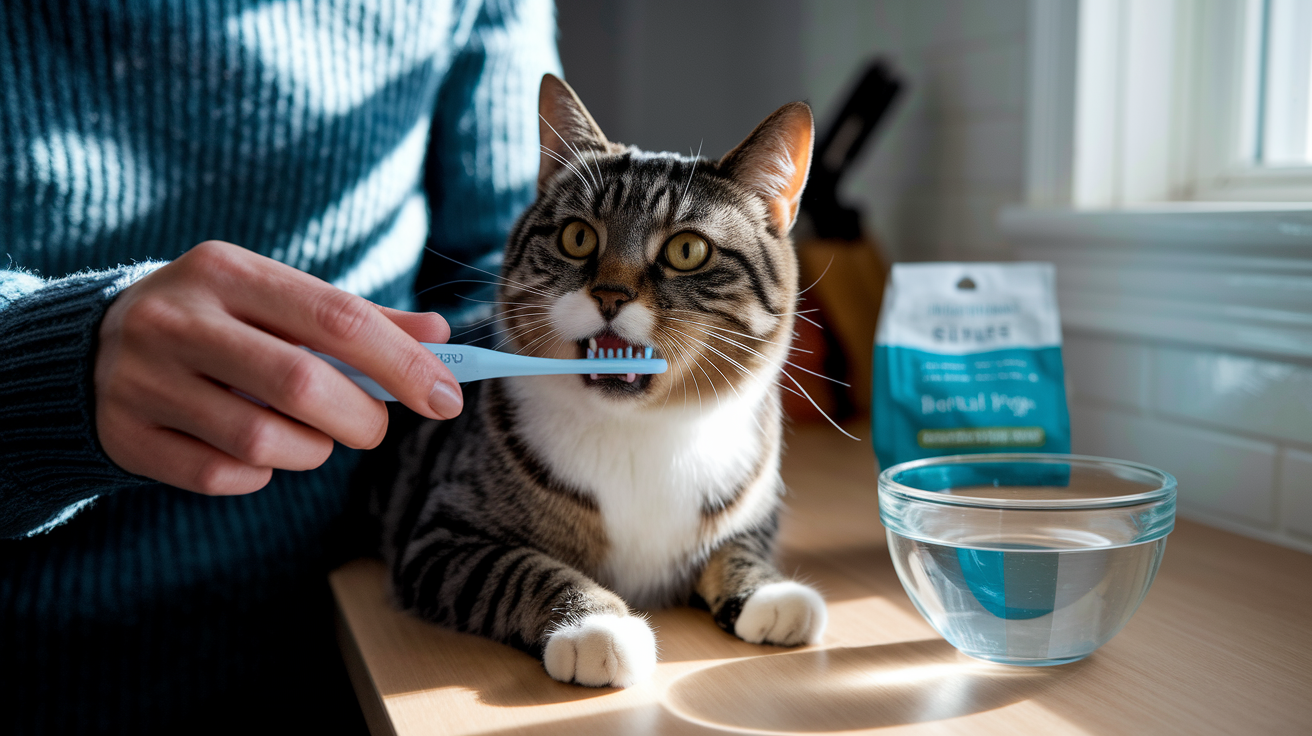
Routine dental care blocks the plaque to tartar cycle before it starts, and consistency matters more than perfection. Brushing even three times a week disrupts bacterial films enough to slow tartar formation, reduce gingivitis, and keep breath fresher between professional cleanings. Starting when your cat is young builds tolerance, but older cats can adapt if you introduce a finger brush or gauze pad gradually and pair each session with a favorite treat.
Diet and lifestyle factors shape oral health daily. Dry kibble provides mild abrasive action that wet food cannot, though it’s not a substitute for brushing. Fresh water encourages normal saliva flow, which rinses debris and dilutes bacteria. Avoid free feeding, since constant grazing gives plaque a steady fuel source, and choose high quality protein over fillers that ferment quickly in the mouth.
Six actionable prevention steps:
Brush teeth multiple times per week. Use a cat specific toothpaste, never human paste, and a soft bristle brush or finger sleeve.
Schedule annual professional cleanings. A veterinarian can scale under the gum line and polish surfaces you cannot reach at home.
Offer dental treats or toys. Look for products approved by the Veterinary Oral Health Council that mechanically reduce plaque.
Feed a balanced, high quality diet. Whole protein ingredients and controlled carbohydrates limit fermentation and support gum health.
Ensure constant access to clean water. Hydration keeps saliva flowing and prevents the dry mouth that concentrates odor causing bacteria.
Monitor your cat’s mouth monthly. Lift the lips to check gum color and look for new tartar, bleeding, or changes in tooth alignment.
Final Words
You’ve seen the main dental causes – plaque, gingivitis, and dental disease – and how they’re the most common reasons for bad breath.
We also covered medical issues like kidney or metabolic disease, key warning signs, when to see a vet, and how vets use exams, X-rays, and bloodwork to find the cause.
Finally, simple steps – brushing, professional cleanings, diet, dental treats, and more water – can make a big difference.
Keeping an eye on cat bad breath causes and acting early usually leads to better outcomes. You’re doing the right thing by paying attention and taking small steps.
FAQ
Q: How do you get rid of bad breath in cats?
A: Getting rid of bad breath in cats starts with dental care: brush daily with cat toothpaste, offer dental-friendly food or treats, keep fresh water available, and book a veterinary dental check if odor continues.
Q: What does it mean when your cat has stinky breath?
A: Stinky breath in a cat often signals dental disease or an oral infection, and can also point to metabolic issues like kidney disease or diabetes—note the smell and talk to your vet if it’s strong or sudden.
Q: Should I take my cat to the vet for bad breath?
A: You should take your cat to the vet for bad breath if it lasts more than 48–72 hours, or comes with pain, eating changes, drooling, weight loss, or ammonia- or sweet-smelling breath.
Q: What does a cat’s breath smell like with kidney failure?
A: A cat’s breath with kidney failure often smells like ammonia or urine; it’s a strong urine-like odor and usually appears with lethargy, reduced appetite, or vomiting—seek veterinary care promptly.