

Is your dog really vomiting, or just bringing up undigested food?
Seeing whole kibble or a slick, tube-shaped piece of food can feel alarming.
Often it’s regurgitation (food that comes back up before the stomach has a chance to work), not true vomiting.
This post walks you through common causes like eating too fast and esophagus problems, what to try safely at home, how to monitor your dog, and the specific red flags that need a vet.
By the end you’ll know what to do next.
What It Means When a Dog Brings Up Undigested Food
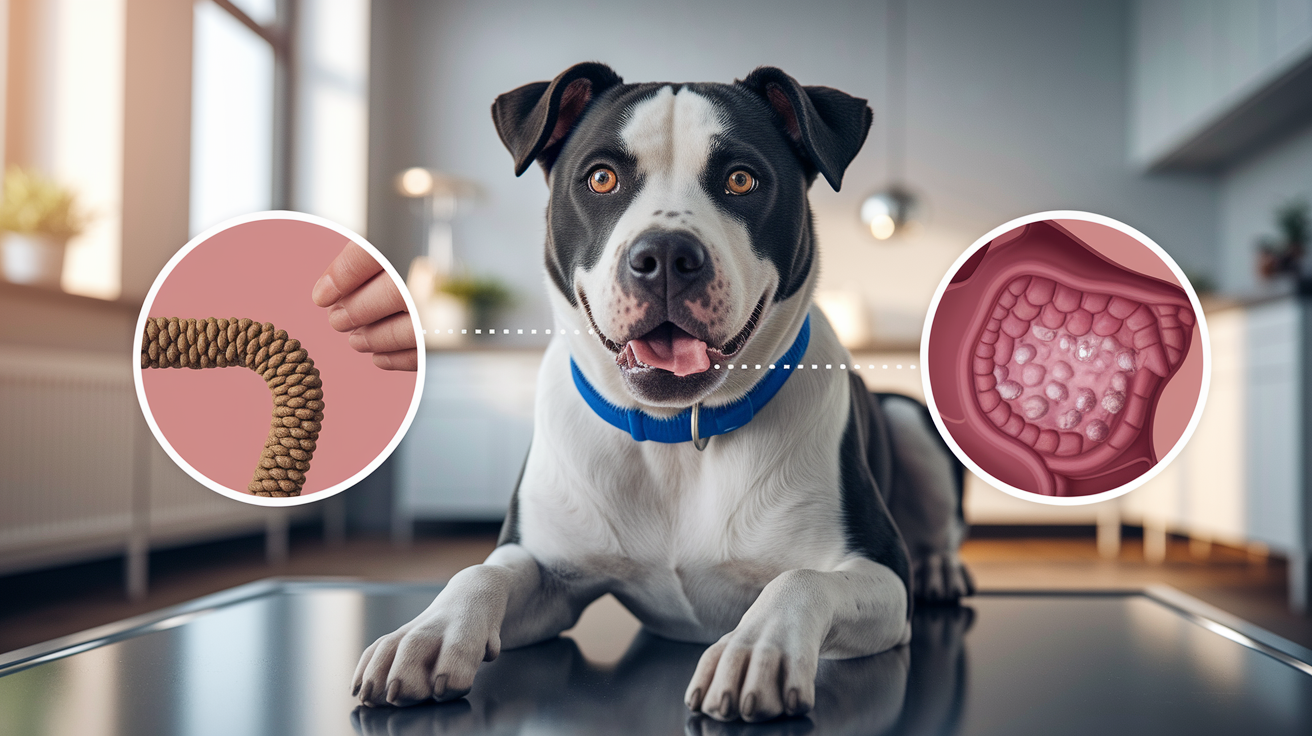
When you see your dog expel whole, unchanged food minutes after eating, you’re usually watching regurgitation, not true vomiting. The food comes back up before stomach acid has had any chance to work on it, so it looks slick, intact, and sometimes shaped like a tube from the esophagus. “Before I learned the difference, I thought my dog was vomiting every morning. Turns out, she was regurgitating because she ate too fast.”
True vomiting is an active process. Your dog’s abdomen heaves, you might hear retching, and the material that comes up is often mushy, partially digested, and may be tinged yellow or green from bile. Regurgitation, on the other hand, is passive and typically happens soon after eating. The food appears undigested, slick with saliva, and there’s little to no smell of stomach acid.
Most single episodes of regurgitation aren’t emergencies, but certain signs mean you need to act fast. Watch for:
Repeated attempts to vomit or regurgitate with little or nothing coming up, especially if the abdomen looks swollen or tight (possible bloat)
Blood in the expelled material or a coffee ground appearance
Collapse, severe lethargy, uncoordinated movements, or signs of shock
If you see any of these, contact your vet or an emergency clinic right away.
How the Digestive Tract Contributes to Food Being Brought Back Up
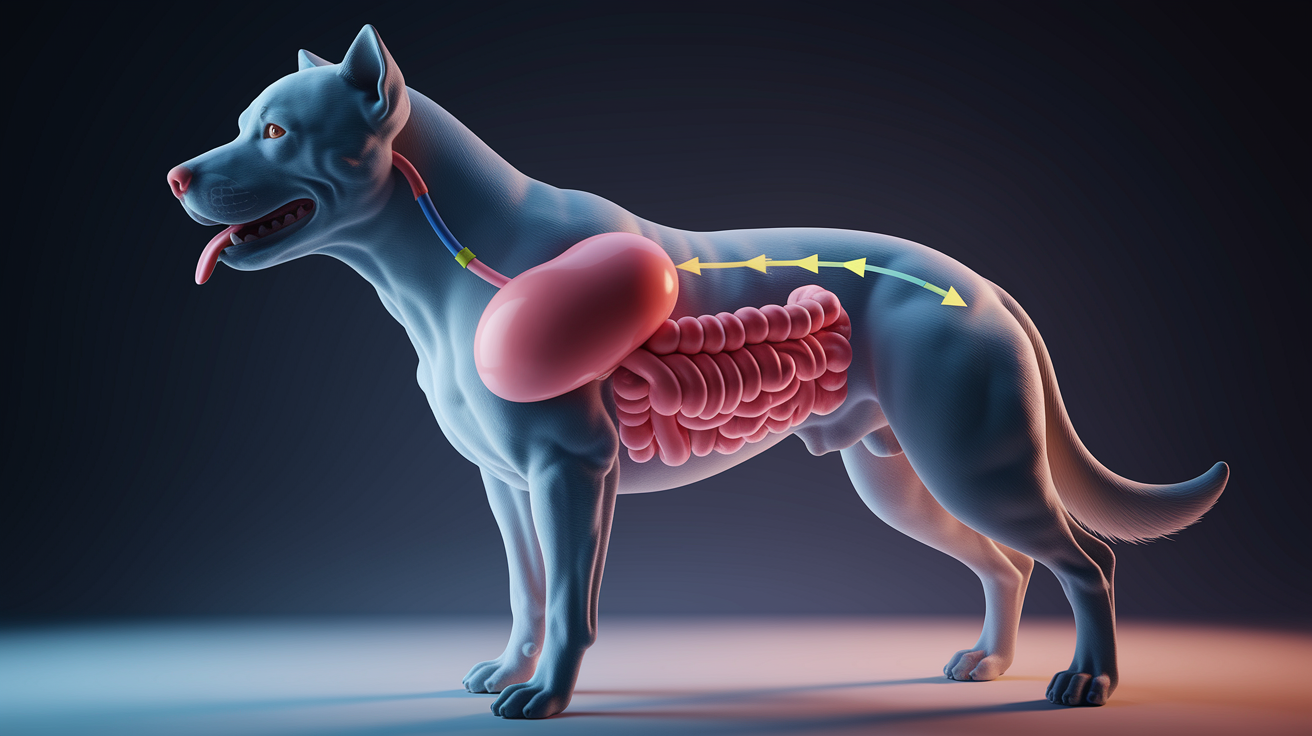
Digestion starts the moment your dog chews. Food travels down the esophagus, a muscular tube that uses rhythmic contractions to push kibble into the stomach. Once in the stomach, strong acids and enzymes break down proteins and fats. From there, partially digested material moves into the small intestine for nutrient absorption, and finally into the large intestine, where water is removed and waste is formed.
When something disrupts this path, undigested food can come back up. Esophageal problems prevent food from reaching the stomach in the first place. Stomach issues, like delayed emptying or inflammation, can send food back before digestion begins. Even problems further down, in the intestines, can trigger nausea and vomiting that includes undigested or barely processed material.
| Location Affected | Resulting Issue |
|---|---|
| Esophagus | Regurgitation of intact food, often tube-shaped; no digestion occurs |
| Stomach | Delayed emptying or inflammation; food may be expelled before acid breaks it down |
| Small Intestine | Blockage or irritation triggers nausea; partially digested material may be vomited |
| Large Intestine | Backup or inflammation can cause systemic nausea, though vomiting is less direct |
Common Reasons for a Dog Bringing Up Undigested Food
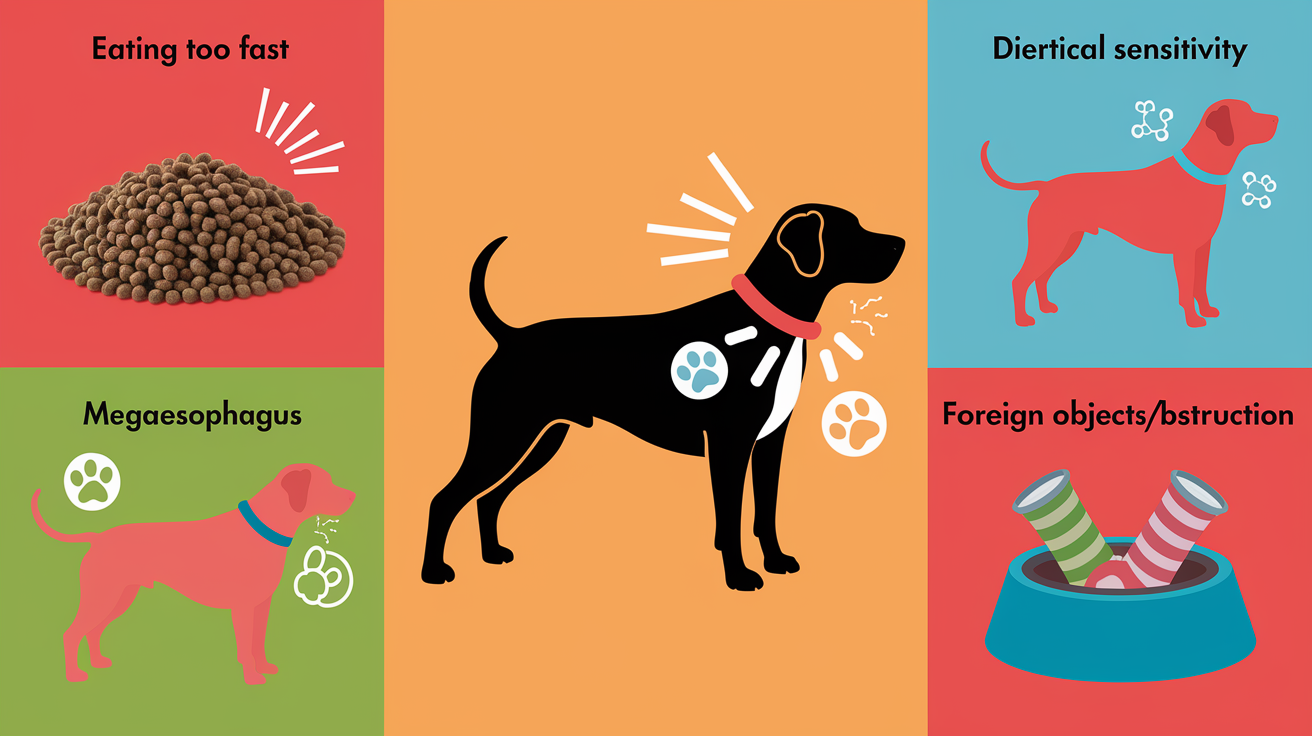
Eating Too Fast
Fast eaters gulp air along with kibble, and large, unchewed pieces hit the stomach all at once. The stomach can’t handle the load, or the esophagus simply can’t keep up, so food comes back up intact. This is especially common in multi-dog households where competition drives rapid eating. “My Lab used to inhale his dinner in under 30 seconds. The moment I switched to a slow feeder bowl, the regurgitation stopped.”
Dietary Sensitivity or Food Allergies
Some dogs react to specific proteins or additives in their food. Common triggers include chicken, pork, beef, soy, and wheat. The reaction might not be a full allergy, just enough irritation to upset the stomach or esophagus, leading to regurgitation or vomiting shortly after meals. If you notice a pattern with certain foods, keep a simple log of what your dog eats and when symptoms appear.
Megaesophagus
This is a condition where the esophagus loses its ability to contract and push food into the stomach. Food sits in the dilated esophagus and eventually comes back up, completely undigested. Dogs with megaesophagus often regurgitate within minutes of eating, and the food looks exactly as it did in the bowl. Diagnosis requires imaging, usually x-rays or a contrast study. Management focuses on feeding your dog upright, using gravity to help food reach the stomach.
Gastritis and Digestive Irritation
Gastritis means inflammation of the stomach lining, often caused by spoiled food, a sudden diet change, or ingestion of something irritating like grass or dirt. The stomach becomes sensitive and may expel food before it’s fully processed. You might also see signs like lip licking, drooling, or a hunched posture.
Foreign Objects and Obstruction
Dogs swallow things they shouldn’t. Rocks, toys, socks, sticks. If a foreign object lodges in the esophagus or stomach, it can block normal digestion and cause regurgitation or vomiting of undigested food. Early warning signs include repeated attempts to swallow, drooling, pawing at the mouth, or sudden loss of appetite. Any suspected foreign body ingestion is an emergency.
Bloat/GDV Risk
Bloat, or gastric dilatation volvulus, is a life threatening emergency most common in large, deep chested breeds. The stomach fills with gas and can twist on itself. Early signs include retching with little or nothing coming up, a swollen or tight abdomen, excessive drooling, restlessness, and rapid breathing. If you see these signs, get to an emergency vet immediately. Every minute counts.
Health Conditions That Can Lead to Vomiting of Undigested Food
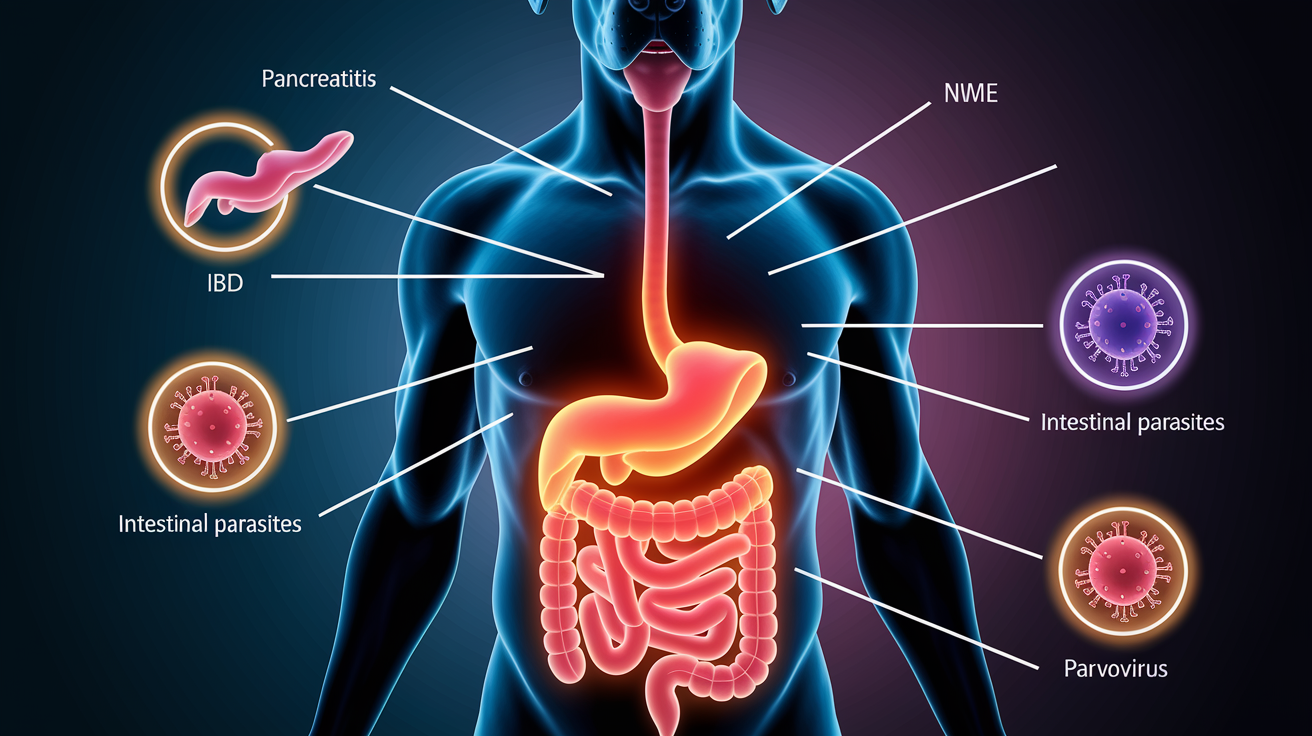
Systemic illnesses can disrupt digestion at multiple points, leading to vomiting that includes undigested or barely processed food. Pancreatitis, for example, causes severe inflammation that impairs the digestive process and often presents with vomiting, diarrhea, abdominal pain, and loss of appetite. Inflammatory bowel disease (IBD) creates chronic inflammation in the GI tract, making it difficult for the stomach and intestines to process food normally.
Parasites are another common culprit. Intestinal worms, roundworms, hookworms, whipworms, and giardia can all cause vomiting, diarrhea, weight loss, and a poor coat. Bacterial infections and viral illnesses, such as parvovirus, hit the digestive system hard, often causing severe, repeated vomiting and diarrhea, especially in puppies or unvaccinated dogs.
Pancreatitis: inflammation of the pancreas; causes vomiting, abdominal pain, and poor digestion
Inflammatory Bowel Disease (IBD): chronic GI inflammation; leads to recurring vomiting and diarrhea
Intestinal Parasites: worms like roundworms, hookworms, whipworms; cause vomiting, diarrhea, weight loss
Giardia: single celled parasite; produces soft stool, vomiting, and dehydration
Bacterial Infections: can inflame the stomach and intestines; often accompanied by fever
Parvovirus: severe viral infection; common in puppies; causes bloody diarrhea and repeated vomiting
What Vomit Appearance Can Reveal About Your Dog’s Health

The color, texture, and content of what your dog brings up offer important clues. Clear fluid usually means normal stomach secretions or water. Yellow or green material indicates bile, which comes from the small intestine and suggests the stomach has been empty for a while or that digestion has moved past the stomach stage.
White foam often signals an irritated, empty stomach. It’s common first thing in the morning or between meals. Bloody vomit or material that looks like coffee grounds is a red flag for internal bleeding and requires immediate veterinary attention.
Here’s a quick reference:
Clear or watery: stomach fluid; not necessarily alarming on its own
Yellow or green (bile): suggests the stomach is empty or food has moved into the intestines
White foam: irritation, often from an empty stomach or excess acid
Bloody or coffee ground appearance: possible internal bleeding; urgent vet evaluation needed
Warning Signs When Vomiting Undigested Food Requires Immediate Veterinary Attention
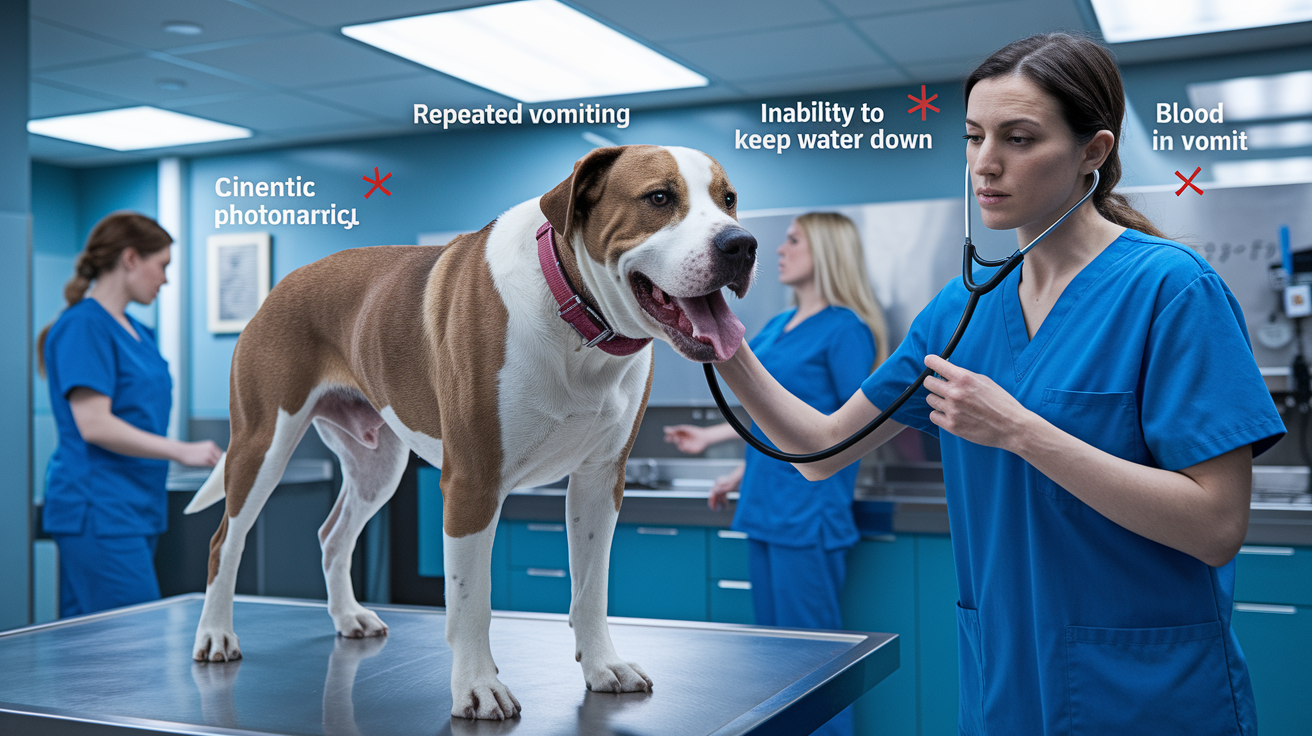
A single episode of regurgitation in an otherwise healthy, active dog often resolves on its own. But certain symptoms mean you need to stop monitoring and call your vet or head to an emergency clinic.
Watch for these urgent signs:
Repeated vomiting or regurgitation, more than two or three episodes in a few hours, or ongoing throughout the day.
Inability to keep down water, your dog drinks and immediately brings it back up.
Blood in the vomit or coffee ground appearance, signals possible internal bleeding.
Distended, tight, or painful abdomen, especially if paired with retching without producing material; these are classic bloat signs.
Severe lethargy, weakness, or collapse, your dog can’t stand or won’t respond normally.
Suspected toxin or foreign object ingestion, if you saw your dog eat something dangerous, don’t wait for symptoms to worsen.
High fever, continuous diarrhea, or signs of dehydration, dry gums, sunken eyes, skin that doesn’t snap back when gently pinched.
If any of these apply, contact your veterinarian right away. When in doubt, err on the side of caution and make the call.
Home Care Steps for a Dog Vomiting Undigested Food

For a single, isolated episode in a dog who otherwise seems normal, you can try short term home care. First, remove all food for at least 12 hours to let the stomach settle. Puppies and very small dogs should fast for shorter periods. Check with your vet if you’re unsure. Offer small amounts of water every couple of hours. If your dog keeps the water down and seems comfortable, you can move to the next step.
After the fasting period, offer a bland diet. Plain boiled chicken (no skin, no seasoning) mixed with plain white rice is a safe starting point. Give a small portion, about a quarter of a normal meal. If that stays down for a few hours, offer another small portion. Keep meals small and frequent for the next 24 hours. If vomiting returns, stop and call your vet.
Once your dog has kept down bland food for a full day, gradually reintroduce regular food over the next two to three days. Mix a little regular kibble with the bland diet, increasing the ratio each day. Don’t keep your dog on a bland diet long term, it’s not nutritionally complete.
Here’s the home care protocol:
Remove food for 12 hours (shorter for puppies; consult your vet).
Offer small amounts of water every couple of hours; monitor for further vomiting.
Introduce bland diet after fasting, plain boiled chicken and white rice in small portions.
Feed small, frequent meals for 24 hours; watch for return of symptoms.
Gradually reintroduce regular food over two to three days, mixing in increasing amounts of normal kibble.
If symptoms return at any point, stop and contact your veterinarian.
Feeding and Lifestyle Adjustments to Prevent Vomiting of Undigested Food
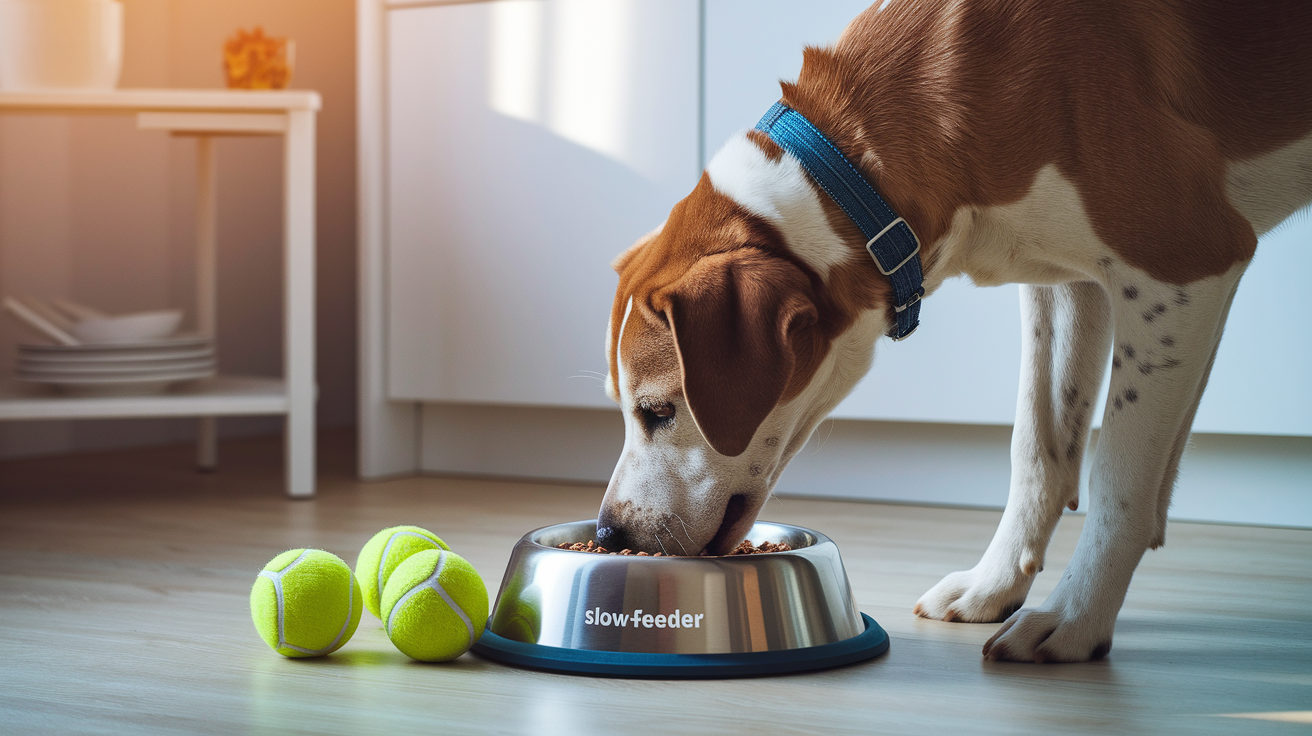
Simple changes to how and when you feed your dog can reduce or eliminate regurgitation episodes. Slow feeder bowls or puzzle feeders make fast eaters work for each bite, cutting down on air swallowing and large, unchewed pieces. If you don’t have a slow feeder, try placing three or more tennis balls in a deep bowl (only if your dog won’t try to chew or swallow them). This forces your dog to eat around the balls, slowing the pace. “I put two tennis balls in my dog’s bowl, and regurgitation went from daily to never.”
Feed smaller, more frequent meals instead of one or two large ones. A dog who eats a huge amount at once is more likely to bring it back up. Avoid exercise immediately before or after meals. Let your dog rest for at least an hour after eating, especially if they’re a large or deep chested breed at risk for bloat.
When switching foods, transition gradually over seven to 10 days. Start by mixing about 25% new food with 75% old food, then increase the new food portion every couple of days. Abrupt changes can irritate the stomach and trigger vomiting or regurgitation.
Practical adjustments to try:
Use a slow feeder bowl or puzzle feeder to reduce gulping
Feed smaller, more frequent meals throughout the day
Allow at least an hour of rest before and after meals
Transition to new foods slowly over 7 to 10 days
Reduce stress around mealtime, separate dogs if competition is an issue
For dogs with megaesophagus, feed in an upright position and keep them upright for 10 to 15 minutes after eating
| Adjustment | Benefit |
|---|---|
| Slow feeder bowl or puzzle feeder | Reduces gulping, air swallowing, and large unchewed pieces |
| Smaller, more frequent meals | Prevents overload of the stomach; easier digestion |
| Rest period before/after meals | Lowers bloat risk; allows stomach to process food without stress |
| Gradual food transitions (7–10 days) | Minimizes digestive upset from sudden diet changes |
Final Words
If your dog brings up undigested food, this guide walked you through why that happens, how to tell vomiting from regurgitation, common causes, what the vomit can look like, and the clear emergency signs to watch for.
Start with low-risk home steps: remove food for 12 hours, offer small amounts of water, try a bland meal if things improve, and use slow-feeding habits to prevent repeats. Monitor for 24 to 48 hours and note vomiting frequency, energy, appetite, and stool.
If you’re dealing with dog vomiting undigested food and see repeated vomiting, blood, severe lethargy, or a swollen belly, call your vet right away. With early care and simple feeding changes, many dogs get better.
FAQ
Q: What home remedy can I give my dog for throwing up undigested food?
A: A safe home remedy is to withhold food for 12 hours, offer small sips of water, then give tiny bland meals (boiled chicken and rice). Call your vet for repeated vomiting, blood, or severe lethargy.
Q: What does kidney failure vomit look like in dogs?
A: Vomit from kidney failure can look sour, yellow or brown, sometimes with blood, and may smell strongly of ammonia. Watch for increased drinking, weakness, or less pee and call your vet urgently.