

Think your cat’s itching always means outdoor pollen? Think again.
Indoor triggers like dust mites, mold, and scented cleaners live in your home every day and can cause steady, year-round problems.
Outdoor culprits, like tree and grass pollen, fleas, and lawn chemicals, tend to flare with the seasons and come on fast.
This post breaks down the key differences, points to the specific signs that hint at indoor versus outdoor causes, and gives clear, practical next steps you can try at home.
You’ll learn what to check, what to track, and when to call your veterinarian.
Key Differences Between Indoor vs Outdoor Allergens for Cats

Indoor allergens surround your cat every single day. Dust mites, mold spores, synthetic fabrics, household cleaners. They’re in carpets, furniture, bedding, even air vents. Your cat breathes them, touches them, and because there’s no escape, symptoms often turn chronic and year round. Outdoor allergens work differently. Tree pollen, grass pollen, weed pollen, insect bites, outdoor molds. They come and go with the seasons. Spring means tree pollen, late spring and summer bring grass pollen, ragweed peaks in late summer and fall. A single flea bite can make a sensitive cat miserable for weeks, whether that flea hitched a ride indoors or attacked outside.
Most cats show skin symptoms. Itching, overgrooming, redness, small raised bumps, hair loss. Some also sneeze, get watery eyes, or develop ear infections. When symptoms flare every spring or fall, pollen’s often the culprit. When your cat scratches and licks year round, indoor allergens are more likely. Fleas can cause sudden, intense itching at the base of the tail or along the back, and that reaction happens indoors or outdoors depending on where the flea found your cat.
Some cats react more to constant indoor exposures because they never get a break. Dust mites don’t take vacations. Mold stays active in damp basements all year. Other cats suffer seasonal spikes from outdoor allergens, especially if they roam during pollen peaks or live in areas with high insect activity. Individual sensitivity determines which environment causes more trouble, but both types of allergens can overlap when pollen drifts indoors or fleas establish in carpets.
| Allergen Type | Common Sources | Typical Seasonality | Severity Pattern |
|---|---|---|---|
| Indoor | Dust mites, indoor mold, cleaning products, dander, synthetic bedding | Year-round | Chronic, persistent low-to-moderate symptoms |
| Outdoor (Pollen) | Tree, grass, and weed pollen | Spring, late spring–summer, late summer–fall | Seasonal flares, can be intense |
| Outdoor (Insects) | Fleas, mosquitoes, ants | Spring–fall (fleas year-round in warm climates) | Sudden, severe reactions possible from single exposure |
| Outdoor (Molds) | Decomposing leaves, wet mulch, soil fungi | Spring, fall, wet seasons | Variable; spikes after rain or in humid periods |
| Outdoor (Chemicals) | Lawn fertilizers, herbicides, pesticides | Spring–summer (application seasons) | Acute contact reactions, skin irritation |
Common Indoor Allergens for Cats and Where They Come From

Dust mites are microscopic and they thrive in carpets, upholstery, and bedding, especially when indoor humidity climbs above 50%. They feed on shed skin cells, so anywhere your cat sleeps or rests becomes a dust mite hotel. Indoor mold grows in basements, bathrooms, around leaky windows, under sinks. Any spot where moisture lingers for more than 24 to 48 hours. Both dust mites and mold produce particles small enough to float in the air and settle on your cat’s fur and paws, triggering skin irritation, itching, and sometimes respiratory signs.
Household cleaning products, laundry detergents, fabric softeners, scented candles, plug in air fresheners. They release volatile organic compounds (VOCs) and fragrances. Cats walk across freshly mopped floors, lie on laundered blankets, and groom themselves afterward, ingesting or absorbing chemical residues. Even “green” or “natural” products can irritate sensitive cats. Pet dander, tiny flakes of skin shed by other animals in the home, adds another layer. In multi pet households, cats can react to proteins in dog dander or dander from other cats, creating a cycle of chronic low level exposure.
Six common indoor allergen sources:
Carpets and rugs trap dust mites, dander, mold spores, and flea eggs.
Upholstered furniture holds dust mites, synthetic fibers, and accumulated dander.
Bedding (human and pet) creates a warm, high humidity environment for dust mites and holds laundry product residues.
Basements and bathrooms are damp areas where mold spores flourish.
Air vents and HVAC systems circulate dust, mold spores, and pollen brought in from outside.
Cleaning and laundry products leave residues on floors, surfaces, and fabrics while releasing airborne VOCs.
Outdoor Allergens for Cats and Seasonal Exposure Patterns

Outdoor allergens shift with the calendar and the weather. Tree pollen peaks in early spring, March through May in most regions, when oak, birch, cedar, and maple trees release massive amounts of pollen into the air. Grass pollen takes over in late spring and summer, and weed pollen, especially ragweed, surges in late summer and early fall, roughly August through October. Outdoor molds grow in decomposing leaves, wet mulch, compost piles, and damp soil, spiking after rain or in humid seasons. Cats who dig, sniff, or roll in garden beds encounter these mold spores directly.
Pollen exposure depends on wind, rain, and temperature. Dry, breezy days send pollen counts soaring. A rainstorm temporarily washes pollen out of the air, giving sensitive cats a short break. Cats with outdoor access pick up pollen on their fur, paws, and whiskers, then groom it into their mouths and skin. Even indoor cats aren’t safe. Pollen drifts through open windows and clings to your shoes and clothing.
Insect bites are another major outdoor trigger. Fleas are the top concern. A single flea bite injects saliva that can trigger intense, long lasting itching in a flea allergic cat. Fleas thrive in warm months but can survive indoors year round once they establish in carpets and bedding. Mosquitoes and ants are more common in summer, and some cats develop localized swelling or hives after bites. Lawn treatments, fertilizers, herbicides, and pesticides, create contact exposures when cats walk through treated grass or soil, leading to paw irritation, licking, and redness.
Seasonal Pollen Patterns
Tree pollen peaks first, usually March through May. If your cat sneezes and scratches more in early spring, trees are a likely trigger. Grass pollen follows in late spring and summer, roughly May through July, depending on your region. Weed pollen, especially ragweed, dominates late summer and fall, August through October. Tracking your cat’s symptom calendar alongside local pollen forecasts helps pinpoint the outdoor allergen causing flares.
Comparing Indoor vs Outdoor Allergy Symptoms in Cats

Skin signs dominate in most allergic cats. Itching, overgrooming, redness, small raised bumps, focal hair loss, and crusting appear whether the trigger is indoors or outdoors. Cats with flea allergy dermatitis often scratch intensely at the base of the tail, lower back, and hind legs. Indoor allergens like dust mites and mold tend to cause more generalized, year round itching and patchy hair loss. Outdoor pollen and grass exposures can create sudden flares. Your cat seems fine one week, then starts scratching nonstop when pollen counts spike.
Respiratory and eye signs are less common but still happen. Sneezing, nasal discharge, watery eyes, and conjunctivitis can be triggered by pollen, mold spores, or household cleaning products. Cats with underlying asthma may wheeze or cough more during pollen season or after exposure to strong scented cleaners. Tracking when symptoms start and stop helps distinguish indoor vs outdoor triggers. Year round sneezing points to dust mites or indoor mold. Seasonal sneezing that matches local pollen peaks suggests outdoor allergens.
Five symptoms that help differentiate indoor vs outdoor triggers:
Year round itching and hair loss suggests constant indoor exposure (dust mites, mold, dander, synthetic fabrics).
Seasonal flares (spring or fall) point to outdoor pollen or outdoor mold spikes.
Intense itching at the base of the tail is classic for flea allergy dermatitis. Fleas can be indoor or outdoor.
Sneezing and watery eyes that worsen in certain rooms indicate localized indoor allergen (mold in basement, cleaning product residue).
Sudden skin redness after outdoor time suggests contact with lawn chemicals, grasses, or insect bites.
Diagnosing Cat Allergies: Indoor vs Outdoor Trigger Identification

Diagnosis starts with a detailed history. Your veterinarian will ask when symptoms began, whether they’re year round or seasonal, what changed in your home or yard, and whether other pets are affected. Keeping a symptom log for two to four weeks, noting daily itching intensity, grooming frequency, and any new products or outdoor exposures, gives your vet concrete patterns to analyze. Seasonal flares suggest outdoor allergens. Constant symptoms point indoors.
Allergy testing comes in two main forms: serum IgE blood tests and intradermal skin tests. Serum tests measure antibodies to specific allergens in a blood sample. Intradermal tests inject tiny amounts of allergens under the skin to see which ones cause a reaction. Both cost roughly $150 to $400, depending on your clinic and region. Testing identifies exactly which pollens, molds, dust mites, or other allergens your cat reacts to, helping you target environmental controls and, if needed, customize immunotherapy.
Elimination trials help rule out food allergies and isolate environmental triggers. You might switch to unscented laundry detergent, remove carpets from one room, run a HEPA air purifier, or limit outdoor time during peak pollen weeks, then watch for improvement over four to eight weeks. Food allergies require a strict prescription or novel protein diet trial for eight to twelve weeks. Most allergic reactions develop after repeated exposures, not the first contact, so sudden new symptoms after a recent change, new cleaner, new bedding, new lawn treatment, are strong clues.
Six things to track when identifying allergen sources:
Daily symptom intensity. Rate itching, licking, sneezing on a 1–10 scale each day.
Timing and seasonality. Note whether symptoms are year round, spring only, summer only, or fall only.
Location of itching. Track whether it’s generalized, focused on paws, or concentrated at the tail base.
Recent environmental changes. New cleaning products, new pet bed, carpet cleaning, lawn treatment, remodeling.
Outdoor exposure. How much time your cat spends outside and whether symptoms worsen after outdoor time.
Response to trial changes. Document improvement or worsening after switching detergent, adding air purifiers, or limiting outdoor access.
Prevention Strategies for Reducing Indoor vs Outdoor Allergen Exposure
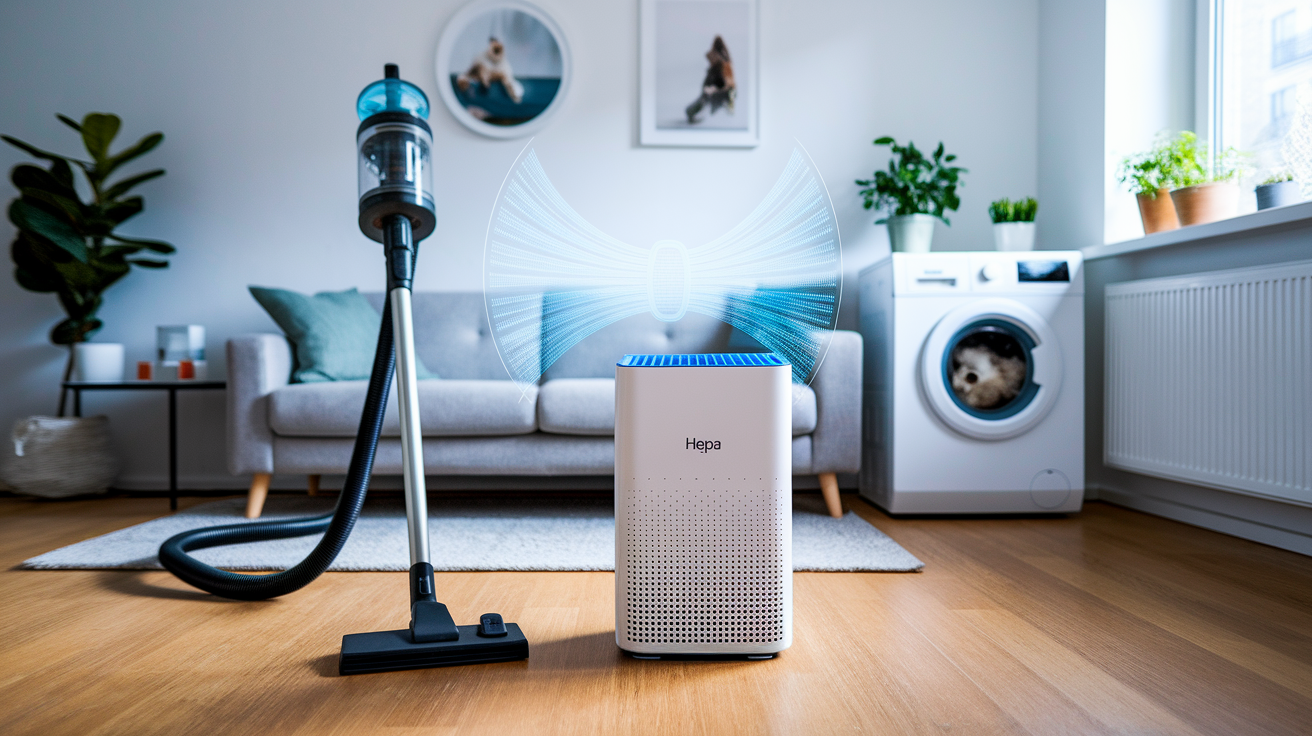
Indoor allergen control centers on air quality, humidity, and cleaning frequency. Run a HEPA air purifier sized for your main living area continuously, aiming for four to eight air changes per hour. Replace or upgrade your HVAC filter to MERV 8–13 and change it every three months. Keep indoor humidity below 50% using a dehumidifier in damp areas like basements. Vacuum carpets and upholstery one to two times per week with a HEPA filter vacuum. Wash your cat’s bedding and any blankets they use in hot water, at least 60°C (140°F), once a week to kill dust mites and remove accumulated dander.
Outdoor allergen reduction requires timing and barrier strategies. Limit your cat’s outdoor time during local pollen peaks. Early morning and late afternoon are often worst. Keep windows closed on high pollen days. After outdoor time, wipe your cat’s fur and paws with a damp cloth or grooming wipes to remove pollen before they groom themselves. Avoid letting your cat roam through freshly treated lawns or gardens. If you use fertilizers or herbicides, keep your cat indoors until the product has dried completely and rain or irrigation has washed residues into the soil.
For cats with both indoor and outdoor access, combine strategies. Vacuum daily if possible, run air purifiers, maintain flea prevention year round, and establish a quick paw wipe routine at the door. If your cat’s symptoms are severe, consider restricting outdoor access during peak allergy seasons and creating an enriched indoor environment with vertical space, toys, and puzzle feeders to reduce boredom.
Eight concrete daily/weekly actions:
Wipe your cat’s paws and fur with a damp cloth after outdoor time.
Vacuum carpets and upholstery 1–2 times per week with a HEPA filter vacuum.
Wash cat bedding weekly in hot water (≥60°C/140°F).
Run a HEPA air purifier continuously in the main living area.
Keep indoor humidity below 50% using a dehumidifier.
Replace HVAC filters every three months (use MERV 8–13).
Apply monthly flea prevention to all household pets.
Switch to unscented, pet safe cleaning and laundry products. Let surfaces dry completely before allowing pet access.
| Action | Frequency | Indoor/Outdoor | Goal |
|---|---|---|---|
| Vacuum with HEPA filter | 1–2× per week (daily if severe) | Indoor | Remove dust mites, dander, flea eggs |
| Wash bedding in hot water (≥60°C) | Weekly | Indoor | Kill dust mites, remove allergen residues |
| Wipe paws and fur after outdoor time | After each outing | Outdoor | Remove pollen, lawn-chemical residues |
| Run HEPA air purifier | Continuous | Indoor | Reduce airborne allergens (dust, mold, pollen) |
| Monthly flea prevention | Monthly | Both | Prevent flea-allergy dermatitis, indoor infestation |
Flea Allergy Dermatitis and Why It Affects Indoor vs Outdoor Cats Differently
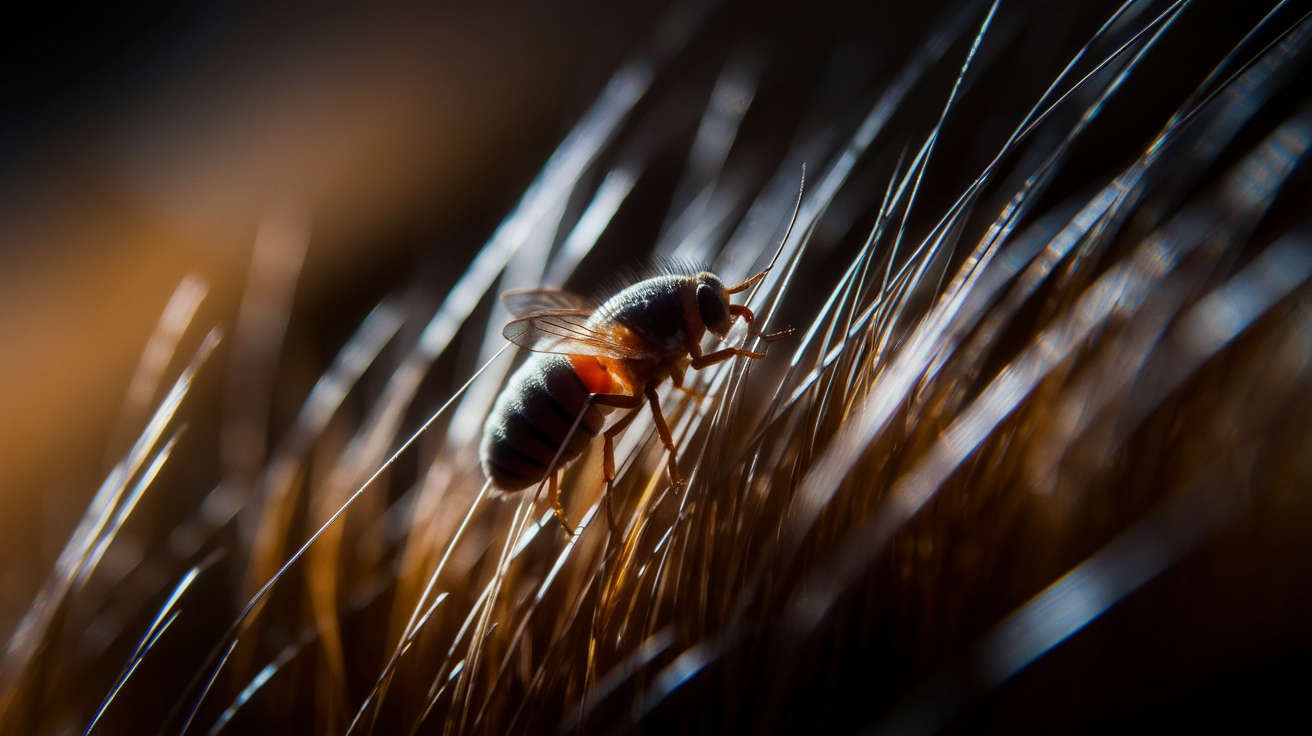
Flea allergy dermatitis happens when a cat’s immune system overreacts to proteins in flea saliva. A single flea bite can trigger intense itching that lasts for days or weeks. Outdoor cats encounter fleas more often, in tall grass, wooded areas, and anywhere wild animals roam, but fleas don’t stay outdoors. They hitch rides on clothing, bedding, and other pets, then establish indoor populations in carpets, furniture, and cracks in flooring.
Indoor cats aren’t safe from fleas. Once a flea infestation takes hold indoors, eggs and larvae hide in carpet fibers and upholstery, hatching in waves for months. An indoor cat with flea allergy dermatitis can suffer year round if the home environment isn’t treated. Fleas also carry tapeworms and Bartonella bacteria (associated with cat scratch disease in humans), and heavy infestations can cause anemia in kittens or debilitated cats. Monthly flea prevention is the single most effective way to prevent flea allergy dermatitis, whether your cat goes outdoors or not.
Four flea prevention essentials:
Apply veterinarian recommended flea prevention monthly to every cat and dog in the household.
Vacuum carpets, furniture, and baseboards weekly. Dispose of vacuum bags or empty canisters outdoors immediately.
Wash pet bedding in hot water weekly.
Treat your home environment if you see fleas or flea dirt. Consult your vet for safe premise sprays or foggers.
Treatment Options for Cats With Indoor or Outdoor Allergies

Symptomatic treatments focus on reducing itching and inflammation while you work on environmental controls. Antihistamines like cetirizine or chlorpheniramine help some cats, though cats respond less reliably than dogs. Short courses of corticosteroids (prednisolone or dexamethasone) reduce inflammation quickly but carry side effects with long term use, including increased thirst, appetite changes, and risk of diabetes. Topical corticosteroid sprays or creams can target localized areas with fewer systemic effects.
Long term treatments include cyclosporine and oclacitinib, both prescription medications that modulate the immune response and reduce itching. Allergen specific immunotherapy (allergy shots or oral drops) trains the immune system to tolerate specific allergens over time. Improvement typically starts within three to twelve months, and most cats stay on immunotherapy for one to three years. Annual costs run roughly $300 to $1,000 or more, depending on testing, formulation, and your clinic. Immunotherapy is the only treatment that can change the underlying allergic response rather than just managing symptoms.
Adjunctive therapies include omega 3 fatty acid supplements to support skin barrier function, medicated shampoos with ingredients like chlorhexidine or miconazole to treat secondary bacterial or yeast infections, and regular bathing to remove surface allergens and soothe irritated skin. Your vet will often combine treatments, environmental control plus flea prevention plus a medicated shampoo plus a prescription medication, to address all angles.
Five steps in a typical phased treatment plan:
Start strict flea prevention to eliminate flea allergy dermatitis as a contributing factor.
Implement environmental controls. Air purifiers, humidity control, frequent cleaning, allergen safe products.
Treat secondary infections with medicated shampoos or antibiotics if skin is infected or inflamed.
Begin symptomatic relief with antihistamines, short term steroids, or immunomodulatory drugs to reduce itching while environmental changes take effect.
Consider immunotherapy if symptoms persist despite environmental control. Pursue allergy testing and allergen specific immunotherapy for long term management.
Which Is Worse for Cats: Indoor or Outdoor Allergen Exposure?

Indoor allergen exposure is chronic and constant. Dust mites, indoor mold, synthetic fabrics, and cleaning product residues surround your cat every hour of every day. Symptoms tend to be persistent and low to moderate, wearing down your cat’s comfort over months or years. Without intervention, HEPA filtration, humidity control, frequent cleaning, indoor allergens accumulate and intensify. Indoor cats can’t escape their environment, so even mild sensitivities can become significant problems.
Outdoor allergen exposure is broader and more variable. Pollen peaks create sudden, severe flares. A single flea bite can trigger weeks of misery. Outdoor molds spike after rain. Lawn chemicals cause acute contact reactions. Outdoor cats also face higher risks of flea borne diseases, parasites, and trauma. Which environment is “worse” depends on your cat’s individual sensitivities, your local climate, and how well you manage each exposure type. Some cats tolerate dust mites but suffer terribly during ragweed season. Others handle pollen but can’t cope with indoor mold or synthetic bedding.
Five factors that determine which environment is more problematic:
Geographic location and climate. High humidity regions favor indoor mold and dust mites. Dry, windy areas increase outdoor pollen exposure.
Individual allergen sensitivities. Some cats react strongly to dust mites but not pollen. Others are the reverse.
Indoor air quality and cleanliness. Homes with HEPA filtration, low humidity, and frequent cleaning reduce indoor allergen load significantly.
Flea control and outdoor access. Outdoor cats face higher flea exposure, but indoor infestations can be just as severe without prevention.
Seasonal vs year round symptoms. Persistent year round itching suggests indoor triggers. Seasonal flares point to outdoor allergens.
Building an Allergy Action Plan for Your Cat

Start by tracking symptoms daily for at least two weeks. Note itching intensity, grooming frequency, sneezing, eye discharge, and any new exposures. Compare your log to local pollen forecasts and your household cleaning schedule. Share this log with your veterinarian to identify patterns and prioritize testing or elimination trials.
Six steps to create an individualized plan:
Establish baseline cleaning and flea prevention. Vacuum 1–2× weekly, wash bedding weekly in hot water, apply monthly flea prevention to all pets.
Control indoor air quality. Run a HEPA air purifier continuously, replace HVAC filters every three months, keep humidity below 50%.
Limit peak outdoor exposure. Restrict outdoor time during high pollen days, wipe paws and fur after outings, avoid freshly treated lawns.
Switch to allergen safe products. Use unscented, pet safe cleaners and laundry detergents. Remove air fresheners and scented candles.
Schedule veterinary follow up. Plan a recheck in four to eight weeks to assess improvement and adjust treatments.
Review and refine. If symptoms persist, pursue allergy testing, consider immunotherapy, and intensify environmental controls.
You’ll know your plan is working when itching decreases, hair starts to regrow in previously bald patches, sneezing episodes become less frequent, and your cat stops overgrooming. Improvement from environmental changes alone can take four to eight weeks. Immunotherapy requires three to twelve months before you see meaningful results. Track progress with weekly photos and symptom scores so you can spot trends and share concrete data with your vet.
Final Words
When your cat starts scratching, sneezing, or overgrooming until the skin looks thin, act on the clues.
This article showed common indoor triggers like dust mites, mold, and scented cleaners, and outdoor ones like pollen, grasses, and fleas. It also explained symptoms, testing steps, prevention strategies, and treatment options to try with your vet.
Use this to build a simple action plan: track symptoms, reduce home allergens, wipe fur after outdoor time, keep flea prevention current, and ask your vet about testing for indoor vs outdoor allergens for cats.
With steady steps, most cats become more comfortable.
FAQ
Q: Do indoor cats need less food than outdoor cats?
A: Indoor cats generally need less food than outdoor cats because they burn fewer calories; adjust portions for activity, body condition, and age. If weight changes quickly or appetite drops, check with your vet.
Q: What months are worst for cat allergies?
A: The worst months for cat allergies are spring (tree pollen March–May) and late summer to fall (grass and weed pollen Aug–Oct); mold spikes after wet weather. Watch for seasonal flares.
Q: Do big cats have the same allergens as house cats?
A: Big cats can have many of the same allergens as house cats—pollen, dust, mites, mold, and insect bites—but exposure and signs differ; handlers and vets use testing and observation to confirm triggers.
Q: How do you tell if you have indoor or outdoor allergies?
A: You tell if you have indoor or outdoor allergies by timing: year‑round symptoms suggest indoor triggers (dust, mold), while seasonal sneezing points to outdoor pollen. Get urgent care for breathing trouble or severe swelling.