

Think your cat vomiting undigested food means disaster? Not always.
First, it matters whether your cat is vomiting (active retching) or regurgitating (food sliding back up).
This post walks you through common mild causes—like eating too fast, hairballs, or a sudden diet change—and the more serious problems a vet should check for.
You’ll get clear home steps, what to watch for in the next 24 to 48 hours, and the exact red flags that mean call your vet right away.
Vomiting vs Regurgitation: How to Tell the Difference
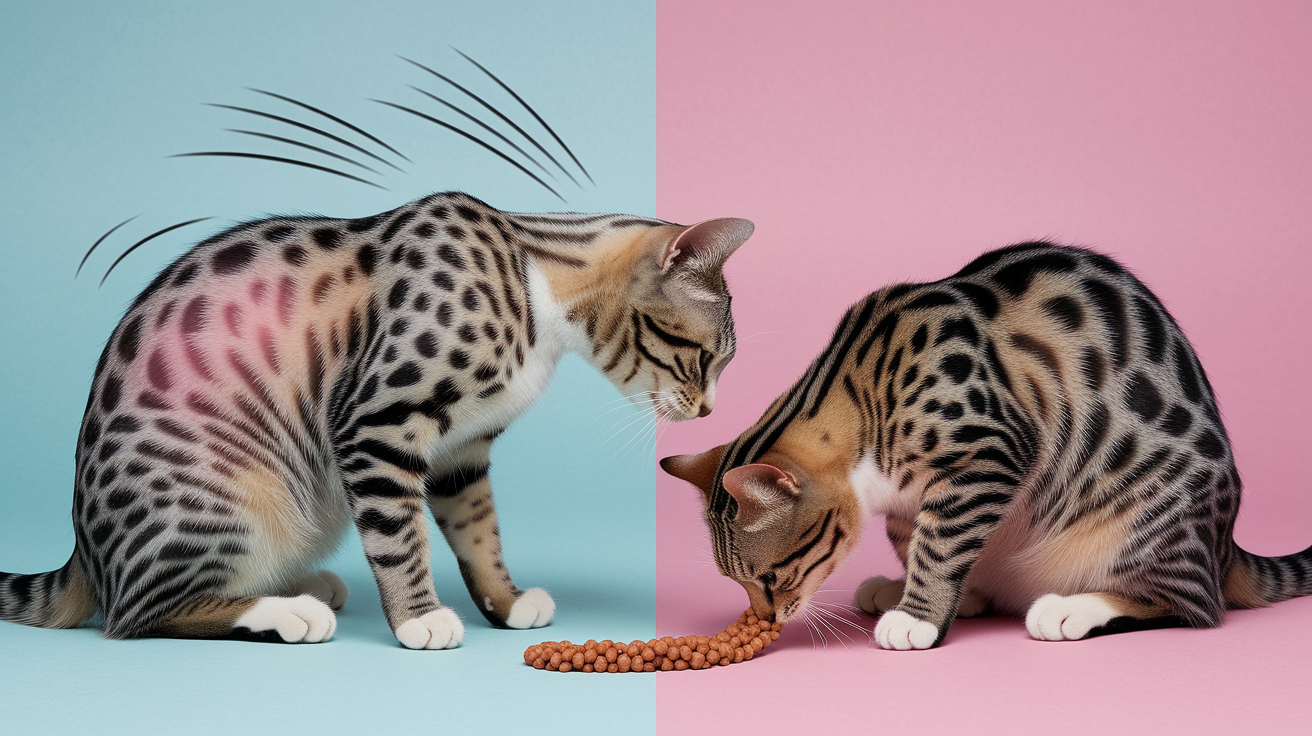
First thing you need to figure out is whether your cat’s vomiting or regurgitating. They’re not the same, and the causes are totally different.
Vomiting is active. Your cat hunches over, retches, heaves with their belly, then brings up food. Usually happens anywhere from a few minutes to several hours after eating. The food looks partially digested, mixed with liquid, bile (that yellow or green stuff), or foam. You’ll probably hear gagging sounds first.
Regurgitation is passive. No retching, no effort. Food comes back up quickly and smoothly, usually within seconds to a couple minutes of swallowing. Looks exactly like it did in the bowl, whole, undigested, often in a tube shape. Your cat might lower their head and the food just slides out.
If your cat ejects whole food within a minute or two of finishing a meal and seems fine otherwise, you’re probably looking at regurgitation or really fast eating. If the food comes up later with obvious effort and retching, that’s vomiting.
Why does timing matter? Regurgitation usually means something’s wrong with the esophagus (the tube from mouth to stomach) or eating behavior. Vomiting points to stomach issues, intestinal problems, or something affecting the whole body.
Simple test: Watch the next meal. If food comes right back after every attempt to eat, regurgitation’s likely. If your cat keeps some meals down but vomits others hours later, you’re dealing with true vomiting.
Either way, if it keeps happening, your vet needs to know the timing and what you’re seeing.
Common Non-Emergency Reasons Cats Vomit Undigested Food
When a cat’s acting normal otherwise, bright, playful, but brings up undigested food once in a while, here are the usual suspects.
Eating too fast or gulping meals tops the list. Cats in multi-pet homes, those who competed for food as kittens, or just eager eaters will bolt their meals without chewing. Stomach fills too quickly and the body rejects the overload. Vomit looks like whole kibble or chunks of wet food, often within minutes to an hour of eating. If this sounds familiar, slowing down mealtime usually fixes it.
Hairballs are another frequent cause, especially in long-haired cats or heavy groomers. As your cat licks their coat, loose hair collects in the stomach. Sometimes the hair irritates the stomach lining or forms a clump that triggers vomiting. You might see food mixed with a wad of hair, or your cat may vomit undigested food first and bring up a hairball separately. If your cat grooms constantly and vomits occasionally, hairballs are a strong possibility.
Dietary indiscretion means your cat ate something they shouldn’t have. Grass from outside, spoiled food from the trash, a houseplant, table scraps. Even a small amount of something unusual can upset a sensitive stomach. The vomit may include the offending item or just look like regular food that came back up because the stomach was irritated.
Sudden diet changes can trigger vomiting. Cats have sensitive digestive systems. Switching food brands or flavors abruptly, especially from one protein to another, can cause temporary upset. New food sits heavy in the stomach and the body rejects it before digestion starts. If you recently changed your cat’s food without a gradual transition, there’s your likely reason.
Food intolerance or mild allergy can show up as occasional vomiting of undigested meals. Your cat’s system might not handle a specific ingredient well. Dairy, certain proteins, grains, fillers. Stomach reacts by expelling the food soon after eating. If vomiting happens regularly with one type of food but not others, intolerance is worth considering.
Mild gastritis (stomach irritation) from stress, a minor infection, or eating something irritating can cause a one-time or occasional vomit episode. Stomach lining is inflamed, so food doesn’t settle well. If your cat seems fine otherwise and it happens rarely, this often passes.
Intestinal parasites, especially in kittens or cats who go outdoors, can cause vomiting. Roundworms, hookworms, others irritate the GI tract. You may or may not see worms in the vomit. Parasites are more common if your cat hasn’t had recent fecal testing or deworming.
Behavioral stress or eating inappropriate items can also play a role. A new pet, a move, changes in routine upset a cat’s stomach. Some cats chew on string, rubber bands, small toys, which can cause vomiting if swallowed.
If any of these sound like your situation and your cat’s acting normally, eating, drinking, using the litter box without trouble, you can often manage it at home and monitor closely for 24 hours.
Medical Causes That Need Veterinary Attention

Some causes of vomiting undigested food are more serious and won’t resolve on their own. These need diagnostics and treatment.
Gastrointestinal obstruction (a blockage in the stomach or intestines) is one of the most urgent. Cats, especially kittens and indoor cats who play with small objects, can swallow string, hair ties, fabric, small toys, bones. Object gets stuck, food can’t pass through, and the stomach repeatedly tries to empty by vomiting. Vomit is often undigested food because nothing’s moving down. Other signs include loss of appetite, lethargy, abdominal pain, straining, sometimes a distended belly. This is a medical emergency.
Pancreatitis (inflammation of the pancreas) commonly causes vomiting in cats. Vomit may be undigested food, bile, or foam. Pancreatitis often comes with loss of appetite, lethargy, abdominal pain, sometimes diarrhea. Can be mild or severe. Diagnosis requires bloodwork and often ultrasound.
Inflammatory bowel disease (IBD) is a chronic condition where the intestinal lining is inflamed. Cats with IBD often vomit intermittently, sometimes undigested food, sometimes bile or hairballs. They may also have chronic diarrhea, weight loss, poor appetite. IBD requires long-term dietary management and sometimes medication.
Gastric ulcers can cause vomiting of undigested food mixed with blood (which may look like coffee grounds). Ulcers can develop from chronic inflammation, certain medications, or systemic illness. They’re painful and need treatment.
Kidney disease is common in older cats and often causes nausea and vomiting. Kidneys can’t filter waste properly, toxins build up in the blood, and the stomach becomes irritated. You may also see increased thirst, increased urination, weight loss, poor appetite. Bloodwork and urinalysis confirm kidney disease.
Hyperthyroidism (overactive thyroid) is another common condition in senior cats. Speeds up metabolism, often causing vomiting, weight loss despite a good appetite, hyperactivity, increased thirst. A simple blood test measures thyroid hormone levels.
Diabetes can cause vomiting, especially if blood sugar is poorly controlled. Other signs include increased thirst, increased urination, weight loss, lethargy. Bloodwork and urine testing diagnose diabetes.
Infections (bacterial, viral, or protozoal) can irritate the GI tract and cause vomiting. Salmonella, E. coli, feline panleukopenia virus (especially in unvaccinated kittens), and giardia are examples. Infections often come with fever, diarrhea, lethargy.
Toxin ingestion is life threatening. Lilies, antifreeze, rodent poison, certain human medications, household cleaners can all cause vomiting (often undigested food mixed with other material), drooling, tremors, seizures, or collapse. If you suspect your cat ate something toxic, seek emergency care immediately.
Esophageal disorders like megaesophagus (enlarged, weak esophagus) cause regurgitation of undigested food. Esophagus can’t push food into the stomach properly, so food sits and then comes back up. This is a structural problem that needs imaging and specialized feeding strategies.
If your cat vomits repeatedly, shows any red flag signs, or you suspect any of these conditions, don’t wait.
When to Call the Vet: Clear Thresholds and Red Flags
Knowing when to act fast can make a big difference. Use these guidelines.
Seek immediate veterinary care if any of the following happen:
Your cat vomits more than 2 to 3 times in 24 hours. Repeated vomiting, even if the food looks undigested and your cat seems okay between episodes, means something isn’t resolving on its own.
There’s blood in the vomit. Bright red blood or dark, coffee ground material both indicate bleeding in the stomach or esophagus. This is urgent.
Your cat can’t keep water down. If your cat tries to drink and vomits it back up, dehydration will set in fast.
You see signs of dehydration. Gums that feel tacky or dry instead of moist, skin that tents (stays pinched) for more than 2 seconds when you gently lift it, sunken eyes, very little urine output.
Your cat is lethargic, weak, hiding, or unresponsive. This means the vomiting is affecting their whole system.
There’s abdominal pain or swelling. A hard, distended belly, crying when you touch the abdomen, or a hunched posture all signal a possible obstruction or severe inflammation.
Your cat has difficulty breathing, collapses, or has a seizure. These are life threatening signs.
You know or suspect your cat swallowed something toxic or a foreign object (string, a toy, a plant, a household chemical).
Your cat is a very young kitten, a senior, pregnant, or has a chronic illness like diabetes or kidney disease. These cats have less reserve and need faster intervention.
Contact your vet within 24 hours if:
Your cat vomits undigested food once or twice but is otherwise acting normal, and you want guidance on next steps.
Vomiting happens regularly over several days, even if only once a day.
Your cat’s appetite is off, they’re drinking less, or they seem quieter than usual.
You notice weight loss, diarrhea, or changes in litter box habits along with vomiting.
You can monitor at home for 24 hours if:
Your cat vomited once, seems bright and alert, is eating and drinking normally, and shows no other symptoms. Follow the at-home steps below and watch closely.
If anything changes or vomiting happens again, call your vet.
One practical note: Don’t fast kittens. Adult cats can handle a short 6 to 12 hour fast, but kittens, especially under 6 months, can develop low blood sugar quickly. Do not withhold food from kittens for more than 2 to 4 hours. If a kitten vomits, offer very small amounts of food frequently and contact your vet.
What to Do Right Now: Safe At-Home Steps for Non-Emergencies
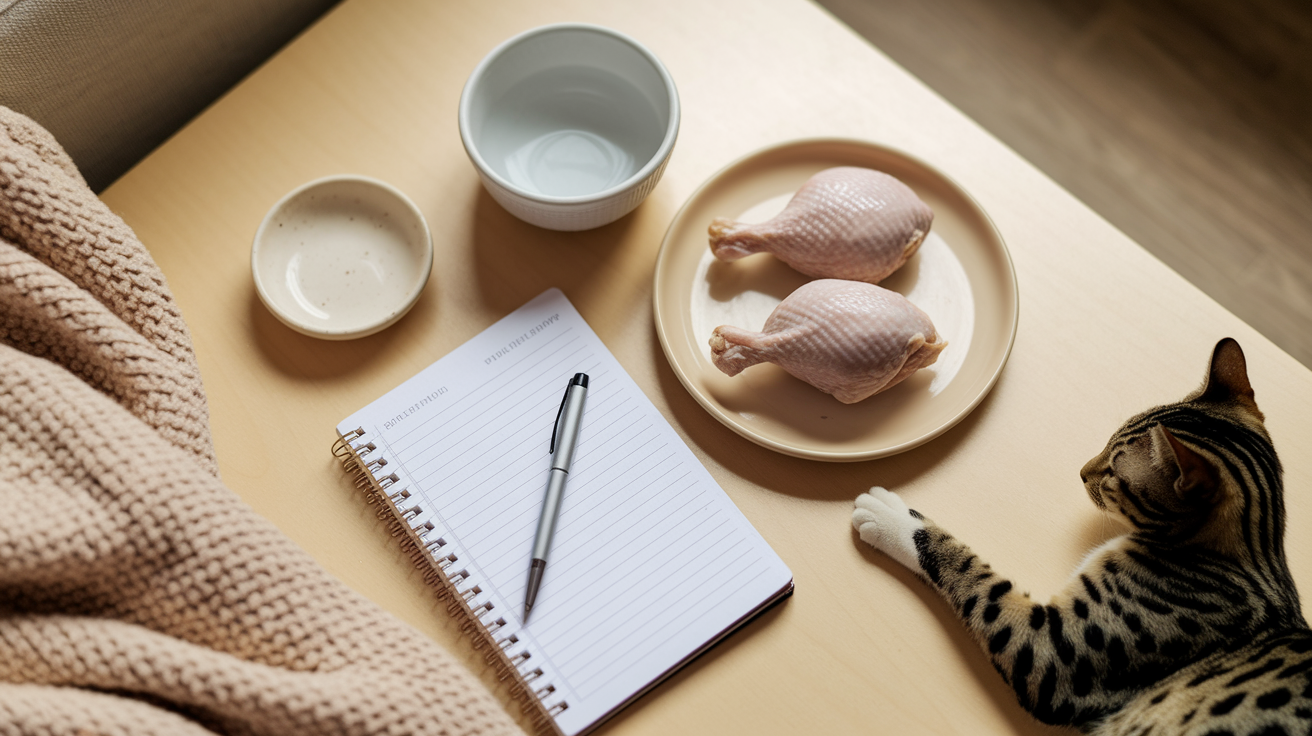
If your cat vomited once or twice, is acting normal, and none of the red flags above apply, here’s a calm, step by step plan for the next 24 hours.
Step 1: Remove food for a short time. For adult cats, take away all food for 6 to 12 hours. This gives the stomach time to settle. Do not fast kittens, seniors with chronic disease, or diabetic cats without vet guidance.
Step 2: Offer small amounts of water. Don’t let your cat gulp a full bowl right away. Offer 1 to 2 teaspoons of water every 10 to 15 minutes. If your cat keeps it down, gradually increase the amount. If they vomit water back up, stop and call your vet.
Step 3: Reintroduce food slowly. After the fasting period, start with a very small portion of bland food. One to two tablespoons of plain, boiled chicken (no skin, no seasoning) or a bland, low fat canned food recommended by your vet. Feed this tiny amount every 3 to 4 hours.
If your cat keeps the first few small meals down, you can gradually increase the portion size over the next 24 to 48 hours. By day two, you can start mixing their regular food back in, a little at a time.
Step 4: Divide meals into smaller portions. Instead of one or two big meals, split your cat’s daily food into 4 to 6 small meals. This prevents the stomach from getting too full at once and reduces the chance of vomiting.
Step 5: Slow down fast eaters. If your cat gulps food, try a slow feeder bowl with ridges or obstacles, a puzzle feeder, or spread dry kibble on a flat cookie sheet so they have to pick up one piece at a time. You can also place a large, clean object like a tennis ball in the food bowl to make them eat around it.
Step 6: Address hairballs. Brush your cat daily, especially if they’re long haired. Regular grooming removes loose hair before they swallow it. You can also try a hairball remedy gel (follow the label instructions) or add a small amount of plain canned pumpkin (about 0.5 to 1 teaspoon per day) to help move hair through the digestive tract. Check with your vet for the right product and dose.
Step 7: Avoid human medications. Don’t give your cat Pepto Bismol, anti nausea meds, or any over the counter drug unless your vet tells you to. Many human medications are toxic to cats.
Step 8: Watch and track. Write down how many times your cat vomits, when it happens (right after eating or hours later), what the vomit looks like, and how your cat is acting. Note their appetite, water intake, energy level, and litter box habits. This information is helpful if you need to call your vet.
If vomiting stops and your cat is back to normal within 24 hours, you can gradually return to their regular routine. If it happens again or your cat seems off in any way, call your vet.
Prevention and Long-Term Management Strategies
Once the immediate issue is resolved, these strategies help prevent future episodes.
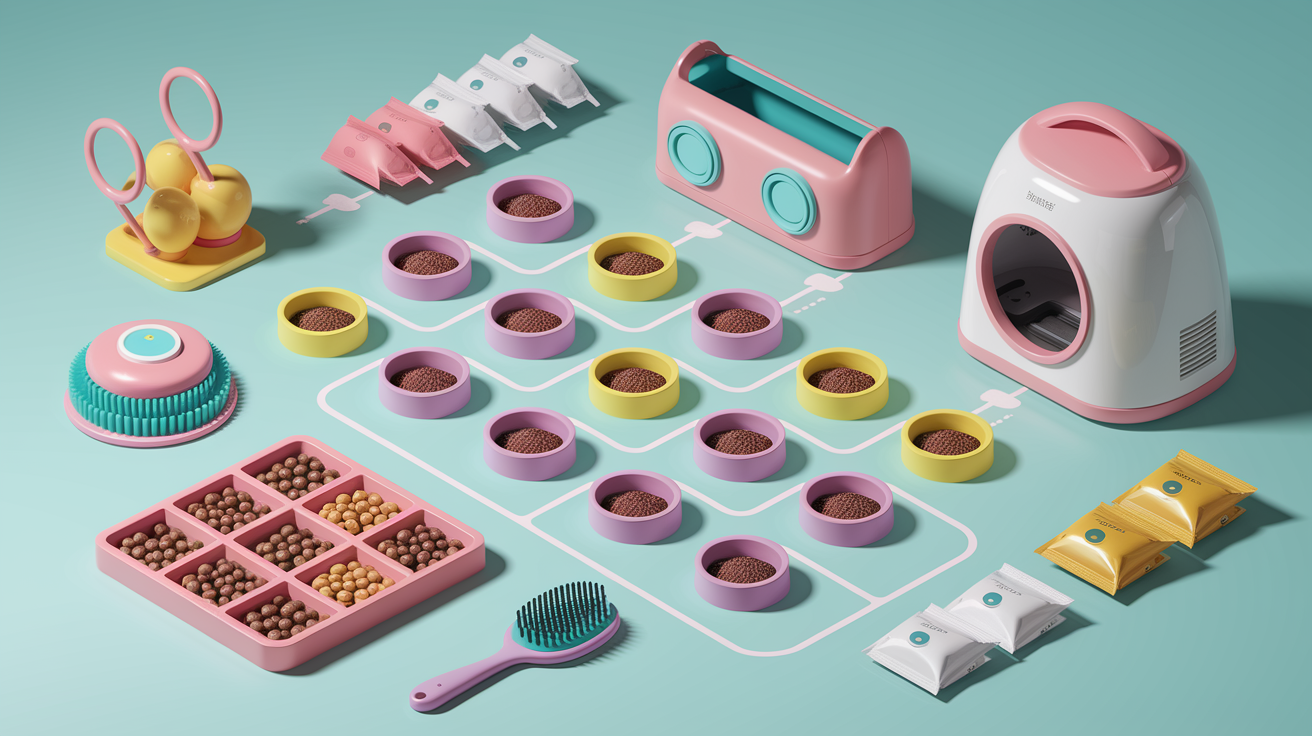
Feed smaller, more frequent meals. Split your cat’s daily food into 4 to 6 small portions instead of one or two big meals. This keeps the stomach from overloading and reduces the chance of vomiting. Timed automatic feeders can help if you’re away during the day.
Use slow feeders or puzzle feeders. If your cat eats too fast, make mealtime a challenge. Slow feeder bowls, food dispensing toys, or scatter feeding (spreading kibble on a flat surface or hiding small piles around a room) all slow down eating and engage your cat’s hunting instincts.
Groom regularly to reduce hairballs. Brush your cat every day, or at least several times a week. Long haired breeds need daily grooming. Regular brushing removes loose fur before your cat swallows it. Consider a de-shedding tool during heavy shedding seasons.
Transition diets gradually. When changing food, mix the new food with the old over 7 to 10 days. Start with 25% new food and 75% old, then 50/50, then 75% new and 25% old, and finally 100% new. This gives your cat’s digestive system time to adjust.
Choose high quality, easily digestible food. Some cats do better on wet food than dry, or on limited ingredient diets if they have sensitivities. Talk to your vet about the best food for your cat’s age, health status, and any known intolerances.
Keep your home safe. Store small objects, string, rubber bands, hair ties, and toys with small parts out of reach. Secure trash cans. Remove toxic plants (lilies, poinsettias, sago palms) and keep household cleaners locked away.
Maintain regular parasite prevention. Use a monthly flea, tick, and internal parasite preventive as recommended by your vet. Have your cat’s feces tested once or twice a year, especially if they go outdoors.
Manage stress and routine. Cats are creatures of habit. Big changes, new pets, moving, loud noises can upset their stomachs. Keep routines as consistent as possible. Provide quiet, safe spaces and vertical hiding spots. Consider calming pheromone diffusers if your cat is anxious.
Monitor chronic health conditions. If your cat has kidney disease, hyperthyroidism, diabetes, or IBD, work closely with your vet on a management plan. Regular bloodwork, medication adjustments, and prescription diets can reduce vomiting and other symptoms.
Schedule regular vet check-ups. Annual or biannual wellness exams catch problems early. Senior cats (over 7 years) should be seen twice a year with bloodwork to screen for kidney disease, hyperthyroidism, and other age related issues.
If vomiting becomes a pattern, even if it’s only once a week, bring it up with your vet. Repeated vomiting over weeks or months isn’t normal and deserves investigation.
What Your Vet Will Do: Diagnostics and Treatments

When you bring your cat to the vet for vomiting, here’s what to expect.
Physical exam. Your vet will check your cat’s weight, hydration status (gum moisture, skin elasticity), body temperature, and overall condition. They’ll palpate the abdomen to feel for masses, pain, bloating, or foreign objects. They’ll listen to the heart and lungs and assess energy level and attitude.
History and questions. Be ready to share:
How many times has your cat vomited in the last 24 to 48 hours?
When does it happen, right after eating or hours later?
What does the vomit look like, undigested food, bile, blood, hairballs?
Is your cat eating, drinking, and using the litter box normally?
Any recent diet changes, new treats, or possible toxin exposure?
Is your cat on any medications or supplements?
Age, weight, indoor or outdoor, other pets in the home?
The more detail you provide, the faster your vet can narrow down the cause.
Bloodwork. A complete blood count (CBC) checks for infection, anemia, and inflammation. A chemistry panel evaluates kidney function, liver enzymes, blood sugar, electrolytes, and protein levels. A thyroid test (T4) screens for hyperthyroidism in older cats. These tests rule out or confirm systemic diseases like kidney disease, diabetes, pancreatitis, and infections.
Urinalysis. A urine sample checks kidney function, hydration, glucose (for diabetes), and signs of infection or crystals.
Fecal exam. A stool sample is tested for parasites, worms, eggs, and protozoa like giardia.
Abdominal X-rays (radiographs). X-rays show the size and shape of organs, the presence of gas or fluid, and foreign objects (if they’re metal or dense enough to show up). They help diagnose obstructions, masses, and some cases of megaesophagus.
Abdominal ultrasound. Ultrasound gives a more detailed look at soft tissues, the stomach lining, intestines, pancreas, liver, and kidneys. It’s useful for diagnosing pancreatitis, IBD, tumors, and some obstructions that don’t show well on X-rays.
Contrast studies or endoscopy. If the vet suspects an esophageal problem or partial obstruction, they may use a barium swallow (contrast dye followed by X-rays) or endoscopy (a camera inserted through the mouth to view the esophagus and stomach). Endoscopy can also retrieve some foreign objects.
Treatment options depend on the diagnosis:
For dehydration, your vet will give subcutaneous (under the skin) or intravenous fluids to restore hydration and electrolyte balance.
For vomiting caused by eating too fast or hairballs, feeding recommendations and hairball remedies may be all that’s needed.
For food intolerance or allergy, your vet may recommend a hypoallergenic or limited ingredient diet trial, typically for 8 to 12 weeks.
For parasites, deworming medication is prescribed.
For infections, antibiotics or antiviral supportive care.
For pancreatitis or IBD, treatment includes anti nausea medication (like maropitant or ondansetron), pain management, anti inflammatory drugs, dietary changes (low fat, easily digestible food), and sometimes long term steroids or immunosuppressants for IBD.
For kidney disease, hyperthyroidism, or diabetes, disease specific medications, prescription diets, and regular monitoring.
For obstructions, surgery is often required to remove the foreign object. This is a same day or next day procedure depending on severity.
For gastric ulcers, medications to reduce stomach acid and protect the stomach lining.
Your vet will tailor the treatment plan to your cat’s specific diagnosis, age, and overall health.
Preparing for Your Vet Visit: What to Bring and Track
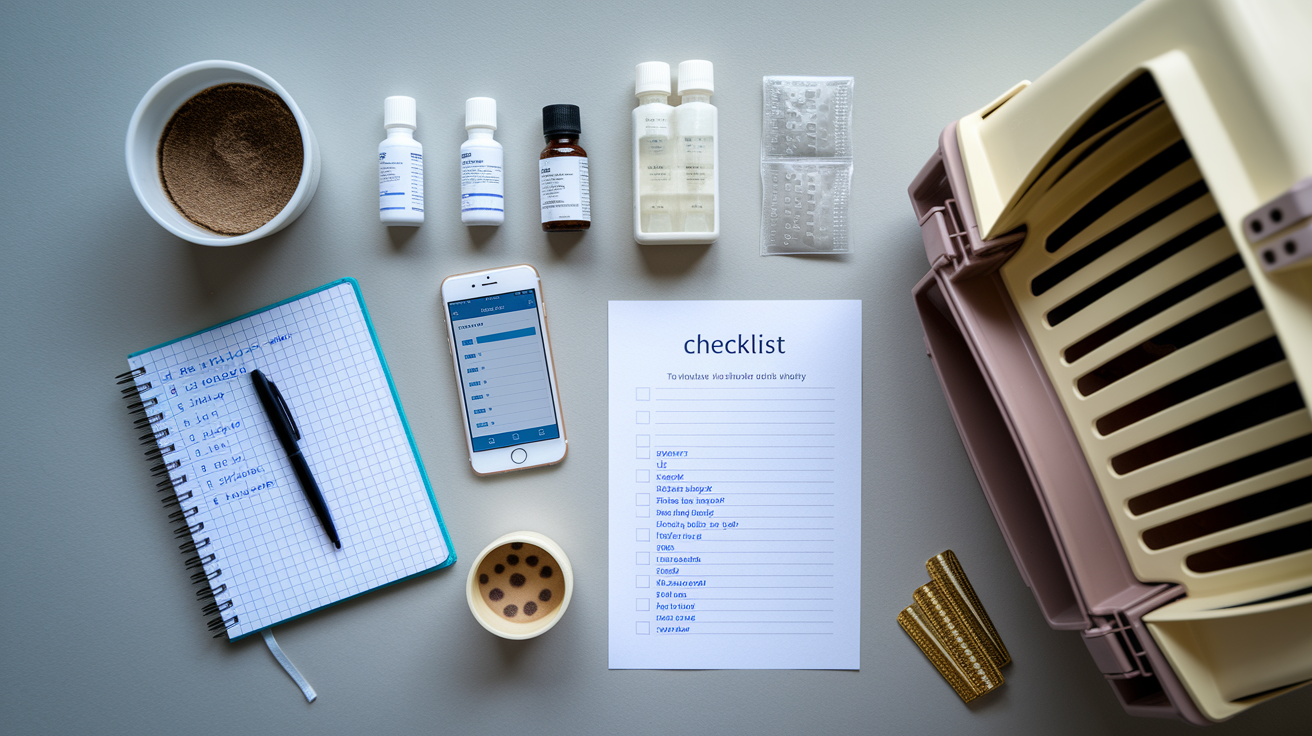
Before you go, gather this information. It helps your vet diagnose faster and choose the right tests.
Write down the details:
Number of vomiting episodes in the last 24 to 48 hours.
Timing, did it happen right after eating, or hours later?
Description of the vomit, undigested food, bile (yellow or green), blood (red or coffee ground color), hairballs, or foam?
Appetite, is your cat eating normally, eating less, or refusing food?
Water intake, drinking normally, drinking more, or not drinking?
Energy level, active and playful, quieter than usual, lethargic, hiding?
Litter box habits, normal urination and stool, diarrhea, constipation, straining, blood?
Recent changes, new food, treats, plants, new pets, stress, travel, medications?
Any known toxin exposure or foreign object ingestion?
Take photos or video if possible. If your cat vomits again before the appointment, take a quick photo of the vomit. If your cat is regurgitating or showing other symptoms (retching, drooling, difficulty swallowing), a short video can be very helpful.
Bring a stool sample if you can. Collect a fresh sample in a clean plastic bag or container. This saves time if your vet wants to run a fecal test.
List current medications and supplements. Include prescription meds, over the counter products, and any treats or supplements your cat gets regularly.
Know your cat’s weight and recent weight trends. If you’ve noticed weight loss, mention it. Bring any recent vet records if you’re seeing a new vet or emergency clinic.
Prepare questions to ask:
What is the most likely cause?
What tests do you recommend, and why?
What are the treatment options?
What’s the expected timeline for improvement?
Do I need to change my cat’s diet?
What signs mean I should come back or seek emergency care?
How can I prevent this in the future?
Being organized helps you feel more in control and gives your vet the full picture quickly.
Final Words
You saw your cat vomit undigested food and you acted: brief food hold, small water sips, a quick choke check, and a note of how often it happened. That’s the right kind of start.
If vomiting repeats, has blood, your cat looks very weak, or breathing is fast, call your vet right away. For a single mild episode, watch appetite, litter box use, and behavior for 24–48 hours.
With calm monitoring and clear notes, most cats bounce back soon. If you keep seeing cat vomiting undigested food, get veterinary advice.
FAQ
Q: Why is my cat throwing up undigested food?
A: Vomiting undigested food often means your cat ate too fast, has a hairball, or mild stomach upset; less commonly a blockage. Skip food 8-12 hours (adults), offer small water, call vet for repeated vomiting, blood, or weakness.
Q: Why is my cat puking up his food but acting fine?
A: If your cat vomits food but acts fine, it’s often from eating too fast, hairballs, or simple stomach upset. Try smaller meals or a slow feeder, monitor 24 hours, and call your vet if vomiting repeats or other signs appear.