

How often should your dog poop, and when should you worry?
Knowing the right frequency can save a lot of stress and unnecessary vet trips.
Adult dogs usually go one to three times a day, puppies more often, seniors less.
But what really matters is what’s normal for your dog and any changes that stick around.
This post walks through healthy ranges by age and diet, simple home checks to track patterns, and clear red flags that need a vet right away.
Normal Dog Poop Frequency Explained Clearly
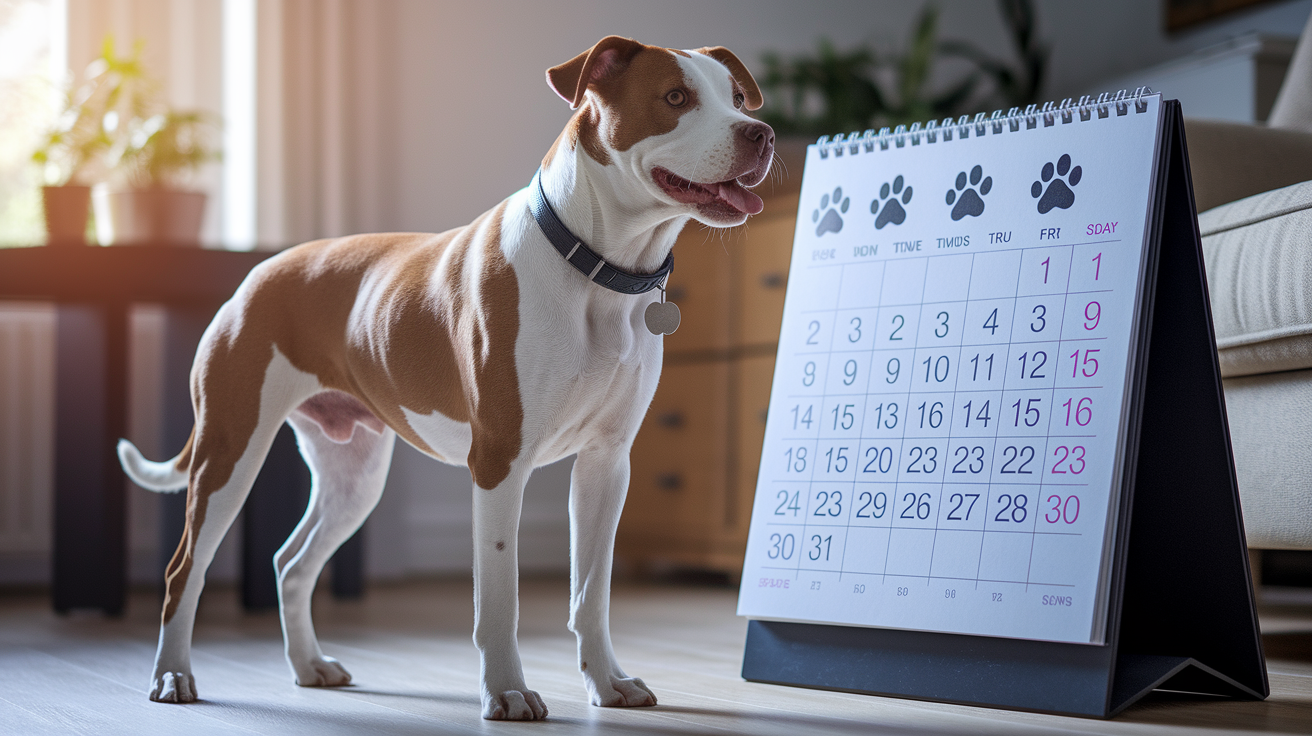
Most adult dogs poop anywhere from one to three times a day. One to two is what you’ll see most often. If your dog poops twice daily like a little routine machine, that’s totally fine. Same goes for the dog who goes once every morning or the one hitting three times because their food’s loaded with fiber. What actually matters is figuring out what’s normal for your dog, then keeping an eye out for changes that stick around longer than a couple days.
Puppies? They poop way more. Sometimes five times a day, sometimes even more than that. Their digestive systems are tiny and fast, so food just flies through. A lot of puppies need to go almost right after eating, which is why house training means you’re outside constantly. Senior dogs usually slow down to once a day or a little less as their metabolism drops and they move around less.
Timing plays a big part. Most dogs poop about 30 minutes after eating or right when they wake up. Digestion takes roughly eight to twelve hours, so if you’re feeding two meals a day, expect around two bowel movements a few hours after each one.
Normal frequency ranges:
Adult dogs on moderate fiber food: 1 to 2 poops per day
Adult dogs eating higher fiber diets: up to 3 poops per day
Puppies: 3 to 5+ poops per day, often right after meals
Senior dogs: 1 poop per day or occasionally less
Timing window after eating: usually 30 minutes to 2 hours
Factors That Influence How Often Dogs Poop
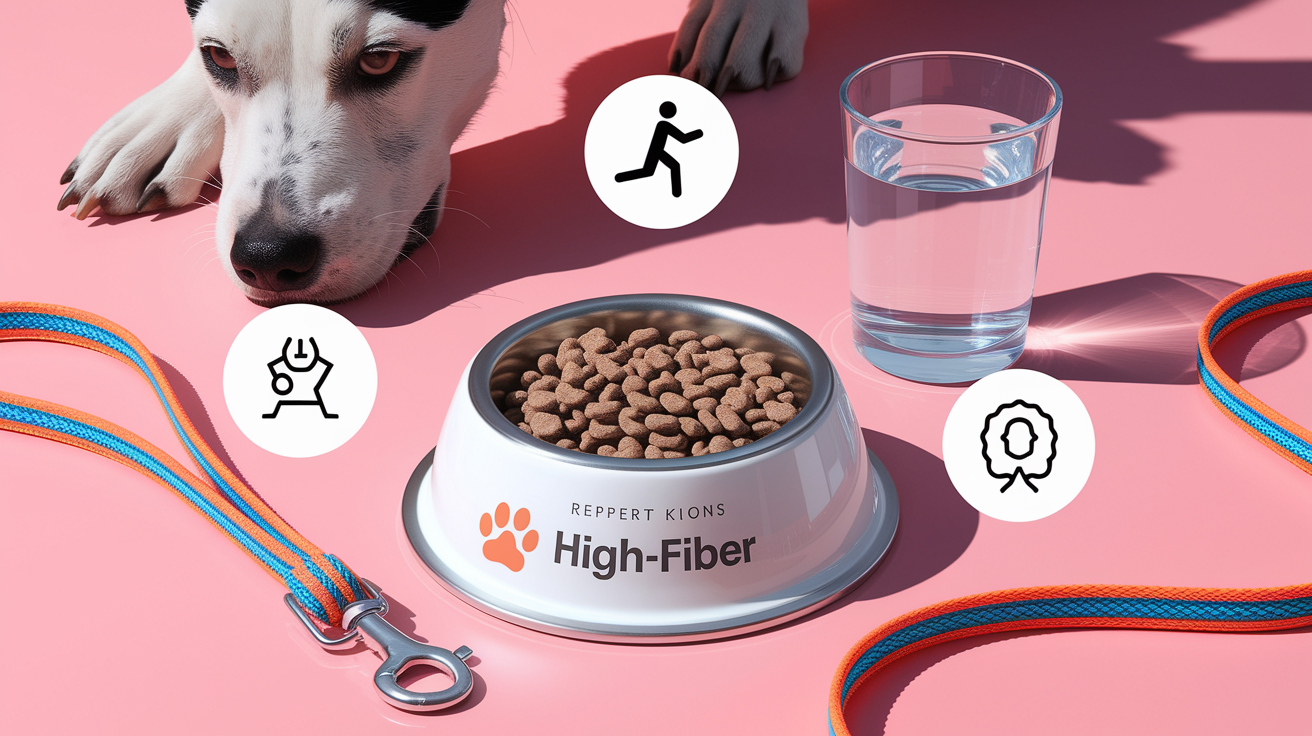
Diet is the biggest factor. High fiber foods increase stool volume and frequency because fiber bulks things up and speeds waste through the gut. A dog eating grain heavy kibble will usually poop more than one on a low residue, meat based diet. How often you feed matters too. Three small meals a day typically means three bowel movements, while one large meal often produces one.
Exercise gets the intestines moving, which is why so many dogs poop in the first few minutes of a morning walk. Physical activity gets everything flowing. Stress, routine changes, or anxiety can shift frequency too, usually by speeding things up and making stools looser or more urgent.
Water intake affects stool consistency and how easily it passes. Dehydrated dogs produce harder, drier stools and may strain or skip a day. A dog who suddenly drinks way more water may have softer, more frequent stools. Or it could signal something health related that needs checking.
Key factors that change poop frequency:
Fiber content (more fiber means more frequent, bulkier stools)
Number of meals per day (more meals means more poops)
Exercise level (activity gets bowel movements going)
Hydration status (low water means harder, less frequent stools)
Stress or routine changes (can increase urgency and frequency)
Body size and metabolism (small dogs may go more often relative to meals)
Puppy and Senior Dog Poop Frequency Differences
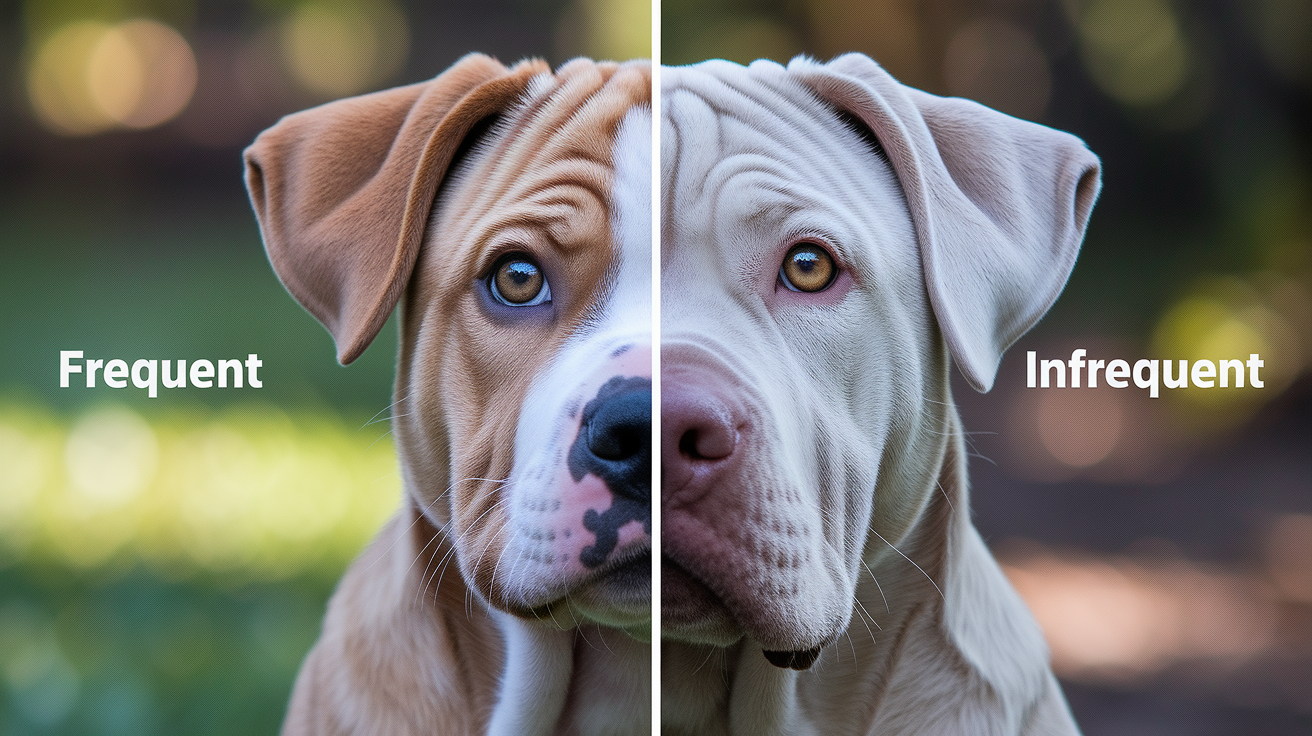
Puppies have tiny digestive tracts and high metabolisms, so food moves fast. A puppy might eat breakfast and need to poop fifteen minutes later. That’s why puppies often poop four to five times a day, especially when they’re eating several small meals. Their systems just can’t hold waste as long as an adult dog’s.
Senior dogs slow down in pretty much every way, digestion included. Older dogs may poop once a day or even skip a day sometimes without it being a problem, as long as they’re comfortable and not straining. Less activity, slower gut motility, and smaller appetites all contribute to less frequent bowel movements in aging dogs.
Puppy Training Implications
Because puppies poop so soon after eating and drinking, house training means taking them out immediately after every meal, after naps, and after playtime. Missing that narrow window by even ten minutes can mean an accident indoors. Keeping a consistent feeding schedule makes their poop schedule predictable, which is the foundation of successful potty training. Plan on at least four to six outdoor trips per day for young puppies. Don’t expect them to hold it overnight until they’re a few months old.
What Healthy Dog Stool Looks Like
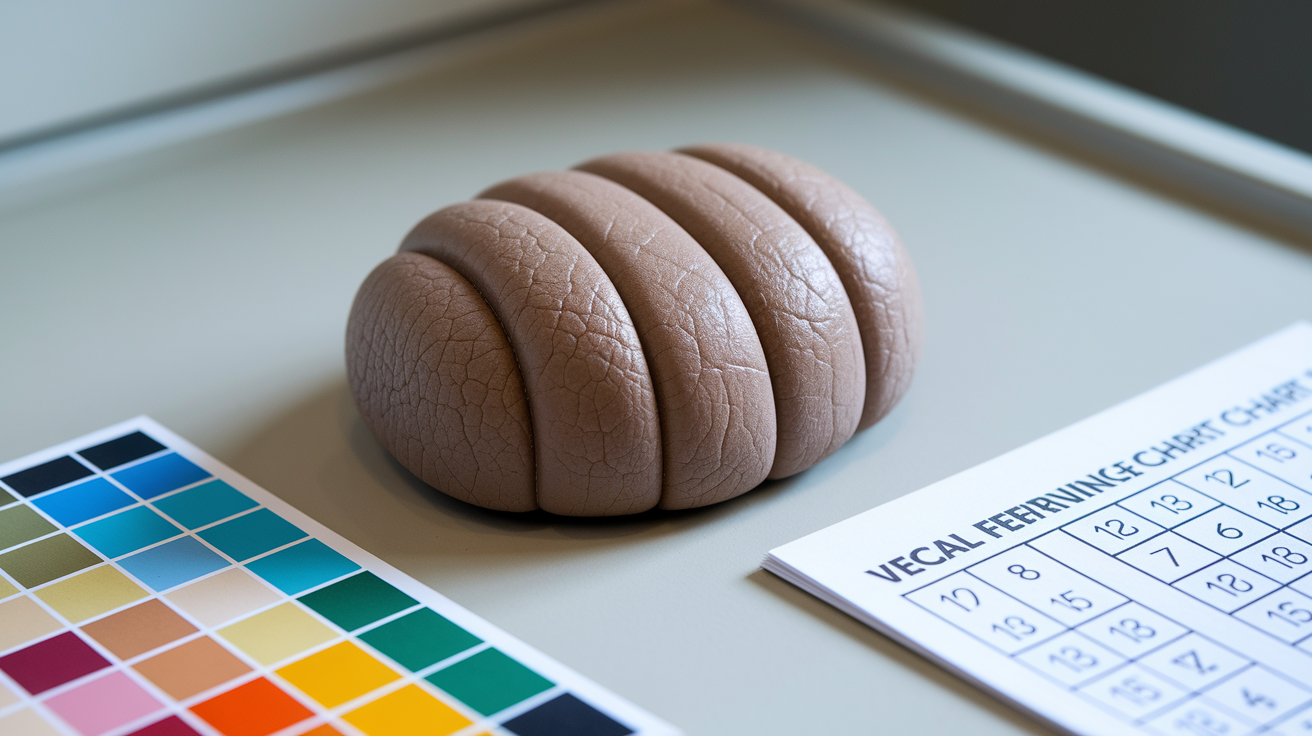
Healthy dog stool should be firm enough to hold its shape but moist enough to pick up easily. It shouldn’t be rock hard pellets or puddles. The Purina Fecal Scoring System uses a scale from one to seven to describe stool consistency, and vets rely on it to quickly check digestive health. Scores two and three are ideal. Firm and formed with minimal residue left on the ground.
Color matters. Healthy stool is usually medium to dark brown. Bright red streaks suggest fresh bleeding from the lower intestines or rectum. Black, tarry stool (called melena) indicates digested blood from higher up in the digestive tract. That’s serious. Pale, greasy, or clay colored stool can point to liver or pancreas problems. If you see anything other than brown, note it and call your vet.
| Score | Description |
|---|---|
| 1 | Hard, dry pellets; difficult to pick up; suggests dehydration or constipation |
| 2 | Firm, segmented, holds shape; ideal consistency |
| 3 | Moist surface, holds shape, may leave slight residue when picked up; still normal |
| 4 | Very soft, loses some shape, leaves residue; early sign of loose stool |
| 5 | Soft pile, minimal form, distinct edges; mild diarrhea |
| 6 | Texture present but no defined shape; moderate diarrhea |
| 7 | Watery, liquid, no texture; severe diarrhea |
Why Dogs May Poop Too Often
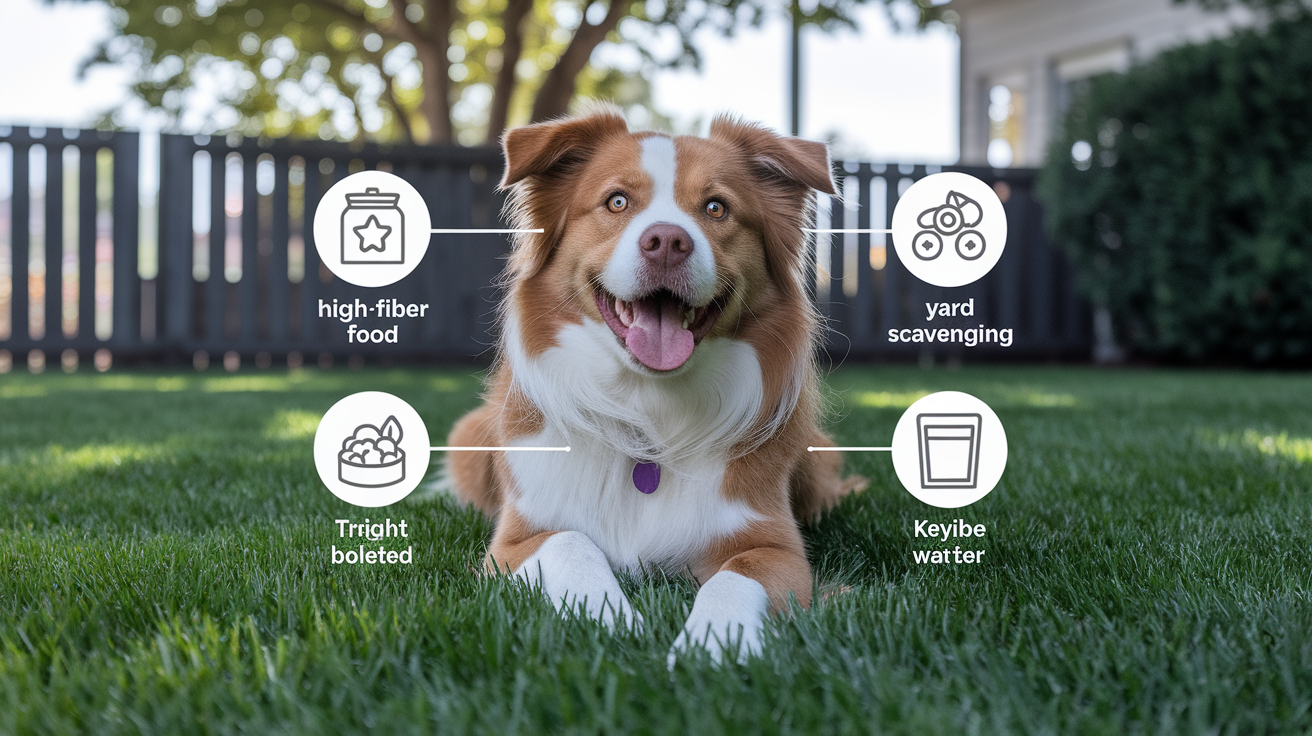
A sudden jump in poop frequency, like going from once a day to four times, usually means something changed in your dog’s routine or diet. New treats, table scraps, a different brand of kibble, or scavenging something in the yard can all speed up digestion and increase output. High fiber foods naturally produce more stool volume, so switching to a “light” or “senior” formula often results in more frequent, bulkier poops.
Diarrhea is the most common reason for increased frequency. Loose stool moves through the intestines faster, so your dog may ask to go out every few hours instead of once or twice a day. Mild diarrhea that clears up within 24 hours is usually diet related and not dangerous. But diarrhea lasting longer than a day, especially with other symptoms like vomiting or lethargy, needs vet attention.
Stress, excitement, or changes in routine can also trigger more frequent bowel movements. Some dogs poop multiple times during a long walk simply because activity and stimulation get things moving. If your dog is otherwise acting normal, eating well, and the stool is still formed, a temporary uptick in frequency isn’t usually concerning.
Common causes of increased poop frequency:
Diet change or new treats (especially high fiber or fatty foods)
Scavenging garbage, compost, or unknown items outdoors
Gastrointestinal upset or mild food intolerance
Increased exercise or excitement during the day
Why Dogs May Poop Less Often
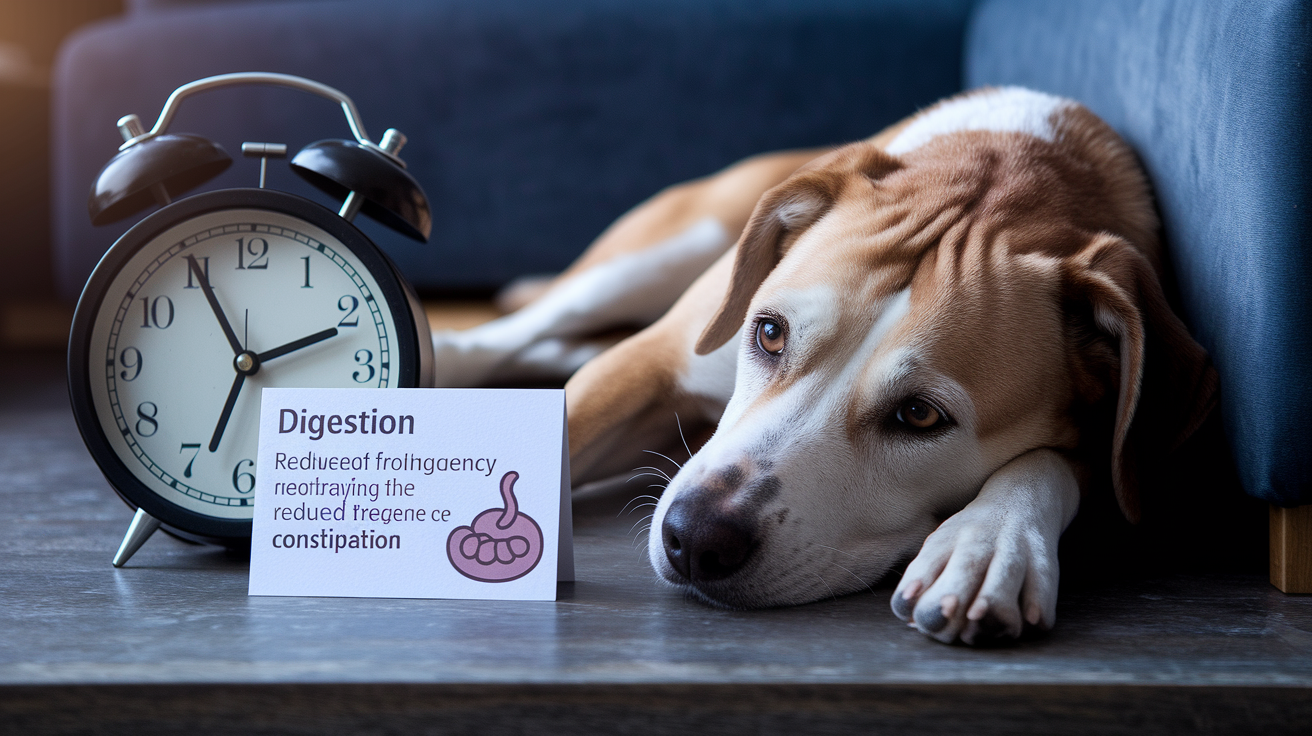
Constipation happens when stool becomes too hard, too dry, or too difficult to pass. You’ll see your dog straining in the poop position but producing nothing, or only small, rock hard pellets. Dehydration is one of the most common causes. Dogs who don’t drink enough water end up with dry, compacted stool that’s painful to move.
Other causes include lack of exercise (which slows gut motility), eating bones or non digestible material that hardens stool, certain medications, and age related slowdowns in senior dogs. Some dogs also hold their stool if they’re anxious, in a new environment, or unwilling to go in certain weather conditions like heavy rain or snow.
If your dog hasn’t pooped in 24 to 36 hours and is straining, pacing, or showing signs of discomfort, contact your vet. Constipation that lasts more than a couple days can lead to impaction, a painful and sometimes dangerous condition that may require medical help. Don’t give laxatives or stool softeners without vet guidance. Some products made for humans are unsafe for dogs.
Medical Warning Signs in Dog Poop Frequency
Certain changes in poop frequency or appearance are urgent and require same day or emergency vet care. Bright red blood in the stool, whether streaks on the surface or mixed throughout, signals bleeding somewhere in the lower digestive tract. Dark, tarry, black stool indicates bleeding higher up, often in the stomach or small intestine. That’s considered a serious emergency.
If your dog is straining repeatedly but producing nothing, or only mucus, that’s a red flag for a blockage or severe constipation. Vomiting combined with inability to poop, lethargy, refusal to eat, or visible abdominal pain (tense belly, hunched posture, whining when touched) are all signs that something is seriously wrong and needs immediate attention.
Emergency signs requiring vet contact:
Bright red blood or black, tarry stool
Straining to poop but producing nothing
Vomiting along with changes in poop frequency or inability to defecate
Lethargy, weakness, or refusal to eat
Abdominal pain, bloating, or distended belly
Intestinal Blockages and Dangerous Stool Changes
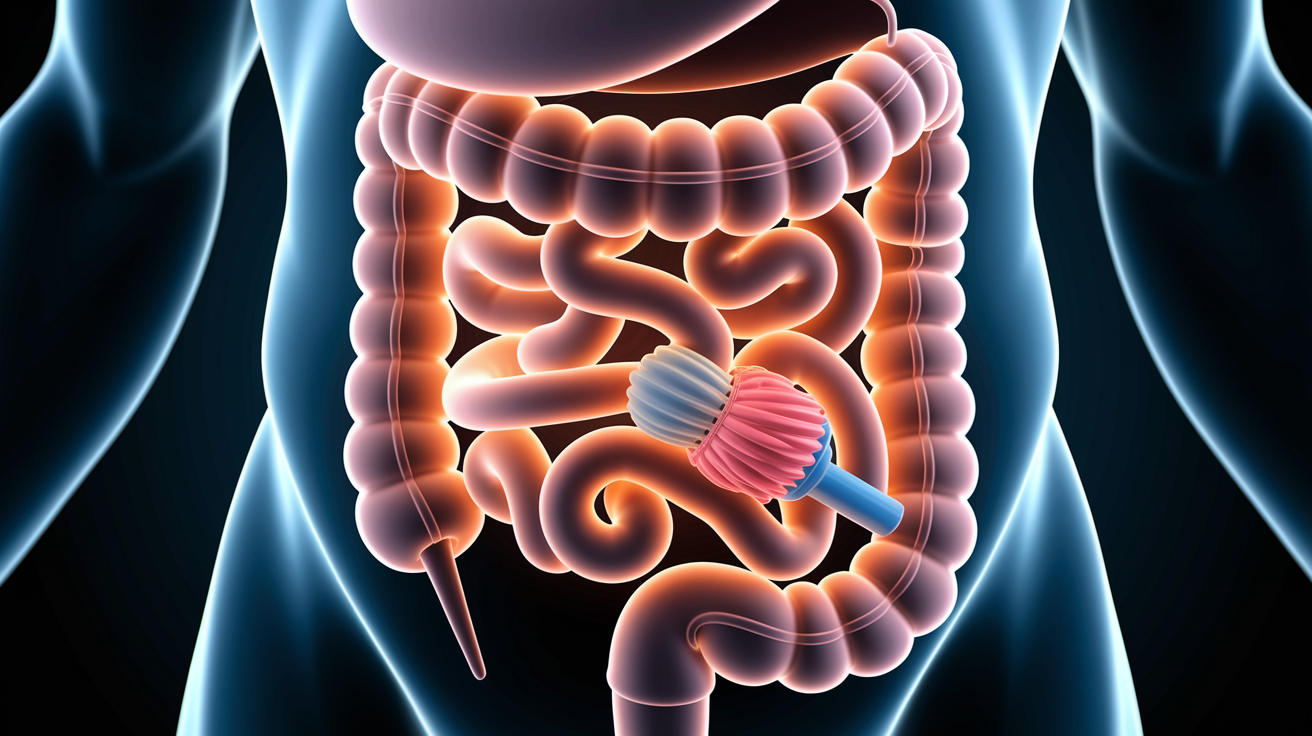
Intestinal blockages happen when a dog swallows something that can’t pass through the digestive tract. Toys, bones, fabric, sticks, other foreign objects. Partial blockages may allow some stool or diarrhea to pass, which can be confusing because you might think things are moving. Complete blockages stop everything. No stool, often severe vomiting, and rapid deterioration.
Symptoms of a blockage include repeated vomiting (especially if it’s unproductive or contains bile), weakness, loss of appetite, dehydration, and abdominal pain or bloating. Your dog may hunch over, refuse to lie down comfortably, or cry when you touch their belly. Some dogs with partial blockages will have diarrhea because fluid and mucus seep around the obstruction, but no normal stool passes.
Blockages are life threatening. They cut off blood supply to sections of the intestine, causing tissue death, and they can lead to sepsis if the gut perforates. If you know or suspect your dog swallowed something they shouldn’t have, or if they’re showing these symptoms, go to the vet or emergency clinic right away. Surgery is often required to remove the object and repair any damage. Outcomes are much better when caught early.
How Diet and Feeding Schedule Affect Pooping Frequency
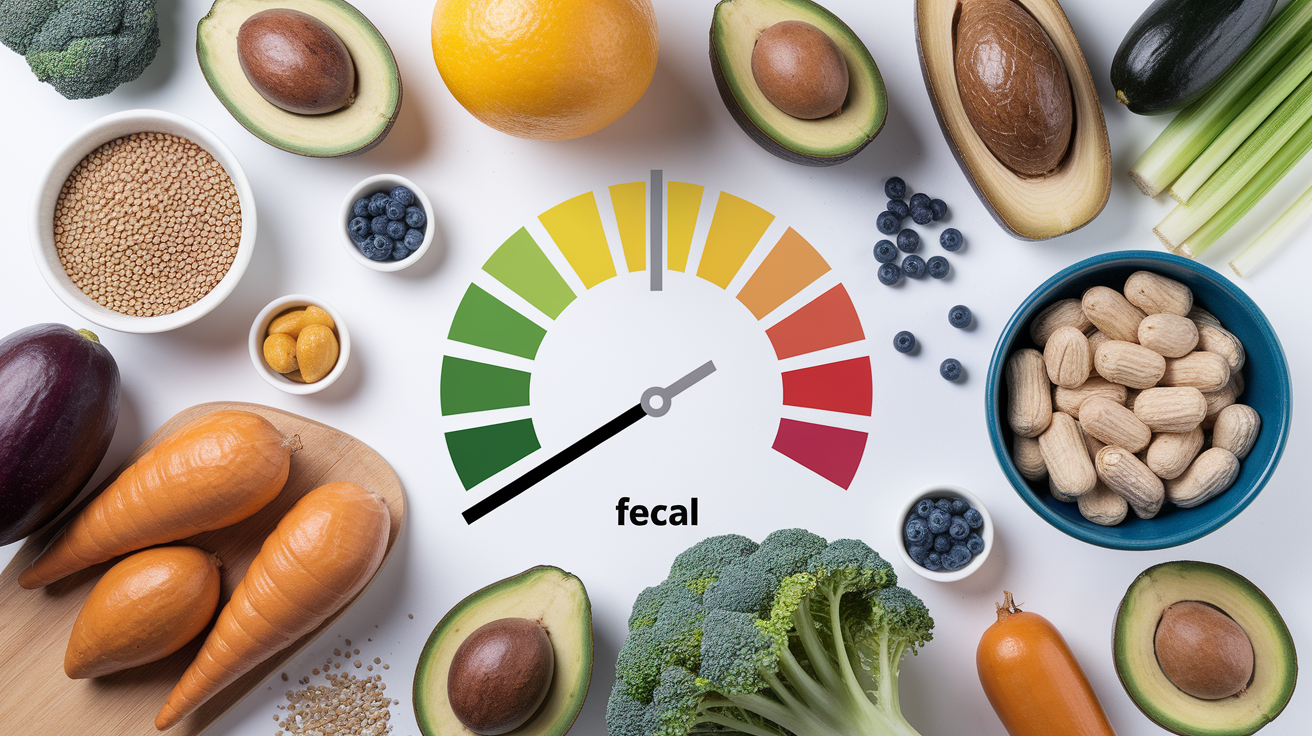
The number of meals you feed each day has a direct impact on how many times your dog poops. Most adult dogs eat twice a day and poop twice a day, roughly eight to twelve hours after each meal. If you feed once daily, expect one bowel movement. Feed three smaller meals, and you’ll likely see three poops spaced throughout the day.
Fiber content in food increases stool bulk and frequency. High fiber diets are often marketed for weight management or senior dogs, and they work by making your dog feel full with fewer calories. The trade off is more poop, both in volume and frequency. Switching from a low fiber food to a high fiber formula can easily take your dog from one poop a day to three.
Treats add up quickly and can disrupt digestion if you’re not careful. Treats should make up no more than 10 percent of your dog’s daily caloric intake. Go over that, especially with rich, fatty, or unfamiliar treats, and you may see looser, more frequent stools. Keep treat portions small and consistent to avoid digestive upset.
Feeding related factors that affect poop frequency:
Number of meals per day (more meals means more frequent poops)
Fiber level in food (high fiber means more bulk and frequency)
Treat intake (over 10% of calories can cause loose or frequent stool)
Consistency of diet (sudden changes disrupt digestion and increase frequency)
When to Call the Vet About Dog Poop Frequency
Any change in your dog’s normal poop pattern that lasts more than 24 hours is worth a phone call to your vet. That includes going from two poops a day to four, or from daily poops to none at all. It also includes changes in consistency, color, or the presence of blood, mucus, or undigested food. Your vet can help you decide whether to monitor at home or bring your dog in for an exam.
Persistent diarrhea lasting 24 to 48 hours, especially if it’s watery or contains blood, requires vet attention. So does constipation where your dog hasn’t pooped in 24 to 36 hours and is straining, uncomfortable, or showing other symptoms like vomiting or lethargy. If your dog is acting sick in any way (loss of appetite, low energy, hiding, pacing), don’t wait. Changes in poop are often early warning signs of bigger problems.
Supporting Healthy Dog Digestion at Home
Consistency in diet is one of the simplest ways to keep your dog’s digestion regular. Stick to the same food, fed at the same times each day, and avoid sudden switches or frequent additions of new treats and table scraps. If you do need to change foods, transition gradually over seven to ten days by mixing increasing amounts of the new food with the old.
Probiotics can help dogs with sensitive stomachs or inconsistent stool. Vet recommended options like Nutramax Proviable or Purina Pro Plan FortiFlora support healthy gut bacteria and can improve stool quality and regularity. Always discuss probiotics with your vet before starting them, especially if your dog has ongoing digestive issues.
Hydration is critical. Make sure fresh water is always available, and monitor intake if your dog isn’t drinking enough. Dehydration leads to hard, dry stool and constipation. For dogs prone to constipation, adding a small amount of plain canned pumpkin (not pie filling) to meals can provide gentle fiber and moisture to soften stool.
Safe at home steps to support healthy digestion:
Feed consistent meals at the same times each day
Keep treats to 10% or less of daily calories
Provide fresh water at all times and monitor intake
Use vet approved probiotics if recommended for sensitive stomachs
Transition food changes slowly over a week or more
Monitoring and Tracking Your Dog’s Poop Habits
Go outside with your dog, even if you have a fenced yard. Watching your dog poop gives you real time information about frequency, effort, and stool appearance. You’ll notice straining, changes in posture, or signs of discomfort that you’d miss if you just let them out alone. It also lets you inspect the stool before it dries or gets rained on.
Keep a simple log if your dog has ongoing digestive issues or if you’re working with your vet to diagnose a problem. Note the date, time, stool consistency (use the fecal scoring system), color, and any unusual observations like mucus, blood, or undigested food. Also write down what your dog ate that day, including treats, and any changes in exercise, stress, or routine. This record is incredibly helpful during vet visits and can reveal patterns you wouldn’t notice otherwise.
| What to Track | Why It Matters |
|---|---|
| Frequency (times per day) | Establishes your dog’s normal baseline; helps catch increases or decreases early |
| Consistency (fecal score 1 to 7) | Indicates hydration, fiber intake, and gut health; changes signal diet or illness issues |
| Color and appearance | Red, black, pale, or greasy stool can point to bleeding, liver problems, or pancreatitis |
| Straining or urgency | Straining suggests constipation or blockage; urgency may indicate diarrhea or inflammation |
Final Words
You saw the typical patterns: most adult dogs poop once or twice a day, puppies several times, and seniors sometimes less. We explained timing after meals and what firm, formed stool usually looks like.
We also covered diet, exercise, stress, red flags like blood or sudden changes, and simple home steps like fiber, probiotics, and diary-keeping.
If you’re still asking how often should dogs poop, use these ranges and warning signs as a guide, track a few days, and call your vet if changes last more than 24 to 36 hours. Small habits often keep digestion steady. You’ve got this.
FAQ
Q: What is the 7 7 7 rule for dogs?
A: The 7 7 7 rule for dogs is not a universal veterinary standard; it’s a trainer shorthand used differently by people, so ask the source what they mean and follow your vet or trainer’s specifics.
Q: How long can dogs go without pooping?
A: Dogs can usually go 24–36 hours without pooping; contact your veterinarian if there’s no stool by 36 hours or if your dog is straining, vomiting, lethargic, or seems in pain.
Q: What is the 3 poop rule?
A: The 3 poop rule commonly refers to seeing three normal stools in 24 hours as a simple check for routine, but it’s not a medical rule—any persistent change or loose stool over 24 hours needs vet advice.
Q: Do dogs poop less as they age?
A: Dogs often poop less as they age because metabolism and activity drop; older dogs may defecate once a day or less, but watch for constipation signs like straining or very hard stools and call your vet if concerned.