

Is that wet gunk in your dog’s eye nothing, or a sign something serious is brewing?
Dog eye discharge causes range from mild allergies to infections or even scratched corneas, and the color and texture tell you a lot.
In this post, we’ll explain the common causes, show simple at-home steps you can try safely, and give clear signs that mean you should call the vet right away.
Knowing this can save a late-night panic call or prevent lasting damage.
Understanding the Different Types of Dog Eye Discharge
Every dog gets a little gunk in their eyes now and then. But knowing what’s normal versus what’s actually a problem? That can save you a panicked late-night vet visit or help you catch something serious before it gets worse.
The color, texture, and how much discharge you’re seeing tell you a lot. Clear and watery usually means something’s irritating the eye or mild allergies are at play. Thick mucus points toward dry eye or ongoing inflammation. Yellow or green? That’s almost always infection. Brown or reddish staining is often just tear overflow, especially common in certain breeds, though it can also mean deeper irritation.
Here’s what you’re looking at:
Clear, watery discharge – typically allergies, minor irritation, or blocked tear ducts. Eyes might look fine otherwise.
Yellow or green discharge – big red flag for bacterial infection. You’ll usually see redness and discomfort too.
Thick, white-gray mucus – classic dry eye (keratoconjunctivitis sicca). Eyes can look dull or sticky.
Brown or reddish stains – usually dried tears with porphyrin pigment. Common in light-colored dogs, especially around the inner corners.
Crusty buildup – dried discharge that hardens overnight. Small amounts? Normal. Heavy crusting means infection or chronic inflammation.
If the discharge suddenly changes color, ramps up fast, or your dog starts squinting or pawing at their face, pay attention.
Common Medical Causes of Dog Eye Discharge
Most eye discharge in dogs comes from a few usual suspects. Some are mild and you can watch them at home for a day or two. Others need a vet to diagnose and treat before real damage happens.
Conjunctivitis
Conjunctivitis is inflammation of the pink tissue lining the eyelids and covering the white part of the eye. It’s one of the most common reasons you’ll see yellow or green gunk.
Dogs with conjunctivitis usually have red, swollen eyes. They squint or rub their face on furniture. The discharge starts watery but gets thicker as bacteria show up or the inflammation worsens. Both eyes can be affected, or just one, depending on what triggered it.
Allergies
Environmental stuff like pollen, dust, mold, and household chemicals can make a dog’s eyes water, just like they do in people.
Allergic reactions tend to produce clear, thin discharge with mild redness and itching. You might notice your dog pawing at their face, rubbing their eyes on the carpet, or blinking more than usual. Seasonal patterns are a big clue. If the watery eyes show up every spring or fall, allergies are likely.
Dry Eye (Keratoconjunctivitis Sicca)
Dry eye happens when the tear glands don’t make enough moisture to keep the eye surface healthy. Without enough tears, the eye tries to compensate by making thick, sticky mucus.
Dogs with dry eye often have white or grayish mucus that builds up fast, even after you clean it. The eyes look dull, red, uncomfortable. Over time, untreated dry eye can cause corneal ulcers, pigmentation on the cornea, and vision loss. Vets confirm it with a Schirmer Tear Test. Normal readings are above 15 mm per minute. Anything under 10 mm means dry eye.
Eye Infections
Bacterial and viral infections both cause discharge, but the type of discharge and other symptoms help tell them apart.
Bacterial infections usually produce thick yellow or green discharge with obvious redness and swelling. Viral infections, like canine distemper or herpesvirus, may start with watery eyes that turn mucoid or purulent as secondary bacteria take hold. Infections often hurt, so you’ll see squinting, light sensitivity, pawing.
Foreign Objects or Irritation
Dust, grass seeds, dirt, or tiny scratches from rough play can irritate the eye and trigger tearing or discharge.
When something foreign gets in the eye, tearing is the body’s way of flushing it out. You might see sudden, heavy watering from one eye, along with squinting and redness. If the irritation scratches the cornea, the eye may turn cloudy. Discharge can become mucoid or even purulent if infection sets in.
Symptoms That Show the Severity of Eye Discharge
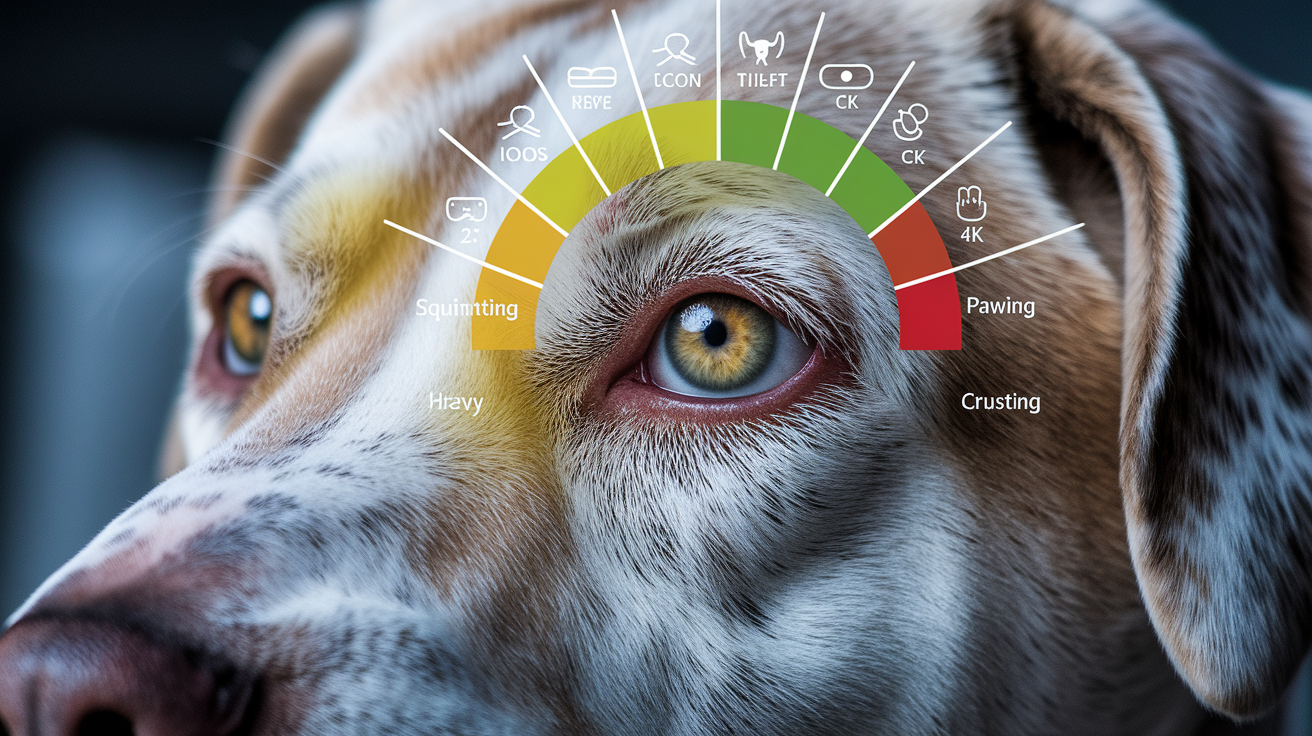
Not all eye discharge means an emergency. But certain symptoms tell you the problem’s getting worse or needs professional care right away.
Mild discharge that stays clear, wipes away easily, and doesn’t come with redness or discomfort can often be watched at home for 24 to 48 hours. If your dog’s acting normal, eating well, and the discharge doesn’t increase, you’re probably safe to keep an eye on things and call the vet during regular hours.
Watch for these signs that things are more serious:
Thick yellow or green discharge that comes back quickly after cleaning, especially with crusting or odor.
Visible swelling around the eye or eyelids that makes the eye look puffy or partially closed.
Persistent squinting or keeping one eye shut, which signals pain or sensitivity to light.
Frequent pawing or rubbing at the face, often hard enough to cause redness or fur loss.
Heavy crusting that glues the eyelids together, especially overnight.
Foul odor coming from the discharge, which can mean infection or dead tissue.
Any of these symptoms, especially if they appear suddenly or worsen over a few hours, means it’s time to call the vet and get your dog seen as soon as possible.
When to Contact a Veterinarian
Yellow or green discharge, obvious pain, or any sign of vision change should get you to the vet same day. Infections move fast. Corneal damage can become permanent if treatment gets delayed.
If your dog’s eyes are red, they’re squinting hard, or the discharge is thick and won’t stop, don’t wait. Glaucoma, deep ulcers, severe infections all need urgent care to save vision and comfort. Cloudiness in the eye, a dilated or unresponsive pupil, or bleeding also need immediate evaluation.
For mild, clear discharge with no other symptoms, watching for a day or two is reasonable. As long as nothing changes. If the discharge hangs around, increases, or new symptoms like redness or squinting appear, schedule a vet appointment. Even low-grade irritation can signal a blocked tear duct, early dry eye, or a small scratch that needs attention before it gets worse.
Breeds Prone to Eye Discharge
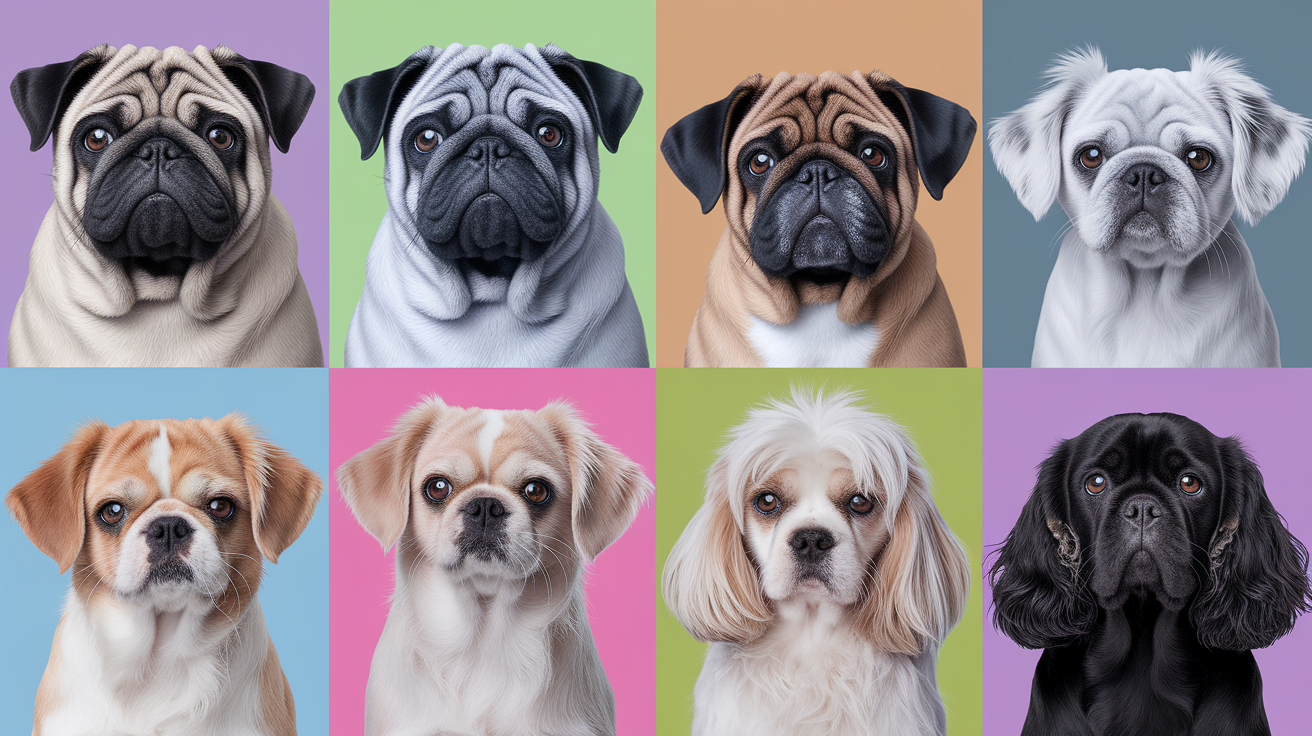
Some dogs are born with facial or eyelid anatomy that makes eye discharge more likely, even when they’re otherwise healthy.
Brachycephalic breeds (dogs with short noses and prominent eyes) often have shallow eye sockets and poor tear drainage. Their eyes are more exposed to dust, wind, minor trauma. Tears don’t always drain properly through the nasolacrimal ducts. Small companion breeds with light-colored coats tend to show visible tear staining because the porphyrin pigment in tears oxidizes and darkens on white or cream fur.
Breeds commonly affected include:
Pugs – shallow orbits and prominent eyes prone to corneal exposure and irritation.
Bulldogs (English and French) – eyelid folds and tear-film abnormalities.
Shih Tzus – blocked tear ducts and facial hair that traps moisture.
Pekingese – large eyes with poor drainage and high risk of corneal injury.
Maltese – chronic tear staining and nasolacrimal duct issues.
Cocker Spaniels – eyelid conformational problems like ectropion and cherry eye.
If you have one of these breeds, regular eye cleaning and early vet checkups for any discharge changes can prevent bigger problems down the road.
Safe At‑Home Care for Mild Eye Discharge
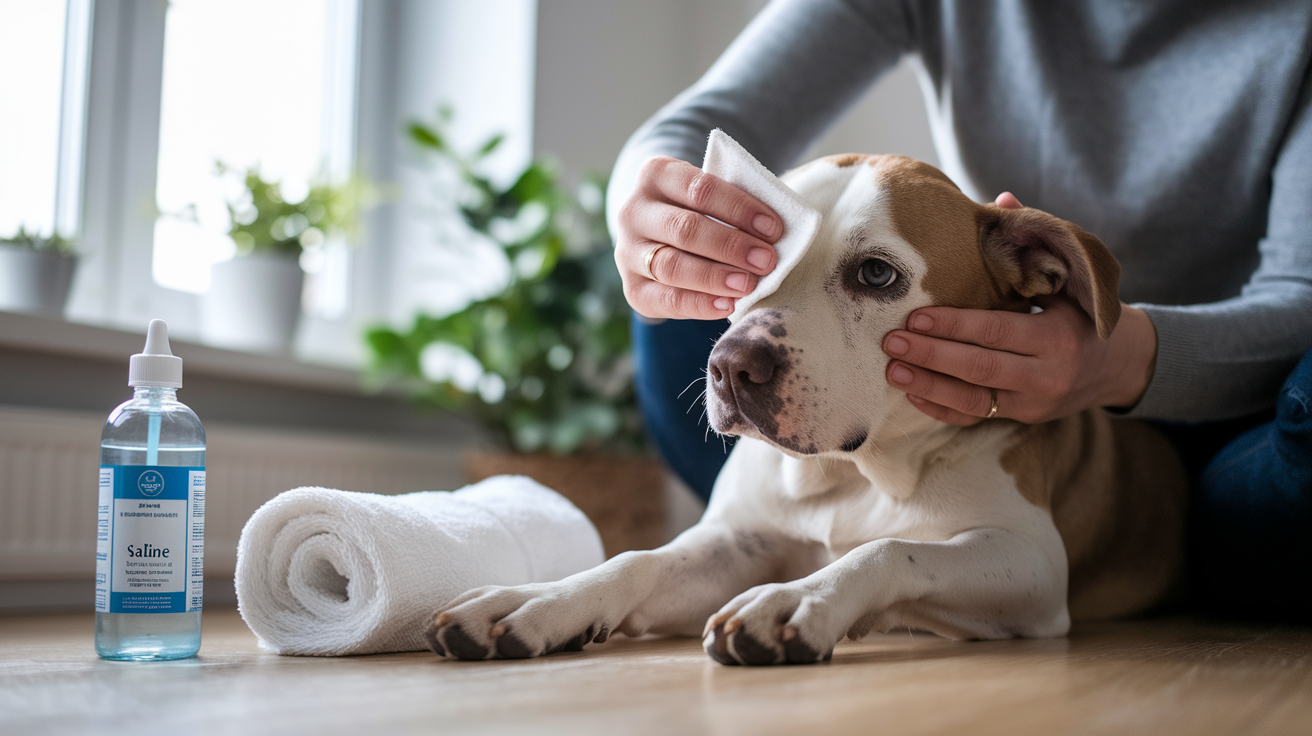
When discharge is mild, clear, and your dog’s eyes aren’t red or painful, gentle cleaning and short-term watching can be done safely at home.
Follow these steps:
Gather supplies. Use a clean, soft cloth or gauze pad and sterile saline or cooled boiled water. Avoid cotton balls that leave fibers.
Dampen the cloth with saline or water, wring out excess so it’s moist but not dripping.
Wipe from the inner corner outward in one gentle motion. Use a fresh section of cloth for each eye.
Clean once or twice daily or as needed to remove fresh discharge and prevent crusting.
Trim fur around the eyes carefully if it’s trapping moisture or rubbing the eyeball.
Watch both eyes for symmetry. If one eye suddenly has more discharge, redness, or swelling, that’s a clue something specific is irritating that side.
Monitor for 24 to 48 hours and note any changes in color, amount, or new symptoms like squinting or pawing.
Don’t use over-the-counter human eye drops, antibiotic ointments, or any medication unless your vet has prescribed it. What’s safe for people can be toxic or irritating to dogs. Using the wrong treatment can make infections worse or delay proper care. If the discharge doesn’t get better in a day or two, or if any red-flag symptoms appear, stop the at-home routine and call your vet.
Final Words
In the action, we defined common types of eye discharge, like watery, thick mucus, yellow or green, and brown or red, and what each looks like.
We reviewed main medical dog eye discharge causes such as allergies, conjunctivitis, dry eye, infections, and foreign irritation, plus signs of severity, breeds that are prone, and safe at-home steps.
If it seems mild, clean gently and watch for 24 to 48 hours. Call your vet sooner for pain, blood, persistent thick pus, or sudden changes. Knowing dog eye discharge causes helps you act calmly and get the right care.
FAQ
Q: When should I be concerned about my dogs eye discharge?
A: You should be concerned about your dog’s eye discharge when it’s thick, yellow or green, bloody, foul-smelling, causing squinting or swelling, affecting vision, or lasting more than 48 hours—contact your vet right away.
Q: How do you treat eye discharge in dogs?
A: You treat eye discharge in dogs by gently cleaning the eye with sterile saline, wiping inward to outward, avoiding human drops, watching for changes, and seeing the vet if it’s yellow, painful, or doesn’t improve in 24–48 hours.
Q: Why is my dog’s eye weeping all of a sudden?
A: A dog’s eye can suddenly weep because of irritation, allergies, a foreign object, blocked tear ducts, infection, or a scratch; if there’s pain, blood, cloudiness, or sudden vision change, contact your vet immediately.
Q: What breeds are prone to eye boogers?
A: Breeds prone to eye boogers include Pugs, Bulldogs, Shih Tzus, Pekingese, Maltese, and Cocker Spaniels because short faces, shallow sockets, or tear-duct issues cause extra tearing and crust.