

Think a dry nose means your dog is sick?
Wait, it’s a myth that worries many pet parents.
A dog’s nose naturally goes from wet to dry during the day, and alone it usually doesn’t say much about health.
Read on for simple checks, safe at-home steps, and clear red flags so you can tell when to relax and when to call the vet.
I’ll explain quick checks like gum moisture and skin elasticity, common causes, and when a dry nose means urgent care.
Understanding What a Dry Nose Means in Dogs
A dry nose in most dogs is completely normal and not a reliable sign of illness. Dogs can be perfectly healthy with a temporarily dry nose, and they can be sick while their nose stays wet. The old belief that “a cold, wet nose means a healthy dog” doesn’t hold up when you look at the whole picture. behavior, energy level, appetite, and overall demeanor tell you far more about your dog’s health than nose moisture alone.
Nose moisture naturally fluctuates throughout the day. A dog’s nose gets wet partly from mucus-producing glands and partly from frequent licking, which helps with scent detection and cooling. When your dog isn’t actively licking or sniffing, the nose can dry out within minutes. Dogs who’ve been napping often wake up with dry noses because they haven’t licked them for a while. That moisture usually returns within about 10 minutes once they’re up and moving. A warm or dry nose doesn’t automatically mean fever or dehydration, and a wet nose doesn’t guarantee good health. If your dog is eating normally, playing, and acting like themselves, a dry nose on its own isn’t cause for immediate worry.
Dryness becomes a red flag when it’s paired with other changes. If your dog is lethargic, refusing food, vomiting, has pale or discolored gums, or if the nose develops deep cracks, crusts, bleeding, or lumps, those combinations signal that something more serious may be going on. Persistent dryness that lasts days or weeks, especially with visible skin changes on the nose itself, warrants a veterinary check even if your dog seems otherwise normal.
Normal causes of temporary nose dryness include:
- Sleeping or just waking up (nose typically re-moistens within 10 minutes)
- Brief moisture fluctuations during the day as licking frequency varies
- Mild temporary dehydration after vigorous exercise or play
- Routine variations in how often your dog licks their nose
- Normal daily shifts in nose moisture that don’t indicate illness
Everyday Causes of Canine Nose Dryness
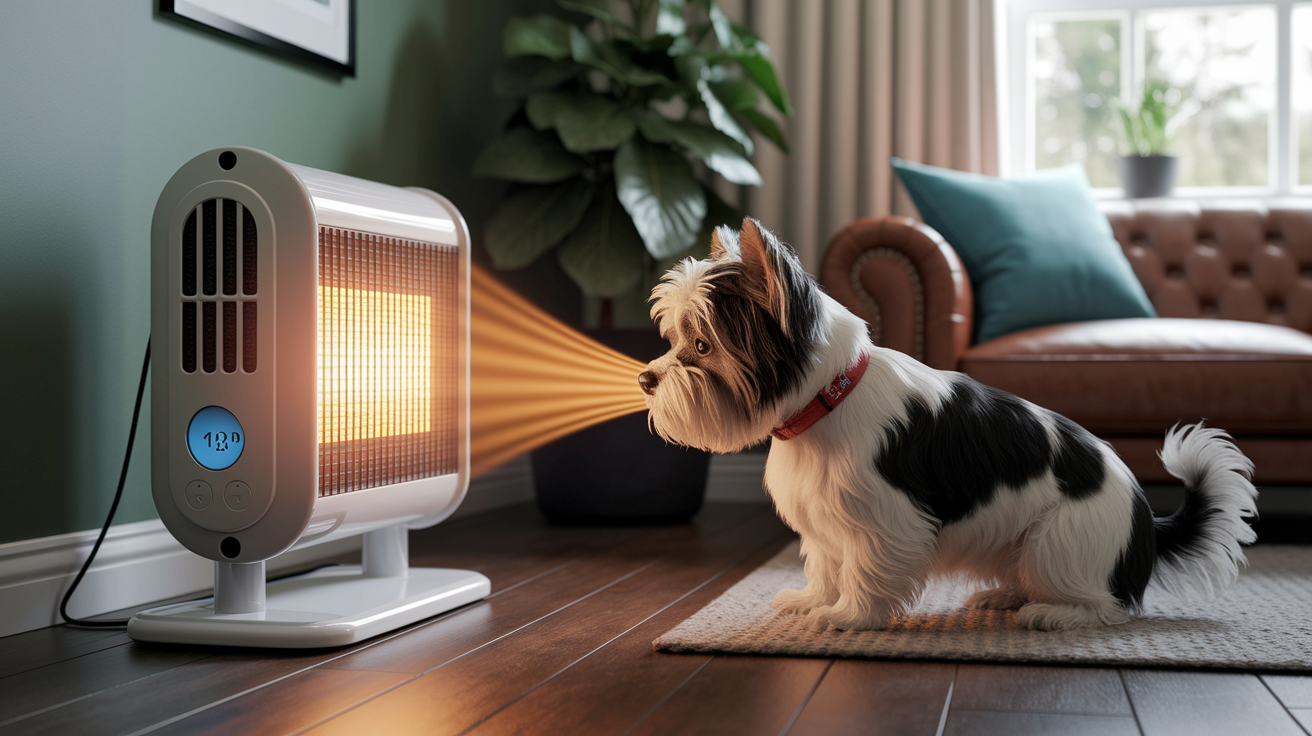
Environmental factors play a big role in how dry or moist your dog’s nose feels at any given moment. Indoor heating during winter, especially warm air blowing directly from heat vents, can dry out a dog’s nose quickly. Low humidity in your home has the same effect, whether it’s from forced air heating, air conditioning in summer, or just naturally dry climates. Seasonal shifts matter too. Hot summer sun can dry and even crack a dog’s nose if they spend long stretches outdoors without shade, and cold, windy winter weather pulls moisture away from exposed skin, including the nose.
Age and breed structure also influence nose moisture patterns. Puppies sometimes have drier noses simply because their routines and activity levels are still settling in. Senior dogs take longer, deeper naps and may not lick their noses as frequently, so mild dryness becomes more common as dogs age. Brachycephalic breeds like Pugs, Bulldogs, and Boston Terriers have short, flat faces that make it physically harder to reach and lick their noses. Their noses can stay drier more often than long-snouted breeds. Some breeds, including Lhasa Apsos, are prone to blocked tear ducts, which reduces the natural moisture that would otherwise help keep the nose area slightly damp.
Common everyday causes of canine nose dryness include:
- Sleeping for extended periods without licking the nose
- Exposure to direct sunlight, wind, or cold outdoor temperatures
- Indoor heating systems or air conditioning that lower humidity
- Seasonal weather changes (dry winter air, hot summer sun)
- Brachycephalic facial structure that limits nose licking
- Age-related changes in licking frequency and tear production
Medical Conditions Linked to a Dog’s Dry or Crusty Nose
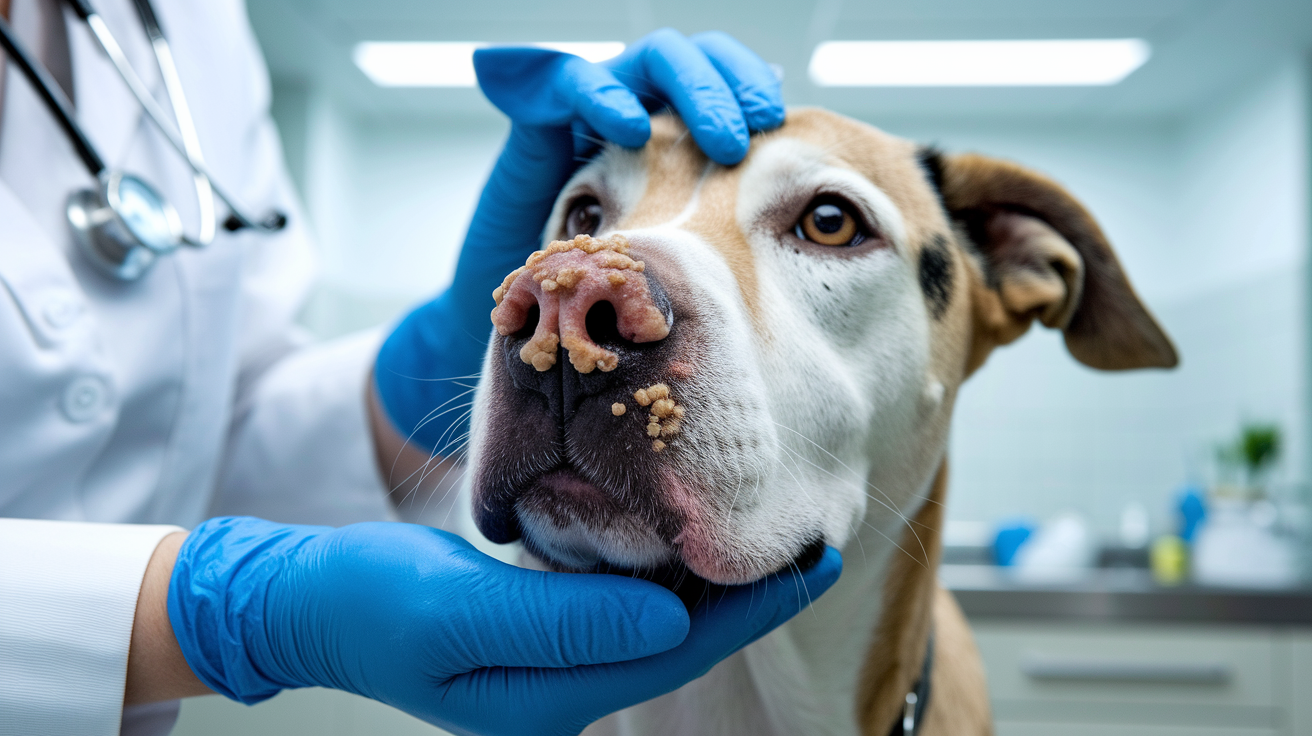
When a dog’s dry nose doesn’t resolve with hydration, shade, or a change in environment, an underlying health condition may be the cause. Persistent dryness, especially when paired with visible changes like crusting, cracking, bleeding, or thickened skin, often points to specific diseases that affect the nasal surface. These conditions require veterinary diagnosis and targeted treatment because they won’t improve on their own.
Autoimmune Conditions
Autoimmune diseases occur when a dog’s immune system mistakenly attacks its own tissues. The nose is a common site for these reactions. Discoid lupus erythematosus (DLE) and pemphigus are two autoimmune disorders that frequently cause nasal dryness, along with crusting, cracking, and sometimes bleeding. In DLE, the pigmented surface of the nose loses color, becomes dry and scaly, and can develop painful cracks or open sores. Pemphigus causes blistering and crusting that often starts on the nose and face before spreading. Both conditions tend to worsen with sun exposure, and affected dogs may also show similar lesions around the eyes, ears, or mouth.
Sunburn and Allergies
Dogs with pale or pink noses, thin coats, or light-colored skin are especially vulnerable to sunburn, which can leave the nose dry, red, and peeling. Repeated sunburn over time increases the risk of more serious skin damage and even nasal tumors. Environmental and food allergies can also irritate the nasal surface, causing redness, swelling, itching, and secondary dryness from constant rubbing or scratching. Dogs with severe allergies may lick or paw at their noses excessively. Paradoxically, this can dry out the skin and lead to cracking or crusting.
Hyperkeratosis and Infections
Nasal hyperkeratosis is a condition where the skin on the nose produces too much keratin, the protein that forms the outer protective layer. This leads to a thick, crusty buildup that looks and feels dry and rough. It’s more common in older dogs and certain breeds predisposed to skin conditions. Bacterial or fungal infections can also cause chronic nasal dryness, often accompanied by a foul smell, discharge, or visible inflammation. These infections sometimes develop secondary to another issue, like an injury, allergy, or immune disorder that damaged the nasal skin first.
How to Check If Dry Nose Indicates Dehydration or Illness
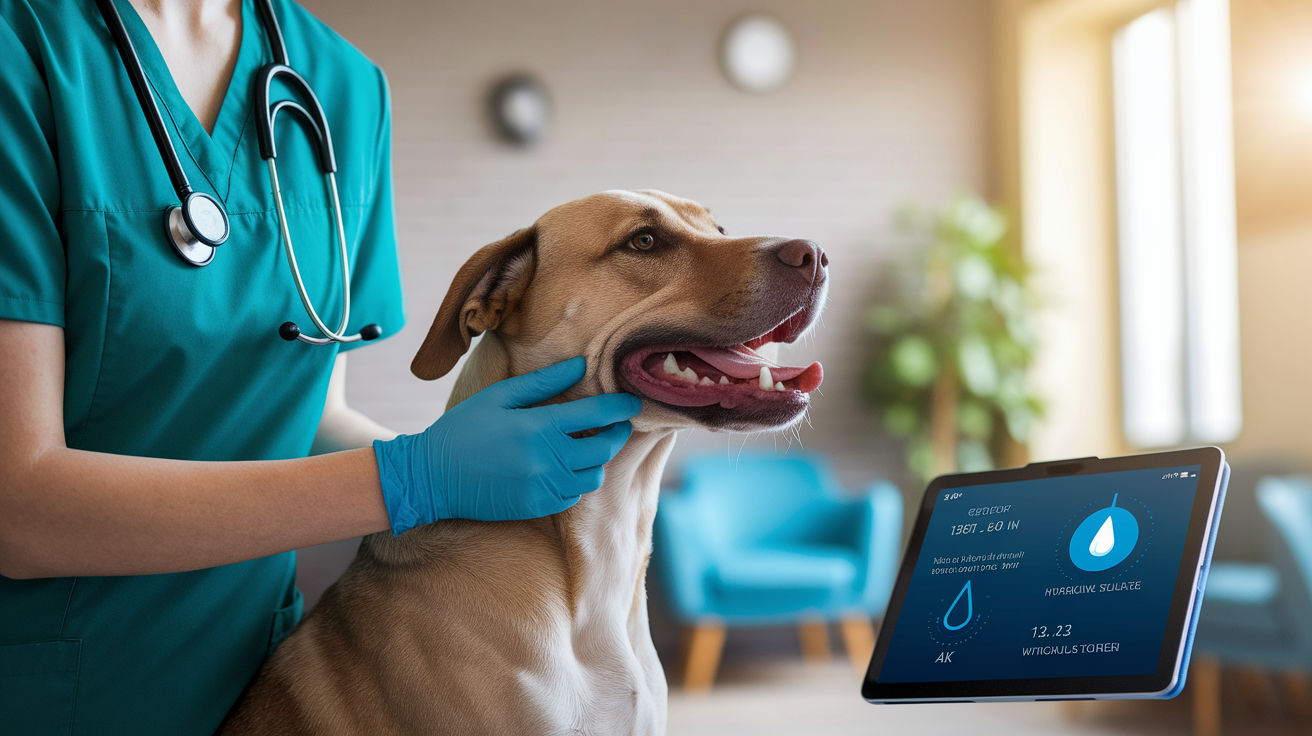
When you notice a dry nose, a quick check of your dog’s gums and overall behavior helps you decide whether it’s a minor, temporary issue or something that needs attention. Gently lift your dog’s lip and look at the gums. Healthy, well-hydrated gums should be moist, smooth, and pink (or pigmented in dogs with naturally darker gums). If the gums feel tacky or dry to the touch, or if they look pale, grayish, bright red-purple, or bluish, that’s a warning sign. Pale or white gums can indicate anemia or poor circulation, while blue or purple gums signal a lack of oxygen and require immediate veterinary care.
Skin elasticity offers another quick hydration check. Gently pinch the skin on the back of your dog’s neck or between the shoulder blades, lift it slightly, and let go. In a well-hydrated dog, the skin should snap back into place almost instantly. If it takes more than a second or two to return, or if it stays tented, your dog is likely dehydrated. Dehydration serious enough to affect the skin also usually comes with other signs, like lethargy, sunken eyes, dry gums, and reduced appetite. A dry nose paired with these symptoms means your dog needs water and possibly veterinary fluids, not just nose balm.
Signs to check when evaluating a dry nose:
- Gum moisture and color (moist pink = normal; tacky/dry = dehydration; pale/blue/red-purple = urgent concern)
- Skin elasticity (pinch test on neck or shoulder skin should snap back quickly)
- Energy level and behavior (lethargy, withdrawn behavior, or unusual restlessness)
- Appetite and thirst (reduced eating or drinking, or excessive thirst)
- Presence of crusting, cracking, bleeding, or lumps on the nose itself
Diagnostic Tests Vets Use for Chronic Dry Nose

When a dry nose persists for weeks, worsens over time, or comes with visible changes like crusting, cracking, or color loss, your veterinarian will likely recommend diagnostic testing to identify the underlying cause. A thorough physical exam is the first step, but many conditions that cause chronic nasal dryness require lab work or tissue sampling to confirm. Blood tests help rule out systemic diseases, infections, and autoimmune disorders, while urine tests check for dehydration, kidney function, and metabolic imbalances that can affect skin health. If an autoimmune disease, infection, or nasal hyperkeratosis is suspected, a nasal biopsy may be necessary to examine the affected tissue under a microscope and make a definitive diagnosis.
These tests give your vet the information needed to recommend the right treatment, whether that’s immunosuppressive medication for autoimmune disease, antibiotics for bacterial infection, or prescription topical therapy for thickened or damaged nasal skin. Without testing, it’s impossible to know whether a chronic dry nose is a cosmetic issue, a manageable condition, or an early sign of something more serious.
| Test | What It Checks |
|---|---|
| Blood test | Systemic infections, autoimmune markers, organ function, overall health |
| Urine test | Hydration status, kidney function, metabolic imbalances |
| Nasal biopsy | Tissue structure, presence of autoimmune disease, infection, or abnormal cell growth |
Safe Moisturizers and Home Care for Dry Dog Noses
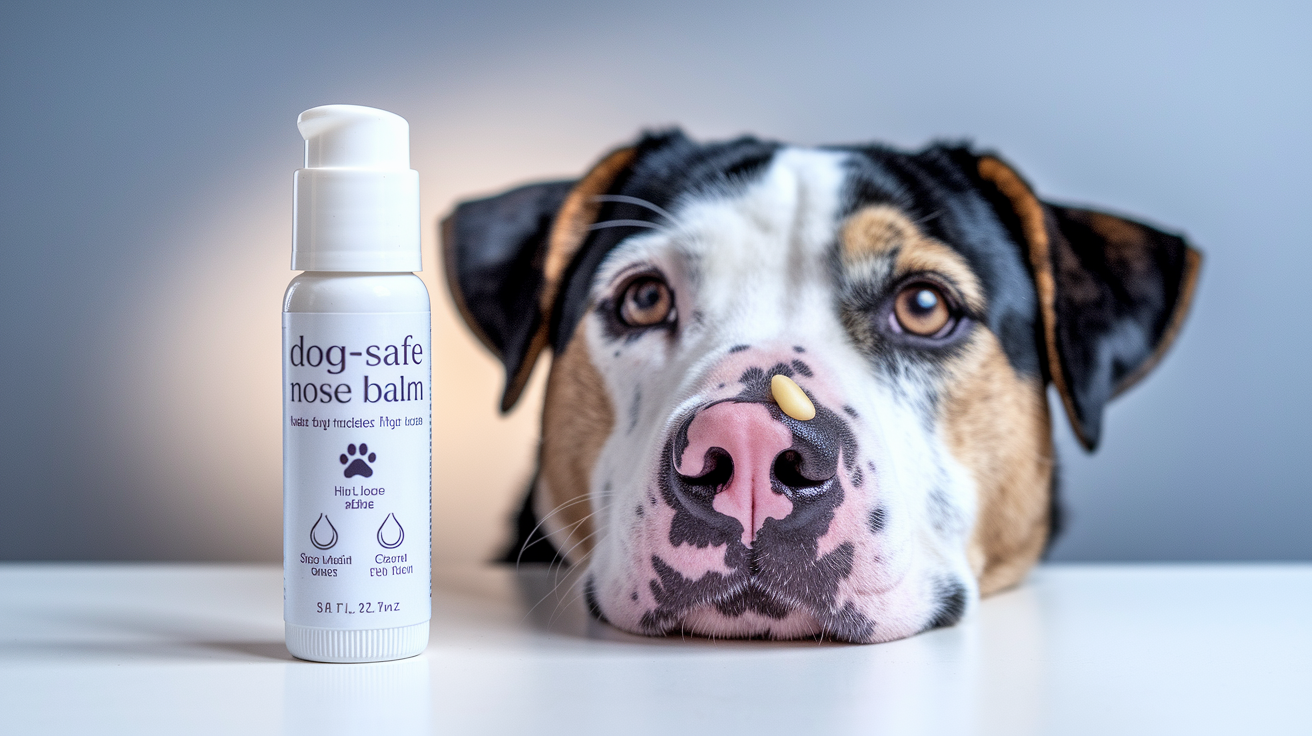
If your dog’s nose is mildly dry but they’re otherwise healthy, safe at-home moisturizers can help restore comfort and prevent cracking. The key is to use only products formulated for dogs, because dogs lick their noses constantly and will ingest whatever you apply. Human lotions, creams, and petroleum-based products often contain ingredients that are toxic to dogs, including fragrances, essential oils, zinc oxide, and medications like hydrocortisone. Even seemingly harmless moisturizers can cause vomiting, diarrhea, or more serious toxicity if licked off repeatedly.
Dog-safe nose balms are specifically designed to be edible and non-toxic. They typically contain ingredients like shea butter, coconut oil, beeswax, and vitamin E. These balms create a protective barrier that locks in moisture without irritating the skin. For dogs with pale or pink noses who spend time outdoors, especially in summer, a dog-safe sunscreen formulated for noses and muzzles can prevent painful sunburn and long-term skin damage. Apply a thin layer before heading outside, and reapply if your dog is in the sun for extended periods. If indoor air is dry, particularly in winter when heating systems run constantly, using a humidifier in the room where your dog spends most of their time can help maintain natural nose moisture without any topical products at all.
For chronic dryness that doesn’t improve with over-the-counter balms or environmental adjustments, your veterinarian may prescribe a medicated lotion or ointment tailored to your dog’s specific condition. Prescription treatments for autoimmune disease, hyperkeratosis, or severe allergies often include ingredients that reduce inflammation, soften thickened skin, or support healing in ways that regular balms can’t. Always check with your vet before applying anything new to your dog’s nose, especially if there’s cracking, crusting, or visible irritation.
Safe moisturizer options for dry dog noses:
- Dog-specific nose balms containing shea butter, coconut oil, or beeswax
- Edible-safe balms with vitamin E and natural emollients
- Veterinary-prescribed medicated lotions for chronic or severe dryness
- Dog-safe sunscreen for pale or pink noses exposed to strong sun
When Dry Nose Requires Veterinary Attention
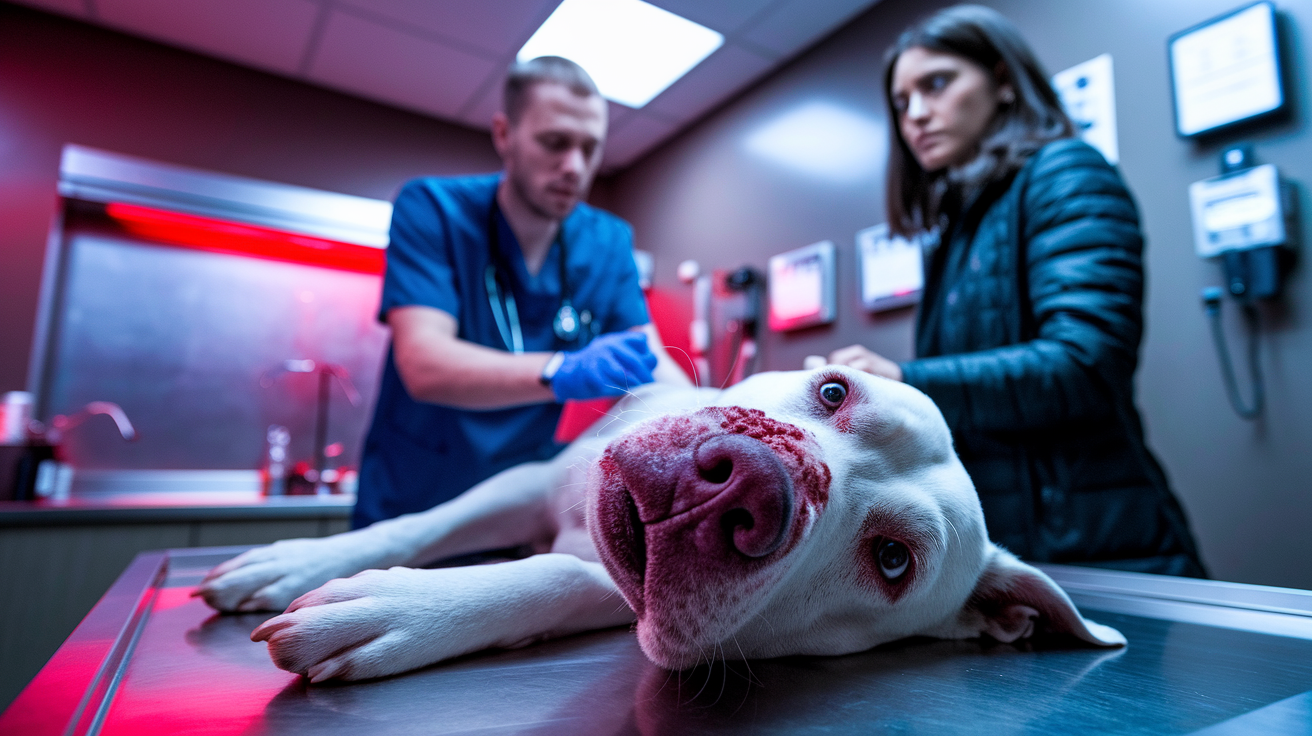
Most cases of temporary nose dryness don’t need a vet visit, but certain signs mean it’s time to make an appointment or seek immediate care. If your dog’s dry nose is paired with lethargy, loss of appetite, vomiting, diarrhea, or a noticeable change in energy or behavior, the dryness may be a symptom of dehydration, infection, or systemic illness. Abnormal gum color is an urgent red flag. Pale or white gums can indicate blood loss or shock, while bright red-purple or bluish gums signal a lack of oxygen or circulatory emergency that requires immediate veterinary attention. Don’t wait to see if these symptoms improve on their own.
Visible changes to the nose itself also warrant a veterinary exam. Deep cracks, bleeding, thick crusts, scabs, or lumps on the nasal surface can indicate autoimmune disease, infection, hyperkeratosis, or even early signs of nasal tumors. If your dog is licking or pawing at their nose excessively, or if they seem uncomfortable or in pain when you touch the area, something is irritating or hurting them. A vet can determine the cause and recommend treatment. Even if your dog seems otherwise healthy, a dry nose that persists for more than a few weeks without improvement from basic care (hydration, humidifier, dog-safe balm) should be evaluated, especially if the dryness is worsening or the nasal skin is changing in appearance.
Red flags that require veterinary attention:
- Severe lethargy, weakness, or collapse
- Persistent vomiting or diarrhea lasting more than a day
- Pale, white, bright red-purple, or bluish gum color
- Deep cracks, bleeding, or open sores on the nose
- Thick crusts, scabs, or lumps on the nasal surface
- Excessive licking, pawing, or signs of pain when the nose is touched
- Chronic dryness lasting weeks without improvement despite basic care
Final Words
A dry nose is usually normal and not a reliable sign your dog is sick. The post covered what nose moisture can mean, everyday causes, medical issues to watch for, quick home checks, common vet tests, and safe moisturizers.
If your dog seems fine, try simple care and watch for 24–48 hours. Take photos and note any changes.
Understanding dog dry nose meaning helps you make calm, sensible choices for your pet — and most of the time, it isn’t serious.
FAQ
Q: How do you treat a dog’s dry nose?
A: Treat a dog’s dry nose by applying an edible-safe balm to the area, keeping your pet well hydrated, and avoiding human lotions; see your vet if crusting, bleeding, or pain develops.
Q: Is a dry nose in dogs normal or a sign of illness?
A: A dry nose in dogs is usually normal and not a reliable sign of illness; watch overall behavior, appetite, and other symptoms like fever or vomiting to assess concern.
Q: What common causes make a dog’s nose dry?
A: Common causes that make a dog’s nose dry include sleeping or waking, brief dehydration after activity, routine licking, and normal daily moisture shifts, which are often harmless.
Q: How can I tell if a dry nose means my dog is dehydrated or sick?
A: You can tell dehydration or illness by checking gums (moist pink normal; tacky or dry suggests dehydration), skin elasticity, appetite, vomiting, unusual lethargy, or presence of crusting or bleeding.
Q: What safe home remedies help a dog’s dry nose?
A: Safe home remedies for a dog’s dry nose include edible balms, plain coconut oil, vet-approved ointments, and using a room humidifier; avoid human lotions and sunscreens unless your vet okays them.
Q: When should I contact the vet about my dog’s dry nose?
A: Contact the vet if a dry nose has deep cracks, bleeding, thick crusts, lumps, or is accompanied by pale/blue/reddish gums, vomiting, severe lethargy, or if symptoms last more than 48 hours.