

What if your dog is hurting and you don’t even know it?
Dogs are wired to hide pain, so when they finally show it, it’s often worse than it looks.
This post will help you spot both loud, emergency signs and the quiet clues most owners miss.
You’ll get clear ways to watch your dog, simple first steps you can try at home, and exact moments you should call the vet.
Think of it as a quick guide to noticing pain before it becomes an emergency.
Urgent and High-Certainty Pain Indicators in Dogs
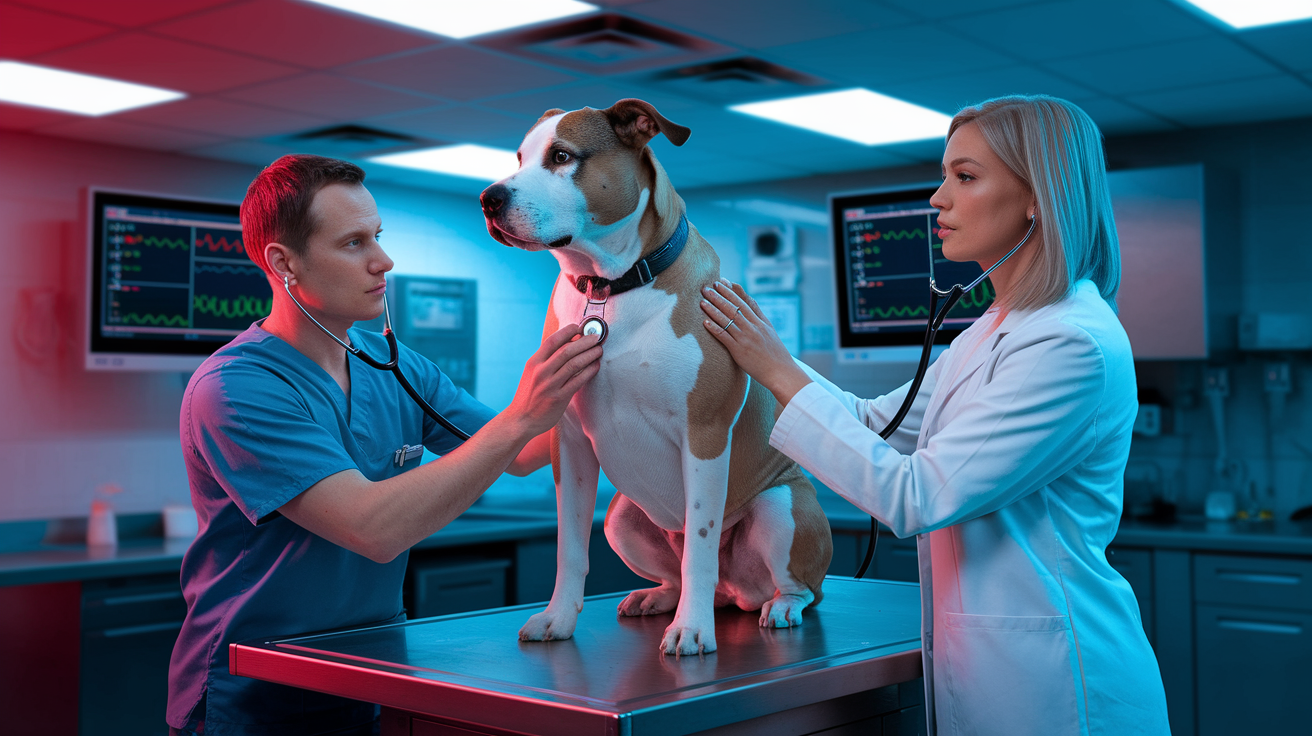
Dogs don’t show pain the way we do. They’re built to hide it, an old survival trick from their wild days. So when you actually notice something’s wrong, it’s usually bigger than it looks. Real, severe pain breaks through that instinct. Your dog can’t mask it anymore. And when that happens, you’re looking at an emergency.
Physical red flags include collapse, sudden inability to walk or even stand, muscles locked up tight, shaking that won’t quit no matter how much you try to soothe them, and fast shallow breathing when they’ve been lying down all day. You might see extreme sensitivity anywhere you touch, visible bleeding or injury, or eyes that look distant and glazed, like they’re somewhere else entirely.
Here are 8 symptoms that mean you need a vet right now, not tomorrow:
- Gums that look pale or white instead of pink
- Belly that’s swollen or feels hard and tense
- Sudden loud crying, howling, yelping, or nonstop whimpering
- Struggling to breathe or gasping
- Collapse or can’t get up even after trying
- Trembling so hard it doesn’t stop with warmth or comfort
- Snapping or aggression out of nowhere when they’re usually gentle
- Obvious deformity in a leg, tail, or along the spine
Don’t sit on these. They point to things like internal bleeding, broken bones, shock, acute abdomen, or neurological crisis. Mild discomfort might be something you watch at home for a bit. But severe or sudden distress like this? You’ve got an hour, maybe less.
Physical Signs of Dog Pain Owners Commonly Miss

Pain changes how a dog carries their body, and a lot of those changes are easy to overlook. An arched back. Head hanging lower than usual. Tail tucked tight. All of these can mean your dog’s protecting something that hurts. You might feel tight, twitchy muscles along their spine or shoulders if you run your hand down their back gently. Dogs in pain shift their weight constantly, trying to avoid pressure on joints or limbs that ache. Drooping ears, clenched jaw, squinting eyes (vets call it “facial grimacing”) are quiet tells that something’s off.
Common physical clues:
- Heavy panting while resting or sleeping
- Shaking or trembling without being cold or scared
- Less interest in food or eating way slower than normal
- Stiff, awkward posture when standing or lying down
- Flinching or pulling away when you touch certain spots
These signs often point to problems you can’t see. Dental disease, stomach pain, inflamed joints, even ear infections can all mess with posture, muscle tension, and facial expression. A dog with a sore mouth might hold their head weird or drool more. Abdominal pain usually shows up as a hunched back and not wanting to stretch out all the way. Joint trouble makes it hard to get comfortable, so they shift around, stand, lie down, then do it all over again.
Behavioral Pain Signs in Dogs and What They Reveal

When dogs hurt, their whole routine shifts. Energy drops. Mood changes. A dog who used to meet you at the door stays in bed. A playful one ignores their favorite toy. These changes are how your dog tells you something’s wrong when they can’t actually tell you.
Withdrawing is one of the earliest signs. Dogs in pain hide behind furniture, under tables, or in the back of closets. They avoid being touched, flinch when you reach for them, or move away when the kids want to play. Sleep gets weird too. Some dogs sleep way more than usual. Others can’t settle at all, pacing the house or constantly shifting positions.
Aggression Triggered by Discomfort
A gentle dog who suddenly snaps, growls, or bites during grooming, petting, or handling? They’re usually protecting a painful spot. This defensive aggression is a pain signal. It happens when you touch or move a sore joint, back, ear, or belly. It’s not about behavior. It’s reflex, trying to stop more pain. If your dog’s never been aggressive and suddenly shows teeth or growls when you pick them up or brush a certain area, assume pain until you can rule it out.
Some dogs get clingy when they hurt. They’ll follow you room to room, nudge your hand over and over, or whine softly for reassurance. Others go the opposite way and want to be left alone completely. You might also see obsessive licking on one paw, leg, or side, sometimes creating bald patches or raw red skin. That repetitive licking usually targets the painful area. Or in some cases, it’s nerve pain showing up somewhere else in the body.
Mobility and Movement Changes That Signal Pain in Dogs
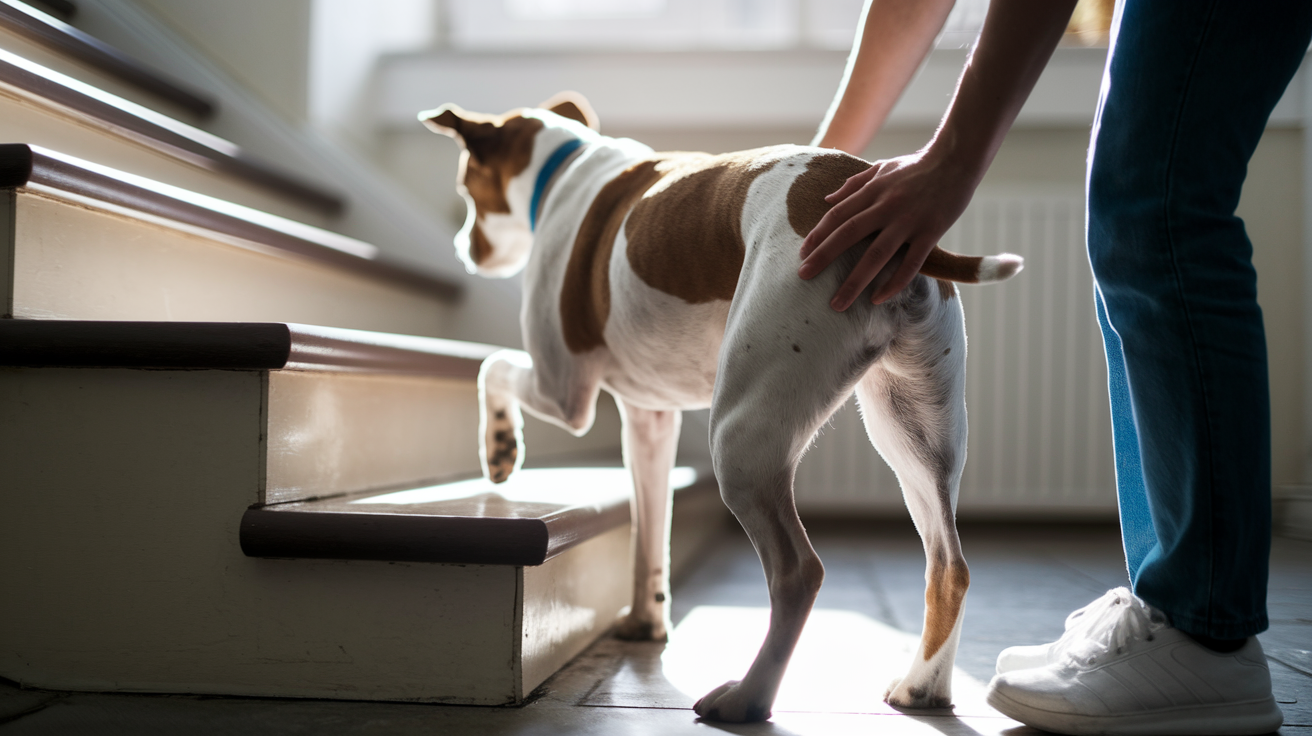
Pain rewrites how dogs move. And movement changes are often the clearest proof something’s wrong. A limp. Slower pace. Refusing to do things that used to be easy, like jumping in the car. These can appear overnight after an injury or creep in slowly with chronic issues like arthritis or hip dysplasia.
Common mobility red flags:
- Limping or favoring one leg, either constantly or just after resting
- Refusing walks or stopping way sooner than normal
- Hesitating at stairs or avoiding them altogether
- No longer jumping on the couch, bed, or into the car
- Stiffness getting up after lying down, especially first thing in the morning
- Moving slower and more carefully, like someone with bad knees
Acute changes happen fast. If your dog was running around yesterday and today won’t put weight on a leg, that’s acute pain. Usually from a sprain, strain, or fracture. Chronic changes sneak in. Your dog takes a few extra seconds to stand. Walks a little less each week. Starts sitting instead of lying all the way down. These gradual shifts get written off as “just getting older,” but they usually mean your dog’s compensating for pain.
Distinguishing Pain From Normal Aging
Sure, older dogs slow down. But pain and aging aren’t the same thing. Healthy senior dogs move more carefully and tire faster, but they should still be able to get up, lie down, and walk without obvious struggle. If your older dog has trouble rising, yelps when stepping wrong, or avoids activities they used to love, that’s pain. Not just age. A good test is watching for hesitation, limping, or behavior changes tied to specific movements like climbing, jumping, or turning their head. Those are pain signals worth a vet visit, even in a senior.
Acute vs Chronic Signs of Dog Pain and Why It Matters
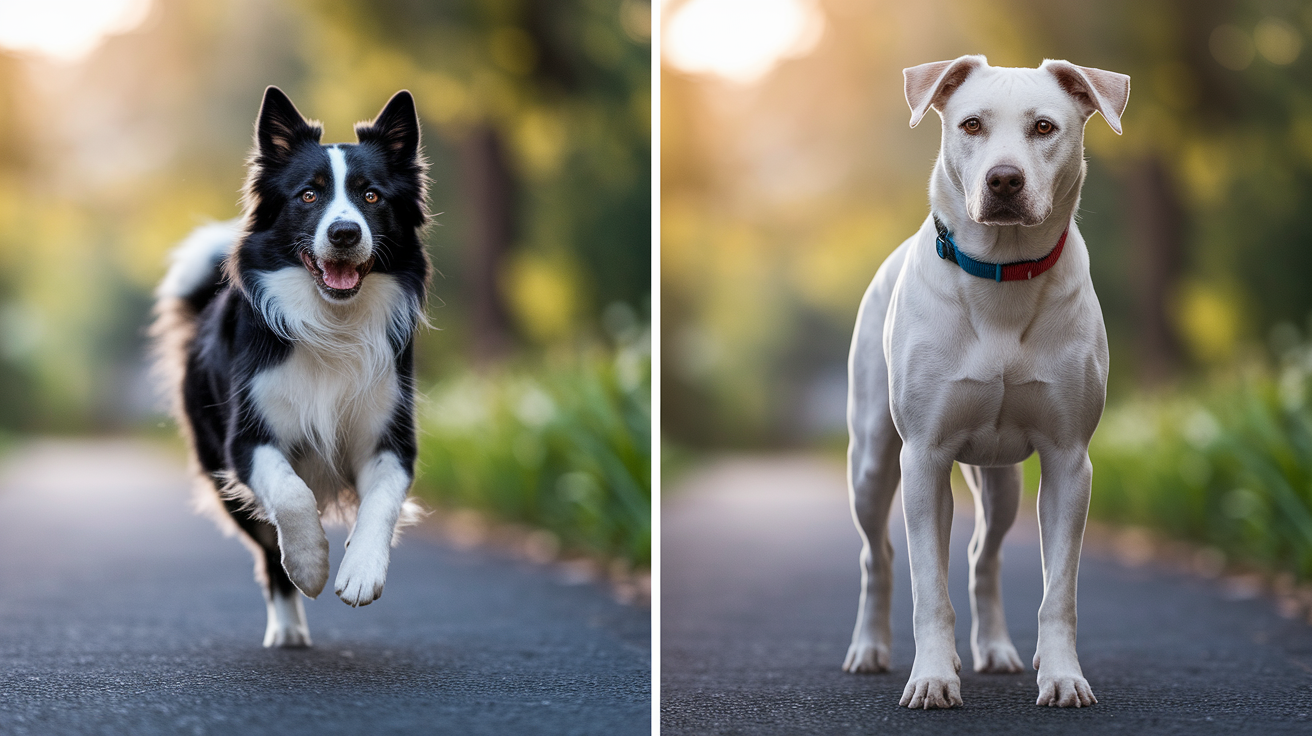
Acute pain shows up fast and needs quick action. Chronic pain builds slowly and hides behind subtle shifts. Knowing the difference helps you decide whether to rush to an emergency clinic right now or book an appointment this week. Both are real. Both need care. But the urgency and approach are totally different.
Acute pain usually follows an injury, infection, or sudden illness. You’ll see dramatic symptoms like crying out when touched, collapse, vomiting with a tense belly, or sudden inability to use a leg. Chronic pain develops gradually from things like arthritis, dental disease, or long term inflammation. The signs are quieter: sleeping more, playing less, licking one spot over and over, or moving stiffly after rest. Owners miss chronic pain because it happens so slowly.
| Pain Type | Typical Signs | Urgency Level | Examples |
|---|---|---|---|
| Acute | Sudden vocalization, collapse, severe lameness, vomiting with guarding | Emergency, same day or within hours | Broken bone, acute abdomen, bite wound, spinal injury |
| Chronic | Gradual slowing, intermittent limping, increased sleeping, compulsive licking | Prompt appointment within days | Arthritis, hip dysplasia, dental disease, chronic ear infection |
| Acute on Chronic | Sudden worsening of long term symptoms | Urgent, same or next day | Arthritis flare, ruptured ligament, severe dental abscess |
| Masked Severe Pain | Stoic behavior with subtle signs despite serious condition | Easy to miss, needs close monitoring | Internal tumors, slow growing infections, silent fractures |
Why urgency matters: acute conditions like a perforated stomach, bloat, or spinal trauma can turn life threatening within hours. Chronic pain won’t kill your dog today, but it quietly eats away at quality of life and gets worse without treatment. If you’re seeing sudden severe symptoms or chronic signs rapidly escalating, treat it like an emergency.
Body Area Specific Signs of Dog Pain
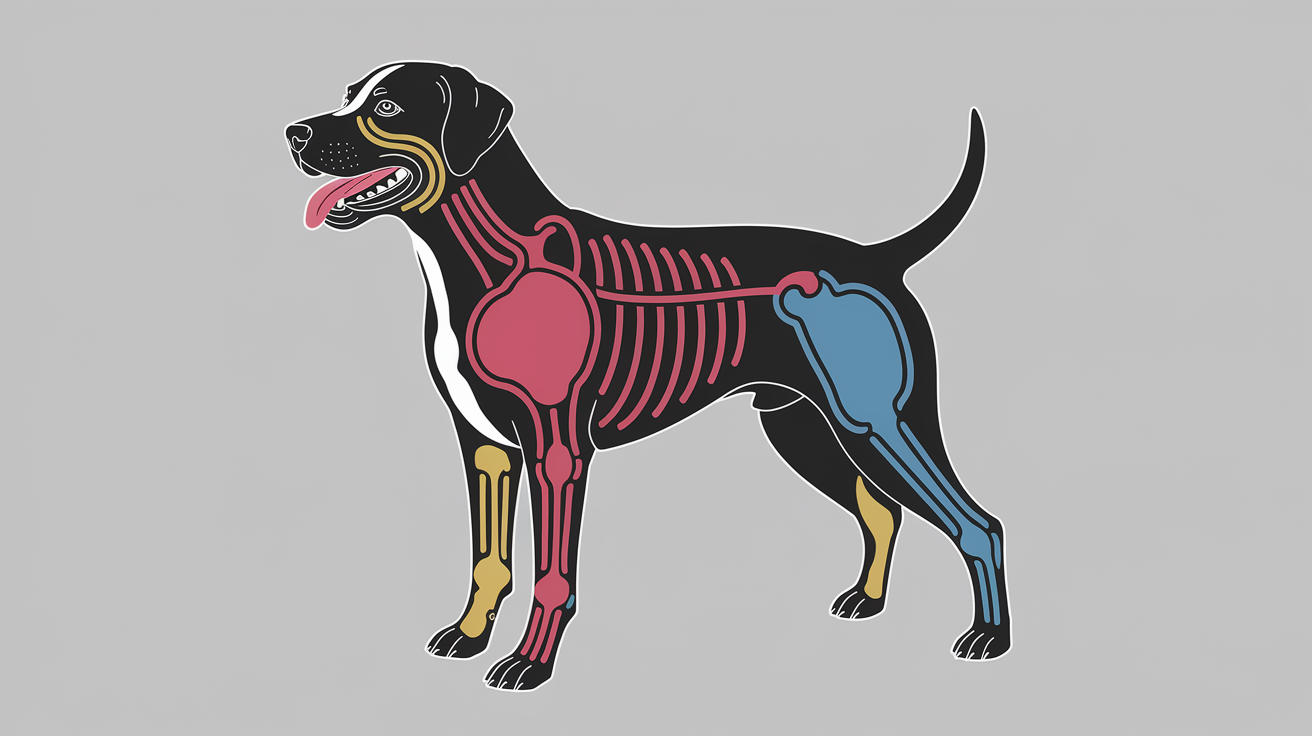
Pain shows up differently depending on where it hurts. Learning to connect specific behaviors to body regions helps you give your vet better info and catch problems early, especially when your dog isn’t limping or crying out.
Body area clues to watch:
- Mouth and teeth – Drooling, dropping food, chewing on one side, pawing at the face, bad breath, or visible broken or loose teeth
- Ears – Head shaking, scratching at ears, holding head tilted, yeasty or foul smell, sensitivity when ears are touched
- Neck and spine – Won’t look up or turn head, stiff gait, licking front legs too much (can mean nerve pain from the neck)
- Abdomen – Vomiting, tense or swollen belly, hunched posture, restlessness, guarding when you touch the stomach
- Joints and limbs – Limping, obsessive licking of paws or joints, won’t jump or climb, stiffness after rest
- Hind end and tail – Scooting, biting at the base of the tail, trouble sitting or positioning to go to the bathroom, visible swelling near the anus
- Skin and wounds – Constant licking or chewing at one spot, redness, swelling, open sores, or foul smell from the skin
A dog with dental pain might act hungry but walk away from the bowl after a few bites. Ear pain causes head shaking so severe it can lead to ear hematomas, those swollen blood filled flaps. Neck and back pain may look like general stiffness, but dogs with cervical disc issues sometimes lick their front legs compulsively because of referred nerve pain. Abdominal pain is one of the most urgent, especially if your dog’s belly feels hard, they’re vomiting, or can’t get comfortable. Joint pain usually shows up as limping or licking, but it can also make dogs reluctant to play or greet you at the door.
Signs pointing to the abdomen, difficulty breathing, sudden severe head or neck pain, or any open wound with swelling and heat need immediate vet assessment. Dental, ear, and mild joint issues need prompt appointments, but they’re not usually emergencies unless symptoms are severe or your dog stops eating completely.
When to Call the Vet for Dog Pain and What Information to Bring

If your dog collapses, can’t stand, cries out uncontrollably, shows rapid shallow breathing, or suddenly becomes aggressive, you need emergency vet care right now. Not in the morning. Right now. On the other hand, if your dog’s limping but still walking, eating less but still interested in food, or sleeping more but responds when you call them, you can usually schedule a same day or next day appointment instead of rushing to the emergency clinic. The line is severity and speed. Fast, dramatic changes mean emergency. Gradual or moderate changes mean prompt, not urgent.
When you call the vet, the info you bring matters. A lot. Take videos of your dog walking, standing up, or showing the behavior that worries you. Dogs often act more normal at the clinic because stress hormones temporarily hide pain, so a video from home is incredibly helpful. Write down a timeline: when you first noticed the problem, how often it happens, what makes it better or worse, and any changes in appetite, bathroom habits, or sleep. Note what your dog was doing right before symptoms started, like playing, eating a new treat, or jumping off furniture.
Vets use physical exams as a starting point, checking for tenderness, swelling, and range of motion in joints. From there, they may suggest X-rays to look at bones and joints, blood tests to check for infection or organ issues, or ultrasound to examine soft tissues and internal organs. If the pain involves the spine or nervous system, more advanced imaging like MRI or CT may be needed. The more details you give about what you’re seeing at home, the faster your vet can narrow down the cause and start treatment.
At Home Comfort Measures for Dogs in Pain
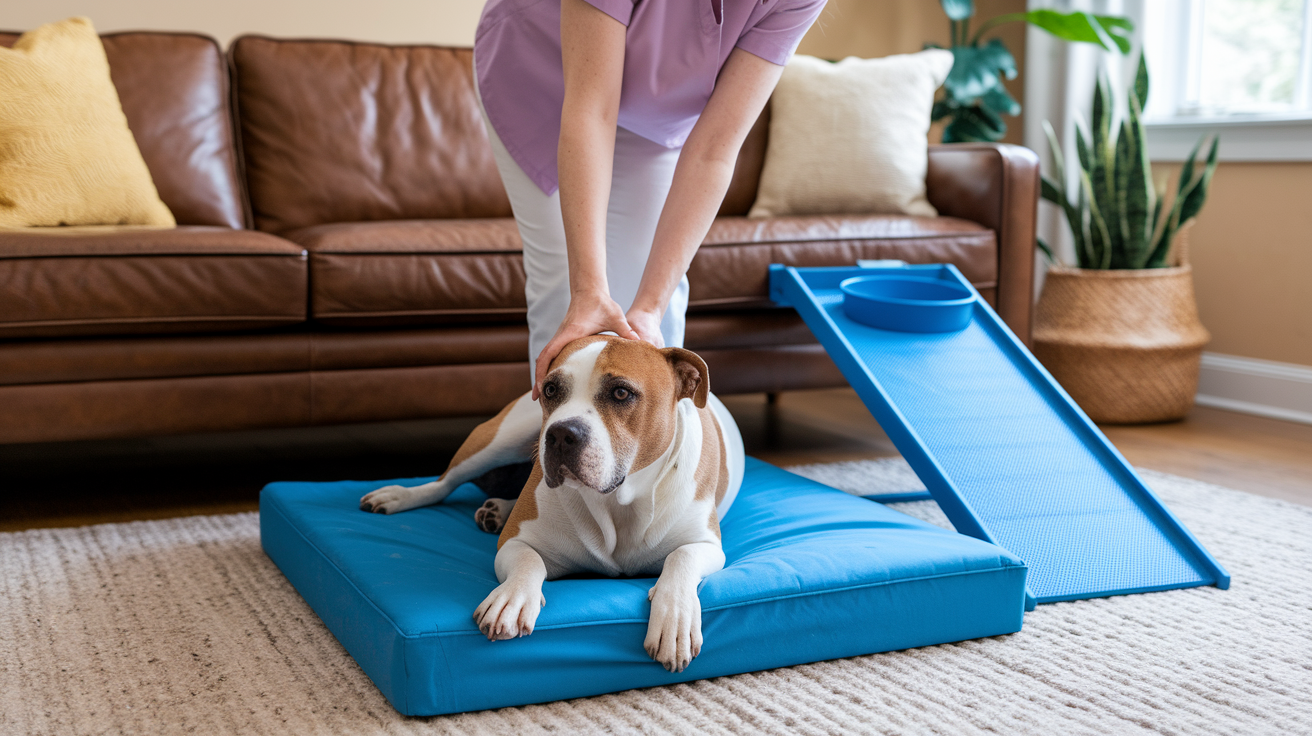
While you’re waiting for a vet appointment or during recovery, there are safe, gentle steps you can take at home to ease your dog’s discomfort. The goal is reducing strain, providing support, and avoiding anything that makes the pain worse. These aren’t replacements for veterinary care. They’re a bridge to help your dog feel a little better in the short term.
Environmental changes make a big difference. Set up a dog ramp or stairs so your dog doesn’t have to jump into the car or onto furniture. Use a supportive orthopedic dog bed with memory foam to cushion sore joints. Raise food and water bowls to shoulder height if your dog has neck or back pain. Keep walks short, just long enough for bathroom breaks, and skip stairs, running, or rough play. If your dog’s reluctant to move, don’t force it. Rest is one of the best tools for acute injuries like sprains or strains.
Safe at home comfort steps:
- Providing a quiet, warm resting area away from noise and activity
- Applying a cold pack wrapped in a towel for 10 to 15 minutes to reduce swelling after an acute injury (first 48 hours)
- Using a warm (not hot) compress or heating pad on a low setting for chronic stiffness or muscle tension, always with a towel barrier and supervision
- Gentle massage of the shoulders, back, and hips using slow, light strokes to relax tight muscles
- Limiting movement by using a crate, pen, or small room to prevent your dog from overdoing it
These can help while you’re figuring out the next move, but they have clear limits. If your dog’s pain isn’t improving within 24 hours, or if symptoms get worse, stop relying on home care and contact your vet. At home support is for mild, stable situations. Not for severe, worsening, or unexplained pain.
Avoiding Harmful Home Remedies
Never give your dog human pain meds unless your vet has told you the exact drug, dose, and schedule. Ibuprofen, acetaminophen, aspirin, and naproxen are all dangerous for dogs, even in small amounts. They can cause stomach ulcers, kidney failure, liver damage, and death. Some owners try unverified supplements, essential oils, or internet remedies, but many of these can be harmful or mess with medications your vet may need to prescribe. If you want to try a supplement or alternative therapy, ask your vet first so they can confirm it’s safe and won’t interact with other treatments.
Veterinary Treatment Options for Managing Dog Pain

Once your vet figures out what’s causing your dog’s pain, they’ll build a treatment plan based on the type, location, and how severe the problem is. Medical treatments often start with prescription pain meds. Nonsteroidal anti inflammatory drugs, or NSAIDs, are commonly prescribed for joint pain, soft tissue injuries, and post surgical recovery. One example is Galliprant, a daily medication designed specifically for osteoarthritis pain in dogs. It’s easy to give, usually well tolerated, and targets inflammation without some of the stomach risks of older NSAIDs. Other prescription options include opioids for severe acute pain, gabapentin for nerve pain, and muscle relaxants for back or neck issues.
Alternative and complementary therapies are often used alongside medications, especially for chronic conditions. Laser therapy uses focused light to reduce inflammation and speed healing in joints and soft tissues. Acupuncture can help manage chronic pain from arthritis, hip dysplasia, and nerve issues. Physical rehabilitation, like human physical therapy, includes controlled exercises, underwater treadmills, and targeted stretching to rebuild strength and mobility. Chiropractic care adjusts misalignments in the spine and joints. Some vets also recommend regenerative medicine like stem cell therapy or platelet rich plasma injections for severe joint damage.
For long term pain, vets often use a multimodal approach, combining medications, therapies, supplements, weight management, and activity modification. Joint supplements with glucosamine, chondroitin, and omega 3 fatty acids support cartilage health. Weight loss reduces stress on painful joints. Controlled exercise keeps muscles strong without overloading damaged areas. This layered strategy manages pain more effectively than relying on just one treatment.
| Treatment | What It Helps | Notes |
|---|---|---|
| Prescription NSAIDs (e.g., Galliprant, Rimadyl) | Arthritis, joint inflammation, post surgical pain | Requires vet prescription and monitoring; never give human NSAIDs |
| Laser Therapy | Soft tissue injuries, arthritis, wound healing | Non invasive; usually requires multiple sessions |
| Physical Rehabilitation | Post surgery recovery, chronic joint issues, muscle weakness | Includes exercises, underwater treadmill, stretching |
| Acupuncture | Chronic pain, nerve pain, arthritis | May take several sessions to see full benefit |
| Joint Supplements | Arthritis, cartilage support | Works best as part of a long term plan; not a quick fix |
Final Words
Sudden collapse, severe whining, or an inability to rise, those moments need an immediate response.
This post ran through clear red flags, subtle body and behavior cues, movement changes, how to tell acute from chronic pain, and body-area clues.
Use safe at-home comforts while you gather notes or a short video, but call your vet right away for any emergency signs.
Keep watching for patterns and trust what you see, spotting signs of dog pain early and acting quickly gives your pet the best chance to feel better soon.
FAQ
How do I know when my dog is in pain?
You can know when your dog is in pain by watching for physical signs like limping, panting at rest, trembling, or posture changes such as an arched back or lowered head. Behavioral clues include hiding, sudden irritability, loss of interest in play, restlessness, or avoiding touch in specific areas.
What is the 7 7 7 rule for dogs?
The 7 7 7 rule for dogs is a guideline suggesting dogs need seven hours of sleep at night, seven hours of mental and physical activity during the day, and seven hours of calm downtime or rest. It helps balance energy, mood, and overall health, though individual needs vary.
How do I soothe a dog in pain?
You can soothe a dog in pain by providing a quiet, comfortable resting spot with soft bedding, limiting movement, and keeping them calm. Avoid pressing on sore areas, offer gentle verbal reassurance, and contact your vet before giving any medication or trying home remedies.
Do dogs feel pain like we do?
Dogs do feel pain like we do, processing it through similar nerve pathways and brain structures. However, they often hide discomfort as a survival instinct, so they may not show obvious distress even when hurting. Recognizing subtle signs is key to identifying their pain early.
What are urgent signs my dog needs emergency care for pain?
Urgent signs your dog needs emergency care for pain include collapse, inability to stand, severe trembling that won’t stop, pale gums, rapid breathing unrelated to activity, visible bleeding, abdominal swelling, or sudden extreme vocalization. These symptoms require immediate veterinary attention.
How can I tell the difference between acute and chronic pain in my dog?
You can tell the difference between acute and chronic pain in my dog by onset and severity. Acute pain appears suddenly with intense symptoms like yelping, collapse, or sudden limping. Chronic pain develops slowly, showing as gradual reduced activity, stiffness after rest, or intermittent discomfort.
What body language shows my dog is hiding pain?
Body language that shows your dog is hiding pain includes tight muscles, ears held back, hard or squinting eyes, lowered head, weight shifting to avoid pressure, and reluctance to make eye contact. Dogs may also lie very still or change how they hold their tail.
When should I call the vet about my dog’s pain?
You should call the vet about your dog’s pain immediately if they collapse, can’t stand, cry uncontrollably, breathe rapidly, show sudden aggression, or have pale gums. For milder signs like limping or reduced appetite lasting over 24 hours, schedule a same-day or next-day appointment.
What safe at-home pain relief can I give my dog?
Safe at-home pain relief you can give your dog includes rest in a quiet space, soft orthopedic bedding, gentle heat or cold packs for 10-minute intervals, and limiting stairs or jumping. Never give human medications. Always confirm any treatment plan with your vet first.
What information should I bring to the vet for my dog’s pain evaluation?
Information you should bring to the vet for your dog’s pain evaluation includes a timeline of when symptoms started, videos of limping or unusual behavior, notes on what triggers discomfort, appetite changes, and any recent injuries or new activities. Specific details help diagnosis.