

Is your dog suddenly limping on a front leg and you don’t know what to do?
Even a small front leg problem matters.
Dogs carry about 60% of their weight on their front legs, so a limp can affect how they walk, eat, and rest.
This post walks you through common causes, a calm at‑home check, and clear red flags that mean you should call a vet.
You’ll get simple steps to try today and what to watch for next.
Immediate Guidance for a Dog Limping on a Front Leg
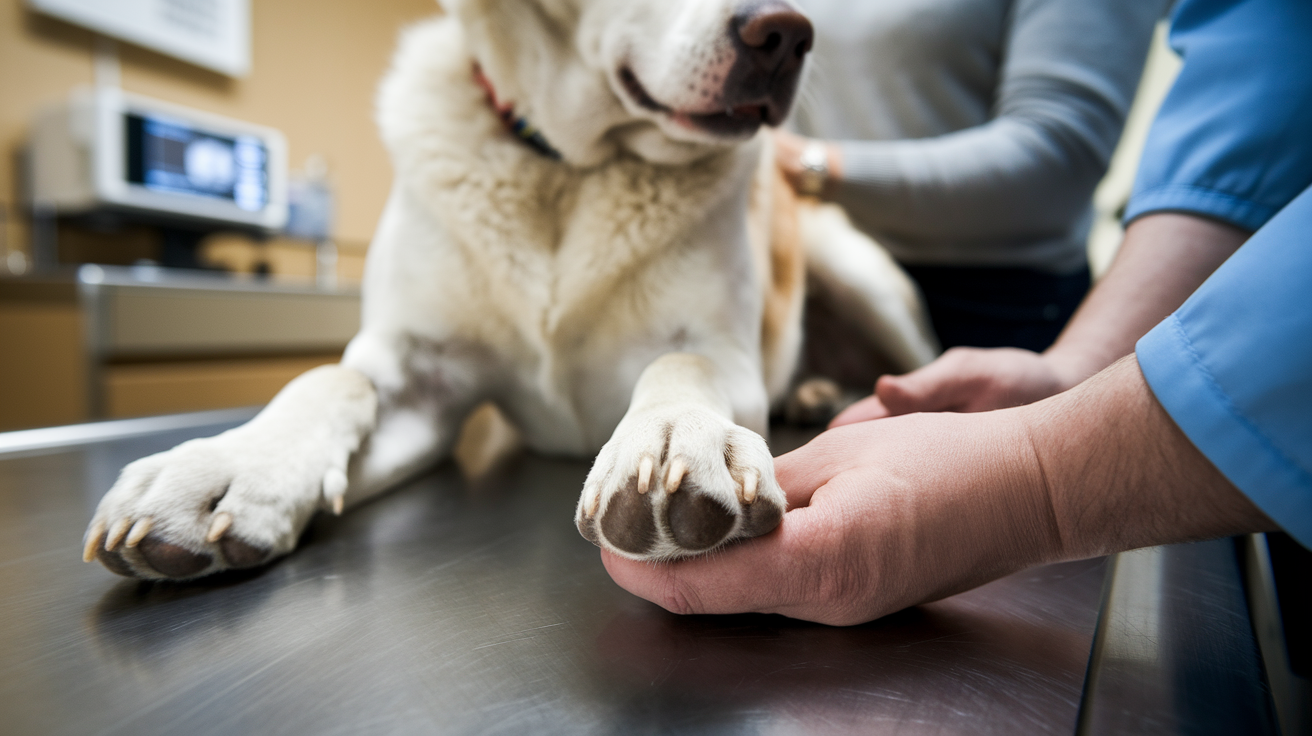
A limp on a front leg shows up when a dog won’t put full weight on that leg. Could be pain, instability, or something stuck or cut. Dogs carry about 60% of their body weight on their front legs, so even a small injury there affects how they move, eat, and lie down. Sometimes it’s just a thorn between the toes.
If your dog started limping today, check for these first:
Paw pad cut or scrape from rough pavement, broken glass, or ice melt
Something stuck between the toes like a thorn, pebble, or wood splinter
Broken, cracked, or torn nail that’s bleeding or exposing the quick
Soft tissue strain or sprain from running, jumping off furniture, or twisting during play
Insect sting or bite on the paw or lower leg, usually swollen and tender
Joint inflammation or arthritis flare especially in older dogs or breeds with elbow problems
Fracture or bone injury from a fall, being stepped on, or getting hit
Elbow dysplasia or shoulder injury that shows up as a gradual limp getting worse with movement
Ligament tear or muscle pull making the leg feel weak or wobbly
Contact a vet right away if your dog refuses to put any weight on the leg, if you see a weird bend or angle, if there’s heavy bleeding that won’t stop after a few minutes of pressure, if the leg swells up fast within an hour or two, or if your dog cries non-stop when you barely touch it. Those are signs of fractures, severe soft tissue damage, or internal injuries that get worse without treatment.
Common Medical and Non-Medical Causes of Front Leg Limping
Soft tissue injuries like strains and sprains happen when a dog overextends a muscle, tendon, or ligament. Playing too hard, running on uneven ground, sudden direction changes. These don’t always swell up right away, but the dog favors the leg and may limp more after resting. Mild strains can improve in a few days with no running or jumping. Serious tears take weeks and sometimes need a vet.
Paw problems are easier to spot at home. A cut pad, cracked nail, or something sharp wedged between the toes makes a dog pull the leg up fast and lick the spot. You might see a little blood or feel warmth. Broken nails that expose the quick are especially painful and can bleed heavily for a few minutes before clotting.
Joint issues like arthritis or elbow dysplasia build slowly over months or years, though they can flare suddenly after a long walk or when it’s cold. Older dogs and certain breeds (Labrador Retrievers, German Shepherds, Rottweilers) get elbow or shoulder problems more often. The limp looks stiff. Often worse first thing in the morning or after lying down for a while.
Bone and trauma injuries (fractures, dislocations, ligament ruptures) usually follow a clear event. A fall, getting hit by a car, landing wrong during a jump. The dog holds the leg completely off the ground. You might see swelling, bruising, or an unnatural angle. These need imaging and professional care to heal right and avoid long term problems.
How to Perform a Safe At-Home Leg and Paw Check
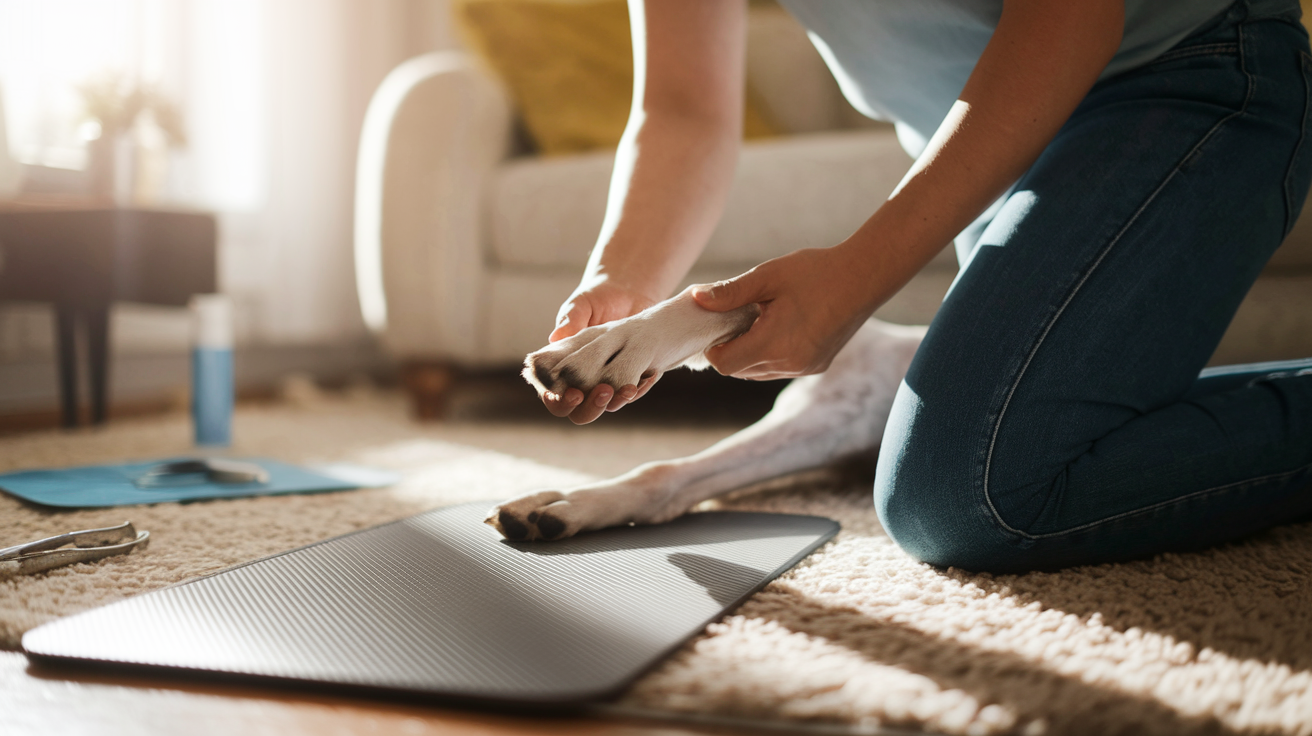
A quick, gentle exam at home helps you figure out if the problem’s minor or serious. It also gives you useful info to share with your vet if you need to call. Move slowly, keep your voice calm, and stop immediately if your dog snaps, growls, or pulls away hard. Those reactions mean the pain’s significant and you should get professional help without pushing further.
Settle your dog in a quiet spot with good lighting, on a non-slip surface. Have a second person gently hold the head and chest if your dog’s anxious or wiggly.
Watch your dog walk a few steps on a leash or across the room. See which leg’s being favored, whether the limp’s constant or comes and goes, and if your dog can bear any weight at all.
Check the paw pad and toes by lifting the paw gently and spreading the toes. Look for cuts, thorns, small stones, ice balls, or any red, swollen areas between the pads.
Inspect each nail and the nail bed for cracks, splits, bleeding, or nails that look too long or twisted. A broken nail often has a visible crack or dangling piece.
Feel along the leg from the toes up to the shoulder with light pressure. Check for heat, swelling, lumps, or spots where your dog flinches, whines, or tries to pull the leg away.
Compare both front legs by running your hands over the same area on each side. Differences in temperature, size, or your dog’s reaction can point to the injured side.
Gently move the joints (wrist, elbow, shoulder) through a small range of motion once. Bend and straighten slowly. Stop if you feel grinding, clicking, or if your dog shows pain.
Write down what you found. The exact time the limp started, what your dog was doing right before, and any visible changes. This record’s helpful whether you monitor at home or head to the vet.
Red Flags That Require Urgent or Emergency Vet Care
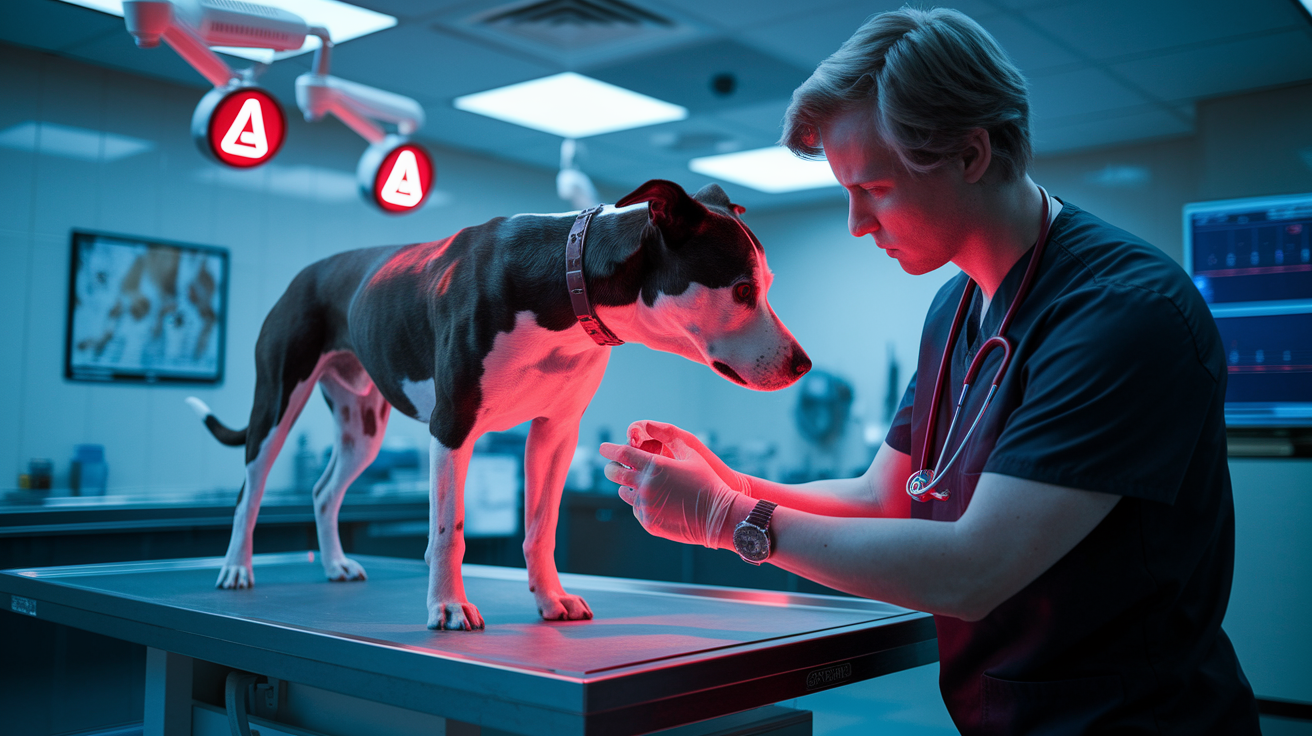
Some limps start mild and stay mild. Others signal a problem that can cause permanent damage or become life threatening if you wait. Knowing the difference helps you make the right call quickly.
Call your vet or go to an emergency clinic right away if you see any of these:
Your dog won’t put any weight on the leg at all and holds it completely off the ground, even when standing still.
The leg looks bent, twisted, or angled in a way that’s clearly not normal. Suggests a fracture or dislocation.
There’s heavy bleeding that doesn’t slow down or stop after five minutes of firm, direct pressure with a clean cloth.
The leg swells up fast and gets noticeably larger within an hour or two, especially if the swelling feels hot or your dog seems more painful as time passes.
Your dog’s crying, whimpering, or panting hard even when resting, or becomes aggressive or tries to bite when you go near the leg.
You see pale gums, rapid breathing, weakness, or your dog seems disoriented or wobbly. These can be signs of shock or internal injury that need immediate attention.
Even if your dog’s still walking on the leg a little bit, a sudden limp that started right after a known injury (a fall, being hit by something, or a hard collision with another dog) should be checked by a vet the same day. Waiting can let fractures shift, bleeding continue inside soft tissue, or infections take hold in open wounds.
Treatment and Recovery Options Based on the Cause
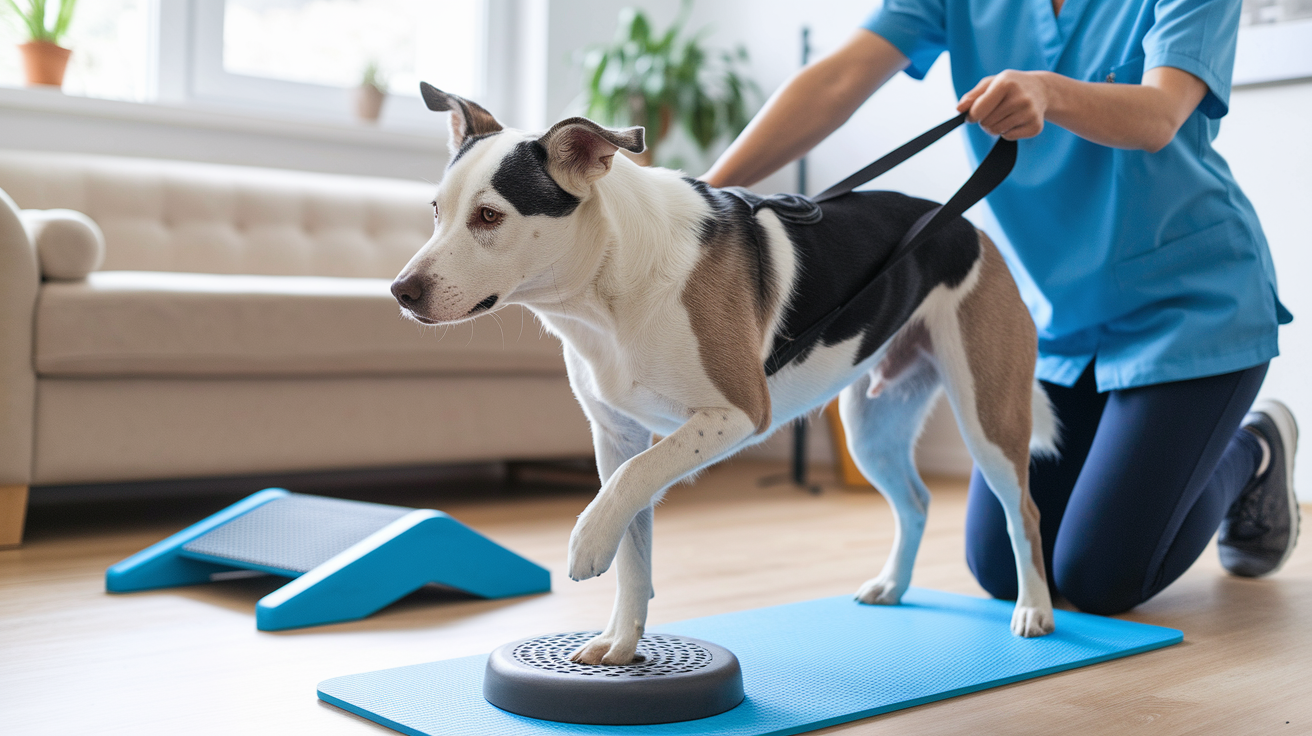
Soft tissue strains and sprains usually get better with strict rest and limited movement for the first few days. That means no running, jumping, or playing. Just short leash walks to go to the bathroom (five minutes or less) and crate rest or confinement to a small room the rest of the time. You can apply a cold compress wrapped in a thin towel for ten to fifteen minutes every four to six hours during the first 48 hours to reduce swelling. Most mild strains improve within three to seven days, though more serious pulls can take two to four weeks. Your vet may prescribe a non-steroidal anti-inflammatory medication to control pain and inflammation. Never give human pain relievers. They’re toxic to dogs.
Paw pad cuts, thorn punctures, and broken nails need to be kept clean and dry while they heal. Small cuts can be rinsed gently with plain water, patted dry, and monitored for signs of infection like increasing redness, heat, or pus. Deeper cuts or nails broken close to the quick may need a bandage for a few days and sometimes a course of oral antibiotics if there’s a risk of infection. Broken nails that are still partially attached are often trimmed or removed by a vet to prevent further tearing. Most paw injuries heal in one to two weeks as long as your dog isn’t licking the area constantly. An e-collar or soft bootie can help.
Fractures, dislocations, elbow dysplasia, and ligament tears usually require imaging like X-rays to confirm the diagnosis and plan treatment. Simple, stable fractures may be managed with a splint or cast and strict cage rest for six to eight weeks. More complex breaks or joint injuries often need surgical repair with pins, plates, or screws. Recovery from orthopedic surgery can take eight to twelve weeks, and your dog will need controlled, gradual activity increases during that time. Chronic joint problems like arthritis don’t heal completely, but they can be managed long term with a combination of weight control, vet prescribed anti-inflammatories, joint supplements like glucosamine, regular low impact exercise like short leash walks or swimming, and environmental changes like ramps, soft bedding, and non-slip floors.
Final Words
If your dog is limping on a front leg, start by checking the paw pad, nails, and for any swelling or heat. Simple at-home checks can often spot a thorn, cut, or broken nail.
We covered common causes—soft-tissue strains, pad and nail injuries, joint problems, and fractures—plus how to safely examine the leg and basic care steps like rest and paw cleaning.
If your dog can’t put weight on the limb, has a visible deformity, or shows extreme pain, call your vet right away. With quick attention and calm care, many pets do well after a dog limping front leg.
FAQ
Q: How do you treat a dog’s front leg limping?
A: Treating a dog’s front leg limping involves rest and a safe home check: limit activity 48 hours, inspect and clean the paw, cold pack 10–15 minutes for swelling, prevent licking, and call your vet if pain or no improvement.
Q: Can a dog’s limp heal on its own?
A: A dog’s limp can heal on its own sometimes, especially with mild strains or small pad cuts. Rest, short walks, and 48–72 hours of monitoring often helps; call your vet if it worsens or doesn’t improve.
Q: When should you take your dog to the vet for limping?
A: You should take your dog to the vet for limping immediately for severe signs like inability to bear weight, visible limb deformity, heavy bleeding, sudden trauma, extreme pain, or collapse; otherwise see a vet if it persists over 48 hours.
Q: What is the most common front leg injury in dogs?
A: The most common front leg injury in dogs is a soft‑tissue strain from running, jumping, or rough play; it usually causes limping, mild swelling, and pain that often improves with rest and short-term care.