

Could a few trips to the litter box be a ticking time bomb for your cat?
A urinary blockage can become a life-threatening emergency in just hours when the urethra is blocked and toxins build up fast.
This post shows the exact emergency signs to watch for, like straining with little or no urine, blood-tinged urine, repeated vomiting, or collapse, and when to call an emergency vet.
Knowing these signs helps you act fast and get urgent care before the kidneys or heart are seriously affected.
Immediate Warning Signs That Point to Cat Urinary Blockage
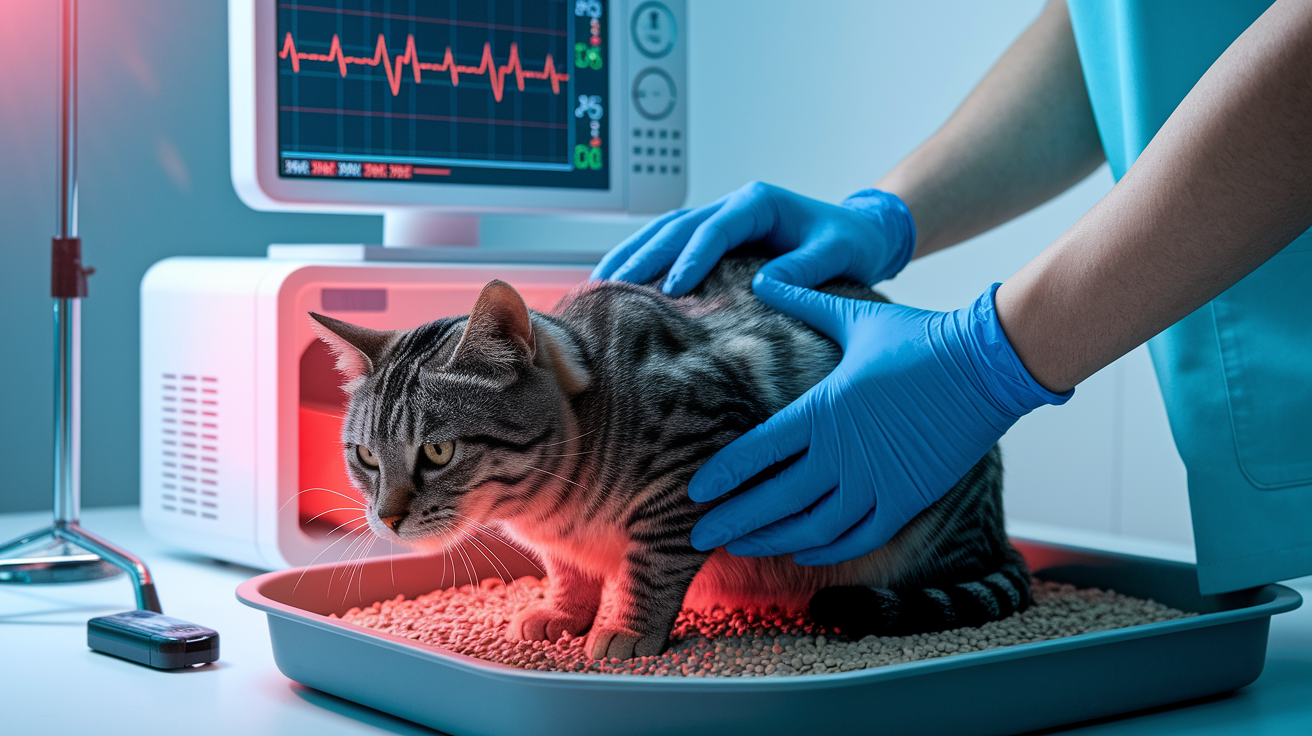
A urinary blockage in a cat is one of the fastest-moving emergencies you’ll ever face. When the urethra becomes fully obstructed, urine backs up into the bladder. The kidneys stop filtering toxins properly. Within hours, your cat’s bloodstream starts filling with waste, potassium levels spike to dangerous highs, and the bladder wall stretches to the point of rupture. Recognizing the warning signs early can mean the difference between a treatable emergency and a fatal outcome.
The most serious physical signs include complete inability to urinate, visible pain during attempts, blood-tinged urine, vomiting, profound weakness, and collapse. These symptoms appear together or in quick succession once the obstruction is complete. Unlike slower health issues, blockage doesn’t give you days to wait and see.
Straining in the litter box with little or no urine produced. Your cat assumes the posture to urinate but nothing comes out, or only a few drops appear.
No urine output despite repeated attempts. The bladder is full but the urethra is sealed.
Blood in the urine. May look like pink-tinged wetness or dark red spots.
Vomiting. Often multiple episodes as toxins build in the bloodstream.
Severe lethargy. Your cat stops moving, stops grooming, and lies flat.
Vocalizing or yowling while trying to urinate. Sharp cries of pain during straining.
Abdominal pain when touched. Flinching, hissing, or pulling away when you touch the belly.
Collapse or inability to stand. The cat lies on its side, unable to rise.
Excessive licking of the genital area. Frantic grooming due to pain or irritation.
Visible distress. Wide eyes, rapid breathing, tense posture.
If your cat shows any combination of these signs, especially straining with no urine output or collapse, take them to an emergency vet immediately. Blockage becomes life-threatening within 24 to 48 hours. Waiting until morning or hoping it’ll pass on its own puts your cat at serious risk of kidney failure, cardiac arrest from electrolyte imbalance, or bladder rupture. Speed matters.
Behavior and Litter Box Changes Commonly Seen in Cats With Urinary Blockage
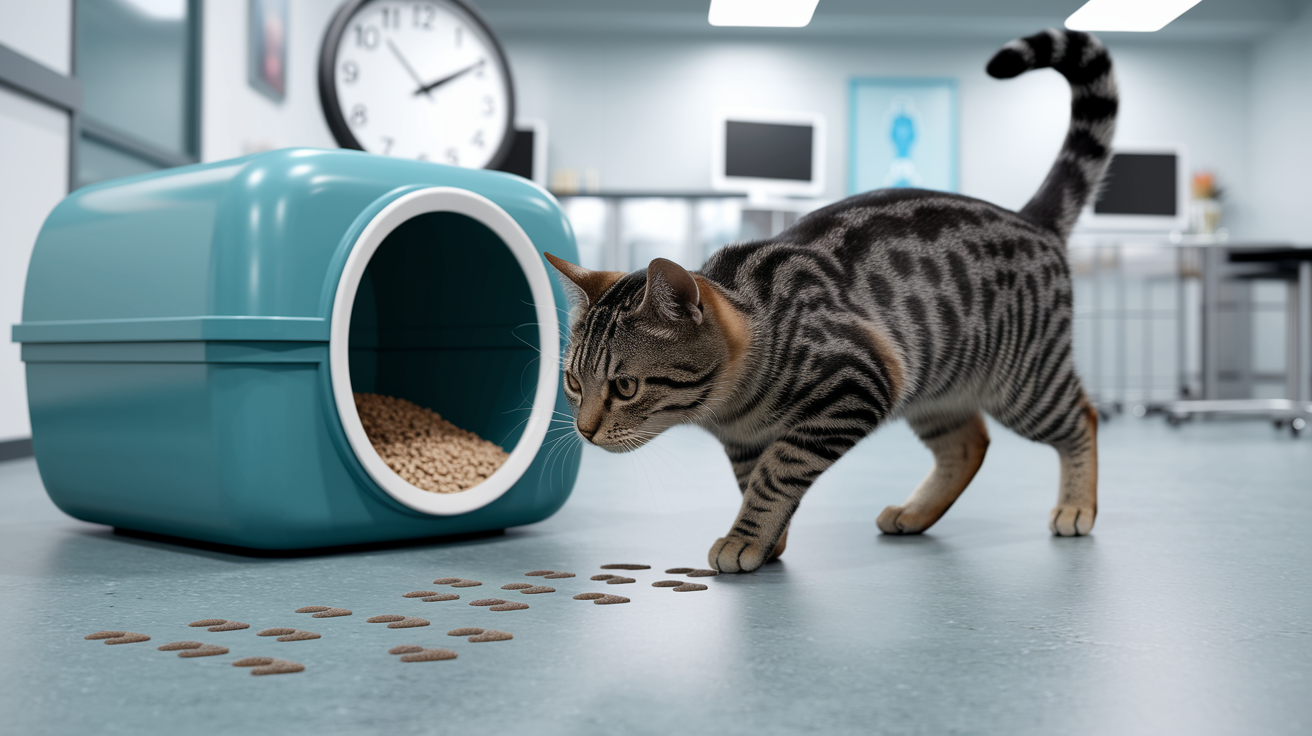
Before a cat reaches complete obstruction, you’ll often see changes in litter box behavior that signal trouble building. These early signs are easy to miss because they can look like normal box visits, but the pattern is different. Your cat may enter the box multiple times in an hour, squat for long stretches, and produce only a few drops each time. The urgency is there, the effort is there, but the bladder isn’t emptying. Owners sometimes mistake this for constipation because the hunched posture and straining look similar. But if you watch closely, the cat is positioned over the urine spot, not the stool area, and the tail may be raised or quivering.
Cats with partial obstruction or inflammation often change their routine in ways that feel off. They may crouch in the box longer than usual, scratch at the litter obsessively without urinating, or walk in and out of the box repeatedly within minutes. Some cats start urinating in unusual places, on tile floors, bathtubs, or laundry piles, because they associate the box with pain and try to find relief elsewhere. You may also notice your cat licking their genitals more than normal, pacing near the box without entering, or sitting in the box without assuming a urinating posture.
Repeated trips to the litter box with no result. In and out every few minutes.
Scratching or digging in the litter without urinating. The urge is present but urine won’t flow.
Attempts to urinate in unusual locations. Sinks, bathtubs, corners, soft surfaces.
Excessive licking of the genital area. Constant grooming due to discomfort.
Restlessness or pacing near the litter box. Hovering, circling, unable to settle.
Spending long stretches crouched in the box. Frozen in position, straining visibly.
Physical Pain Indicators and Systemic Symptoms Linked to Cat Urinary Blockage
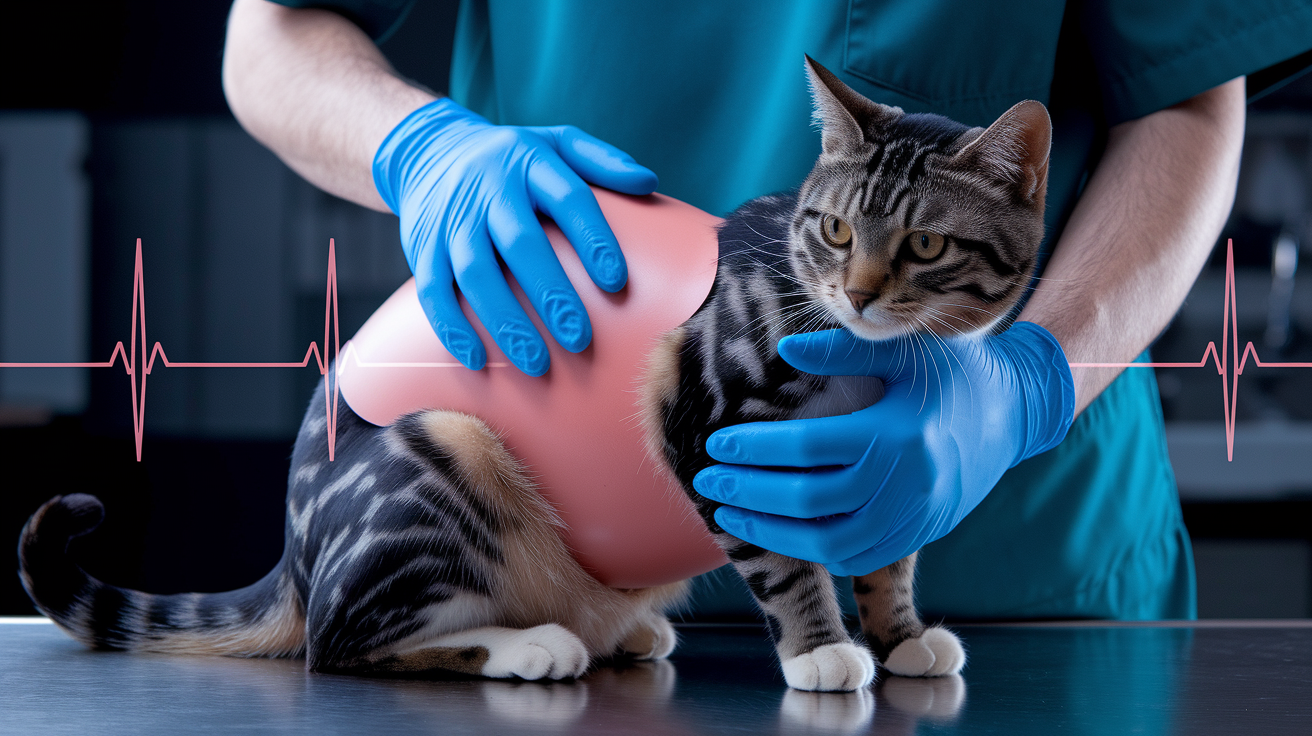
Pain from a blocked bladder is severe. Cats show it in ways that are hard to ignore once you know what to look for. A cat with a full, obstructed bladder will often yowl or hiss when you touch their abdomen, pull away sharply, or freeze in place. If you gently press on the lower belly, you may feel a firm, round mass, the distended bladder, that wasn’t there before. The cat may growl, swat, or vocalize even if they’re normally calm during handling. This kind of guarding behavior is a clear signal that something internal is causing serious discomfort.
As the blockage continues and toxins build, the pain becomes secondary to systemic decline. The cat stops eating, stops drinking, and may vomit repeatedly. Vomiting happens because waste products that should leave through urine are circulating in the blood, triggering nausea and throwing off electrolyte balance. Lethargy deepens quickly. Your cat may stop responding to their name, lose interest in favorite activities, and spend hours lying in one spot without moving. Weakness progresses as potassium levels rise and the heart rhythm becomes unstable.
End-stage signs appear when the body can no longer compensate. The cat may collapse, lie on its side with shallow breathing, or lose the ability to stand. Gums turn pale or grayish instead of healthy pink. Breathing becomes rapid or labored. These are signs of shock and multi-organ failure. If your cat reaches this point, every minute counts. Immediate emergency care is the only option.
What Causes Cat Urinary Blockage and Why Certain Cats Are at Higher Risk
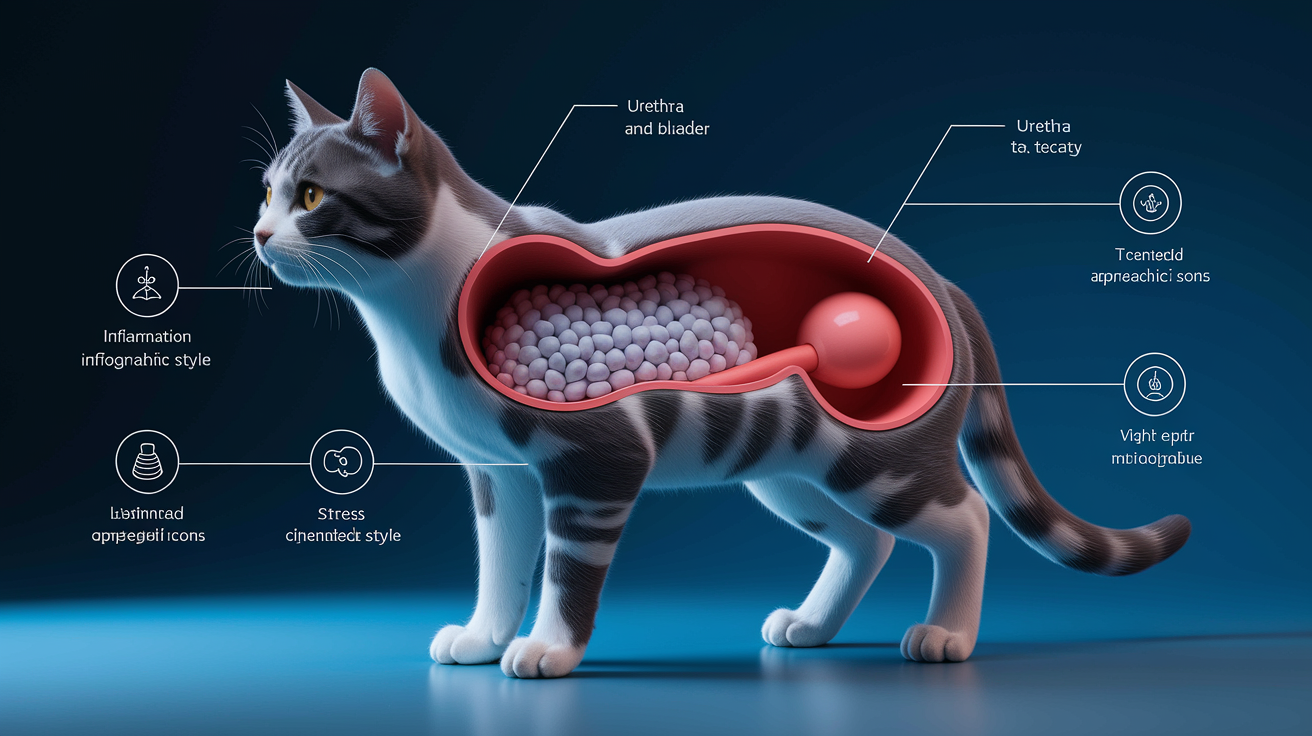
Urinary blockage happens when something physically blocks the narrow tube that carries urine from the bladder out of the body. In male cats, that tube is called the urethra, and it’s extremely narrow, especially at the tip. The most common obstructions are urethral plugs, dense mixtures of minerals, mucus, cells, and protein that form in the bladder and get lodged partway down the urethra. Bladder stones, small mineral formations that develop over time, can also block the opening. Both plugs and stones are influenced by diet, hydration, urine pH, and genetics.
Inflammation plays a major role. Feline idiopathic cystitis, or FIC, is a painful bladder condition triggered by stress, and it causes the bladder lining to swell and produce mucus. When inflammation narrows the urethra or creates mucus, even tiny mineral crystals can combine and form a plug. Urethral spasms, involuntary tightening of the muscles around the urethra, can also seal the passage temporarily. Infections, trauma, or tumors (less common) can cause swelling that leads to obstruction.
Male anatomy. Neutered male cats have the narrowest urethras and the highest risk of blockage.
Stress and anxiety. Moving, new pets, changes in routine, or conflict with other cats can trigger FIC and increase obstruction risk.
Obesity. Overweight cats are statistically more likely to develop urinary issues, possibly due to reduced activity and concentrated urine.
Previous blockage history. A cat who has blocked once is far more likely to block again without preventive care.
Feline lower urinary tract disease, or FLUTD, is the umbrella term for all these issues. Not every cat with FLUTD will block, but male cats with a history of crystals, stones, or bladder inflammation should be monitored closely. Diet, water intake, and stress management become critical long-term.
How Veterinarians Diagnose a Cat With Suspected Urinary Blockage
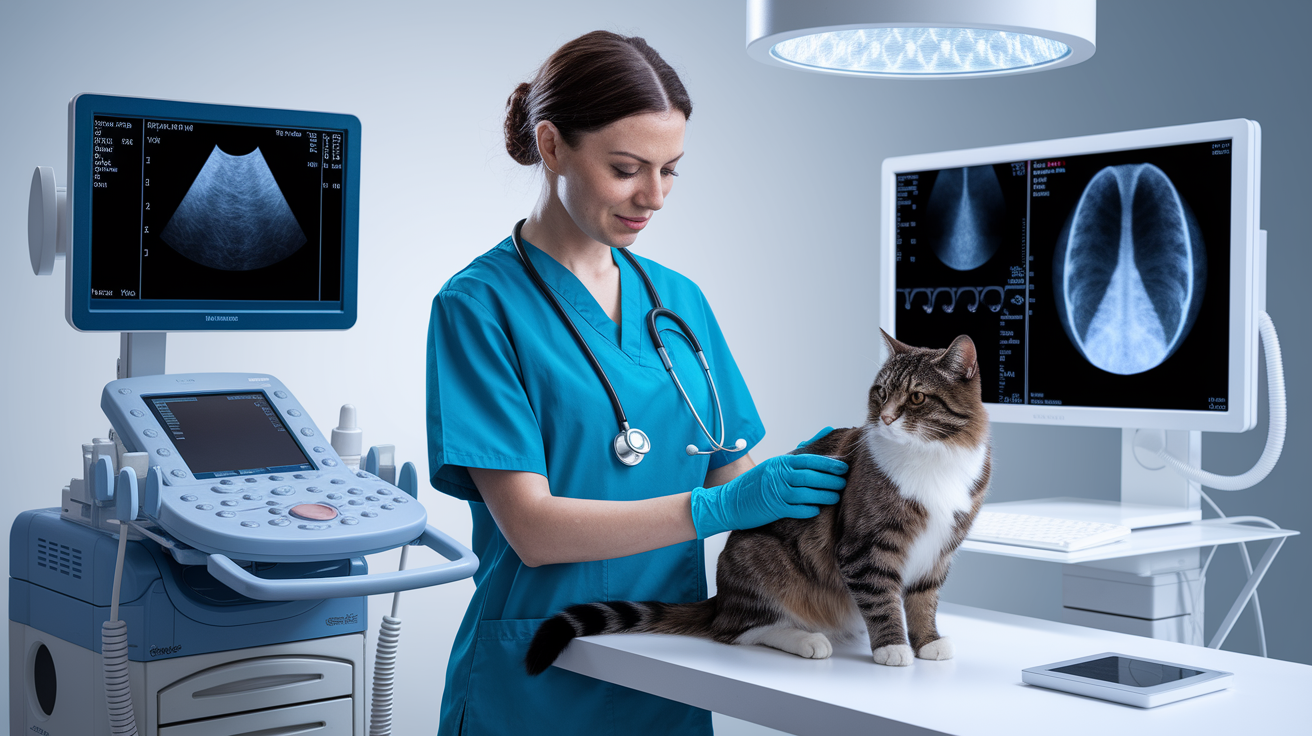
When you bring a cat in for suspected blockage, the first thing the vet will do is feel the abdomen. A blocked bladder is unmistakable on palpation. It feels like a firm, round, sometimes rock-hard mass in the lower belly, and the cat will often cry out or flinch when the vet applies gentle pressure. If the bladder is that full and the cat can’t urinate, the diagnosis is clear. The vet may also check gum color, heart rate, and temperature to assess how far the toxicity has progressed.
Bloodwork and urinalysis follow quickly. Blood tests measure kidney enzymes, electrolytes (especially potassium), and waste products like creatinine and blood urea nitrogen. Elevated levels tell the vet how long the blockage has been present and how much kidney damage has occurred. Urinalysis checks for red blood cells, white blood cells, bacteria, crystals, and protein. If infection is suspected, a urine culture identifies the bacteria and guides antibiotic choice. X-rays or ultrasound may be used to look for stones, strictures, tumors, or other structural problems that explain the obstruction.
| Test Type | What It Detects | Why It Matters | Typical Findings |
|---|---|---|---|
| Physical Exam | Distended, firm, painful bladder | Confirms obstruction and urgency | Bladder feels like a hard ball; cat vocalizes when touched |
| Urinalysis | Blood, white cells, crystals, bacteria | Identifies inflammation, infection, or crystal type | Red blood cells, struvite or calcium oxalate crystals, mucus |
| Blood Tests | Kidney enzymes, electrolytes, toxins | Shows severity of kidney failure and potassium overload | Elevated creatinine, BUN, and dangerously high potassium |
| X-ray | Bladder stones, tumors, structural abnormalities | Reveals physical obstructions that need surgery | Visible mineral stones in bladder or urethra |
| Ultrasound | Bladder wall thickness, stones, plugs, masses | More detailed than X-ray for soft tissue and inflammation | Thickened bladder wall, sediment, soft tissue masses |
Emergency Treatments Used to Relieve Urinary Blockage in Cats
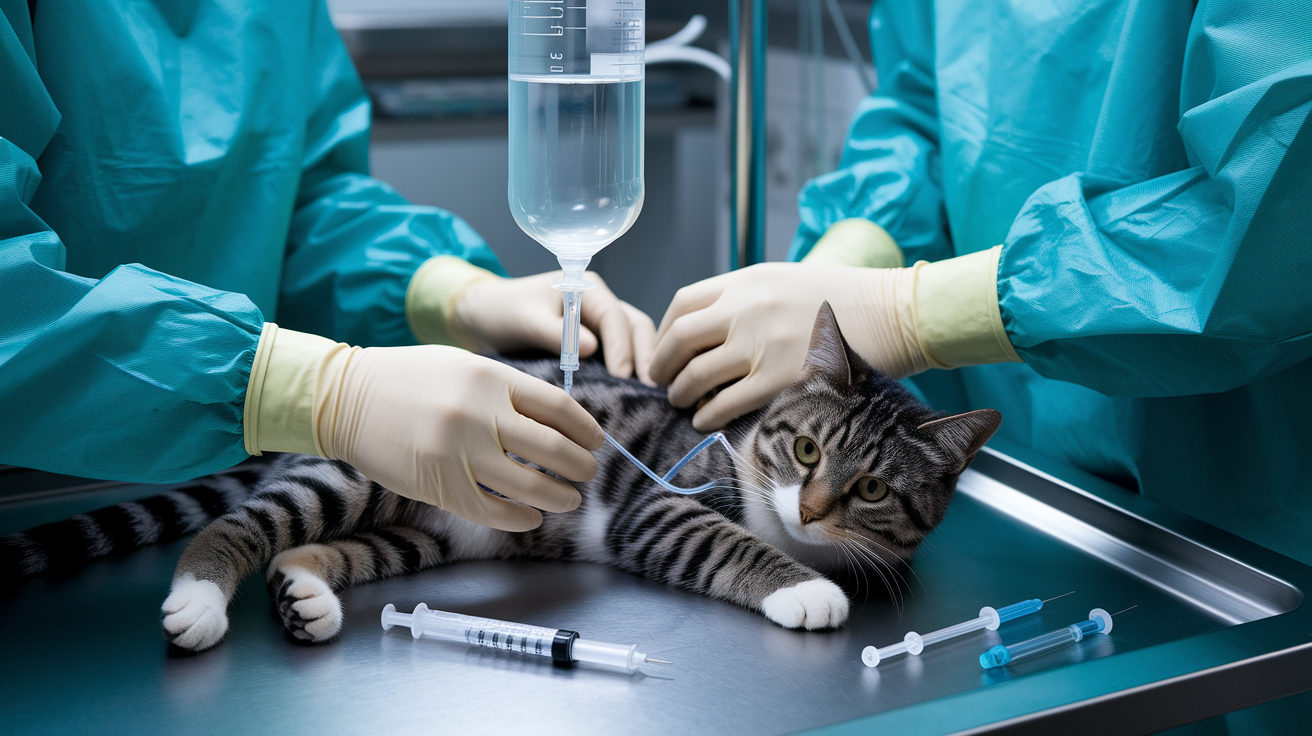
The first goal is to get urine flowing again. Most cats need sedation or full anesthesia because passing a urinary catheter through a blocked, inflamed urethra is painful and requires the cat to stay completely still. The vet will attempt to gently thread a thin catheter through the urethra to dislodge the plug or push it back into the bladder where it can be flushed out. If the plug is stubborn, the vet may use saline flushes or gentle pressure to break it apart. Once the catheter is in place, urine drains immediately, and the bladder is flushed with sterile fluid to clear debris.
Intravenous fluids start right away to rehydrate the cat, support kidney function, and help flush toxins from the bloodstream. IV fluids also dilute dangerously high potassium levels and reduce the risk of fatal heart arrhythmias. Pain control is critical. Cats with blockages are in severe pain, and managing that pain helps reduce urethral spasms. Anti-inflammatory medications and muscle relaxants may be given to calm the urethra and reduce swelling.
If the bladder is so full that rupture is imminent and a catheter can’t be passed quickly, the vet may perform cystocentesis. A needle is inserted through the abdominal wall directly into the bladder to drain urine. This is a temporary, life-saving measure to relieve pressure while the vet works to unblock the urethra. Bladder expression, manually squeezing the bladder to force urine out, is almost never done in blocked cats because it can rupture the bladder or damage the urethra further.
Sedation or anesthesia to allow catheter placement.
Urinary catheter insertion and flushing to clear the obstruction.
IV fluid therapy to rehydrate and flush toxins.
Pain management and anti-spasm medications.
Cystocentesis (needle drainage) if bladder rupture is imminent.
Surgery and Hospital Care for Cats Recovering From Urinary Blockage
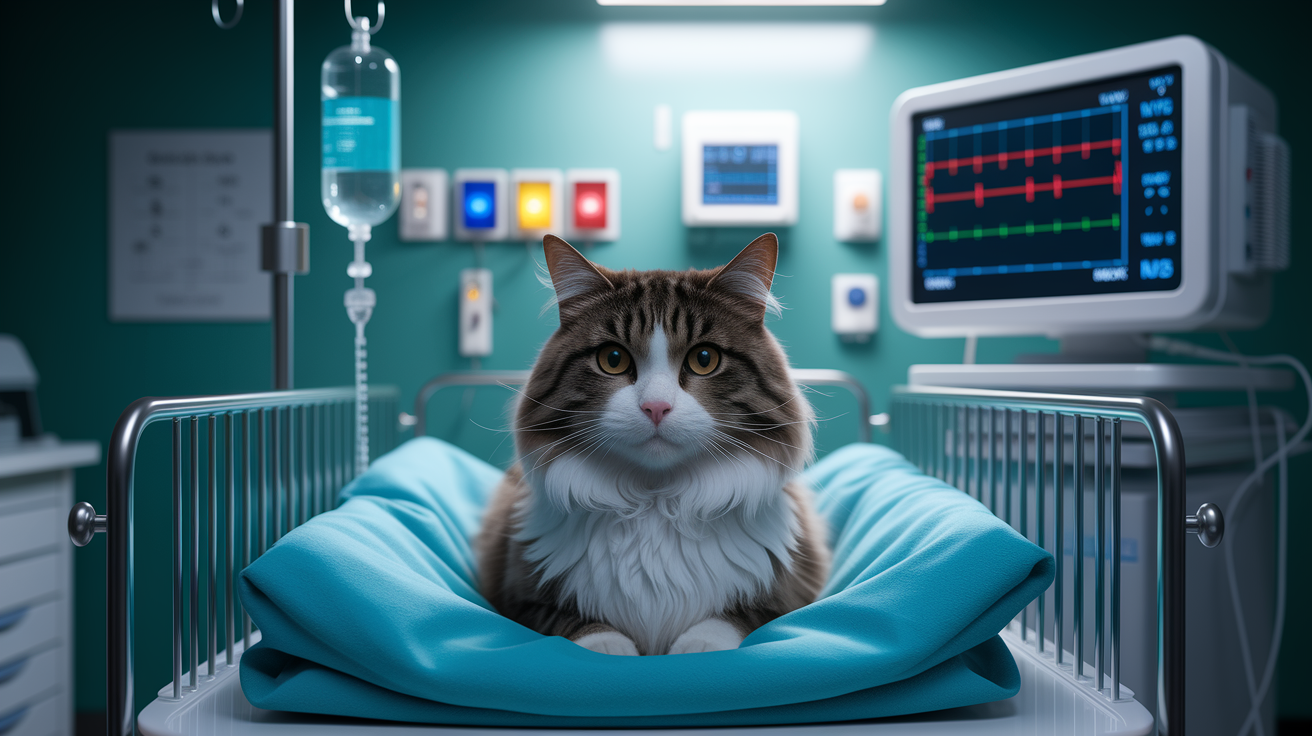
Once the catheter is placed and urine is draining, most cats are hospitalized for one to three days. The catheter stays in place, sutured to prevent it from slipping out, and the bladder continues to drain while inflammation subsides. During this time, the vet monitors bloodwork daily to track kidney enzyme levels and electrolyte balance. As kidney function improves and potassium normalizes, the risk of cardiac complications drops. The vet also watches urine output and clarity. Cloudy or bloody urine should gradually clear as the bladder heals.
For cats who block repeatedly despite diet and medical management, perineal urethrostomy surgery, often called PU surgery, may be recommended. This procedure surgically widens the urethral opening by removing the narrow tip of the urethra and creating a larger, permanent opening. PU surgery doesn’t prevent bladder inflammation or stone formation, but it does reduce the chance that a plug or small stone will cause a complete obstruction. It’s considered a last-resort option, but it can be life-saving for cats with frequent recurrences.
Monitoring doesn’t stop once the catheter is removed. The vet will watch the cat urinate on their own before discharge to confirm the urethra is open and functioning. If the cat can’t urinate within a few hours of catheter removal, re-blocking is possible, and the catheter may need to go back in. Hyperkalemia, dangerously high potassium, is one of the most serious complications during recovery. It causes heart arrhythmias that can be fatal if not corrected with fluids and medication. That’s why hospitalization and close monitoring are non-negotiable for blocked cats.
Long-Term Prevention After a Cat Has Experienced Urinary Blockage
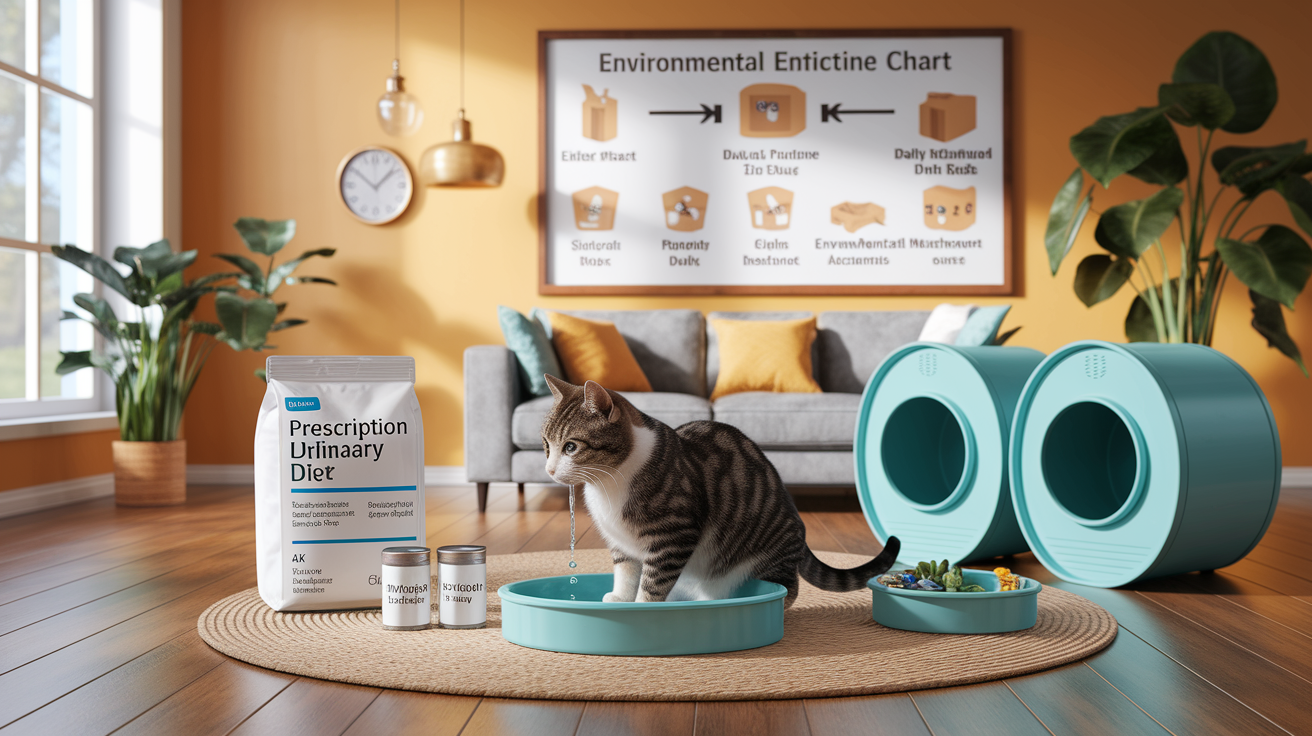
A cat who has blocked once is at high risk of blocking again, often within weeks or months, unless you make changes at home. Prescription urinary diets are the foundation of long-term prevention. These diets are formulated to control urine pH, reduce crystal formation, and dilute urine by encouraging thirst. Your vet will recommend a specific formula based on the type of crystals or stones your cat forms. Staying on the diet consistently, no off-brand food, no table scraps, is one of the most effective ways to reduce recurrence.
Hydration is just as critical as diet. Concentrated urine allows crystals and mucus to clump together more easily. Wet food increases water intake naturally because it’s 70 to 80 percent moisture, compared to dry kibble at around 10 percent. If your cat prefers dry food, try adding water to the kibble, offering a cat water fountain (many cats drink more from moving water), or placing multiple water bowls around the house. Some owners add low-sodium chicken broth to water to make it more appealing.
Feed a prescription urinary diet recommended by your vet. Stick to it long-term.
Switch to canned food or add water to dry food. Increase moisture intake every day.
Use a cat water fountain or multiple bowls. Make drinking easy and appealing.
Reduce stress with environmental enrichment. Climbing structures, hiding spots, play time, scratching posts, and predictable routines.
Maintain clean litter boxes. Scoop daily, one box per cat plus one extra, avoid strong-scented litter.
Monitor litter box habits closely. Watch for straining, small amounts, or blood.
Keep your cat at a healthy weight. Obesity increases risk, so portion control and activity matter.
Final Words
If you notice straining, no urine, blood, vomiting, or loud vocalizing, act fast. This post walked you through immediate emergency signs, subtle litter box changes, pain and systemic symptoms, how vets diagnose it, emergency treatments and longer-term prevention.
We showed what to watch for at home, what your vet will check, and the time-sensitive 24–48 hour danger window. If any of the signs match what you’re seeing, get emergency veterinary help right away.
Remember, signs of cat urinary blockage are urgent, but prompt care often leads to a good recovery.
FAQ
Q: How do I tell if my cat is having a urinary blockage?
A: You can tell a urinary blockage if your cat strains to urinate with little or no output, has blood-tinged urine, vomits, seems very tired, yowls in pain, or has a hard, painful belly—call your vet immediately.
Q: How do you clear a cat’s urinary blockage?
A: To clear a cat’s urinary blockage a veterinarian usually places a urinary catheter under sedation, gives IV fluids, controls pain and monitors electrolytes—do not attempt home unblocking; seek emergency care right away.
Q: Can a cat survive a urinary blockage without treatment? Can a cat blockage clear itself?
A: A cat rarely survives a blockage without treatment; blockages seldom clear on their own and can lead to kidney failure or bladder rupture within 24–48 hours, so get emergency veterinary care immediately.