

Is your cat suddenly drinking and peeing far more than usual?
That change is often the first sign of health problems like diabetes, kidney disease, or an overactive thyroid.
This post explains the most common causes, points out the extra signs that mean you need same-day veterinary care, and gives simple steps to track water intake and litter-box habits so you can act quickly.
If the increase lasts more than 24 to 48 hours, or you see vomiting, weight loss, or trouble urinating, contact your veterinarian right away.
Understanding Excessive Thirst and Urination in Cats
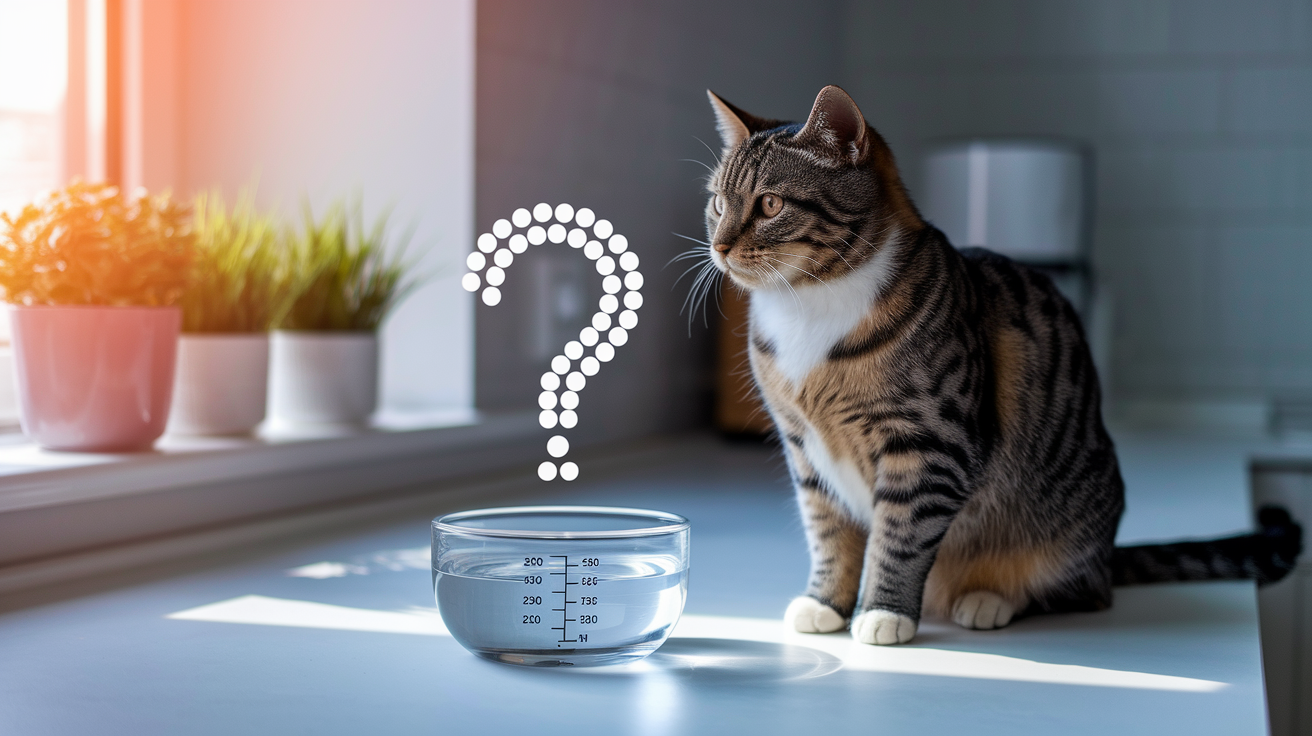
Excessive thirst (polydipsia) and excessive urination (polyuria) are medical terms that describe a noticeable, sustained increase in how much water your cat drinks and how often they urinate. A healthy adult cat typically drinks about 3.5 to 4.5 ounces of water per 5 pounds of body weight each day. For example, a 10 pound cat usually drinks around 7 to 9 ounces daily. If you’re filling the water bowl two or three times a day instead of once, or if the litter box is suddenly filling with heavy, oversized clumps, that’s a signal something may have changed. These symptoms often appear together because the body responds to extra urine output by triggering more thirst. While a hot day or a switch from wet to dry food can temporarily increase drinking, a marked change lasting more than 24 to 48 hours, especially if your cat also seems off in other ways, warrants a veterinary visit.
Polydipsia and polyuria aren’t diseases on their own. They’re warning signs that point to underlying conditions such as diabetes mellitus, chronic kidney disease, or hyperthyroidism. Each of these illnesses affects how your cat’s body regulates fluids, glucose, or metabolism. Early detection improves outcomes significantly. Cats are experts at hiding discomfort, so by the time you notice increased drinking or urination, the condition may already be progressing. That makes tracking these changes and acting quickly so important.
If your cat’s drinking and urinating excessively, start measuring daily water intake and watch for additional symptoms. Keep a single water bowl if possible, fill it with a measured amount each morning, and note how much is left the next day. Write down any changes in appetite, energy, weight, litter box habits, or behavior. Schedule a veterinary appointment within a day or two if the increase persists or if you see any of these red flags:
- Lethargy or collapse
- Vomiting or diarrhea
- Rapid weight loss
- Dry, sticky gums or sunken eyes despite drinking more
- Blood in the urine or straining to urinate (especially in male cats, this can be an emergency)
Core Medical Causes of Excessive Thirst and Urination
Diabetes Mellitus
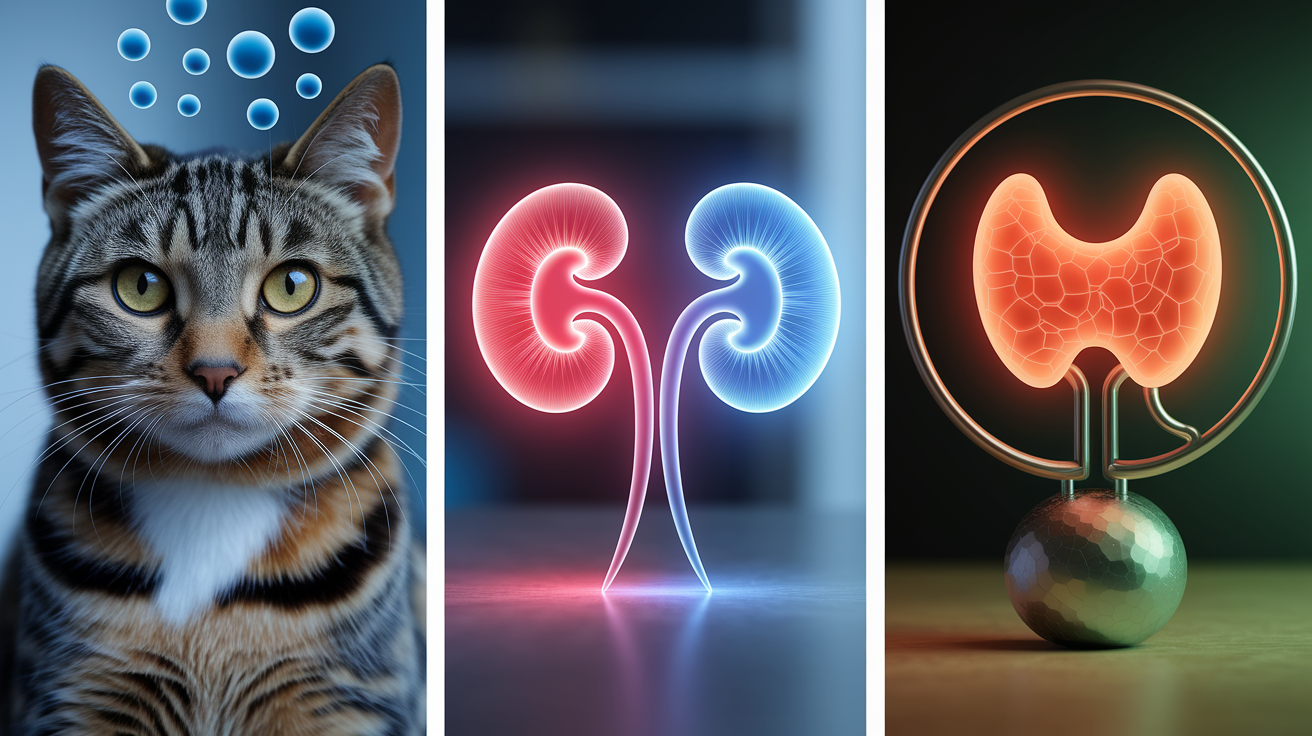
Diabetes mellitus happens when your cat’s body can’t properly use insulin, the hormone that helps cells take in glucose from the bloodstream. When glucose stays high in the blood, the kidneys try to flush it out by producing more urine, which pulls water with it. Your cat then drinks more to replace that lost fluid. Diabetes is most common in overweight, middle aged cats, and those eating mostly dry food, though it can develop at any age. You’ll often notice weight loss despite your cat eating more, sometimes much more than usual. Untreated diabetes can lead to serious complications. If you see increased drinking paired with increased appetite and weight loss, contact your vet right away.
Chronic Kidney Disease
Chronic kidney disease (CKD) is the most common medical cause of excessive thirst and urination in cats, especially in those over seven years old. Healthy kidneys concentrate urine, conserving water and filtering waste efficiently. As kidney function declines, the kidneys lose that concentrating ability and produce larger volumes of dilute urine. Your cat drinks more to keep up with the fluid loss. Early signs often include gradually filling the litter box faster, needing to refill the water bowl more often, subtle weight loss, and sometimes a decrease in appetite or bad breath with an ammonia like smell. CKD progresses slowly. Catching it early through blood work and urinalysis allows you to manage symptoms, support remaining kidney function, and improve quality of life.
Hyperthyroidism
Hyperthyroidism is caused by an overactive thyroid gland that produces excess thyroid hormone, speeding up nearly every process in your cat’s body. It typically affects middle aged to senior cats. The ramped up metabolism increases thirst and urine output, and you may also notice your cat is constantly hungry, losing weight despite eating well, more vocal, restless, hyperactive, or vomiting and having diarrhea. Some cats develop a rapid heart rate or matted, unkempt coat because grooming becomes harder. Hyperthyroidism is diagnosed with a simple blood test, and it’s often very responsive to medical management, radioactive iodine therapy, or surgery, depending on your cat’s overall health and the specifics of the case.
Warning Signs That Indicate the Problem Is Serious
Increased drinking and urination are already reasons to call your vet, but certain additional signs mean you need same day or emergency care. Cats hide illness instinctively, so by the time they show obvious distress, the situation may be urgent. If your cat is lethargic, barely moving, or unresponsive, don’t wait. If they’re vomiting repeatedly, having diarrhea, or refusing food and water entirely, that’s a serious red flag. Rapid weight loss over days to weeks, especially with a ravenous appetite, suggests diabetes or hyperthyroidism that needs immediate attention.
Watch your cat’s gums and eyes. Dry, sticky gums or sunken eyes despite increased drinking can signal severe dehydration, which requires veterinary fluids. Male cats showing any difficulty urinating (straining, crying in the litter box, producing only drops, or visiting the box repeatedly with no result) face a life threatening emergency called urinary blockage and must be seen immediately. Blood in the urine, pale gums, or collapse are also emergency signs. These symptoms mean your cat’s body is struggling to compensate. Waiting even a few hours can worsen the outcome:
- Lethargy, weakness, or collapse
- Repeated vomiting or diarrhea
- Rapid, unexplained weight loss
- Dry, sticky gums or sunken eyes
- Male cat straining to urinate or producing only small drops
- Blood in the urine
- Pale gums or difficulty breathing
When to See a Veterinarian and What to Expect
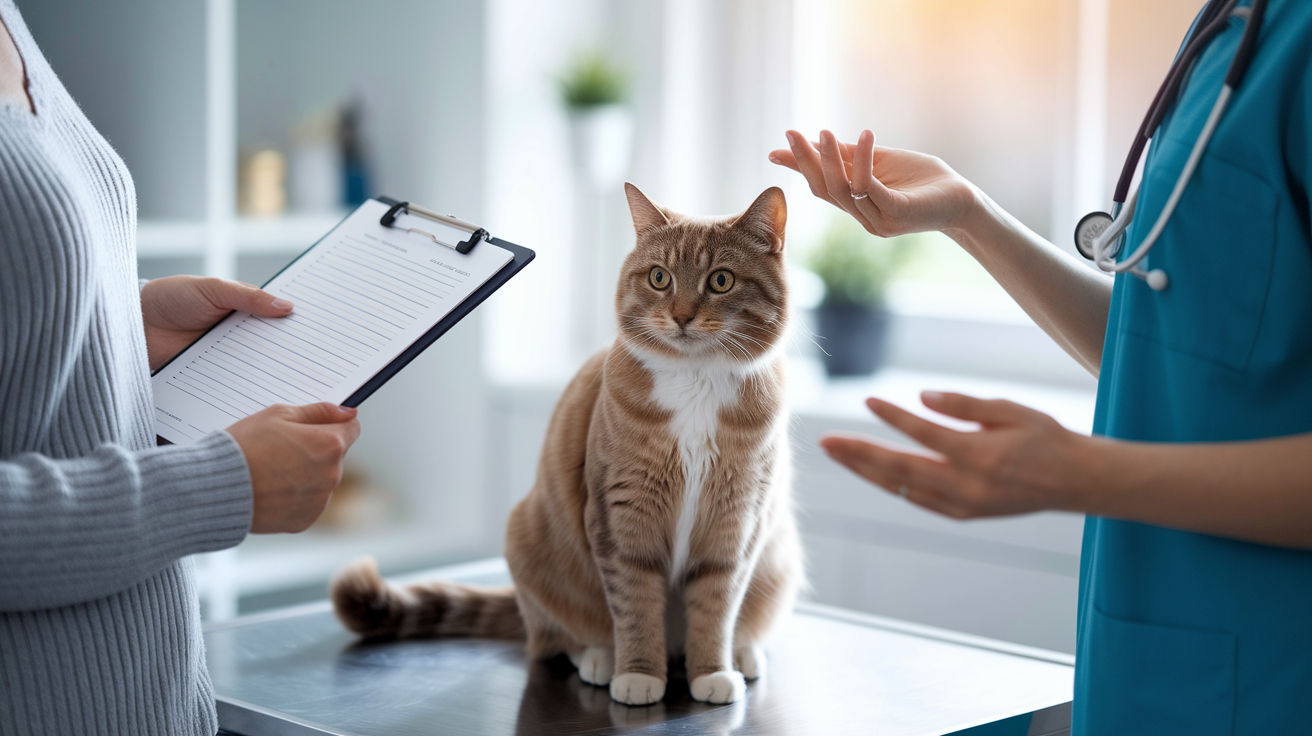
If your cat’s drinking or urination has noticeably increased for more than a day or two and you can’t explain it with a diet change or warm weather, schedule a veterinary appointment within 24 to 48 hours. If you’re seeing any of the red flag symptoms listed above (vomiting, lethargy, weight loss, straining to urinate, or signs of dehydration), call your vet the same day or head to an emergency clinic. Early evaluation makes a real difference, especially for progressive conditions like kidney disease or diabetes that respond best to early intervention.
Before the visit, start tracking your cat’s water intake and litter box habits. Measure the water you put in the bowl each morning and note how much is left the next day. Count how many times your cat urinates in 24 hours and describe the size of the clumps. Larger or more frequent clumps are a key clue. Write down your cat’s current weight if you have a scale, any changes in appetite or energy, and when you first noticed the increased drinking. If you can safely collect a urine sample (by using non absorbent litter or a clean container in the litter box), bring it to the appointment in a sealed container. Fresh samples help veterinarians run more accurate tests.
At the clinic, expect your vet to take a detailed history, perform a full physical exam, and recommend diagnostic tests. The goal is to identify the underlying cause so treatment can start quickly. Your vet will feel your cat’s kidneys, check hydration status, listen to the heart, and look for signs like weight loss, poor coat condition, or an enlarged thyroid gland. Most cats will need blood work and urinalysis at minimum, and possibly additional tests depending on initial findings.
Veterinary Diagnosis: Tests Used to Identify the Cause
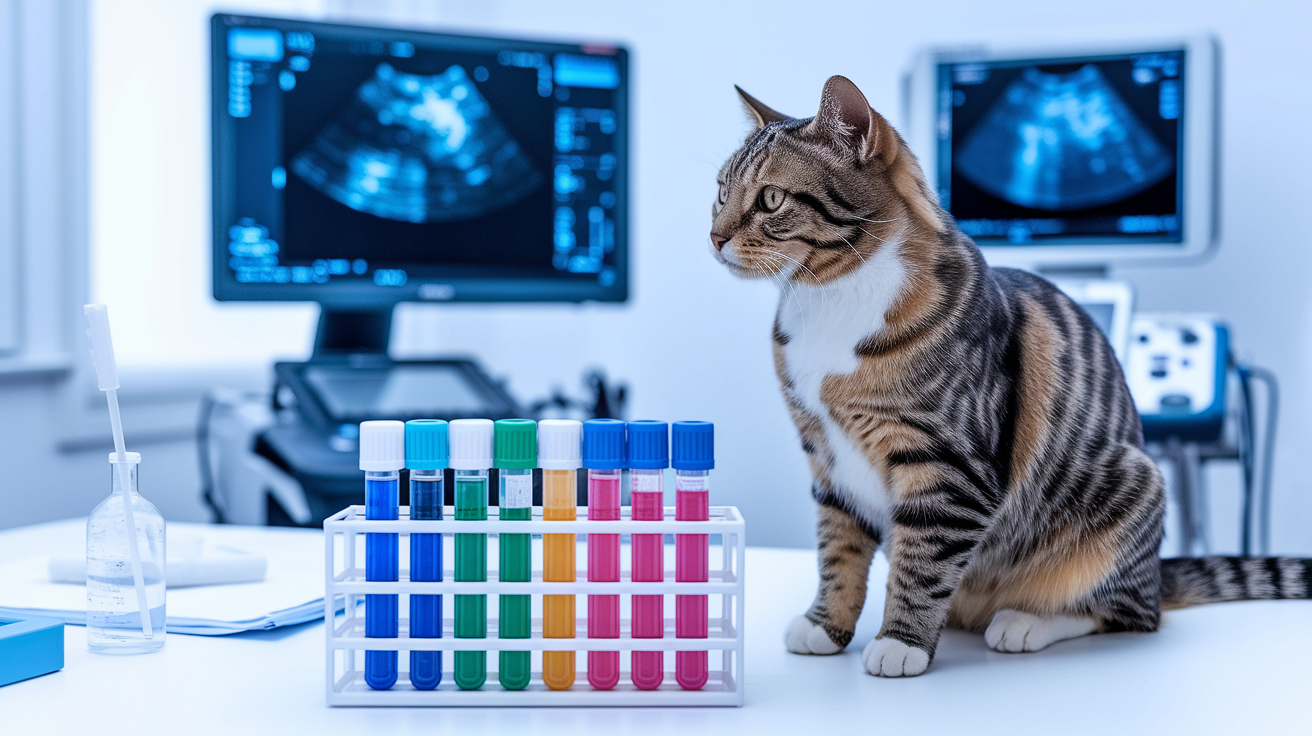
Your veterinarian will use a combination of tests to pinpoint the cause of your cat’s symptoms. Each test looks at a different part of the body’s function, so together they build a complete diagnostic picture.
Urinalysis is usually the first step. It measures urine concentration (specific gravity), checks for glucose, protein, blood, bacteria, and crystals, and helps rule in or out kidney disease, diabetes, and urinary tract infections. Blood work, typically a complete blood count (CBC) and chemistry panel, evaluates kidney function, liver enzymes, blood glucose, electrolytes, and red and white blood cell counts. Elevated kidney values combined with dilute urine point to chronic kidney disease. High blood glucose plus glucose in the urine strongly suggest diabetes. If your cat is middle aged or older and showing weight loss with increased appetite, your vet will run a thyroid hormone test to check for hyperthyroidism. Imaging like ultrasound or X rays may be recommended if the initial tests suggest structural changes in the kidneys, liver, or bladder, or if your vet needs to rule out tumors, stones, or other abnormalities.
| Test | What It Detects | Typical Timeline |
|---|---|---|
| Urinalysis | Urine concentration, glucose, infection, crystals, blood | Same day or next day |
| Blood Chemistry Panel | Kidney function, liver enzymes, blood glucose, electrolytes | Same day or next day (in house) or 1–2 days (outside lab) |
| Thyroid Hormone Test | Hyperthyroidism (elevated T4) | 1–2 days (usually sent to outside lab) |
Treatment Options Based on Diagnosis
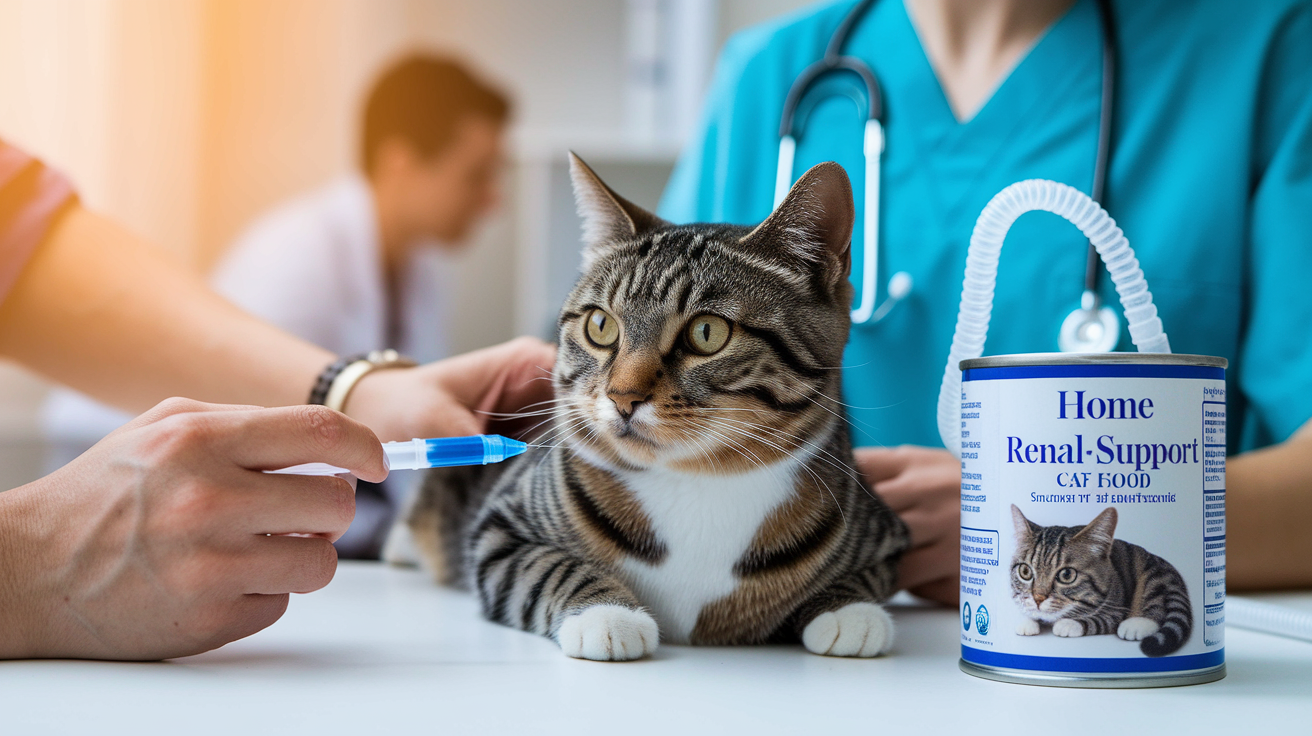
Once your veterinarian identifies the cause, treatment will be tailored to your cat’s specific condition, age, overall health, and how far the disease has progressed. Many of these conditions are manageable with the right care. Early treatment often leads to better long term outcomes.
For diabetes mellitus, the standard approach is insulin therapy combined with a diet change to high protein, low carbohydrate canned food. Your vet will show you how to give insulin injections at home (usually twice daily) and teach you to monitor your cat’s blood glucose using a home glucometer or by tracking clinical signs like appetite, weight, water intake, and energy. Some cats achieve remission, meaning their blood glucose stays normal for at least four weeks without insulin, especially if treatment starts early and diet changes are consistent. Regular follow up visits and glucose curves help adjust insulin doses safely.
Chronic kidney disease can’t be cured, but it can be managed to improve quality of life and slow progression. Treatment depends on the IRIS stage of kidney disease and may include a prescription renal diet, subcutaneous fluids to support hydration, medications to control blood pressure or reduce protein loss in urine, appetite stimulants, and anti nausea drugs. Many owners learn to give fluids at home a few times a week. Regular blood work monitors kidney values and guides treatment adjustments over time.
Hyperthyroidism has several treatment options. Oral methimazole tablets or a transdermal ear gel can control thyroid hormone levels and are often the first line choice for older cats or those with other health issues. Radioactive iodine therapy is a one time treatment that cures hyperthyroidism in most cases, though it requires a hospital stay of several days while radioactivity levels drop. Surgery to remove the overactive thyroid gland is another option, particularly for younger cats or when other treatments aren’t suitable. Your vet will help you choose the best path based on your cat’s age, overall health, and your ability to manage long term medication.
- Diabetes: insulin injections, high protein canned diet, regular blood glucose monitoring
- Chronic kidney disease: renal diet, subcutaneous fluids, blood pressure medication, appetite support, regular blood work
- Hyperthyroidism: methimazole (oral or transdermal), radioactive iodine therapy, or surgical removal of thyroid gland
- Urinary tract infections: antibiotics guided by urinalysis or culture, possible diet changes for crystals
- Dehydration or medication side effects: fluid therapy, medication review and adjustments under veterinary guidance
- Liver disease: supportive care, dietary management, treatment of underlying cause if identified
Final Words
If you’re seeing increased drinking and extra trips to the litter box, that’s your cue to act. We explained what polydipsia and polyuria mean, common causes like diabetes, kidney disease, and hyperthyroidism, plus the red flags to watch.
Jot down water amounts, litter box frequency, weight, and bring a urine sample if possible. If symptoms last more than 24–48 hours or get worse, see a vet.
Keeping a simple log helps your vet, and catching cat excessive thirst and urination early often improves outcomes. You’re doing the right thing.
FAQ
Q: Why is my cat drinking so much water and peeing a lot?
A: Your cat drinking so much water and peeing a lot can signal diabetes, kidney disease, or hyperthyroidism; get a vet check within 24–48 hours, sooner if vomiting, weight loss, or cannot urinate.
Q: What are the signs that a cat’s kidneys are failing?
A: Signs that a cat’s kidneys are failing include increased thirst and urination, reduced appetite, weight loss, vomiting, lethargy, and bad breath; call a vet promptly for vomiting, collapse, or severe dehydration.
Q: What are the first signs of Cushing’s disease in cats?
A: The first signs of Cushing’s disease in cats often include increased thirst and urination, bigger appetite, hair thinning or fragile skin, and muscle weakness; it’s uncommon—have a vet evaluate these changes.
Q: What are the early signs of feline dementia?
A: Early signs of feline dementia include disorientation, getting lost in familiar rooms, sleep-wake changes, less interest in people, reduced grooming, and litter box accidents; see a vet—some causes can be treated or managed.