

Think allergies are minor, until a school day turns into an emergency.
A pet allergy action plan is a clear guide that tells teachers, babysitters and coaches which animal proteins your child reacts to, which symptoms to watch for and which medications to use.
It cuts through panic by laying out mild, moderate and emergency steps, who to call, and when to use epinephrine (adrenaline) so caregivers can act fast and safely.
Read on to learn what to include, how to get it signed by an allergist, and simple ways to share it so your child is protected everywhere they go.
Clear Explanation of a Pet Allergy Action Plan

A pet allergy action plan is basically a written guide that lists your child’s specific pet allergens, what symptoms to watch for, medication names and doses, and what to do in an emergency when you’re not around. It makes sure teachers, babysitters, coaches, or anyone else watching your kid can spot a reaction and respond without hesitating or calling you first to ask what they should do.
Pet allergy triggers come from proteins in dander (those tiny skin flakes), saliva, and urine. Not the fur. These proteins stick to bedding, clothes, furniture, even classroom desks. Symptoms can pop up within minutes or slowly build over 8 to 12 hours. You’ll often see sneezing, stuffy nose, itchy watery eyes, coughing, wheezing, eczema flare ups, hives, throat itching. For kids with asthma, pet allergen exposure can cause breathing trouble, chest tightness, bad wheezing. Severe reactions might include throat swelling, face swelling fast, breathing problems, anaphylaxis. Though pet allergens don’t cause anaphylaxis nearly as often as food does.
A written plan cuts down risk by giving caregivers a roadmap they can follow right away, even when they’re stressed. It removes guesswork and speeds things up during mild reactions and emergencies. Pet allergens are in about 90 percent of homes and public indoor spaces, so even kids without pets at home can react at school, friends’ houses, or community centers.
- Complete allergen list stating which animal proteins (dander, saliva, urine) your child reacts to
- Symptom description covering mild, moderate, and severe signs
- Medication protocol with exact drug names, doses, and timing for daily and rescue use
- Emergency steps explaining when to give epinephrine, call 911, and notify parents
Essential Components to Include in a Pet Allergy Action Plan

Start by writing down every known pet allergen. List the specific animal proteins your child reacts to. Cat dander, dog saliva, rabbit urine. Include cross reactive triggers like pollen that pets carry inside on their coat. Record the date of the most recent allergy test (skin prick or blood) so the plan reflects current diagnosis, not old guesses. If your child’s only been tested for some animals, note that other exposures might need follow up testing.
Next, describe your child’s typical symptom pattern and medication details. Write what mild symptoms look like for your kid. “Sneezes five times in a row, clear runny nose, rubs eyes.” What moderate to severe escalation looks like. “Won’t stop coughing, audible wheeze, says throat feels tight, hives spreading across chest.” Include full name, strength, and exact dose of every medication. Daily antihistamines, nasal steroid sprays, rescue inhalers, emergency epinephrine auto injectors. State how to give it and any special instructions like “give with food” or “shake inhaler before each puff.”
Add emergency contacts and clear escalation instructions. List parent phone numbers, backup contacts, the allergist’s office number, your child’s primary care provider. Write the specific threshold that means call 911. “Call 911 if breathing becomes labored, lips or face swell, child feels faint, or symptoms don’t improve five minutes after rescue medication.” Include space to log past reactions, noting what triggered it, which symptoms showed up, what medications were given, and what happened.
- Patient identification and emergency contacts (child’s name, date of birth, parent/guardian numbers, physician contact)
- Complete allergen list (animal species, specific protein sources, date of last testing)
- Symptom severity tiers (mild, moderate, severe signs with real examples)
- Daily and rescue medication protocols (drug name, dose, route, timing, special instructions)
- Emergency steps (when to give epinephrine, when to call 911, when to notify parents)
- Documentation log (space to record past reactions, triggers, outcomes)
How to Create a Pet Allergy Action Plan Step by Step

Schedule an appointment with a board certified allergist before school starts. Ideally before summer ends or at least a few weeks before the first day. The allergist will do diagnostic testing, either skin prick tests or blood tests, to confirm which animal proteins trigger symptoms. Skin testing gives results within 15 to 20 minutes and is the most common first step. Blood tests get used if your child has severe eczema, takes medications that mess with skin testing, or is too young to handle prick tests. Bring a written symptom diary to the visit. Note when and where reactions happened, what your child was doing, how long symptoms lasted.
After testing confirms the allergens, the allergist will build the action plan with you. You’ll review your child’s full allergy history, current medications, past reactions, any coexisting conditions like asthma or eczema. The allergist will prescribe medications. Antihistamines, nasal sprays, inhalers, epinephrine auto injectors. They’ll specify exact doses, timing, triggers for escalation. This is also when you discuss whether the household pet should be rehomed or if environmental controls and medical management can keep symptoms tolerable. Ask the allergist to print and sign the completed plan so it carries official weight when you share it with schools and caregivers.
Once the plan’s signed, make multiple copies. Printed and digital. Store one at home somewhere visible, give copies to the school nurse and classroom teacher, share digital versions with grandparents, babysitters, after school program staff. Schedule an in person meeting with school administrators, the nurse, your child’s teacher. Walk through the plan, show them how to use the epinephrine auto injector, answer questions. Bring the actual devices so staff can practice with trainer pens if available.
Update the plan every year or anytime your child’s symptoms, medications, or living situation changes. If you adopt a new pet, move to a new school, or your child’s asthma gets worse, schedule a follow up allergist visit to revise the plan and retest if needed.
Working With an Allergist
An allergist evaluation includes detailed history, physical exam, diagnostic testing to confirm which animal proteins cause symptoms. The allergist will ask about symptom timing (immediate versus delayed), family history of allergies or asthma, pets in the home, exposures at school or daycare. Testing results guide medication choices and help the allergist decide if avoidance alone will work or if immunotherapy is a good long term option. Allergy shots that desensitize the immune system over time. The allergist will also screen for asthma, because pet allergen exposure can trigger or worsen wheezing. Kids with both conditions need a combined asthma and allergy action plan.
- Schedule the allergist visit before the school year or before adopting a new pet
- Complete diagnostic testing (skin prick or blood) to confirm specific animal allergens
- Review symptom history, medications, past reactions with the allergist
- Get a signed, printed action plan with medication names, doses, emergency steps
- Discuss environmental controls, rehoming decisions, long term options like immunotherapy
Recognizing Symptoms and Early Warning Signs for the Plan

List your child’s baseline symptoms so caregivers can spot changes fast. For a lot of kids, mild pet allergy looks like sneezing in clusters, clear runny nose, itchy or watery eyes, light throat scratching. These symptoms often show up within minutes of petting an animal or walking into a room with pet dander, but they can also build slowly over 8 to 12 hours after prolonged exposure. Write down your child’s typical mild reaction in everyday language. “Starts rubbing eyes and sniffling within 10 minutes of playing with the class hamster.” That way a teacher who’s never seen your child react will recognize the pattern.
Moderate and severe symptoms need faster action. Moderate escalation includes coughing that won’t quit, audible wheezing, visible hives spreading across the skin, significant nasal congestion that makes it hard to breathe through the nose, complaints of throat tightness or itching deep in the throat. Severe symptoms are medical emergencies. Difficulty breathing, noisy breathing or stridor, swelling of lips, tongue, or face, rapid pulse, dizziness or fainting, vomiting after exposure, widespread hives covering large areas of the body. If your child also has asthma, watch for chest tightness, trouble finishing sentences, hunched posture while breathing, coughing that won’t stop after using a rescue inhaler.
- Sneezing (especially in clusters or within minutes of pet contact)
- Runny or stuffy nose (clear mucus, frequent nose rubbing)
- Itchy, watery, or swollen eyes (redness, constant rubbing or blinking)
- Coughing and throat itching (dry cough, scratchy feeling in the throat)
- Wheezing or shortness of breath (audible whistling sound, trouble taking deep breaths)
- Skin reactions (eczema flare ups, hives, itching where pet saliva or dander touched skin)
- Severe signs requiring emergency action (swelling of face or throat, difficulty breathing, dizziness, widespread hives)
Emergency Steps for a Pet Allergy Action Plan
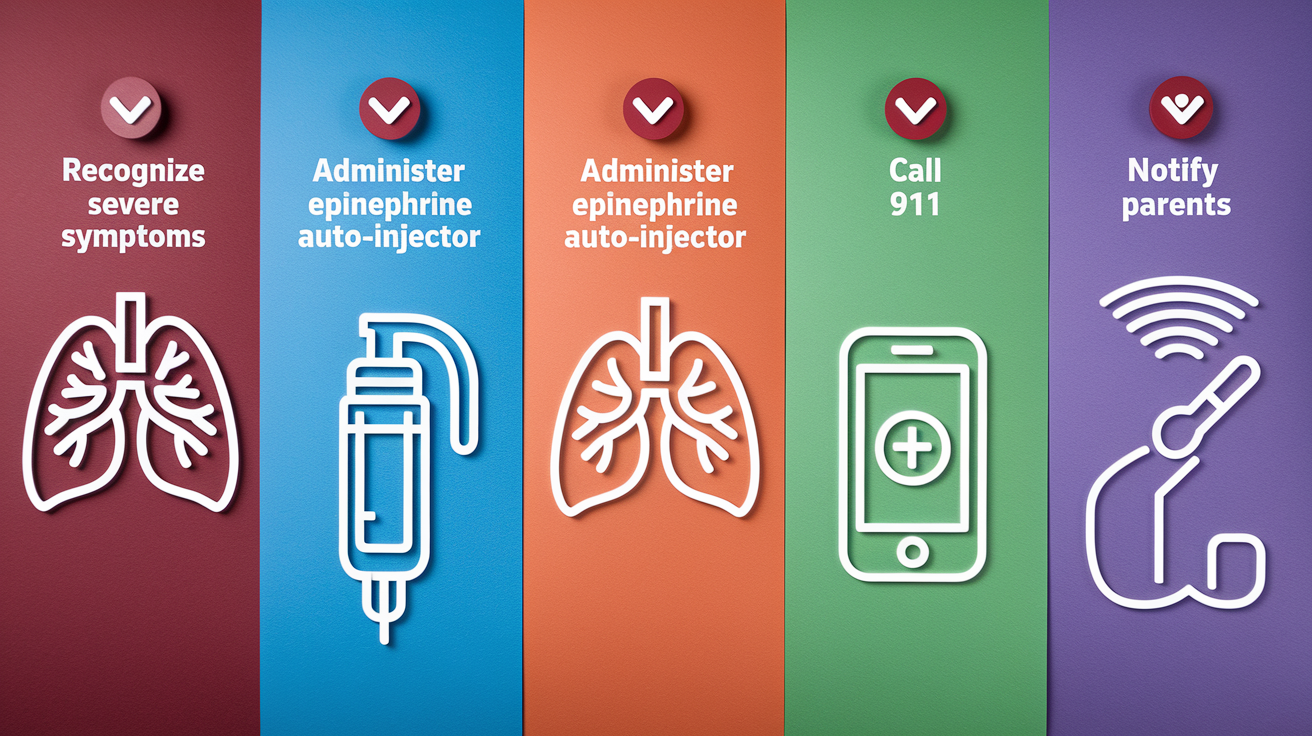
Recognize severe symptoms right away. If your child shows difficulty breathing, throat tightness, noisy breathing, swelling around lips or face, widespread hives, vomiting, dizziness, or says “I can’t breathe” or “my throat feels closed,” treat it as possible anaphylaxis. Don’t wait to see if symptoms get better on their own. Seconds matter when airways start to swell.
Give the epinephrine auto injector immediately if the plan authorizes it or if severe symptoms are present. Epinephrine (brand names include EpiPen® and Auvi-Q®) is the only emergency medication proven to stop anaphylaxis. Remove the device from its carrier, pull off the safety cap, press the tip firmly into the outer thigh (works through clothing), hold for three seconds, then remove and massage the injection site for ten seconds. Note the time you gave the dose. Epinephrine can cause fast heartbeat, shakiness, pale skin. That’s normal and not dangerous. If symptoms don’t improve or they get worse after five to ten minutes, give a second dose if a second auto injector is available and the plan allows it.
Call 911 immediately after giving epinephrine, even if your child starts to feel better. Anaphylaxis can come back in a second wave 4 to 12 hours later, so emergency medical transport and observation are required. Tell the dispatcher “possible anaphylactic reaction, epinephrine given,” give your child’s age and weight, stay on the line. Notify the parent or guardian as soon as emergency services are called. Keep your child lying flat with legs elevated unless they’re vomiting or having trouble breathing, in which case let them sit up. Stay with them, keep them calm, don’t give food, drink, or oral medications. Save the used auto injector to show paramedics the dose and time.
- Recognize severe symptoms (difficulty breathing, throat tightness, swelling, widespread hives, dizziness, vomiting after exposure)
- Give epinephrine immediately using the auto injector (outer thigh, hold 3 seconds, note the time)
- Call 911 and state “anaphylactic reaction, epinephrine administered” (stay on the line, provide child’s age and weight)
- Notify parent or guardian and document the time, symptoms, medication given, response
- Keep the child lying flat with legs elevated (or sitting upright if vomiting/breathing difficulty); don’t give food or drink; stay with them until paramedics arrive
Environmental Controls to Include in a Pet Allergy Action Plan
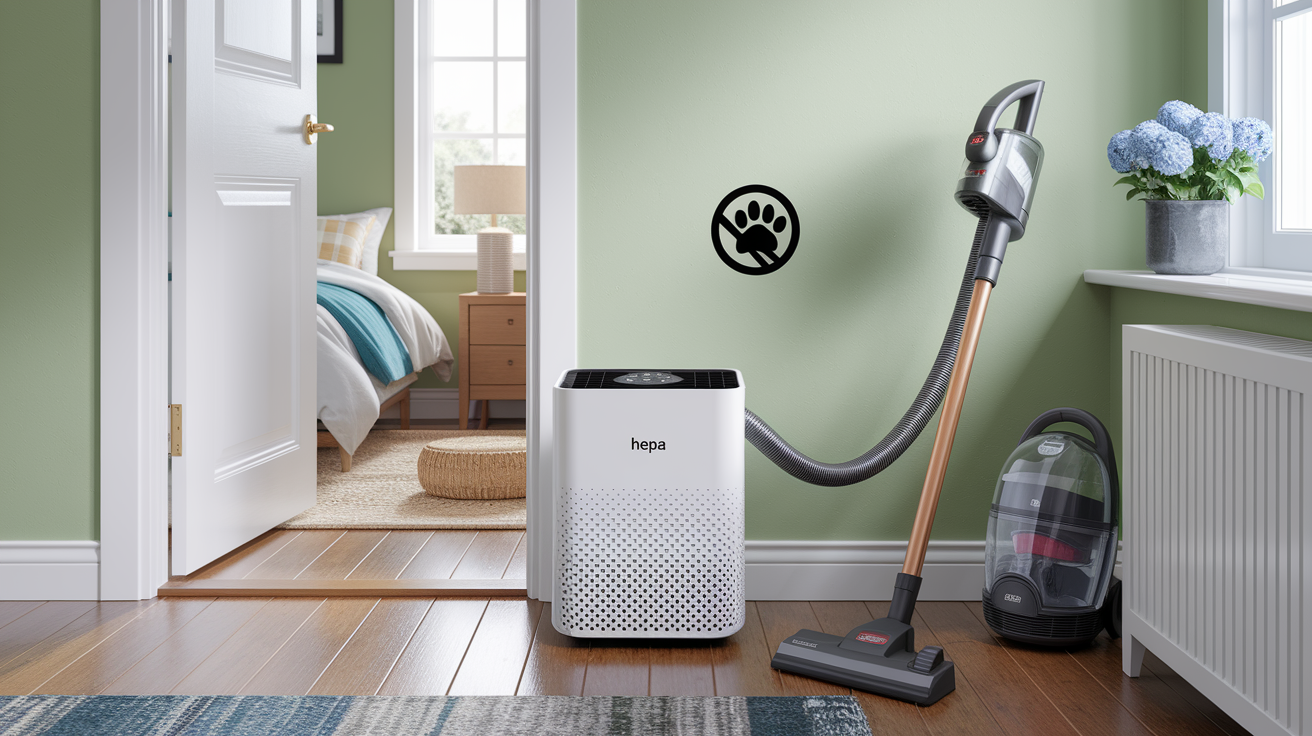
Create pet free zones in the home, starting with bedrooms. Pet dander settles on bedding, pillows, carpet. Kids inhale concentrated allergen all night if pets sleep in or enter their rooms. Close bedroom doors during the day, use door sweeps to block gaps at the floor, wash sheets and pillowcases weekly in hot water. If possible, keep pets off all upholstered furniture. Dander clings to fabric and becomes airborne every time someone sits down. Leather or vinyl furniture is easier to wipe clean and traps way less dander.
Improve indoor air quality with HEPA filtration. Place a portable HEPA air purifier in your child’s bedroom and run it continuously. Install high efficiency HEPA filters in your home’s HVAC system and change them every 60 to 90 days, or more often if you have multiple pets. Vacuum carpets, rugs, upholstery at least twice a week using a vacuum with a HEPA filter. Standard vacuums blow fine dander particles back into the air. Limit wall to wall carpeting if possible. Hardwood, tile, or vinyl flooring is easier to clean and holds less dander. Dust surfaces with damp cloths instead of dry dusting, which stirs allergens into the air.
Bathe and groom pets regularly to reduce the amount of dander and saliva proteins they shed. Talk to your vet about a safe bathing schedule for your species and breed. Most dogs tolerate weekly baths, while cats may need gentler grooming routines. Use allergen reducing pet shampoos and wipes designed to break down dander proteins. Have a non allergic family member handle grooming tasks outdoors or in a garage, and keep the allergic child away during and right after grooming. Some vets also recommend specialty diets formulated to reduce dander production, though evidence is still emerging. Wash the pet’s bedding, toys, and blankets weekly in hot water to remove accumulated allergen.
| Environmental Control | What It Addresses | Frequency |
|---|---|---|
| HEPA air purifiers in bedroom and common areas | Filters airborne dander and reduces overnight exposure | Run continuously; clean filters monthly |
| Pet free bedroom policy | Eliminates concentrated dander in sleeping area | Enforce 24/7; close doors during the day |
| HEPA filter vacuum on carpets, rugs, furniture | Removes settled dander without releasing it back into air | At least twice per week |
| Regular pet bathing and grooming | Reduces shedding of dander and saliva proteins | Weekly (confirm schedule with vet) |
| Wash bedding, pet bedding, and clothing in hot water | Breaks down and removes allergen from fabrics | Weekly; add bleach to white fabrics when safe |
Medication Protocols for a Pet Allergy Action Plan
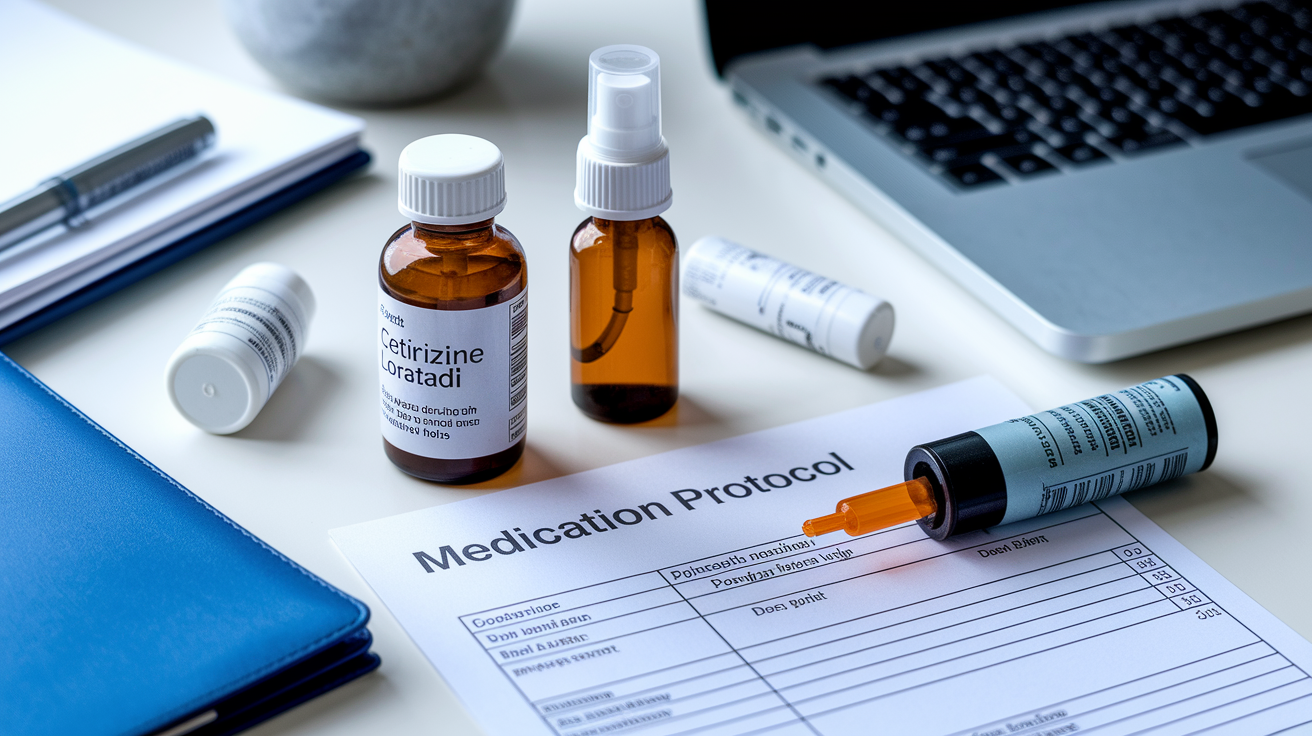
Daily medications help prevent symptoms before they start. Oral antihistamines like cetirizine (Zyrtec®), loratadine (Claritin®), or fexofenadine (Allegra®) block histamine release and reduce sneezing, itching, runny nose. Give the dose at the same time every day, usually in the evening, so the medication’s active during overnight and morning exposure. Nasal steroid sprays like fluticasone (Flonase®) or mometasone (Nasonex®) reduce inflammation inside the nose and work best when used daily for at least one to two weeks. Record the exact medication name, strength, dose, and time of day in the action plan so any caregiver can continue the routine without interruption.
Rescue medications treat breakthrough symptoms that happen despite daily prevention. Fast acting oral antihistamines or antihistamine eye drops can relieve sudden itching or sneezing after unexpected pet contact. For kids with allergic asthma, a rescue inhaler, usually albuterol (ProAir®, Ventolin®), opens airways quickly when wheezing or coughing starts. Write clear instructions. “Give 2 puffs of albuterol inhaler with spacer, wait 5 minutes, check breathing; if wheezing continues, repeat 2 puffs and call parent.” Keep the inhaler accessible at school, home, during activities, and replace it before the expiration date.
Epinephrine auto injectors are required for any child at risk of severe reactions or anaphylaxis. Even though pet allergens rarely cause anaphylaxis compared to foods or insect stings, kids with asthma or a history of severe respiratory reactions should carry epinephrine. The plan must state the exact brand, dose (0.15 mg for kids under 66 pounds, 0.3 mg for those over), and step by step administration instructions. Store auto injectors at room temperature away from light and heat, check the expiration date monthly, replace any device with cloudy or discolored solution. Long term management may include immunotherapy. Allergy shots or sublingual tablets that gradually desensitize the immune system to pet proteins over three to five years. Immunotherapy is the most effective long term treatment and can significantly improve quality of life, but it needs an allergist’s supervision and regular visits.
- Daily preventive medications (oral antihistamines, nasal steroid sprays) taken at the same time each day to maintain baseline
- Rescue medications for breakthrough symptoms (fast acting antihistamines, albuterol inhaler for asthma) kept accessible at home, school, activities
- Emergency epinephrine auto injectors (EpiPen®, Auvi-Q®) for kids with severe reaction history or asthma; include exact dose, administration steps, replacement schedule
- Immunotherapy for long term desensitization (allergy shots or tablets) discussed with allergist; most effective option for sustained symptom reduction over years
Sharing and Communicating a Pet Allergy Action Plan

Give a printed copy of the action plan to every adult who supervises your child regularly. That includes the school nurse, classroom teacher, PE teacher, art or music teachers, cafeteria staff if your child eats lunch at school, the principal or front office staff, after school program leaders. For younger kids, share the plan with daycare providers, preschool staff, babysitters. If your child does sports, scouts, or other activities, give a copy to the coach, troop leader, any parent volunteers who drive or supervise. Store a digital copy on your phone and email it to key contacts so they can access it even if the printed version gets misplaced.
Schedule a short in person meeting with school staff before the year begins. Walk through the plan step by step, show them where medications are stored, demonstrate how to use the epinephrine auto injector and asthma inhaler. Many auto injector manufacturers provide free trainer devices that let adults practice without needles or medication. Answer questions about what mild symptoms look like versus emergency signs, and clarify when to call you versus when to call 911 first. Make sure at least two staff members at school know the plan well in case the nurse or primary teacher is absent. Update everyone immediately if the plan changes. New medication, new dose, new triggers.
- School nurse and office staff (keep a copy in the health office and main office)
- Classroom teacher and any specialist teachers (art, music, PE, library staff who supervise your child)
- After school or extracurricular program leaders (coaches, scout leaders, tutors, daycare providers)
- Family members and regular caregivers (grandparents, babysitters, neighbors who provide backup care)
- Parent volunteers and carpool drivers (anyone transporting your child or supervising field trips)
Templates, Examples and Tools for a Pet Allergy Action Plan
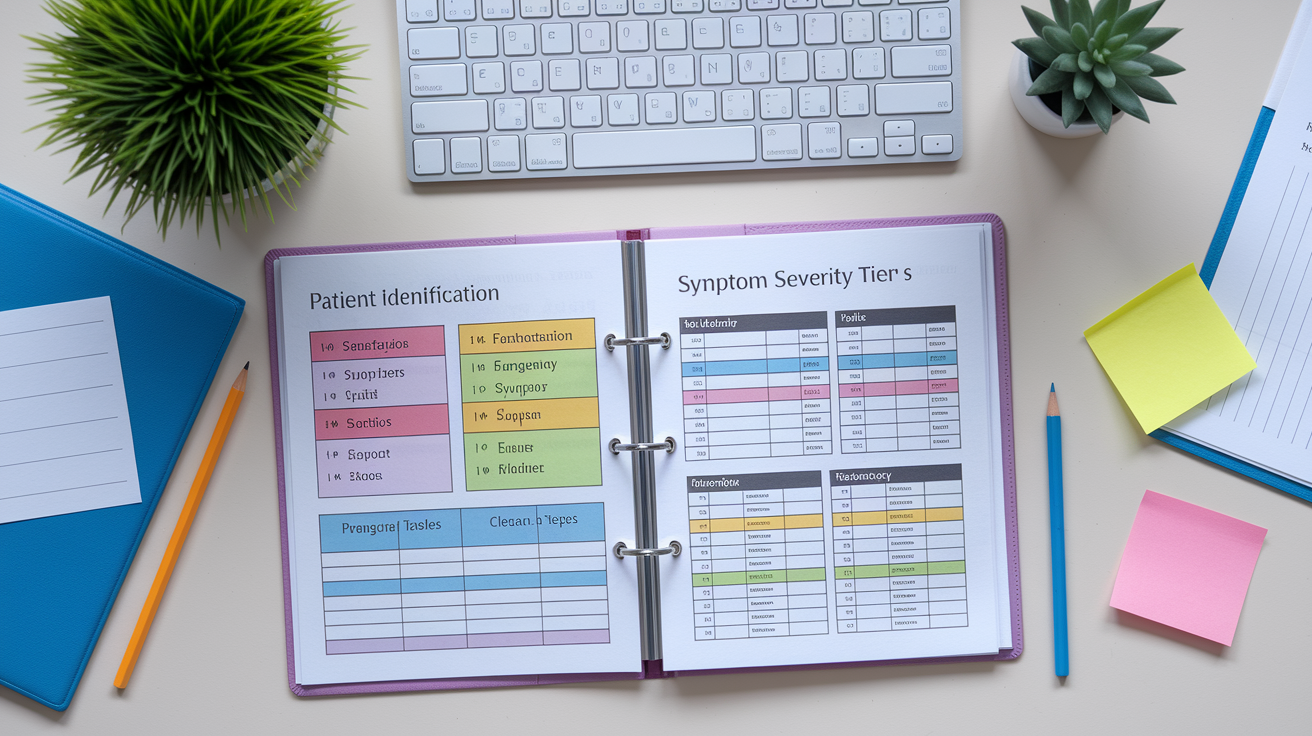
A complete action plan template includes fields for patient identification, known allergens, symptom descriptions, medication instructions, environmental controls, emergency response steps. Start with your child’s full name, date of birth, grade, classroom, parent contact numbers at the top. List each known allergen by animal type and protein source. “Cat dander,” “dog saliva,” “rabbit urine.” Note the date of the most recent allergy testing. Describe your child’s typical mild, moderate, and severe symptoms in short, clear sentences so a substitute teacher or new coach can recognize them. Include a medication table with columns for drug name, purpose, dose, route, and timing, covering daily preventive meds, rescue treatments, emergency epinephrine.
Add a section for environmental controls already in place at home and any accommodations needed at school. For example, “Pet free bedroom, HEPA purifier running 24/7, vacuum twice weekly” and “Request classroom without class pets, seat child away from students who have cats at home, allow access to inhaler during class.” Include a stepwise emergency algorithm. Bullet points or numbered steps that walk a caregiver through recognition, medication, calling 911, parent notification. Reserve space at the bottom for the allergist’s signature, the parent’s signature, the date the plan was created or last updated. Print the plan on brightly colored paper so it stands out in a binder or emergency kit. Store digital copies in cloud storage, your phone’s notes app, or a shared family document folder.
| Template Field | Purpose |
|---|---|
| Patient name, DOB, emergency contacts | Identifies the child and provides immediate parent/guardian phone numbers |
| Known allergens (species, protein type, test date) | Confirms which animals and protein sources trigger reactions |
| Symptom severity tiers (mild, moderate, severe examples) | Helps caregivers recognize escalation and decide next steps quickly |
| Medication table (name, dose, route, timing, purpose) | Ensures correct drug, correct dose, correct method every time |
| Environmental controls and school accommodations | Documents home measures and requests classroom modifications to reduce exposure |
| Emergency algorithm and 911 threshold | Provides clear, stepwise response for severe reactions and anaphylaxis |
Final Words
Start by writing down the essentials now: allergens, typical signs, daily meds and clear emergency steps. That’s the practical core.
This post walked you through what to include, how to build the plan step-by-step, spotting early warning signs, emergency actions, home controls, medication recording and sharing templates.
Keep the plan updated, share copies with caregivers, and work with your vet or allergist. If breathing problems, throat swelling, fainting or rapid worsening occur, get emergency care right away.
With a clear what is a pet allergy action plan, you’ll feel prepared and calm.
FAQ
Q: What is included in an allergy action plan?
A: An allergy action plan includes a personalized list of allergens, expected symptoms, daily and rescue medications with dosages, clear emergency steps, emergency contacts, and instructions for when to seek medical help.
Q: What is the most common pet allergy?
A: The most common pet allergy is a reaction to pet dander, tiny skin flakes carrying proteins from fur, saliva, or urine, most often from cats and dogs, causing sneezing, itchy eyes, and congestion.
Q: Who can write an allergy action plan?
A: An allergy action plan can be written by a licensed clinician, ideally an allergist or your primary care provider. Have it reviewed after testing changes, medication adjustments, or any allergic reaction.
Q: How long do allergy action plans last?
A: Allergy action plans usually last until updated. Review them at least yearly, or sooner after a new reaction, medication change, test result, or a significant change in pet exposure.