

Is yellow vomit in dogs always an emergency?
Most of the time it’s bile (a digestive fluid) that shows up when a dog’s stomach has been empty, but it can also point to bigger problems like pancreatitis (inflammation of the pancreas), an intestinal blockage, or stomach inflammation.
This post will help you spot the mild cases, walk you through safe home steps to try, show the signs that mean “call the vet now,” and explain what to note before your visit.
What Yellow Vomit Means and Whether It’s an Emergency
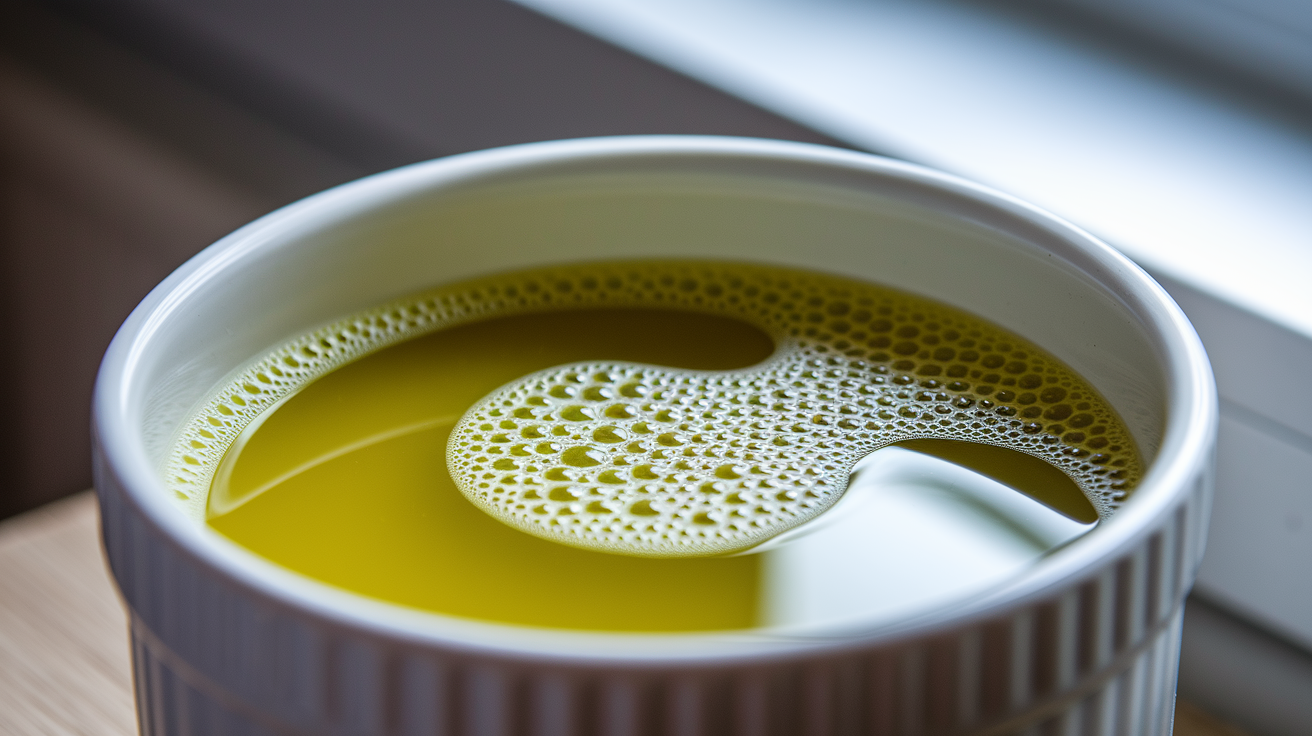
Yellow vomit in dogs is usually bile, a digestive fluid your dog’s liver makes and stores in the gallbladder. It looks yellow or greenish and often shows up foamy, mucousy, or mixed with a little water. Normally bile stays in the upper intestine, but when your dog’s stomach sits empty for hours, bile can slosh backward and irritate the stomach lining.
Dogs throw up bile most often when their stomach’s been empty for a while, usually overnight. It happens because bile naturally moves into the small intestine to help break down fat. But when there’s no food to process, it can reflux back into the stomach. That mix of stomach acid and bile creates an uncomfortable situation that triggers nausea and vomiting. You’ll see this most often first thing in the morning, right before breakfast.
A single episode of yellow vomit in an otherwise happy, active dog who still wants to eat isn’t usually a crisis. If your dog vomits yellow once, drinks normally, and seems fine within a few hours, you can monitor at home. But if vomiting happens more than once, if your dog won’t touch food or water, or if you notice any other worrying changes, you need to move quickly.
- Mild situation: One yellow vomit episode, dog acts normal afterward, eating and drinking as usual, no repeat within 24 hours.
- Concerning situation: Vomiting happens multiple times, dog seems tired or uncomfortable, refuses meals, or you see signs like abdominal pain or lethargy.
Common Causes Linked to Dog Vomiting Yellow

Yellow bile vomit can come from different issues. Some are as simple as an empty stomach. Others point to serious disease. Understanding the pattern and any other symptoms your dog shows will help you figure out what’s happening and when to act.
Bilious Vomiting Syndrome
Bilious Vomiting Syndrome, or BVS, is the most common harmless reason for yellow vomit. It happens when bile builds up in the stomach during a long stretch without food, usually overnight. The stomach lining gets irritated, and your dog vomits a small amount of yellow or greenish foam or liquid, often right before breakfast or first thing in the morning.
Dogs with BVS typically feel fine otherwise. They’re hungry, active, and show no signs of pain or illness. The vomiting stops as soon as they eat, and it doesn’t happen again until the next long gap between meals. A late evening snack or an extra meal before bed often solves the problem completely.
Gastrointestinal Diseases
Inflammation or infection in the stomach or intestines can trigger vomiting bile. Gastroenteritis (inflammation of the stomach and intestines) can result from eating spoiled food, garbage, or something irritating. Parasites like roundworms or hookworms, bacterial or viral infections, and chronic conditions such as inflammatory bowel disease can all cause repeated bile vomiting.
Dogs with gastrointestinal disease often vomit more than once and may also have diarrhea, reduced appetite, weight loss, or a dull coat. If the vomiting continues for more than 24 hours or your dog seems unwell in other ways, a vet visit is needed to identify the cause and start treatment.
Pancreatitis
Pancreatitis is inflammation of the pancreas, often triggered by eating fatty or oily food, table scraps, or greasy leftovers. Symptoms typically appear 24 to 120 hours after the meal, most commonly around 3 to 5 days later. In dogs, about 90% of pancreatitis cases are idiopathic, meaning no clear cause is ever found.
Dogs with pancreatitis vomit yellow bile repeatedly and show intense abdominal pain. They may hunch their back, refuse to move, or cry when you touch their belly. Diarrhea is common, and they often stop eating entirely. Pancreatitis requires urgent veterinary care, fluids, pain relief, and close monitoring.
Intestinal Blockages
When a dog swallows a foreign object, toy, bone fragment, or large piece of fabric, it can lodge in the intestine and create a blockage. Early on, your dog may vomit food. As the blockage worsens and the stomach empties, vomiting becomes bile only. Your dog’s abdomen may feel tight or bloated, and they become extremely lethargic and painful.
Intestinal blockages are medical emergencies. If you suspect your dog swallowed something they shouldn’t have and they’re vomiting bile, refusing food, and acting severely unwell, get to a vet immediately. Surgery is usually required to remove the obstruction.
Allergies and Food Intolerances
Food allergies or intolerances can cause chronic vomiting, including bile vomit. These problems most often develop in dogs between ages 1 and 5 years. Common triggers include certain proteins, wheat, dairy, and corn. Some dogs react to a specific ingredient they’ve been eating for months or years without trouble.
Diagnosing food allergies requires a strict 12 week elimination diet trial, during which your dog eats only a single novel protein and carbohydrate source. If vomiting stops during the trial and returns when the original diet is reintroduced, an allergy is confirmed. A veterinary nutritionist can help design a balanced, allergen free diet for long term management.
| Cause | Typical Symptoms | Severity |
|---|---|---|
| Bilious Vomiting Syndrome | Morning vomit, otherwise normal behavior, no repeat after eating | Mild |
| Gastrointestinal Disease | Repeated vomiting, diarrhea, reduced appetite, weight loss | Moderate to serious |
| Pancreatitis | Repeated bile vomit, severe abdominal pain, hunched posture, diarrhea | Urgent/emergency |
| Intestinal Blockage | Bile only vomit, extreme lethargy, bloated or painful abdomen, no appetite | Emergency |
| Food Allergy/Intolerance | Chronic vomiting, skin issues, diarrhea, onset ages 1–5 years | Moderate |
How to Help a Dog Vomiting Yellow at Home
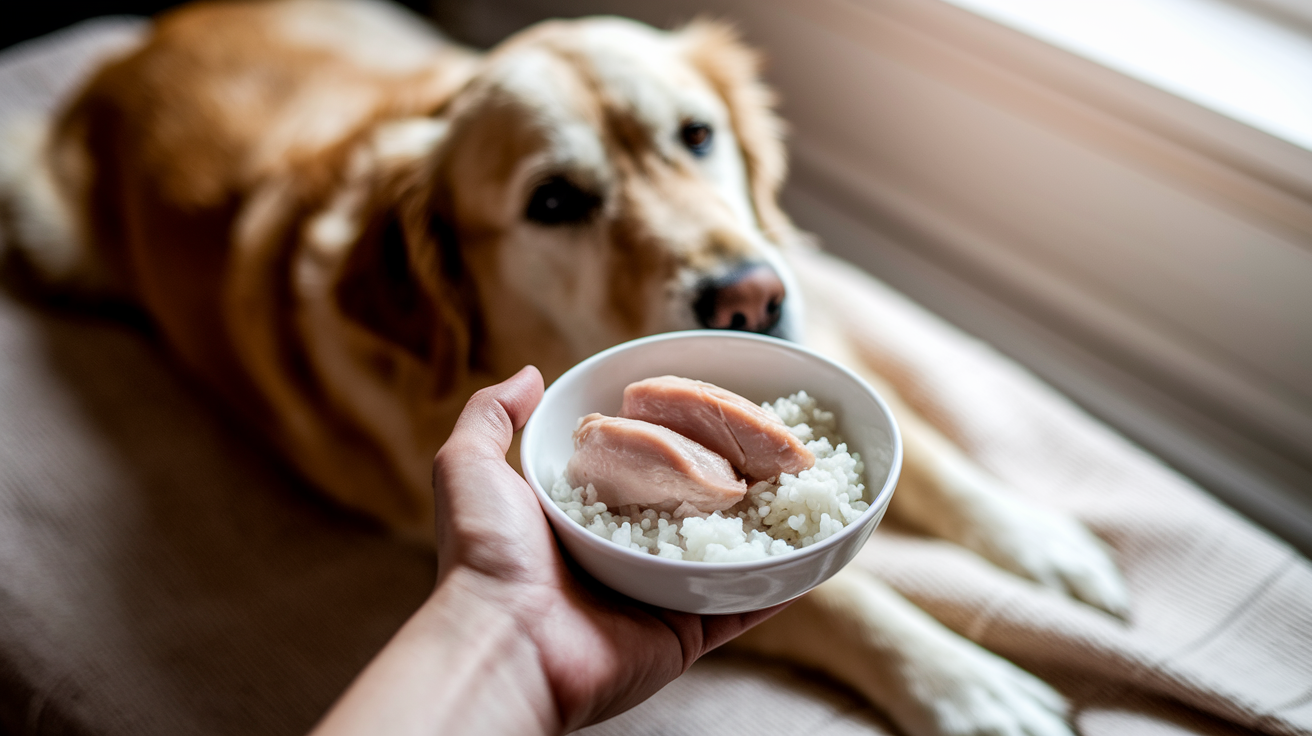
If your dog vomits yellow once and seems okay otherwise, you can take some simple steps at home to settle their stomach and watch for improvement. The goal is to give the digestive system a break and reintroduce food gently.
For adult dogs, a short fast of 12 to 24 hours can help. This gives the stomach time to calm down and reduces the chance of repeat vomiting. But if your dog is a puppy, a toy or small breed, or has any health condition like diabetes, don’t fast for more than 4 hours without talking to a vet first. After fasting, offer a bland diet of boiled chicken and plain white rice or a veterinary gastrointestinal diet in small, frequent meals for 24 to 48 hours. Then gradually transition back to regular food over 3 to 5 days by mixing increasing amounts of normal food into the bland meals.
Withhold food for 12 hours for healthy adult dogs, or up to 4 hours for puppies and small dogs. Offer small amounts of water or ice chips 3 to 4 hours after vomiting to check if your dog can keep fluids down. After fasting, feed a bland diet in small portions, about ¼ to ½ of a normal meal, four times per day. Safe home remedies include 1 to 2 tablespoons of plain canned pumpkin (not pie filling) per meal, a pet safe probiotic, or a few ice cubes to lick instead of drinking large amounts at once.
If your dog vomits again after the bland meal, refuses water, or seems worse in any way, stop home care and call your vet. Monitor hydration by checking gum moisture. Sticky or dry gums, sunken eyes, or skin that doesn’t spring back quickly when gently pinched all signal dehydration and require veterinary attention.
Veterinary Testing and Treatment for Dogs Throwing Up Yellow

When you bring your dog to the vet for vomiting, the goal is to figure out why it’s happening and treat the underlying cause. Your vet will start with a full physical exam, checking hydration status, gum color, capillary refill time, abdominal tenderness, and overall condition. They’ll ask about the timing of the vomiting, what your dog has eaten recently, any possible toxin exposure, and whether other symptoms like diarrhea or lethargy are present.
Blood work is usually the next step. A complete blood count (CBC) and serum chemistry panel check for infection, anemia, organ function, electrolyte imbalances, and metabolic disease. If pancreatitis is suspected, your vet will run a pancreatic lipase test (cPLI). Liver enzyme levels and bile acid tests help assess liver and gallbladder function. Urinalysis and a fecal parasite test may also be ordered. Imaging, including abdominal X-rays and ultrasound, can reveal foreign bodies, intestinal blockages, masses, organ abnormalities, or fluid buildup.
Treatment depends on what’s found. Antiemetic medications like maropitant (Cerenia) or ondansetron stop vomiting and relieve nausea. Acid reducers such as famotidine and mucosal protectants like sucralfate soothe the stomach lining. If your dog is dehydrated, IV or subcutaneous fluids restore hydration and correct electrolyte imbalances. Dogs with severe disease, obstructions, or pancreatitis may need hospitalization, pain management, and sometimes surgery. If a foreign body is blocking the intestine, surgery to remove it is the most common and often only effective treatment.
How Vets Determine the Underlying Cause
Your vet will piece together the diagnosis by combining exam findings, lab results, and imaging. They’ll look for patterns. For example, a dog with high pancreatic lipase levels, abdominal pain, and a history of eating fatty food points to pancreatitis. Normal blood work but frequent morning vomiting in an otherwise healthy dog suggests Bilious Vomiting Syndrome. Abnormal liver enzymes or elevated bile acids indicate liver disease. X-rays showing a suspicious object in the intestine confirm a blockage. The more specific information you can provide about timing, frequency, diet changes, and any other symptoms, the faster your vet can narrow down the cause and start the right treatment.
When Dog Vomiting Yellow Requires Immediate Vet Care
Some situations demand urgent veterinary attention, not home monitoring. If your dog shows any of the following signs, take them to a vet or emergency clinic right away.
Persistent or repeated vomiting, more than two or three times in 24 hours, can lead to dangerous dehydration and electrolyte imbalances. Vomiting that lasts longer than 24 hours without improvement is also a red flag. If you see blood in the vomit, either bright red or dark and grainy like coffee grounds, that signals bleeding in the stomach or esophagus and requires immediate care. Severe lethargy, weakness, or collapse means your dog’s body is struggling and may be in shock.
Vomiting more than 2 to 3 times in 24 hours or any vomiting lasting longer than 24 hours. Blood in vomit, whether bright red or dark brown coffee ground material. Severe abdominal pain, bloating, or a tight, distended belly. Extreme lethargy, weakness, collapse, or unresponsiveness. Pale gums, rapid breathing, or signs of shock. Suspected ingestion of a toxin (chocolate, medications, household chemicals) or a foreign object (toy, bone, fabric). Fever above 103.0°F (39.4°C), inability to keep water down, or signs of severe dehydration like sunken eyes and sticky gums.
Prevention Strategies for Dogs Prone to Vomiting Yellow Bile

If your dog vomits bile regularly, especially in the morning, you can often prevent it by adjusting feeding routines and managing their diet more carefully. The most effective strategy for Bilious Vomiting Syndrome is to eliminate long gaps between meals.
Divide your dog’s daily food into multiple meals depending on their size and age. Large and average sized adult dogs usually do well with two meals per day, one in the morning and one in the evening. Small breeds and toy breeds benefit from three or four smaller meals spread throughout the day. Adding a small late evening snack within 30 minutes of bedtime can keep bile from building up overnight. For puppies, an extra mini meal before bed is especially helpful since their stomachs are smaller and empty faster. Use an automatic feeder if you can’t be home to offer that late meal yourself.
Feed dogs at consistent times every day to create a predictable routine. Offer a small bedtime snack or late evening meal to reduce overnight fasting time. Avoid feeding high fat table scraps, greasy leftovers, or oily foods that can trigger pancreatitis or gastritis. Transition to new foods gradually over 7 to 10 days by mixing increasing amounts of the new food with the old to prevent stomach upset.
FAQs About Dogs Vomiting Yellow
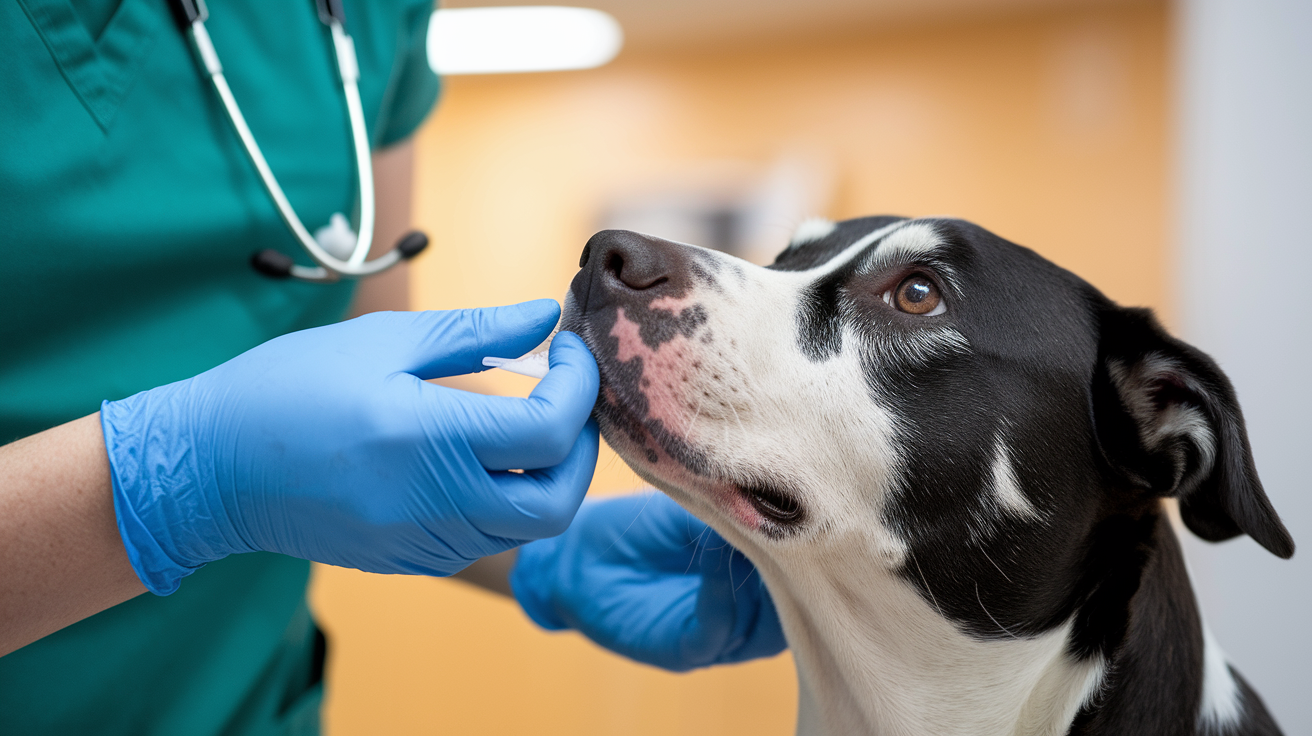
Why does my dog vomit yellow foam in the morning?
Yellow foam is bile, and it appears most often in the morning because your dog’s stomach has been empty overnight. Bile refluxes into the stomach when there’s no food to digest, irritating the lining and triggering vomiting. A late evening snack or an extra meal before bed usually stops this pattern.
How can I tell if my dog is dehydrated after vomiting?
Check your dog’s gums. Healthy gums should be moist and slippery. If they feel dry or sticky, your dog may be dehydrated. Gently pinch the skin on the back of their neck and release it. The skin should snap back quickly. If it stays tented or returns slowly, that’s another sign of dehydration. Sunken eyes and reduced energy are also red flags. Offer small amounts of water frequently, and if your dog can’t keep it down or shows these signs, contact your vet right away.
Should I be worried if my dog vomits yellow and has diarrhea?
Yes, vomiting plus diarrhea together increases the risk of dehydration and often signals a more serious problem like gastroenteritis, pancreatitis, or infection. Monitor your dog closely and contact your vet the same day, especially if they seem lethargic, refuse food, or show signs of abdominal pain. Puppies and small dogs are at higher risk for rapid dehydration and should be seen by a vet sooner.
How long can I safely monitor my dog at home after one yellow vomit episode?
If your dog vomits yellow once and is otherwise acting normal, eating, drinking, and alert, you can monitor at home for 24 to 48 hours. Keep an eye on appetite, energy level, water intake, and whether vomiting repeats. If your dog vomits again, refuses food or water, or becomes lethargic or painful, stop monitoring and seek veterinary care.
Can stress cause my dog to vomit yellow bile?
Yes, stress can trigger nausea and vomiting in dogs, especially in dogs with sensitive stomachs or underlying conditions like Addison’s disease. Changes in routine, travel, loud noises, or anxiety can all contribute. If your dog vomits bile during or after a stressful event but otherwise seems fine, monitor them closely. If vomiting continues or your dog shows other symptoms, a vet visit is needed to rule out medical causes.
Final Words
If your dog vomited yellow, this post walked you through what that yellow bile usually is, common causes from simple fasting to more serious problems, and safe steps to try at home.
You also saw what a vet will likely do—bloodwork, imaging, and fluids—and got prevention tips and quick FAQs to help you watch for changes.
Keep a short log of timing, smell, and other signs and call your clinic if things get worse. For dog vomiting yellow, timely care often leads to a good recovery.
FAQ
Q: Should I be worried if my dog throws up yellow?
A: If your dog throws up yellow, it’s often bile from an empty stomach and not urgent if it’s a single mild episode. Call a vet if vomiting repeats, there’s blood, weakness, or inability to keep water down.
Q: What home remedy can I give my dog for vomiting yellow?
A: Home remedies for a dog vomiting yellow include offering small ice chips, waiting a few hours, then small bland meals like boiled chicken and rice; canned pumpkin or vet-approved probiotics may help. Call a vet if vomiting continues.
Q: Should I feed my dog after yellow vomit?
A: You should feed your dog after yellow vomit by waiting a few hours, then offering small bland meals. Adults may fast 12–24 hours; puppies shouldn’t fast more than 4 hours. Stop feeding and call a vet if vomiting resumes.