

If your dog stops eating, call your veterinarian, sooner if it’s a puppy, senior, tiny breed, or has a health problem.
You might be wondering how long you can wait before worrying.
Short answer: most healthy adult dogs can skip food for about 48 hours, but water is different, and if your dog hasn’t drunk in 24 hours, get help right away.
This post walks you through what changes that timeline, safe at-home steps to try, what to watch for, and clear signs that mean call the vet.
How Long Can a Dog Go Without Eating Safely
Important: This article offers general guidance, not veterinary diagnosis or treatment. If your dog stops eating, contact your veterinarian. Timelines vary by health, age, size, and hydration. When in doubt, call your vet.
Bottom Line: Safe Fasting Timeframes
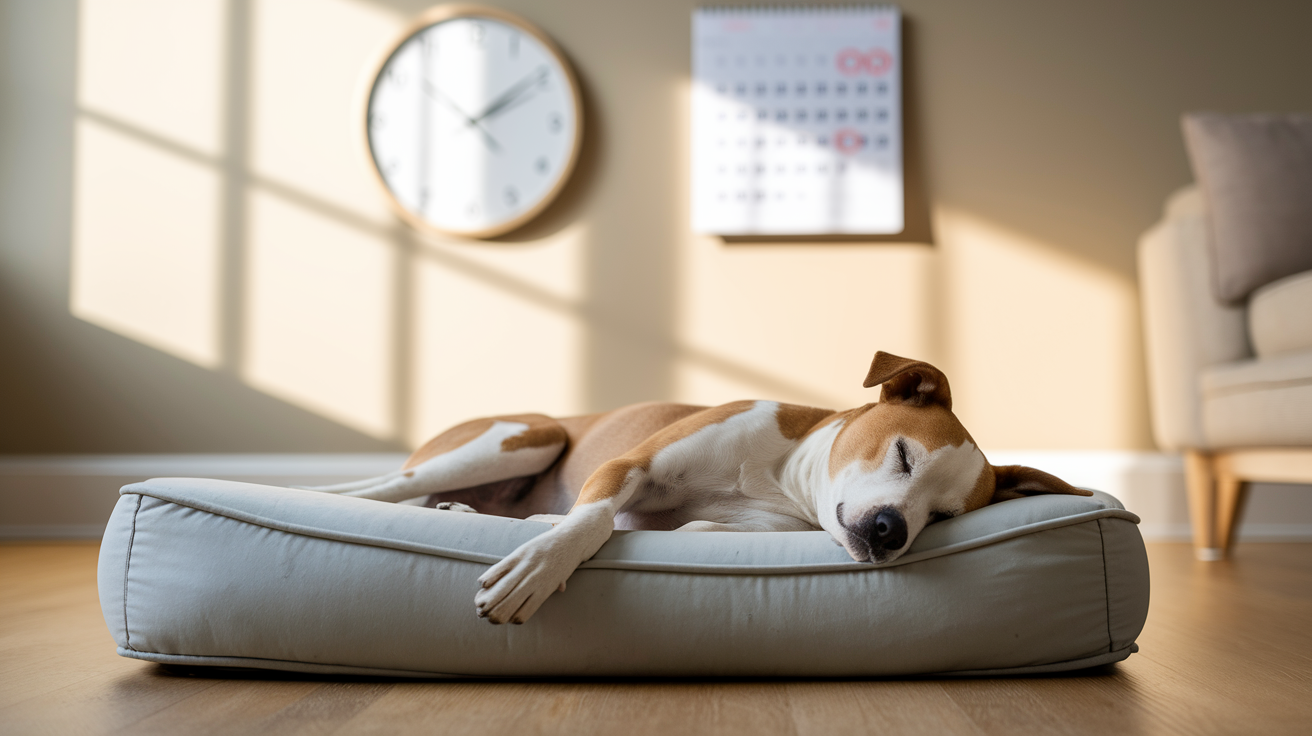
Most healthy adult dogs can skip food for about 48 hours before you need to worry. After two days, call your vet.
Water’s different. If your dog hasn’t had water for 24 hours, that’s urgent. Contact your vet right away. Dehydration happens faster than starvation and it’s dangerous.
Any dog who goes a full day without eating or drinking needs veterinary attention. Don’t wait longer than that.
Puppies under five months should eat three times daily. If a puppy misses food for 24 hours, get help.
Senior dogs and dogs with ongoing health problems are at higher risk. If they stop eating or drinking, reach out for care immediately.
Factors That Affect How Long a Dog Can Go Without Eating
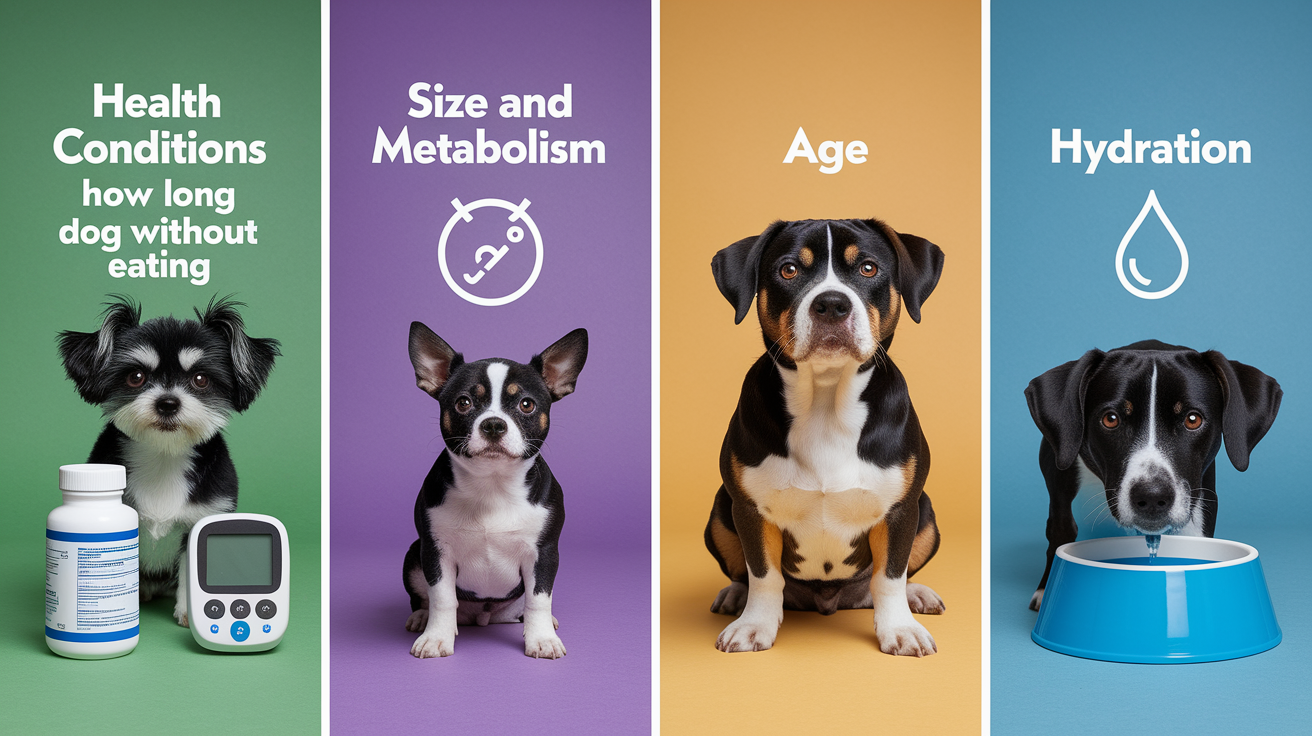
Not all dogs handle skipped meals the same way.
Health conditions: Dogs with diabetes, cancer, kidney disease, or liver problems can’t afford to miss even one meal. Insulin timing depends on food. Failing organs struggle to access stored energy. If your dog has a diagnosed condition, contact your vet the moment appetite drops.
Size and metabolism: Small breeds burn through calories quickly. Chihuahuas, Yorkies, toy poodles… they can develop low blood sugar after skipping just a meal or two. Their tiny livers don’t store much backup fuel. Toy breeds need more frequent feeding than larger dogs.
Age: Puppies have almost no fat reserves. They also lose water fast. A puppy who skips two meals is already at risk. Newborns need feeding every couple hours. After the first week, every four to six. Older puppies eat three to four times a day. Senior dogs often deal with weaker kidneys, compromised immune systems, slower digestion. They don’t tolerate fasting well and things go wrong faster.
Hydration status: A dog who’s drinking can survive three to five days without food, sometimes longer. The body breaks down fat and muscle for fuel. But a dog who stops drinking won’t make it past two or three days. Dehydration shuts organs down. Water’s always the bigger emergency.
If your dog is small, young, old, sick, or not drinking, that 48 hour guideline doesn’t apply. Call your vet within 24 hours, or sooner if things get worse.
Signs Your Dog Isn’t Eating Enough and What Can Happen
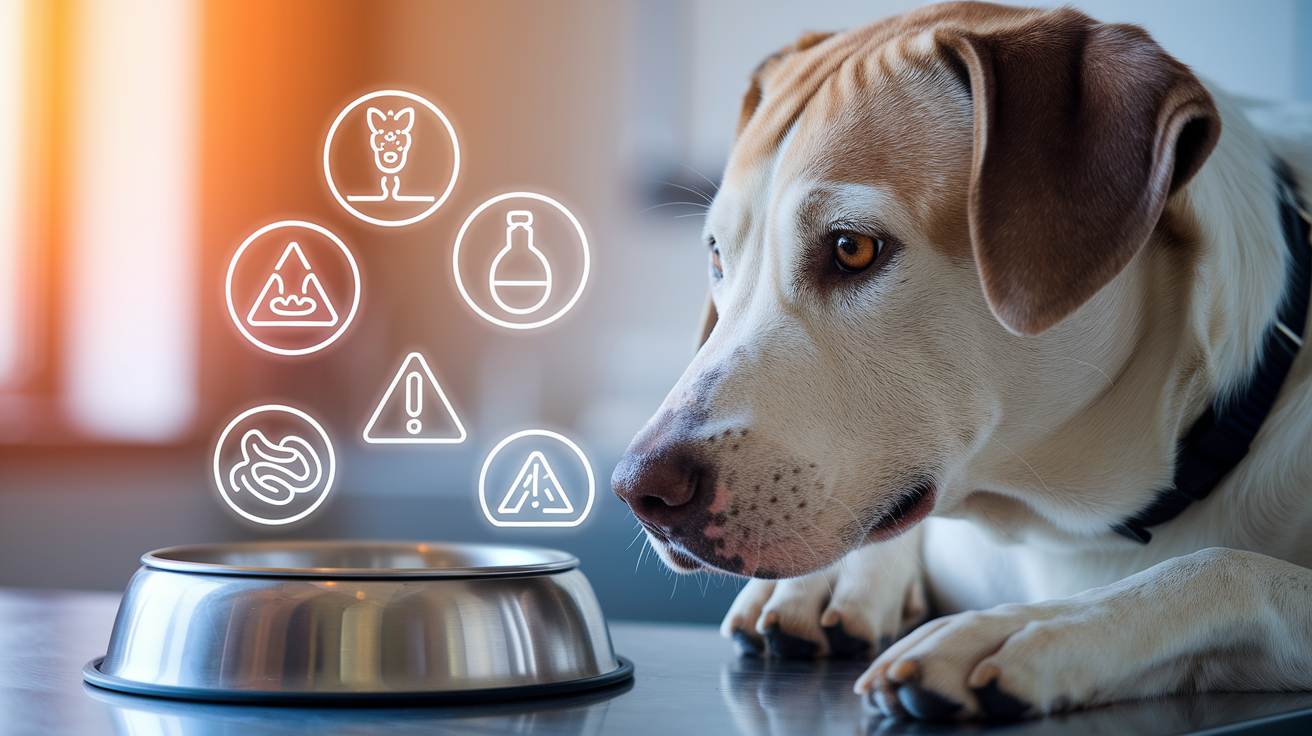
When dogs stop eating, the body starts pulling from reserves. After a day or two, you’ll see warning signs.
Hypoglycemia (low blood sugar): Small dogs and puppies are most vulnerable. Watch for confusion, muscle twitches, tiring out during normal play, trouble walking or wobbling, vision issues like bumping into furniture. Hypoglycemia’s an emergency. If you spot these signs, rub a little honey or corn syrup on the gums and contact your vet right away.
Dehydration: You might notice lethargy, dry or sunken eyes, slow responses, less urination, dark yellow or orange pee, weakness, excessive panting, dry nose or gums.
Check hydration at home with the skin tent test. Gently pinch the skin between your dog’s shoulder blades, then let go. Healthy skin snaps back fast. If it stays tented or moves slowly, your dog’s dehydrated. Call your vet.
Malnutrition and digestive trouble: After several days without food, you might see weight loss, low energy or refusal to play, mood changes like irritability or withdrawal, dull coat with excessive shedding or brittle fur, vomiting, diarrhea, constipation. These mean the body’s breaking down muscle and fat, and gut function’s slowing.
Don’t wait if you see any of this. Call your vet.
How to Check Your Dog’s Body Condition at Home
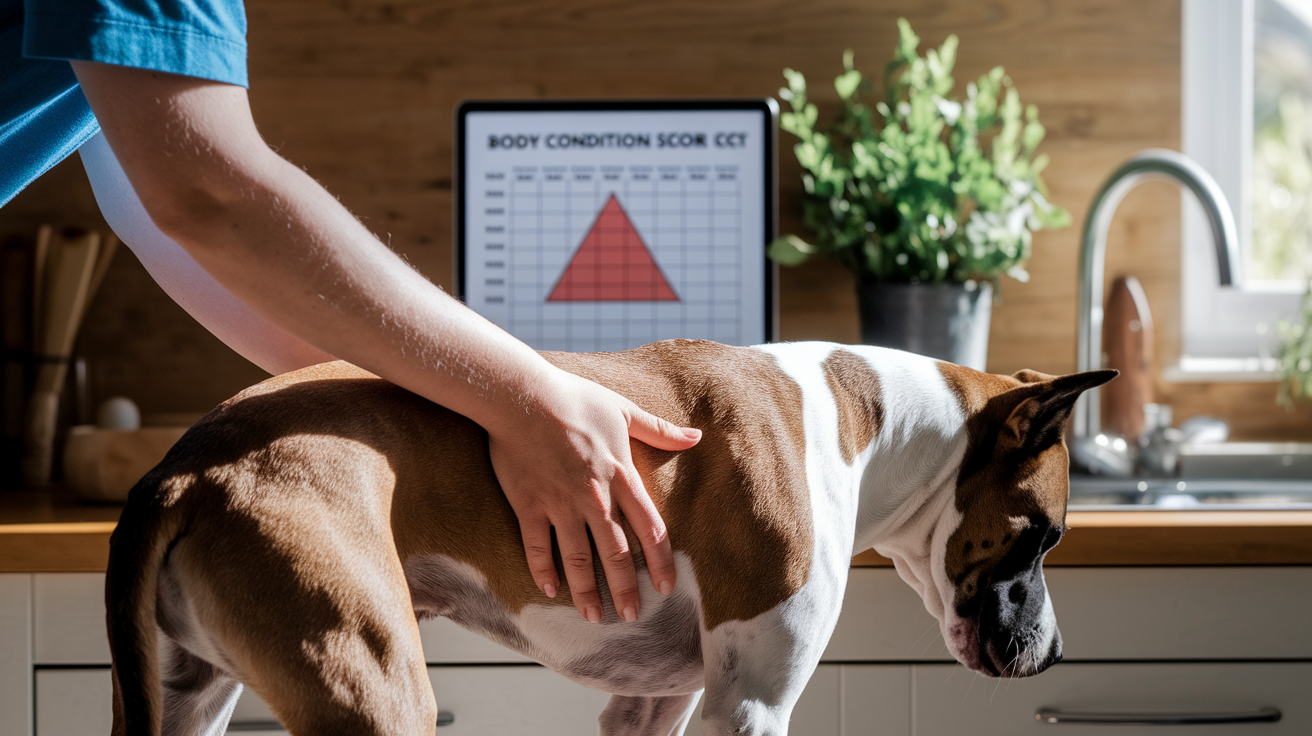
You don’t need a scale. Vets use a body condition score (BCS) system you can replicate.
Rib check: Run your hands along your dog’s sides. You should feel ribs easily, like running fingers over knuckles on an open palm. They shouldn’t jut out sharply. If you can’t feel them at all, your dog may be overweight. If they’re visible and sharp, your dog’s too thin.
Waist check: Stand above your dog and look down. You should see a waist behind the ribs, a gentle inward curve. If the body’s straight from chest to hips with no curve, your dog’s likely overweight. If the waist is very pronounced and hip bones stick out, your dog’s underweight.
Tuck check: Look at your dog from the side. The belly should tuck up slightly from chest toward hips. A hanging or sagging belly suggests extra weight. A severely tucked or gaunt belly means underweight.
Muscle tone: Feel the muscles along the spine, shoulders, hips. Healthy muscle feels firm. If those areas feel bony or hollow, your dog’s losing muscle.
Check body condition weekly if appetite’s dropping. Take photos from above and from the side so you can compare later. Share those with your vet during calls or video appointments.
Practical Tips to Keep Your Dog Eating on Schedule

A consistent feeding routine helps you catch problems early. It also supports digestion and prevents blood sugar swings in small or diabetic dogs.
Meal frequency matters. Most adult dogs do well on two to three scheduled meals daily. Puppies under five months need three meals unless your vet says otherwise. Senior dogs with slower digestion might benefit from smaller, more frequent meals. Ask your vet for a personalized plan.
Weigh your dog’s food. Measuring cups aren’t accurate because kibble size and density vary. A kitchen scale gives you precision. Weigh each meal and track daily calories. Your vet can help calculate needs based on age, weight, activity level, health status.
Set a feeding schedule and stick to it. Feed at the same times every day. Use phone reminders if that helps. Portion food the night before or use an automatic feeder programmed to dispense at set times. Routine reduces stress for anxious dogs and makes missed meals obvious.
If you leave home, arrange for drop-in care. A neighbor, friend, or pet sitter should keep the feeding schedule. Leave written instructions, pre-portioned meals, and your vet’s contact info.
Scheduled feeding versus free feeding: Leaving food out all day makes it hard to track intake. Scheduled meals let you see exactly how much your dog eats. If your dog’s a grazer, offer food for 15 to 20 minutes, then pick up the bowl. Most dogs adjust within a few days.
Ways to Encourage Your Dog to Eat (Without Force)
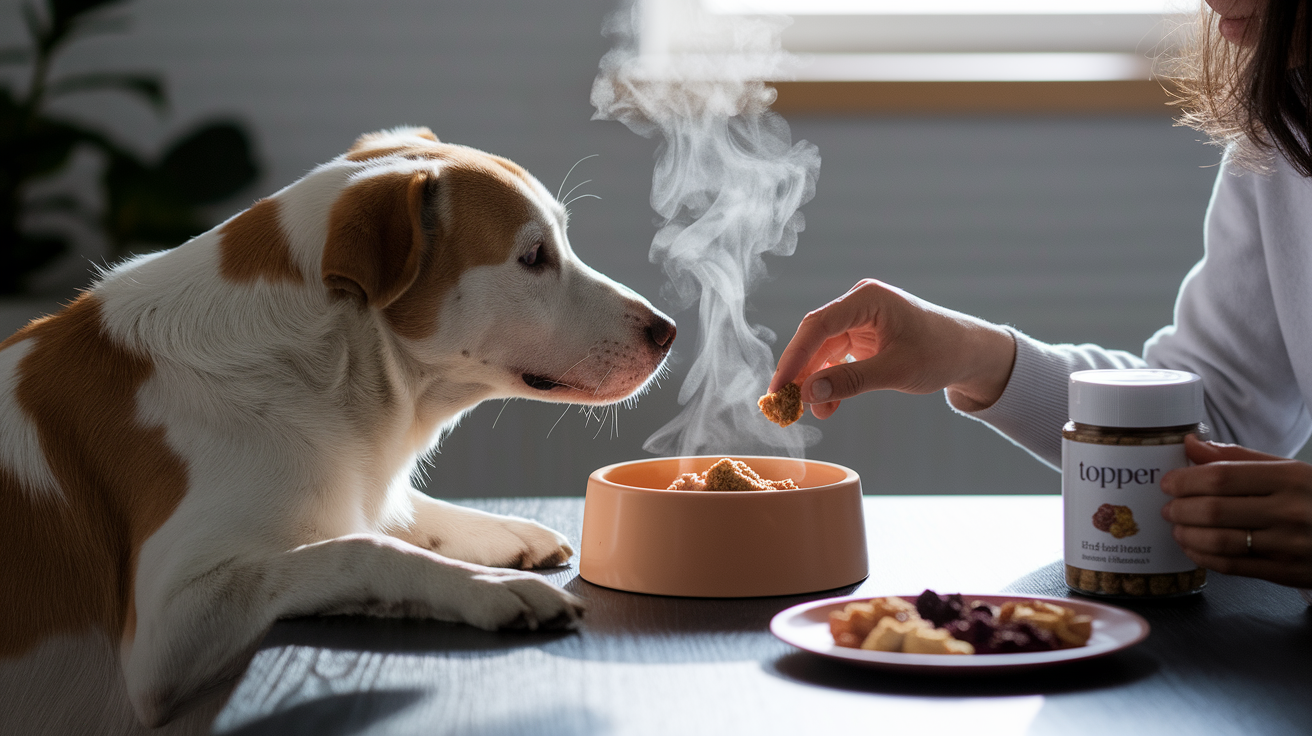
If your dog’s skipping meals but otherwise seems fine, try these strategies at home. Check with your vet first if symptoms last beyond 24 hours.
Warm the food slightly. Heating food to just above room temperature releases aroma and makes it more appealing. Microwave for 10 to 15 seconds or add a splash of warm water to kibble. Stir and test on your wrist before serving. Too hot can burn your dog’s mouth.
Change the food presentation. Offer wet or canned food instead of dry kibble. Canned food has more moisture and stronger smell. You can also soak dry kibble in warm water or low sodium chicken broth for softer texture.
Try a different brand or flavor. Some dogs get bored with the same food. Rotate proteins like chicken, beef, lamb, fish within the same quality brand. Introduce new food gradually over three to five days to avoid upset stomach. Mix 25 percent new with 75 percent old for two days, then 50/50, then 75 percent new, then full switch.
Add a topper or mix in. A spoonful of plain canned pumpkin, a drizzle of low sodium chicken broth, dog safe gravy, or a bit of plain cooked chicken can make food more appealing. Avoid garlic, onion, excessive salt, high fat toppings. Keep toppers under 10 percent of total meal calories.
Hand feed small amounts. Sit with your dog in a quiet space and offer a few pieces of kibble or small bites from your hand. This works well for anxious dogs or dogs recovering from illness. It also helps you monitor exactly how much goes in.
Offer plain baby food. Meat based baby food like chicken, beef, or lamb without garlic or onion can be used short term to encourage eating. Check the ingredient label carefully. Offer one to two tablespoons mixed with regular food or alone. Baby food isn’t nutritionally complete for long term feeding.
Don’t force feed. Forcing food into your dog’s mouth causes stress, aspiration (food entering the lungs), or injury. If your dog refuses food after trying these strategies, contact your vet. They may prescribe an appetite stimulant or recommend syringe feeding under supervision.
When to Call Your Vet and When It’s an Emergency

Knowing when to call versus when to rush to emergency can save your dog’s life.
Contact your vet within 24 hours if:
- Your dog hasn’t eaten for 24 hours and shows other symptoms like lethargy, vomiting, diarrhea, behavior changes.
- Your dog is a puppy, small breed, senior, or has chronic disease (diabetes, kidney disease, cancer) and has skipped one or two meals.
- Your dog is drinking water but refuses all food for 24 hours.
- You notice gradual weight loss, a dull coat, or reduced energy over several days.
Go to the emergency vet immediately if:
- Your dog hasn’t drunk water for 24 hours.
- Your dog hasn’t eaten or drunk for 48 hours.
- Your dog is vomiting repeatedly (more than twice in a few hours).
- Your dog has diarrhea with blood or foul odor.
- Your dog shows signs of hypoglycemia: confusion, muscle twitches, trouble walking, collapse.
- Your dog shows signs of dehydration: skin tents, sunken eyes, dry gums, dark urine.
- Your dog has a swollen, hard, or painful abdomen (possible bloat or obstruction).
- Your dog is straining to urinate or defecate.
- Your dog recently chewed or swallowed a foreign object (toy, bone, fabric).
- Your dog is breathing abnormally, panting heavily without exertion, or gasping.
- Your dog collapses, has a seizure, or becomes unresponsive.
If you’re unsure, call your vet or an emergency clinic. Describe symptoms clearly. They’ll tell you whether to come in immediately or monitor at home.
What to Expect When You Take Your Dog to the Vet
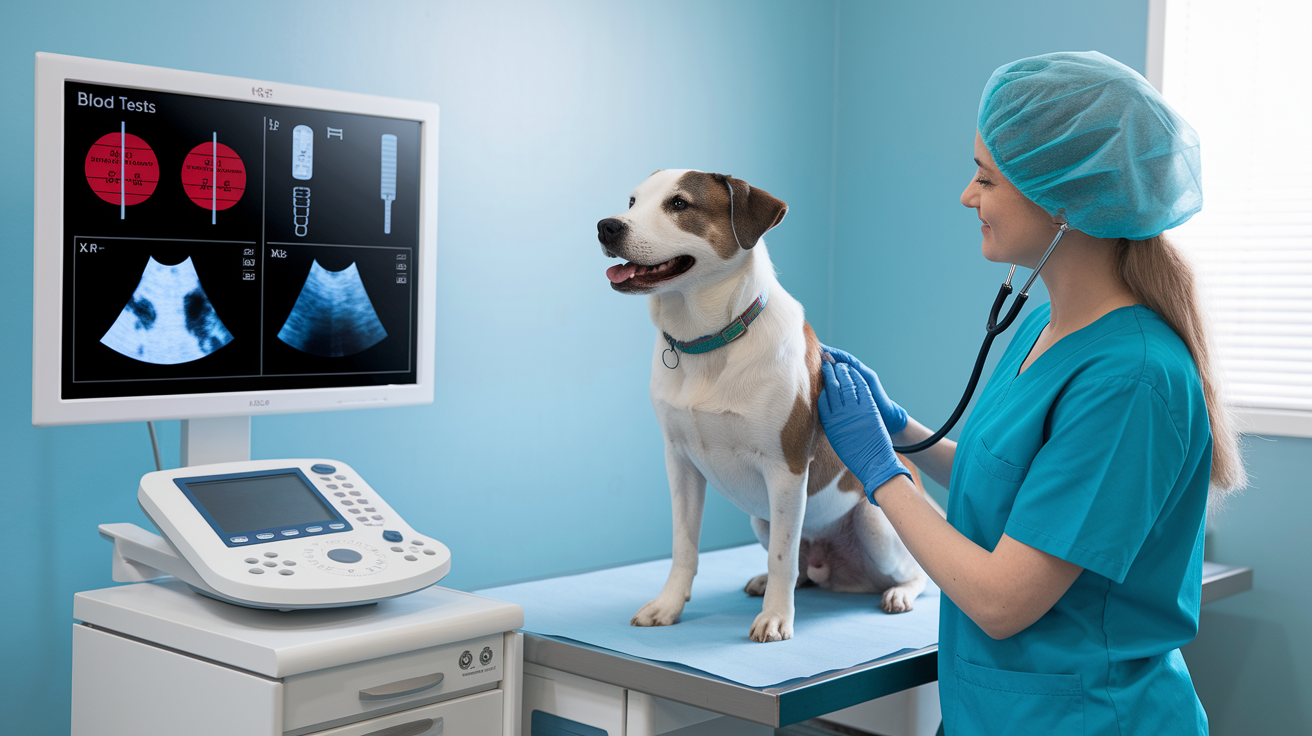
When you bring your dog in for appetite loss, the vet starts with a physical exam. They’ll check body temperature, heart rate, respiratory rate, hydration status, gum color, and abdominal palpation (feeling the belly for pain, masses, or fluid). They’ll also weigh your dog and ask detailed questions.
Be ready to answer:
- When did your dog last eat or drink?
- How many meals has your dog skipped?
- Have you noticed vomiting, diarrhea, or changes in urination?
- Has your dog’s behavior changed (lethargy, hiding, aggression)?
- Have you changed food brands or introduced new treats?
- Could your dog have eaten something unusual (trash, toys, plants, medication)?
- Does your dog have any diagnosed health conditions?
- Is your dog on any medications?
Diagnostic tests your vet may recommend:
Blood tests check organ function (kidneys, liver), blood sugar, electrolytes, red and white blood cell counts, signs of infection or inflammation. Blood work helps identify diabetes, kidney failure, liver disease, anemia, systemic illness.
Fecal exam looks for parasites, bacteria, or gastrointestinal infections that cause appetite loss, diarrhea, or vomiting.
Urinalysis evaluates kidney function and checks for urinary tract infections, bladder stones, or dehydration markers.
X-rays (radiographs) can reveal foreign objects, intestinal blockages, organ enlargement, tumors, or bone and joint problems that make eating painful.
Your vet may also recommend an ultrasound for a closer look at soft tissues, or endoscopy (a camera inserted into the esophagus and stomach) if they suspect an obstruction or ulcer.
Not every dog needs every test. Your vet will prioritize based on symptoms, history, and exam findings. If cost’s a concern, ask which tests are most urgent and which can wait.
Common Reasons Dogs Stop Eating
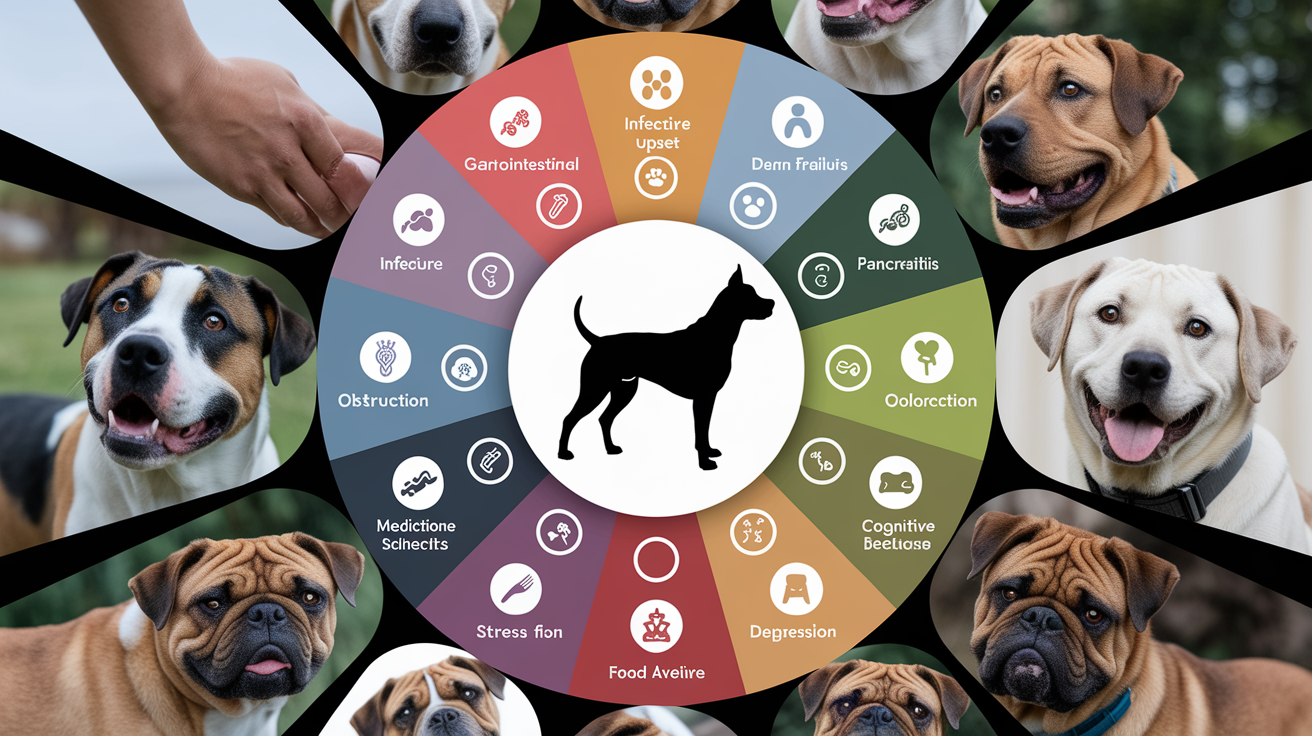
Loss of appetite has dozens of possible causes. Here are the most common.
Gastrointestinal upset: Overeating, eating spoiled food, sudden diet changes, or mild food intolerance can cause nausea, stomach pain, or diarrhea. Dogs often skip a meal or two while their system recovers. If symptoms last more than 24 hours, contact your vet.
Infections: Viral infections like parvovirus (especially in puppies), bacterial infections, or systemic infections (leptospirosis, tick borne diseases) cause fever, lethargy, vomiting, diarrhea, appetite loss.
Dental disease: Broken teeth, tooth root abscesses, gingivitis, oral tumors, jaw pain (TMJ issues) make chewing painful. Dogs may approach the bowl, sniff, and walk away. Check your dog’s mouth for red gums, loose teeth, drooling, or bad breath. Dental issues are common in senior dogs.
Pain: Arthritis, neck pain, back pain, or injuries can make it hard for a dog to bend down to the bowl. Try elevating the bowl or offering food by hand. If your dog flinches when touched or avoids stairs, pain may be the cause.
Pancreatitis: Inflammation of the pancreas causes severe nausea, vomiting, diarrhea, abdominal pain, loss of appetite. Pancreatitis often follows a high fat meal (table scraps, fatty treats). It requires immediate veterinary care.
Organ failure: Kidney failure, liver disease, and heart disease reduce appetite and cause lethargy, vomiting, increased thirst, weight loss. These conditions develop gradually but require long term management.
Cancer: Tumors in the mouth, stomach, intestines, or other organs can cause pain, nausea, or obstruction. Cancer also triggers metabolic changes that suppress appetite. Unexplained weight loss and persistent appetite loss warrant a thorough vet exam.
Intestinal blockage: If your dog swallowed a toy, bone fragment, fabric, or other foreign object, it can block the intestines. Signs include vomiting, straining, abdominal pain, bloating, refusal to eat. Blockages are surgical emergencies.
Medication side effects: Many drugs like antibiotics, pain medications, chemotherapy, and steroids can reduce appetite. Some medications must be given with food to prevent nausea. Ask your vet if a medication could be the cause and whether dosing adjustments are possible.
Stress and anxiety: Changes in routine (moving, new pet, new baby, boarding, vet visits) can trigger temporary appetite loss. Dogs with chronic anxiety or separation anxiety may refuse food when alone. Signs of anxiety include panting, pacing, hiding, tail tucked, reluctance to go outside, aversion to touch.
Depression: Dogs can experience depression after losing a companion, a major life change, or prolonged isolation. Signs include reduced activity, loss of interest in toys or play, changed sleep patterns, indifference to food. If you suspect depression, talk to your vet about behavior modification and, if needed, medication.
Cognitive decline: Senior dogs with canine cognitive dysfunction (similar to dementia) may forget to eat, lose interest in food, or become disoriented around the food bowl. They may also have accidents indoors, wander aimlessly, or stare at walls.
Food aversion: Some dogs dislike certain textures, smells, or bowl materials. A new food brand, a strong preservative smell, or a metal bowl that reflects light can trigger refusal. Try a ceramic or glass bowl in a quiet location.
End-of-Life Considerations
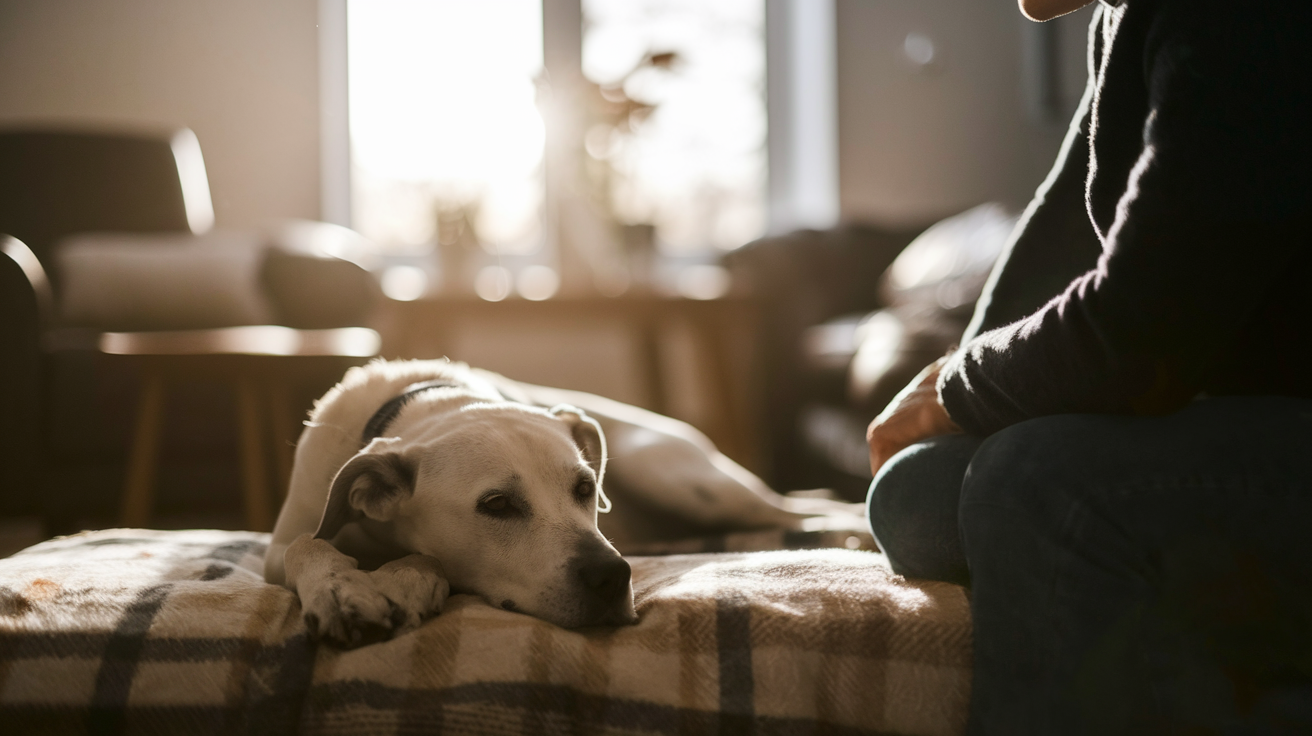
When a dog with advanced age or terminal illness stops eating, it may signal the body’s shutting down. Persistent appetite loss combined with declining energy, pain that can’t be managed, difficulty breathing, or loss of bladder and bowel control often indicates poor quality of life.
Have an honest conversation with your veterinarian. Ask whether further treatment’s available, whether palliative care (pain management and comfort measures) is appropriate, or whether humane euthanasia is the kindest choice. Your vet can help you assess quality of life using standardized scales that measure pain, mobility, appetite, happiness.
It’s one of the hardest decisions a pet parent makes. Trust your knowledge of your dog. If your dog no longer enjoys favorite activities, avoids interaction, or seems to be suffering, it may be time. Euthanasia is peaceful. Your dog won’t feel pain. You can be present, hold your dog, say goodbye.
Ask your vet about at home euthanasia if your dog finds the clinic stressful. Many veterinarians offer this service so your dog can pass in a familiar, comfortable environment.
Grief is real. Reach out to pet loss support groups, hotlines, or therapists who specialize in pet bereavement. You gave your dog a good life. Letting go when the time is right is an act of love.
Final Words
In the action, we covered why dogs stop eating, simple at-home steps, key red flags, and what to take to the vet.
Watch your dog for the next 24 to 48 hours. Note water intake, energy, vomiting, stool changes, or worsening behavior. If problems continue or any red flag appears, call your vet.
If you’re asking how long can a dog go without eating, short skips sometimes happen, but ongoing appetite loss deserves vet care. You’re doing the right thing by watching and asking questions.
FAQ
Q: What is the 7 7 7 rule for dogs?
A: The 7-7-7 rule for dogs is not a single, standard veterinary guideline; people use it differently for training, behavior, or end-of-life timing. Ask the original source or your vet for the intended meaning.
Q: How long can a dog go without eating before he passes away?
A: How long a dog can go without eating before dying varies, but many survive 1–2 weeks without food; serious harm can begin after 48–72 hours. Contact your vet if no appetite for 24–48 hours.
Q: What to feed a dying dog that won’t eat?
A: To feed a dying dog that won’t eat, offer tempting, gentle items: warm low-sodium chicken broth, plain cooked chicken or turkey, soft meat baby food, or vet-prescribed appetite stimulants. Check with your vet first.
Q: What shuts down first when a dog dies?
A: What often shuts down first when a dog dies are breathing and circulation, which slow then stop, followed by loss of consciousness; body temperature and organ function decline afterward. Call your vet for sudden severe changes.