

Think scooting is just funny? It can be your dog’s way of saying something’s wrong.
Scooting is when a dog drags its rear across the floor to rub or get relief from itching or pain.
This post explains the usual causes—anal gland trouble, tapeworms and other parasites, allergic or irritated skin, trapped debris, and learned behavior—then gives safe at-home steps, what warning signs to watch for, and exactly when you should call the vet.
What Dog Scooting on the Floor Usually Means (Immediate Answers)
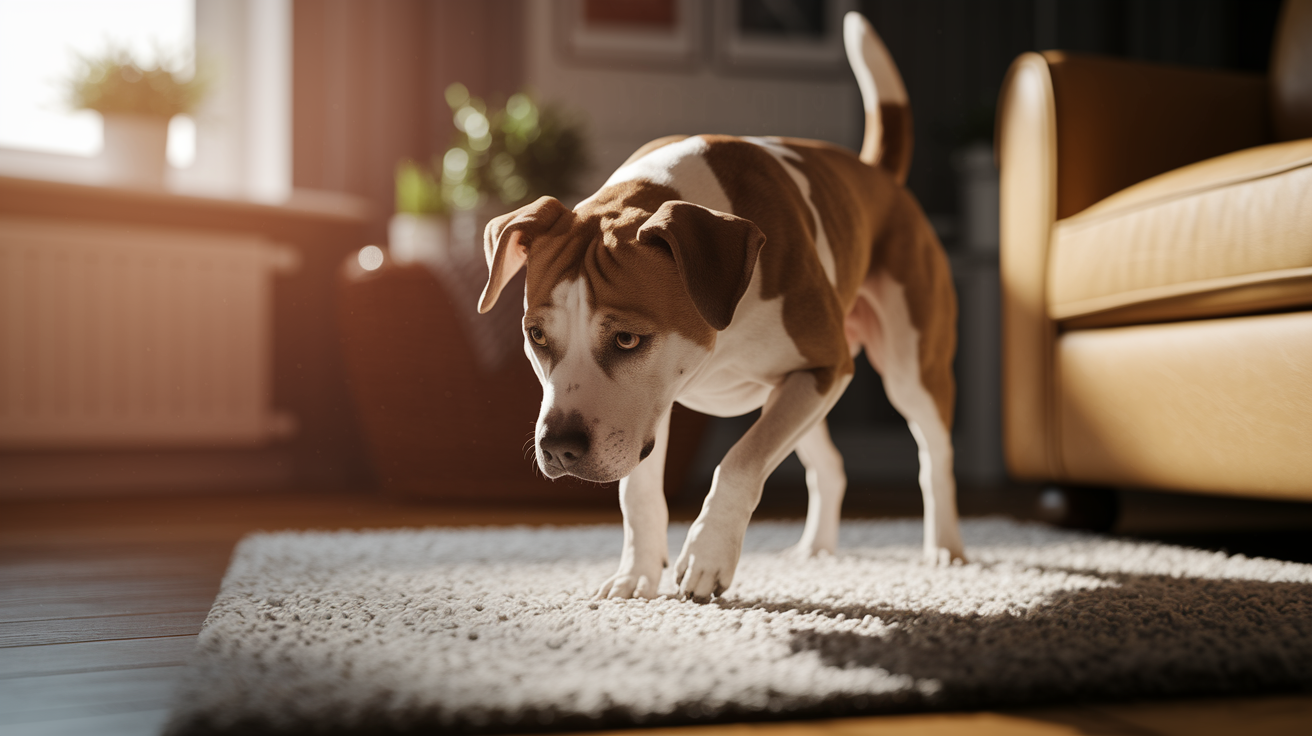
Scooting is when your dog drags their rear end across the floor, pulling forward with their front legs while their back end stays low. It’s not cute. It’s usually a pretty clear sign that something near the anus is uncomfortable, itchy, or downright painful.
Most of the time, scooting points to anal gland trouble, parasites, allergies, or irritation from stuck debris or fecal matter. Each one needs a different fix, and some won’t get better without a vet visit. If your dog scoots once after pooping, that’s often no big deal. If it’s happening daily or several times a day, you need to figure out what’s going on.
Dogs can’t tell us what’s wrong, so this is their way of trying to get relief. It could be mild itching or serious pain, depending on what’s causing it.
- Anal gland impaction or infection
- Intestinal parasites like tapeworms
- Allergic inflammation around the rear
- Trapped debris, matted fur, or fecal contamination
Overview of Medical Categories That Cause Scooting

There are four main medical reasons dogs scoot: anal gland disease, intestinal parasites, allergic skin inflammation, and irritation from debris or hygiene issues. Anal gland problems are way more common than the others, but vets still check for all of them when a dog comes in scooting.
Each cause gets its own section below. Understanding the differences helps you catch warning signs early and know what to expect at the vet.
Anal Gland Problems Explained (Primary Cause of Scooting)
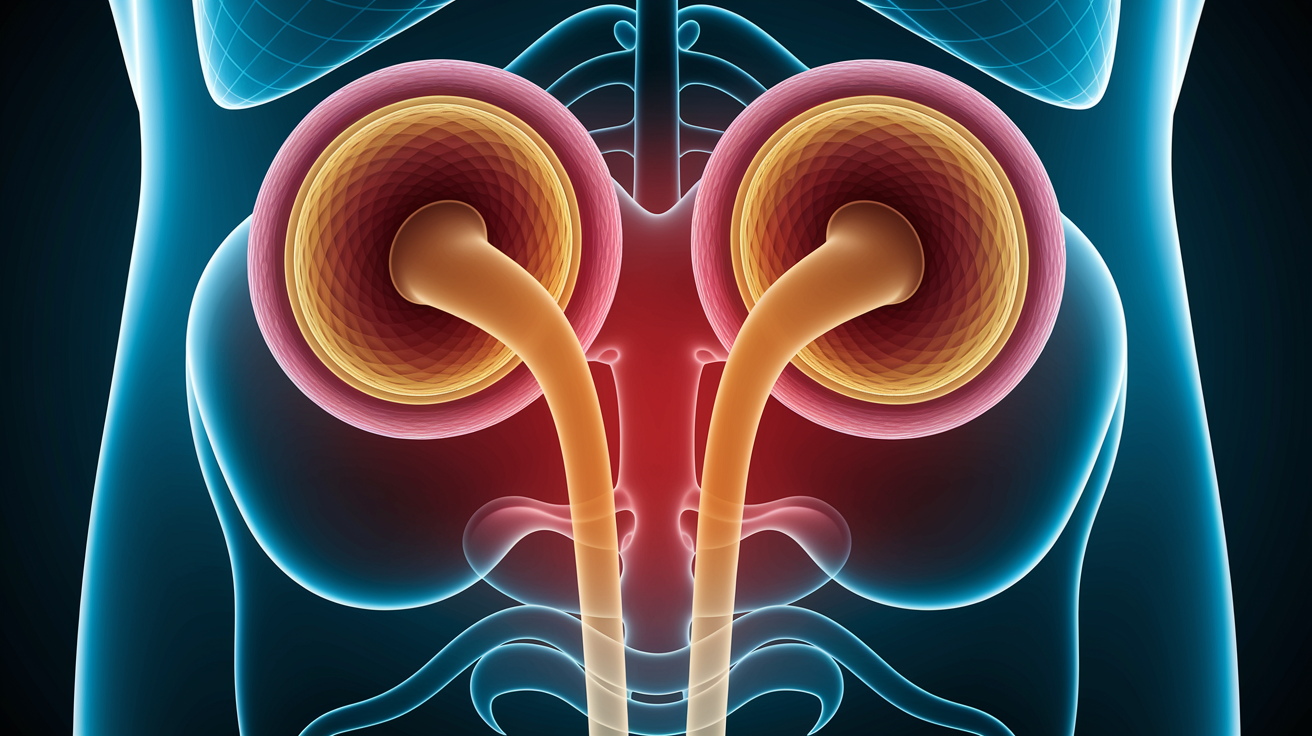
Dogs have two anal sacs, one on each side of the anus, tucked just inside at about 4 and 8 o’clock. These sacs make a thick, smelly fluid that’s normally released when your dog poops. The fluid is used for scent marking and social communication. When the sacs don’t empty like they’re supposed to, the fluid builds up, gets thicker, and can cause impaction, infection, or even a painful abscess.
You might notice a strong fishy smell, excessive licking or biting at the rear, or visible swelling on one or both sides of the anus. If infection develops, the fluid turns cloudy, yellow, or bloody. Your dog might whimper or avoid sitting down. In really bad cases, an abscess forms. That’s a pocket of pus that can rupture through the skin, leaving an open, draining wound.
Treatment depends on how far things have gone. Manual expression by a vet or groomer empties the sacs and relieves impaction. If there’s infection, the vet may flush the sacs with sterile saline and prescribe antibiotics, usually with anti-inflammatory meds to cut down pain and swelling. Abscesses need to be lanced, drained, and treated with oral antibiotics.
For dogs with chronic, recurring anal gland issues, surgical removal of the sacs is an option. This fixes the problem permanently but comes with risks, including possible fecal incontinence or nerve damage. Most vets only recommend surgery after repeated treatment hasn’t worked.
| Issue | Key Signs |
|---|---|
| Impaction | Scooting, firm swelling, foul odor, excessive licking |
| Infection | Cloudy or bloody discharge, pain, reluctance to sit |
| Abscess | Visible lump, open wound, draining pus, severe pain |
| Recurrent disease | Repeated episodes over weeks or months |
| Surgical candidate | Chronic cases unresponsive to medical treatment |
Parasites and Dog Scooting: What Owners Should Know
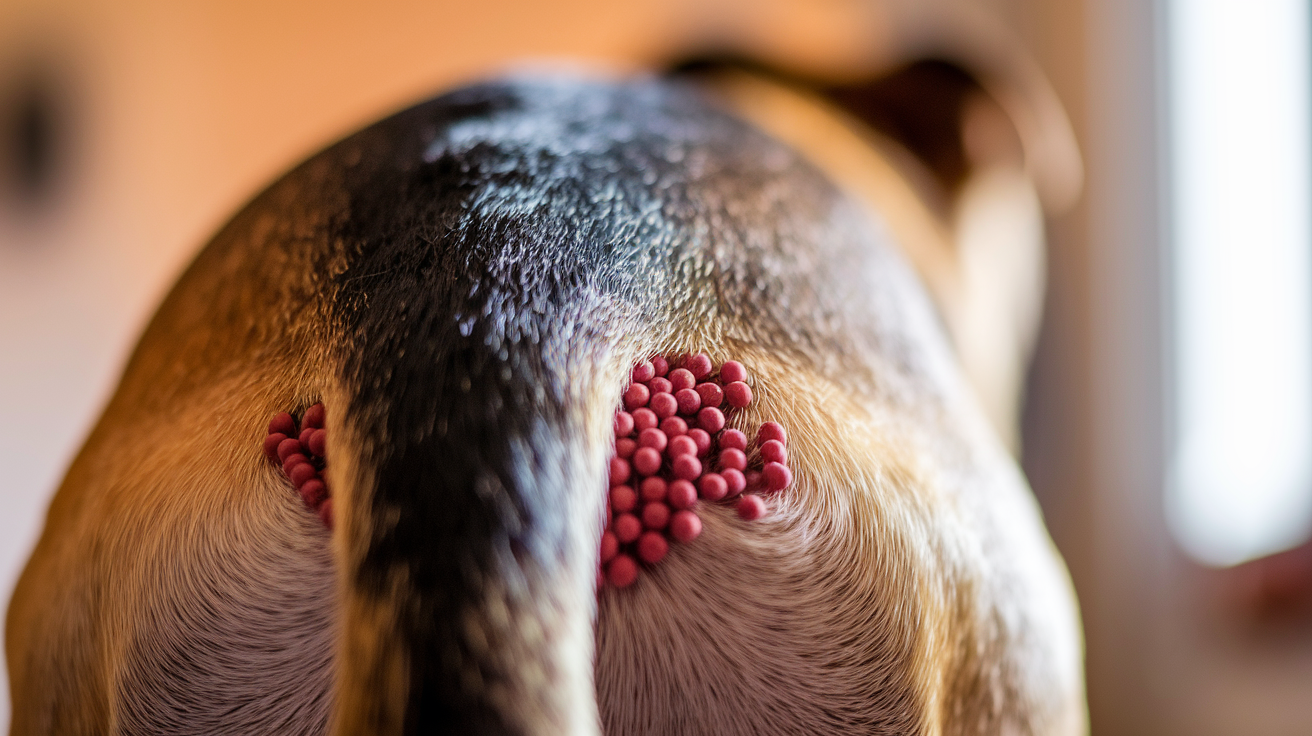
Intestinal parasites, especially tapeworms, are a common reason dogs scoot. Tapeworms attach to the intestinal wall and shed segments that look like little white grains of rice. These segments crawl out through the anus and stick to the fur, causing serious itching. You might see them moving near the anus, on your dog’s bed, or in fresh stool.
Fleas transmit the most common tapeworm species. So if your dog has fleas, there’s a good chance tapeworms will show up too. Other parasites like roundworms, hookworms, and whipworms can irritate the rectal area, though scooting isn’t usually their main symptom. Diagnosis needs a fecal test at the vet, where stool gets examined under a microscope. Treatment involves deworming meds specific to the parasite that’s found.
- Tapeworms: white rice-like segments, flea transmission
- Roundworms: long, spaghetti-like worms in stool or vomit
- Hookworms: bloody diarrhea, anemia, weight loss
- Whipworms: mucus-coated stool, intermittent diarrhea
Allergies and Skin Irritation That Lead to Dog Scooting
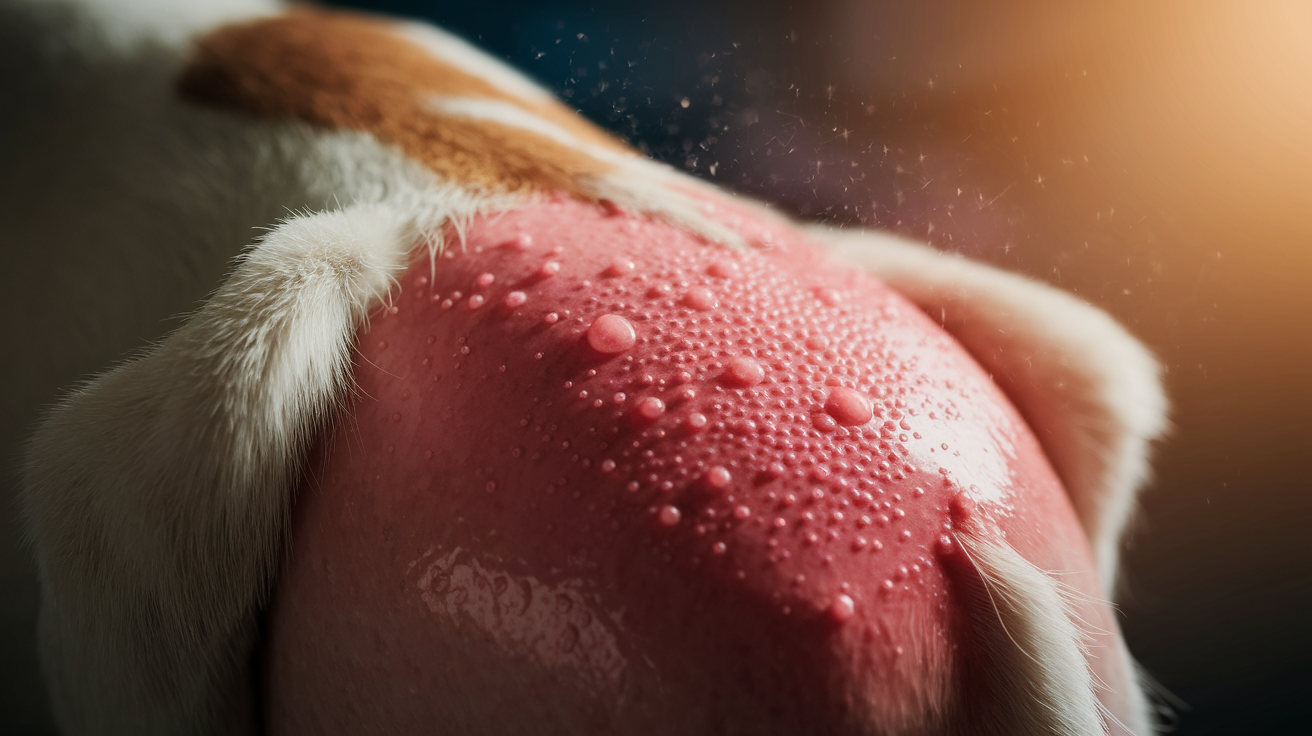
Food allergies and environmental allergens like pollen, dust mites, or mold can cause inflammation and itching around the perianal area. The skin gets red, irritated, and sometimes infected with bacteria or yeast. Dogs lick, bite, and scoot trying to get relief. Flea bites can also trigger allergic dermatitis, especially in dogs with flea allergy hypersensitivity, where just one bite sets off intense itching.
Managing allergic scooting often means finding and removing the allergen. That could be a food elimination trial, environmental changes, or flea prevention. Bathing with gentle, vet-approved shampoos helps remove allergens and calm inflamed skin. During flare-ups, your vet might prescribe antihistamines, steroids, or other anti-itch meds to stop the itch-scratch cycle.
Non-Medical or Behavioral Reasons for Scooting
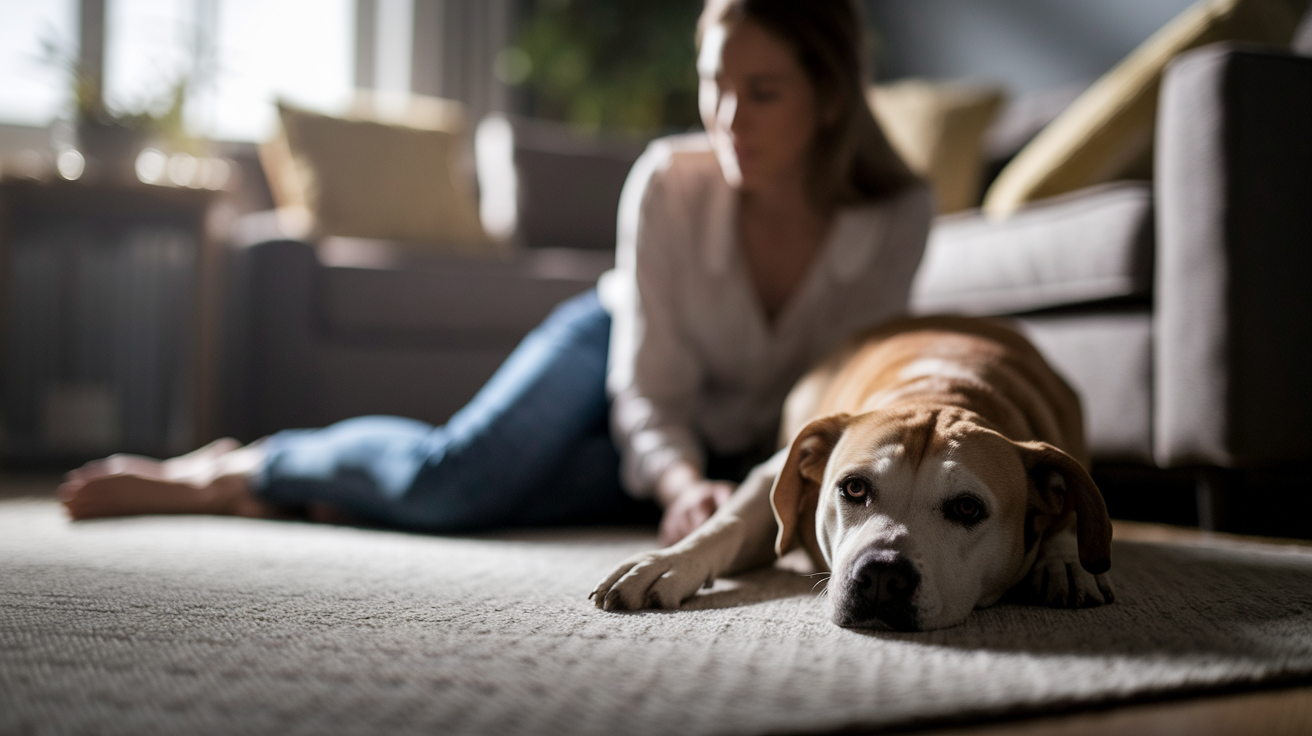
Not all scooting is medical. Some dogs do it for attention, especially if past episodes got them immediate concern, petting, or distraction from the owner. If scooting gets rewarded with attention, it can become a learned habit that sticks around even after the original problem is gone. Anxiety or stress can also show up as repetitive scooting, similar to other behaviors like paw licking or tail chasing.
If your vet has ruled out medical causes and your dog keeps scooting, behavioral changes might help. This includes ignoring the scooting so you don’t reinforce it, redirecting to something else, and dealing with stressors through routine, enrichment, and calm reinforcement. Sometimes working with a trainer or veterinary behaviorist helps break the pattern.
When Dog Scooting Requires a Veterinary Visit
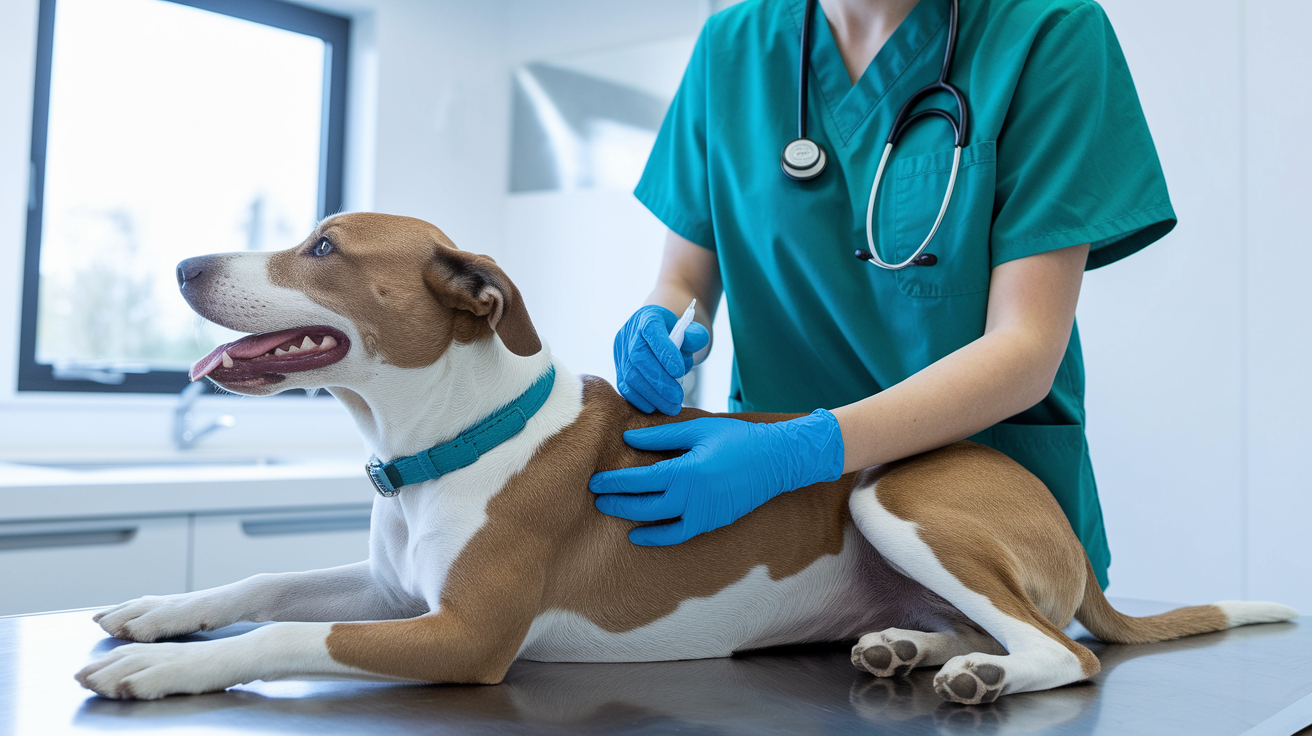
If your dog scoots once or twice after a normal bowel movement and then stops, that’s usually fine. But persistent, painful, or recurring scooting needs a vet evaluation. Waiting too long can lead to secondary skin infections, ruptured abscesses, or chronic anal gland disease that’s harder to treat.
Call your vet or schedule an appointment if you see any of these:
- Scooting daily or multiple times a day for more than 48 hours
- Visible swelling, redness, or a lump near the anus
- Blood, pus, or foul-smelling discharge from the rear
- Pain when sitting, whimpering, or reluctance to have the area touched
- Rice-like tapeworm segments or visible worms in stool or around the anus
- Changes in stool consistency, appetite, or energy level
Safe Home Remedies for Dog Scooting Relief
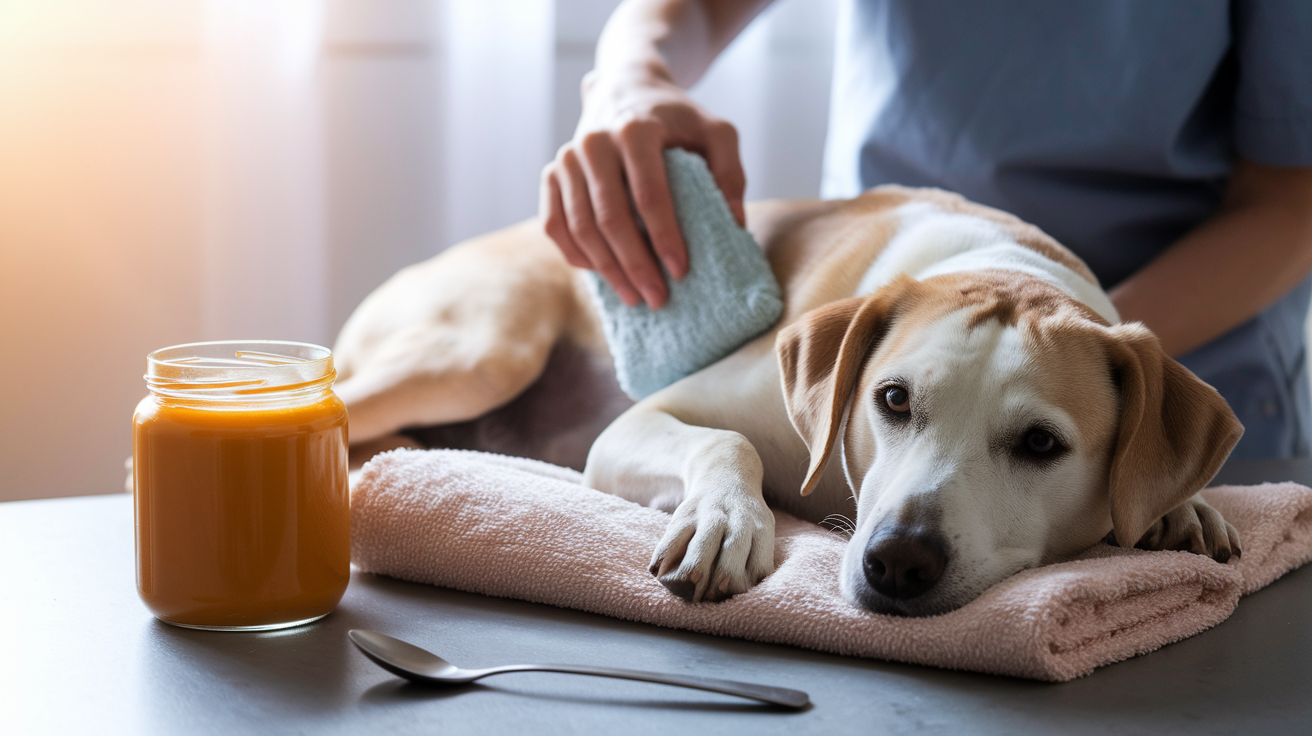
If you’re waiting for a vet appointment or dealing with mild, first-time scooting, there are a few safe things you can do at home. A warm compress applied gently to the anal area for 5 to 10 minutes, two to four times a day, can reduce swelling and soothe irritation. Use a clean, soft cloth soaked in warm (not hot) water, and hold it in place without pressing hard.
Adding plain canned pumpkin to your dog’s food can help bulk up stool, which encourages the anal glands to empty naturally during bowel movements. A rough starting point is about 1 teaspoon per 10 pounds of body weight for small dogs, up to 1 tablespoon per 10 pounds for bigger dogs, mixed into meals once or twice a day. Start on the lower end and adjust based on your dog’s stool. Too much can cause loose stool, so watch how things go.
Regular grooming and hygiene make a big difference too. Trim long hair around the anus to keep fecal matter and debris from sticking and causing irritation. After bowel movements, gently wipe the area with a damp cloth or unscented pet wipe if needed. Keep the area clean and dry, and check for any matted fur or stuck debris that might be bothering your dog.
- Wet a clean, soft cloth with warm water.
- Gently wipe around the anus and rear, removing any visible debris or fecal residue.
- Pat the area dry with a clean towel and check for redness, swelling, or signs of irritation.
How Veterinarians Diagnose the Cause of Scooting
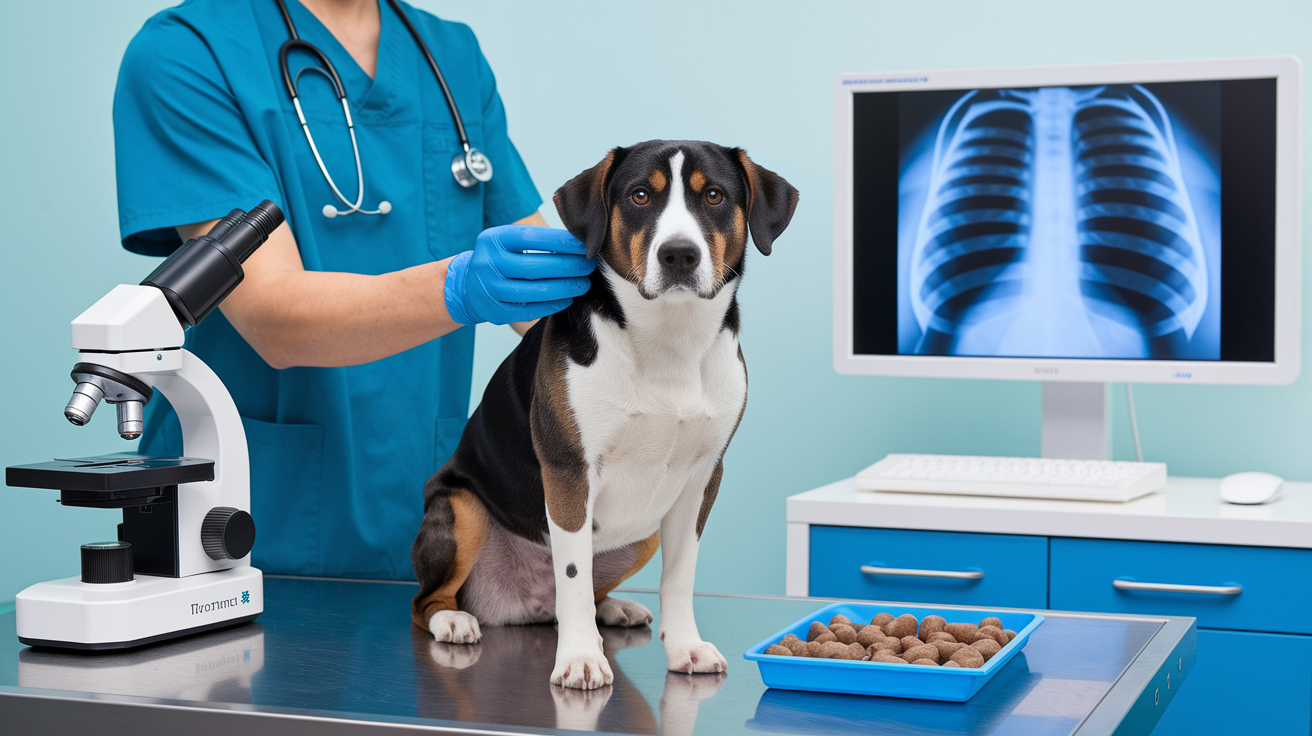
When you bring your dog in for scooting, the vet will do a thorough physical exam, including a close look at the anal area and a digital check of the anal glands. During the exam, the vet feels the glands through the skin to check for fullness, firmness, or pain. They might express them to see the color, consistency, and smell of the fluid. Normal anal gland fluid is brownish and thin. Thick, cloudy, yellow, or bloody fluid suggests infection.
If parasites are suspected, the vet will ask for a fresh fecal sample for flotation testing. Stool gets mixed with a special solution that makes parasite eggs float to the surface for microscopic examination. If there’s visible swelling, a mass, or discharge, the vet might collect a sample for cytology to check for bacterial infection, yeast, or abnormal cells. In cases where a tumor or abscess is suspected, imaging like X-rays or ultrasound, or a biopsy, might be recommended.
The goal is to identify the exact cause so treatment can be targeted and effective. Guessing or treating symptoms without knowing what’s really wrong usually leads to problems coming back.
Treatment Options for Dogs with Persistent Scooting
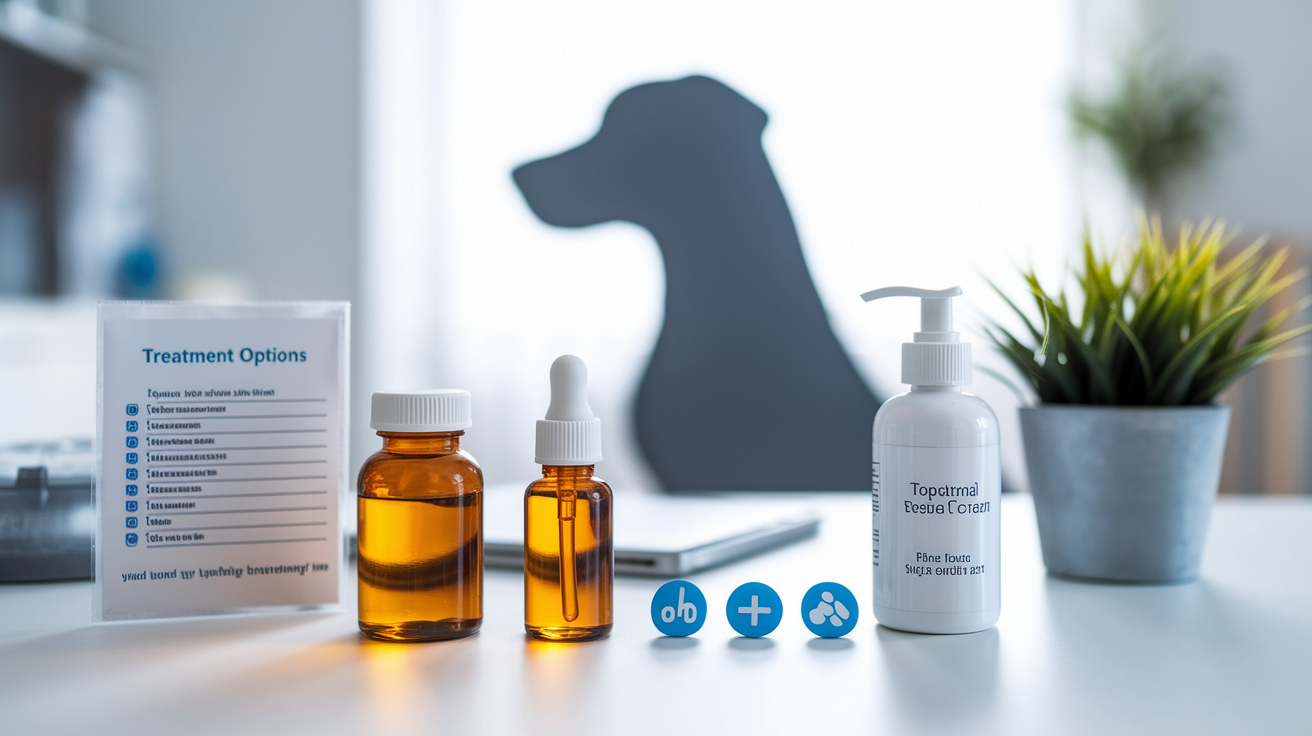
Treatment depends on the diagnosis. For impacted or infected anal glands, manual expression is step one, often with flushing using sterile saline if there’s infection. If bacterial infection is confirmed through cytology or culture, the vet will prescribe oral antibiotics, sometimes with topical or injectable anti-inflammatory meds to quickly reduce pain and swelling.
If parasites are found, deworming meds get prescribed based on the specific type. Tapeworms respond to praziquantel. Roundworms, hookworms, and whipworms get treated with broad-spectrum dewormers like fenbendazole or pyrantel. Flea control is essential to stop tapeworm reinfection. For allergic scooting, treatment might include antihistamines, steroids, or newer allergy meds like Apoquel or Cytopoint, plus dietary changes if food allergies are suspected.
If a foreign object like a grass awn or stick is stuck in the fur or anal area, the vet will remove it and clean the area to prevent infection. Abscesses need lancing, drainage, flushing, and antibiotics. In rare cases where a perianal mass or tumor is found, biopsy and surgical removal might be necessary.
For dogs with chronic, recurring anal gland problems that don’t respond to repeated treatment, surgical removal of the glands is an option. This procedure is usually saved for severe cases and comes with some risk of complications, including temporary or permanent fecal incontinence. Your vet will walk through the risks and benefits before recommending surgery.
Long-Term Prevention of Scooting in Dogs
Preventing scooting means dealing with the root causes before they become chronic. Regular grooming, especially for long-haired breeds, keeps the anal area clean and free of matted fur or trapped debris. Trim the hair around the anus every few weeks to cut down on irritation and make it easier to spot problems early.
Diet plays a big role in anal gland health. Feeding a high-quality diet that produces firm, bulky stools helps the glands empty naturally when your dog poops. Some dogs benefit from added fiber, either through commercial high-fiber diets or small amounts of plain canned pumpkin mixed into meals. Watch your dog’s stool consistency and adjust fiber intake as needed, always with your vet’s input.
Routine parasite prevention is essential. Use vet-recommended flea, tick, and heartworm preventives year-round. Schedule fecal exams at least once a year, or more often if your dog has access to areas where parasite exposure is common. For dogs prone to anal gland impaction, regular scheduled expressions by a vet or groomer every few weeks can prevent buildup and lower the risk of infection.
- Feed a diet that promotes firm, bulky stools
- Maintain regular grooming and trim hair around the rear
- Keep up with flea and parasite prevention year-round
- Schedule routine vet check-ups and fecal testing annually
Final Words
If your dog is scooting on the floor, the most common reasons are anal gland issues, parasites, allergies, or simple debris causing irritation. You saw short, clear signs to watch for and what scooting usually looks like.
The article walked through diagnosis steps vets use and safe at-home relief like gentle cleaning, warm compresses, and short-term fiber, plus when to seek care.
For a practical dog scooting on floor meaning, use the signs and timeline here to decide whether to monitor or call your vet. Most dogs improve with the right steps.
FAQ
Q: When should I worry about dog scooting?
A: You should worry about dog scooting when it is persistent, painful, or shows red flags like swelling, bleeding, a very foul smell, visible parasites, fever, or loss of appetite—call your vet right away.
Q: How do I stop my dog from scooting on the floor?
A: To stop your dog from scooting on the floor, clean and trim hair around the rear, use a warm compress, give small canned pumpkin (about 1 tsp–1 tbsp per 10 lb) for 24–48 hours, and check for fleas; see a vet if it continues.
Q: How do you tell if a dog’s glands are full?
A: You tell if a dog’s glands are full by noticing scooting, excessive licking, a strong fishy smell, swelling or soreness near the anus, or trouble defecating; a vet can confirm with gentle palpation.
Q: How does the vet treat dog scooting?
A: The vet treats dog scooting by diagnosing the cause, then using manual anal sac expression or flushing, antibiotics or anti-inflammatories for infection, deworming for parasites, and surgery only for chronic or abscess cases.