

Think every gag or retch means a hairball? Not always.
Sometimes that noisy heave is a routine furball, and other times it’s true vomiting that points to illness or an obstruction.
This post walks you through what each looks like, including shape, smell, and frequency, and gives a calm plan: safe at-home steps, exact things to monitor, and clear red flags that mean you should call the vet.
By the end, you’ll know when to relax and when to act.
Key Differences Between Hairballs and Vomiting in Cats
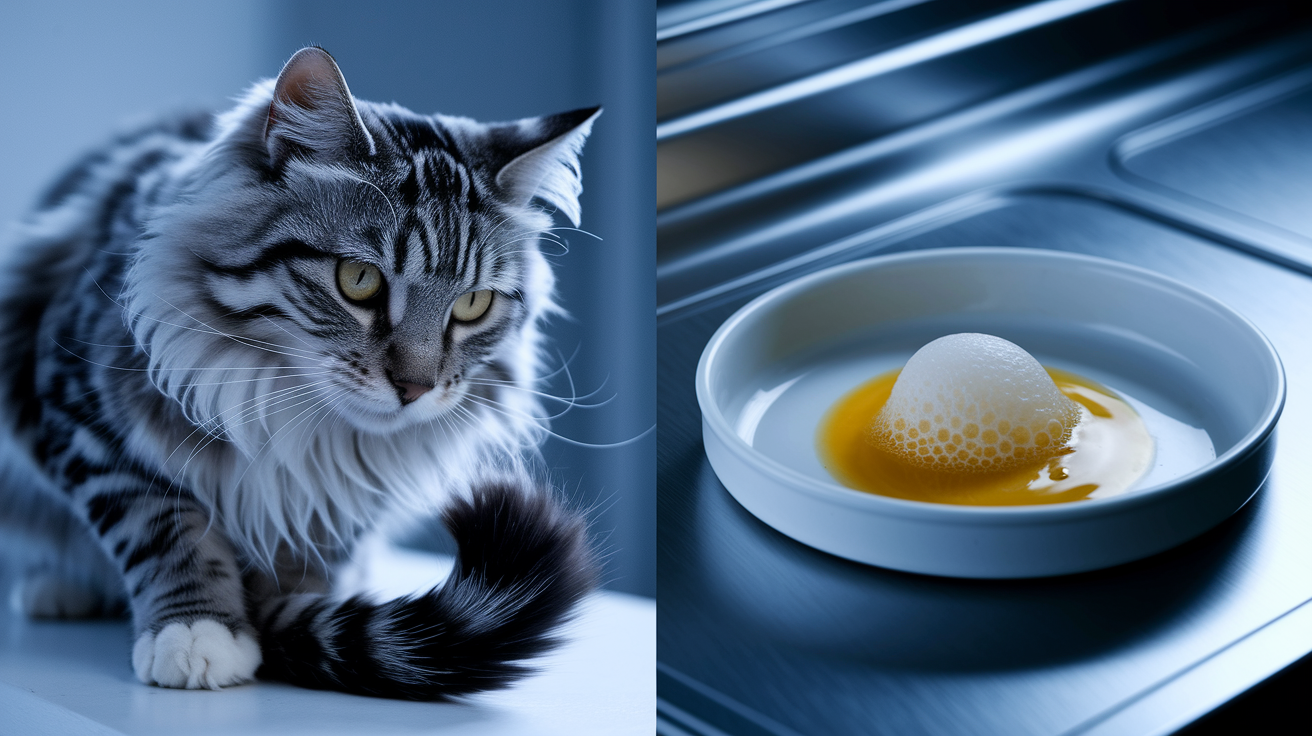
When your cat hunches over and starts retching, you’re probably thinking hairball. But here’s the thing: not every episode is a hairball. And knowing what you’re actually looking at can help you figure out if this is normal grooming stuff or something that needs a vet’s attention.
A hairball (sometimes called a trichobezoar if you want to get technical) is basically a compact wad of swallowed fur that’s been sitting in the stomach. When it gets big enough, your cat’s stomach decides it’s had enough and expels it through retching. What you end up with is a tubular, sausage shaped clump that looks like a small, damp log of matted hair. Hairballs are usually dry or just a little moist with some clear mucus. They smell mildly unpleasant but not terrible. Most cats produce them once every few weeks. Long-haired breeds? They might cough them up more often, especially when they’re shedding heavily in spring or fall.
Vomiting is different. It’s the expulsion of actual stomach contents: partially digested food, liquid, bile (that yellow or greenish stuff), foam, or clear fluid. The material is wet, loose, and often smells sharp, sour, or genuinely foul. Vomit can happen multiple times in a day or stretch over several days. It’s usually pointing to dietary upset, illness, or some underlying condition rather than just routine grooming cleanup.
Here’s a quick side-by-side:
Shape: Hairball is cylindrical, compact, holds its form. Vomit is liquid, splattered, or chunky without any real shape.
Contents: Hairball is mostly fur with minimal gastric fluid. Vomit has food particles, bile, foam, or watery fluid with little to no hair.
Odor: Hairball smells mild and musky. Vomit smells acidic, rancid, or noticeably bad.
Frequency: Hairballs show up roughly once a month or less. Vomiting can happen several times in 24 hours or keep going for days.
Underlying Causes of Hairballs and Vomiting
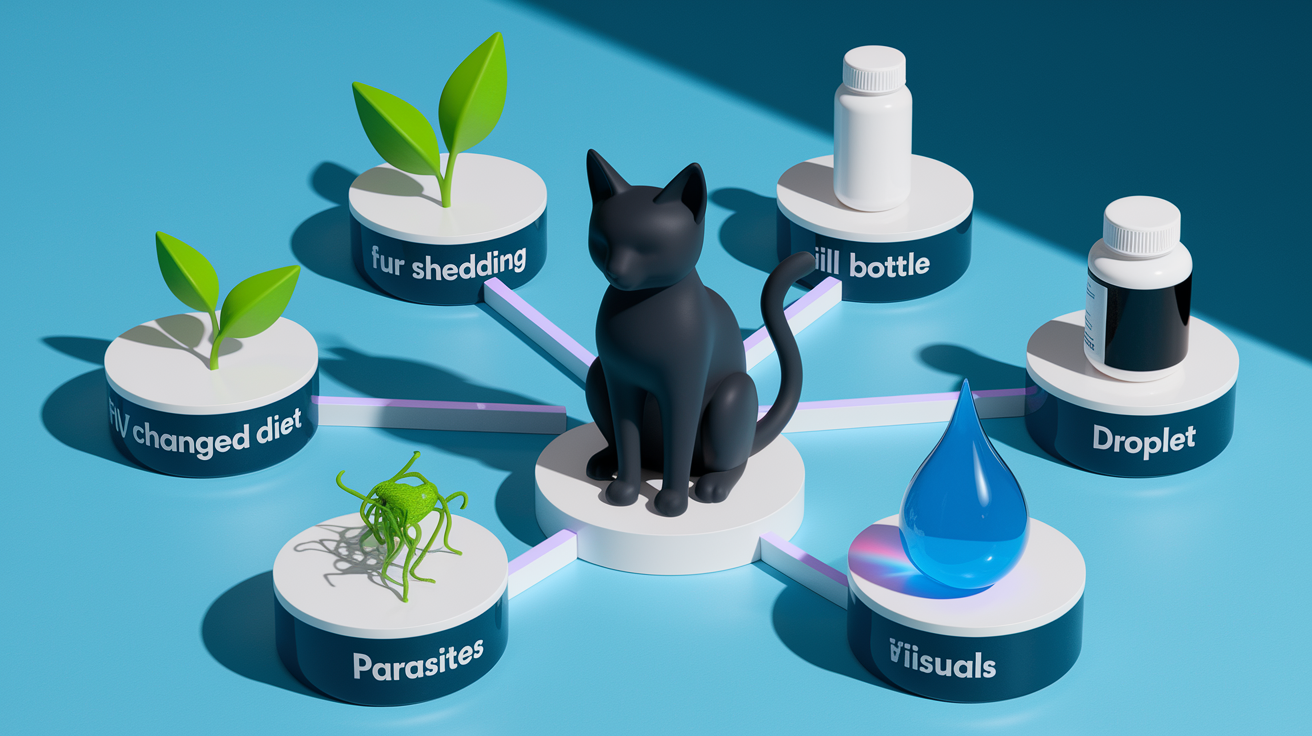
Hairballs are just part of the grooming process. Cats use their tongues, which are covered in tiny backward-facing barbs, to clean their coats. Loose fur gets caught and swallowed. Most of that fur passes through the digestive tract and ends up in the litter box. But some hair stays in the stomach and collects into a ball over time. When the mass gets too large or irritates the stomach lining, your cat retches it up. Long-haired cats, cats who groom excessively because of stress or skin irritation, and cats going through heavy shedding cycles produce hairballs more often.
Vomiting can come from dozens of different places. Diet related triggers include eating too quickly, sudden food changes, spoiled food, or ingredients that don’t sit well with your cat’s stomach. Gastrointestinal irritation from toxins, plants, medications, or foreign objects can also cause vomiting. Infections, parasites, motion sickness, and inflammatory conditions like gastritis or inflammatory bowel disease are common medical reasons. Chronic illnesses like hyperthyroidism, chronic kidney disease, liver disease, and certain cancers often show up with vomiting as an early or ongoing symptom.
The main difference? Hairballs are a mechanical result of normal grooming. Vomiting is a symptom pointing to a problem somewhere else in the body. If your cat is otherwise healthy, eating well, active, and producing normal stool, an occasional hairball is expected. If vomiting happens repeatedly, comes with appetite loss or lethargy, or shows up alongside other changes in behavior or bowel habits, the cause is probably medical.
When Hairballs or Vomiting Become Concerning

Occasional hairballs are just part of owning a cat. But certain patterns mean you need to pay closer attention. Repeated unproductive retching, when your cat gags and heaves without bringing anything up, can signal a hairball blockage or another obstruction in the stomach or intestines. An impacted hairball can prevent food and fluid from moving through the digestive tract. If it’s not addressed quickly, that becomes a surgical emergency.
Other red flags include visible blood in vomit or stool, abdominal pain or bloating, refusal to eat for more than 24 hours, sudden weight loss, dehydration signs like dry or sticky gums, and lethargy lasting beyond a single day. If your cat is vomiting multiple times in 24 hours, appears uncomfortable, or shows any combination of these symptoms, the underlying issue isn’t routine anymore.
Watch for these specific danger signs:
Repeated retching or gagging without producing a hairball or vomit.
Visible blood in vomit, which may look bright red or dark brown like coffee grounds.
Abdominal swelling, tenderness, or a hunched posture that suggests pain.
Persistent refusal to eat, drink, or use the litter box normally.
Dehydration markers like sunken eyes, poor skin elasticity, or a very dry mouth.
Preventing Excessive Hairballs and Reducing Vomiting Episodes
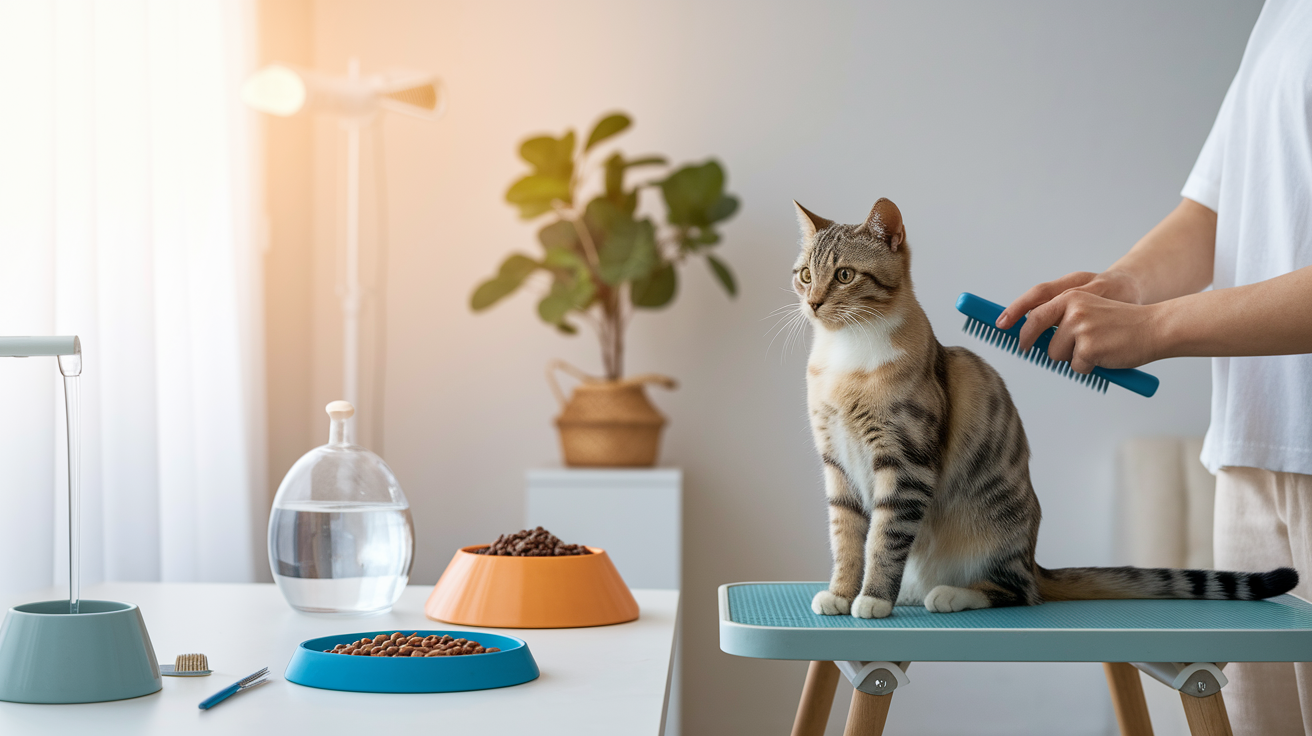
Regular grooming is the simplest way to cut down on hairball formation. Brushing your cat removes loose fur before it’s swallowed, especially during heavy shedding in spring and fall. Long-haired cats need daily brushing. Short-haired cats benefit from a thorough brush two to three times a week. If your cat’s coat is dense or prone to matting, consider scheduling professional grooming every few months to keep shedding under control.
Diet plays a big role in both hairball management and vomiting prevention. Hairball control formulas are designed with added fiber to help fur pass through the digestive tract rather than clumping in the stomach. Wet food increases moisture intake and can ease digestion, which is helpful for cats prone to vomiting from eating too quickly or from mild stomach irritation. Feeding smaller, more frequent meals instead of one or two large servings can reduce the chance of regurgitation and overeating related vomiting. Puzzle feeders and slow feed bowls encourage cats to eat at a calmer pace, giving the stomach time to process food without being overwhelmed.
Environmental adjustments matter too. Stress, boredom, and anxiety can trigger overgrooming, which leads to more hairballs, or cause stress induced vomiting. Make sure your cat has access to climbing structures, interactive toys, and regular play sessions to keep mental and physical stimulation high. Fresh water should always be available. Some cats drink more from running water fountains than from bowls. Hydration supports healthy digestion and helps fur move smoothly through the GI tract. Over-the-counter hairball gels or pastes, which contain mild lubricants like petroleum or paraffin, can be given as directed during shedding season to help fur pass more easily.
When to Seek Veterinary Care

If your cat vomits more than two or three times in 24 hours, or if vomiting continues for more than one day, contact your veterinarian. Persistent vomiting can lead to dehydration, electrolyte imbalances, and damage to the esophagus, especially if bile is repeatedly brought up. Cats who stop eating, lose weight rapidly, or show signs of pain need same day evaluation. Kittens, senior cats, and cats with pre-existing health conditions have less tolerance for fluid loss and metabolic disruption, so any vomiting in these groups should prompt faster action.
Chronic vomiting, defined as episodes that occur regularly over weeks or months, points to an underlying illness rather than a one time dietary upset or occasional hairball. Conditions like inflammatory bowel disease, hyperthyroidism, chronic kidney disease, liver disease, and gastrointestinal cancers often present with frequent vomiting alongside gradual weight loss, appetite changes, or shifts in litter box habits. Your veterinarian will likely recommend diagnostic tests like bloodwork, urinalysis, fecal analysis, X-rays, or ultrasound to identify the root cause. In cases where a hairball or foreign object is suspected but not visible on imaging, endoscopy or exploratory surgery may be necessary to remove the obstruction and prevent serious complications. Early intervention makes a significant difference in outcome, so monitoring frequency, contents, and your cat’s overall condition gives you the information you need to act quickly.
Final Words
A hairball usually looks like a tidy, compact fur cylinder and happens after grooming. Vomit is wetter, often containing food, bile, or foam, and can point to illness if it’s repeated.
We covered why each happens, what warning signs to watch, simple prevention like regular brushing and small, frequent meals, and when to see the vet.
Knowing the difference helps you act calmly. Use cat hairball vs vomiting to guide your notes for the vet, and remember: small steps often prevent bigger problems.
FAQ
Q: Why is my cat throwing up so much after a hairball?
A: Your cat is throwing up so much after a hairball because the throat or stomach is irritated or the hairball is partial, causing repeated retching. Call your vet for blood, lethargy, or loss of appetite.
Q: How often is it normal for a cat to vomit a hairball?
A: It is normal for a cat to vomit a hairball occasionally, usually every few weeks to a few months. Long-haired cats do it more. See a vet if it happens weekly or with poor appetite.
Q: Is it normal for cats to vomit when coughing up hairballs?
A: It is normal for cats to vomit when coughing up hairballs because coughing helps push fur out. Short productive retches are common. Contact your vet if coughing is constant, causes breathing trouble, or no hairball appears.