

Did you know a healthy dog’s normal body temperature is higher than yours?
Most dogs run between 101 and 102.5°F (38.3 to 39.2°C), not the human average of 98.6°F.
That small difference trips up many pet parents who panic at a slightly warm reading.
In this post, I’ll show you what’s truly normal, why temps change, how to take an accurate reading at home, and the clear red flags that mean call your vet right away.
Understanding the Normal Dog Temperature Range
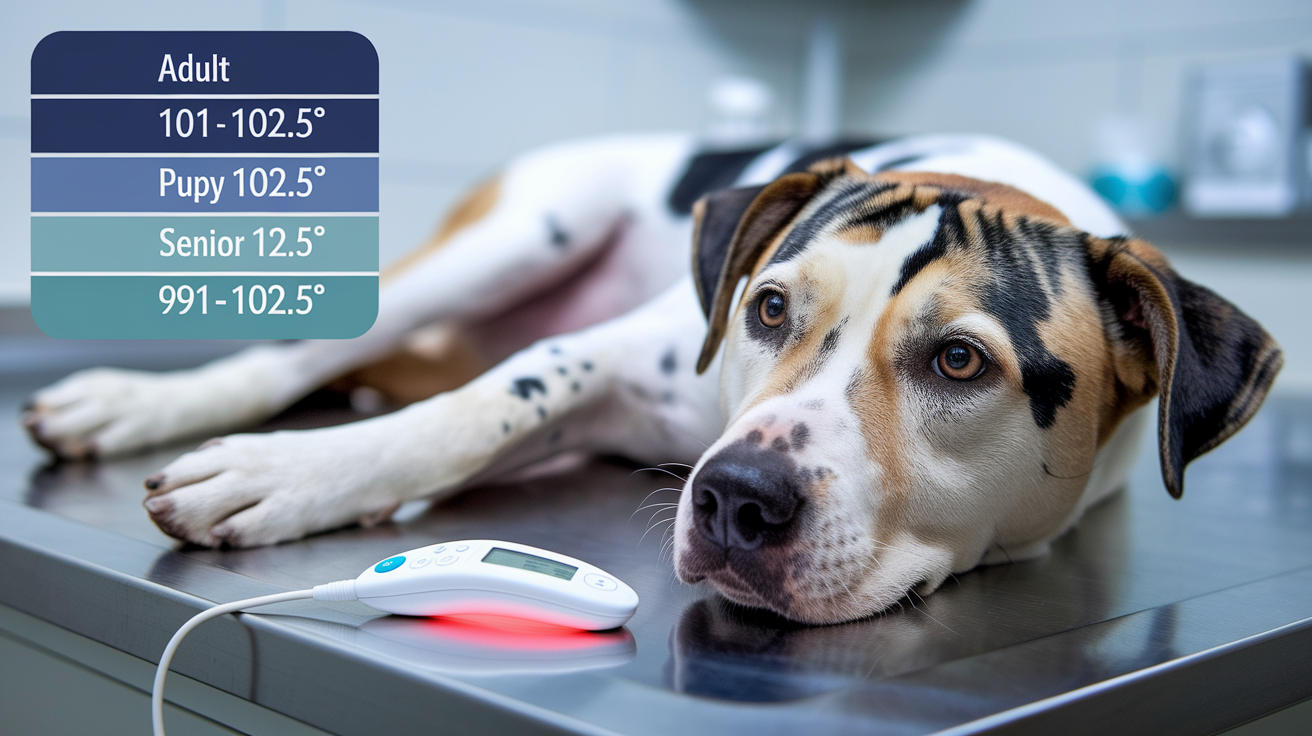
A dog’s normal body temperature sits between 101 and 102.5°F (38.3 to 39.2°C). That’s warmer than the human average of around 98.6°F. This range applies to most healthy adult dogs at rest. If your dog’s reading falls within this window and they’re acting normal, their temperature is right where it should be.
Puppies and older dogs can run a bit differently. Puppies typically hold a normal range of 100 to 102.5°F (37.8 to 39.2°C). Senior dogs often register between 99 and 101.5°F (37.2 to 38.6°C). These subtle shifts are part of normal aging and development, not something to worry about on their own.
| Group | Normal Temperature Range |
|---|---|
| Adult dogs | 101–102.5°F (38.3–39.2°C) |
| Senior dogs | 99–101.5°F (37.2–38.6°C) |
| Puppies | 100–102.5°F (37.8–39.2°C) |
| Humans (comparison) | ~98.6°F (~37°C) |
It’s also normal for a dog’s temperature to spike briefly after exercise, excitement, or heat exposure. Sometimes it reaches around 103°F for 10 to 20 minutes. If your dog just finished a long walk or a play session, give them a chance to cool down and settle before you take a reading. That way, you’re measuring their true resting temperature instead of a temporary jump.
Factors That Influence Normal Dog Temperature Variations

Not every dog sits at exactly the same number all the time. Age, activity, environment, and even mood can shift your dog’s baseline temperature by a fraction of a degree. Understanding these normal variations helps you recognize when a reading truly signals a problem versus when it’s just your dog being a dog.
Here are five factors that can affect your dog’s temperature:
Age. Puppies tend to run warmer. Older dogs often measure on the cooler side of the normal range.
Activity level. A dog who just ran around the yard or played fetch can show a temporary temperature increase.
Environmental temperature. Hot weather, sitting in a warm car, or lying in direct sunlight can raise body temperature quickly.
Excitement or stress. Anxiety at the vet, excitement when guests arrive, or nervousness in a new place can all nudge the thermometer higher.
Time of day and rest. Some dogs naturally run slightly cooler after a long nap or in the early morning when they’ve been resting overnight.
When you know your dog’s usual baseline and the circumstances around each reading, you can tell the difference between a real fever and a dog who’s just been chasing squirrels.
How to Measure Dog Temperature Accurately at Home
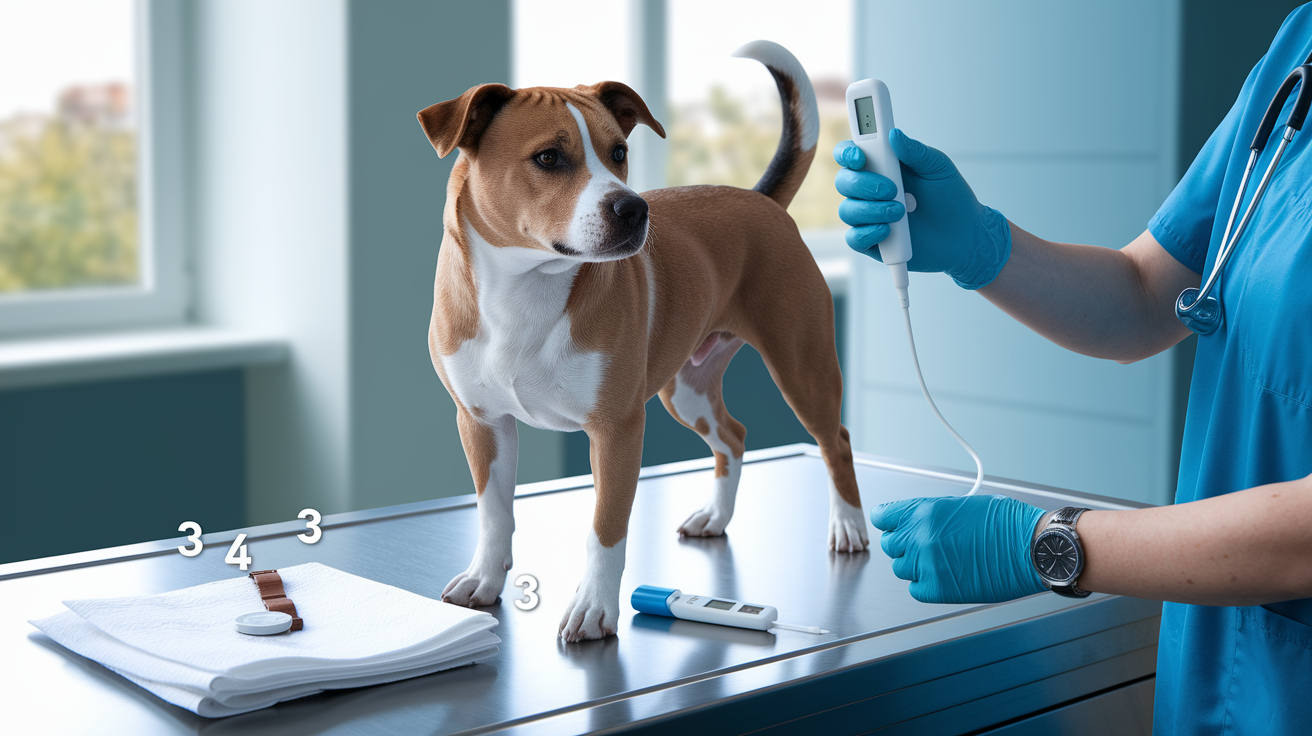
The rectal method is the most accurate way to measure a dog’s body temperature. It’s the method most veterinarians rely on. While it might feel awkward at first, the process is quick and straightforward once you’ve done it a couple of times.
Here’s how to take a rectal temperature step by step:
Gather your supplies. You’ll need a digital rectal thermometer, petroleum jelly or water-based lubricant, and a few paper towels within reach.
Prepare the thermometer. Clean the tip, then coat it generously with lubricant to make insertion comfortable.
Position your dog securely. Small dogs can sit on your lap or a table. Larger dogs do best standing on the floor. If your dog is wiggly, ask someone to help hold them gently but firmly.
Lift the tail and insert the thermometer. Gently raise the tail and slide the lubricated tip into the rectum. For small dogs, insert about 1 inch. For larger dogs, go about 2 to 3 inches. Never force it.
Turn on the thermometer and wait for the beep. Fast-reading digital models (often labeled as baby thermometers) can give a result in about 5 seconds.
Remove, read, and record. Pull the thermometer out gently, check the display, and write down the number along with the date and time.
After you’re done, praise your dog and offer a treat. Keep paper towels handy. Some dogs may defecate during the process, and that’s completely normal. Clean the thermometer thoroughly with soap and rubbing alcohol, then store it in your pet first aid kit.
Ear thermometers are less invasive and easier for some owners, but they’re also less accurate. Dogs have long, horizontal ear canals, and wax or hair can interfere with the reading. If you do use an ear thermometer, insert it at a 90-degree angle to the head, aiming the tip down the canal. If your dog resists, or if you notice redness, brown waxy debris, or a yeasty smell, stop and call your vet. Those are signs of a possible ear infection.
| Method | Accuracy | Notes |
|---|---|---|
| Rectal (digital) | Most accurate | Recommended for critical readings; requires lubrication and calm handling |
| Ear thermometer | Moderate | Less invasive but can be affected by ear canal shape, wax, or hair |
| Infrared (non-contact) | Not reliable | Fur interferes with readings; not recommended by most vets |
What High Dog Temperature Means (Fever, Heat Stroke, Hyperthermia)
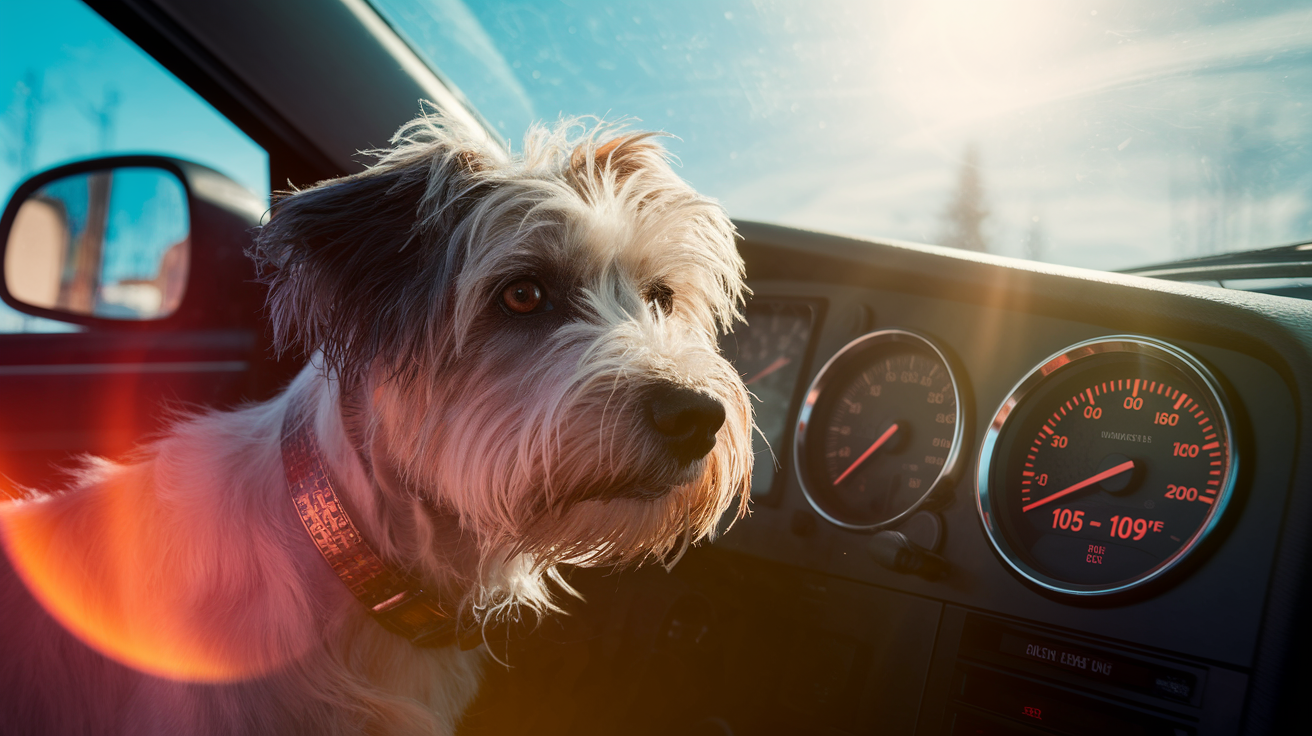
When a dog’s temperature climbs above 103.5°F (39.7°C), it’s considered elevated. Once it crosses 105°F (40.6°C), it’s urgent, and you should contact a veterinarian immediately. High temperatures can signal fever (the body fighting infection), heat stroke (overheating from the environment), or hyperthermia (a dangerous rise in core temperature).
Heat stroke is especially serious. It happens fast. Often when a dog is left in a hot car, exercises too hard in warm weather, or can’t access shade and water. The body can’t cool itself quickly enough, and internal organs begin to suffer. If your dog’s temperature reaches 107 to 109°F, that’s a life-threatening emergency. Damage to the brain and body can happen within minutes.
Common signs of fever, overheating, or heat stroke include:
Excessive panting or drooling
Vomiting or diarrhea (sometimes with blood)
Bright red gums or dry nose and mouth
Staggering, difficulty walking, or collapsing
Lethargy, weakness, or unresponsiveness
Restlessness, irritability, or sudden aggression
Muscle tremors or signs of shock
If your dog shows any of these symptoms along with a high temperature, move them to a cooler space, offer small amounts of water, and call your vet or an emergency clinic right away. Don’t wait to see if it gets better on its own.
Causes of Elevated Dog Temperature
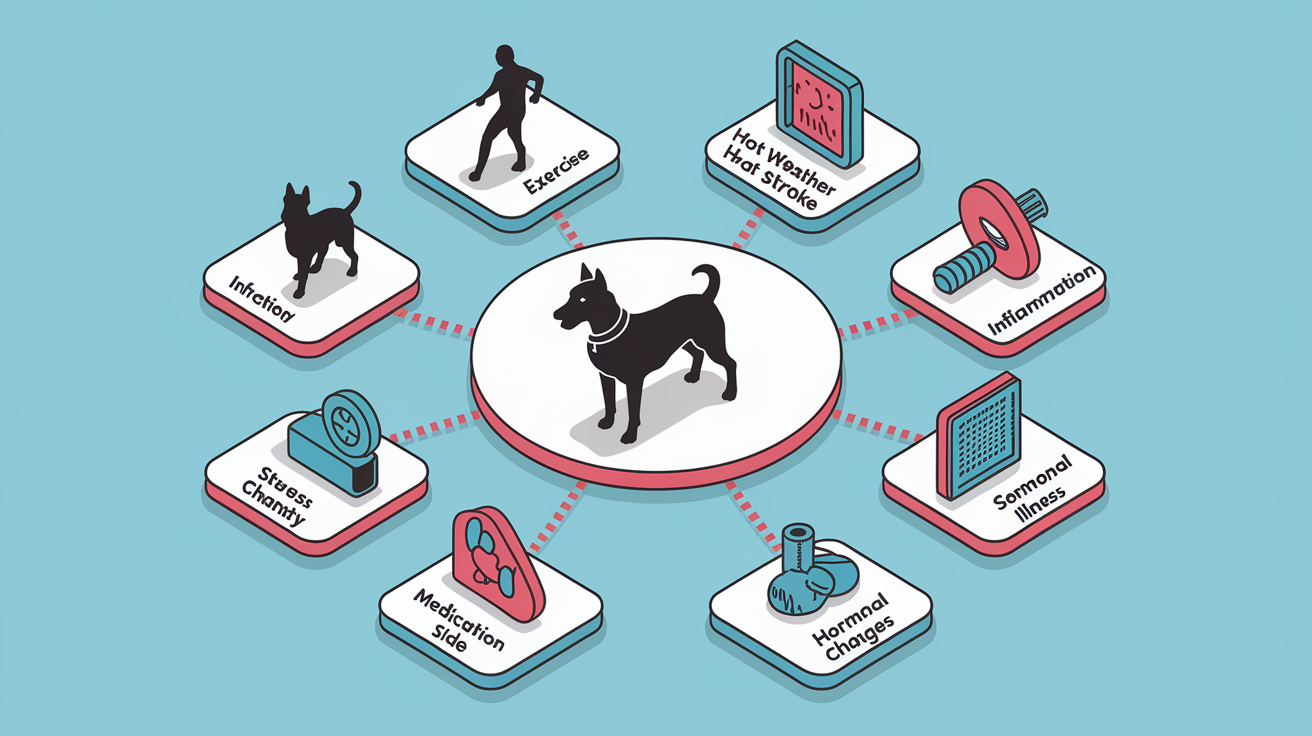
A dog’s temperature can rise for several reasons. Some mild and temporary, others requiring immediate attention. Knowing the common causes helps you decide whether to monitor at home or head to the vet.
Seven frequent causes of elevated temperature in dogs:
Exercise or excitement. A hard play session, a long run, or high energy can push temperature up briefly, often resolving within 10 to 20 minutes of rest.
Hot weather or heat stroke. Exposure to high outdoor temperatures, sitting in direct sun, or being in a poorly ventilated car can cause dangerous overheating.
Infection or inflammation. Bacterial or viral infections, abscesses, wounds, or internal inflammation often trigger a true fever as the immune system responds.
Stress or anxiety. Fear, nervousness, or panic (like during a thunderstorm or vet visit) can temporarily raise body temperature.
Medication side effects. Certain drugs, especially some antibiotics or vaccinations, can cause a mild fever as a side effect.
Hormonal changes. Female dogs in heat may run slightly warmer due to natural hormonal shifts.
Serious illness. Autoimmune diseases, cancer, toxin exposure, or organ dysfunction can all present with sustained high temperatures.
If the cause is clear and temporary (like a hot walk), monitor your dog and offer water and rest. If the temperature stays high or you’re unsure why it’s elevated, contact your veterinarian for guidance.
What Low Dog Temperature Means (Hypothermia)
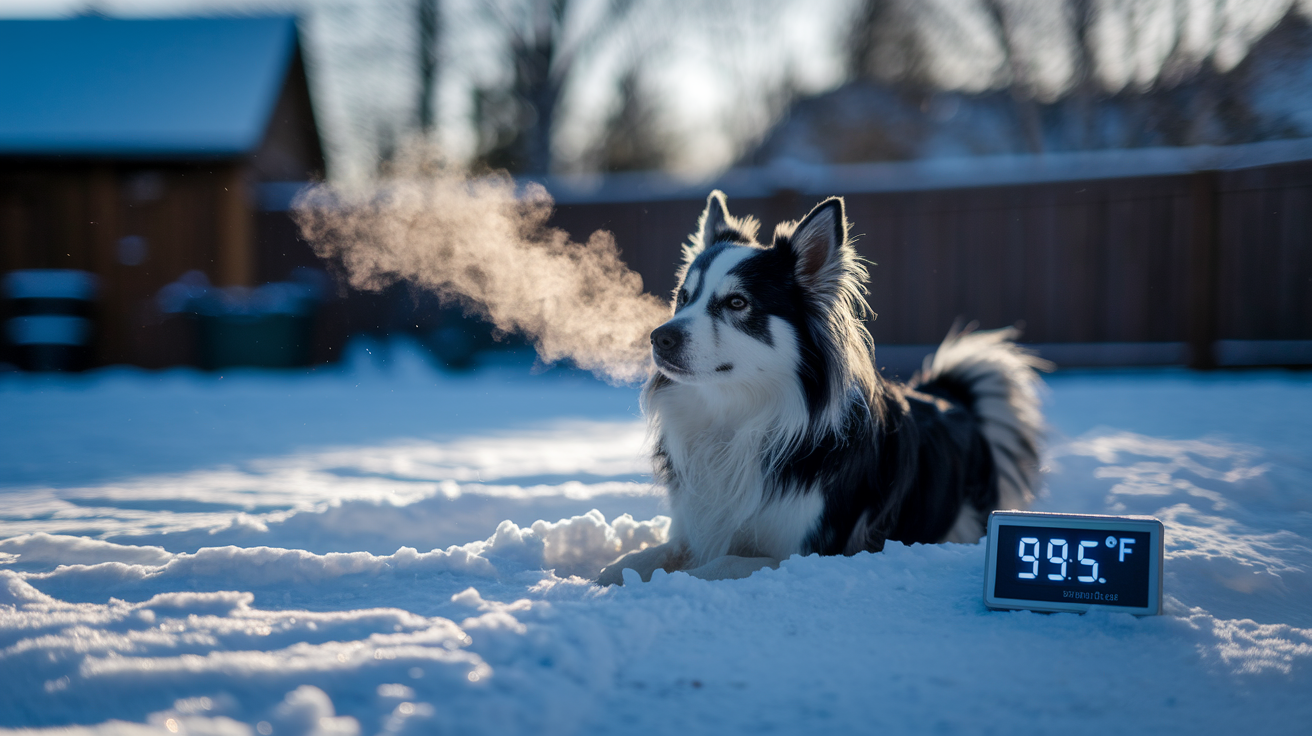
A dog’s temperature below 99.5°F signals hypothermia, meaning the body has lost heat faster than it can generate it. This can happen in cold weather, after prolonged exposure to wet conditions, in very young or old dogs, or in dogs who are in shock or severely ill.
Low body temperature is just as serious as high temperature. When a dog’s core cools too much, blood flow slows, organs struggle to function, and the dog can become disoriented or collapse.
Watch for these signs of hypothermia:
Shivering or trembling (though shivering may stop as hypothermia worsens)
Stiff muscles or difficulty walking
Confusion, lethargy, or unresponsiveness
Pale, gray, or pink gums, and skin that feels cool to the touch
If your dog’s temperature is low and they’re showing these symptoms, move them to a warm room or vehicle right away. Wrap them gently in warm, dry towels or blankets. If you have a warm (not hot) water bottle, wrap it in a cloth and tuck it near their body. Warm them gradually. Never use direct heat like a hair dryer or heating pad on high, and call your vet while you’re warming them. Hypothermia often means something serious is happening, and professional care is needed to find and treat the underlying cause.
Interpreting Dog Temperature Readings
Once you have a number on the thermometer, the next step is knowing what it means and what to do next. Most of the time, a reading in the normal range means you can relax. Outside that range, the response depends on how far off it is and how your dog is acting.
Here’s a simple guide:
| Temperature Range | What It Means | Action Needed |
|---|---|---|
| 100–102.5°F | Normal resting temperature | No action needed if your dog seems healthy |
| Above 102.5°F but dog acting normal | Possible post-exercise spike | Let your dog rest and cool down for 10–20 minutes, then retake |
| 102.5–104°F with illness signs | Likely fever or mild overheating | Contact your veterinarian for advice |
| Above 104°F | High temperature, urgent concern | Call your veterinarian immediately |
| Below 100°F and dog seems sick | Possible hypothermia or shock | Warm your dog gently and seek veterinary care right away |
If your dog’s temperature is slightly high but they’re eating, drinking, and acting like themselves, it’s often safe to monitor at home for a few hours. But if the temperature stays elevated for more than 24 hours, climbs above 105°F, or is accompanied by vomiting, diarrhea, collapse, or trouble breathing, don’t wait. Get veterinary help.
When in doubt, trust what you’re seeing. Numbers matter, but so does your dog’s behavior. A dog who’s lethargic, won’t eat, or seems uncomfortable needs attention, even if the thermometer reading is only slightly off.
Practical At‑Home Support for Mild Temperature Changes

When your dog’s temperature is just outside the normal range but not yet in urgent territory, there are simple steps you can take at home to help them feel better while you monitor the situation.
Here are six supportive care actions you can try:
Move your dog to a cool, well-ventilated space. Turn on a fan or air conditioning if the temperature is high. For low temps, move to a warm, draft-free room.
Offer fresh water or ice chips. Encourage hydration by keeping the water bowl full and nearby. Some dogs drink more willingly if you add a splash of low-sodium bone broth.
Use damp towels or a cooling mat. For mild overheating, gently pat your dog’s paws, ears, and belly with a cool (not cold) damp cloth. Avoid soaking the face or submerging the dog.
Wrap in warm, dry blankets for low temperatures. If your dog is chilly, cover them gently and tuck a cloth-wrapped warm water bottle near (not directly on) their body.
Avoid strenuous activity. Let your dog rest quietly. No walks, play, or excitement until their temperature returns to normal.
Track the temperature every 30 to 60 minutes. Write down each reading with the time. This log helps you see whether things are improving or getting worse, and it’s useful information for your vet.
These measures are meant to support your dog while their body regulates itself or while you’re on the phone with your veterinarian. They’re not replacements for professional care when a dog is truly sick or in distress.
When to Contact a Veterinarian About Your Dog’s Temperature

Some temperature changes resolve on their own with rest and time. Others need a veterinarian’s eyes and hands. Knowing when to pick up the phone can make all the difference.
Call your vet or an emergency clinic if your dog’s temperature is above 103.5°F for more than 24 hours, above 105°F at any time, or below 100°F and your dog seems unwell. Also reach out if your dog is vomiting, has diarrhea (especially with blood), is collapsing, struggling to breathe, showing signs of heat stroke, or acting disoriented and weak.
Even if the thermometer reading is only slightly off, trust your gut. If your dog won’t eat, won’t drink, can’t get comfortable, or just doesn’t seem like themselves, that’s enough reason to call. Your vet can help you decide whether to come in right away, monitor at home with a plan, or try supportive care while staying in close contact. Temperature is one vital sign. Your dog’s overall behavior and symptoms are just as important.
Final Words
Measure your dog calmly and compare the reading to the ranges we gave for adults, puppies, and seniors. Short spikes after play or excitement usually settle in 10–20 minutes.
Follow the rectal steps for the most reliable result, and try gentle at-home care if the change is mild. Watch the red flags and timing rules we described.
If unsure, retake the temp and call your vet when thresholds are reached. Keeping a simple log and knowing your dog’s normal dog temperature helps you act calmly. You’ve got this.
FAQ
Q: What is considered a fever in dogs?
A: A fever in dogs is a body temperature above about 103°F (39.4°C). Temperatures over 105°F (40.5°C) or a fever lasting more than 24 hours need immediate veterinary attention.
Q: What is the 7 second rule for dogs?
A: The 7 second rule for dogs is a folk idea that food picked up within seven seconds is still safe. It’s not proven; don’t rely on it for possible toxins—call your vet if your dog ate something dangerous.
Q: What is the temperature of a sick dog?
A: A sick dog’s temperature is often above about 103°F (39.4°C) or below about 99.5°F (37.5°C); either extreme or a rapid change deserves a call to your veterinarian.
Q: How can you tell if your dog is unwell?
A: You can tell a dog is unwell by changes in appetite, energy, bathroom habits, vomiting or diarrhea, coughing, labored breathing, limping, hiding, or unusual gum color—seek urgent vet care for sudden or severe signs.