

Does your dog eat grass and then vomit — and does it make you worry they’re seriously ill?
You’re not alone: about 70% of dogs nibble grass, and roughly a quarter of those vomit afterwards.
Most episodes are quick and harmless, often linked to mild stomach upset, boredom, or a fiber gap in the diet.
This post explains common causes, safe at-home steps, what to monitor, and clear red flags that mean you should call your vet.
Understanding Why Dogs Eat Grass and Vomit
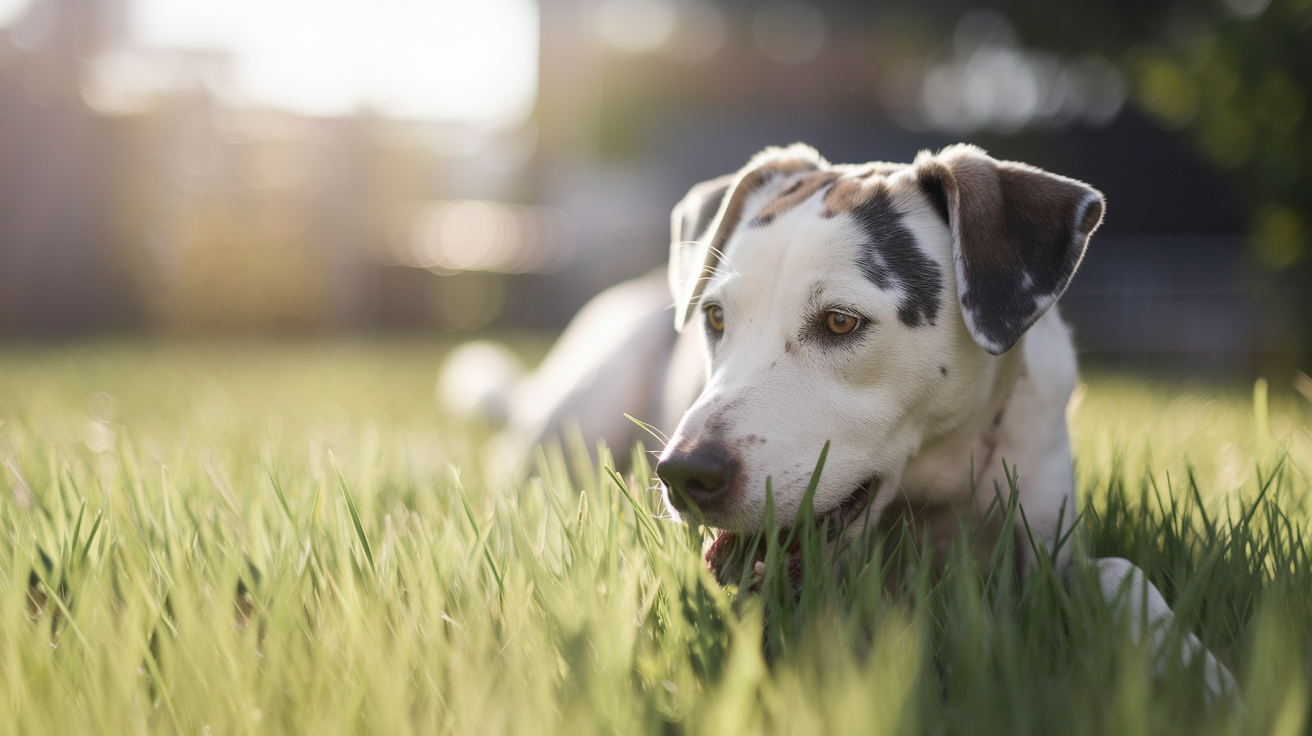
Plenty of dogs eat grass, and a lot of them throw up afterward. If you’re watching it happen for the first time, it can look pretty alarming. But here’s the good news: most of the time, it’s harmless.
Studies show that around 70% of healthy dogs eat grass at some point. About one in four of those dogs will vomit shortly after. If your dog throws up once and then goes right back to playing, eating, and acting totally normal, the episode’s usually nothing to stress about. The vomiting is just a quick reaction to the grass. Your dog’s body is handling it fine.
That said, grass eating paired with vomiting can sometimes point to something more serious. Especially if it’s happening often or if your dog’s showing other symptoms. The key is knowing what to watch for and when you need to step in.
Here’s what typically happens after a dog eats grass:
- No vomiting at all. The dog eats grass, moves on, and nothing happens. This is the most common outcome.
- Single mild vomit shortly after eating grass. The dog throws up grass, foam, or a small amount of stomach fluid, then feels fine.
- Repeated vomiting over several hours. Less common and can signal irritation or an underlying issue.
- No change in behavior. The dog’s alert, playful, and eating normally despite having vomited.
- Temporary stomach upset. The dog might be a little quieter for a few hours but recovers quickly without help.
Common Reasons Dogs Eat Grass

Dogs have been eating grass for thousands of years. Long before kibble or canned food existed. It’s wired into their behavior as scavengers and opportunistic foragers. Wild canids like wolves and foxes eat plant material regularly, often as part of the stomach contents of their prey or simply because it’s there. Your dog might be doing the same thing out of instinct, not illness.
Some dogs eat grass because their stomach feels off. They might be nauseous, dealing with acid buildup, or trying to soothe mild discomfort. Grass can trigger the gag reflex, which helps them vomit and clear out whatever’s bothering them. It’s a kind of self medication, though not every dog that eats grass is trying to throw up.
Boredom and under stimulation are surprisingly common reasons. Dogs left alone in a yard with nothing to do will graze just to pass the time or to get attention. If your dog’s learned that eating grass makes you come running, they might repeat the behavior as a way to engage with you. Even if the attention is you saying “No, stop that.”
Some experts believe dogs occasionally eat grass to fill small gaps in their diet, particularly fiber. While most commercial dog foods are nutritionally complete, individual dogs may crave extra roughage. Especially if their meals are low in vegetables or whole ingredients. Adding fiber rich foods can sometimes reduce the urge to graze.
Here are the most widely accepted explanations for why dogs eat grass:
- Ancestral foraging instinct. It’s normal canid behavior inherited from wild relatives.
- Nausea or digestive discomfort. Grass may help induce vomiting to relieve an upset stomach.
- Dietary fiber shortfall. Some dogs seek out plant material to add roughage.
- Boredom or lack of enrichment. Grazing becomes a way to self entertain or seek attention.
- Taste and texture preference. Many dogs simply enjoy chewing fresh grass.
- Learned behavior. If it got a reaction once, the dog may repeat it as a habit.
When Vomiting After Eating Grass Is Normal

If your dog eats a bit of grass, vomits once within about 15 to 60 minutes, and then goes back to normal activity and appetite, that’s usually a benign episode. The vomit will often look like a small pile of grass mixed with clear or yellowish stomach fluid, sometimes foamy. This is your dog’s digestive system doing a quick reset. It’s not typically a sign of danger.
Healthy dogs can vomit occasionally without it meaning anything serious. If it happens once and your dog is bright, playful, eating their next meal, and showing no signs of pain or distress, you can usually just monitor at home for the next 12 to 24 hours. Keep an eye on their energy, appetite, water intake, and bathroom habits. If everything stays normal, the episode was likely a one off and nothing to act on. Occasional grass induced vomiting, maybe once every few weeks or even less often, falls within the range of typical dog behavior for many pets.
Red Flag Symptoms Requiring a Veterinarian

Most grass and vomit episodes resolve on their own, but some symptoms mean it’s time to call your vet or head to an emergency clinic. These are the signs that suggest something more serious is happening.
- Vomiting more than twice in 24 hours. Repeated vomiting can lead to dehydration and may point to obstruction, poisoning, or systemic illness.
- Blood in the vomit. This can look like bright red streaks, dark clots, or a “coffee grounds” texture. It signals bleeding in the digestive tract.
- Marked lethargy or collapse. If your dog won’t get up, seems weak, or can’t stand, that’s an emergency.
- Refusal to eat or drink for more than 12 hours. Appetite loss paired with vomiting often points to pain or nausea that needs treatment.
- Severe abdominal pain. Signs include a hunched posture, whining when you touch the belly, reluctance to move, or a tight, distended abdomen.
- Diarrhea, especially if bloody or very watery. Combined with vomiting, this raises the risk of dangerous dehydration.
- Known toxin exposure. If your dog had access to treated lawns, fertilizers, pesticides, rodent bait, or toxic plants, contact your vet immediately. Even if vomiting hasn’t started yet.
If any of these symptoms appear, don’t wait to see if they improve. Fast action can prevent complications. In cases like obstruction or toxin ingestion, it can be lifesaving. Have your dog’s age, weight, and a timeline of symptoms ready when you call.
Medical Conditions That Can Cause Grass Eating and Vomiting
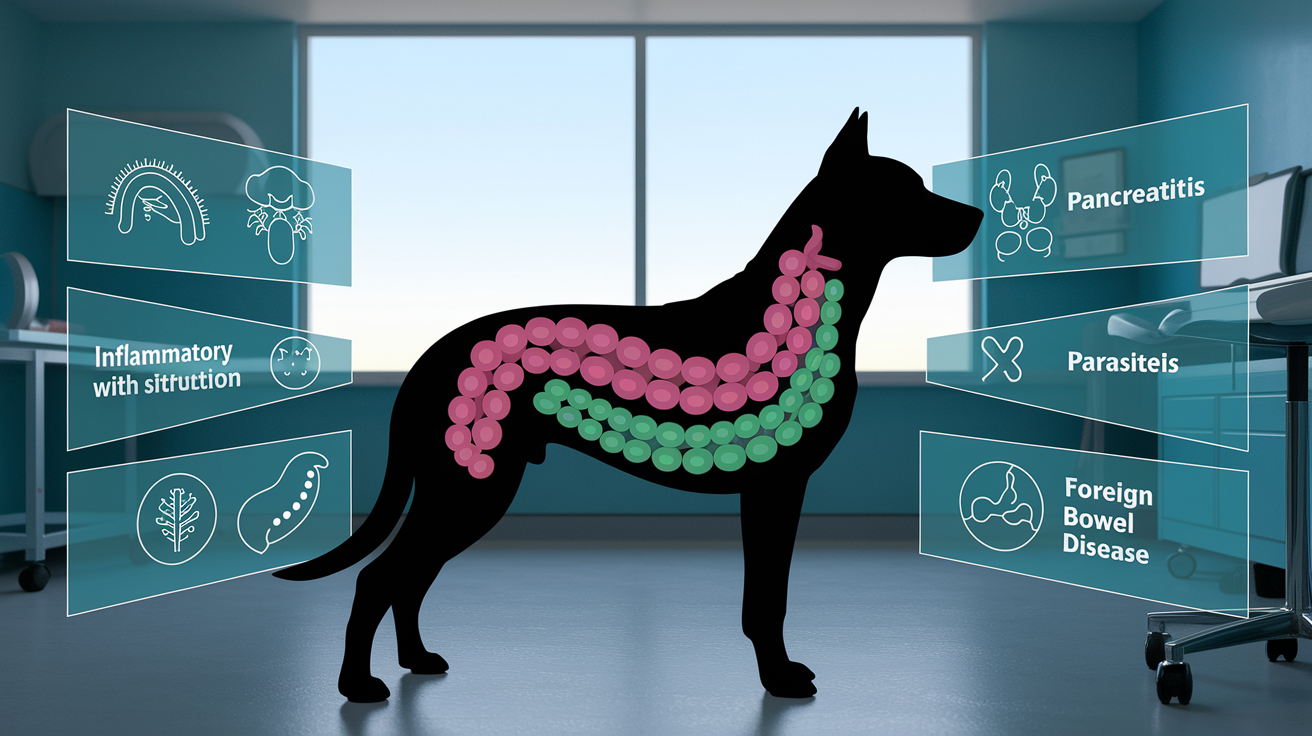
Sometimes the grass isn’t the real problem. It’s a sign that something else is going on inside your dog’s body. Gastritis, which is inflammation of the stomach lining, is one of the most common culprits. It can be triggered by eating something irritating (a stick, spoiled food, or even their own fur), by bacterial or viral infections, or by long gaps between meals that let stomach acid build up. Dogs with gastritis often seek out grass to soothe their stomach or induce vomiting. The vomit may be foamy, yellowish bile.
Intestinal parasites, including roundworms, hookworms, whipworms, and giardia, can cause ongoing nausea, diarrhea, and vomiting. Dogs with parasites may eat grass more frequently as their gut becomes increasingly uncomfortable. Routine fecal testing and deworming are the simplest ways to rule out or treat parasites before they cause more serious problems.
Pancreatitis, an inflammation of the pancreas, presents with sudden, severe vomiting, abdominal pain, loss of appetite, and sometimes diarrhea. Dogs with pancreatitis are often visibly uncomfortable and may adopt a “praying” position, with their front end down and rear end up. This condition requires immediate veterinary care, supportive fluids, pain management, and dietary changes.
Inflammatory bowel disease (IBD) is a chronic condition where the lining of the gastrointestinal tract becomes inflamed. This leads to recurring vomiting, diarrhea, weight loss, and poor appetite. Dogs with IBD may eat grass frequently trying to ease chronic nausea. Diagnosis typically requires bloodwork, imaging, and sometimes an intestinal biopsy. Treatment involves specialized diets and medication.
Foreign body obstructions, where a dog’s swallowed something that blocks the stomach or intestines (toys, bones, fabric, corn cobs), can cause repeated vomiting, inability to keep food or water down, abdominal pain, and lethargy. Grass eating may increase as the dog tries to relieve discomfort. Obstructions are surgical emergencies and require imaging (X-rays or ultrasound) and often surgery to remove the object.
Dietary and Lifestyle Approaches to Prevention

One of the simplest ways to reduce grass eating and vomiting is to take a closer look at your dog’s diet. If your dog’s food is low in fiber or heavily processed, adding a small amount of fiber rich vegetables can help. Plain canned pumpkin (not pie filling) is a go to option. Start with one teaspoon to one tablespoon per meal for small dogs, one to two tablespoons for medium dogs, and two to four tablespoons for large dogs. Cooked green beans, sweet potato, or a small amount of cooked oatmeal can also work. If grass eating continues despite these additions, talk to your vet about switching to a higher fiber complete diet.
Feeding schedule matters, too. Dogs that go long stretches without food, especially overnight, can develop a buildup of bile and stomach acid that leads to nausea and foamy vomiting in the morning. This pattern is sometimes called bilious vomiting syndrome. Offering a small meal or snack before bed and splitting your dog’s daily food into smaller, more frequent portions can prevent the acid buildup and reduce the urge to eat grass first thing in the morning.
Boredom and lack of mental stimulation drive a lot of unwanted behaviors, including excessive grazing. Increasing your dog’s daily exercise, rotating toys, using puzzle feeders, and teaching new tricks all help redirect energy away from grass. If your dog’s eating grass mainly when left alone in the yard, that’s a strong signal they need more to do.
Here are practical at home steps to reduce grass eating and prevent vomiting:
- Add a fiber source to meals. Use plain canned pumpkin, cooked green beans, or a vet recommended high fiber food.
- Feed smaller, more frequent meals. This prevents bile buildup and keeps the stomach from being empty for long periods.
- Increase exercise and enrichment. Longer walks, fetch sessions, sniff games, and puzzle toys reduce boredom driven grazing.
- Supervise outdoor time. Limit access to untreated grass areas and redirect your dog when they start grazing.
- Avoid lawn chemicals. Keep your dog off lawns treated with pesticides, fertilizers, or weed killers, which can cause toxicity and vomiting.
When Grass Eating and Vomiting Require Diagnostic Tests

If your dog’s grass eating and vomiting are happening regularly (more than once a week) or if home management hasn’t helped, your veterinarian will likely recommend diagnostic testing to identify the underlying cause. Bloodwork, including a complete blood count and chemistry panel, checks organ function (liver, kidneys, pancreas) and looks for signs of infection, inflammation, or metabolic disease. A fecal exam tests for parasites and bacterial or protozoal infections like giardia, which are common causes of chronic nausea and vomiting.
Imaging studies, such as abdominal X-rays or ultrasound, help visualize the stomach and intestines to check for foreign objects, masses, thickened bowel walls (a sign of IBD), or structural abnormalities. In more complex cases, your vet may recommend endoscopy, a procedure that uses a camera to look directly inside the stomach and intestines and take tissue samples for biopsy. Allergy testing or elimination diet trials may also be suggested if food sensitivities or allergies are suspected as triggers for chronic digestive upset. These tests give your vet the information needed to create a targeted treatment plan, whether that’s deworming medication, dietary changes, anti nausea drugs, or more advanced interventions like surgery or long term medication for chronic conditions.
Final Words
If your dog just ate grass and vomited, stay calm. This is often a short-lived stomach upset and many healthy dogs recover quickly.
We covered reasons dogs nibble grass, when vomiting is usually harmless, red flags that need a vet, prevention tips, and common diagnostic steps.
Watch your pet for 24 to 48 hours for repeated vomiting, lethargy, blood, or loss of appetite — call your vet if those show up. With steady care and simple changes, most pets bounce back from dog eating grass and vomiting.
FAQ
Q: Why is my dog eating grass and throwing up yellow foam?
A: The reason your dog is eating grass and throwing up yellow foam is often mild stomach irritation or bile (yellow fluid) from an empty stomach; see a vet if vomiting repeats, there’s blood, weakness, or behavior change.
Q: Do dogs eat grass if they have an upset stomach?
A: Dogs do eat grass if they have an upset stomach, but also from boredom or instinct; occasional grass-eating is common—watch for repeated vomiting, diarrhea, or lethargy and call your vet if symptoms persist.